Kulcha Restaurant Wollongong
On Kembla Street in the centre of Wollongong, Kulcha Restaurant occupies a position in the city's growing roster of ingredient-conscious dining rooms. The name itself signals an intent toward cultural specificity rather than generic fusion, placing it alongside Wollongong's broader shift toward kitchens that treat provenance as a starting point rather than a selling point.
Pearl is the En Primeur Club membership app — saves, bookings, and concierge access live there. Same editors, same standards.
- Address
- 1/88 Kembla St, Wollongong NSW 2500, Australia
- Phone
- +61450655625
- Website
- ubereats.com
- Directions
- Get directions
 Saves & bookings on Pearl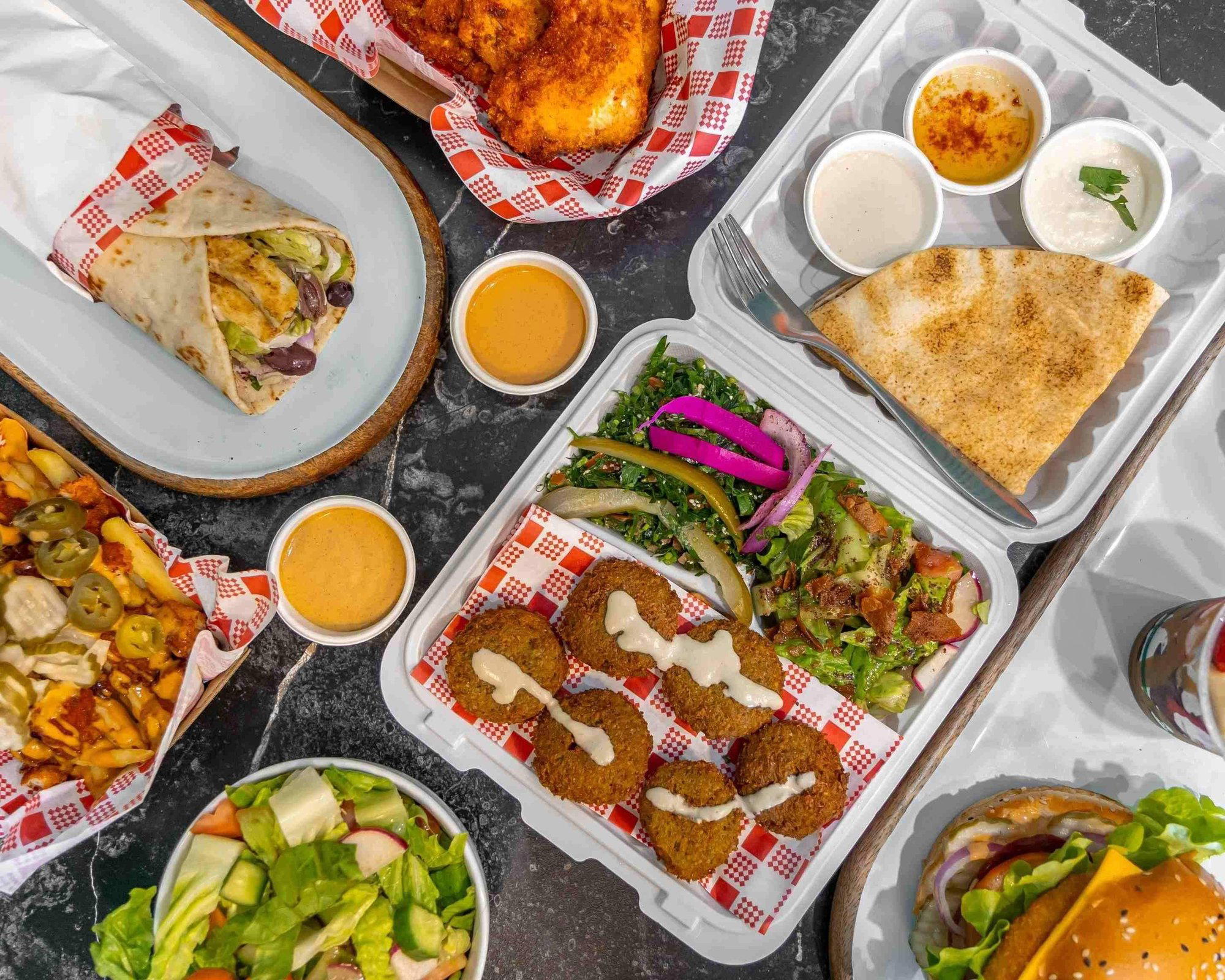
Where Wollongong's Dining Ambitions Meet the Street
Kembla Street runs through the commercial heart of Wollongong with the kind of low-key confidence that mid-sized Australian coastal cities do well. The strip carries a mix of long-running neighbourhood institutions and newer arrivals that reflect the city's gradually shifting appetite, and Kulcha Restaurant at number 88 sits within that evolving pattern. Wollongong has spent the better part of a decade building a dining identity distinct from its role as a southern satellite of Sydney, and the restaurants that have contributed most to that shift tend to share a common thread: a seriousness about where food comes from before it reaches the plate.
Kulcha Restaurant Wollongong is a middle eastern kebab fusion restaurant in central Wollongong. The name Kulcha carries cultural weight in South Asian cooking traditions, where the leavened bread is inseparable from the tandoor, the dough, and the hands that shape it. Whether that reference operates literally or as a broader statement of cultural intent, it locates the restaurant within a category of Wollongong dining rooms that are doing something more considered than the coastal casual default. That positioning matters in a city where the competition runs from Japanese all-you-can-eat formats like Okami Japanese Restaurant to Italian-leaning neighbourhood rooms such as Ciao Cucina and sandwich-focused operations like Paninoteca Hub.
Ingredient Sourcing as Editorial Position
Across Australia's better dining rooms, sourcing has stopped being a marketing addendum and started functioning as a structural decision. Kitchens that build menus around specific producers, regional varieties, or traditional processing methods end up with a fundamentally different product than those that source to price. That distinction is visible at the plate level and audible in how staff describe what they're serving. The trajectory set by places like Attica in Melbourne and Brae in Birregurra demonstrated that Australian dining audiences will follow restaurants that treat sourcing as craft rather than compliance, and that sensibility has filtered progressively into regional cities.
Wollongong sits in a geographically advantageous position for this kind of approach. The Illawarra region's agricultural catchment, the proximity of the Southern Highlands, and relatively short supply chains to Sydney's wholesale markets give Wollongong kitchens access to quality raw material without the logistical complexity facing more remote regional centres. Restaurants willing to act on that proximity rather than defaulting to standard distribution networks tend to produce food with a regional character that distinguishes them within the broader New South Wales dining map. The question for any kitchen operating under a culturally specific name is whether the sourcing decisions reinforce that cultural identity or merely gesture toward it.
Kulcha in Wollongong's Competitive Set
Wollongong's restaurant scene has developed enough range that meaningful comparisons now operate within the city rather than defaulting to Sydney as the only reference point. The city's Chinese dining offer is anchored by banquet-format rooms like The Great Pavilion, while the Italian and European casual tier has its own established players. The gap in Wollongong's offer has historically been in the middle bracket: restaurants that combine cultural specificity with ingredient discipline at a price point that reflects the city's cost-of-living realities rather than Sydney's premium expectations.
That middle tier is where the more interesting regional dining decisions get made. It mirrors patterns visible elsewhere on the eastern seaboard, from the neighbourhood-scale ambitions of Bayly's Bistro in Kirribilli to the produce-forward formats that have taken hold in Melbourne's inner suburbs. The regional version of this format does not require the credentialling infrastructure of a Sydney or Melbourne operation; it requires consistent sourcing decisions and a kitchen that knows what it is doing with the ingredients it selects.
Planning Your Visit
Kulcha Restaurant operates from 1/88 Kembla Street in central Wollongong, a ground-floor address in the commercial precinct that sits within walking distance of the city's main transport connections. For visitors arriving from Sydney, Wollongong is roughly 80 kilometres south via the Princes Highway or accessible by train on the South Coast line, making it a feasible day trip or a natural stop on a longer coastal itinerary. For those building a Wollongong dining plan around multiple meals, the Kembla Street location places Kulcha within easy reach of the other rooms worth visiting in the central area.
Wollongong is not a city that requires the justification frameworks Sydney diners sometimes apply to regional travel. The combination of coastal geography, a university population that generates genuine demand for diverse food, and a local dining culture that has grown increasingly confident in its own identity makes it a legitimate dining destination on its own terms. Places like bills in Bondi Beach built reputations on the back of a coastal-casual format that Wollongong has long had the raw material to replicate; the city's better rooms are now moving past replication into something with more local specificity.
For those comparing regional dining options across New South Wales and beyond, it is worth noting that the challenges facing a Wollongong kitchen with cultural ambitions are not unlike those facing South Asian-influenced rooms in other Australian regional cities. Jaani Street Food in Ballarat operates in a comparable regional context, navigating the same tension between cultural authenticity and local market expectations. The restaurants that resolve that tension most successfully tend to anchor their identity in specific ingredients and techniques rather than in atmosphere or name alone.
Side-by-Side Snapshot
Comparable venues nearby, for context on price, style, and recognition.
| Venue | Cuisine | Price | Notes |
|---|---|---|---|
| Kulcha Restaurant WollongongThis venue — the venue you are viewing | Middle Eastern Kebab Fusion | $$ | Not listed |
| Paninoteca Hub | Italian Panini Deli | $$ | Lake Heights |
| The Great Pavilion | Modern Indian | $$ | Wollongong CBD |
| Okami Japanese Restaurant | Authentic Japanese All-You-Can-Eat | $$ | Unanderra |
| Ciao Cucina | Homestyle Italian Trattoria | $$ | Wollongong CBD |
| King & Godfree | Italian Deli | $$ | Carlton |
Continue exploring
More in Wollongong
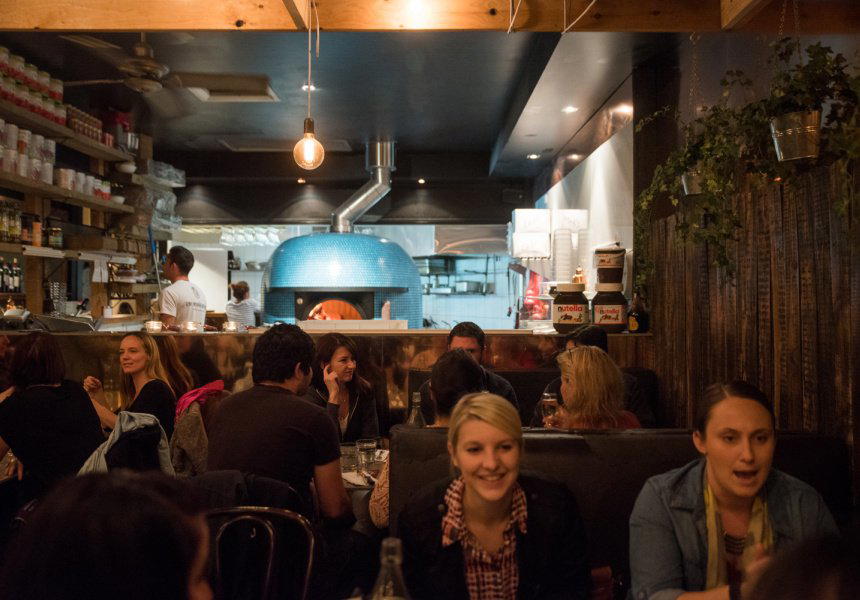
Restaurants in Wollongong
Browse all →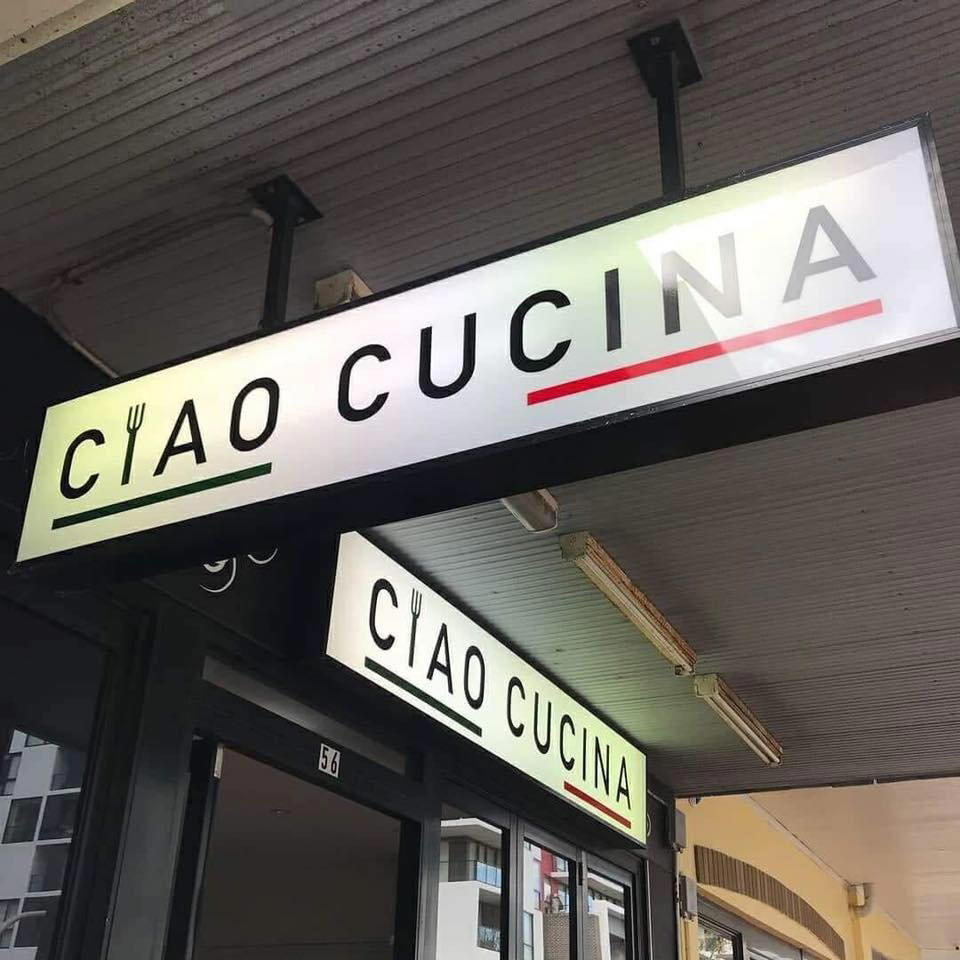

Bars in Wollongong
Browse all →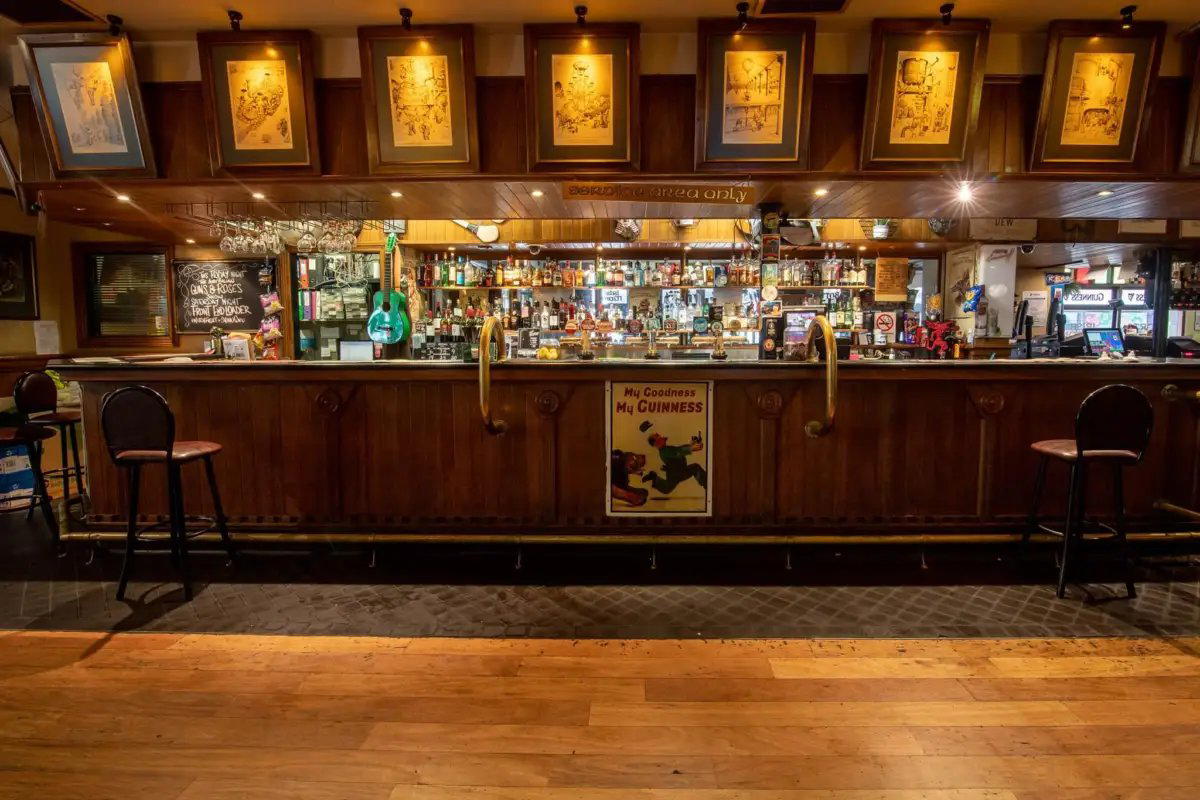
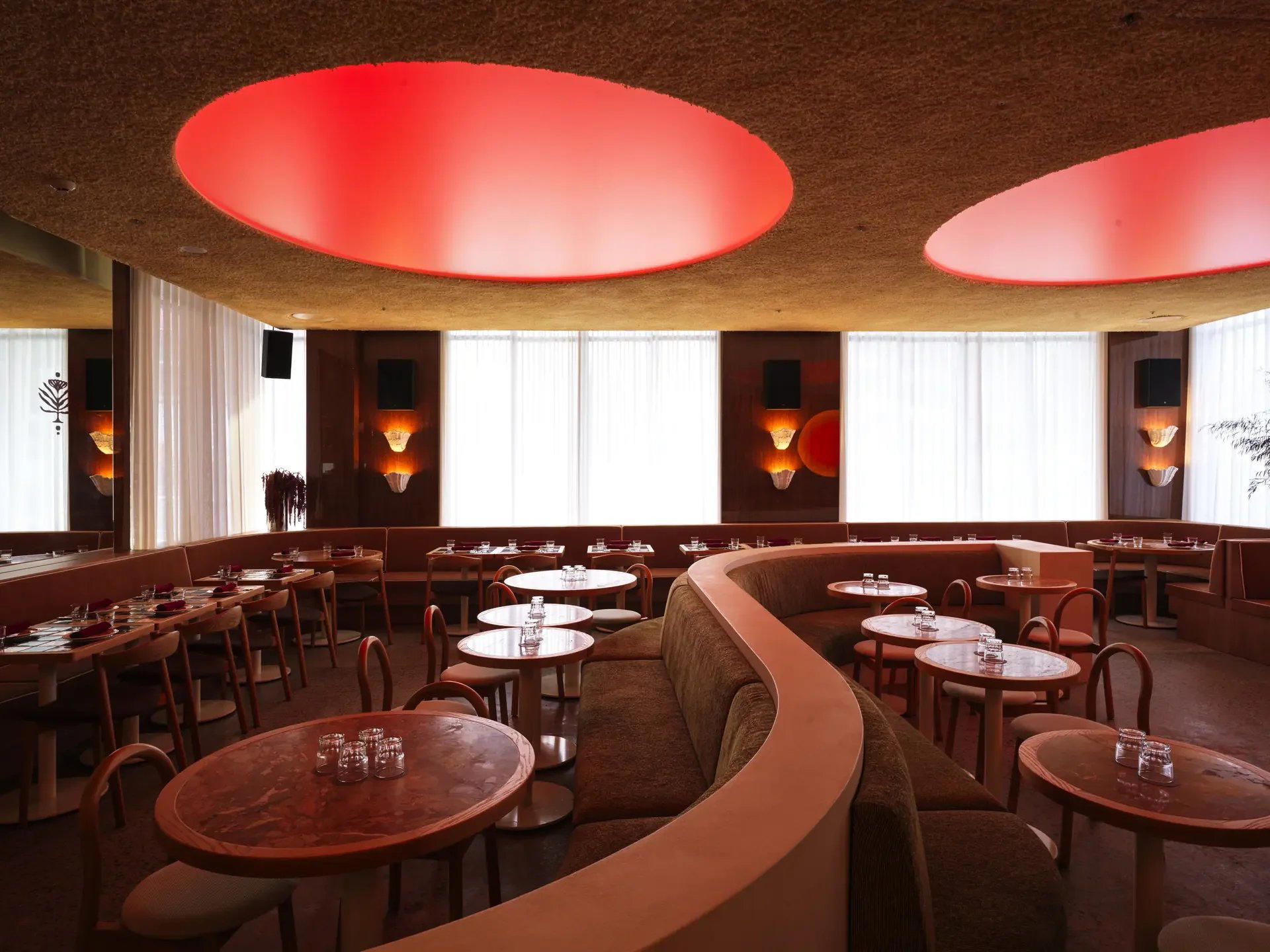
Hotels in Wollongong
Browse all →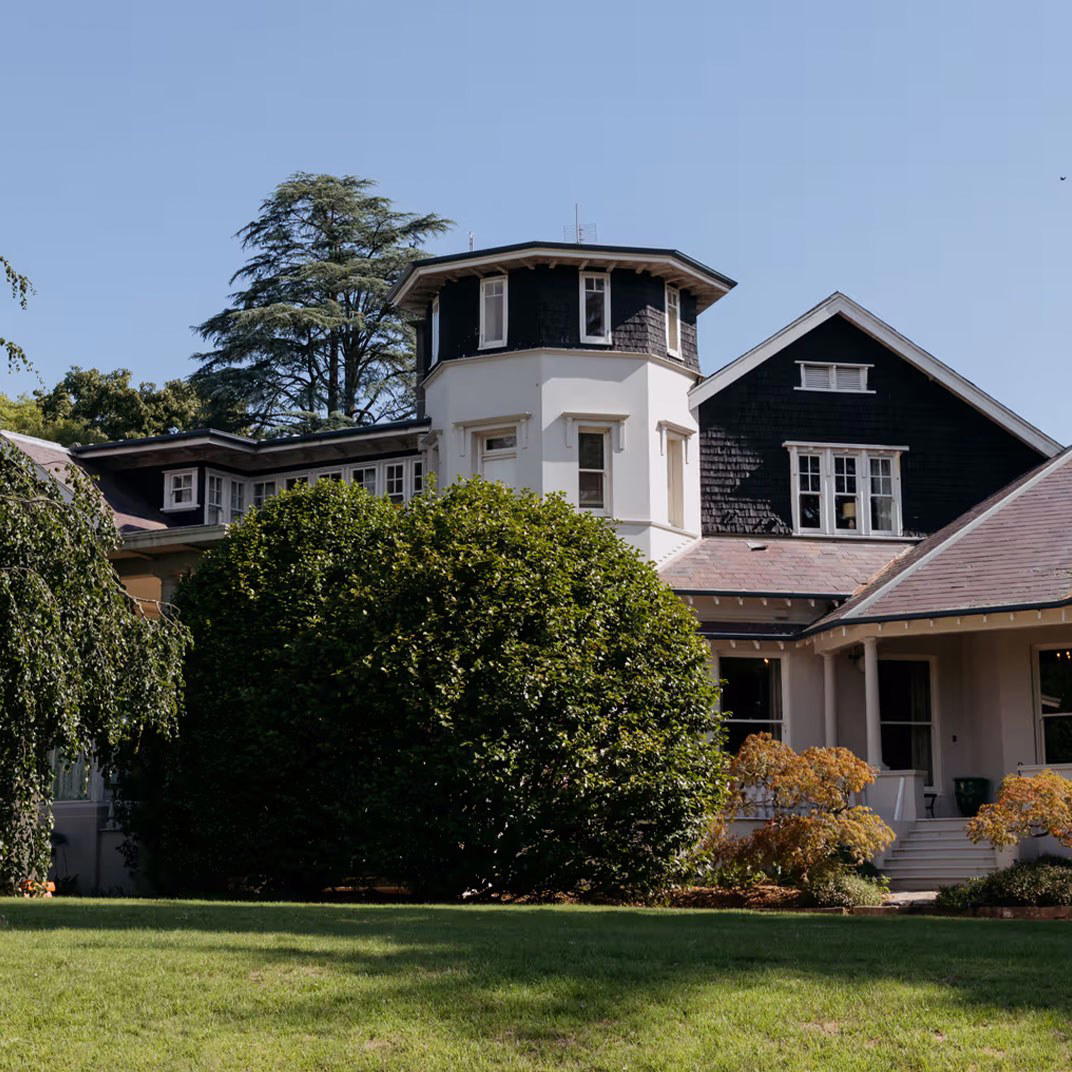
Wineries in Wollongong
Browse all →
At a Glance
- Lively
- Casual Hangout
- Late Night
Current opening hours
- Monday
- 11 AM–12 AM
- Tuesday
- 11 AM–12 AM
- Wednesday
- 11 AM–2 AM
- Thursday
- 11 AM–2 AM
- Friday
- 11 AM–2 AM
- Saturday
- 11 AM–2 AM
- Sunday
- 11 AM–2 AM
Hours can change for holidays and private events. Last verified .
Lively and casual atmosphere focused on fresh, flavorful street food.