The logic of ember cooking in this part of Spain
Across the arc of interior Spain, from Castile's wood-fired lamb to Murcia's vegetable braises, direct heat over embers remains the dominant technique at serious regional tables. The Alicante interior follows the same logic, and Elías frames its cooking around that continuity. Grilling over embers is not presented here as a trend borrowed from Scandinavian new-Nordic influence or South American asado culture; it is simply what this territory has always done, and the kitchen does it with the kind of fluency that comes from long practice.
Chef Simon Shaw works within this framework, which places Elías in an interesting category: a kitchen guided by someone who has arrived at traditional regional cooking from a position of outside perspective, yet the results have been validated repeatedly by guides rooted in local expertise. The Michelin Bib Gourmand designation, awarded consecutively in 2023, 2024, and 2025, is the most useful anchor here. Bib Gourmand recognition is awarded to restaurants offering food of notable quality at a price point that does not require the outlay associated with full Michelin star properties, and three consecutive years of recognition indicates consistent execution rather than a single strong performance. Elías carries a €€ price range, placing it well within that Bib Gourmand tier alongside regional peers across southern Spain.
Rice, rabbit, and the weight of local tradition
Across the Valencian Community, rice dishes carry a significance that extends well beyond a single plate. The rice with rabbit and snails occupies a different position in the cultural lexicon than the coastal paellas that most visitors associate with the region. Inland rices rely on game, mountain snails, and intense stock reduction rather than seafood, and they carry a denser, more mineral-driven profile. Elías has built its reputation partly on this dish, and Opinionated About Dining, a guide built on the aggregate assessments of experienced diners rather than a single critic, has ranked the restaurant among the leading sixty casual tables in Europe three years running: 52nd in 2023, 69th in 2024, and 54th in 2025. For a village restaurant in Xinorlet serving regional recipes at accessible prices, those rankings place it in a cohort that includes tables with considerably larger profiles.
Alongside the rice, the menu anchors itself in preparations that require time rather than complexity: roasted almonds treated as a serious ingredient rather than a pre-meal afterthought, and gachamiga, the thick flour-based porridge historically made by agricultural workers in this corner of Alicante. Gachamiga does not appear on many menus outside the comarca, and its presence at Elías signals a kitchen that sees value in preserving preparations that have no contemporary equivalent rather than substituting them with more broadly recognised dishes.
The wine list and the Jumilla connection
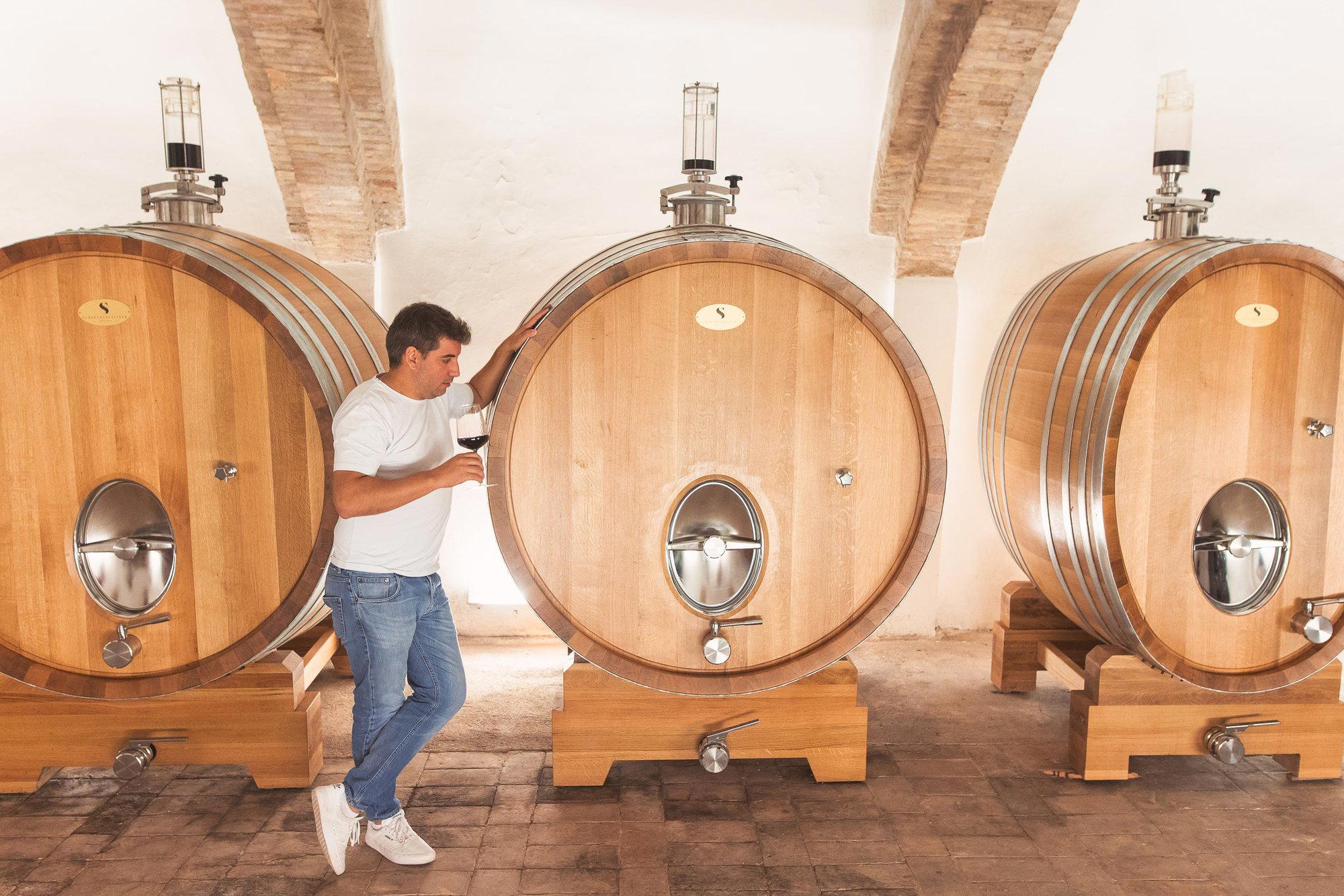
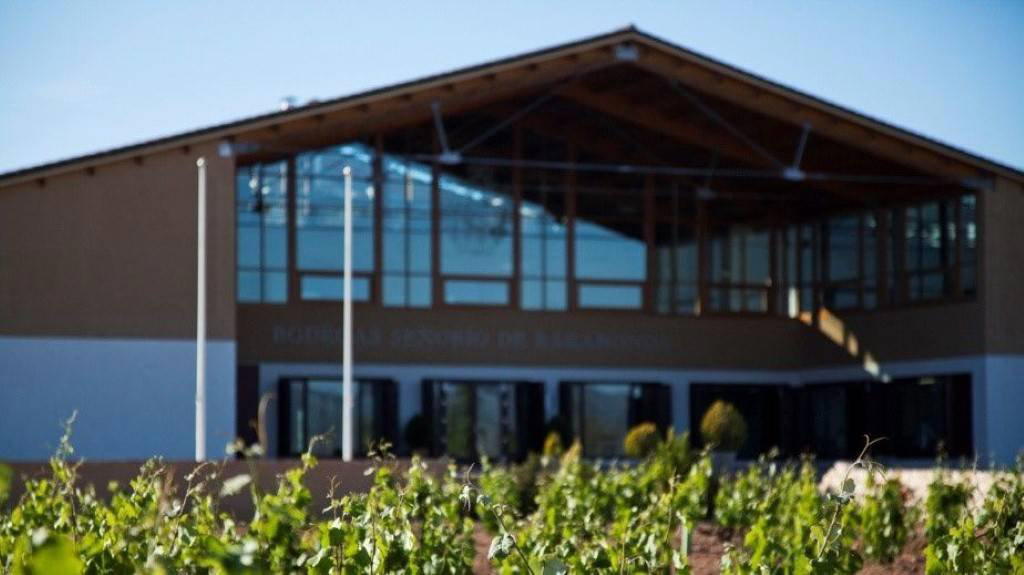
The wine list at Elías has drawn comment from visitors arriving directly from producer visits in Jumilla, a designation whose Monastrell-based wines have spent recent years building serious international credibility. A restaurant in this area that can hold its own alongside winery conversation is operating at a level of curation that goes well beyond the standard regional restaurant format. Spain's interior wine zones, from Jumilla to Yecla to Almansa, remain less discussed internationally than the country's coastal appellations, and a wine list that maps this territory with genuine depth is a meaningful differentiator. For visitors combining a stay in the region with producer visits, the proximity makes Elías a natural stop on a longer itinerary. Our full Xinorlet wineries guide covers that territory in more detail.
Situating Elías within Spain's broader restaurant hierarchy
Spain operates one of the most stratified restaurant cultures in Europe. At the top of the hierarchy sit multi-star properties: Arzak in San Sebastián, El Celler de Can Roca in Girona, Azurmendi in Larrabetzu, Mugaritz in Errenteria, and DiverXO in Madrid, all operating at €€€€ price points with tasting menus built around individual creative vision. Elsewhere in the Levante, Quique Dacosta in Dénia and Ricard Camarena in València represent the coastal-Mediterranean fine dining tier. Aponiente in El Puerto de Santa María, Cocina Hermanos Torres in Barcelona, Martin Berasategui in Lasarte - Oria, and Atrio in Cáceres extend that three-star category across the country.
Elías operates on a different register entirely, and that is the source of its appeal. The comparison set is less those destination temples and more the committed regional tables in other European countries: restaurants like Fahr in Künten-Sulz or Gannerhof in Innervillgraten, which deliver serious regional cooking at sensible prices in locations that require a deliberate journey. This type of restaurant asks something of its guest, specifically, that they travel to find it rather than waiting for it to come to them, and rewards that commitment with cooking that would not carry the same meaning transplanted to a city centre.
Planning a visit
Elías operates Monday through Friday, from 9am to 6pm, and is closed on both Saturday and Sunday. That timetable aligns with a working-week village rhythm rather than a leisure dining calendar, which narrows the window for visitors who are not structuring their travel specifically around a midday meal. The address is Calle Rosales, 7, in the centre of Xinorlet, Alicante. No booking method is listed in publicly available data, so arriving with a plan rather than assuming availability is sensible given the restaurant's continued recognition. For anyone building a broader itinerary around the area, our full Xinorlet restaurants guide, hotels guide, bars guide, and experiences guide provide context for the surrounding options.