Arepas Cafe
Arepas Cafe on 36th Avenue in Astoria has anchored Queens' Venezuelan dining scene for years, serving the corn-based flatbreads that define the country's street food culture. The restaurant sits in one of New York City's most culinarily diverse neighbourhoods, where ingredient sourcing and community-rooted cooking carry more weight than marquee names or tasting menus.
Pearl is the En Primeur Club membership app — saves, bookings, and concierge access live there. Same editors, same standards.
- Address
- 33-07 36th Ave, Astoria, NY 11106
- Phone
- +17189373835
- Website
- arepascafe.squarespace.com
- Directions
- Get directions
 Saves & bookings on Pearl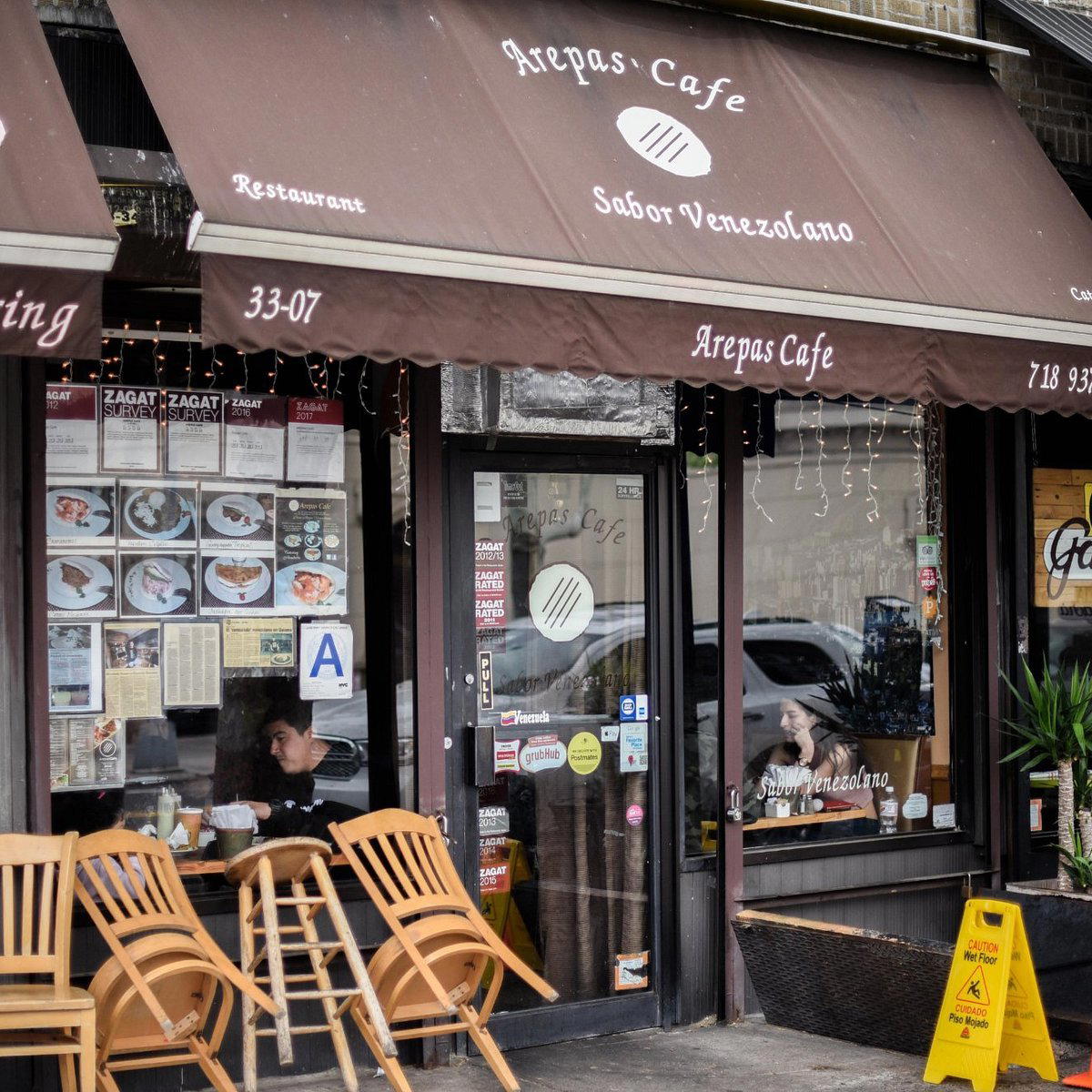
Astoria and the Venezuelan Arepa Tradition
Queens has long functioned as New York City's most concentrated expression of immigrant food culture, and 36th Avenue in Astoria is one of the borough's more instructive corridors. The Venezuelan arepa, a griddled or baked round of masa harina dough split and filled with combinations of meat, cheese, black beans, or avocado, arrived in New York with Venezuelan migration waves that accelerated through the 1990s and 2000s. By the time Arepas Cafe established itself at 33-07 36th Avenue, the format was already well understood in Queens but still largely unfamiliar to the wider New York dining public. That gap has since narrowed considerably, with Venezuelan food receiving sustained coverage in publications that once treated it as a footnote to broader Latin American cooking.
The arepa as a format carries a practical relevance to contemporary conversations about ingredient-conscious cooking. Masa harina, the nixtamalised corn flour at the core of every arepa, is a low-waste, shelf-stable staple that has sustained communities across Venezuela and Colombia for centuries. Unlike protein-forward tasting menus at places such as Le Bernardin or Masa, where luxury sourcing and per-head spend define the experience, the arepa tradition is built on frugality as a virtue. A well-made arepa wastes nothing: the dough is the vessel, the vessel is eaten, and the fillings are calibrated to what is available.
Where Astoria Sits in New York's Dining Geography
Astoria occupies an interesting position in New York's restaurant geography. It is not the destination neighbourhood for expense-account dining, which concentrates in Midtown, the West Village, and the Upper East Side. Venues such as Per Se, Atomix, and Eleven Madison Park operate at price points and in formats that serve a different purpose entirely. What Astoria offers is density of community-sourced cooking, where the measure of quality is fidelity to a home tradition rather than critical recognition or tasting menu architecture.
36th Avenue specifically functions as a working dining strip with a long multi-ethnic character, Greek coffee shops sitting alongside Colombian bakeries, Egyptian grills, and Venezuelan spots. Arepas Cafe is embedded in that pattern rather than positioned against it. For the reader consulting our full New York City restaurants guide, Arepas Cafe represents a different kind of value proposition than the Michelin-starred tier, one where neighbourhood rootedness and format authenticity matter more than production values.
Sustainability Through Simplicity: The Arepa's Structural Logic
The sustainability case for arepa-led cooking does not rest on sourcing certifications or farm-to-table marketing language. It rests on the structural logic of the format itself. Corn-based flatbreads require minimal processing, generate negligible plate waste, and scale to available seasonal fillings without demanding a fixed, ingredient-intensive menu. This places the arepa tradition in an interesting counterpoint to the zero-waste fine dining conversation happening at restaurants like Blue Hill at Stone Barns or Single Thread Farm in Healdsburg, where substantial kitchen infrastructure is deployed to achieve what immigrant community kitchens have practised by necessity for generations.
Across American cities, some of the more thoughtful conversations about food waste reduction and ethical sourcing are happening not in chef-driven fine dining rooms but in community-anchored spots where resourcefulness is baked into the cuisine's DNA. The arepa kitchen is a good example of this. Fillings rotate with availability, portion sizing is calibrated to reduce leftover mass, and the corn base itself is among the more water-efficient staple crops in common culinary use. That argument would resonate at venues as structurally different as Smyth in Chicago or Lazy Bear in San Francisco, both of which have made waste reduction a programme-level commitment.
The Astoria Venezuelan Scene in Context
The restaurant is not operating in isolation. Astoria's Venezuelan dining cluster is small but consistent, with a handful of spots along and around 36th Avenue that collectively maintain the format's presence in Queens. What distinguishes the restaurant within that cluster is tenure: an established address on a well-trafficked avenue carries different weight than a newer arrival. Community restaurants in immigrant neighbourhoods often function as anchors for diaspora gatherings and informal social infrastructure in ways that are harder to quantify than a Yelp rating or a Michelin recommendation.
The contrast with New York's higher-end Latin American dining is worth drawing. Venezuelan food at the arepa-and-cachapa end of the spectrum occupies a different register than the modernist Latin American cooking that has drawn critical attention at other addresses. The format is resolutely unpretentious, and that unpretetiousness is a feature, not a limitation. Readers who have spent time at Providence in Los Angeles or Addison in San Diego will recognise that the criteria shift entirely when crossing into community dining territory.
Planning a Visit
Astoria is accessible from Manhattan via the N and W subway lines, with the 36th Avenue station placing visitors a short walk from the restaurant's address. The neighbourhood is compact enough to combine a meal at the restaurant with a wider 36th Avenue walk. Arriving outside peak lunch and dinner windows is the sensible approach for a first visit.
How Arepas Cafe Compares on Logistics
| Venue | Cuisine | Price Tier | Booking Required | Location |
|---|---|---|---|---|
| The restaurant | Venezuelan | Budget-casual | Not confirmed | Astoria, Queens |
| Le Bernardin | French Seafood | $$$$ | Yes, weeks ahead | Midtown Manhattan |
| Atomix | Modern Korean | $$$$ | Yes, months ahead | Flatiron, Manhattan |
| Eleven Madison Park | French Vegan | $$$$ | Yes, months ahead | Flatiron, Manhattan |
| Per Se | French Contemporary | $$$$ | Yes, weeks ahead | Columbus Circle, Manhattan |
Reputation First
Comparable venues nearby, for context on price, style, and recognition.
| Venue | Cuisine | Price | Notes |
|---|---|---|---|
| Arepas CafeThis venue — the venue you are viewing | Authentic Venezuelan Arepas | $ | Not listed |
| Lammy's Restaurant | Jamaican | $ | Eastchester-Edenwald-Baychester |
| Kingston Tropical | Jamaican bakery and patty shop | $ | Wakefield |
| Bird Pepper | Caribbean | $$ | Prospect Heights |
| Brisas del Mar Queens | Authentic Dominican Caribbean | $$ | Woodhaven |
| A&A Bake and Doubles | Trinidadian Caribbean Street Food | $ | Bedford-Stuyvesant (West) |
Continue exploring
More in New York City
Restaurants in New York City
Browse all →
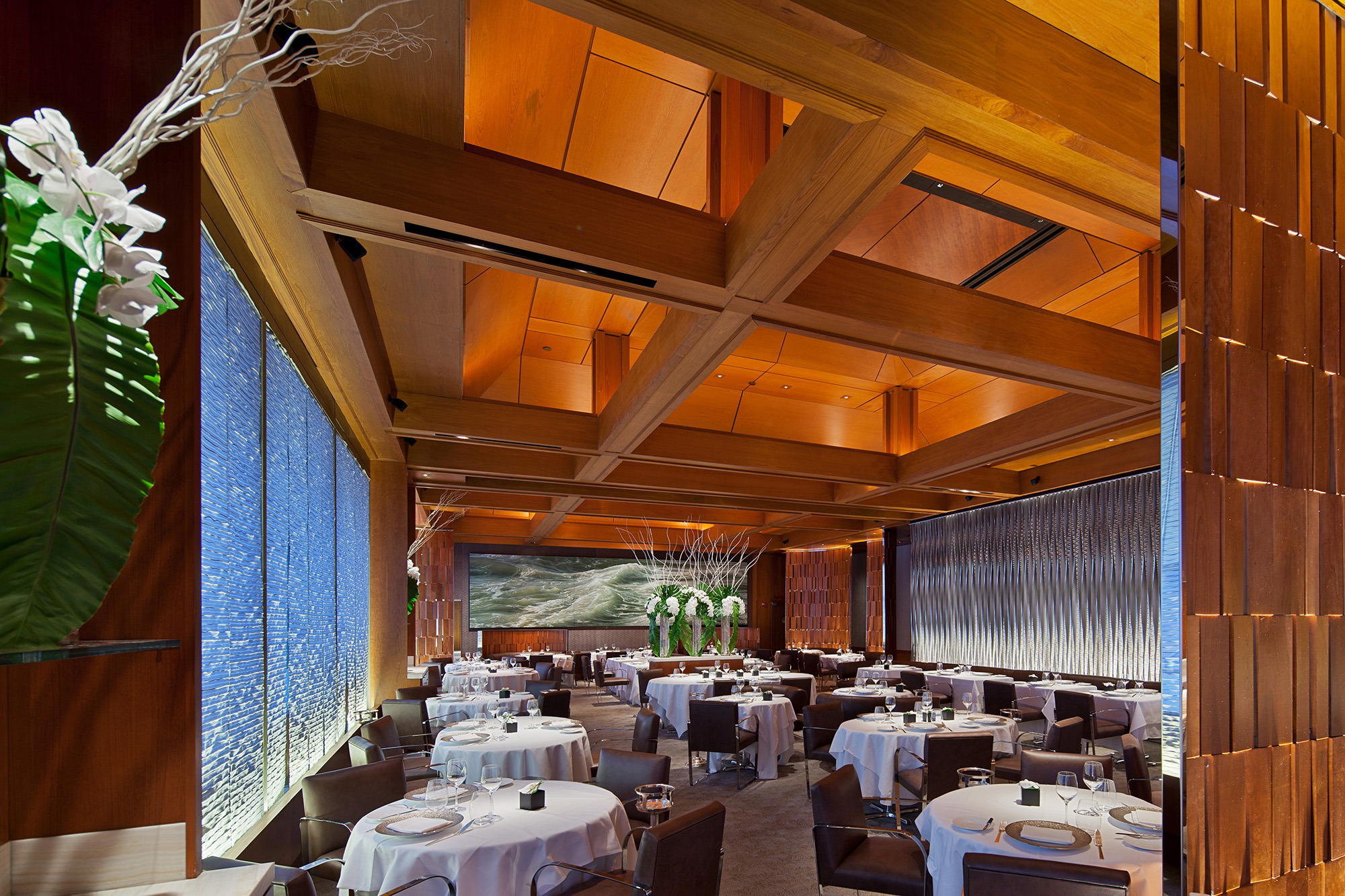
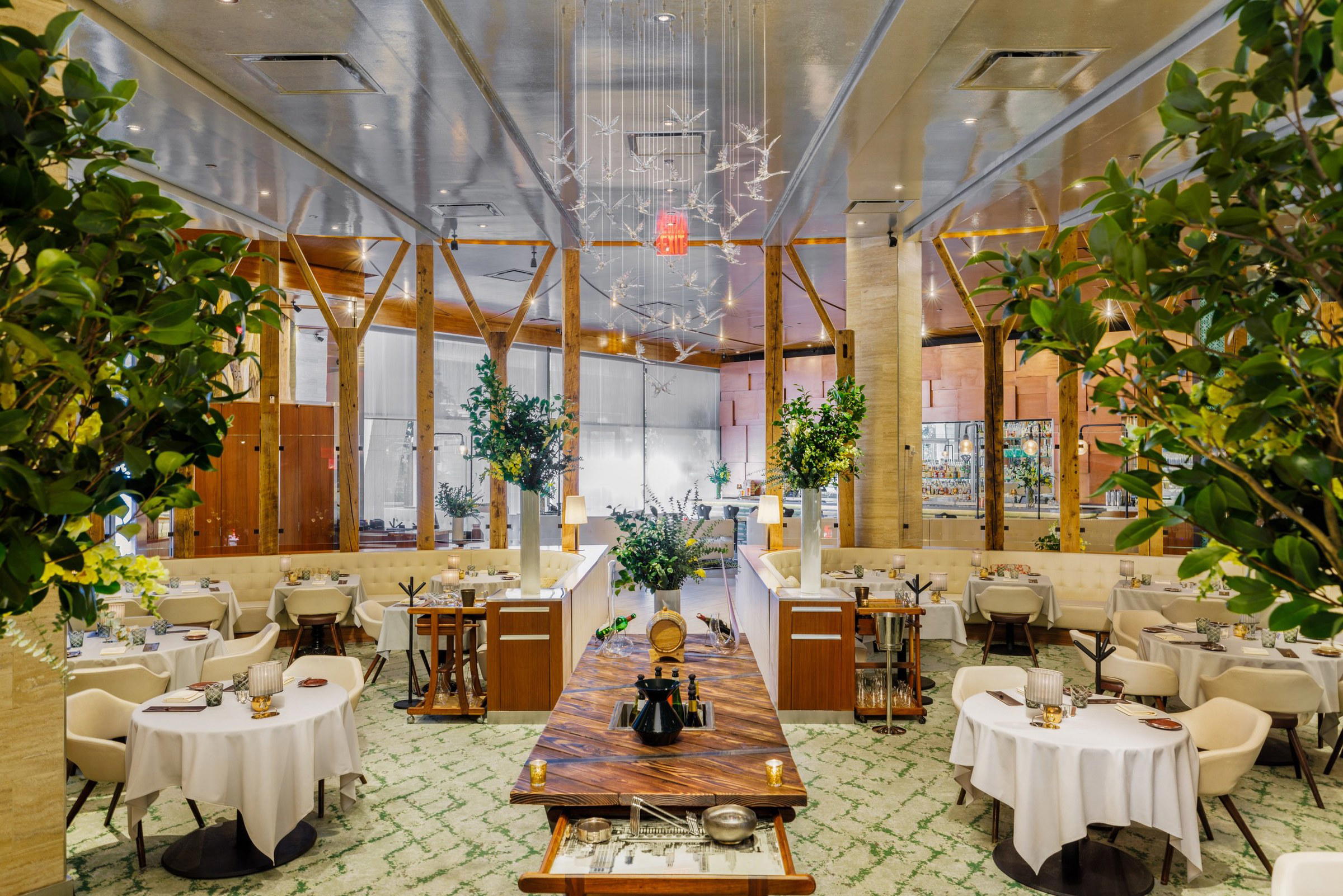
Bars in New York City
Browse all →
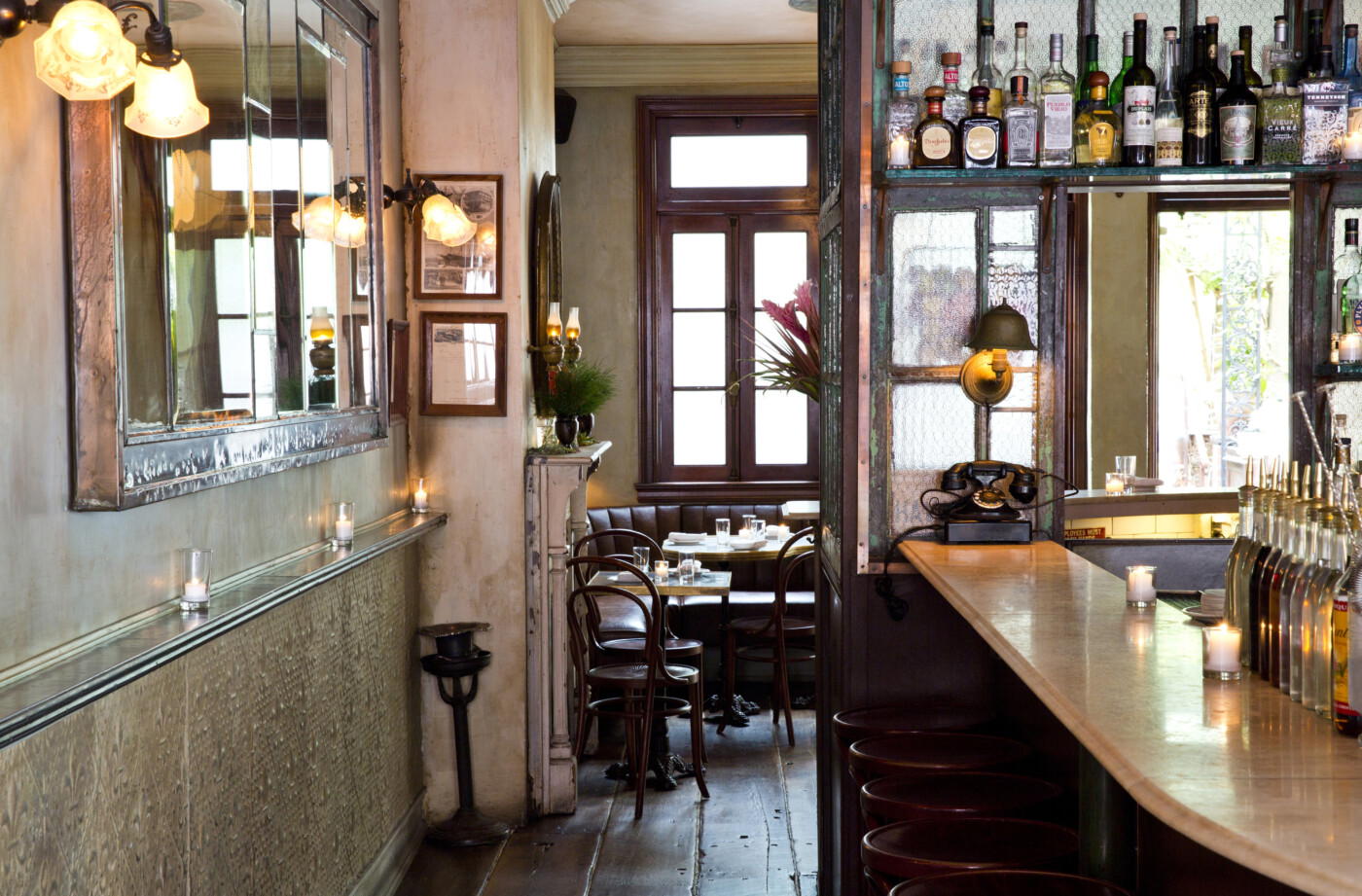

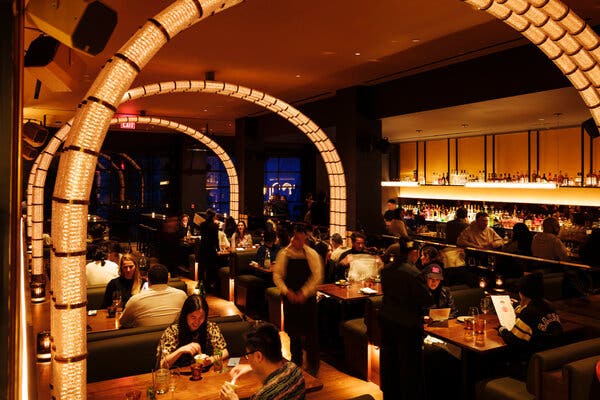

Hotels in New York City
Browse all →






At a Glance
- Cozy
- Rustic
- Casual Hangout
Current opening hours
- Monday
- 9 AM–10 PM
- Tuesday
- 9 AM–10 PM
- Wednesday
- 9 AM–10 PM
- Thursday
- 9 AM–10 PM
- Friday
- 9 AM–11 PM
- Saturday
- 11 AM–11 PM
- Sunday
- 11 AM–10 PM
Hours can change for holidays and private events. Last verified .
Cozy diner atmosphere with colorful native decor and a warm, family-like staff.