MacAle sits on Søndergade in central Randers, placing it at the social core of a city that punches above its size in provincial Danish dining. The address alone signals a pub-style setting oriented toward drink-led sociability rather than formal plating, making it a reference point for understanding how Randers balances casual hospitality against the broader wave of Nordic culinary ambition sweeping Denmark's mid-sized cities.
Pearl is the En Primeur Club membership app — saves, bookings, and concierge access live there. Same editors, same standards.
- Address
- Søndergade 2, 8900 Randers, Denmark
- Phone
- +4540753343
- Website
- macale.dk
- Directions
- Get directions
 Saves & bookings on Pearl
Søndergade and the Sociology of the Danish Street-Level Bar
Approach Søndergade on a weekday evening and you encounter something that most Danish city centres now struggle to sustain: a main street that functions as a genuine social corridor rather than a thoroughfare between car parks. Randers is smaller than Aarhus, less self-consciously design-forward than Copenhagen, and the venues that anchor its central streets tend to reflect that directness. MacAle, at number 2, sits at the kind of corner position that, in any European city, implies a certain gravitational pull — the spot that draws foot traffic without needing to advertise for it.
The bar-and-ale format occupies a specific tier in Danish hospitality that is often overlooked when conversations about the country's food culture centre on Michelin-tracked tasting menus. Venues in that tier — places where the glass matters as much as or more than the plate, operate on a logic of provenance and selection rather than kitchen brigade size. In Denmark's secondary cities, this format has proven more durable than the mid-market restaurant, partly because it demands less from its guests and more from its buyers. Where a restaurant's credibility rests on the kitchen, a bar's rests on its sourcing decisions.
Denmark Beyond the Tasting Counter
To understand where MacAle fits, it helps to map the broader Danish dining picture. At the leading end, restaurants like Geranium in Copenhagen and Jordnær in Gentofte define a tier of nationally and internationally tracked fine dining that has little to do with what most Danes eat most evenings. A level below that, regional flagships such as Frederikshøj in Aarhus and LYST in Vejle translate Nordic ambition into provincial settings. Further down the register, places like Alimentum in Aalborg, ARO in Odense, and Domæne in Herning show that Denmark's secondary cities have developed genuine dining characters of their own.
Randers sits in this provincial tier without trying to replicate Copenhagen's density or Aarhus's design-led positioning. Its food and drink scene is shaped by the city's working character, its proximity to Jutland's agricultural hinterland, and a local culture that tends to reward substance over spectacle. That context matters when assessing any venue on Søndergade, including MacAle. The relevant peer comparison is not Henne Kirkeby Kro in Henne or Dragsholm Slot Gourmet in Hørve, it is the cluster of street-level venues in Randers itself, including Bone's, Bistroteket, and Cafe Hugo.
Sourcing as the Editorial Argument
In the ale-focused bar format, the sourcing of beer is the primary editorial statement. Denmark has developed a craft brewing culture of some depth over the past two decades, led by producers in Copenhagen and Jutland who have moved the conversation well beyond lager defaults. A bar that operates under a name foregrounding ale is implicitly positioning itself within that conversation, signalling that selection and provenance, rather than volume throughput, are the organising principles.
This matters because the alternative in a city of Randers' size is predictable: a default tap list drawn from national distributors, with little differentiation from one venue to the next. Bars that break from that pattern tend to do so through intentional buyer relationships with smaller producers. The geography of Jutland supports this: the peninsula has an agricultural tradition, a growing number of regional breweries, and proximity to both Danish and German brewing cultures that gives buyers real choices about where their product comes from and what story it tells.
Where a restaurant's sourcing argument unfolds on the plate, in the provenance of its vegetables, the traceability of its fish, a bar's unfolds in the glass. The two are not equivalent in complexity, but they are parallel in intent. The leading examples in Denmark's secondary cities, much as the leading examples internationally (see how Le Bernardin in New York City makes sourcing the organising philosophy of an entire seafood menu, or how Atomix in New York City makes the origin of every ingredient a communicative act), treat sourcing as something the guest is meant to notice and engage with.
The Randers Context: What the City Rewards
Randers is a city of roughly 100,000 people, sitting on the Gudenå river in eastern Jutland. It is not a tourist destination in any conventional sense, which means that the venues that survive on Søndergade do so on repeat local custom rather than visitor spend. That dynamic produces a different kind of hospitality: less performative, more calibrated to what regulars actually want. The format MacAle appears to occupy, a bar with a focus on ale, a street-level position, a central address, is well suited to that local economy.
For visitors to Randers, understanding the distinction between its venue types is useful. Atami Sushi Restaurant and Banana Leaf represent the international cuisine tier; Bistroteket and Cafe Hugo represent the bistro and cafe tier; Frederiksminde in Præstø represents the kind of destination dining that draws guests from outside the region. MacAle occupies a different slot: the locally oriented, drink-led venue that functions as infrastructure for social life rather than as a dining destination. Both types are necessary for a city's hospitality ecology to work. The full Randers restaurants guide covers the range across all categories.
Planning a Visit
MacAle is located at Søndergade 2 in central Randers, within walking distance of the city's main pedestrian zone. Søndergade is accessible from Randers station, which sits on the main Jutland rail corridor connecting Aarhus to the south and Aalborg to the north. Travel time from Aarhus is approximately 40 minutes by regional train, making Randers a realistic half-day or evening extension from a longer Jutland itinerary. As booking data, hours, and pricing are not currently available in our database, contacting the venue directly before visiting is advisable, particularly for larger groups or visits on weekends when central Randers venues see higher footfall.
Continue exploring
More in Randers
Restaurants in Randers
Browse all →
Bars in Randers
Browse all →
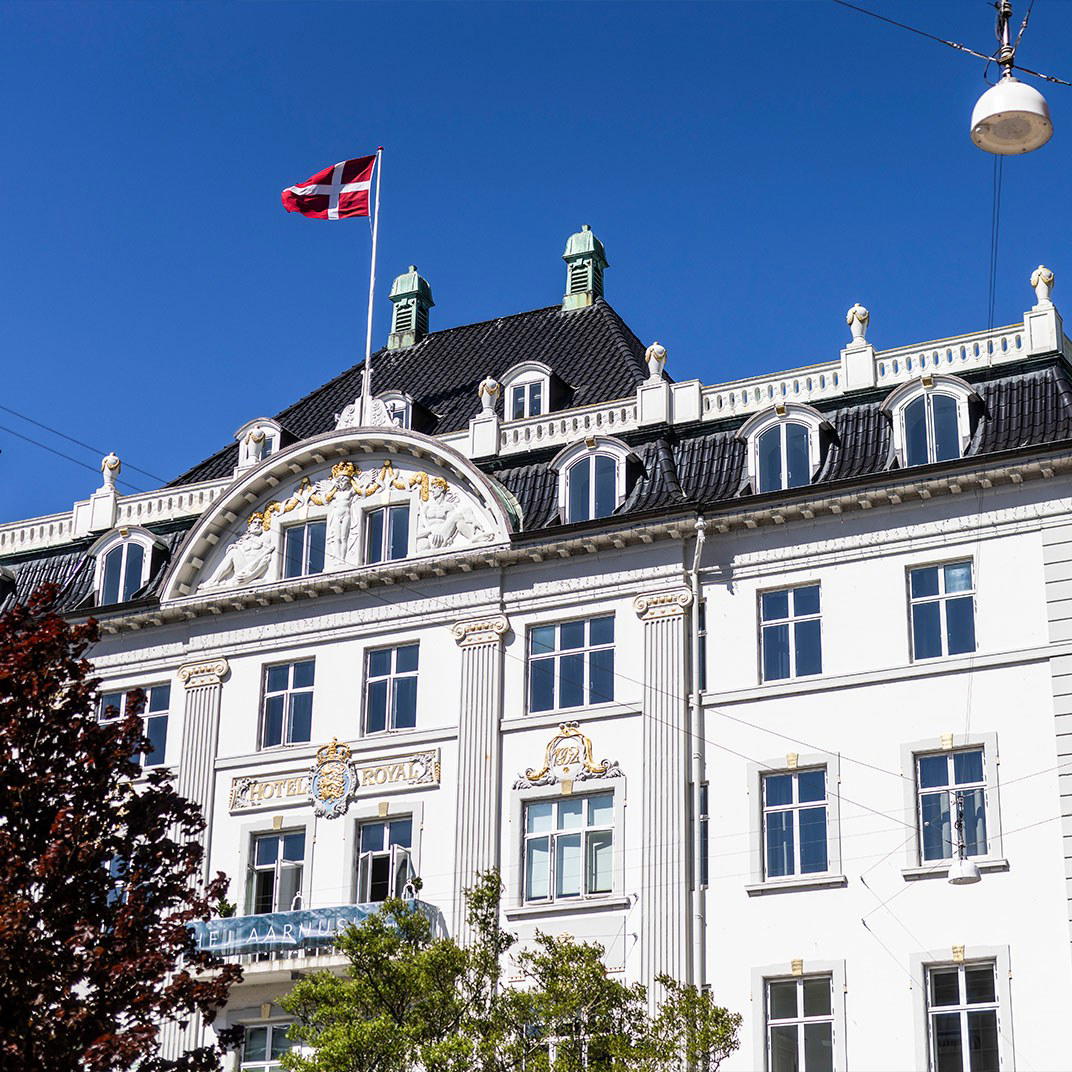
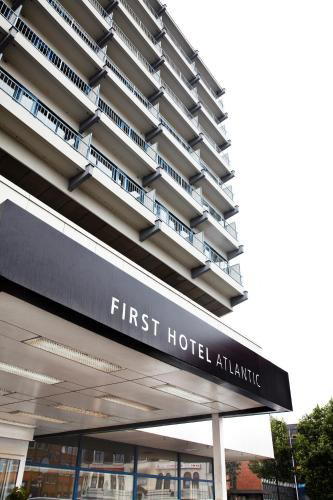
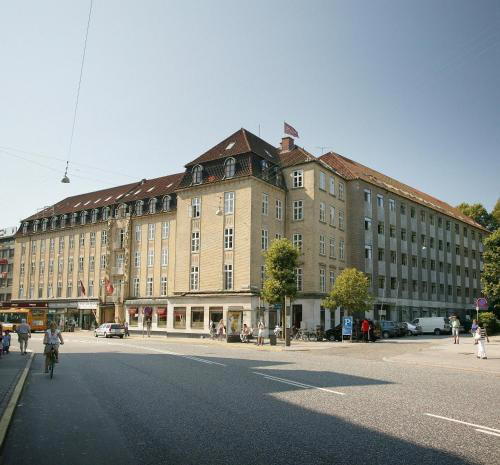
Hotels in Randers
Browse all →
Wineries in Randers
Browse all →

At a Glance
- Lively
- Cozy
- Casual Hangout
- Brunch
- Open Kitchen
- Craft Cocktails
Current opening hours
- Monday
- Closed
- Tuesday
- Closed
- Wednesday
- 5:30 PM–12 AM
- Thursday
- 7 PM–12 AM
- Friday
- 5:30 PM–5 AM
- Saturday
- 4 PM–5 AM
- Sunday
- Closed
Hours can change for holidays and private events. Last verified .
Atmospheric setting in downtown location close to the Randers bridge.
Know Before You Go
- Getting there
- Søndergade 2, 8900 Randers, Denmark