Cafe Hugo occupies a address on Brødregade in central Randers, placing it within the city's compact but considered dining scene. As a café-format venue in a mid-sized Danish city, it sits in the tier of neighbourhood establishments that anchor daily eating culture rather than destination dining. Visitors planning time in Randers will find it a practical reference point alongside the city's broader restaurant mix.
Pearl is the En Primeur Club membership app — saves, bookings, and concierge access live there. Same editors, same standards.
- Address
- Brødregade 8, 8900 Randers C, Denmark
- Phone
- +4586423033
- Website
- cafehugo.dk
- Directions
- Get directions
 Saves & bookings on Pearl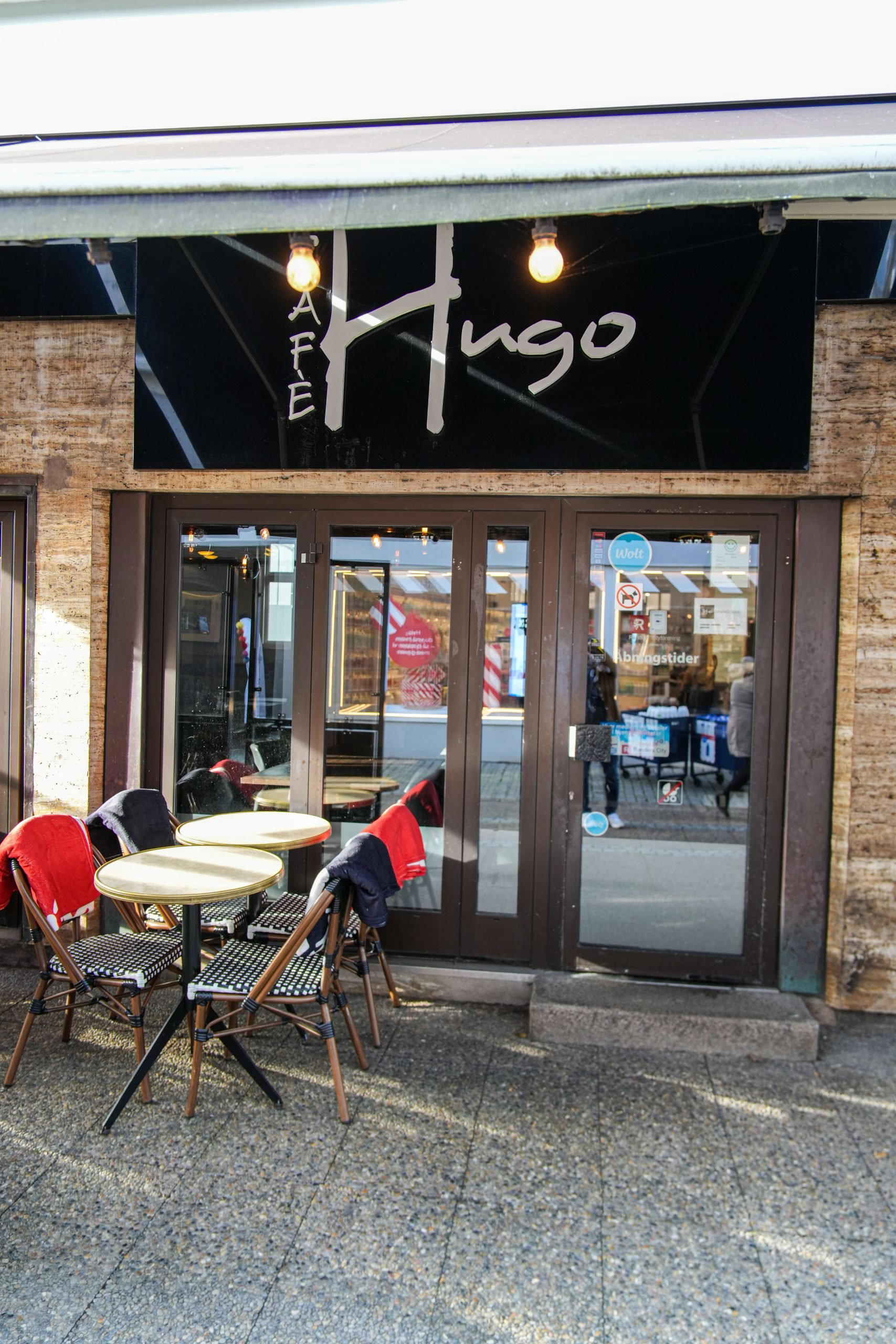
Café Culture in a Mid-Sized Danish City
Randers sits roughly midway between Aarhus and Hobro on Jutland's eastern corridor, a city of around 100,000 that has never fully entered the Danish fine-dining conversation dominated by Copenhagen and, to a lesser degree, Aarhus. That absence from the headline circuit shapes what eating here actually looks like: a mix of neighbourhood cafés, casual internationals, and a handful of places pushing toward more considered territory. Cafe Hugo, at Brødregade 8 in the central district, belongs to the fabric of that everyday scene. Brødregade is a pedestrian-facing street in Randers C, the historic core, where retail and hospitality sit close together and foot traffic from the surrounding blocks sustains venues without requiring destination-seeker volume.
In cities like Randers, the café format carries more structural weight than it does in Copenhagen, where the category has been largely displaced by more specialised concepts. Here, a well-run café functions as a meeting point, a lunch anchor, and an early-evening option simultaneously, asking more of its menu architecture than the single-meal format typical of urban fine dining. The question of what a café chooses to serve, and how it sequences that offer across the day, says more about its position in the local scene than any single dish or price point.
Reading the Menu as a Map
What can be observed is how Danish café menus in this tier and city type tend to be structured, and what that structure implies about the venue's role. Cafés operating in Jutland's mid-size cities typically anchor their offer around a lunch card built on open-faced sandwiches (smørrebrød), hot plates drawing on Danish bistro conventions, and a drinks program weighted toward coffee, draft beer, and a limited wine list. Evening menus, where they exist, often extend the lunch frame rather than replacing it, retaining the café's accessible register rather than pivoting to a formal dining mode.
This architecture, common across the category in cities like Randers, Viborg, and Silkeborg, reflects a reader-friendly logic: the menu is designed to be entered at any point without prior knowledge of the venue's conventions. It contrasts sharply with the tasting-menu format favoured by Denmark's high-end rural outposts, where places like Henne Kirkeby Kro in Henne or Dragsholm Slot Gourmet in Hørve commit visitors to a single structured progression. The café model in a Jutland city centre is its structural opposite: broad, flexible, and oriented toward repeat local custom rather than single-occasion destination visits.
Where Cafe Hugo Sits in Randers' Dining Mix
Randers has a restaurant scene that covers more ground than its size might suggest. The city supports Japanese dining at Atami Sushi Restaurant, Southeast Asian at Banana Leaf, the wine-bar-adjacent format at Bistroteket, American-style steakhouse at Bone's, and the historic café register at Cafe Jens Otto. Against that spread, Cafe Hugo occupies the neighbourhood café position, the type of venue that provides continuity in a city's eating culture rather than defining its ceiling.
That ceiling in Denmark sits elsewhere. The country's most decorated restaurants cluster in Copenhagen, where Geranium has held three Michelin stars, and in well-resourced suburbs like Gentofte, home to Jordnær. Jutland has its own reference points: Frederikshøj in Aarhus and LYST in Vejle represent the peninsula's more ambitious end, while smaller cities like Fredericia host focused operators such as Ti Trin Ned. Randers does not currently have a venue in that starred or nationally reviewed tier, which means its café and bistro formats carry the full weight of representing the city's hospitality to visitors.
For a broader picture of where Cafe Hugo sits relative to the rest of the city's options, the full Randers restaurants guide maps the scene across categories and price points.
The Danish Café Tradition and What It Asks of a Venue
Denmark's café culture has a different lineage from its French or Italian equivalents. The Danish café emerged partly from the konditori (patisserie-café) tradition and partly from the social function of the bodega, the unpretentious neighbourhood bar that served as a public living room. Contemporary cafés in provincial Danish cities tend to inherit both streams: the food leans toward the konditori's lunch register while the atmosphere and opening hours reflect the bodega's all-day social role. Executing that hybrid well requires a menu that works across multiple meal occasions without losing coherence, a harder brief than it appears.
Internationally, the casual-format dining model has attracted serious attention. Places like Lazy Bear in San Francisco have shown how the communal, non-formal register can carry genuine ambition, and Le Bernardin in New York City demonstrates the opposite pole: formal structure as precision instrument. Most café-format venues in mid-size European cities operate in the wide territory between those extremes, calibrating their offer to local appetite rather than international positioning.
Planning a Visit to Brødregade
Cafe Hugo's address at Brødregade 8 places it in central Randers, accessible on foot from the city's main shopping streets and the Randers railway station, which connects to Aarhus in under an hour by regional train. For visitors combining Cafe Hugo with a wider look at Randers' dining options, the central location means multiple venues are within a short walk. Visitors with longer itineraries in the region may also consider Frederiksminde in Præstø, Tri in Agger, or Pearl by Paul Proffitt in Kruså as reference points for Denmark's broader regional dining range.
Continue exploring
More in Randers
Restaurants in Randers
Browse all →
Bars in Randers
Browse all →
Hotels in Randers
Browse all →
Wineries in Randers
Browse all →

At a Glance
- Cozy
- Family
- Casual Hangout
- Brunch
Current opening hours
- Monday
- 10 AM–8 PM
- Tuesday
- 10 AM–8 PM
- Wednesday
- 10 AM–8 PM
- Thursday
- 10 AM–8 PM
- Friday
- 10 AM–8 PM
- Saturday
- 10 AM–8 PM
- Sunday
- Closed
Hours can change for holidays and private events. Last verified .
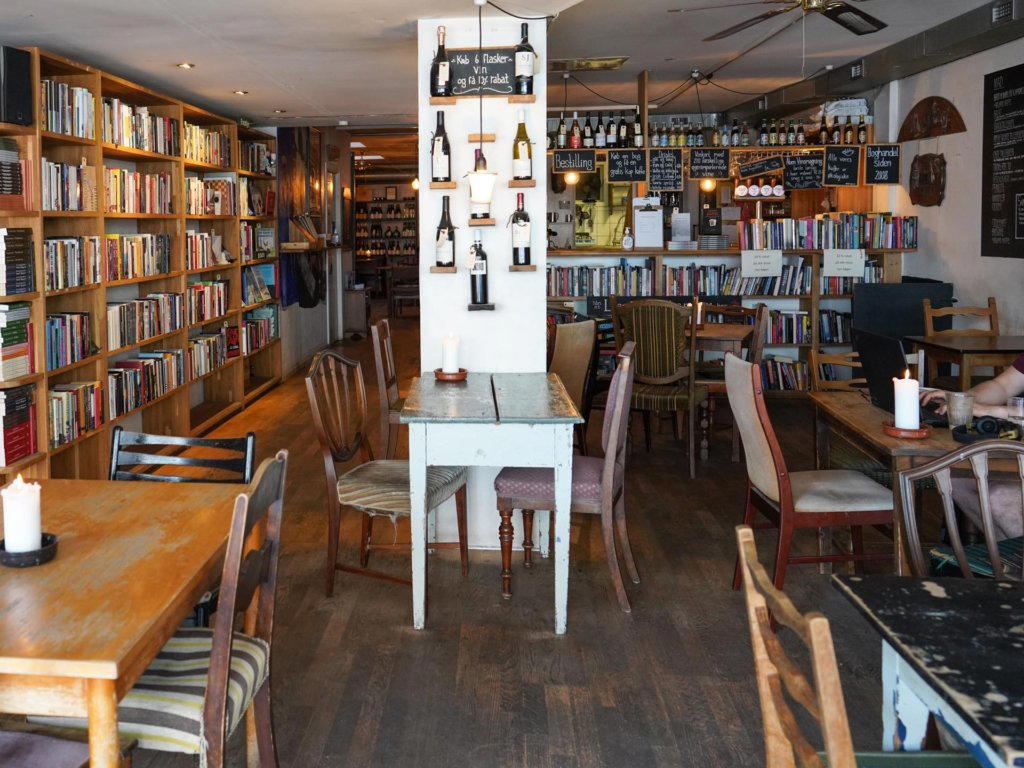
Mega cozy and pleasant atmosphere with friendly service.
Know Before You Go
- Getting there
- Brødregade 8, 8900 Randers C, Denmark