Cafe Konrad occupies a central address on Storegade in Randers, placing it within easy reach of the city's modest but growing dining scene. The venue sits in a category where Danish café culture and more structured dining formats increasingly overlap, making it a reference point for visitors assessing what mid-Jutland has to offer beyond the regional capitals.
Pearl is the En Primeur Club membership app — saves, bookings, and concierge access live there. Same editors, same standards.
- Address
- Storegade 9, 8900 Randers, Denmark
- Phone
- +4522594301
- Website
- cafekonrad.dk
- Directions
- Get directions
 Saves & bookings on Pearl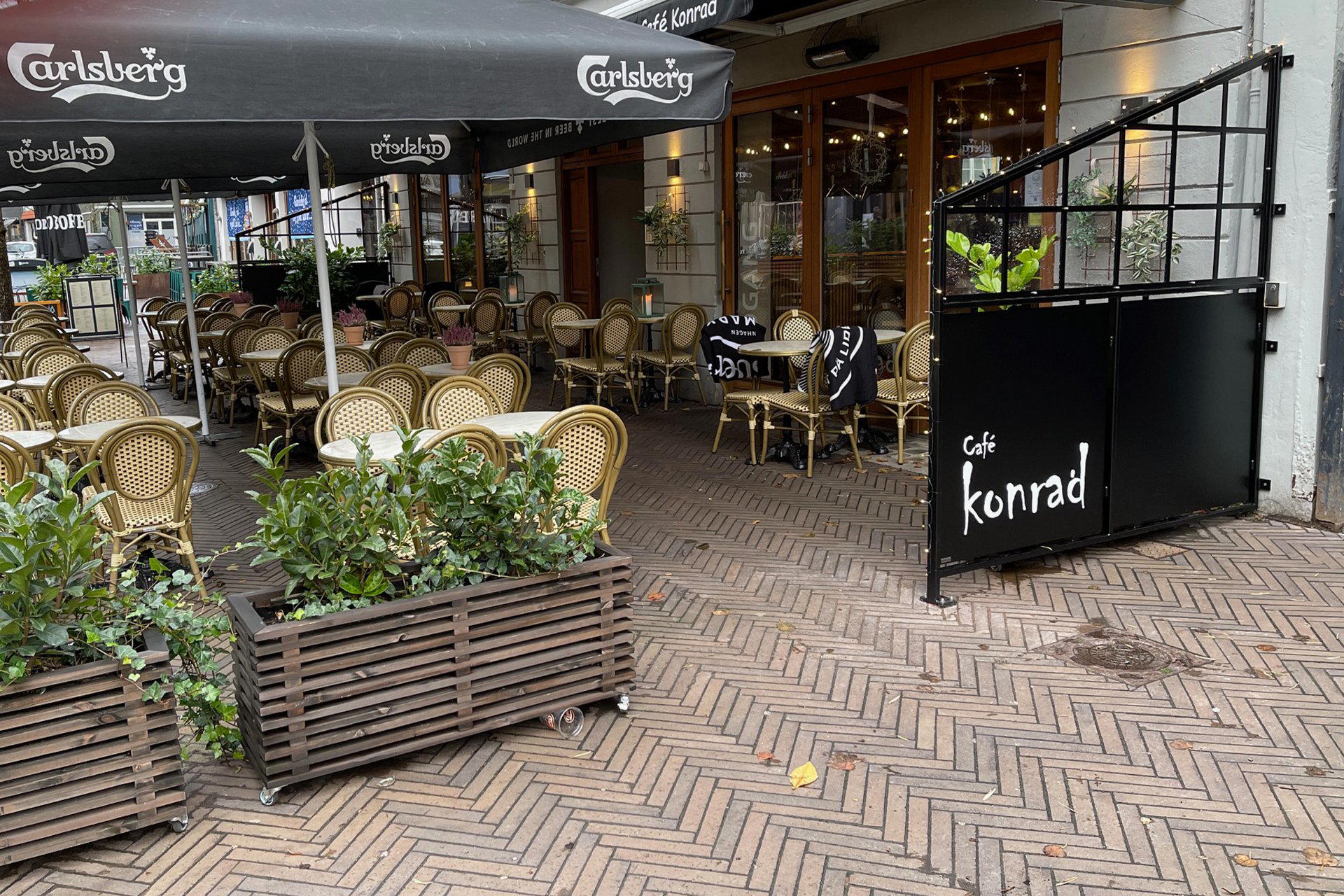
Storegade and the Shape of Randers Dining
Cafe Konrad is a Danish brunch cafe at Storegade 9, 8900 Randers, Denmark. Randers sits roughly midway between Aarhus and Aalborg on the Jutland spine, a city of around 100,000 that has historically deferred to its larger neighbours for serious dining ambition. That deference has softened in recent years. A cluster of addresses along and around Storegade forms a recognisable dining corridor where the café format and the casual restaurant occupy the same physical and cultural space. Cafe Konrad, at number 9 on Storegade, is part of that corridor, positioned centrally enough to draw both local regulars and visitors arriving from the rail station a short walk away.
Understanding where Cafe Konrad sits in the Randers dining order requires a quick map of the city's options. The scene is compact. Atami Sushi Restaurant anchors the Japanese end; Banana Leaf covers South and Southeast Asian territory; Bistroteket leans into a French bistro format; Bone's operates as the city's steakhouse reference; and Cafe Hugo competes most directly in the café-dining hybrid bracket. Within that set, the café format occupies a particular niche: it is expected to handle breakfast, lunch, and early dinner without the kitchen scaling up or down dramatically between services. That operational demand shapes how a team must be structured and how front-of-house functions relative to a kitchen that cannot afford long reset windows.
The Café Counter as a Team Sport
Danish café culture, at its more functional end, has always been a collaboration between a floor that moves quickly and a kitchen that keeps a tighter repertoire than a full-service restaurant. The countries that have most successfully formalised this format — Denmark among them — tend to treat the front-of-house as an active curator of the guest experience rather than a passive conduit for orders. In a city the size of Randers, where the guest pool is finite and return visits are the revenue model, the relationship between kitchen output and floor communication matters more than it would in a high-turnover tourist city.
This dynamic is the defining frame for reading any café of this type. The question is not whether the food is interesting in isolation, but whether the floor team reads the room well enough to sequence the experience correctly: knowing when to move a guest through a lunch sitting, when to let a table linger, when to suggest a second coffee or a glass of something before the afternoon. These are judgment calls that live in the space between the kitchen and the door, and they determine whether a venue feels professionally run or merely functional.
For visitors comparing the Randers café offer to what Denmark's wider dining circuit provides, the reference points naturally extend outward. At the summit of the Danish system, places like Geranium in Copenhagen and Jordnær in Gentofte operate with kitchen-floor synchronisation as an explicitly engineered element of the experience. Regional leaders like Frederikshøj in Aarhus and Ti Trin Ned in Fredericia hold that standard for Jutland's more serious dining category. Cafe Konrad does not compete in that tier, nor would it claim to. But the underlying principle, that a coherent team dynamic produces a materially better dining experience than good food delivered by a disjointed operation, applies at every price point and every city size.
What the Storegade Address Signals
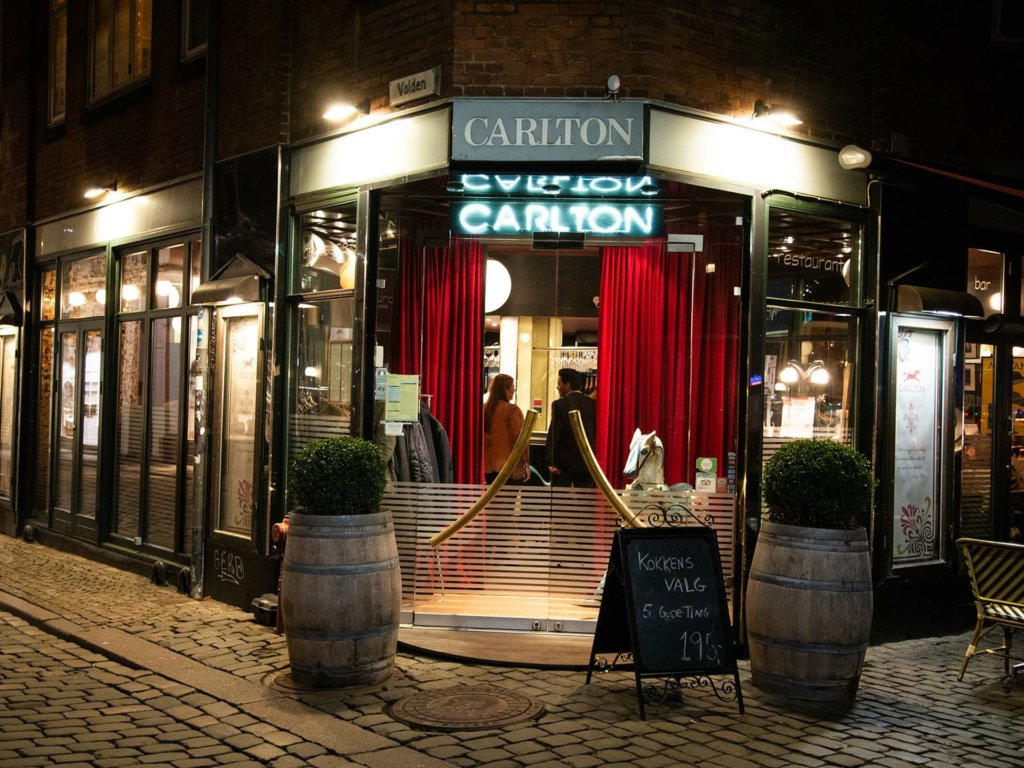
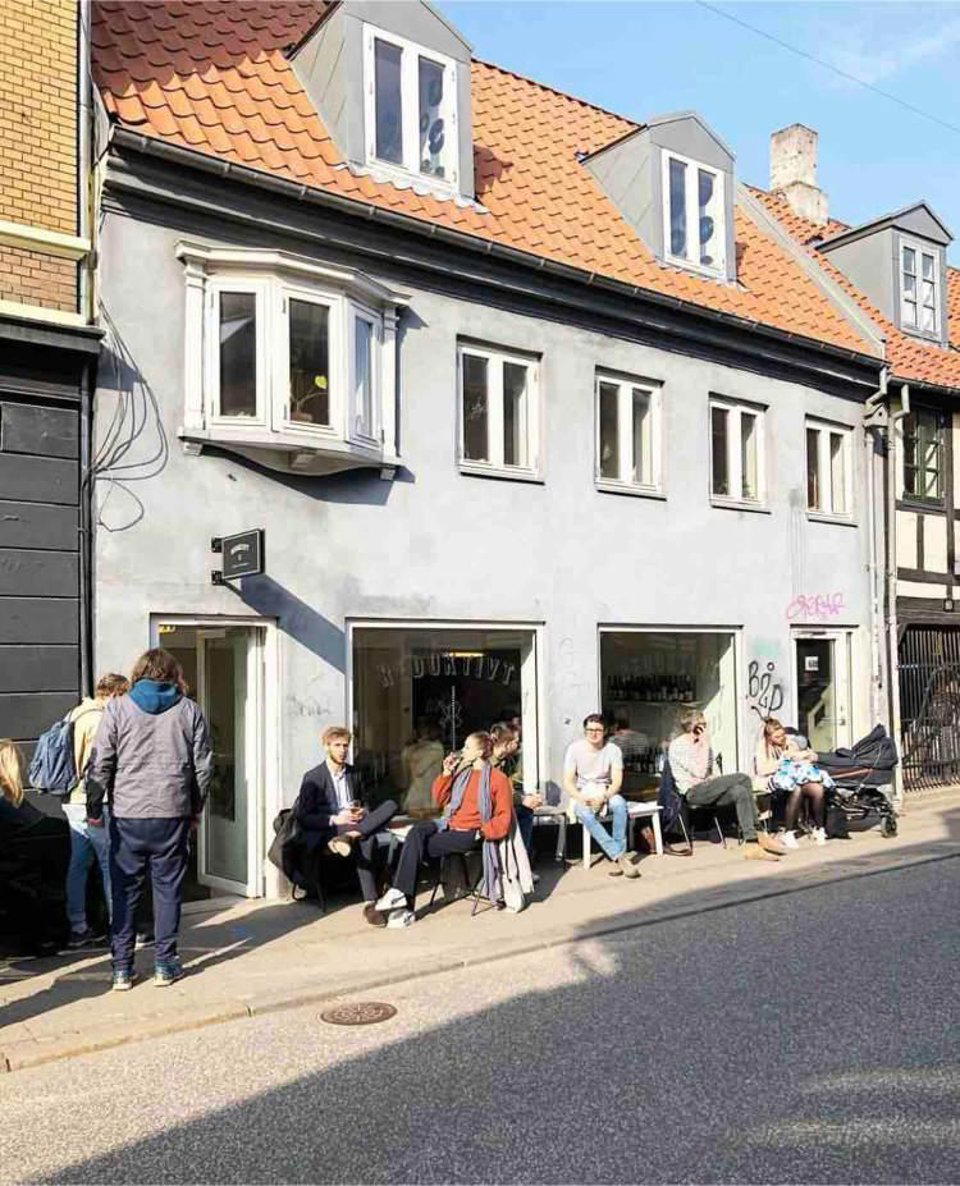
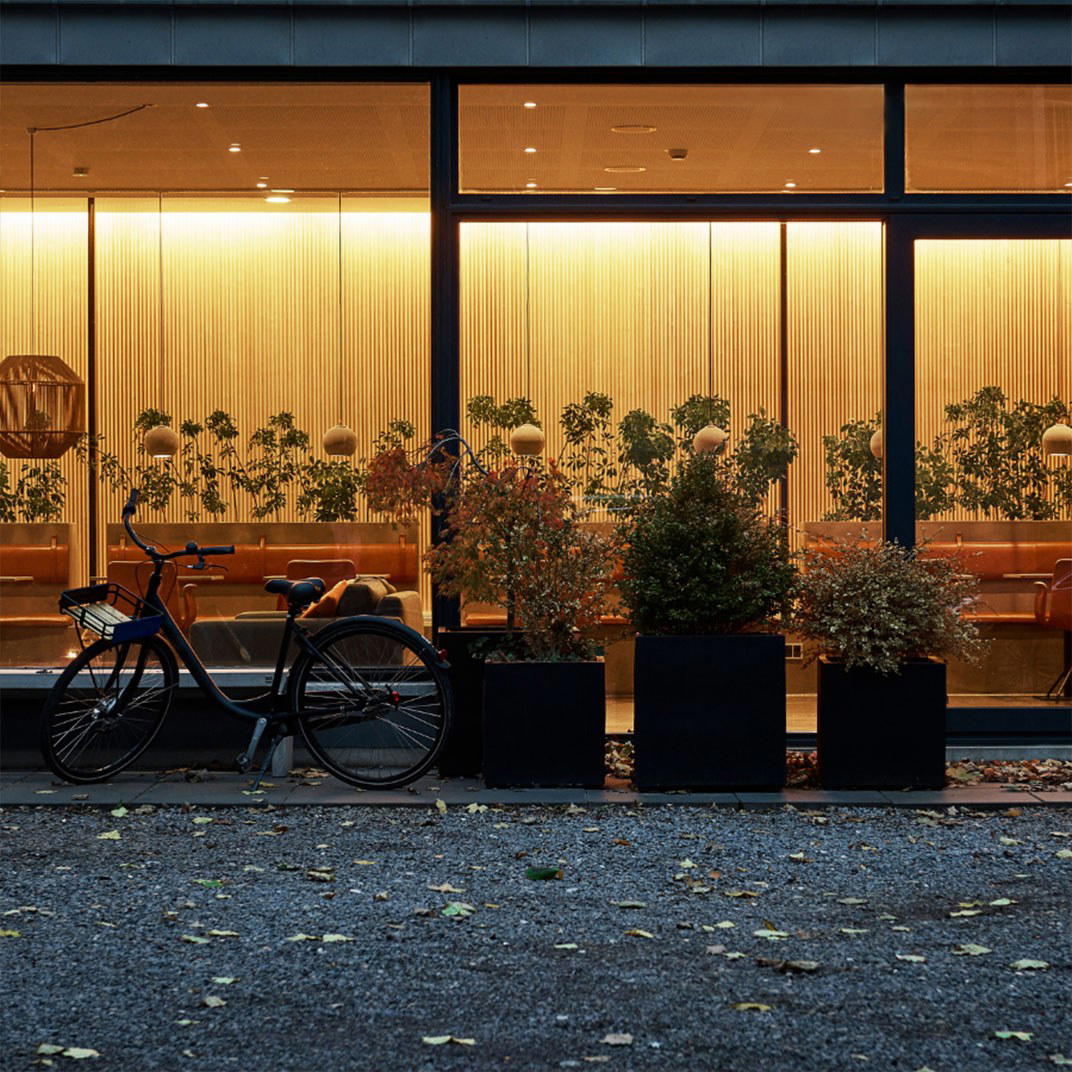
A central address on a main commercial street in a Danish provincial city carries specific implications. It means footfall rather than destination traffic. It means the venue must be immediately legible to a passerby: the window display, the menu board, and the physical atmosphere all need to communicate format and price expectation before a guest crosses the threshold. Venues that succeed in this environment tend to be those where the front-of-house has calibrated the entry experience carefully, because first-impression management on a high street is a different skill set than managing a booked room.
For context on what regional Denmark can look like at a different scale and setting, Henne Kirkeby Kro in Henne, Dragsholm Slot Gourmet in Hørve, and Frederiksminde in Præstø all operate in destination formats where the journey is part of the product. Urban street-level cafés operate on opposite logic: the location must work hard so the venue does not have to manufacture a reason to visit. LYST in Vejle, Tri in Agger, and Pearl by Paul Proffitt in Kruså each solve this problem differently in their own regional contexts. Storegade solves it through visibility and proximity to the city's commercial and civic centre.
Placing Randers in the Wider Dining Circuit
For travellers whose Danish dining reference points are shaped by international coverage, Randers rarely appears in the conversation. That coverage concentrates on Copenhagen, with occasional Aarhus mentions and isolated regional properties. The practical consequence is that mid-Jutland city dining operates largely outside external critical attention, which means the signals that would normally help a visitor calibrate expectations are limited for most of the city's venues, including the restaurant.
That absence is informative in its own way. Venues in this tier are accountable primarily to a local audience with long memories and specific expectations. The international comparison points that frame places like Le Bernardin in New York City or Lazy Bear in San Francisco, where critical recognition and booking pressure function as external validators, do not apply here. Randers café dining is evaluated on consistency, value relative to local alternatives, and the quality of repeat-visit relationships. Those are different metrics, and they reward a different kind of operational discipline.
Planning a Visit
The restaurant's Storegade address puts it within comfortable walking distance of Randers' central railway station, making it a practical stop for visitors arriving by train from Aarhus (roughly 40 minutes on the regional line) or from Aalborg to the north. The venue's position on the main pedestrian and commercial street means it is easy to locate without navigation.
Pricing, Compared
Comparable venues nearby, for context on price, style, and recognition.
| Venue | Cuisine | Price |
|---|---|---|
| Cafe KonradThis venue — the venue you are viewing | heart of Randers, Danish Brunch Cafe | $$ |
| Atami Sushi Restaurant | Japanese Sushi Ad Libitum | $$ |
| Café Cetini | Randers C, Danish Brasserie | $$ |
| Restaurant Skovbakken | Randers C, Traditional Danish | $$ |
| Siskul Grill | Central Randers, Middle Eastern Grill | $$ |
| Cafe Jens Otto | Danish Cafe | $$ |
At a Glance
- Cozy
- Lively
- Brunch
- Casual Hangout
- Standalone
Current opening hours
- Monday
- 9:30 AM–9 PM
- Tuesday
- 9:30 AM–9 PM
- Wednesday
- 9:30 AM–9 PM
- Thursday
- 9:30 AM–9 PM
- Friday
- 9:30 AM–9 PM
- Saturday
- 9:30 AM–9 PM
- Sunday
- 9:30 AM–9 PM
Hours can change for holidays and private events. Last verified .
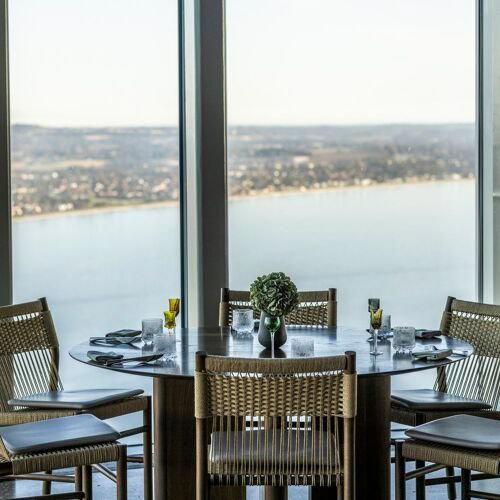
Warm, inviting, and cozy atmosphere praised by guests.