Bistroteket on Rosengade sits within Randers' compact but evolving dining scene, offering a setting that rewards the kind of unhurried, course-by-course attention that defines the better Danish bistro tradition. For a city that sits roughly equidistant between Aarhus and the Jutland coast, it represents a considered local option worth knowing about before you arrive.
Pearl is the En Primeur Club membership app — saves, bookings, and concierge access live there. Same editors, same standards.
- Address
- Rosengade 2, 8900 Randers, Denmark
- Phone
- +45 53 59 63 03
- Website
- bistroteket.dk
- Directions
- Get directions
 Saves & bookings on Pearl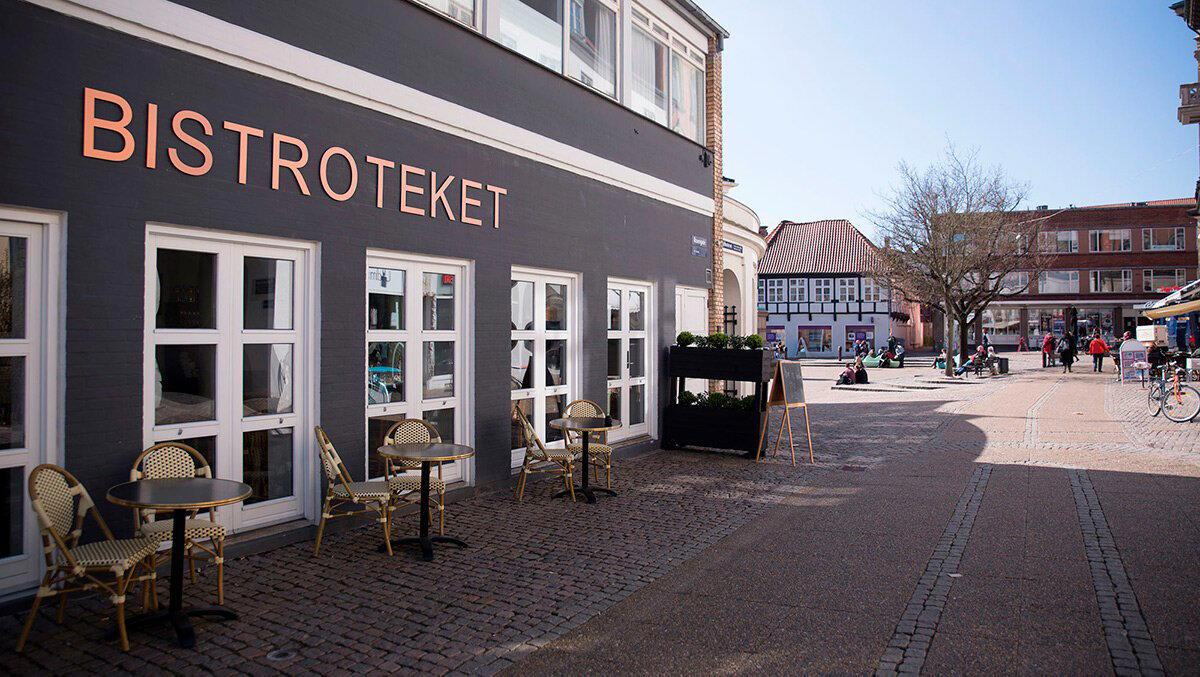
Rosengade and the Rhythm of a Randers Evening
Randers occupies a position in Denmark's culinary geography that is easy to underestimate. Sitting roughly midway between Aarhus to the south and the Limfjord coast to the north, it draws neither the gastronomic pilgrim traffic of a Michelin-dense city nor the seasonal attention of a coastal destination. That relative quietness is precisely what shapes the dining culture here: the restaurants that survive and build regulars in Randers do so through consistency and a certain unhurried seriousness about the meal itself, not through novelty cycles or tourist footfall. Bistroteket on Rosengade 2 sits inside that pattern.
The address places it in the older commercial core of Randers, a part of the city where the streetscape still carries the scale of a pre-automobile market town. Approaching on foot, the surroundings suggest a dining occasion calibrated to the pace of the neighbourhood rather than to the urgency of a metropolitan night out. That atmospheric starting point matters because it frames everything about how a meal at Bistroteket is structured, at least in the tradition that the bistro format implies across Denmark.
The Danish Bistro Ritual: What the Format Signals
The bistro as a dining format occupies a specific and well-understood position in Scandinavian restaurant culture. It sits above the cafe-kitchen register of places like Cafe Hugo or Cafe Jens Otto in Randers, and below the tasting-menu formality of Denmark's destination restaurants. The name Bistroteket signals precisely that middle register: a place where the meal unfolds across multiple courses but where the pacing is conversational rather than ceremonial, where wine is present but not the organizing principle, and where the ritual of eating together takes precedence over spectacle.
That positioning matters when you consider what it sits alongside in the broader Danish fine dining context. Houses like Geranium in Copenhagen and Jordnær in Gentofte have established Denmark's claim on the very highest tier of European dining, while regional operators such as Frederikshøj in Aarhus and Ti Trin Ned in Fredericia demonstrate that serious technique is not confined to the capital. The bistro tier below these operates by different rules: the expectation is not innovation for its own sake but reliable execution of a short, seasonal menu, attentive but informal service, and a room that feels like it belongs to the city rather than to a brand.
At this level, the dining ritual is defined by arrival, a drink, a deliberate read of the menu, and a meal that moves at human speed. There is no amuse-bouche parade, no elaborate tableside production. The value is in the quality of the ingredient decisions and the cooking confidence to leave things relatively unadorned. Danish bistro kitchens in this register tend to work with what the season and local supply networks make sensible, which in Jutland means proximity to excellent pork and dairy, North Sea fish, and root vegetables that benefit from the cold-climate sweetness that Danish produce is known for.
Randers in Context: A City Finding Its Dining Voice
The restaurant options in Randers range across a wider spread of cuisines than the city's size might suggest. Atami Sushi Restaurant and Banana Leaf address the international end of the local demand, while Bone's occupies the reliable steakhouse segment. The bistro tier, where Bistroteket operates, represents a more specifically Danish proposition: European technique applied to local ingredients, served in a room where the evening is the point rather than efficiency of turnover.
This is the segment where Danish dining culture has shown the most development outside Copenhagen over the past decade. The influence of New Nordic thinking, as codified by the generation of restaurants that followed in the wake of the movement's early 2000s emergence, has filtered into provincial bistro kitchens in ways that are now largely unselfconscious. It is no longer a statement to source locally and cook with restraint; it is simply what a serious kitchen in a Danish provincial city does. For guests coming from elsewhere in Denmark or from abroad, that context is worth holding onto: the ambition at this level is not to replicate what Henne Kirkeby Kro or Dragsholm Slot Gourmet do in their destination-restaurant formats, but to deliver a genuinely good meal in a city that does not position itself as a dining destination.
How to Approach the Evening
The bistro dining ritual in Denmark follows a recognizable arc that is worth understanding before you sit down. Arrive close to your reservation time rather than early; the room is likely small and the kitchen pacing is set around a specific service rhythm. Let the menu read as a whole before ordering: the coherence of what a bistro kitchen is doing on a given evening is usually legible from the structure of the courses, and selecting across that structure rather than cherry-picking individual dishes tends to produce a better meal. Wine recommendations from the floor, where available, are often the clearest signal of what the kitchen considers its current strongest work.
For guests travelling through Jutland and considering how Bistroteket fits a broader itinerary, it is worth pairing a Randers evening with the wider regional dining circuit. LYST in Vejle and Frederiksminde in Præstø represent the more formal end of the Danish provincial spectrum, while Tri in Agger and Pearl by Paul Proffitt in Kruså show how far the Danish commitment to serious cooking in non-metropolitan locations extends. Bistroteket belongs to that broader story of a country that has built genuine dining culture at every level and in every geography, not only in its capital.
For a comparative international reference point: the bistro model that works in Randers is not far removed from what committed neighbourhood restaurants in cities like San Francisco have pursued, where Lazy Bear helped define a generation of dinner-as-communal-ritual thinking, or from the European fine dining discipline that establishments like Le Bernardin in New York City represent at the other end of the formality spectrum. The bistro sits between those poles by design.
Full listings, comparative context, and additional options across the city are covered in our full Randers restaurants guide.
Planning Your Visit
Bistroteket is located at Rosengade 2 in central Randers, within walking distance of the city's main pedestrian area. Given the bistro format and the small-city context, reservations are advisable for weekend evenings in particular; the regulars who sustain a restaurant of this type in a city of Randers' scale tend to book ahead, and walk-in availability on busy nights is not guaranteed. Contact details and current opening hours should be confirmed directly with the venue before visiting, as these are subject to change and are not available through this listing.
Continue exploring
More in Randers
Restaurants in Randers
Browse all →
Bars in Randers
Browse all →
Hotels in Randers
Browse all →
Wineries in Randers
Browse all →

At a Glance
- Cozy
- Intimate
- Classic
- Romantic
- Date Night
- Business Dinner
- Special Occasion
- Standalone
- Extensive Wine List
- Sommelier Led
Current opening hours
- Monday
- Closed
- Tuesday
- 5–10 PM
- Wednesday
- 5–10 PM
- Thursday
- 5–10 PM
- Friday
- 11:30 AM–10 PM
- Saturday
- 11:30 AM–10 PM
- Sunday
- Closed
Hours can change for holidays and private events. Last verified .
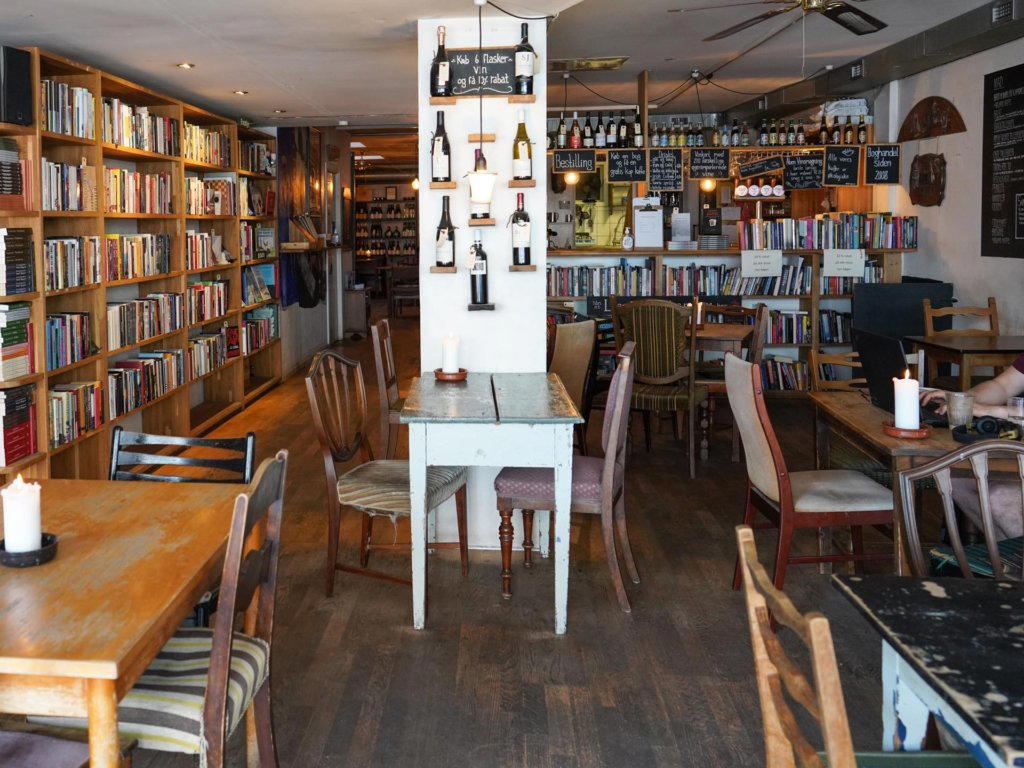
Warm and welcoming with charming, quaint décor featuring vintage plates, cutlery, and cups; intimate and cozy with a mix-match aesthetic that feels like a personal invitation.
Know Before You Go
- Getting there
- Rosengade 2, 8900 Randers, Denmark