InSushi brings Japanese-inspired dining to Mariagervej in Randers, placing sushi within a city that has developed a modest but growing appetite for Asian cuisine alongside its more established European dining options. Whether you are eating in or collecting, the address sits along one of Randers' northern arterial routes, making it accessible from several parts of the city.
Pearl is the En Primeur Club membership app — saves, bookings, and concierge access live there. Same editors, same standards.
- Address
- Mariagervej 136 B, 8920 Randers, Denmark
- Phone
- +4586404243
- Website
- insushi.dk
- Directions
- Get directions
 Saves & bookings on Pearl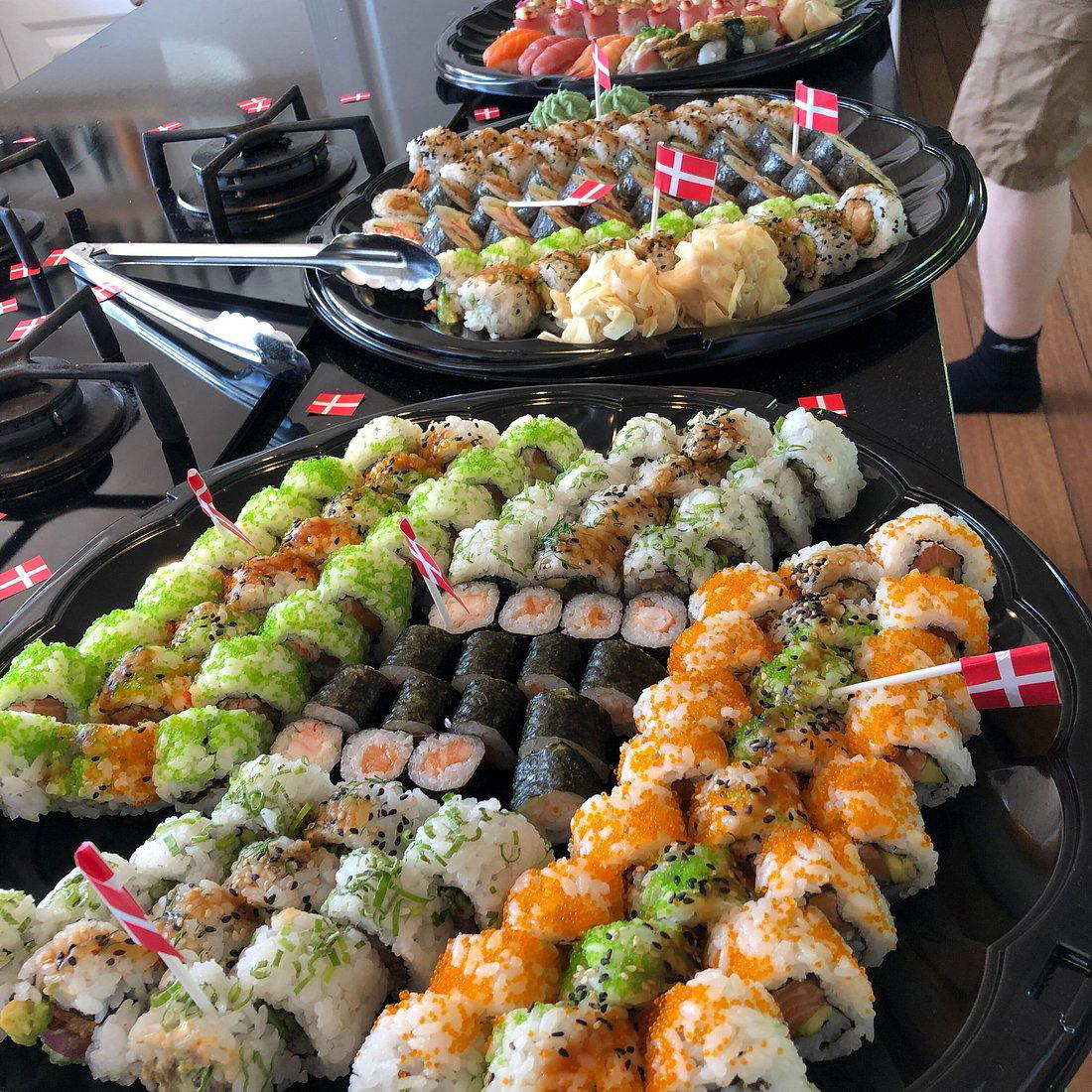
Sushi in a Provincial Danish City: Setting the Scene
Randers is not a city that typically draws international food writers, but that is partly what makes its dining scene worth reading about. The city sits roughly 40 kilometres north of Aarhus along the Gudenå river, and its restaurant culture reflects a pattern common across mid-sized Danish provincial towns: a foundation of casual European bistros and burger spots, a handful of Asian kitchens, and occasional flashes of more considered cooking. InSushi, at Mariagervej 136 B, occupies a position within that Asian dining category, in a city where Japanese cuisine exists alongside the broader Scandinavian norm of Korean, Thai, and pan-Asian formats competing for the same mid-market diner.
Across Denmark, sushi has followed a trajectory familiar from most northern European countries. It arrived in the 1990s as a premium concept, shed that premium status through the 2000s as supermarket sushi and conveyor-belt formats multiplied, and has since stratified again. At one end, you have the counter-service roll-and-box model oriented around price and speed. At the other, a smaller group of serious Japanese kitchens has emerged, particularly in Copenhagen, where restaurants like Atami Sushi Restaurant represents the city's own Japanese dining options alongside InSushi itself. For context on what serious Japanese cooking looks like at the national level, the reference points are operations closer to Michelin-recognised houses: Denmark's decorated tables include Geranium in Copenhagen and Jordnær in Gentofte, both of which represent the ceiling of the country's fine-dining ambitions, though not in the Japanese tradition specifically.
The Dining Ritual at a Provincial Sushi Kitchen
The conventions of eating at a sushi restaurant in a Danish provincial setting differ meaningfully from the omakase ritual of Tokyo or the prix-fixe progression of a Michelin house. There is no prescribed pacing, no chef counter where the meal unfolds piece by piece under instruction. Instead, the format that has taken hold across most of Denmark's non-metropolitan sushi operations is self-directed: a menu of rolls, nigiri, and often warmer Japanese-adjacent dishes, eaten at your own pace, typically ordered in full or in stages at the table or counter.
This format places a different kind of pressure on the kitchen. Without the structural handrail of an omakase sequence, the quality of individual components carries more weight. Rice temperature and texture, the ratio of fish to rice in nigiri, the freshness signal of a piece of salmon or tuna: these become the real measures of a kitchen's discipline. In a city like Randers, where competition within the Japanese category is limited, the standard is set less by peer pressure from comparable venues and more by the diner's accumulated experience of sushi eaten elsewhere, whether in Aarhus, Copenhagen, or abroad.
For those approaching InSushi as part of a broader Randers dining itinerary, the city offers enough variety to construct a meaningful multi-meal visit. The local scene includes Bistroteket for more European bistro formats, Bone's for American-style steakhouse dining, Cafe Hugo for casual café fare, and Banana Leaf for Southeast Asian cooking. A fuller picture of what the city offers is available through our full Randers restaurants guide.
Where InSushi Sits in the Wider Danish Dining Map
To place InSushi with any precision in a national context, it helps to understand how Danish restaurant geography distributes quality. The country's most decorated cooking is concentrated in Copenhagen and its near suburbs, with a secondary cluster of serious kitchens in Jutland's larger cities. Frederikshøj in Aarhus, Alimentum in Aalborg, ARO in Odense, and LYST in Vejle all represent the kind of destination-level ambition that puts their cities on the food-travel map. Beyond those centres, restaurants in smaller cities serve primarily local demand rather than travelling diners, which shapes both their format and their pricing logic.
Randers sits comfortably in that second tier of the map: a city where restaurants serve residents rather than positioning themselves for international recognition. That is not a criticism. It describes a different set of priorities. A sushi kitchen in this context succeeds not by competing with the counter-service precision of a Tokyo-trained chef but by offering reliable, well-executed Japanese food to a population that may not have another convenient option nearby. The benchmark is consistency and value for the local context, not the kind of sourcing or technique signalling that drives conversation at the upper end of the national market.
For a sense of the broader range of Danish cooking worth travelling for, the country's roster of recognised tables extends well beyond the capital: Henne Kirkeby Kro in Henne, Dragsholm Slot Gourmet in Hørve, Frederiksminde in Præstø, and Domæne in Herning each occupy distinct positions in the range of serious provincial dining. For internationally minded comparisons at the top of the Japanese or fish-focused format, venues like Le Bernardin in New York City and Atomix in New York City illustrate what the upper register of that tradition looks like at its most developed.
Planning Your Visit to InSushi
InSushi is located at Mariagervej 136 B in Randers, along a northern arterial road that connects several residential areas to the city centre. The address is practical rather than atmospheric: this is a neighbourhood dining destination rather than a central-district restaurant that benefits from foot traffic and proximity to hotels or cultural institutions. Arriving by car is the most direct option given the address. No awards recognition or published critical attention currently appears in available records, which places InSushi firmly in the category of everyday local dining rather than destination-level cooking.
Continue exploring
More in Randers
Restaurants in Randers
Browse all →
Bars in Randers
Browse all →
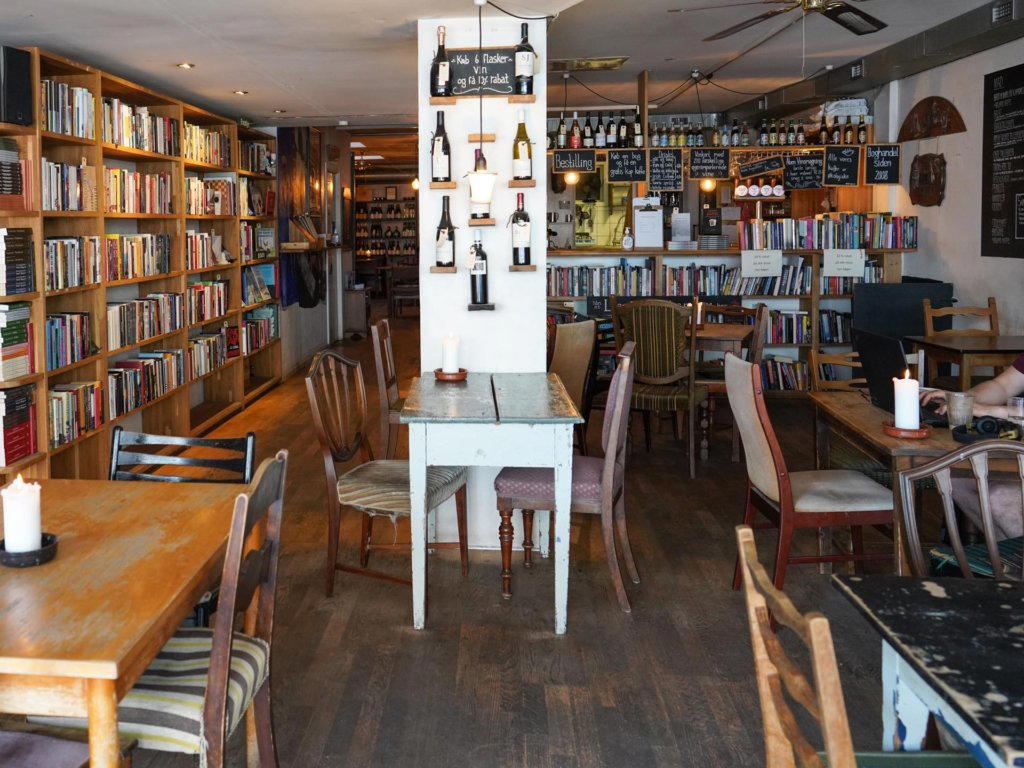
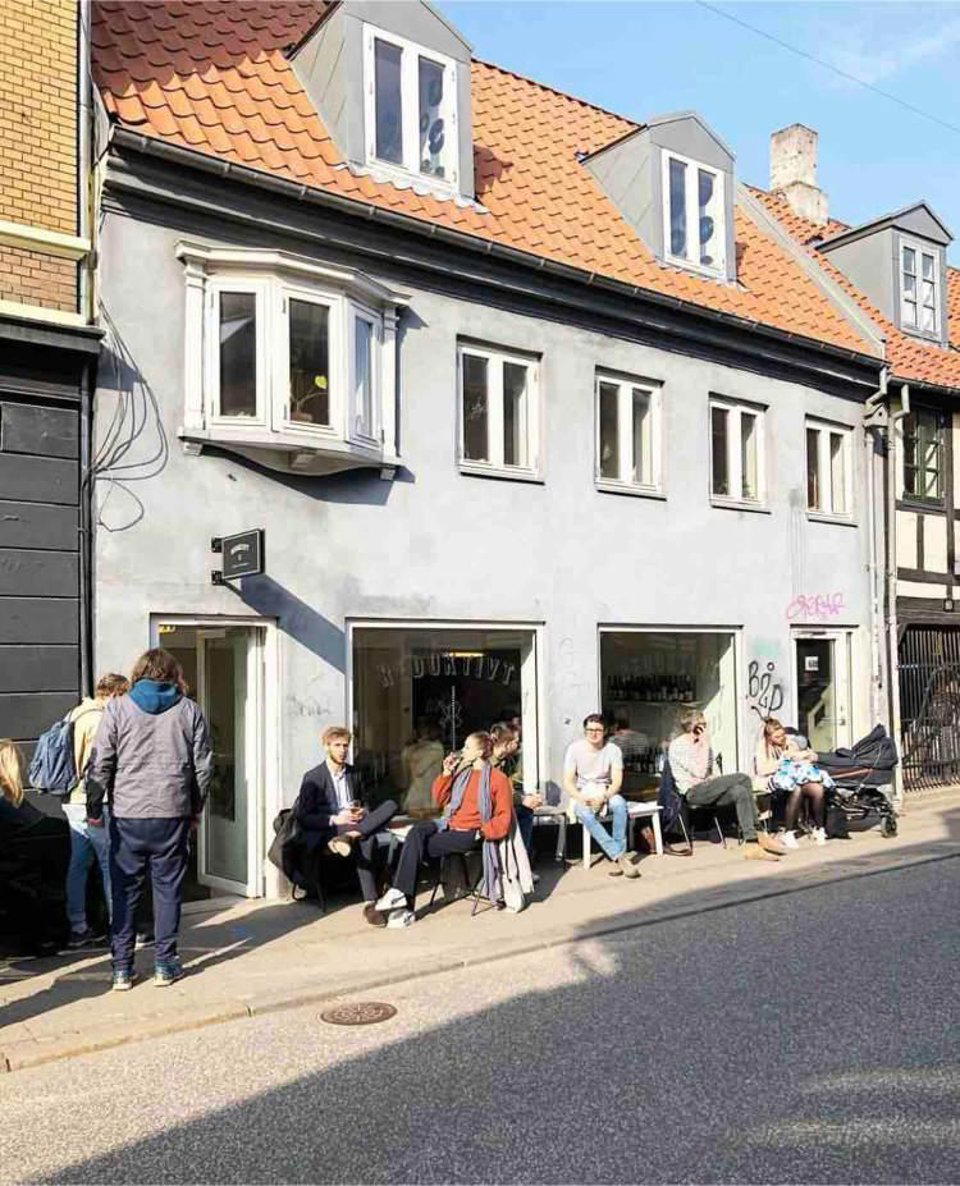
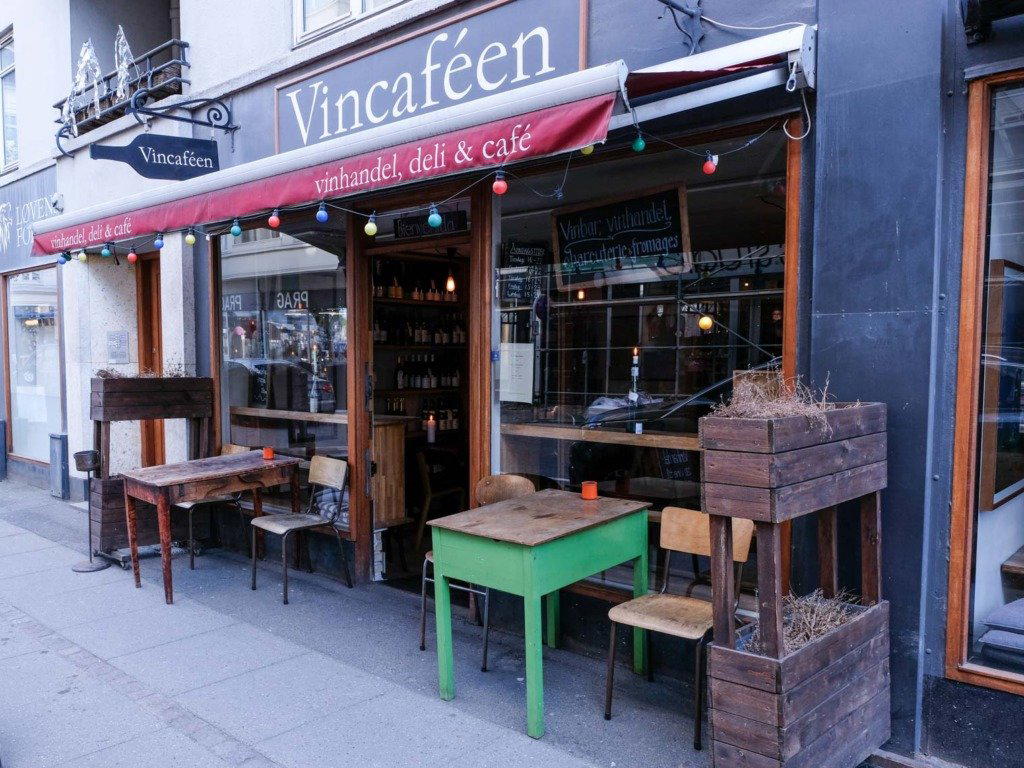
Hotels in Randers
Browse all →
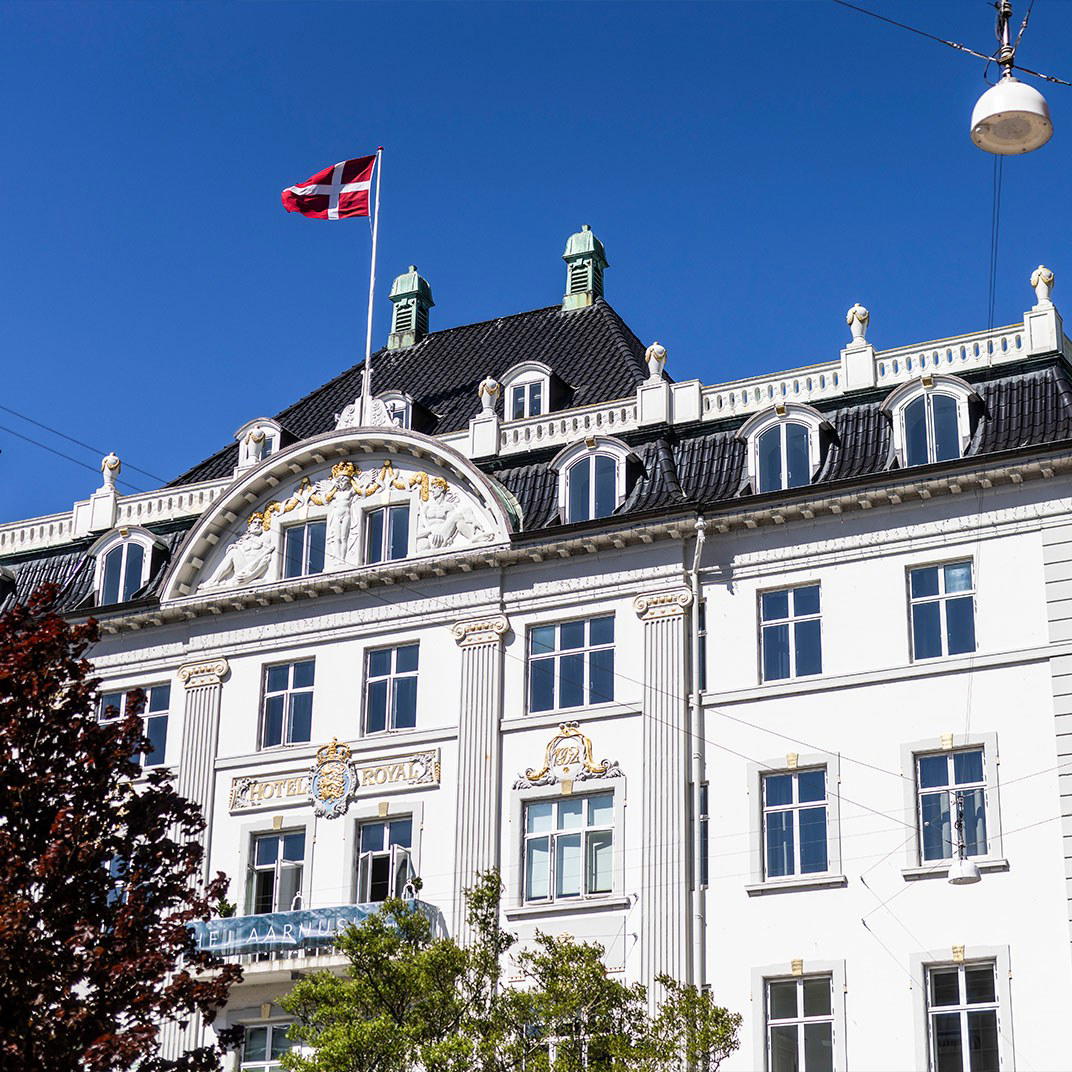
Wineries in Randers
Browse all →

At a Glance
- Casual Hangout
- Family
Current opening hours
- Monday
- 3–9 PM
- Tuesday
- 3–9 PM
- Wednesday
- 3–9 PM
- Thursday
- 3–9 PM
- Friday
- 3–9:30 PM
- Saturday
- 3–9:30 PM
- Sunday
- 3–9:30 PM
Hours can change for holidays and private events. Last verified .
Clean environment with fast tablet-based service.
Know Before You Go
- Getting there
- Mariagervej 136 B, 8920 Randers, Denmark