









Jordnær holds three Michelin stars and a place in the World's 50 Best at number 56, operating from a quiet address in Gentofte rather than central Copenhagen. Chef Eric Kragh Vildgaard, a Noma alumnus, works a Nordic-Japanese register that has drawn consistent recognition from La Liste, Michelin, and the 50 Best across successive years. The restaurant ranks among Denmark's most decorated outside the capital's inner ring.
Pearl is the En Primeur Club membership app — saves, bookings, and concierge access live there. Same editors, same standards.
- Address
- Gentoftegade 29, 2820 Gentofte, Denmark
- Phone
- +45 22 40 80 20
- Website
- restaurantjordnaer.dk
- Directions
- Get directions
 Saves & bookings on Pearl
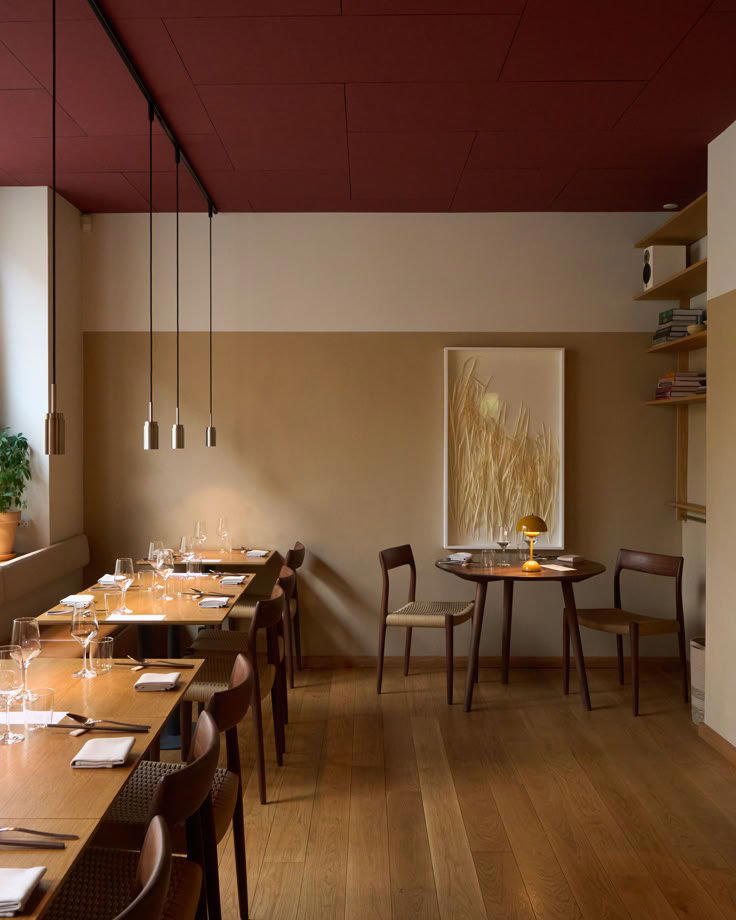
Gentofte is not where most visitors to Copenhagen expect to find three Michelin stars. The municipality sits north of the city, residential and unhurried, the kind of place where the rhythm belongs to cyclists and local bakeries rather than dining tourists with reservation apps open. That incongruity is part of what makes Jordnær register so sharply when you arrive at Gentoftegade 29. The building offers none of the theatrical arrivals associated with Copenhagen's more central temple restaurants. What it does offer is the immediate sense that the room has been arranged to let food do the work.
That restraint reflects something broader about how the serious end of Nordic fine dining has evolved since the early Noma years. The genre no longer needs dramatic staging to signal ambition. At the level Jordnær occupies, the credential architecture speaks before a dish arrives. The question the kitchen answers each service is not whether it belongs in that tier, but what it does with that belonging.
Nordic Precision, Japanese Influence
Eric Kragh Vildgaard came through Noma at a period when that kitchen was actively defining what New Nordic meant as an exportable idea. The training embedded a particular discipline around ingredient sourcing and seasonal constraint, but Vildgaard's cooking since opening Jordnær in 2017 has pulled in a second axis: Japanese technique and flavour logic. The result is a register that sits between two traditions without settling entirely into either.
The combination is more than stylistic. Japanese cuisine, particularly at the kaiseki and kappo end, shares with Nordic cooking a reverence for primary ingredients and an unwillingness to mask them with accumulation. Where the two traditions diverge is in texture and acidity, and it is in that divergence that Jordnær finds its space. Documented combinations from the kitchen include asparagus with Royal Belgian caviar and blackcurrant, scallops with Nashi pear and yuzu, and walleye with wild garlic and onion flowers. Each pairing reads as a structural argument: the sourness of blackcurrant against the fat of caviar, the citrus brightness of yuzu against the sweetness of a Nashi pear, the vegetal bitterness of wild garlic framing a freshwater fish. These are not fusion constructions in the loose sense. They are precise calibrations.
That precision has tracked upward in peer recognition across consecutive years. The restaurant appeared at number 38 on the World's 50 Best in 2022 and number 56 in 2025. The Opinionated About Dining ranking placed it 17th in Europe in 2024. Three Michelin stars were confirmed in both 2024 and 2025. Across different ranking methodologies and different evaluator pools, the verdict has remained consistent.
Where Jordnær Sits in Denmark's Fine Dining Map
Denmark's three-star Michelin count is small, and the restaurants that hold that designation operate with distinct identities rather than as a homogeneous tier. Geranium in Copenhagen works a more maximalist interpretation of New Nordic, with a view over Fælledparken and a format built around seasonal vegetables and seafood at high volume of courses. Jordnær's Nordic-Japanese register and Gentofte address define a different positioning, quieter in geography and more compressed in culinary reference points.
Beyond the capital, Denmark's serious dining circuit extends to venues such as Frederikshøj in Aarhus, Henne Kirkeby Kro in Henne, Alimentum in Aalborg, ARO in Odense, Domæne in Herning, Dragsholm Slot Gourmet in Hørve, Kadeau Bornholm in Åkirkeby, MOTA in Nykøbing Sjælland, Parsley Salon in Hellerup, and Pearl by Paul Proffitt in Kruså. Within greater Copenhagen, Jordnær occupies the northern residential edge of the dining orbit, about twenty minutes by rail from the city centre, close enough for a dedicated dinner journey without the compression of a central district booking.
Internationally, the creative Nordic-Japanese crossover Jordnær works places it in a conversation with venues like Alléno Paris au Pavillon Ledoyen and Enrico Bartolini in Milan, where precision-driven creative cooking at the multi-star level operates across different national traditions but shares a common commitment to ingredient primacy and technical rigour.
Timing and the Summer Question
July and August represent peak search and travel interest for Copenhagen and its surrounds, which makes the seasonal dimension of Nordic cooking relevant to planning. Summer is, in many respects, one legible season for this kind of cuisine. Daylight in Denmark runs to around seventeen hours at midsummer, the growing season is at its most generous, and the particular Nordic preoccupation with foraged and seasonal ingredients reaches a natural high point. Asparagus, fresh herbs, early berries, and cold-water seafood at peak condition all converge in the warmer months. A booking from June through August places a guest at the table during the season when the ingredient logic that underpins this cooking is most clearly expressed.
The corollary is that summer bookings at this level require forward planning.8 from 263 reviews signals a consistent high-satisfaction experience, but it also reflects a room that sees its guests select carefully and commit early. Anyone targeting a July or August visit should treat this as a months-ahead reservation.
Planning a Visit
Jordnær is at Gentoftegade 29, 2820 Gentofte. Gentofte station on the Kystbanen line connects directly to Copenhagen Central, placing the restaurant within practical reach of central Copenhagen hotels without requiring a car. The price tier sits at the summit of the Danish fine dining range, consistent with three-star positioning across the region. Given the tasting menu format standard at this level, plan for a full evening rather than a quick dinner.
A Quick Peer Check
Comparable venues nearby, for context on price, style, and recognition.
| Venue | Cuisine | Price | Awards | Notes |
|---|---|---|---|---|
| Jordnær | Modern Nordic Seafood Fine Dining | $$$$ | Michelin 3 Star | Gentofte |
| Kadeau | New Nordic Cuisine | $$$$ | Michelin 3 Star | Indre By |
| Noma | New Nordic Fine Dining | $$$$ | Michelin 3 Star | Indre By |
| Geranium | Modern New Nordic Pescatarian | $$$$ | Michelin 3 Star | Østerbro |
| Alchemist | Avant-Garde Molecular Gastronomy with Social Commentary | $$$$ | Michelin 2 Star | Indre By |
| Koan | Modern Korean-Nordic Fine Dining | $$$$ | Michelin 2 Star | Østerbro |
Recognition history
Dated appearances from independent guides and award organizations, with the underlying list record or original source where available.
Falstaff Restaurant - 99 Falstaff Points
Falstaff
La Liste Top Restaurants
La Liste
Les Grandes Tables du Monde Member
Les Grandes Tables du Monde
Michelin 3 Stars
Michelin
Opinionated About Dining Top Restaurants in Europe Ranked #11
Opinionated About Dining
Star Wine List
Star Wine List
White Guide Denmark Restaurants - Global Masters Level
White Guide
La Liste Top Restaurants
La Liste
Michelin 3 Stars
Michelin
Star Wine List
Star Wine List
The Best Chef Three Knives
The Best Chef
We're Smart World 2 Radishes
We're Smart World
World's 50 Best Best Restaurants #56
World's 50 Best
Michelin 3 Stars
Michelin
Opinionated About Dining Top Restaurants in Europe Ranked #17
Opinionated About Dining
Star Wine List
Star Wine List
Opinionated About Dining Top New Restaurants in Europe Ranked #14
Opinionated About Dining
Star Wine List
Star Wine List
World's 50 Best Best Restaurants #57
World's 50 Best
Star Wine List
Star Wine List
World's 50 Best Best Restaurants #38
World's 50 Best
Star Wine List
Star Wine List
At a Glance
- Sophisticated
- Elegant
- Intimate
- Modern
- Cozy
- Date Night
- Special Occasion
- Chefs Counter
- Open Kitchen
- Extensive Wine List
- Sommelier Led
- Local Sourcing
- Sustainable Seafood
Current opening hours
- Monday
- Closed
- Tuesday
- 6–10 PM
- Wednesday
- 6–10 PM
- Thursday
- 6–10 PM
- Friday
- 6–10 PM
- Saturday
- Closed
- Sunday
- Closed
Hours can change for holidays and private events. Last verified .
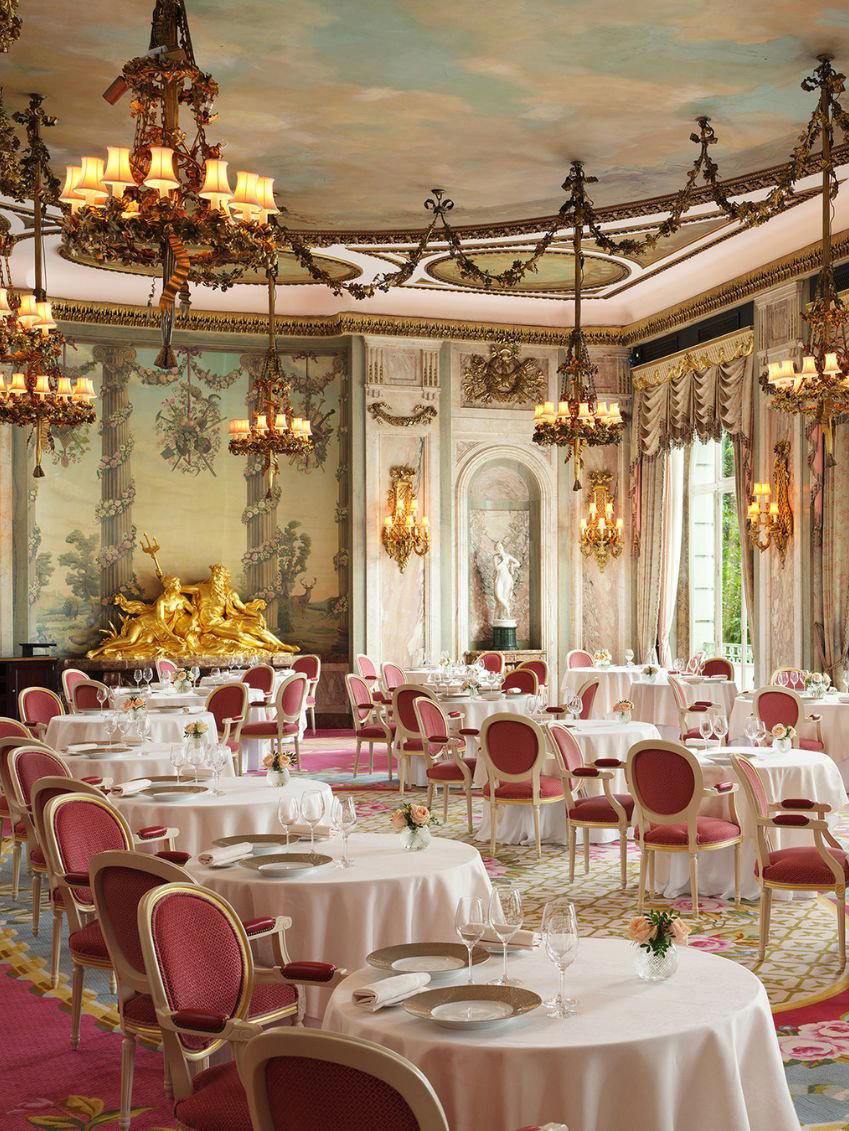
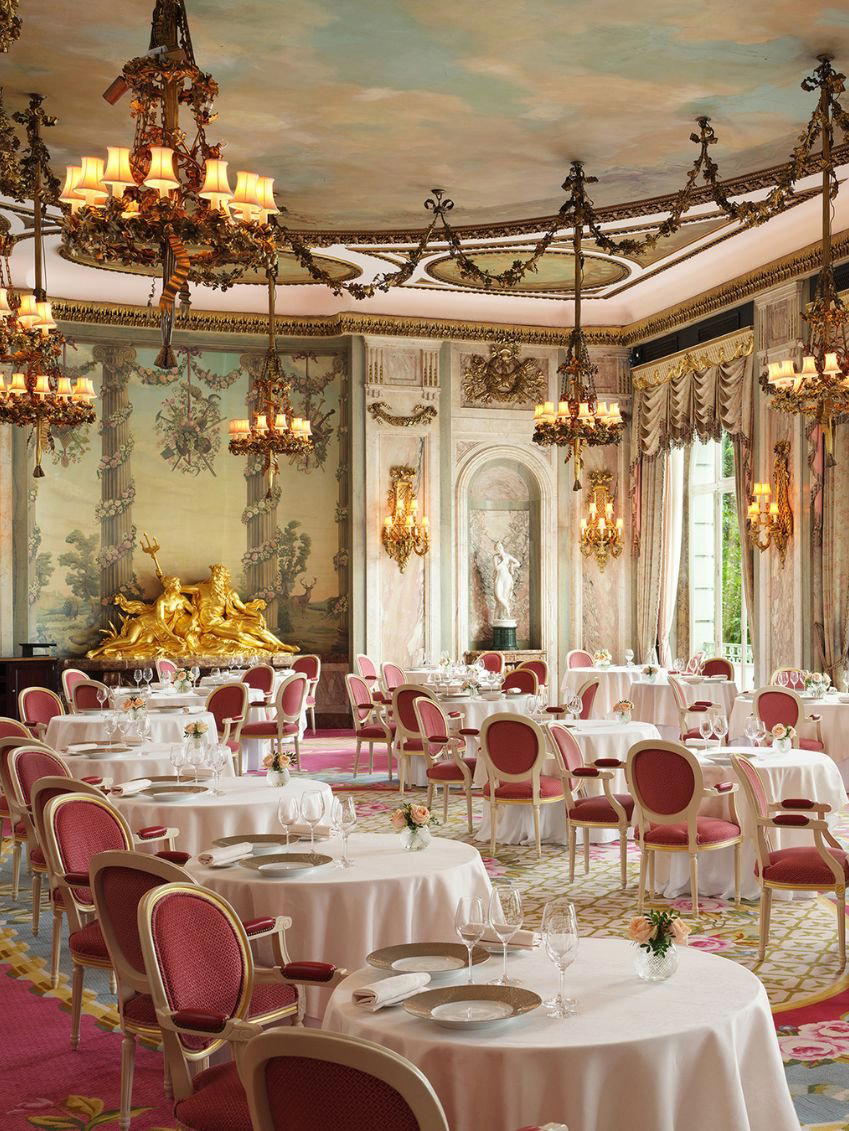
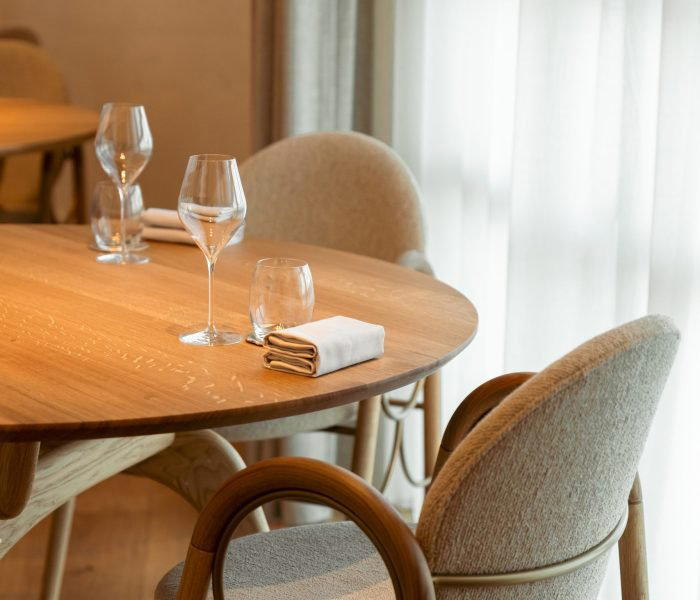
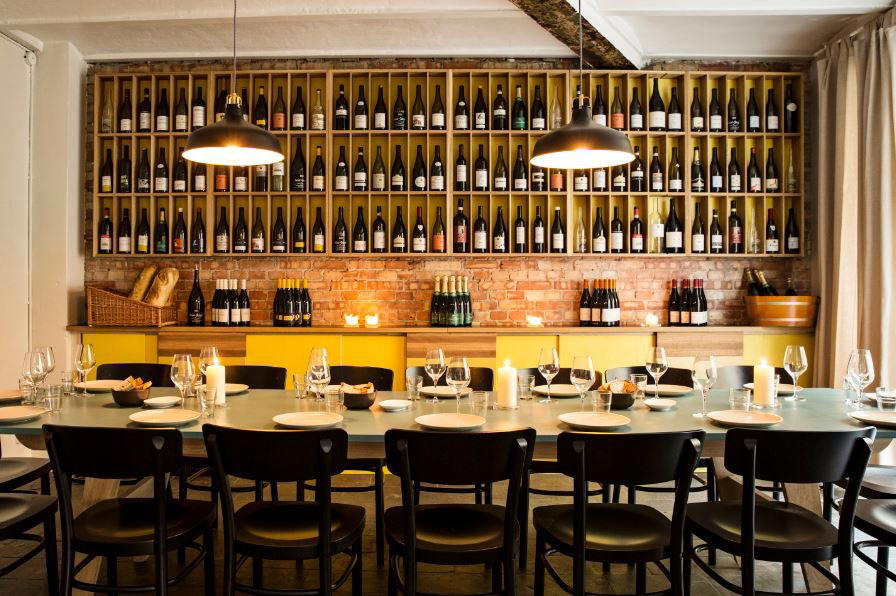
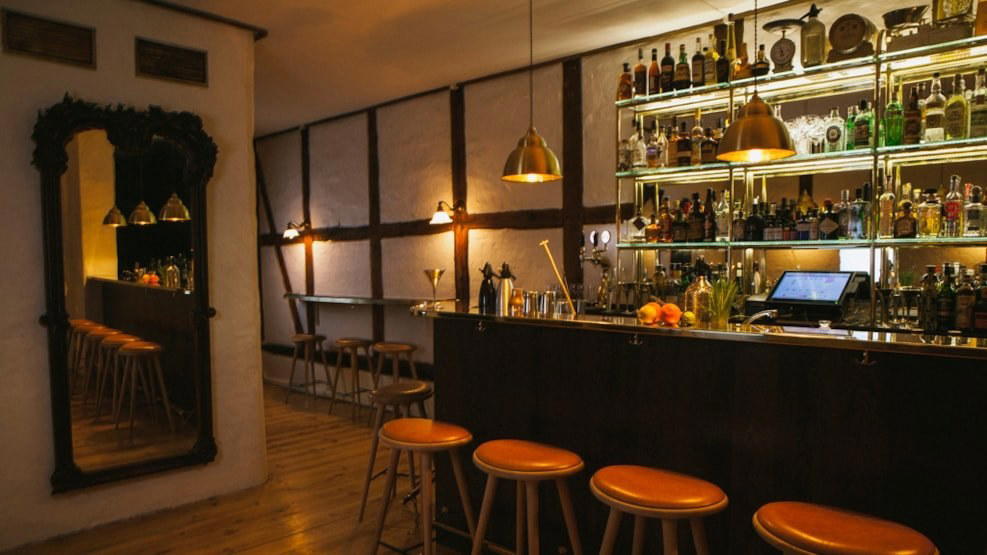
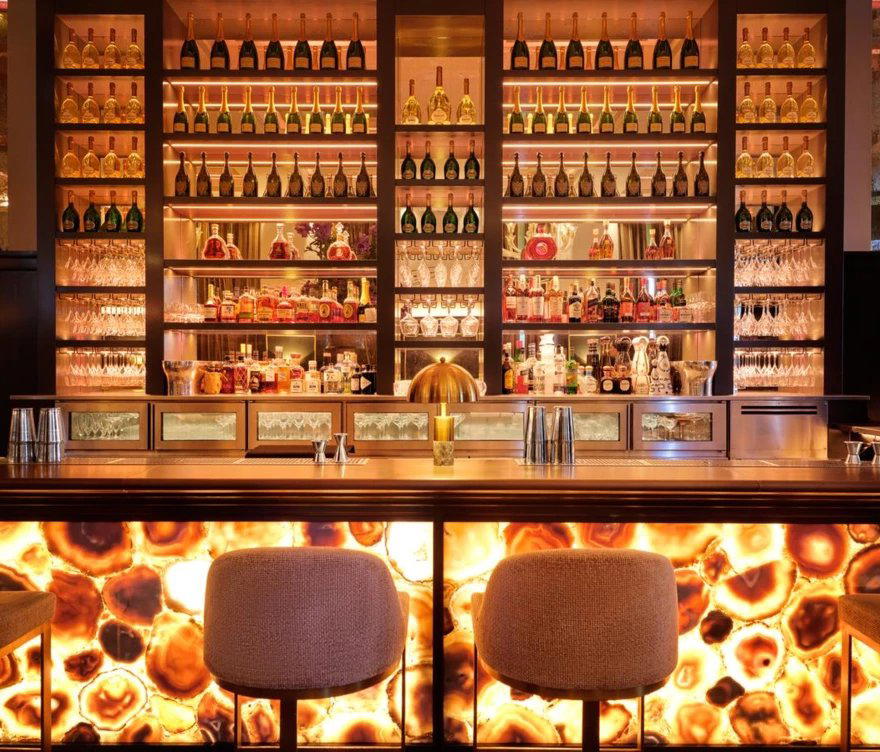
Stylish and sophisticated oasis with mood lighting, well-spaced tables, Nordic designer furniture, and a relaxed, warm atmosphere.