Maan
Maan occupies a quiet address at Kamersteeg 3A in Nijkerk, placing serious ingredient-led cooking within a town better known for its agricultural hinterland than its restaurant scene. The kitchen draws on the produce traditions of the Gelderse Vallei region, where farmland and market gardens sit within a short radius of the dining room. For the Gelderland stretch of the Netherlands, this is a destination worth tracking.
Pearl is the En Primeur Club membership app — saves, bookings, and concierge access live there. Same editors, same standards.
- Address
- Kamersteeg 3A, 3862 PJ Nijkerk, Netherlands
- Phone
- +31619012579
- Website
- maanrestaurant.nl
- Directions
- Get directions
 Saves & bookings on Pearl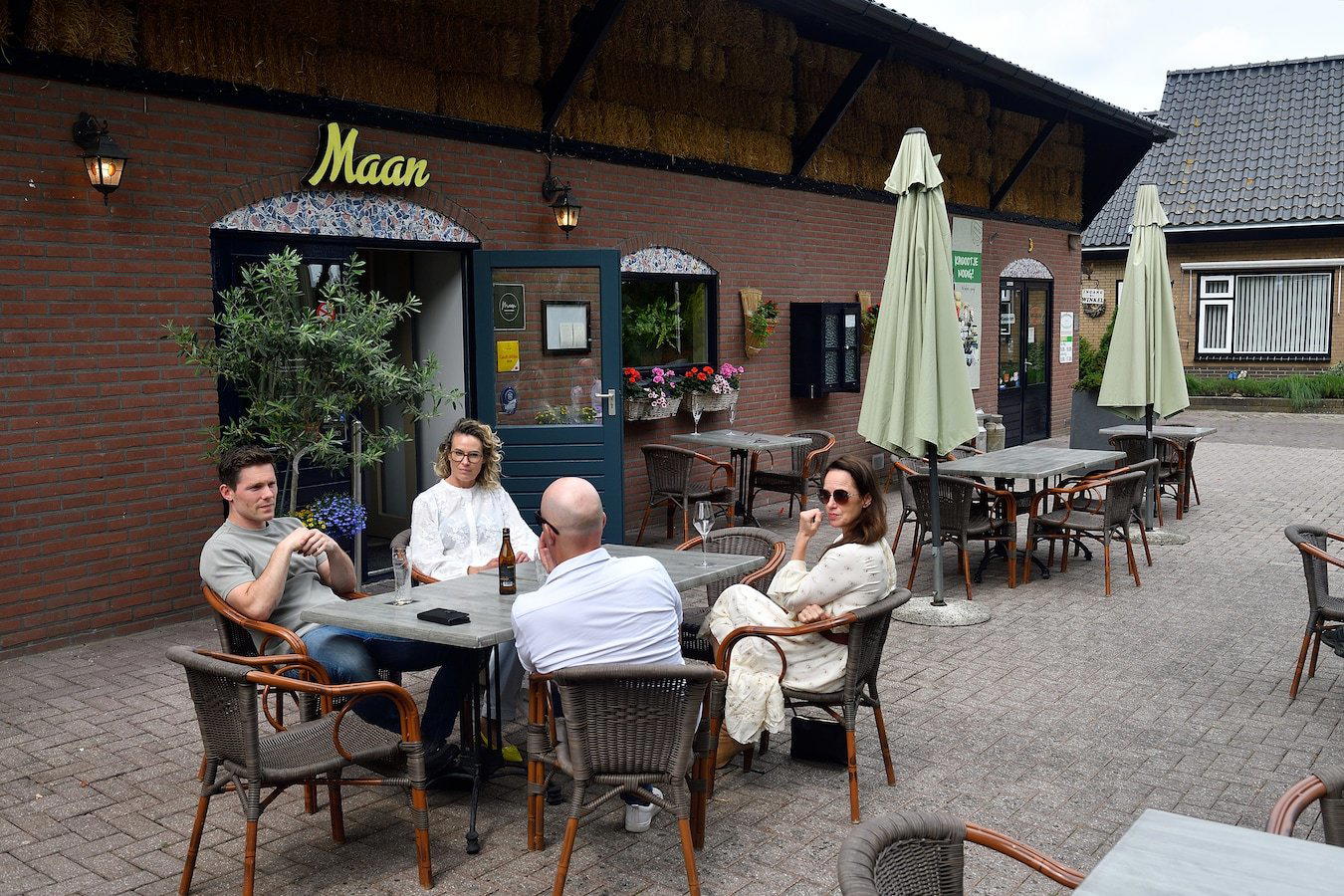
Where the Gelderse Vallei Reaches the Plate
Nijkerk sits at the western edge of Gelderland, where the polders flatten toward the Veluwe and the surrounding farmland produces a quieter, less-photographed variety of Dutch agricultural abundance. The town draws visitors for its historic centre and its position between Amersfoort and Harderwijk, but its restaurant scene has operated beneath the radar of the national food press for most of its modern history. That context matters when placing Maan, at Kamersteeg 3A, because the address signals something about the dining philosophy before the first course arrives: this is not a restaurant designed to perform for tourists passing through on a scheduled itinerary.
The building sits on a side street that requires some deliberate navigation, and the approach on foot rewards patience. Nijkerk's older commercial core gives way quickly to quieter residential fabric, and Kamersteeg 3A sits within that quieter register. The physical environment before entry already separates the experience from the amplified energy of a city-centre address. Restaurants that choose locations like this are generally making a statement about priorities: the room is the destination, not the postcode.
The Ingredient Logic of the Gelderse Vallei
The agricultural geography around Nijkerk is not incidental to understanding what kitchens here can do. The Gelderse Vallei, the low-lying corridor between the Veluwe ridge and the Utrecht hills, is one of the more productive horticultural zones in the central Netherlands. Market gardeners, dairy farmers, and specialist growers operate within a tight radius of the town centre. For a kitchen oriented toward provenance-led cooking, this represents a structural advantage that restaurants in Amsterdam or Rotterdam cannot easily replicate: short supply chains, seasonal legibility, and direct relationships with producers who cultivate at small scale.
This regional sourcing model is not unique to Maan as a concept. Across the Netherlands, the more serious kitchens at the €€€ and €€€€ tier have moved decisively toward regional ingredient programs over the past decade. De Nieuwe Winkel in Nijmegen, which earned significant attention for its organic-only kitchen, represents one end of that spectrum. De Groene Lantaarn in Staphorst operates in a comparable vein in the north, drawing on the specific agricultural character of its own region. What distinguishes these properties from the mainstream is not ideology but geography: they position themselves where the produce actually is, rather than importing regional identity retroactively.
Maan enters that context as a third option within a still-small local ecosystem, which means each addition shifts the weight of the scene.
Dutch fine dining outside the Randstad has developed a distinct character over the past fifteen years. Properties like De Librije in Zwolle and 't Nonnetje in Harderwijk, both operating at the €€€€ tier with Michelin recognition, demonstrated that destination-level cooking does not require an Amsterdam postcode. That precedent created a pathway for smaller Gelderland towns to develop credible restaurant propositions. Harderwijk, directly north of Nijkerk along the Veluwe edge, is the nearest example: 't Nonnetje's creative kitchen has drawn diners from across the region and from the major cities, validating the commute logic that provincial dining can justify.
Further afield, the benchmark for ingredient-sourcing ambition in Dutch kitchens includes properties like De Bokkedoorns in Overveen, Inter Scaldes in Kruiningen, and De Lindenhof in Giethoorn. Each of these operates with strong regional produce logic within a broader fine dining frame, and each has built its reputation in a location that does not benefit from urban footfall. The model requires that the kitchen do enough to justify the journey, which is a different kind of discipline than serving a captive city audience.
For Amsterdam-based diners already familiar with Ciel Bleu or Aan de Poel in Amstelveen, a run north to Nijkerk sits within the same decision framework as heading to Amstelveen: a deliberate detour rather than an incidental stop. The train from Amsterdam Centraal reaches Nijkerk in under an hour, with connections via Amersfoort.
The Broader Dutch Sourcing Conversation
What the current generation of ingredient-led Dutch kitchens is working through, in towns like Nijkerk and beyond, is not simply a locavore marketing position but a structural renegotiation of what provincial cooking can mean at a high level. Internationally, kitchens like Le Bernardin in New York built their identity on absolute fidelity to sourcing standards within a single category. Atomix in New York applied similar discipline to Korean ingredient traditions. The Dutch parallel is different in its geography, smaller in its scale, but comparable in its insistence that where food comes from shapes what the kitchen can credibly claim. Properties like De Treeswijkhoeve in Waalre, De Lindehof in Nuenen, and Brut172 in Reijmerstok are all working through versions of this question in the southern provinces. FG in Rotterdam applies a different, more technique-led approach within the urban tier.
For a full picture of where Maan sits within Nijkerk's developing restaurant ecosystem, the EP Club Nijkerk restaurants guide covers the town's broader dining options with current editorial assessments.
Planning a Visit
Maan is located at Kamersteeg 3A, 3862 PJ Nijkerk. The address sits in the older part of the town centre, accessible on foot from the main square. Nijkerk is served by train from Amersfoort, which connects to Utrecht, Amsterdam, and Zwolle. For visitors combining dinner with a day on the Veluwe or along the Randmeren, the town is a natural stopping point between those natural areas and the Randstad. Current opening hours, booking availability, and pricing are best confirmed directly with the restaurant, as those details fall outside what we can verify at time of publication.
How Maan Nijkerk compares with similar nearby venues.
| Venue | Cuisine | Price |
|---|---|---|
| De Salentein | Modern Cuisine | €€€ |
| Het Sluishuys | Farm to table | €€€ |
At a Glance
- Cozy
- Intimate
- Rustic
- Date Night
- Special Occasion
- Open Kitchen
- Local Sourcing
Current opening hours
- Monday
- Closed
- Tuesday
- Closed
- Wednesday
- 6–11 PM
- Thursday
- 6–11 PM
- Friday
- 6–11 PM
- Saturday
- 12–11 PM
- Sunday
- 12–5 PM
Hours can change for holidays and private events. Last verified .
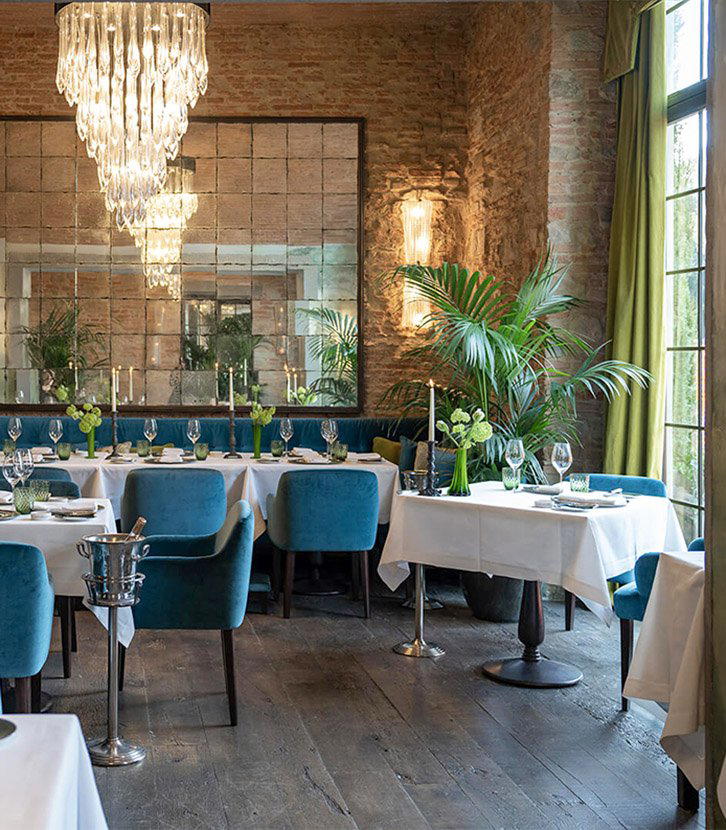
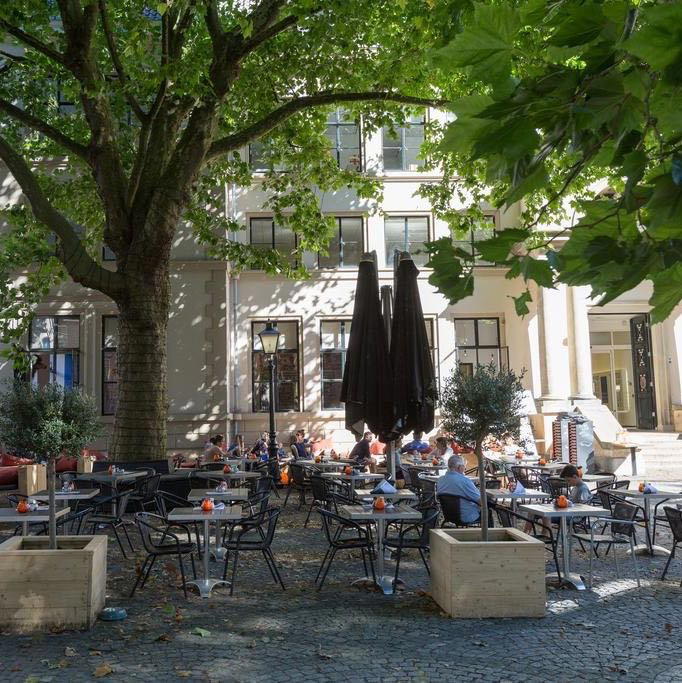
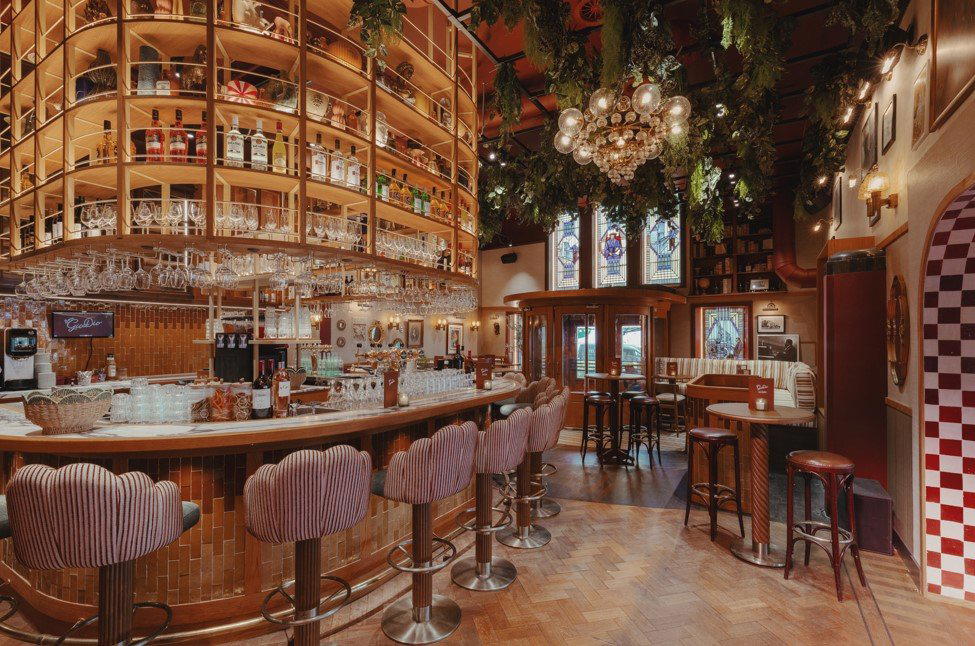
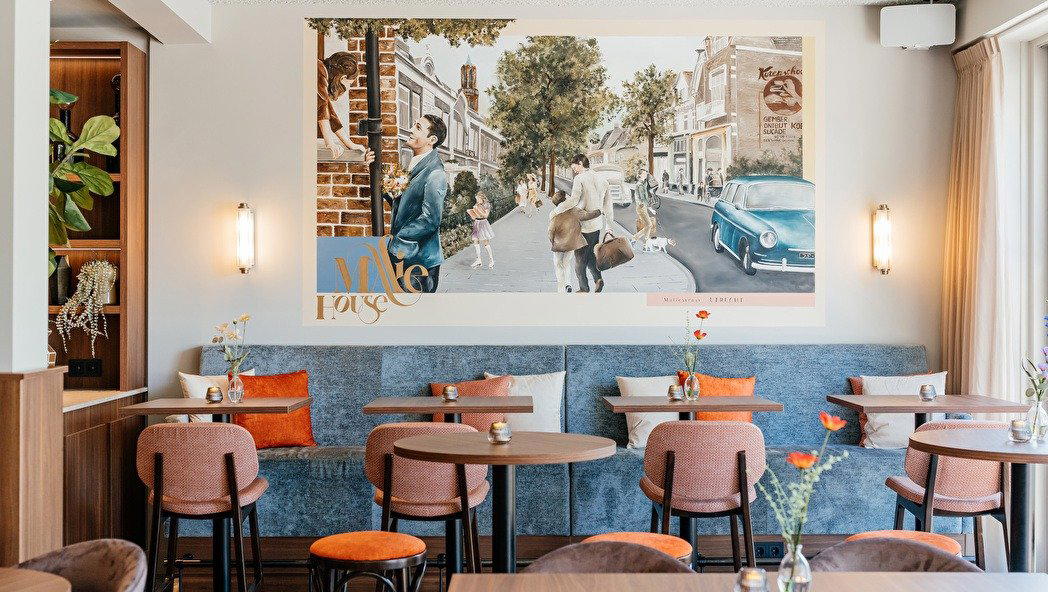
Cozy and welcoming interior with house-like atmosphere, open kitchen, no flashy decor, focusing on culinary bubble and hospitality.
Know Before You Go
- Getting there
- Kamersteeg 3A, 3862 PJ Nijkerk, Netherlands