De Salentein

Michelin Plate
Our verdict
De Salentein holds a Michelin Plate in consecutive years (2024 and 2025), placing it among the recognised modern cuisine addresses in the Gelderland region. Set along the rural edges of Nijkerk, the restaurant operates at the €€€ tier with a cooking approach rooted in ingredient provenance. For the broader Veluwe corridor, it represents the kind of serious but accessible fine dining that sits one clear tier below the region's starred houses.

Pearl is the En Primeur Club membership app — saves, bookings, and concierge access live there. Same editors, same standards.
- Address
- Putterstraatweg 5 – 9, 3862 RA Nijkerk, Netherlands
- Phone
- +31 33 247 5201
- Hours
- Mon–Sat 12–11 PMSun Closed
- Website
- landgoeddesalentein.nl
- Directions
- Get directions
- Booking
- Book on the venue's website
The menu
What to order
- Argentinian Beef Tartare
- Picanha
- Sea Bass Ceviche
- Sweetbreads
- Asado Platter
Where Gelderland's Rural Margins Meet Serious Modern Cooking
The approach to De Salentein along the Putterstraatweg already signals what kind of meal you're walking into. The road skirts the agricultural edge of Nijkerk, where Gelderland's flat polderland gives way to the sandy heathland of the Veluwe. There is no urban bustle to contextualise the restaurant here — no dense city block, no neighbouring bar crowd spilling onto the pavement. What the setting offers instead is the particular quietness that Dutch countryside cooking has long drawn on: proximity to land, to farms, to seasonal supply chains that urban kitchens have to work considerably harder to access.
This kind of rural positioning is not unique to De Salentein — it follows a well-established pattern in Dutch fine dining, where restaurants in provincial towns and agricultural zones have often built reputations as destination addresses precisely because they sit close to their ingredients. What matters is whether the kitchen makes meaningful use of that proximity, and the Michelin Plate recognition De Salentein has received in both 2024 and 2025 suggests the answer is consistently yes.
The Logic of Provenance at This Price Point
At the €€€ tier, De Salentein occupies a positioning that is increasingly important in the Dutch dining scene. The country's leading modern cuisine houses, De Librije in Zwolle at three Michelin stars, or 't Nonnetje in Harderwijk at two, price accordingly, and the investment for a full evening runs significantly higher. The Michelin Plate tier, by contrast, marks kitchens where the cooking quality earns Michelin's attention without the full star apparatus, and frequently without the corresponding price escalation. That's a meaningful distinction for a restaurant drawing from across the Veluwe region, where diners arriving from Amersfoort, Harderwijk, or the Nijkerk hinterland expect seriousness at a cost that doesn't mirror Amsterdam pricing.
Across the Netherlands, ingredient sourcing has become the defining narrative of the post-star generation of modern cuisine. De Nieuwe Winkel in Nijmegen, which holds two Michelin stars and operates on a plant-forward, organic sourcing model, sits at one end of that spectrum. At the other, estate-anchored restaurants on the Veluwe have developed a quieter but equally deliberate approach: work with what's close, adjust with the season, and let the ingredient set the register of the dish rather than imposing a fixed menu identity onto whatever happens to arrive.
De Salentein's address on the Putterstraatweg places it in this tradition. The name itself carries regional resonance, Salentein is a historic estate name in the Nijkerk area, and that rootedness in the local land is precisely the kind of contextual signal that shapes what a kitchen at this level is expected to do with its sourcing. For diners in the Veluwe corridor, that provenance narrative is not abstract; it maps onto farms and producers that are genuinely visible from the road.
How De Salentein Sits in the Regional Picture
The Gelderland and Flevoland corridor contains several kitchens worth tracking for serious modern Dutch cooking, but they serve different purposes in a journey through the region. Basiliek in Harderwijk operates in the same €€€ modern cuisine bracket, giving diners a Veluwe-adjacent comparison point.
Further afield, the comparison set widens. Aan de Poel in Amstelveen, De Bokkedoorns in Overveen, and Ciel Bleu in Amsterdam all carry Michelin stars and operate in the upper bracket of Dutch fine dining. De Salentein sits below that tier in recognition, but occupies a specific gap in the regional geography: a Michelin-acknowledged modern cuisine address in a town that most non-local diners would not otherwise have a restaurant-led reason to visit. For the traveller building a route through Gelderland, that gap is exactly where De Salentein earns its place.
The comparison extends beyond the Netherlands. Restaurants at the Michelin Plate level in rural European settings, from the agricultural zones of northern Spain to the village kitchens of rural France, have increasingly found that a locavore sourcing commitment, executed consistently, builds a more durable audience than menu ambition alone. In that context, De Salentein's consecutive Plate recognitions in 2024 and 2025 represent a signal of kitchen stability as much as cooking quality: the same standard, maintained across a full Michelin evaluation cycle.
Planning Your Visit
Nijkerk is accessible by rail from Amersfoort and Amsterdam, though the restaurant's position on the Putterstraatweg, at the rural edge of town, makes private transport or a taxi from the station the practical choice. For visitors combining the meal with an overnight stay, Nijkerk hotels are limited, and many diners base themselves in Amersfoort and make the short drive. Booking in advance is advisable, rural destination restaurants at this recognition level in the Netherlands typically operate at capacity on weekend service, and the Veluwe draws steady visitor traffic throughout the warmer months, peaking from May through September when the heathland is at its most accessible.
For those building a broader Nijkerk itinerary, the EP Club guides to Nijkerk bars, Nijkerk wineries, and Nijkerk experiences map the rest of the scene. And for the regional context that places De Salentein in its proper competitive frame, the full Nijkerk restaurants guide covers the city's dining picture in detail.
Beyond the immediate region, the wider network of Dutch modern cuisine at similar and higher tiers is documented across the EP Club platform, from De Groene Lantaarn in Staphorst to De Lindenhof in Giethoorn and De Lindehof in Nuenen, each occupying a distinct position in the geography of serious Dutch cooking. For reference points further afield, Brut172 in Reijmerstok and Borkonyha Winekitchen in Budapest offer European comparisons in the Michelin-recognised modern cuisine tier.
Frequently asked questions
What's the price range at De Salentein?
Pricing at De Salentein is listed as €€€.
Is De Salentein reservation-only?
Given its position at the €€€ tier with two consecutive Michelin Plate years, securing a table in advance is the sensible approach, particularly for weekend sittings.
What has De Salentein built its reputation on?
De Salentein has held a Michelin Plate in both 2024 and 2025, placing it in the tier of Dutch restaurants Michelin considers worth tracking for consistent quality in modern cuisine. Its address on the Putterstraatweg puts it at the rural edge of Nijkerk, a location that positions it as a destination rather than a convenience stop.
In Context: Similar Options
| Venue | Cuisine | Price | Awards |
|---|---|---|---|
| De SalenteinThis venue — the venue you are viewing | Refined South American with Argentine Influences | $100–150 | Michelin Plate |
| De Librije | Modern Cuisine | Not listed | Michelin 3 Star |
| Aan de Poel | Creative | Not listed | Michelin 2 Star |
| De Lindehof | Contemporary Dutch, Creative | Not listed | Michelin 2 Star |
| Fred | Creative French | Not listed | Michelin 2 Star |
| De Nieuwe Winkel | Organic | Not listed | Michelin 2 Star |
Recognition history
Dated appearances from independent guides and award organizations, with the underlying list record or original source where available.
Michelin Plate
Michelin
Full recognition history (2 entries)
Michelin Plate
Michelin
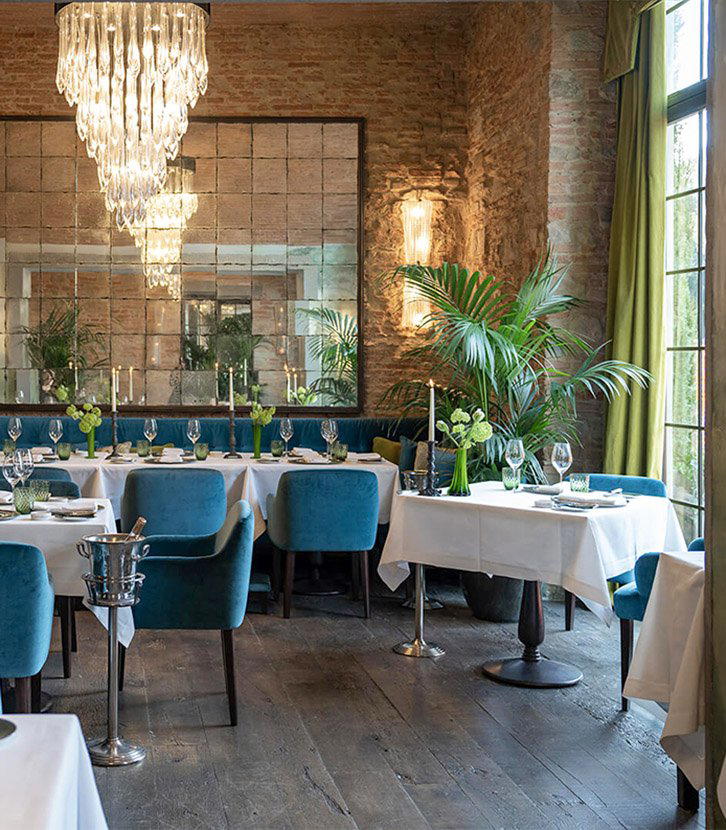
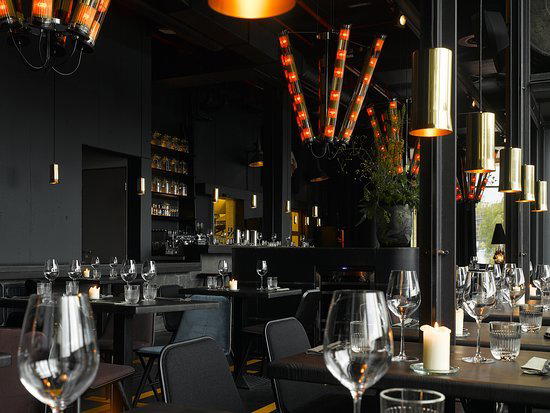
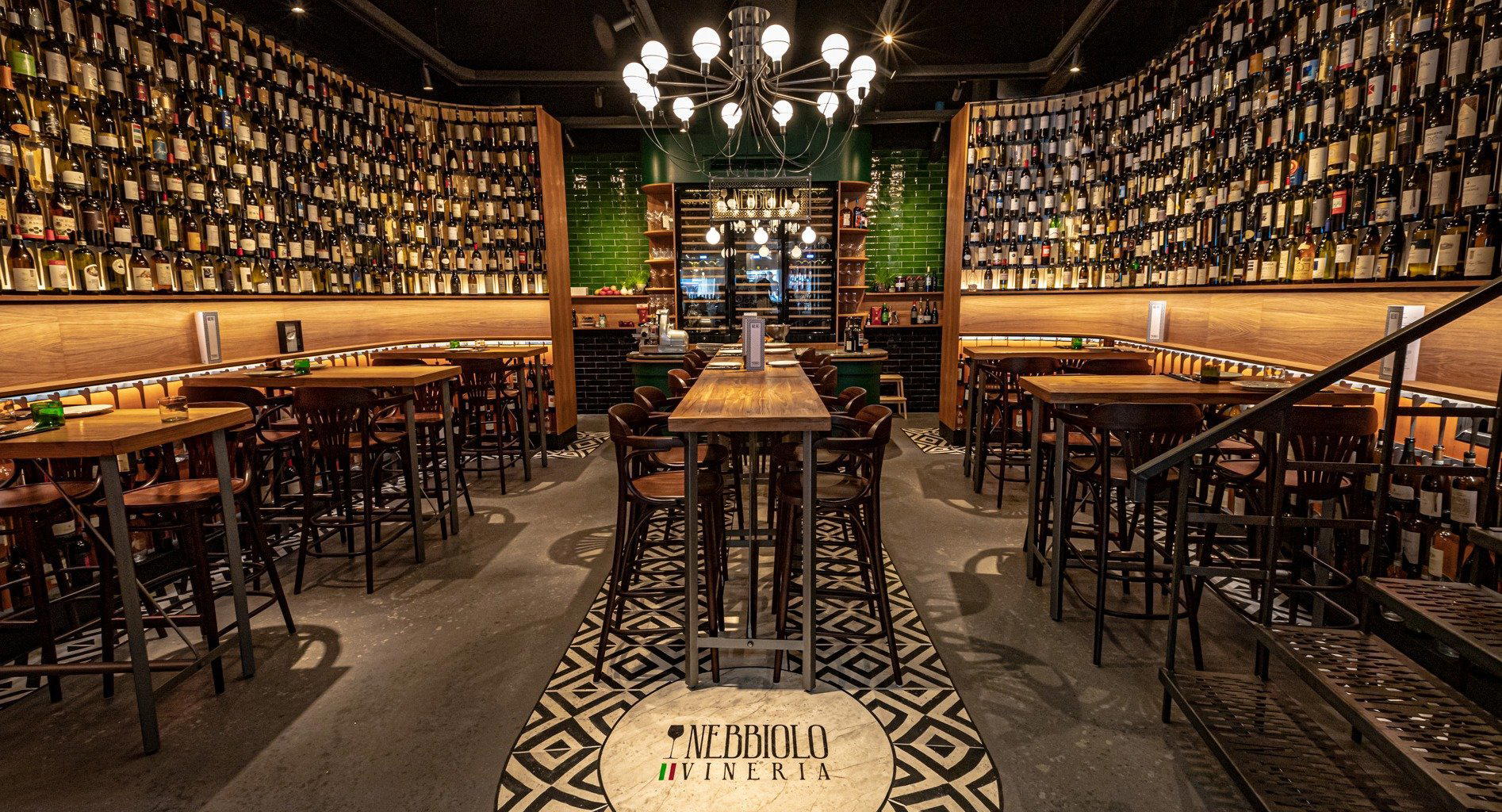
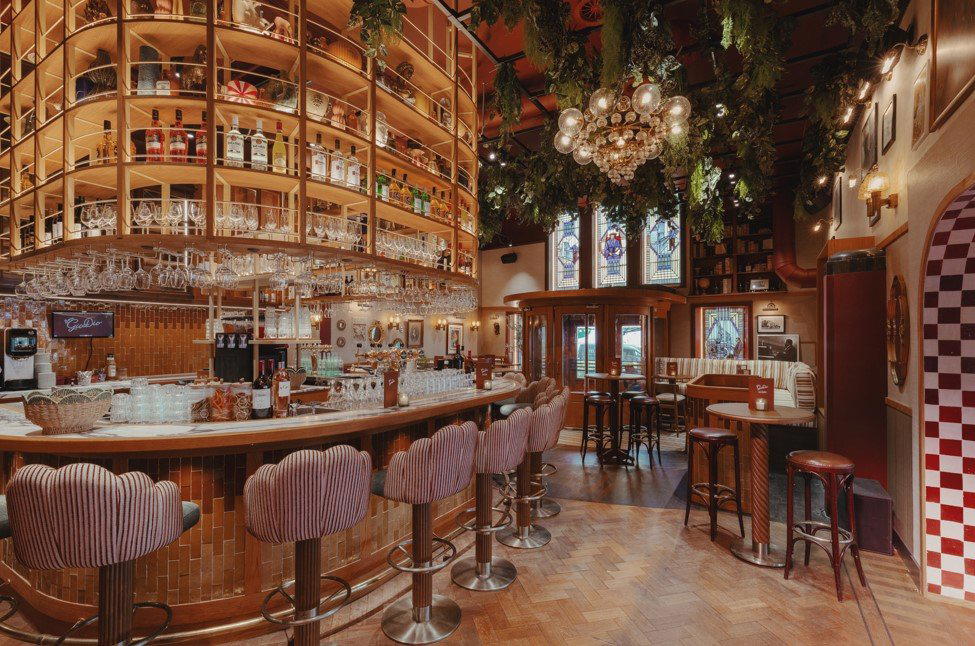
De Salentein
The wine
- Wine program
- Exceptional wine program
- Extensive wine list
- Sommelier-led
Details
- Elegant
- Romantic
- Sophisticated
- Scenic
- Date Night
- Business Dinner
- Group Dining
- Celebration
- Special Occasion
- Private Event
- Private Dining
- Garden
- Historic Building
- Open Kitchen
- Terrace
- Extensive Wine List
- Sommelier Led
- Farm To Table
- Local Sourcing
- Garden
- A La Carte
- Tasting Menu
- Set Menu
- Argentine Wine
- Malbec
- Natural Wine
- Vegetarian Friendly
- Vegan Options
- Gluten Free Options
- Allergy Accommodating
Current opening hours
- Monday
- 12–11 PM
- Tuesday
- 12–11 PM
- Wednesday
- 12–11 PM
- Thursday
- 12–11 PM
- Friday
- 12–11 PM
- Saturday
- 12–11 PM
- Sunday
- Closed
Hours can change for holidays and private events. Last verified .
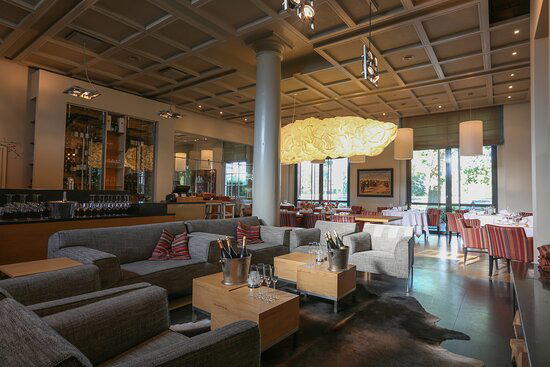
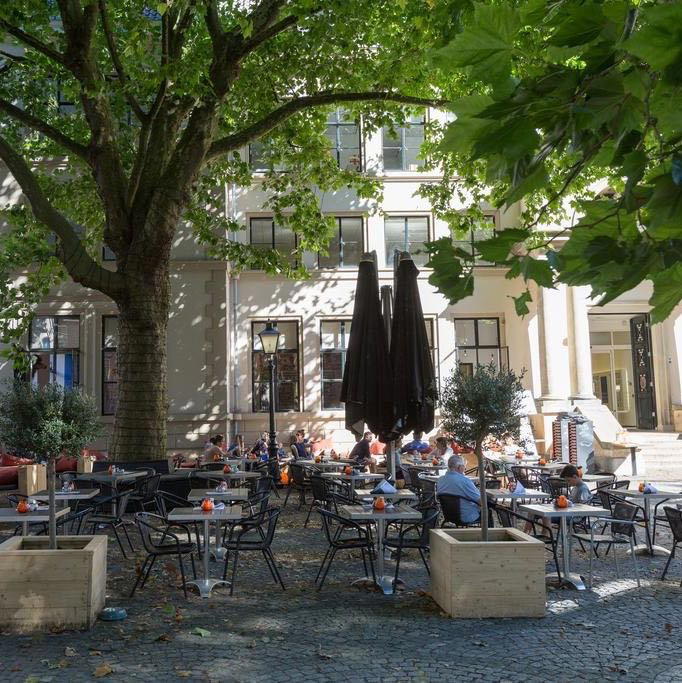
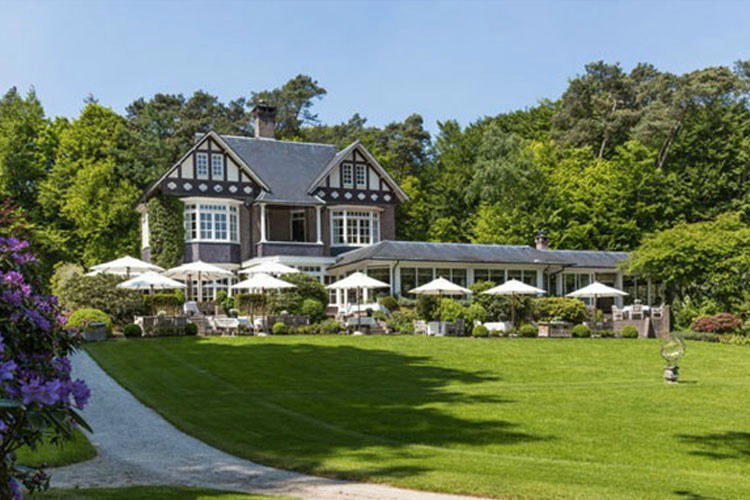
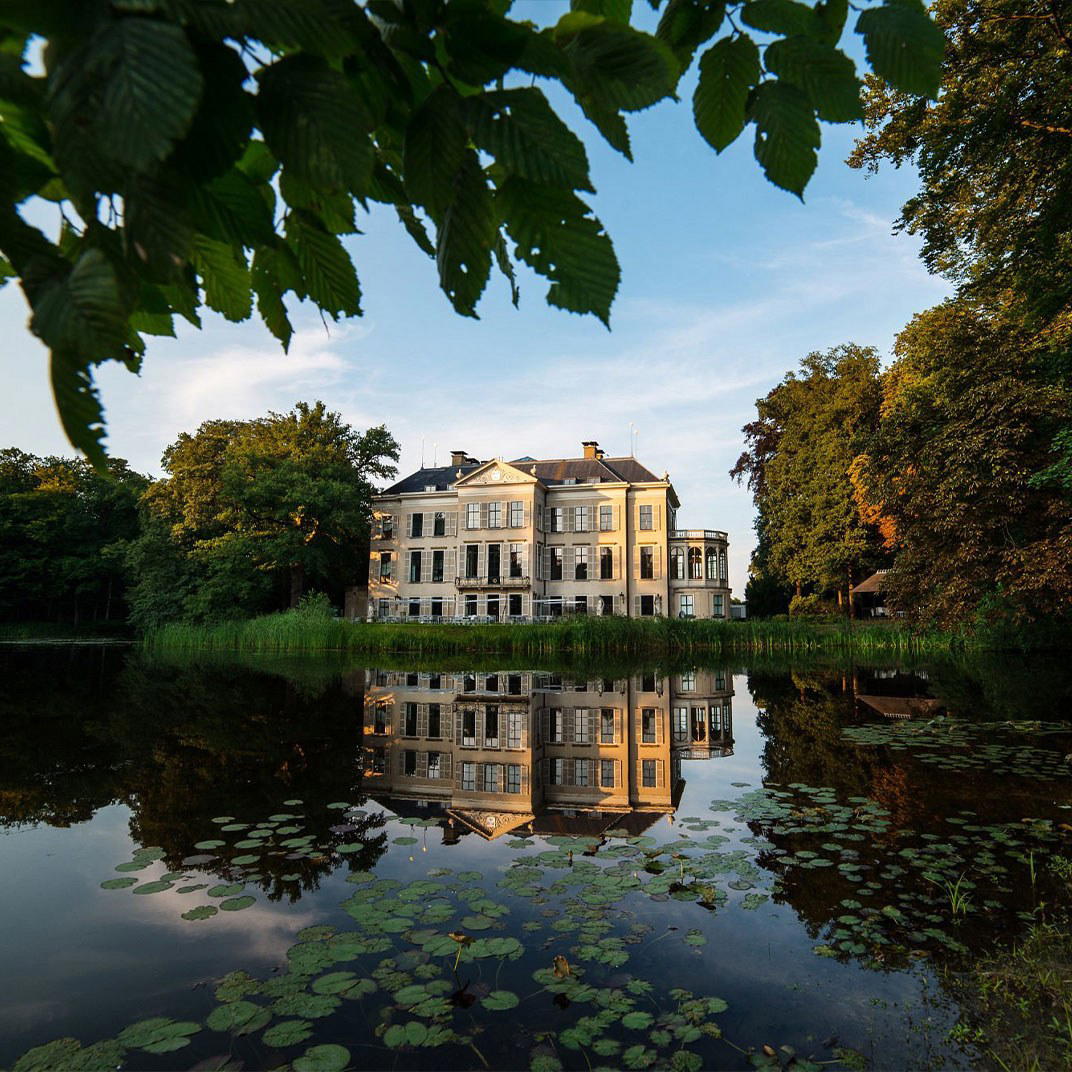
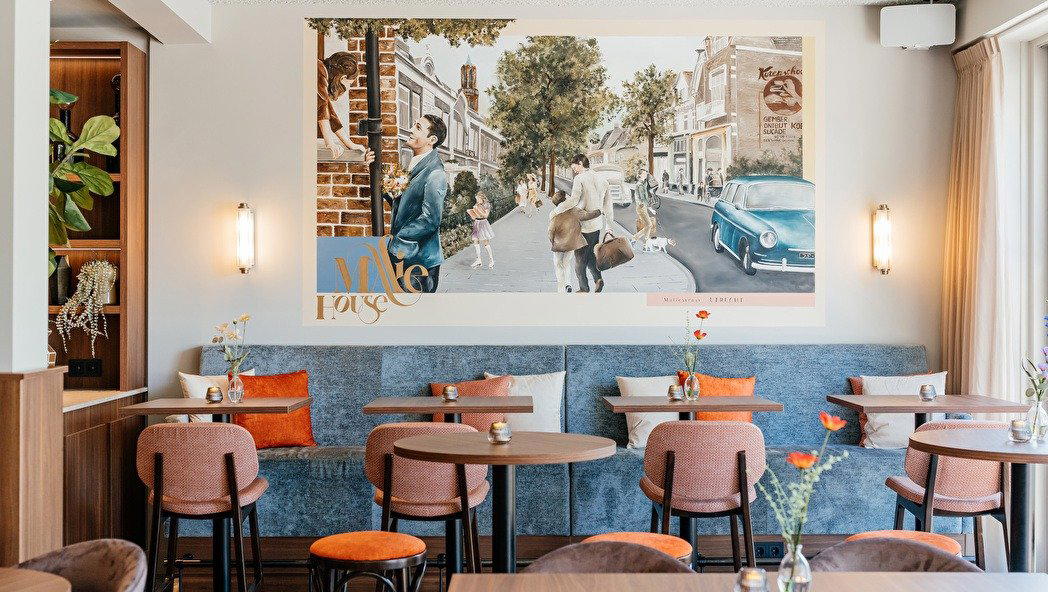
Elegant and refined with warm fireplaces, spacious dining rooms, and a sophisticated yet inviting atmosphere set within a beautifully maintained historic Dutch estate.