Lysée



James Beard Award Semi Finalist · New York Times Best Bakeries Across the U.S.
Our verdict
Lysée arrived on East 21st Street as a serious argument for Korean-inflected French pâtisserie as a category in its own right. Ranked #2 on Opinionated About Dining's Cheap Eats in North America list for 2024 and climbing to #3 in 2025, the Flatiron shop operates Wednesday through Sunday with hours that reward afternoon visits. It is among the most closely watched pâtisseries in the city.

Pearl is the En Primeur Club membership app, where members save venues, book tables and use the concierge.
The menu
What to order
- Corn mousse cake
- Lyseé caramel-praline
- Black sesame brioche
Where Korean Precision Meets French Structure
American pâtisserie has spent the last decade sorting itself into two broad camps: the European-trained purist counter, where technique is the point and decoration follows function, and the Instagram-legible novelty shop, where appearance drives traffic and flavour is secondary. Lysée, which opened on East 21st Street in the Flatiron district, sits firmly in the first camp while drawing on a third tradition that most American pastry shops have not yet fully absorbed: the rigorous Korean approach to texture, balance, and restraint that has quietly reshaped fine-dining pastry programs across the country.
Chef Eunji Lee trained through the kind of classical French program that still anchors serious pâtisserie globally, then brought that framework to New York. The result is a shop that reads, at first glance, as straightforwardly French in its commitment to craft, but reveals a different sensibility in the flavour register: less butter-forward sweetness, more precision around acidity and texture contrast.
The Space as Editorial Statement
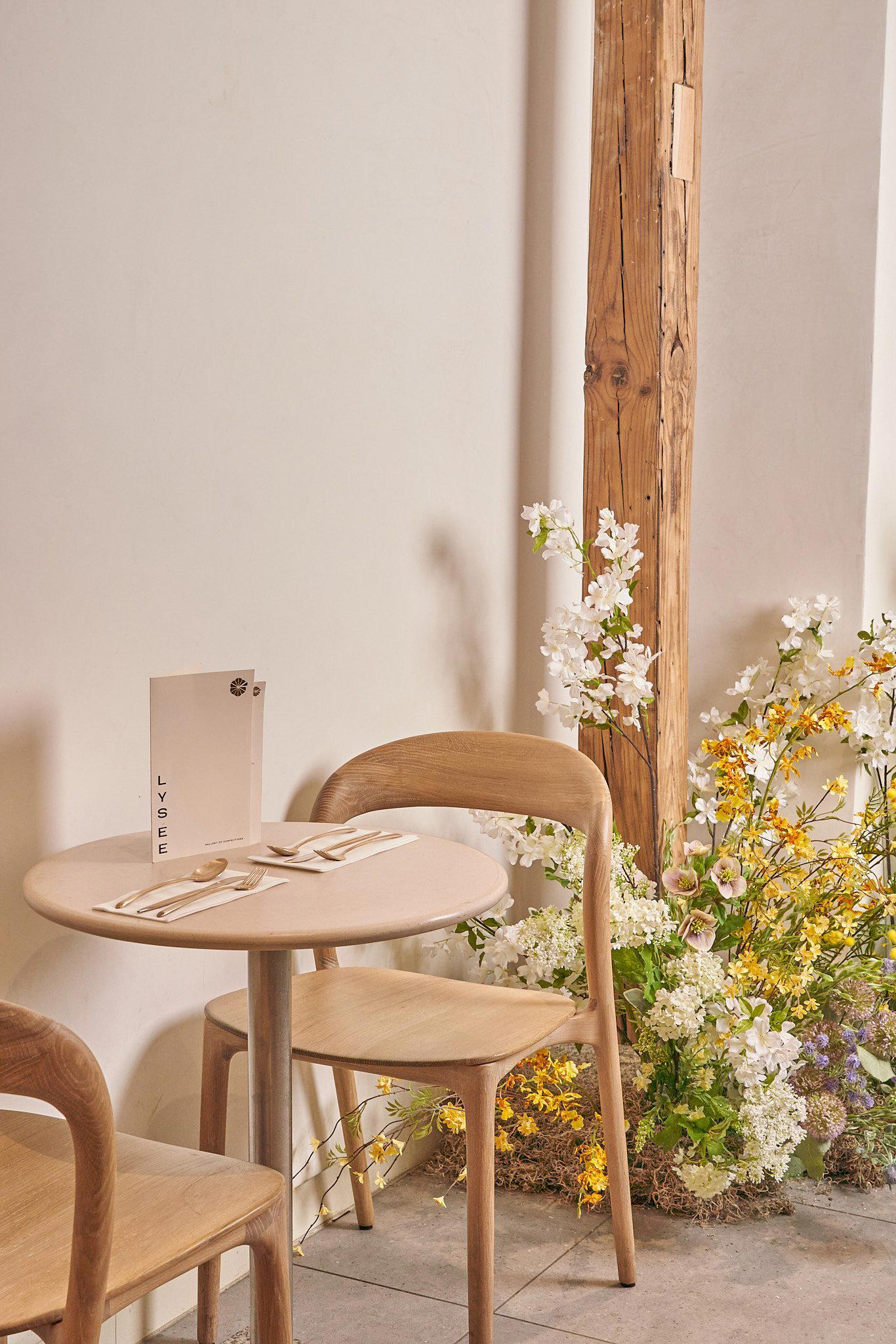
The physical container at Lysée does significant work before a single pastry is tasted. The Flatiron address at 44 East 21st Street places the shop in a neighbourhood that has developed a recognisable character around food-forward retail: serious, mid-format spaces that attract a knowledgeable audience without the theatrical trappings of destination dining. The interior reflects that sensibility. Clean lines, considered materials, and a counter-forward layout that puts the pastry case at the centre of the room communicate a specific hierarchy: the work is the spectacle.
This is the design logic of the specialist pâtisserie at its most deliberate. Rather than the warm-toned maximalism of the French salon de thé or the exposed-brick casualness of the American bakery cafe, Lysée operates in a register closer to a jewellery atelier than a coffee shop. The cases themselves are the display architecture. Pastry at this level is perishable art, and the spatial decisions here treat it accordingly. Seating, to the extent it exists, is secondary to the act of selection and departure, placing Lysée in the pickup-and-experience category rather than the linger-for-hours one.
That format distinction matters for planning a visit. The shop operates Wednesday and Thursday from noon to 6 pm, Friday noon to 8 pm, Saturday 11 am to 8 pm, and Sunday 11 am to 7 pm, with Monday and Tuesday closed. The extended Friday and Saturday hours create a distinct rhythm: mid-afternoon arrivals on weekdays, earlier weekend visits before the most sought-after items sell through. The closed Monday-Tuesday schedule aligns with serious pastry operations globally, where production cycles require rest days that customer-facing hours reflect.
Recognition and Competitive Position
Opinionated About Dining's Cheap Eats list is a counterintuitive frame for a pâtisserie of this register, but the ranking carries genuine authority in the American food-critical community. The list's methodology prioritises value relative to quality rather than absolute price, which explains how a technically demanding pâtisserie competes alongside neighbourhood-scale operations in very different categories. Lysée ranked #140 in North America in 2023, climbed to #2 in 2024, and held at #3 in 2025. That trajectory is the kind of recognition arc that signals critical consensus building rather than a single-year anomaly.
For context on how this positions Lysée within New York's broader dining tier: the city's most discussed fine-dining addresses operate in a different price register entirely. Atomix and Eleven Madison Park represent the tasting-menu stratum where a meal runs several hundred dollars per person. Le Bernardin and Masa anchor the luxury end of their respective categories. Lysée occupies a different space entirely: a per-item price point that makes serious technique accessible at a fraction of the cost of the city's tasting-menu circuit, which is precisely the logic OAD's Cheap Eats classification captures. The comparison is less about category and more about the ratio of quality delivered to money spent.
That ratio is increasingly the frame through which serious food audiences evaluate pâtisserie specifically. The croissant-and-kouign-amann tier has become deeply competitive in New York, while the technically ambitious Korean-French register remains less crowded. Lysée's ranking trajectory suggests it has found a differentiated position within that space rather than simply executing the established playbook well.
The Flatiron Context
East 21st Street puts Lysée within walking distance of Madison Square Park and the broader cluster of food-serious businesses that have gravitated to the Flatiron and Gramercy area. The neighbourhood draws a lunch and afternoon crowd that skews toward food professionals, creative industry workers, and the kind of regular visitor who tracks opening hours carefully and arrives with intent. That audience suits a pâtisserie that rewards attention: the work here is not self-explanatory to a casual walk-in the way a display of glazed doughnuts or oversized cookies would be.
For visitors building a wider New York itinerary, Lysée pairs naturally with the neighbourhood's density of considered food and drink options. Our full New York City restaurants guide covers the broader dining picture, while the bars guide, hotels guide, wineries guide, and experiences guide provide the surrounding context for a longer stay. Those planning a cross-city pastry comparison might also consider Sweet Rehab as a contrasting point on the New York pâtisserie map.
Beyond New York, the premium pâtisserie and pastry-forward dining conversation extends to other American cities. Alinea in Chicago and The French Laundry in Napa represent the tasting-menu end of technical ambition, while Lazy Bear in San Francisco, Single Thread Farm in Healdsburg, Providence in Los Angeles, and Emeril's in New Orleans anchor their respective cities' serious dining tiers, providing useful comparison points for understanding where technically ambitious pâtisserie sits within American food culture more broadly.
Planning Your Visit
Address: 44 E 21st St, New York, NY 10010. Hours: Wednesday–Thursday 12–6 pm, Friday 12–8 pm, Saturday 11 am–8 pm, Sunday 11 am–7 pm; closed Monday and Tuesday. Booking: Walk-in format; no reservation system listed. Budget: Per-item pâtisserie pricing; OAD's Cheap Eats ranking indicates strong value relative to technical quality. Timing note: Saturday morning from opening represents the widest selection; late afternoon on any day risks sold-out items on the most in-demand pastries.
What Regulars Order at Lysée
Lysée's menu rotates with production cycles and seasonal ingredient availability, so no fixed item list persists across visits.Atomix or similar Korean-inflected fine dining. Regulars, by most accounts, treat a visit as a selection exercise rather than a single-item errand: the logic of the counter is cumulative. Chef Eunji Lee's background frames the house style as French-trained with Korean sensibility in balance and texture, which means the pastry that photographs plainly often delivers the most technically considered eating experience. The ONE65 Patisserie comparison holds here: at both addresses, the least decorative item on the counter frequently represents the deepest technique.
Frequently asked questions
Is Lysée open every day?
Hours at Lysée: Hours: Monday Closed Tuesday Closed Wednesday 12–6 pm Thursday 12–6 pm Friday 12–8 pm Saturday 11 am–8 pm Sunday 11 am–7 pm.
Peers You’d Cross-Shop
| Venue | Cuisine | Price | Awards | Notes |
|---|---|---|---|---|
| LyséeThis venue (the venue you are viewing) | Korean-French Patisserie | $20–30 | James Beard Award Semi Finalist · New York Times Best Bakeries Across the U.S. | Not listed |
| Le Bernardin | French Seafood Fine Dining | $300–500 | 3 Michelin Stars · World's 50 Best #13 | French, Seafood |
| Atomix | Modern Korean Tasting Menu | $300–500 | 2 Michelin Stars · World's 50 Best #7 | Modern Korean, Korean |
| Masa | Seasonal Hokkaido Tempura Omakase | $150–200 | Tabelog 100 #34 | Sushi, Japanese |
| Per Se | French Fine Dining Tasting Menu | $300–500 | 3 Michelin Stars · World's 50 Best #40 | French, Contemporary |
| Eleven Madison Park | Contemporary Plant-Based Fine Dining | $300–500 | 3 Michelin Stars · World's 50 Best #4 | French, Vegan |
Recognition history
Dated appearances from independent guides and award organizations, with the underlying list record or original source where available.
James Beard Award Semi Finalist
James Beard Award
Opinionated About Dining Cheap Eats in North America Ranked #2
Opinionated About Dining
New York Times Best Bakeries Across the U.S.
New York Times
Full recognition history (6 entries)
Opinionated About Dining Cheap Eats in North America Ranked #3
Opinionated About Dining
Opinionated About Dining Cheap Eats in North America Ranked #2
Opinionated About Dining
Opinionated About Dining Cheap Eats in North America in Ranked #140
Opinionated About Dining
Continue exploring
More in New York City
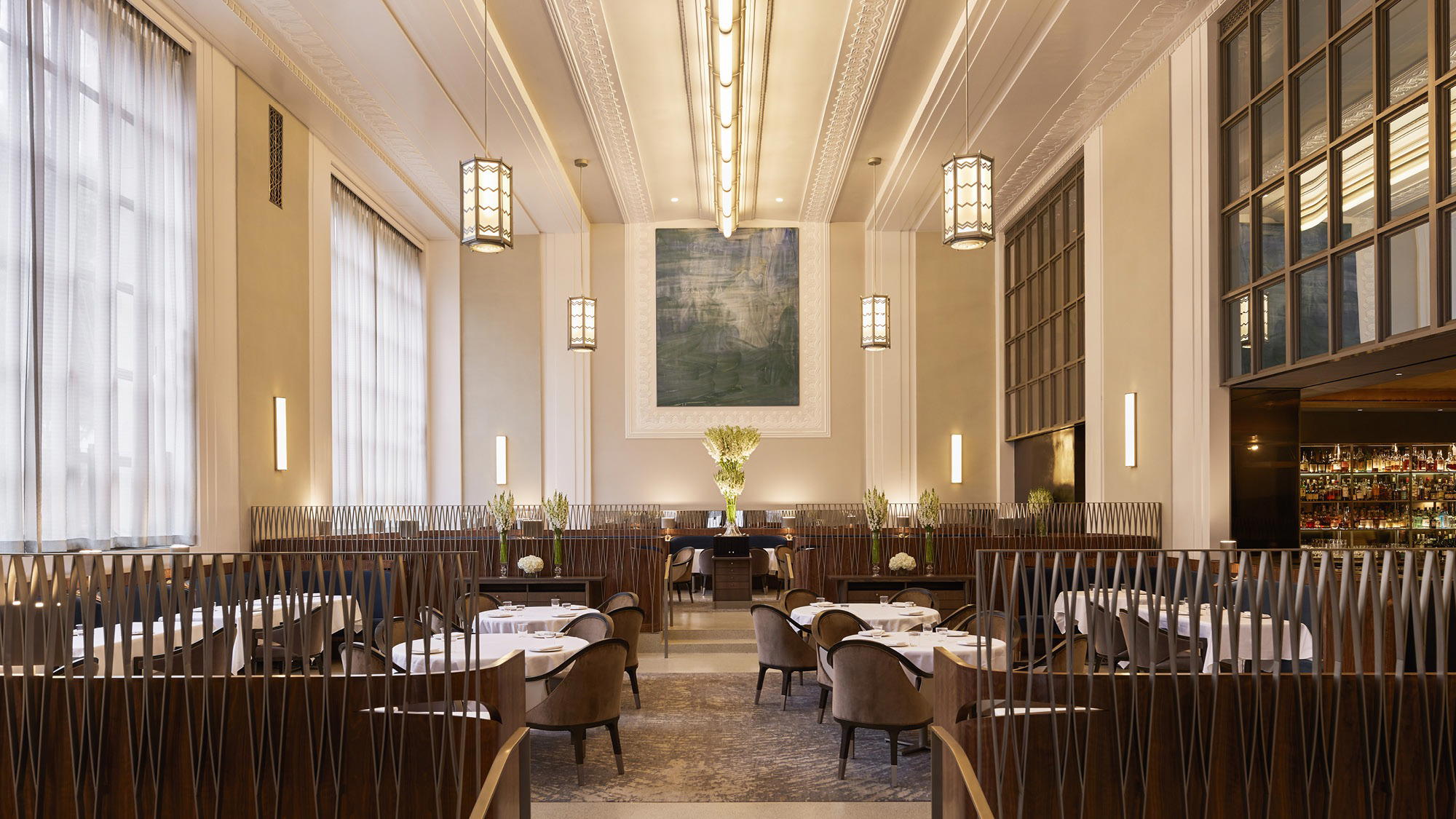
Restaurants in New York City
All restaurants in New York City →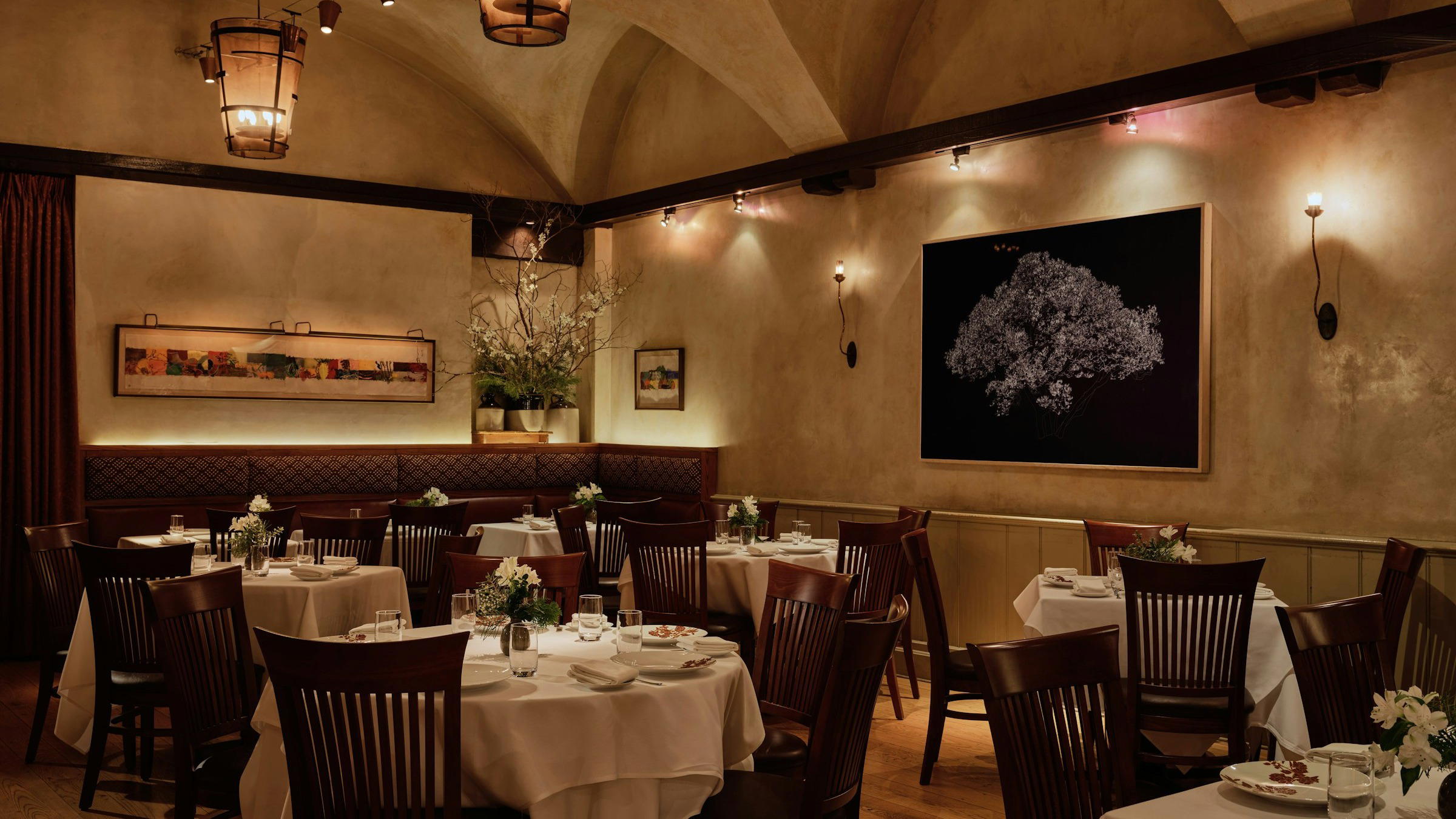
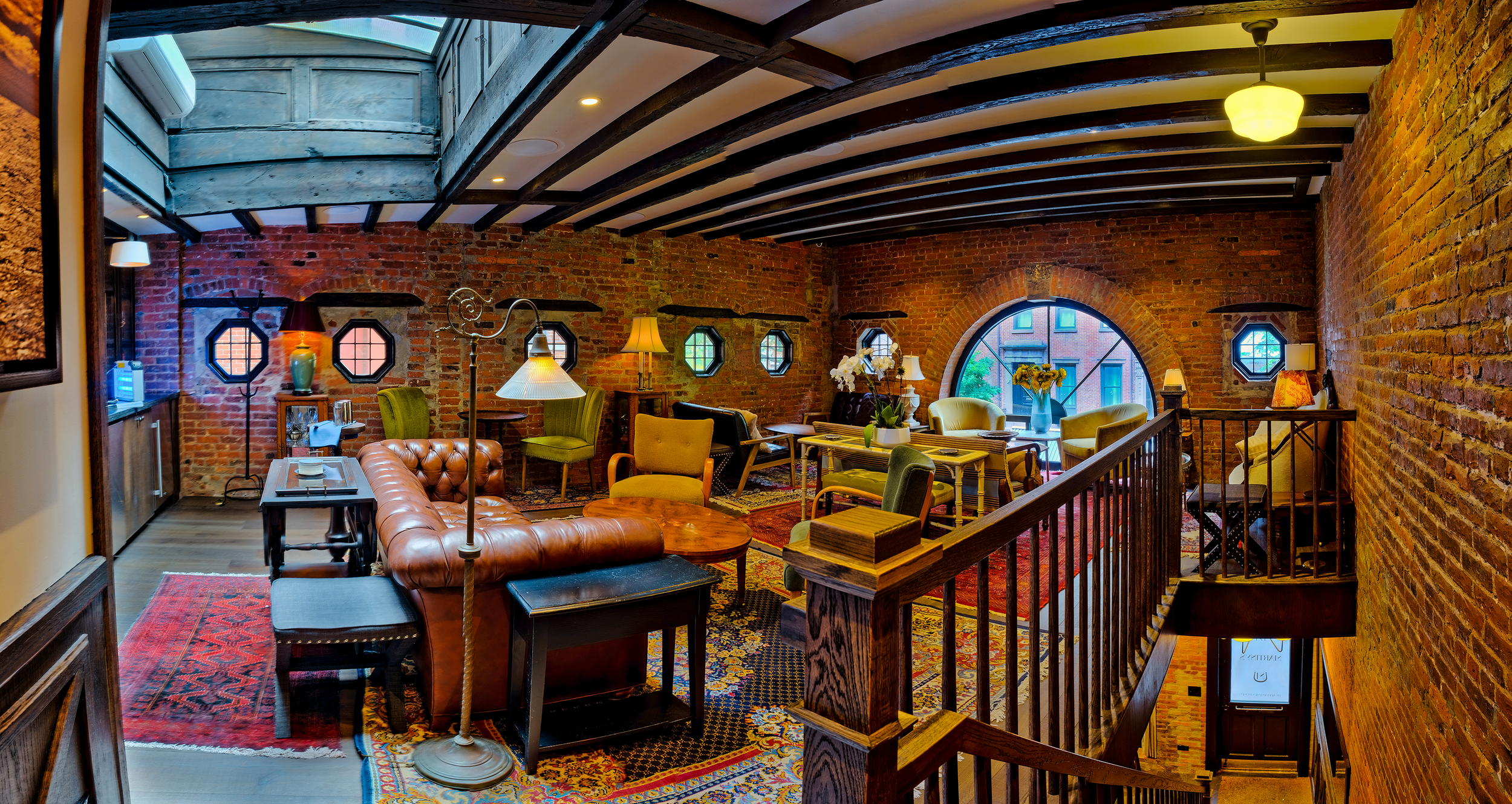
Bars in New York City
All bars in New York City →




Details
- Modern
- Minimalist
- Elegant
- Intimate
- Date Night
- Special Occasion
- Design Destination
- A La Carte
Current opening hours
- Monday
- 11 AM–6 PM
- Tuesday
- 11 AM–6 PM
- Wednesday
- 11 AM–6 PM
- Thursday
- 11 AM–6 PM
- Friday
- 11 AM–8 PM
- Saturday
- 11 AM–8 PM
- Sunday
- 11 AM–7 PM
Hours can change for holidays and private events. Hours as of .
All-white minimalist space with bright lively lights and a zen-like serene atmosphere.