La Grande Boucherie

La Grande Boucherie at 145 W 53rd St occupies a significant position in Midtown Manhattan's French brasserie tier, where scale, showmanship, and a menu built around classical French cuts meet the expectations of a neighbourhood dense with serious dining rooms. The address places it steps from the corridor that runs from Columbus Circle toward Rockefeller Center, where competition for the dinner hour is relentless and format discipline matters.
Pearl is the En Primeur Club membership app — saves, bookings, and concierge access live there. Same editors, same standards.
- Address
- 145 W 53rd St, New York, NY 10019
- Phone
- +1 212 510 7714
- Website
- boucherieus.com
- Directions
- Get directions
 Saves & bookings on Pearl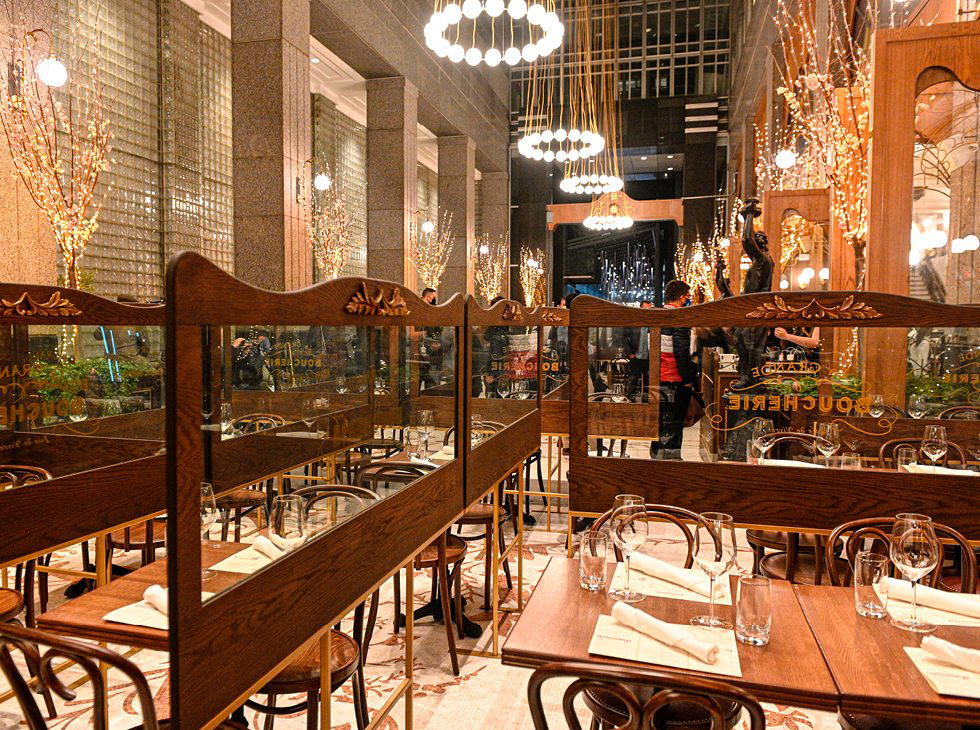
Midtown's French Brasserie Register
La Grande Boucherie is a Classic French Brasserie in Midtown Manhattan, New York City, at 145 W 53rd St. The stretch of West 53rd Street between Sixth and Seventh Avenues is not where you go looking for quiet neighborhood cooking. This is Midtown Manhattan at its most concentrated: hotels with serious dining programs, prix-fixe institutions like Per Se, and seafood counters like Le Bernardin that operate at a remove from the brasserie tradition entirely. La Grande Boucherie at 145 W 53rd St enters this competitive field with a format rooted in the grand Parisian brasserie model: high ceilings, a room designed to be seen across, and a menu organized around the logic of the French butcher's counter rather than the tasting sequence.
That distinction matters in a city where French fine dining tends to announce itself through either pristine minimalism or elaborate tasting menus. The brasserie register is a different proposition. It prizes abundance over restraint, a legible menu over a curated sequence, and a dining room atmosphere that carries its own energy independent of what is on the plate. In New York, this format has rarely been executed with the same institutional weight it carries in Paris, which makes any serious attempt at it worth examining on its own terms.
How the Menu is Built
The French brasserie menu has a specific architecture that separates it immediately from the tasting-menu format favored by Eleven Madison Park or the omakase logic of Masa. Where those rooms ask the diner to surrender the ordering decision entirely, the brasserie menu is built to be read, negotiated at the table, and assembled by the guest. Plateau de fruits de mer, côte de boeuf for two, steak frites, bone marrow: these are not dishes that require explanation so much as confirmation that the kitchen can execute them with precision and consistency.
La Grande Boucherie's menu follows this structural logic. The name itself signals the organizing principle: the boucherie, the butcher's shop, as the frame through which the entire offer is understood. Meat cookery sits at the center, flanked by the raw bar and the classic first courses that the Parisian tradition treats as obligatory punctuation rather than optional additions. This is a menu designed so that guests can eat at different depths within the same room on the same evening, which is the functional genius of the grand brasserie format and one of the reasons it has outlasted so many more fashionable dining concepts.
The approach also positions the restaurant differently from the farm-to-table formats that have defined much of New York's progressive dining conversation, places like Blue Hill at Stone Barns outside the city, where the sourcing narrative is inseparable from the menu's meaning. The brasserie tradition is less interested in provenance as storytelling and more invested in execution as the primary argument. Whether the kitchen at 145 W 53rd St delivers on that argument consistently is the relevant question for any repeat visitor.
The Room as Part of the Offer
Grand brasserie design is not incidental to the dining experience; it is load-bearing. The format depends on a room large enough to generate its own momentum, with enough visual complexity that the atmosphere does not collapse during a slow Monday service the way it might in a more intimate setting. The Paris brasseries that defined this format, the Bofinger, the Coupole, the Brasserie Lipp, understood that the room was as much a product as the steak tartare.
In New York, replicating that scale without producing something that reads as theme-park pastiche is genuinely difficult. The city's successful attempts at the grand room, which includes the old Balthazar model downtown and the more recent wave of Soho and Tribeca openings, have worked by committing fully to the visual language without ironic distance. The restaurant's Midtown address means it is drawing from a clientele that includes hotel guests, corporate expense accounts, and pre-theatre visitors from the nearby Broadway corridor, a mix that demands the room perform reliably across different expectations within the same evening service.
Where It Sits in the New York French Tradition
New York's French restaurant spectrum in 2024 runs from three-Michelin-star precision at Le Bernardin and Per Se down through the brasserie and bistro registers to neighborhood wine bars with rotating chalkboard menus. The brasserie tier has historically been underleveraged relative to its place in the Paris ecosystem, where it functions as the reliable backbone of the city's restaurant culture rather than a special-occasion destination.
The broader American dining conversation has been moving toward more regionally specific frameworks. Restaurants like Smyth in Chicago, Lazy Bear in San Francisco, and Addison in San Diego each work from specific culinary traditions rather than a generalized European idiom. Within this context, a New York restaurant committed to the classical French brasserie format is making a fairly specific bet: that the format's legibility and scale have lasting appeal against the fragmentation of the broader dining market. The international comparison is also relevant: diners who have experienced the Parisian original at places like Atelier Moessmer Norbert Niederkofler in Brunico or the deep Italian tradition at Dal Pescatore in Runate bring a calibrated reference point that raises the bar for any European-format room operating in the American market.
For the full picture of where the restaurant sits within New York's broader dining offer, including its relationship to venues across price tiers and neighborhood contexts, see our full New York City restaurants guide.
Planning a Visit
The restaurant operates at 145 W 53rd St in Midtown Manhattan, accessible from the 7th Avenue subway corridor and within walking distance of several major Midtown hotels. The format and room scale suggest the kitchen is set up to handle volume, but the pre-theatre window between 5:30 and 7:00 PM and weekend dinner service will compress availability. Reservations are recommended. Dress is smart casual.
Cuisine and Awards Snapshot
Comparable venues nearby, for context on price, style, and recognition.
| Venue | Cuisine | Price | Notes |
|---|---|---|---|
| La Grande BoucherieThis venue — the venue you are viewing | Classic French Brasserie | $$$$ | Not listed |
| Café Mulberry | French Bistro Café | $$$$ | Nolita |
| Quality Bistro | French Brasserie Steakhouse | $$$ | Midtown-Times Square |
| Bobo | Classic French Country | $$$ | West Village |
| Lafayette Grand Café & Bakery | French Grand Café & Bakery | $$$ | Greenwich Village |
| Marc Murphy | French-Italian Bistro | $$$ | West Village |
Recognition history
Dated appearances from independent guides and award organizations, with the underlying list record or original source where available.
Wine Spectator Award of Excellence
Wine Spectator
Continue exploring
More in New York City
Restaurants in New York City
Browse all →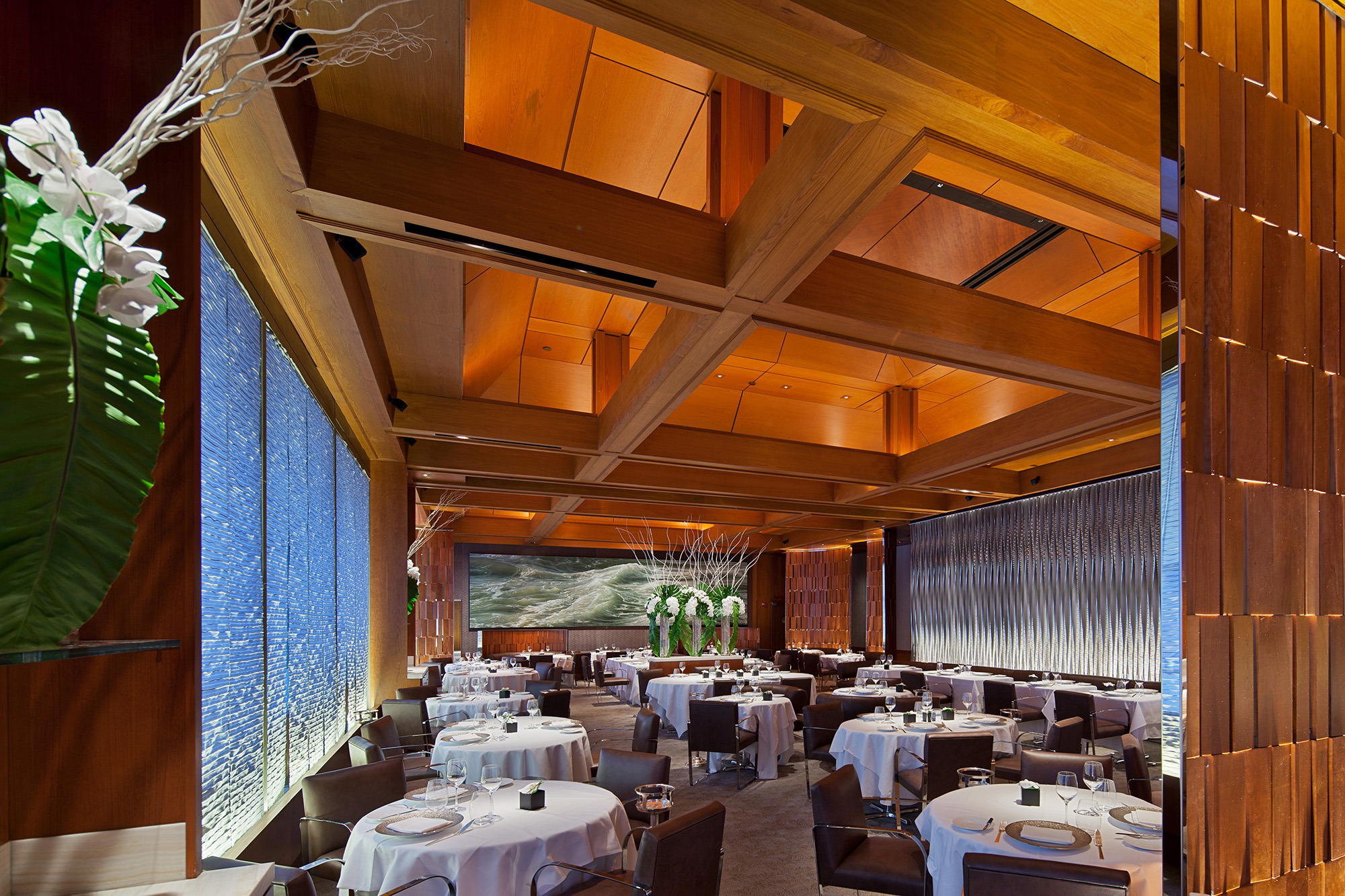
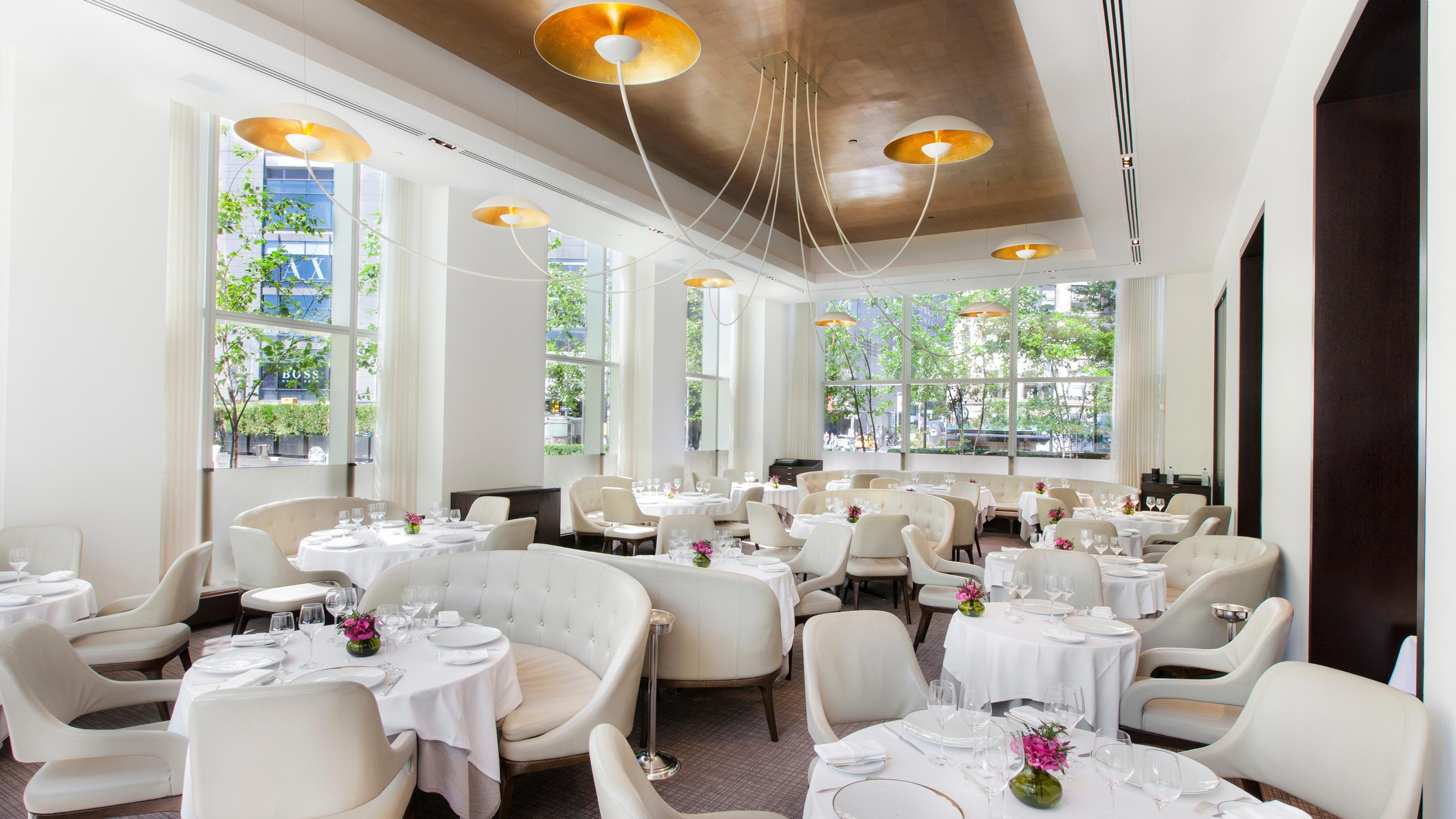
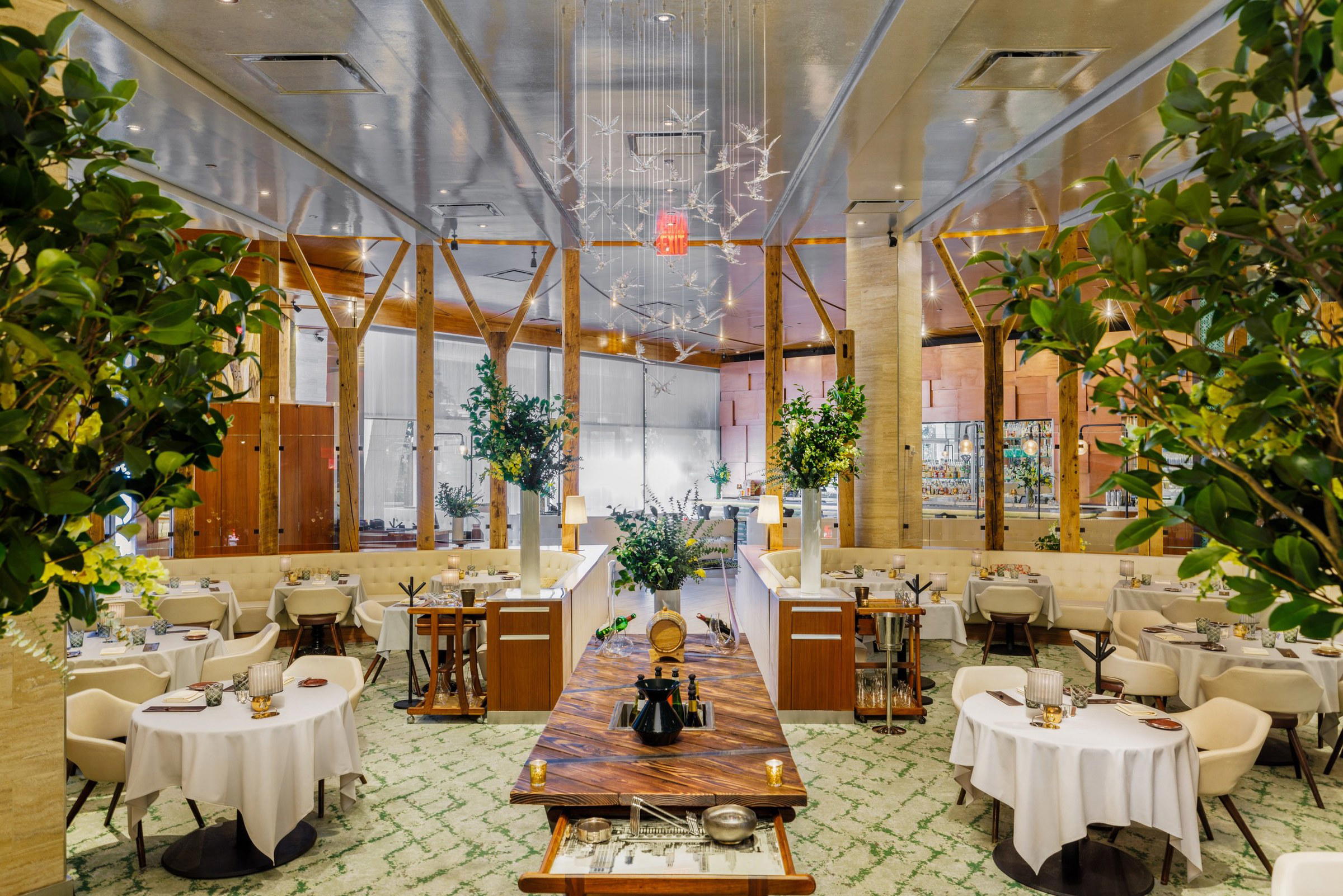
Bars in New York City
Browse all →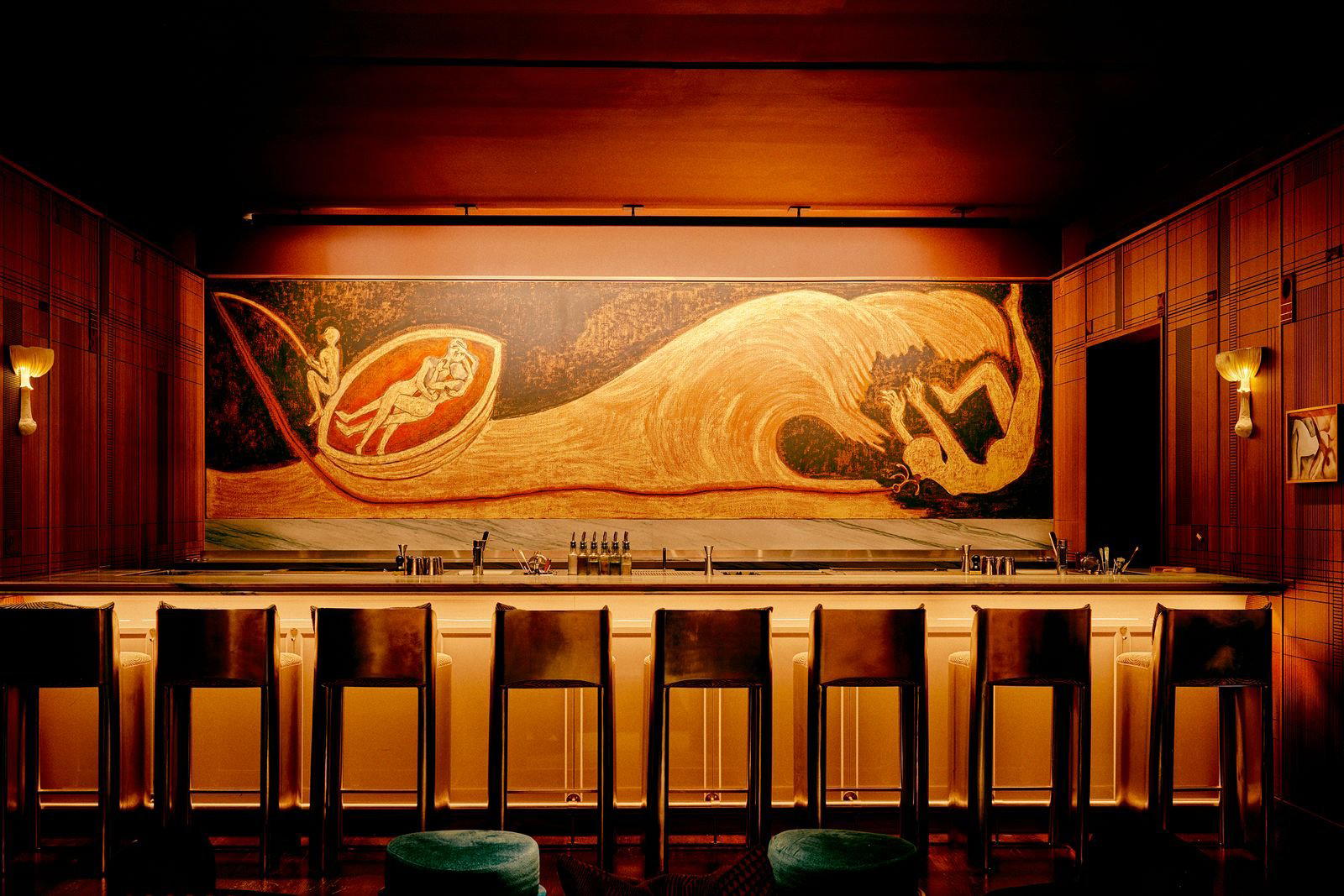
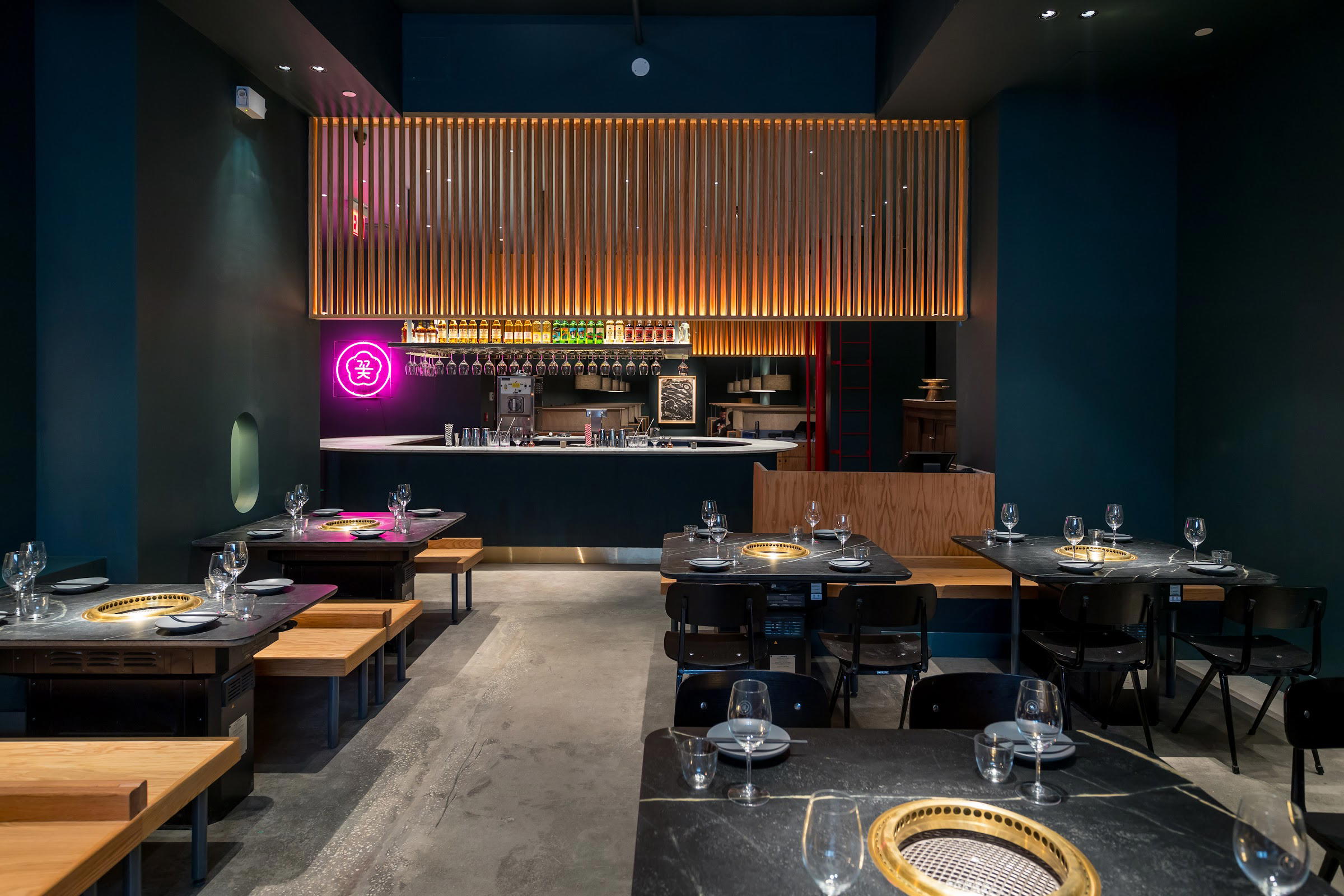
Hotels in New York City
Browse all →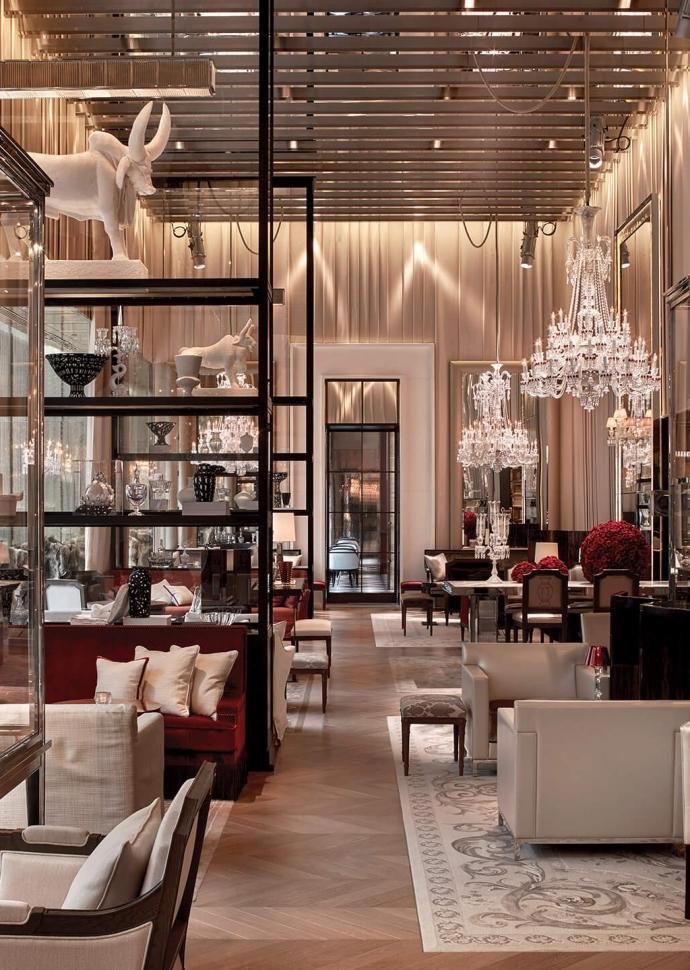





At a Glance
- Elegant
- Classic
- Sophisticated
- Ornate
- Date Night
- Business Dinner
- Group Dining
- Special Occasion
- Brunch
- Open Kitchen
- Private Dining
- Historic Building
- Extensive Wine List
- Craft Cocktails
Current opening hours
- Monday
- 8 AM–12 AM
- Tuesday
- 8 AM–12 AM
- Wednesday
- 8 AM–12 AM
- Thursday
- 8 AM–12 AM
- Friday
- 8 AM–12 AM
- Saturday
- 9 AM–12 AM
- Sunday
- 9 AM–12 AM
Hours can change for holidays and private events. Last verified .
Elegant Belle Époque atmosphere with nostalgic classic decor, high glass ceilings, and a bustling yet sophisticated vibe evoking Paris.