LUQS
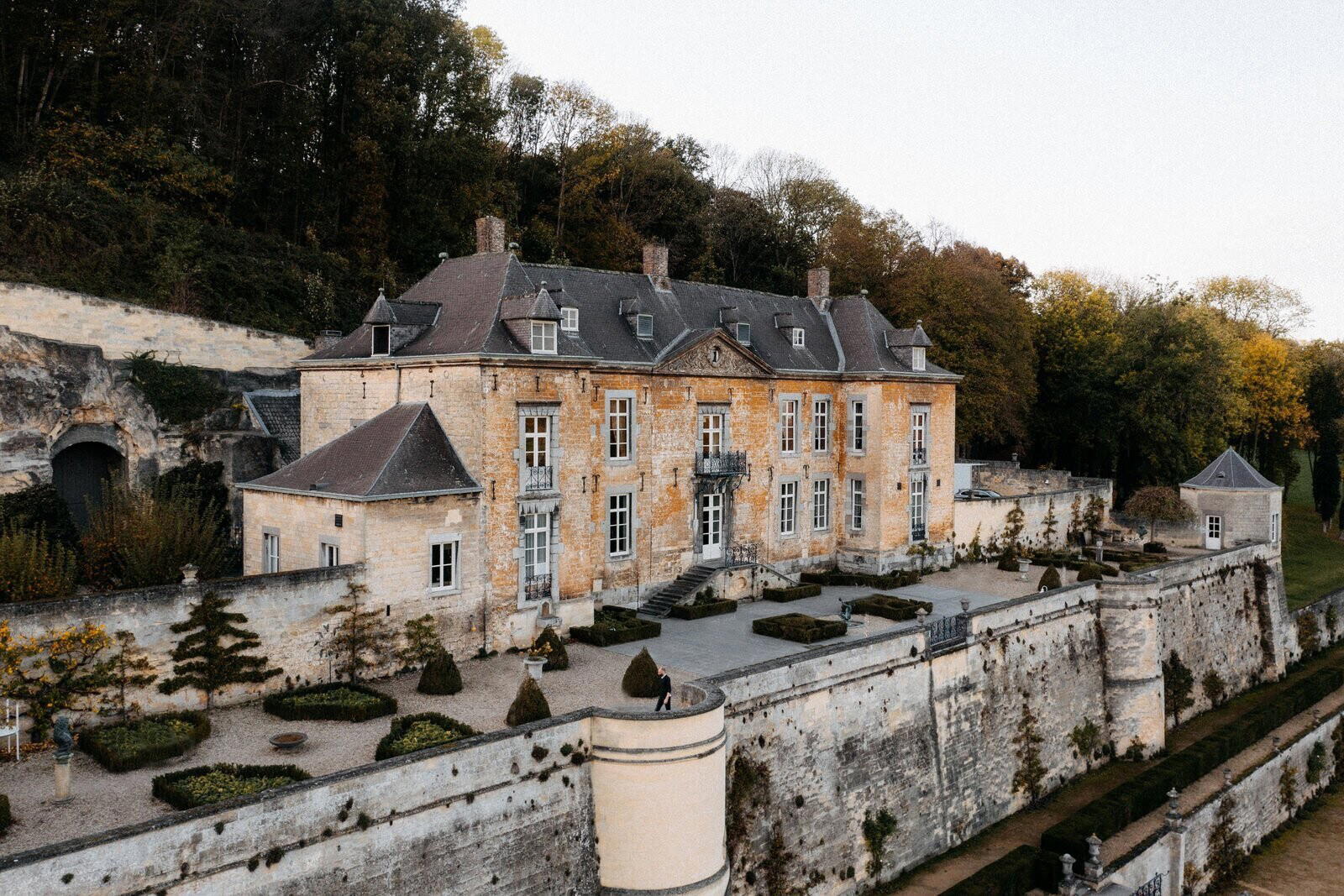
LUQS sits on Grensweg in Slenaken, a village in the South Limburg hills that draws serious diners from across the Netherlands and Belgium. The address places it within one of the country's most concentrated pockets of fine dining, where the hilly border landscape and Franco-Belgian culinary influence shape the regional table. For our full assessment, see the EP Club Slenaken guide.
Pearl is the En Primeur Club membership app — saves, bookings, and concierge access live there. Same editors, same standards.
- Address
- Grensweg 9A, 6277 NA Slenaken, Netherlands
- Phone
- +31434573259
- Website
- luqs.restaurant
- Directions
- Get directions
 Saves & bookings on Pearl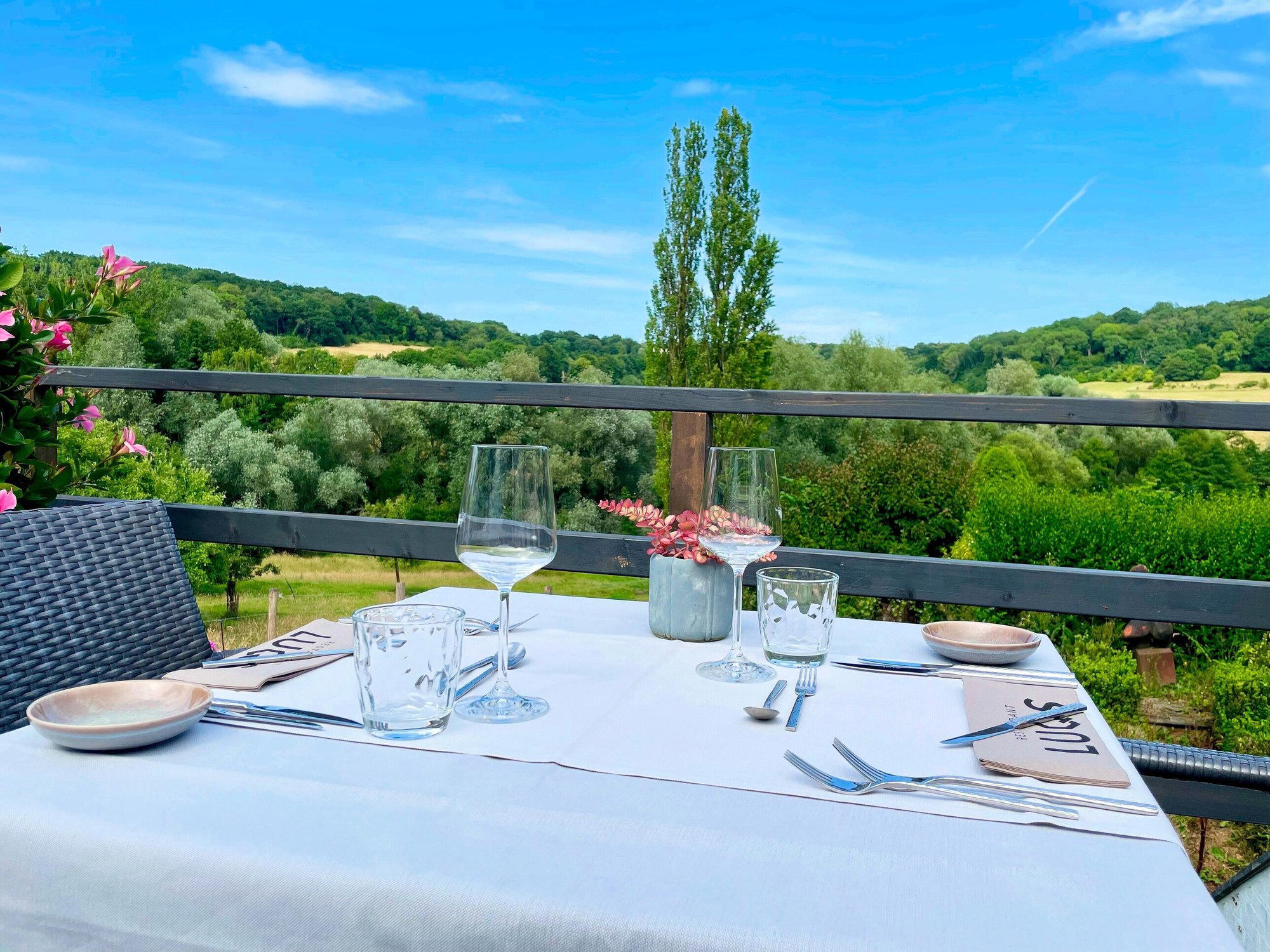
Where the Border Shapes the Table
South Limburg is not like the rest of the Netherlands. The hills here are real hills, the dialects slide toward Belgian and German inflection, and the food has always drawn from a broader European larder than the flat north of the country tends to favour. Slenaken, a village of a few hundred residents pressed against the Belgian border, sits at the quiet end of this culinary corridor. Its address on Grensweg, literally Border Road, is less a detail than a statement of identity. Restaurants here operate in a zone where Dutch restraint meets Wallonian richness, and where the proximity to Liège and Maastricht pulls menus toward a Franco-Belgian seriousness that rarely appears in comparable Dutch villages.
LUQS occupies that address at Grensweg 9A. The village itself is the context worth reading first: Slenaken attracts visitors largely because of its position in the Gulp valley, a protected landscape that draws walkers and cyclists, but the dining scene has developed independently of that leisure trade. The restaurants here are destinations in their own right.
The South Limburg Dining Tradition
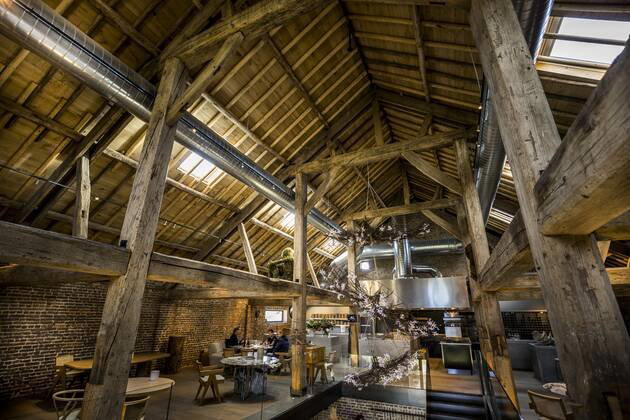
Limburg's table has long positioned itself apart from the Randstad's restaurant culture. Where Amsterdam and Rotterdam anchor their fine dining in formal hotel rooms or converted warehouses, South Limburg's leading addresses tend to occupy older rural buildings, farm conversions, and village-edge properties that wear their age without apology. The culinary tradition leans into products from the immediate border region: game from the Ardennes, freshwater fish from Limburg's rivers, and a cheese culture that owes as much to Belgium as to the Netherlands. Wine lists in this part of the country tend toward Burgundy and the Rhône rather than New World selections, a preference that reflects the Francophile orientation of the region's cooking.
That regional identity gives Slenaken's restaurants a coherence that punches above the village's scale. L'ORÉE is among the addresses that have put the village on the map for serious diners, and LUQS at the Grensweg address adds to that concentration.
Reading LUQS Against Its Dutch comparable set
The Netherlands' fine dining tier has evolved considerably over the past decade. Three-star ambition now sits alongside a more confident middle bracket of creative, product-led restaurants that price and position themselves as serious destinations without the ceremony of a white-tablecloth tasting-menu format. De Librije in Zwolle and 't Nonnetje in Harderwijk anchor the upper tier; Aan de Poel in Amstelveen and Ciel Bleu in Amsterdam represent the urban fine dining pole. South Limburg sits at a remove from all of them, and that distance is part of the point.
The region's most notable addresses share a tendency to foreground their locality rather than compete on the terms of the Randstad restaurant scene. Brut172 in Reijmerstok, a short drive from Slenaken, has built a following on exactly this principle. Elsewhere in the Dutch countryside, De Groene Lantaarn in Staphorst, De Lindehof in Nuenen, De Lindenhof in Giethoorn, and De Treeswijkhoeve in Waalre demonstrate how effectively rural addresses can build destination credibility independent of proximity to a major city. De Bokkedoorns in Overveen, Inter Scaldes in Kruiningen, Tribeca in Heeze, De Nieuwe Winkel in Nijmegen, FG - François Geurds in Rotterdam, and De Lindehof in Nuenen each illustrate a different approach to the same challenge: how to sustain a serious kitchen outside the gravitational pull of a restaurant-dense city.
International comparison is instructive too. Restaurants like Le Bernardin in New York City and Atomix in New York City demonstrate what it means to operate at the summit of a densely competitive urban scene, where every booking decision is made against dozens of alternatives within walking distance. South Limburg restaurants operate on an entirely different logic: the journey to Slenaken is itself a commitment, and kitchens that draw guests across that threshold tend to earn them through reputation and word of mouth rather than location advantage.
The Gulp Valley as a Dining Context
Slenaken's position in the Gulp valley is worth understanding as more than scenery. The valley's microclimate, its proximity to Belgian agricultural land, and the walking and cycling culture it sustains all shape the rhythm of the local dining scene. Peak season runs from spring through autumn, when the valley draws visitors who treat the area as a weekend destination from Maastricht, Liège, Aachen, and the broader Meuse-Rhine Euroregion. Restaurants in the village accordingly see their busiest covers on Friday evenings through Sunday lunch, and reservation pressure during summer and late autumn weekends can be significant.
Planning a Visit
LUQS is located at Grensweg 9A, 6277 NA Slenaken. The village is most practically reached by car from Maastricht, roughly 20 kilometres to the north, or from the Belgian border crossings that feed in from Liège and Voeren. Public transport to Slenaken is limited, and most guests arriving for a serious meal will either drive or arrange accommodation in the village or nearby Epen. The address on Grensweg sits on the southern edge of Slenaken, close to the Belgian boundary, which makes it easily accessible from both sides of the border. The restaurant is open Wednesday through Saturday from noon until 11:30 PM.
Price Lens
Comparable venues nearby, for context on price, style, and recognition.
| Venue | Cuisine | Price | Notes |
|---|---|---|---|
| LUQSThis venue — the venue you are viewing | Not listed | $$$ | Not listed |
| L'ORÉE | Slenaken, Dutch Fine Dining | $$$ | Not listed |
| Restaurant SMAEK | Geldrop, Modern French Tasting Menu | $$$ | Not listed |
| Ons Jongens | Someren-Eind, French-Dutch Fine Dining | $$$ | Not listed |
| Pastory | Not listed | $$$ | Cadier en Keer, Classic French Fine Dining |
| Amstel Restaurant | Not listed | $$$ | Sarphatistrook, French Brasserie with Mediterranean Influences |
At a Glance
- Cozy
- Elegant
- Scenic
- Casual
- Date Night
- Special Occasion
- Terrace
- Panoramic View
- Extensive Wine List
- Local Sourcing
- Mountain
Current opening hours
- Monday
- Closed
- Tuesday
- Closed
- Wednesday
- 12–11:30 PM
- Thursday
- 12–11:30 PM
- Friday
- 12–11:30 PM
- Saturday
- 12–11:30 PM
- Sunday
- Closed
Hours can change for holidays and private events. Last verified .
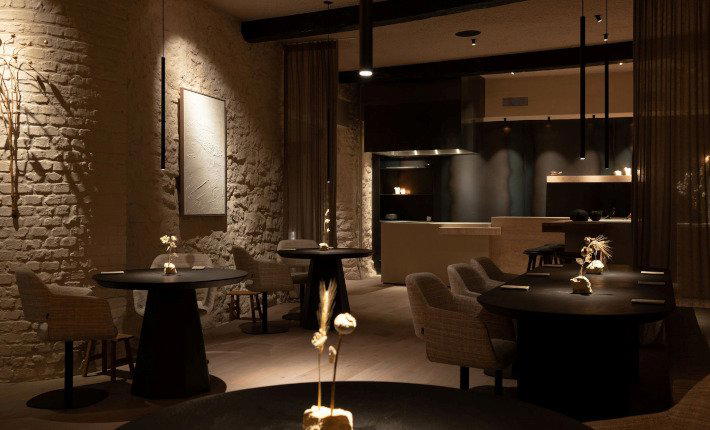
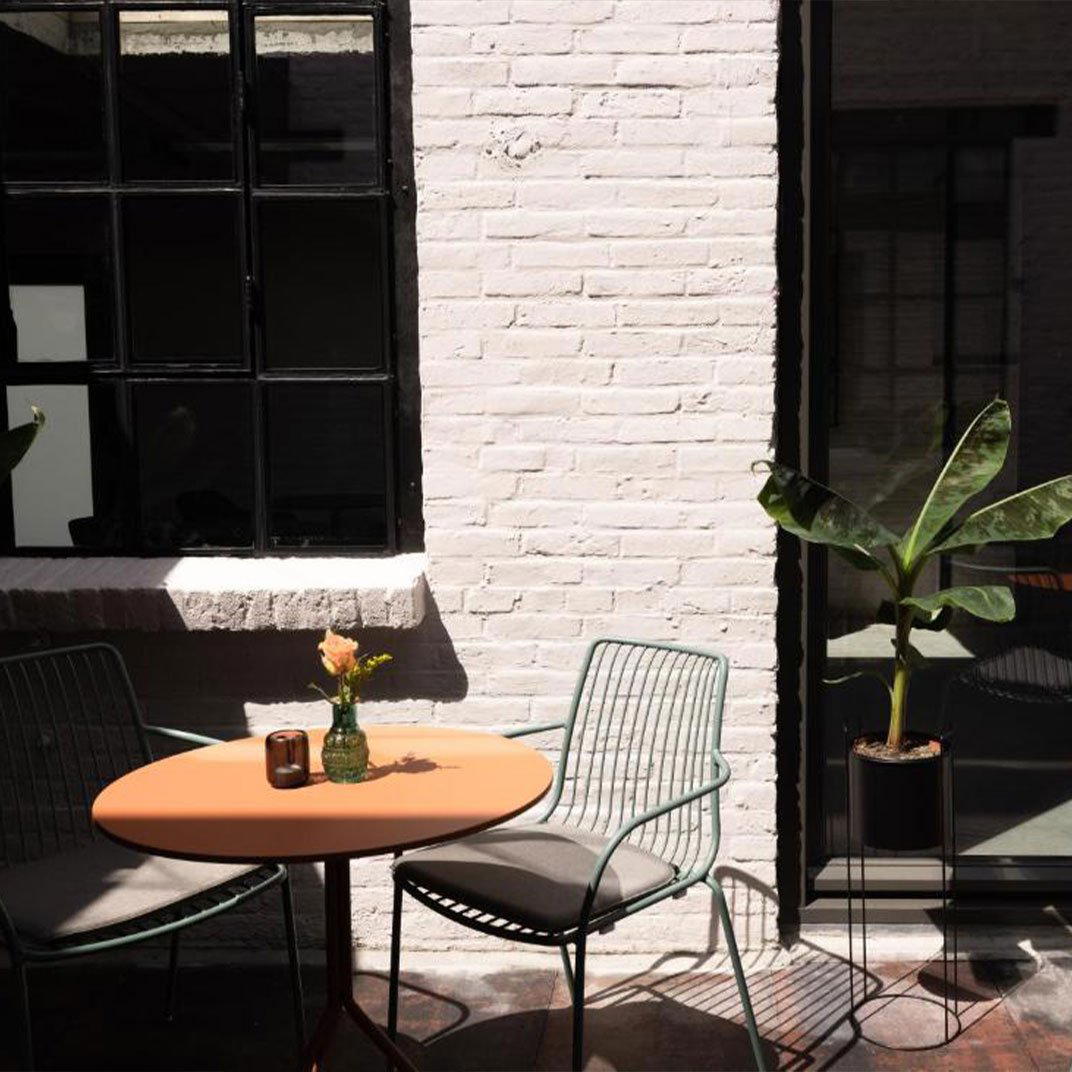
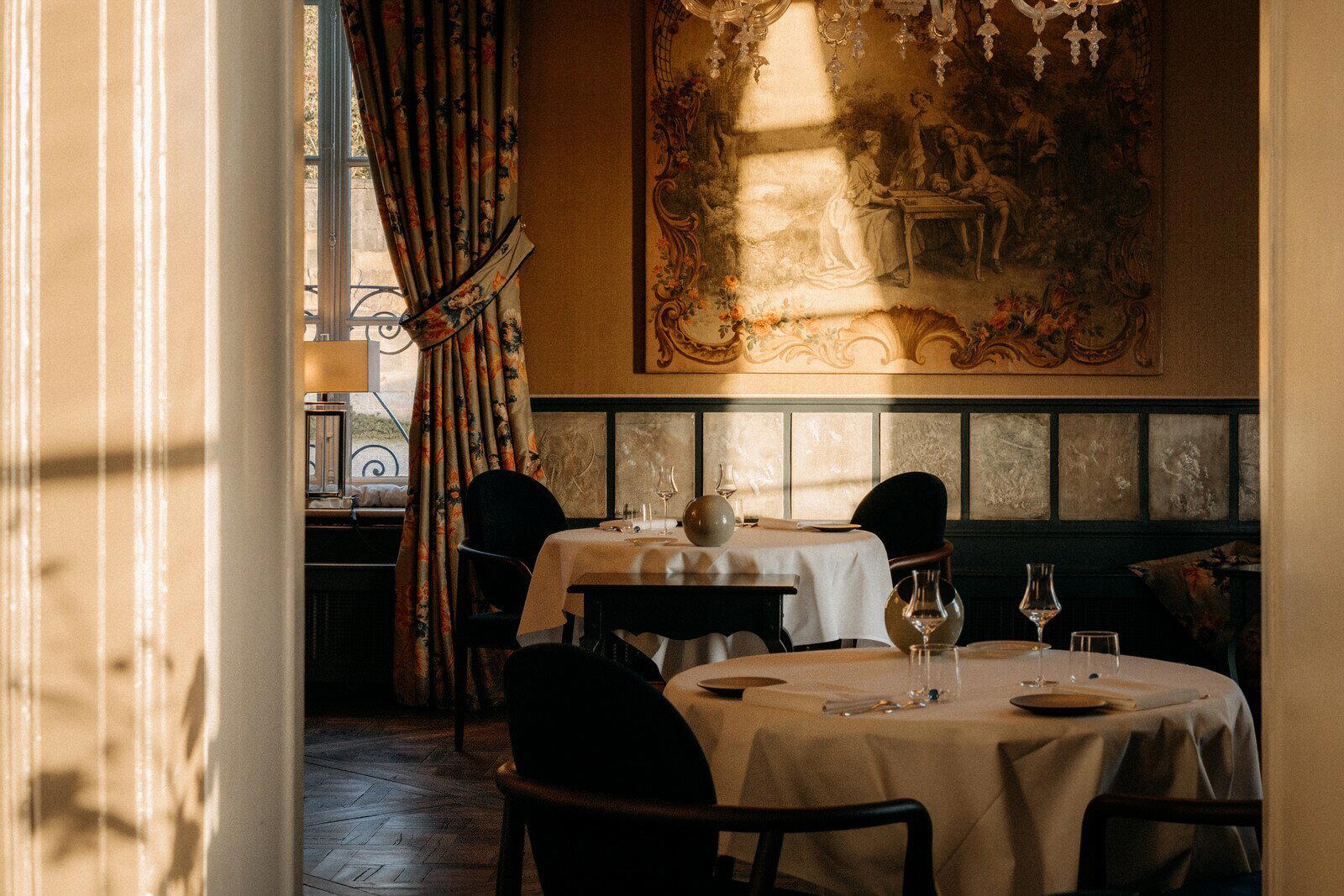
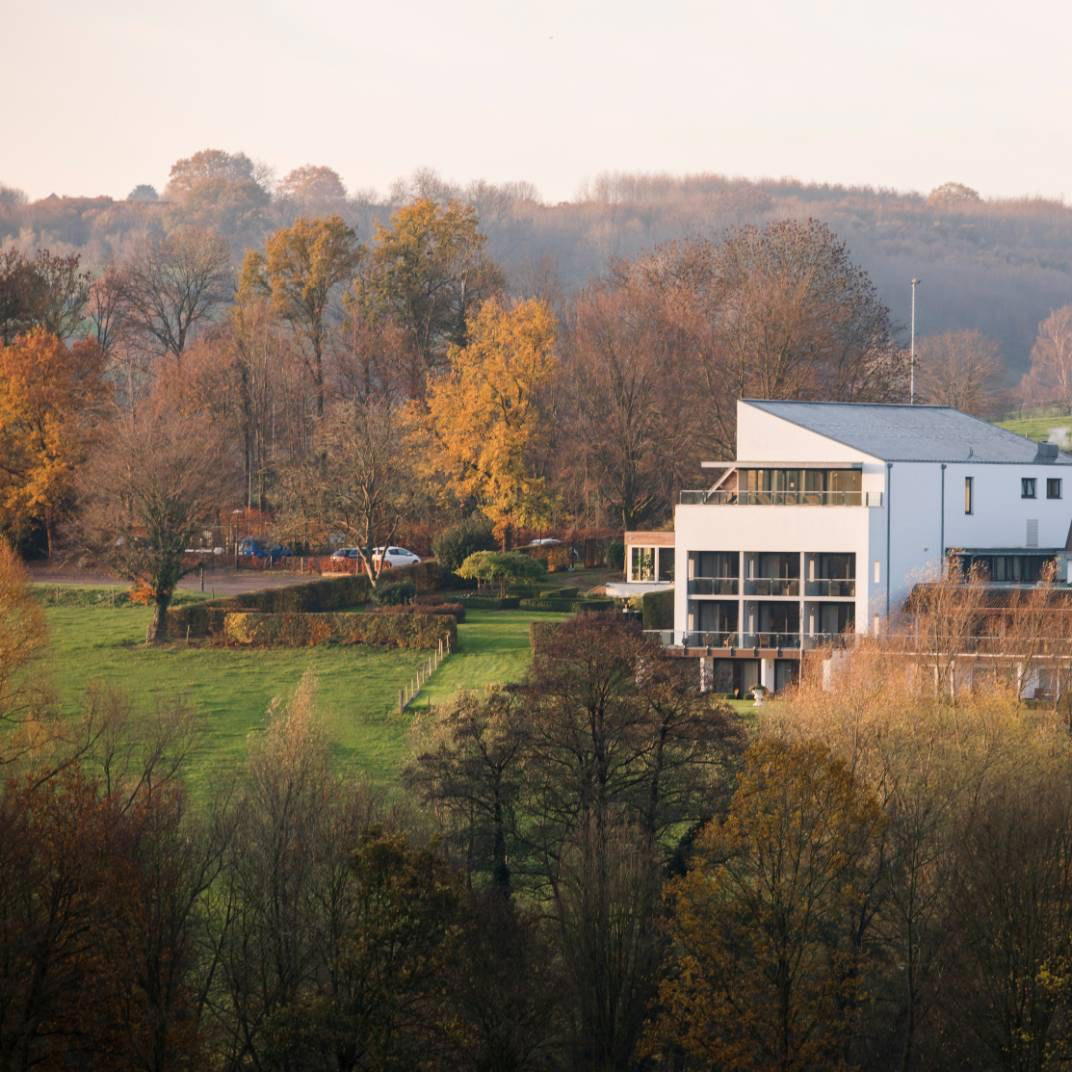
Casual and stylish atmosphere with far-reaching hill views, cozy terrace dining, and refined yet relaxed vibe.