L'ORÉE
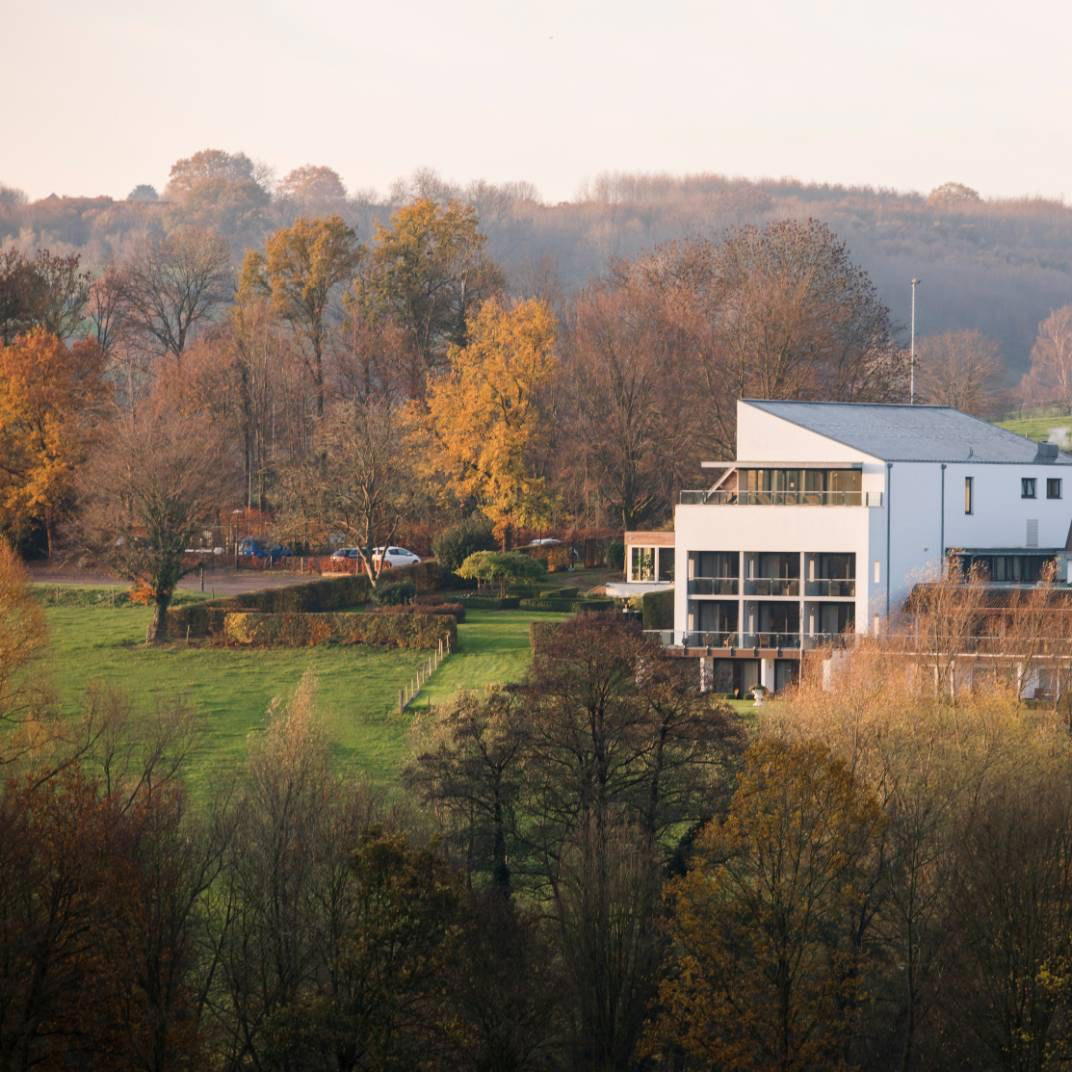
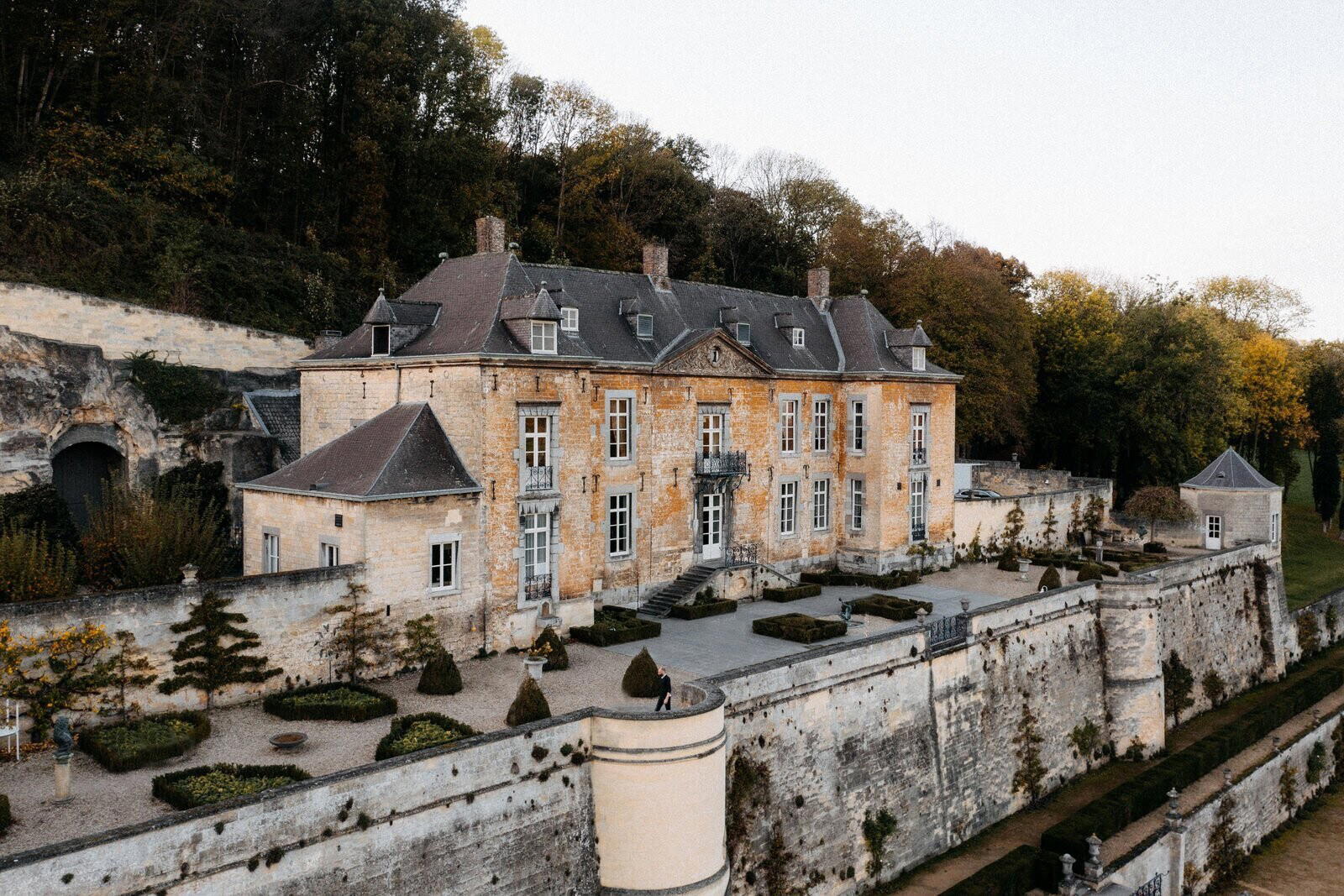
L'ORÉE sits on Dorpsstraat in Slenaken, a village in the South Limburg hill country where the Dutch–Belgian border runs through farmland and beech forest. The address places it within a regional dining scene that punches well above its rural scale, with nearby kitchens drawing ingredient-led cooking from the Meuse valley and the Ardennes. Slenaken rewards the detour for those already tracking the Netherlands' southern fine-dining corridor.
Pearl is the En Primeur Club membership app — saves, bookings, and concierge access live there. Same editors, same standards.
- Address
- Dorpsstraat 1, 6277 NC Slenaken, Netherlands
- Phone
- +31613235789
- Website
- slenakervallei.nl
- Directions
- Get directions
 Saves & bookings on Pearl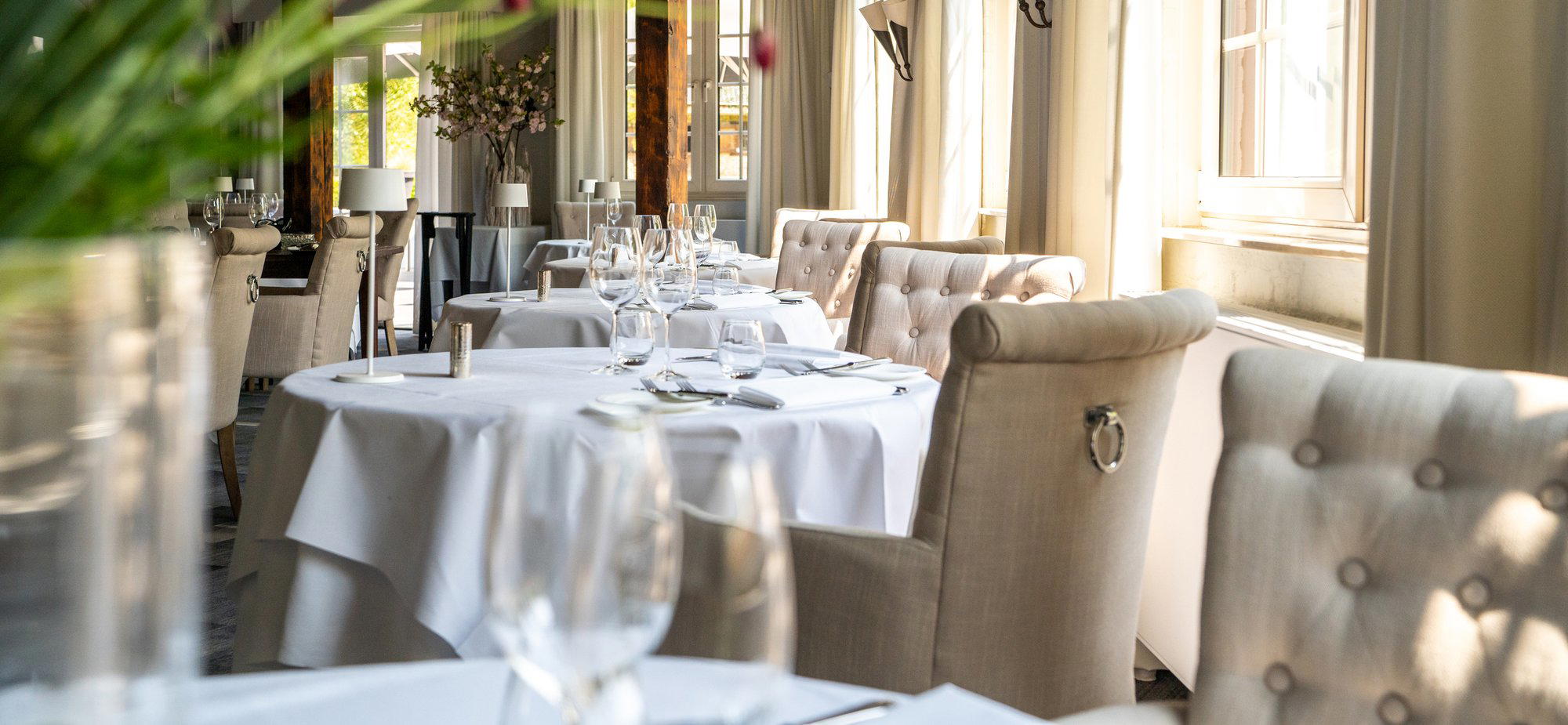
Where South Limburg's Terrain Meets the Table
South Limburg is the narrowest sliver of the Netherlands, a wedge of land pressed between Belgium and Germany where the country suddenly acquires elevation, river valleys, and a food culture shaped more by Liège and Aachen than by Amsterdam. The villages here, Valkenburg, Gulpen, Mechelen, Slenaken, sit in a chalk-hill landscape that produces asparagus, lamb, and orchard fruit largely unknown to the flat agricultural belt to the north. L'ORÉE occupies the address at Dorpsstraat 1 in Slenaken itself, which means it sits at the entrance point of a village that functions as a destination rather than a through-road. Arriving by car on the narrow descending lane from Gulpen, with beech woodland on both sides, already signals that the meal ahead belongs to a different register than city dining.
That physical remove is not incidental. Across the Netherlands' fine-dining map, particularly ingredient-driven kitchens have consistently located themselves close to their supply chains rather than their customer bases. De Groene Lantaarn in Staphorst and De Lindenhof in Giethoorn both operate on this logic, placing themselves inside agricultural communities rather than urban dining districts. L'ORÉE's Slenaken address puts it within the same structural argument: proximity to the Geul valley, to the South Limburg orchards, and to cross-border suppliers in the Belgian Ardennes is a kitchen resource, not a commercial handicap.
The South Limburg Sourcing Context
Understanding what makes this corner of the Netherlands produce interesting restaurant cooking requires a brief geography lesson. The region's soil, marlstone, loess, and chalk, yields produce with a mineral character that distinguishes it from the sandy soils of Brabant or the polder flatlands further north. White asparagus from around Mechelen and Valkenburg has regional designation-level status among Dutch chefs. The Geul and Gulp rivers support freshwater species. Sheep graze on the hillside meadows, called graften, which are maintained as conservation grassland and contribute to the terroir-specific character of local lamb.
This is the sourcing environment that shapes kitchens in the Slenaken orbit. The cross-border dimension matters too: the Belgian Ardennes, accessible within thirty minutes, brings game, wild mushrooms, and aged cheeses into the supply picture. Kitchens in this zone operate with a naturally seasonal rhythm enforced by geography, in contrast to the more logistics-intensive sourcing required by Dutch city restaurants that must source regionally across greater distances. De Nieuwe Winkel in Nijmegen, which has built its reputation on an organic sourcing framework, demonstrates that the Netherlands' most awarded tables are increasingly defined by their relationship to land and season. The South Limburg model applies that same logic at a local scale.
Slenaken Inside the Dutch Fine Dining Circuit
The Dutch fine-dining circuit is smaller than its Michelin count suggests. A handful of kitchens hold the benchmark credentials: De Librije in Zwolle, Ciel Bleu in Amsterdam, Inter Scaldes in Kruiningen among the more decorated. Below that tier, a wider cohort of serious provincial kitchens has developed, many of them in smaller towns and rural settings where rent structures allow tighter kitchen-to-produce relationships and lower covers per service. Brut172 in Reijmerstok, just a few kilometres from Slenaken in the same South Limburg hill country, represents exactly this model: a rural address, a focused format, and a sourcing story tied to the immediate region.
L'ORÉE at Dorpsstraat 1 operates inside this same structural tier. Its Slenaken location puts it alongside LUQS, the village's other dining address that EP Club covers, in a small cluster that makes Slenaken worth treating as a culinary destination rather than a stopover. The relevant comparison set for L'ORÉE is not the Amsterdam dining scene but the provincial fine-dining cohort that includes De Lindehof in Nuenen, De Treeswijkhoeve in Waalre, and Tribeca in Heeze, all operating in the Dutch south, all working with a similar logic of regional produce and lower urban overhead. Against that peer group, the South Limburg address carries specific advantages in terms of produce access that Brabant and Gelderland kitchens cannot replicate.
Planning a Visit to Slenaken
Slenaken sits roughly thirty kilometres south of Maastricht, which functions as the nearest rail hub and overnight base for most international visitors. From Maastricht, the drive south through Gulpen takes under thirty minutes on roads that narrow progressively as the terrain rises. The village has no meaningful public transport connection, so a car or a pre-arranged transfer is the practical requirement. Spring and autumn are the periods when South Limburg's produce calendar is at its most interesting, white asparagus season runs April through June, game arrives from October, and the landscape itself is at its most visually compelling during those windows, which aligns dining incentives with travel ones.
For those building a longer Netherlands fine-dining circuit, the south is increasingly one coherent starting point. The concentration of serious kitchens between Maastricht, Eindhoven, and the river delta, taking in venues like Aan de Poel in Amstelveen, FG in Rotterdam, 't Nonnetje in Harderwijk, and De Bokkedoorns in Overveen, gives an itinerary real structural logic. Slenaken and its surrounding South Limburg kitchens function as the southern anchor of that circuit, distinct from the Amsterdam-centered axis in both culinary character and sourcing philosophy. The comparison with internationally recognised ingredient-driven formats, Le Bernardin in New York for produce-precision at scale, Atomix in New York for the tasting-counter format, illustrates the range of approaches that share a commitment to sourcing depth as the editorial argument. South Limburg makes that argument through terrain.
Comparison Snapshot
Comparable venues nearby, for context on price, style, and recognition.
| Venue | Cuisine | Price | Notes |
|---|---|---|---|
| L'ORÉEThis venue — the venue you are viewing | Dutch Fine Dining | $$$ | Not listed |
| LUQS | French-Mediterranean with Local Dutch Influences | $$$ | Slenaken |
| Restaurant Loca | Modern European Tapas | $$$ | Rosendaal |
| BUFFET van Odette | Modern European Bistro | $$$ | Weteringbuurt |
| Sjuut | Organic Regional European | $$$ | Schinnen |
| Pastory | Classic French Fine Dining | $$$ | Cadier en Keer |
At a Glance
- Elegant
- Cozy
- Sophisticated
- Date Night
- Special Occasion
- Business Dinner
- Hotel Restaurant
- Extensive Wine List
Current opening hours
- Monday
- 12–5 PM, 6–9 PM
- Tuesday
- 12–5 PM, 6–9 PM
- Wednesday
- 12–5 PM, 6–9 PM
- Thursday
- 12–5 PM, 6–9 PM
- Friday
- 12–5 PM, 6–9 PM
- Saturday
- 12–5 PM, 6–9 PM
- Sunday
- 12–5 PM, 6–9 PM
Hours can change for holidays and private events. Last verified .
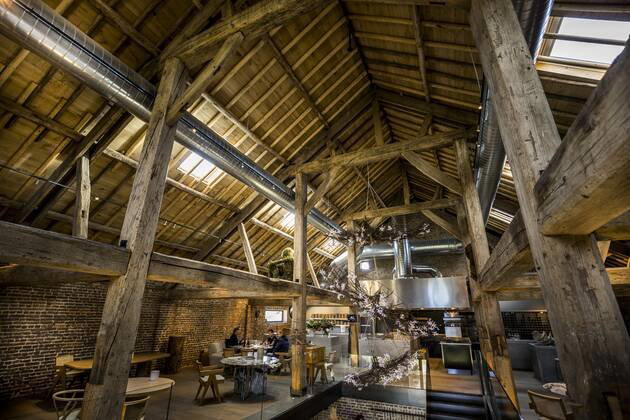
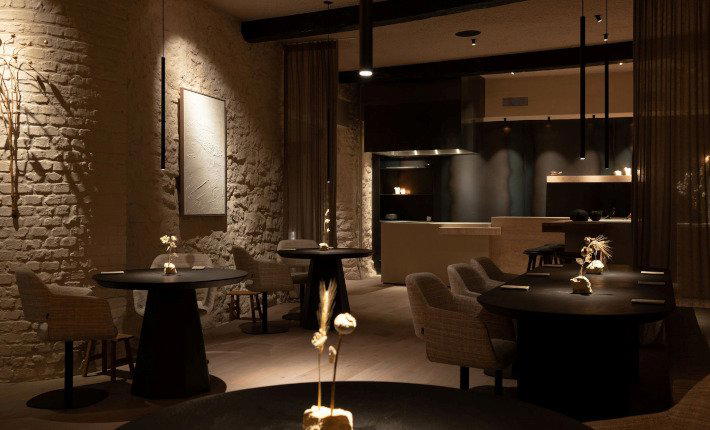
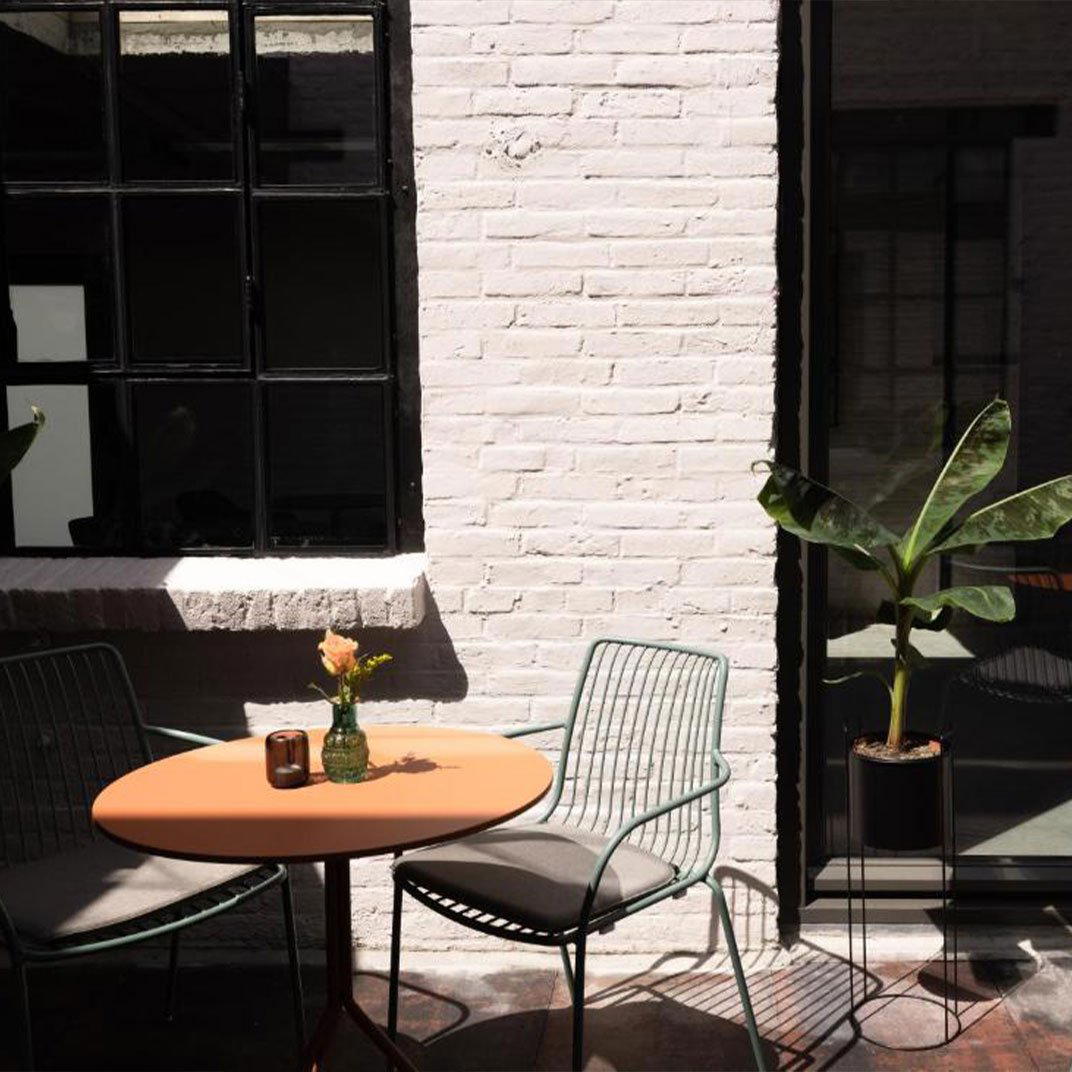
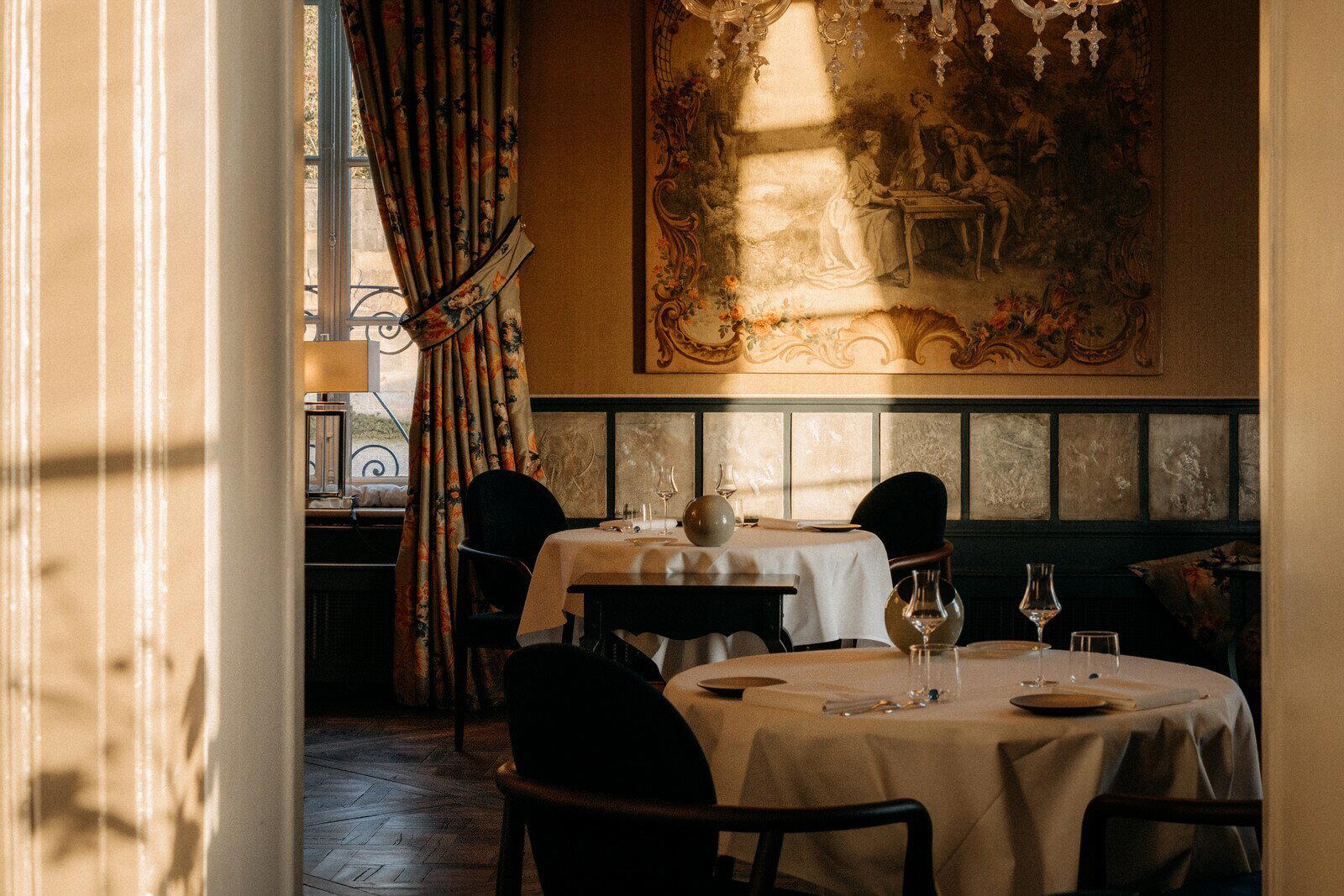
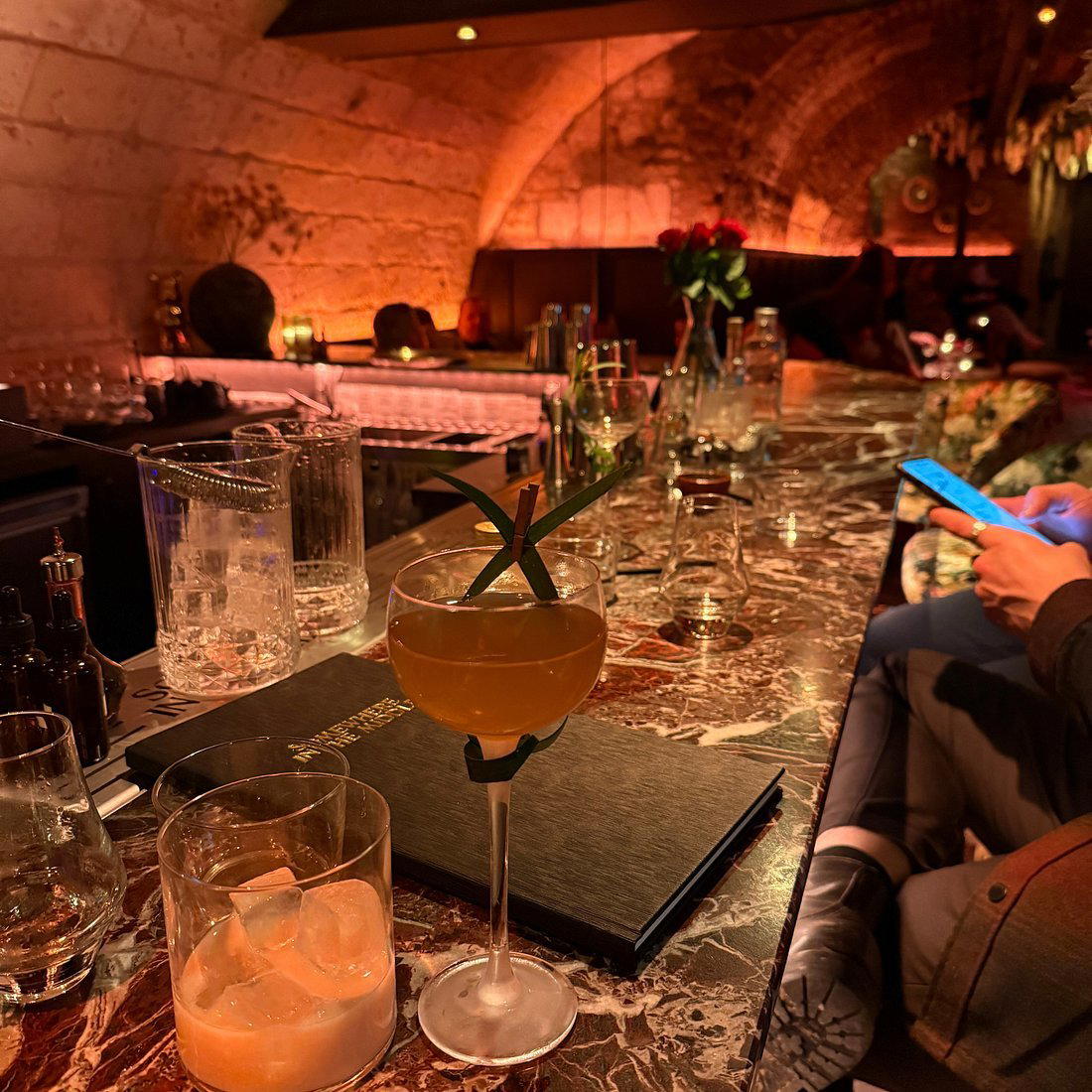
Warm and elegant with beautiful lighting, festive decor during holidays, and beautifully set tables.