LUNARIO VALLE DE GUADALUPE
Set on a working agricultural parcel in Francisco Zarco's Valle de Guadalupe wine country, Lunario Valle de Guadalupe builds its cooking around what the surrounding land produces rather than what a supply chain can deliver. The result is a table that tracks closely with Baja California's seasons, soils, and vineyards, positioning it within the valley's growing tier of hyper-local, produce-led restaurants.
Pearl is the En Primeur Club membership app — saves, bookings, and concierge access live there. Same editors, same standards.
- Address
- Camino vecinal Parcela 71 Fracc. 3 Lote 13 San Marcos, 22750 Francisco Zarco, B.C., Mexico
- Phone
- +52 646 156 8469
- Website
- restaurantelunario.com
- Directions
- Get directions
 Saves & bookings on Pearl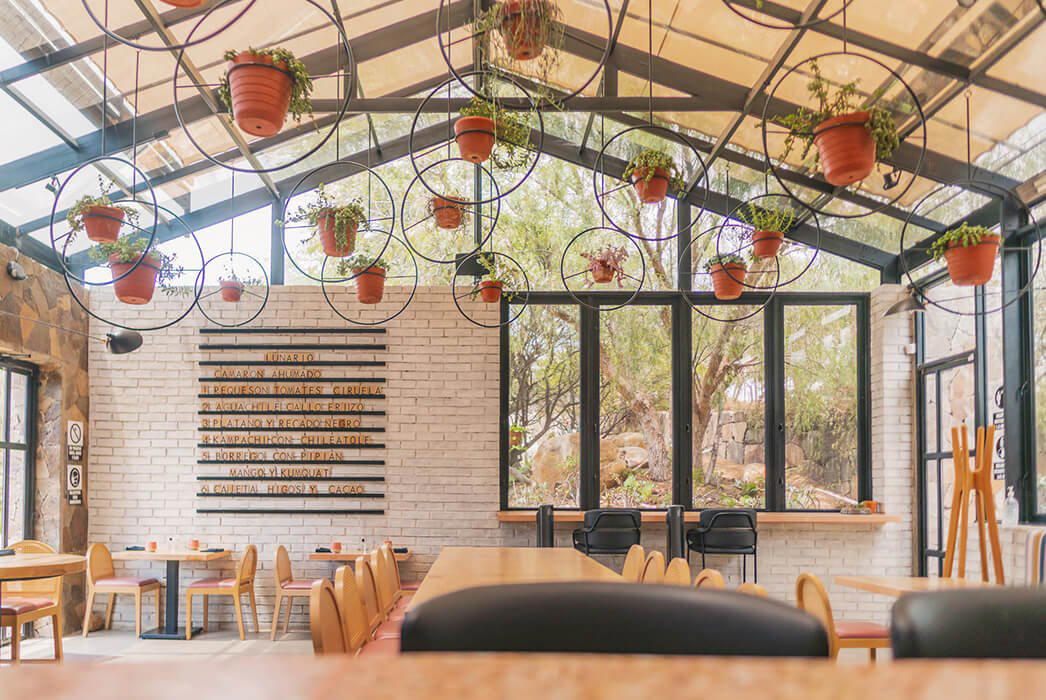
Where the Vine Row Meets the Plate
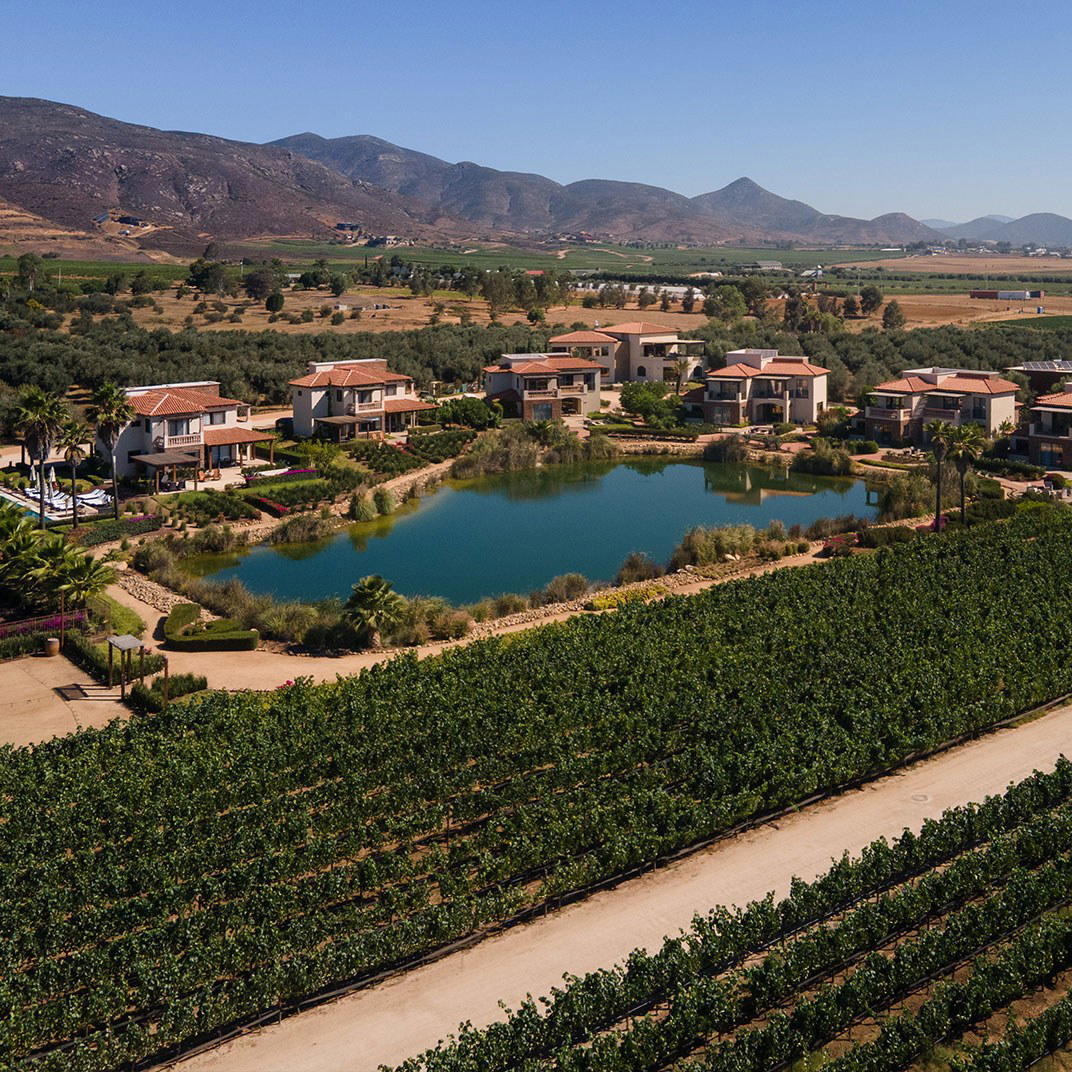
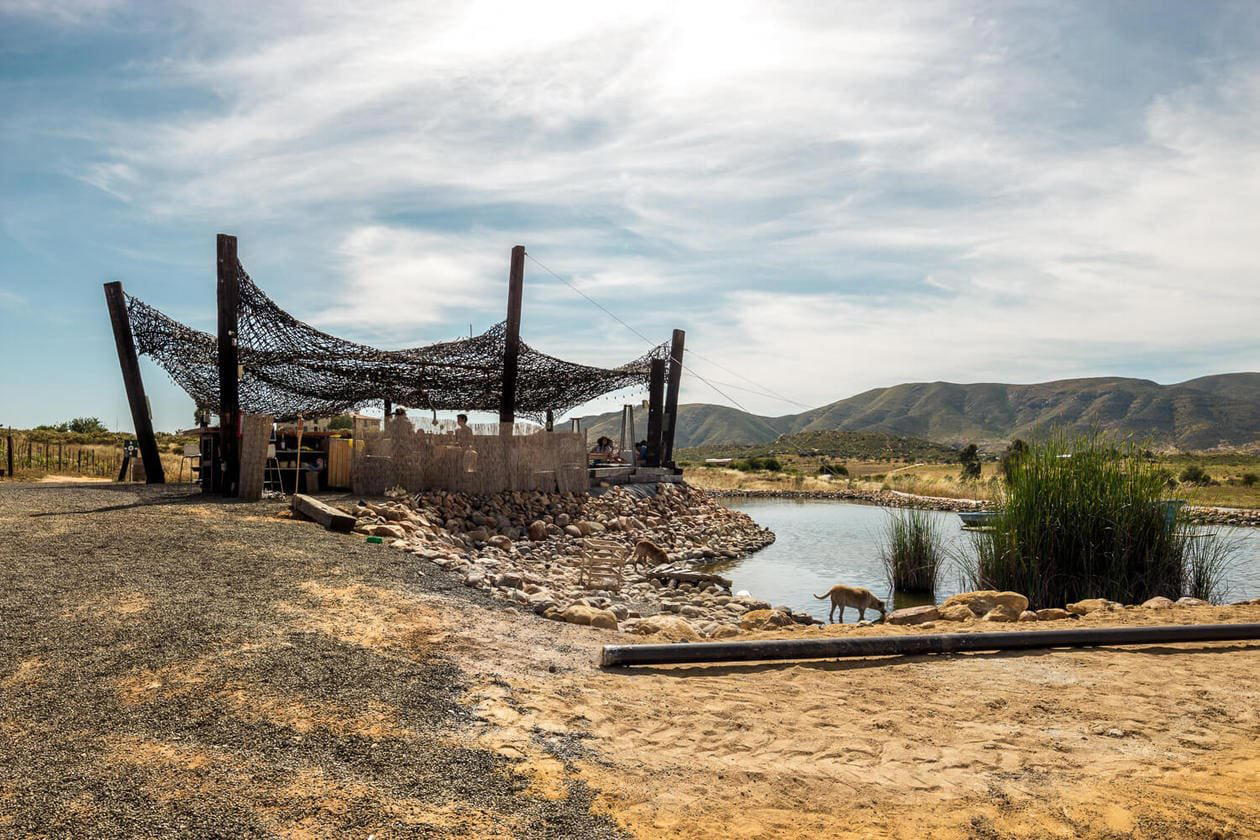
The drive to Lunario Valle de Guadalupe prepares you before you arrive. Past Francisco Zarco's dusty main road, the route narrows onto a camino vecinal that cuts through parcels of olive trees, grapevines, and vegetable plots. The address, Parcela 71, Fracción 3, Lote 13, San Marcos, is the kind of coordinate that belongs to a working farm, not a restaurant directory. That tension is the point. Valle de Guadalupe has, over the past two decades, developed a dining identity rooted in the idea that Baja California's Mediterranean-adjacent climate and mineral-rich soils are culinary assets as significant as the wine they produce. Lunario sits inside that argument, physically and philosophically.
The valley's broader restaurant scene has bifurcated into two recognizable camps. On one side are high-design destination tables drawing visitors from Tijuana, San Diego, and further afield, venues that use the valley's agricultural abundance as a concept backdrop. On the other are operations more directly embedded in production land, where the connection between what grows in the soil and what lands on the plate is geographic rather than conceptual. Animalón in Valle de Guadalupe occupies a version of this second category, and Lunario Valle de Guadalupe operates in the same register, with its parcel address functioning less as rustic charm and more as an editorial statement about provenance.
Ingredient Sourcing as Culinary Argument
Baja California's wine country does not grow only grapes. The same valleys that produce Nebbiolo, Tempranillo, and Chenin Blanc also yield tomatoes, herbs, stone fruit, and artisanal cheeses that rarely travel far from where they were made. The farm-to-table premise, worn thin by overuse in urban restaurant contexts, carries real weight here because the distances involved are measured in meters rather than supply-chain days. Mexico's broader wave of ingredient-sourcing restaurants, represented at its most refined end by Pujol in Mexico City and at its most regionally specific by operations like Levadura de Olla in Oaxaca and KOLI Cocina de Origen in Monterrey, has trained a generation of diners to ask not just what they are eating but where it began. In Valle de Guadalupe, that question has a visible answer. You can, in some cases, see the field the ingredient came from.
The editorial angle at Lunario, as read through its parcel-level address and its placement within Francisco Zarco's agricultural fabric, is one of short-chain cooking: produce sourced from adjacent land, proteins raised or foraged within the valley, and wine poured from operations whose vineyards are within walking distance. This places it in the same conversation as Olivea Farm to Table in Ensenada, which has made the sourcing chain a central part of its identity, or Arca in Tulum, where ingredient origin functions as the menu's organizing principle. The method varies; the underlying argument does not.
Francisco Zarco's Position in the Valley
Francisco Zarco is not the valley's most trafficked municipality. That distinction belongs to the stretch closer to Ensenada, where wine tourism infrastructure is denser. Francisco Zarco sits deeper into the agricultural interior, which means its restaurants attract visitors willing to go further for something less packaged. The tradeoff is real: roads are rougher, signage is sparse, and a GPS coordinate matters more than a posted street number. For the category of diner this area tends to draw, that friction reads as a feature.
Within Francisco Zarco's restaurant cluster, the range runs from casual to considered. El Cora Birrieria Ruta del Vino anchors the more casual, deeply local end of the spectrum. Bruma Bakery represents the artisanal produce-and-pastry segment that has grown alongside the valley's wine tourism. Silvestre operates at a more composed, technique-led register. Lunario Valle de Guadalupe sits in this Francisco Zarco cluster with a parcel identity that suggests a more land-embedded approach than a standalone restaurant concept.
The comparison set extends beyond Baja. Mexico's sourcing-led dining movement has produced strong regional models: Alcalde in Guadalajara, Huniik in Merida, and HA' in Playa del Carmen each approach ingredient sourcing through a distinct regional lens. At an international level, the same commitment to producer relationships and short-chain logistics shows up in operations as different as Lazy Bear in San Francisco and Le Bernardin in New York City, where sourcing discipline is part of what justifies the positioning. In Valle de Guadalupe, the stakes are different but the logic is the same: know your producers, shorten your chain, and let the land do part of the editorial work.
The Valle de Guadalupe Wine Pairing Context
No meal in this valley exists in isolation from its wine. Valle de Guadalupe produces roughly 80 to 90 percent of Mexico's wine output, and the appellations surrounding Francisco Zarco include some of the region's more ambitious small-production houses. Dining at a parcel-level address like Lunario means the wine list, if built with the same sourcing logic as the kitchen, draws from producers accessible by a short drive or a conversation with a neighboring winemaker. Lunario in El Porvenir shares a name and a regional context, offering a useful point of reference for understanding how the valley's dining and wine cultures intersect across different sub-zones. Le Chique in Puerto Morelos demonstrates how a technically ambitious kitchen can use Mexico's regional producers as a launching point; the approach translates, in rougher terrain and a different climate, to what the Valle de Guadalupe's leading tables attempt.
Planning a Visit
Reaching the restaurant requires navigation to Parcela 71, Fracción 3, Lote 13 San Marcos in Francisco Zarco, B.C. an address that functions better as a maps pin than a street-level landmark. Reservations are essential, and the drive from Ensenada or Tijuana adds meaningful planning weight. Given the parcel setting and the valley's agricultural rhythm, visiting during daylight hours allows the physical context of the land to read clearly. The valley's peak season runs through spring and summer, when the growing calendar aligns with one active period for wine tourism, though cooler autumn months carry their own character in the vineyards.
- Baja oysters with tomato and pear
- Eggplant tiradito
- Fish of the day with coffee and corn
- Duck confit chile relleno
- Blue corn sope with carrot purée and smoked shrimp
- Flan in chamomile vinegar with honey ice cream
Fast Comparison
Comparable venues nearby, for context on price, style, and recognition.
| Venue | Cuisine | Price | Notes |
|---|---|---|---|
| LUNARIO VALLE DE GUADALUPEThis venue — the venue you are viewing | Modern Mexican Farm-to-Table | $$$$ | Not listed |
| El Cora Birrieria Ruta del Vino | Mexican Birrieria | $ | Francisco Zarco |
| Silvestre | Modern Mexican Fine Dining | $$$ | Valle de Guadalupe |
| Bruma Bakery | Award-Winning Modern Bakery | $$ | Valle de Guadalupe |
| Noma Mexico | Modern Mexican Fine Dining | $$$$ | Tulum |
| Bruma Wine Garden | Modern Mexican Contemporary | $$$ | Valle de Guadalupe |
Continue exploring
More in Francisco Zarco
Restaurants in Francisco Zarco
Browse all →
Bars in Francisco Zarco
Browse all →
Hotels in Francisco Zarco
Browse all →
At a Glance
- Romantic
- Whimsical
- Intimate
- Elegant
- Scenic
- Date Night
- Special Occasion
- Celebration
- Garden
- Courtyard
- Open Kitchen
- Standalone
- Extensive Wine List
- Sommelier Led
- Farm To Table
- Organic
- Local Sourcing
- Garden
Current opening hours
- Monday
- Closed
- Tuesday
- Closed
- Wednesday
- Closed
- Thursday
- 3:30–10 PM
- Friday
- 3:30–10 PM
- Saturday
- 3:30–10 PM
- Sunday
- 3:30–10 PM
Hours can change for holidays and private events. Last verified .
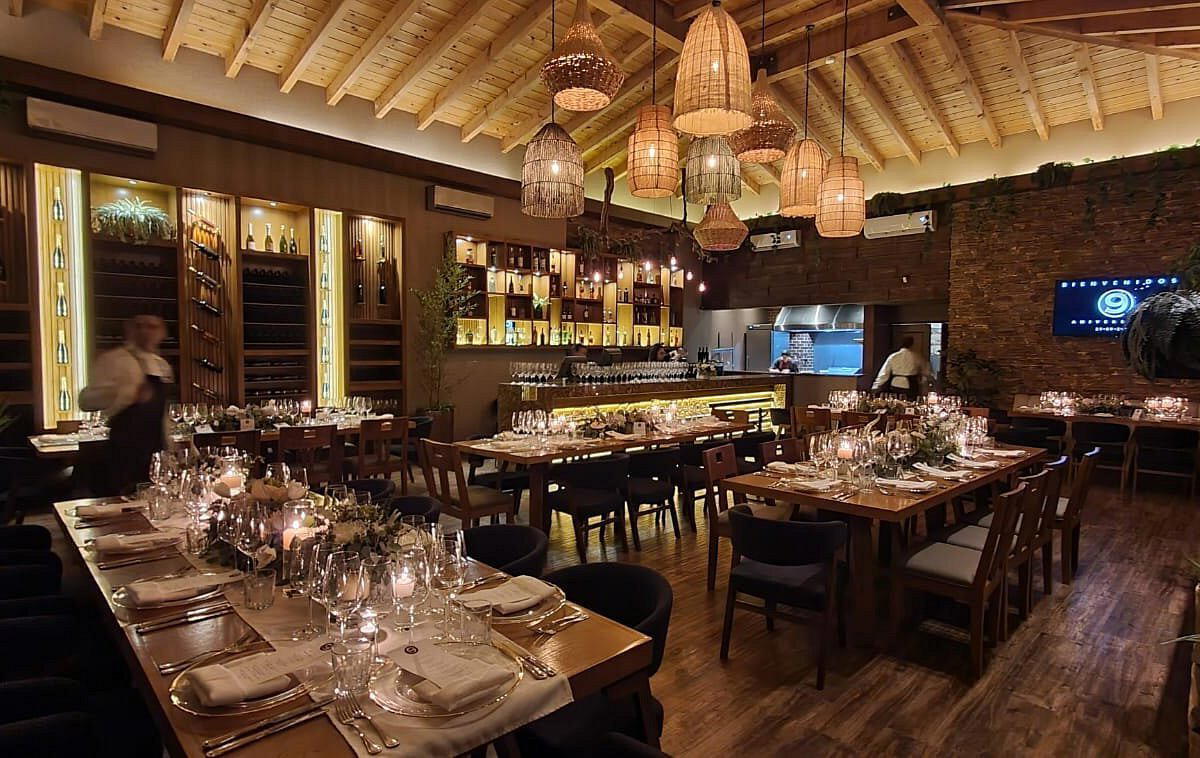
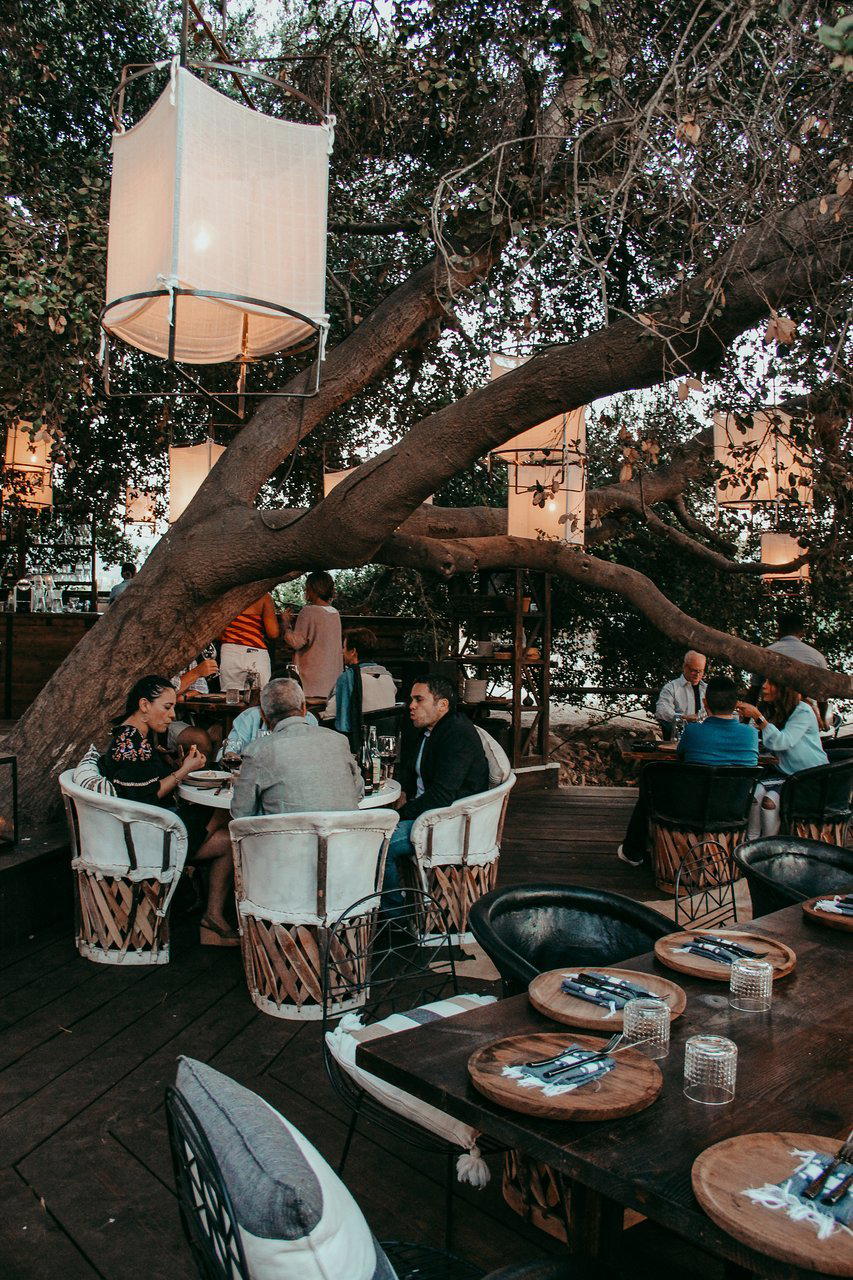
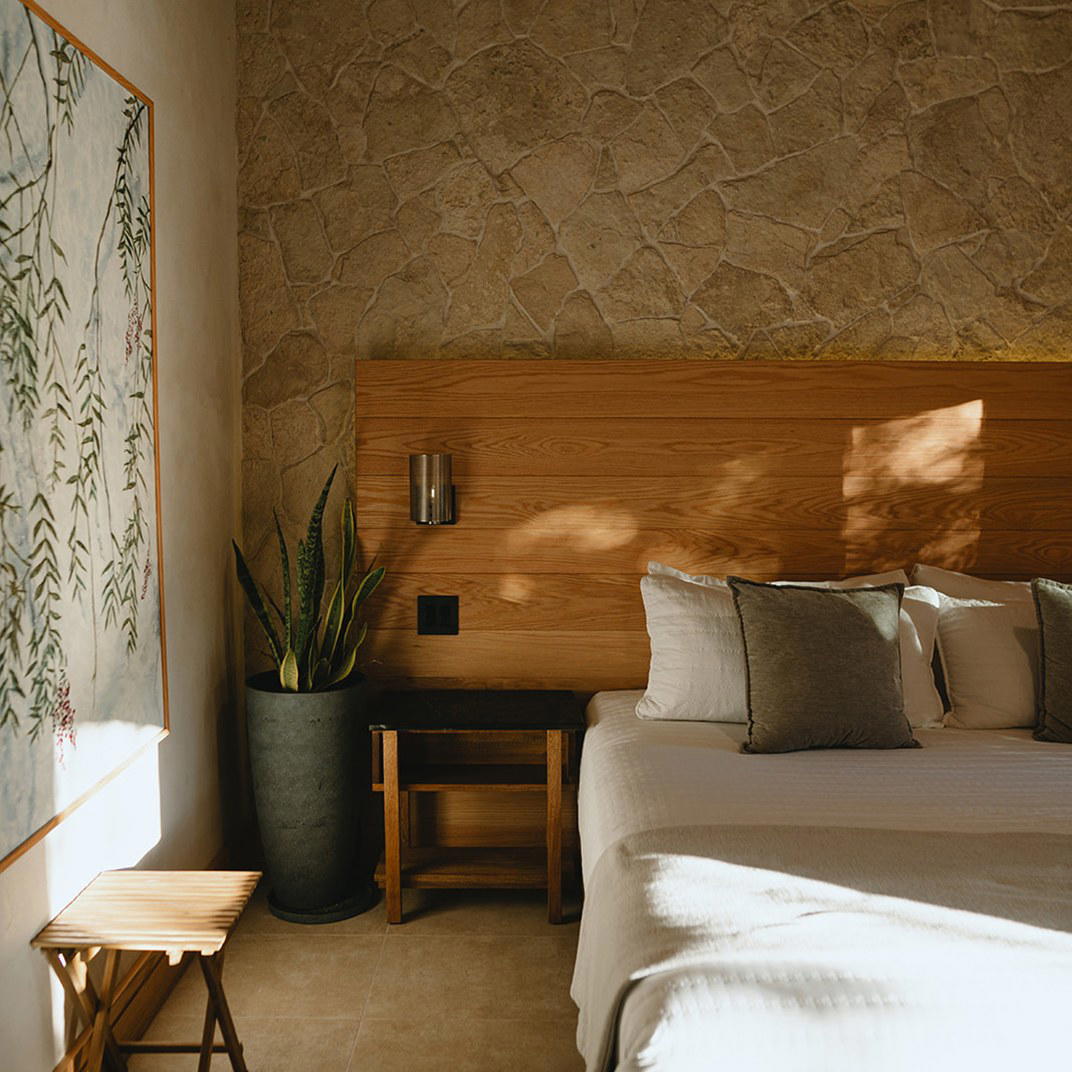
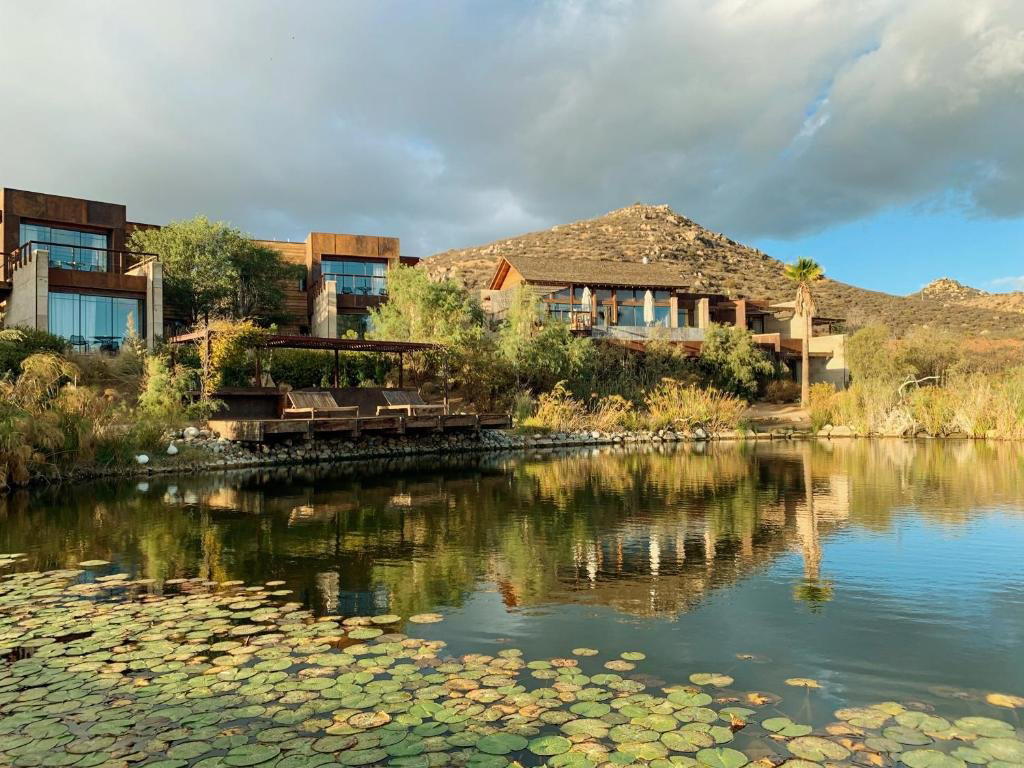
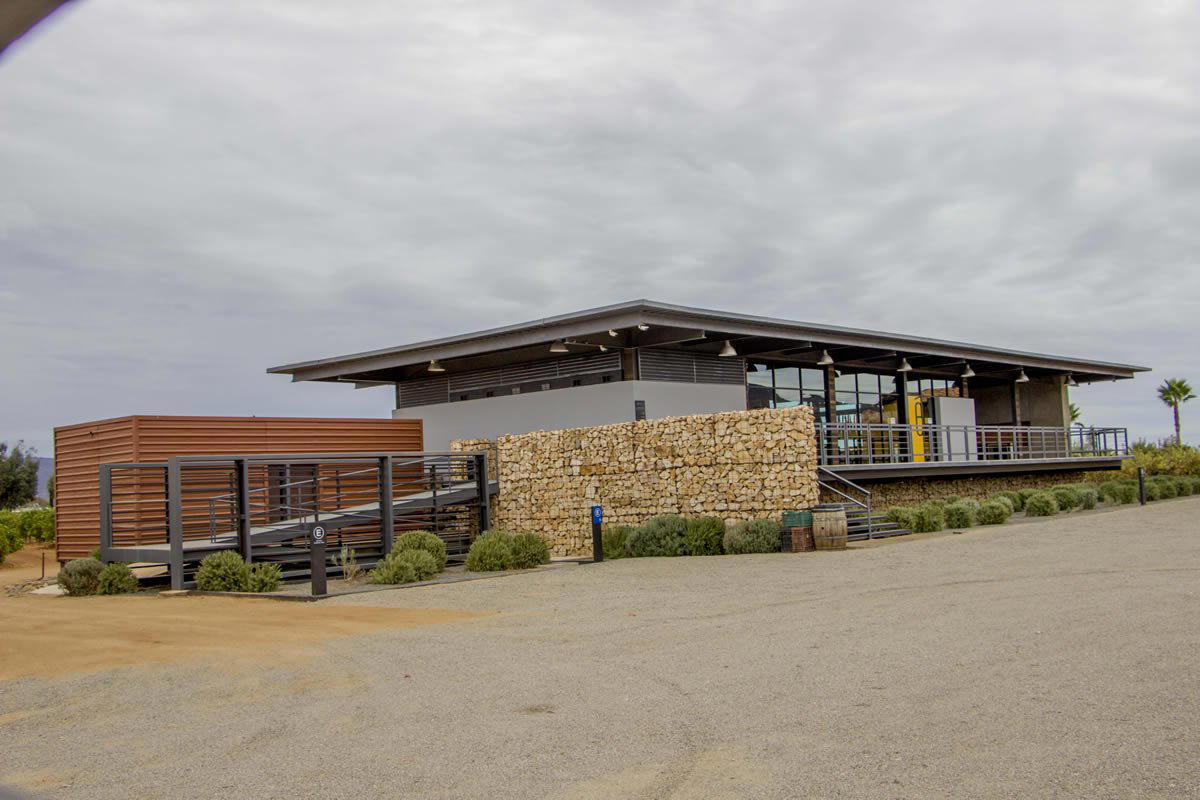
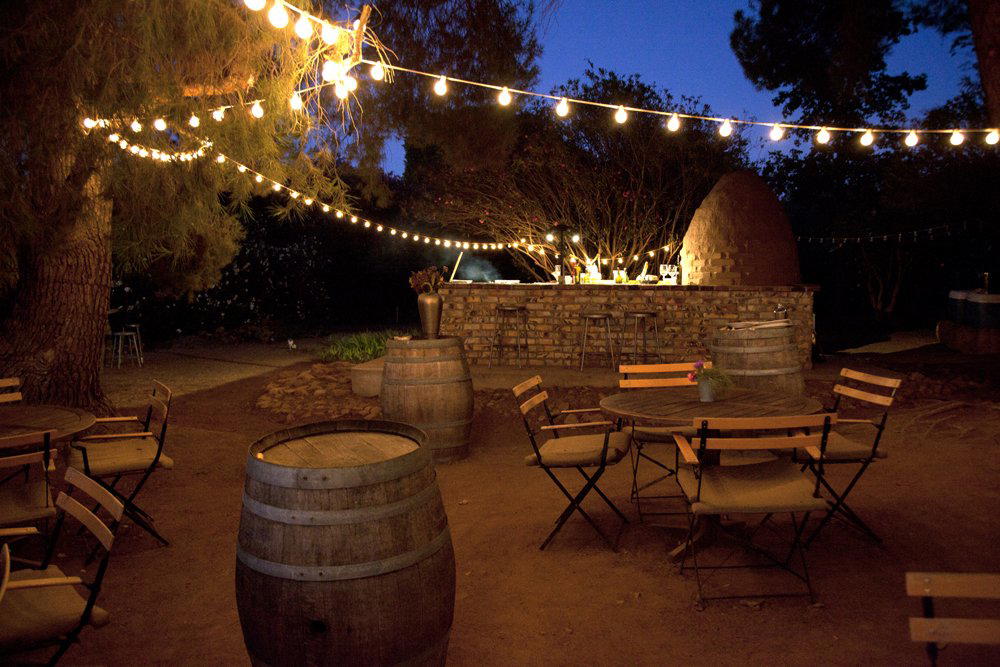
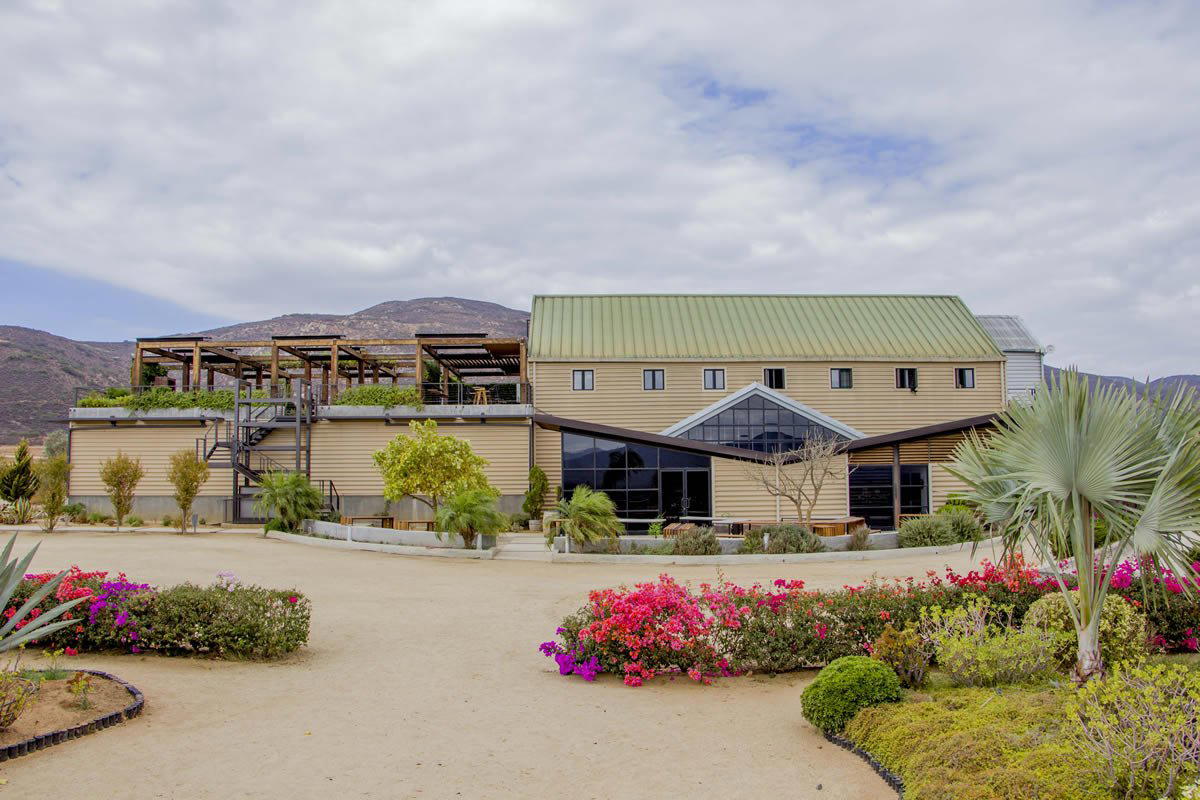
Magical and intimate with twinkling lights, running water features, and a storybook bridge entrance; warm, intimate dining room with 7 tables; beautiful courtyard setting especially enchanting at dusk.