Silvestre
Our verdict
Silvestre sits in Francisco Zarco, the small valley town that anchors Baja California's wine country corridor. The setting places it within a dining tradition that prizes local producers, open-fire technique, and the unhurried rhythm of a meal built around the surrounding land. For travellers following the Valle de Guadalupe circuit, it represents a particular kind of encounter with northern Baja's food culture.

Pearl is the En Primeur Club membership app — saves, bookings, and concierge access live there. Same editors, same standards.
- Address
- Baja California
- Directions
- Get directions
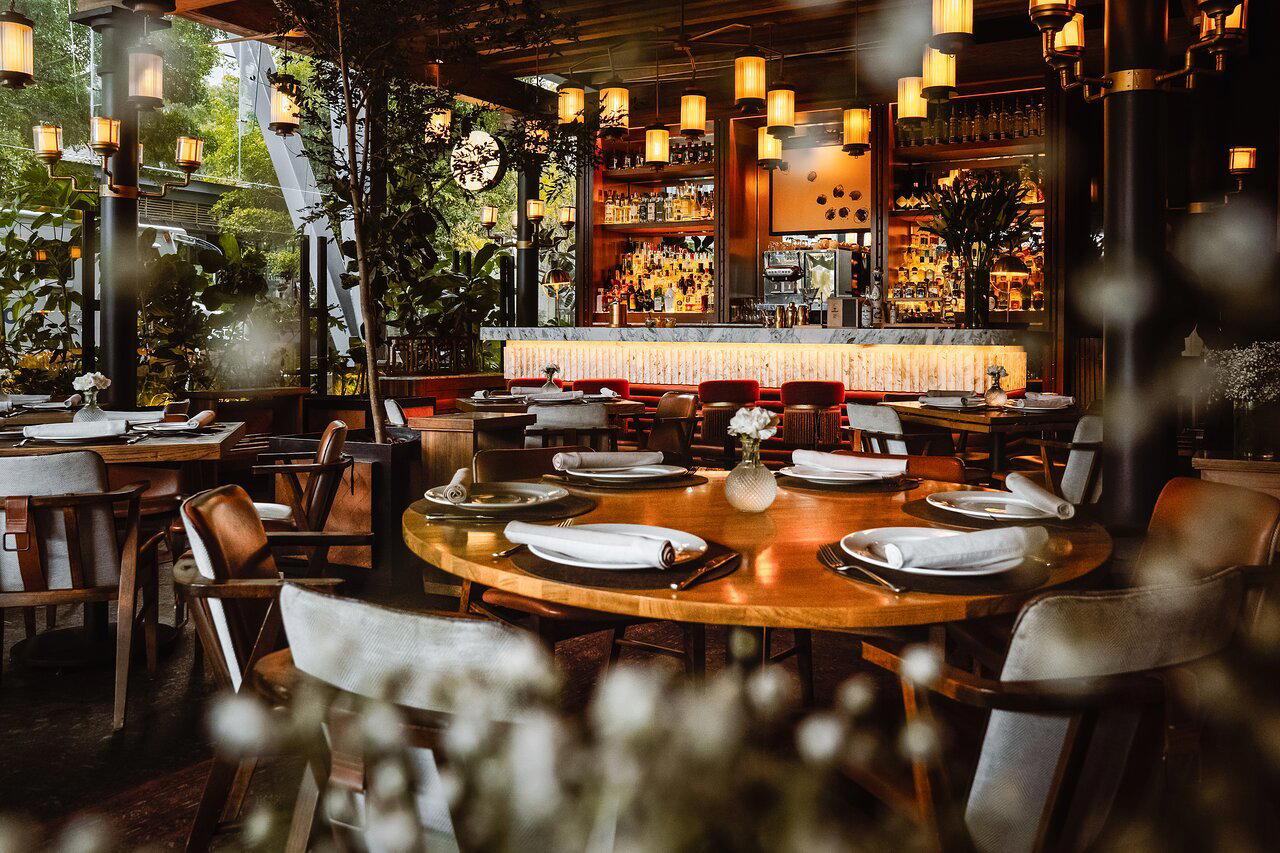
The menu
What to order
- Bluefin ceviche with ginger and Serrano chiles
The Valley Table: Dining in the Baja Wine Country Tradition
Francisco Zarco sits at the northern end of the Valle de Guadalupe wine corridor, a stretch of Baja California where the convergence of Mediterranean climate, volcanic soil, and a generation of producers committed to local sourcing has produced something that Mexico's urban fine-dining circuit has spent years studying from a distance. The town itself is small, a reference point more than a destination in the conventional sense, but that structural modesty is precisely what gives its restaurants their character. Silvestre operates inside this tradition, where the dining ritual is inseparable from the geography that surrounds it.
The pattern across Valle de Guadalupe and its satellite communities like Francisco Zarco is consistent: meals here are oriented around the land's current output rather than around fixed menus or seasonal templates borrowed from elsewhere. That is a different proposition from what you find at destination restaurants in Mexico City, where a place like Pujol in Mexico City frames Mexican culinary heritage through a highly composed, technically demanding lens. In the valley, the reference points are more immediate and more local.
How a Meal Here Moves
The dining ritual in this part of Baja California follows a logic that visitors accustomed to urban tasting menus often find disorienting at first, and then prefer entirely. Pacing is slower than in a metropolitan setting, and that slowness is structural, not incidental. A meal built around the valley's producers tends to unfold in relation to the light and the temperature outside rather than the clock. Early arrivals catch a different version of the experience than those who show up as the afternoon heat softens. Neither is wrong, but they are distinct.
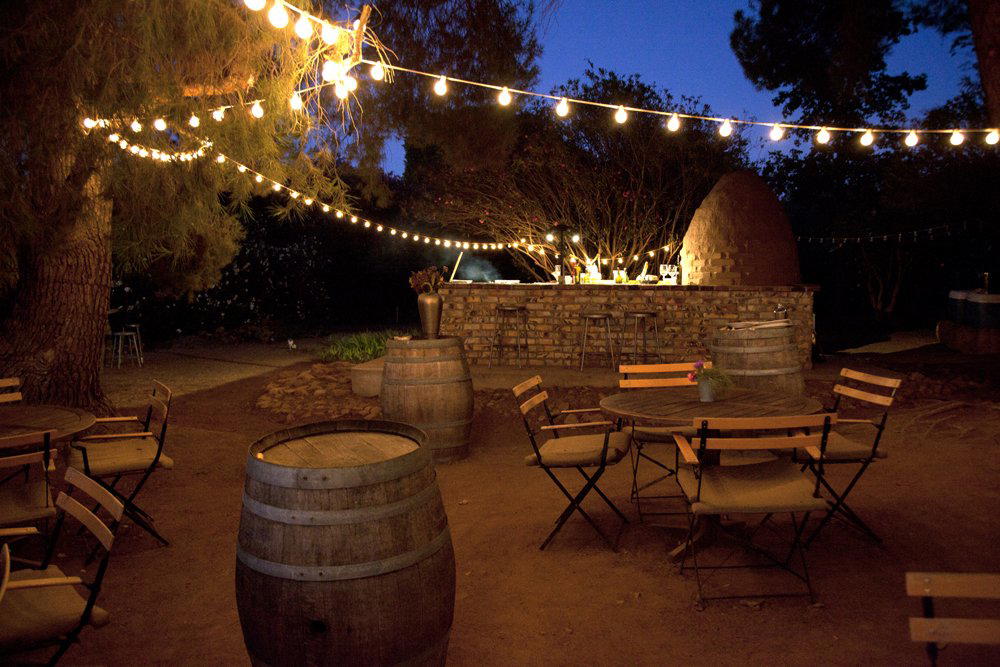
This format shares something with what Animalón in Valle de Guadalupe has codified in the region: a commitment to open-air or semi-open environments where the boundary between the kitchen's output and the surrounding landscape is deliberately blurred. The ritual, in other words, is partly about eating and partly about being in a place that insists on your full attention to both.
For context on how this differs from Mexico's broader fine-dining tier, compare it to Le Chique in Puerto Morelos, where contemporary Mexican cuisine operates through elaborate technique and a controlled, indoor environment, or to KOLI Cocina de Origen in Monterrey, which applies a similar local-sourcing philosophy but within an urban format that runs on urban timing. The valley version is more permissive about when things happen and more rigorous about where they come from.
The Broader Baja Food Circuit
Francisco Zarco is rarely the only stop on a Baja wine country itinerary. The circuit typically involves multiple meals across the valley, with travellers moving between producers, smaller village stops, and the cluster of restaurants that have formed around the wine tourism infrastructure. Bruma Bakery sits within this same corridor and represents the more casual, bakery-led end of the valley's food culture, a useful counterpoint for mornings or lighter stops. El Cora Birrieria Ruta del Vino sits at the traditional, protein-driven end of the same road, where the focus is on braised meat rather than produce-led tasting formats.
Silvestre occupies a position on this circuit that is worth understanding in relation to those neighbours. The valley has diversified enough that different meals serve different purposes, and the choice of where to eat dinner versus where to eat lunch is itself a kind of editorial decision about what kind of afternoon you want to have. See our full Francisco Zarco restaurants guide for a mapped view of where each venue sits in the valley's overall structure.
For comparison with how similar farm-adjacent dining formats operate elsewhere in Mexico, Levadura de Olla Restaurante in Oaxaca is instructive. That restaurant applies a similarly land-connected philosophy in a very different geographical and cultural context, Oaxaca's culinary tradition being one of the most documented in the country. Baja's version is newer and less codified, which gives it a different kind of energy: less archival, more provisional, and still being defined by each season's producers and cooks.
The wider Mexican restaurant scene that this category feeds into includes venues as varied as Alcalde in Guadalajara, Huniik in Merida, Arca in Tulum, HA' in Playa del Carmen, and Lunario in El Porvenir, each of which positions itself within a particular interpretation of Mexican produce-driven cooking. For international reference on how farm-to-table fine dining operates at the technical extreme, Le Bernardin in New York City and Atomix in New York City sit at the opposite end of the formality spectrum, which is useful for calibrating expectations. Pangea in San Pedro Garza Garcia occupies a comparable tier to some of the more composed Valle de Guadalupe restaurants, at the $$$ price point, though in a very different northern Mexican context. Olivea Farm to Table in Ensenada operates the closest comparable format geographically, connecting the port city's coastal produce supply to the same regional cooking tradition that valley restaurants like Silvestre draw from. California Prime - Rib Sucursal Los Angeles in Celaya represents a contrasting angle on Mexican dining identity, where the emphasis is on a specific protein tradition rather than landscape-driven improvisation.
Planning a Visit
Francisco Zarco is most practically reached by car from Ensenada, roughly 40 minutes south along the wine route. The valley runs on a loose agricultural calendar, and the months between late spring and early autumn represent the period of greatest local produce availability, which typically shapes what kitchens in the area can do. That temporal window also coincides with the valley's wine harvest, making it the period when both the agricultural and hospitality infrastructure is operating at its most active. Outside those months, the valley quiets significantly, and not all venues maintain the same service schedules. Confirming current opening hours directly before visiting is advisable for any Francisco Zarco restaurant, given the limited online presence many of these smaller operations maintain.
Frequently asked questions
Where do I go for Silvestre?
Silvestre is located at Baja California, Francisco Zarco.
Is Silvestre worth visiting as a standalone destination or only as part of a Valle de Guadalupe wine route?
Silvestre is located in Francisco Zarco, which sits at the northern edge of the Valle de Guadalupe corridor, roughly 40 minutes from Ensenada by car. Most visitors to this part of Baja California build multi-stop itineraries across the valley rather than making a single-restaurant trip, since the wine and dining circuit is geographically compact and the valley's restaurants are designed around an unhurried, agricultural pace. Treating Silvestre as one anchor in a broader valley day makes the most logistical sense given the region's layout.
What should I order at Silvestre?
The surrounding Francisco Zarco area is known for produce-driven cooking tied to the agricultural calendar of Baja California's wine corridor. Arriving with flexibility rather than a fixed list of targets is the practical approach here.
Do I need a reservation for Silvestre?
Restaurants along the Francisco Zarco stretch of Valle de Guadalupe tend to operate on agricultural schedules rather than standard urban service hours, and many fill quickly during harvest season, roughly August through October. Confirming ahead of arrival is advisable regardless of published policy.
What's Silvestre best at?
Silvestre sits in Francisco Zarco at the northern end of the Valle de Guadalupe wine corridor, a region where the defining strength of most tables is the direct relationship between kitchen and local land. The Baja California setting, where Mediterranean climate conditions concentrate both wine production and ingredient quality within a compact geography, shapes what ends up on the plate more than any single technique or chef signature.
Do they accommodate allergies at Silvestre?
Given the valley's agricultural format and the typically short, market-driven menus common to Francisco Zarco restaurants, communicating dietary requirements directly and in advance is the most reliable approach.
Cuisine-First Comparison
Comparable venues nearby, for context on price, style, and recognition.
| Venue | Cuisine | Price | Awards | Notes |
|---|---|---|---|---|
| SilvestreThis venue — the venue you are viewing | Modern Mexican Fine Dining | $50–100 | Not listed | Not listed |
| Bruma Bakery | Award-Winning Modern Bakery | $10–20 | Not listed | Valle de Guadalupe |
| LUNARIO VALLE DE GUADALUPE | Contemporary Mexican | Not listed | 1 Michelin Star · World's 50 Best #90 | Valle de Guadalupe |
| El Cora Birrieria Ruta del Vino | Mexican Birrieria | Not listed | Not listed | Francisco Zarco |
| Cabanna Restaurant | Modern Mexican Seafood | $20–30 | Not listed | Tres Ríos |
| Muelle Once | Modern Mexican Seafood | $20–30 | Not listed | Zona Hotelera Nte |
Continue exploring
More in Francisco Zarco
Restaurants in Francisco Zarco
Browse all →
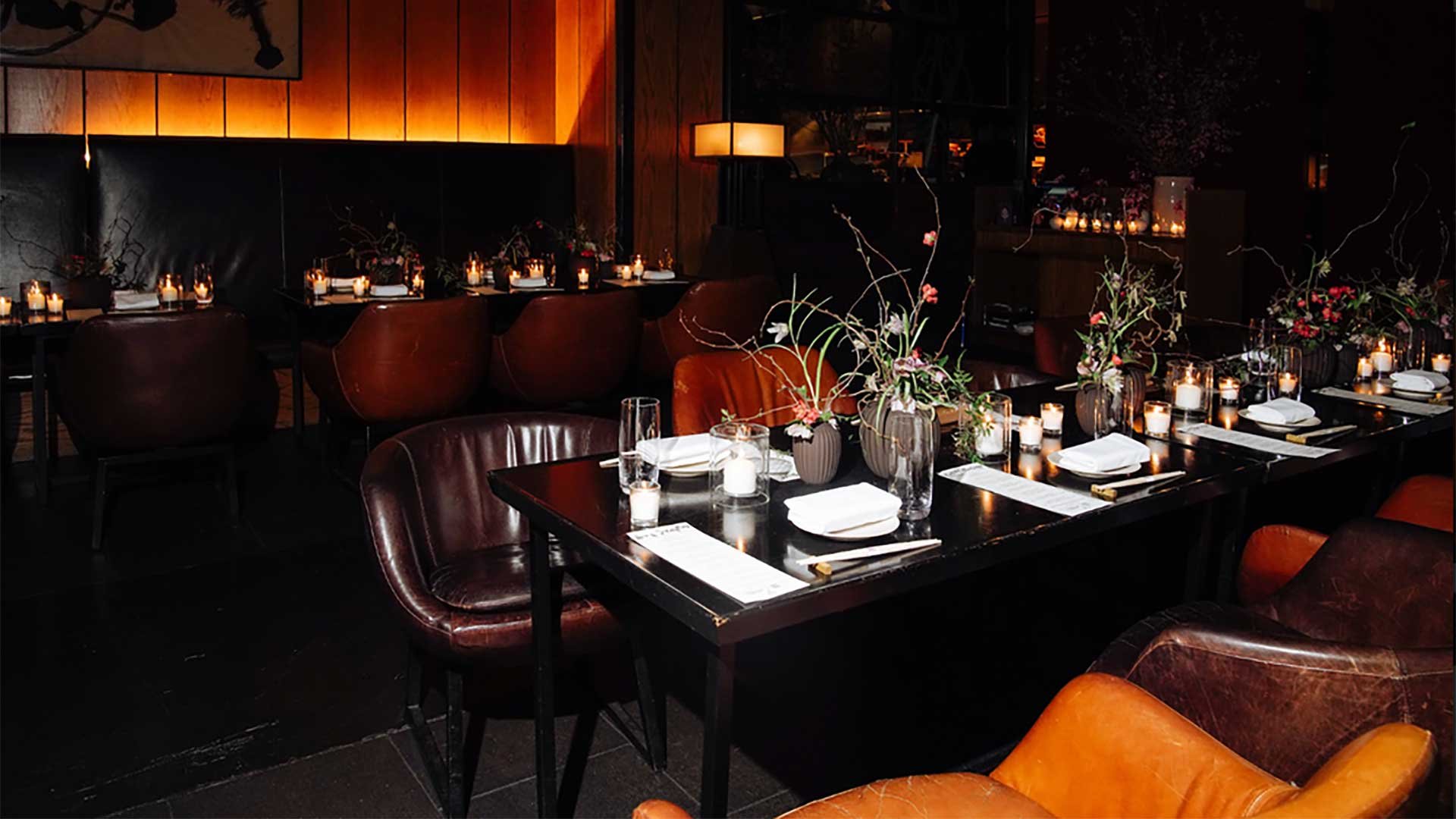
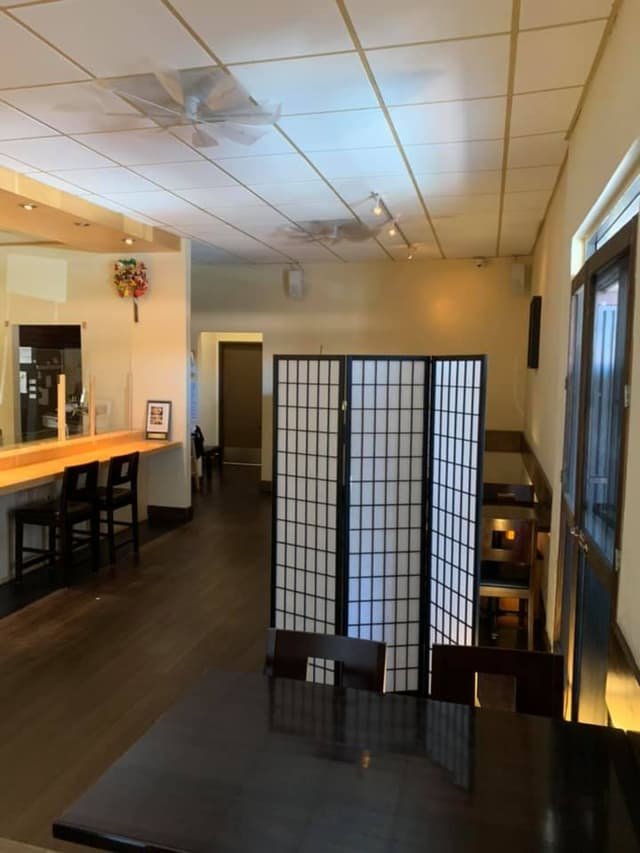
Bars in Francisco Zarco
Browse all →
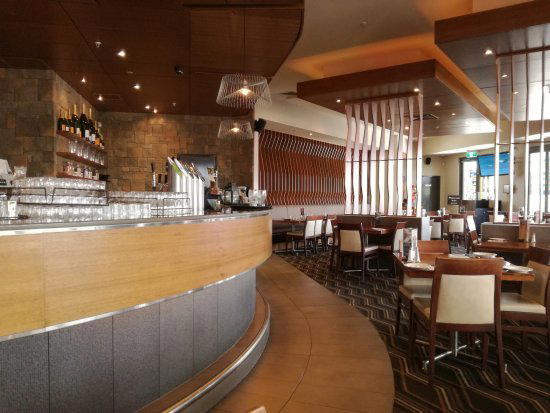
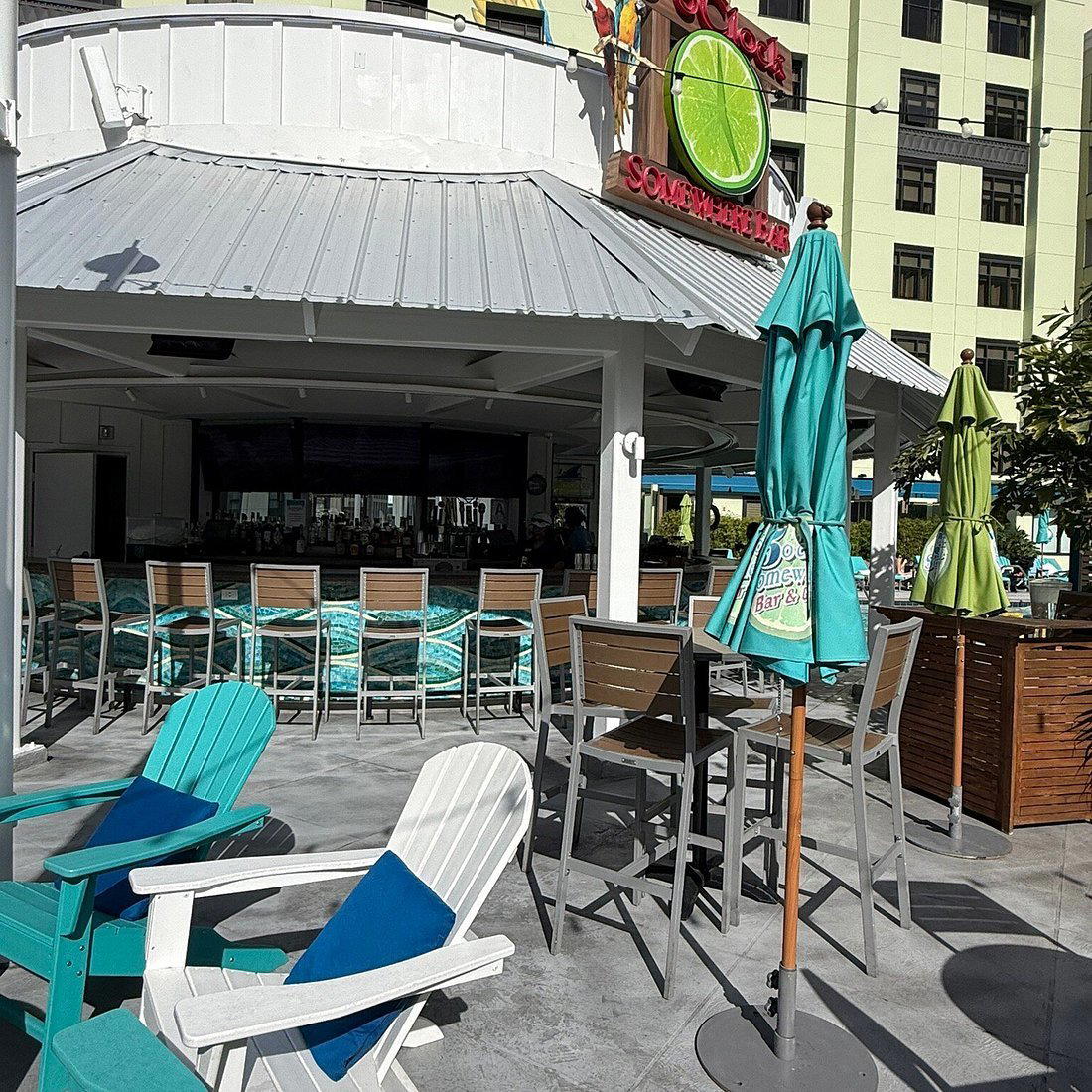
Hotels in Francisco Zarco
Browse all →


Details
- Scenic
- Rustic
- Elegant
- Date Night
- Special Occasion
- Celebration
- Open Kitchen
- Panoramic View
- Extensive Wine List
- Sommelier Led
- Local Sourcing
- Sustainable Seafood
- Vineyard
- Tasting Menu
- A La Carte
- Wine
- Pescatarian Friendly
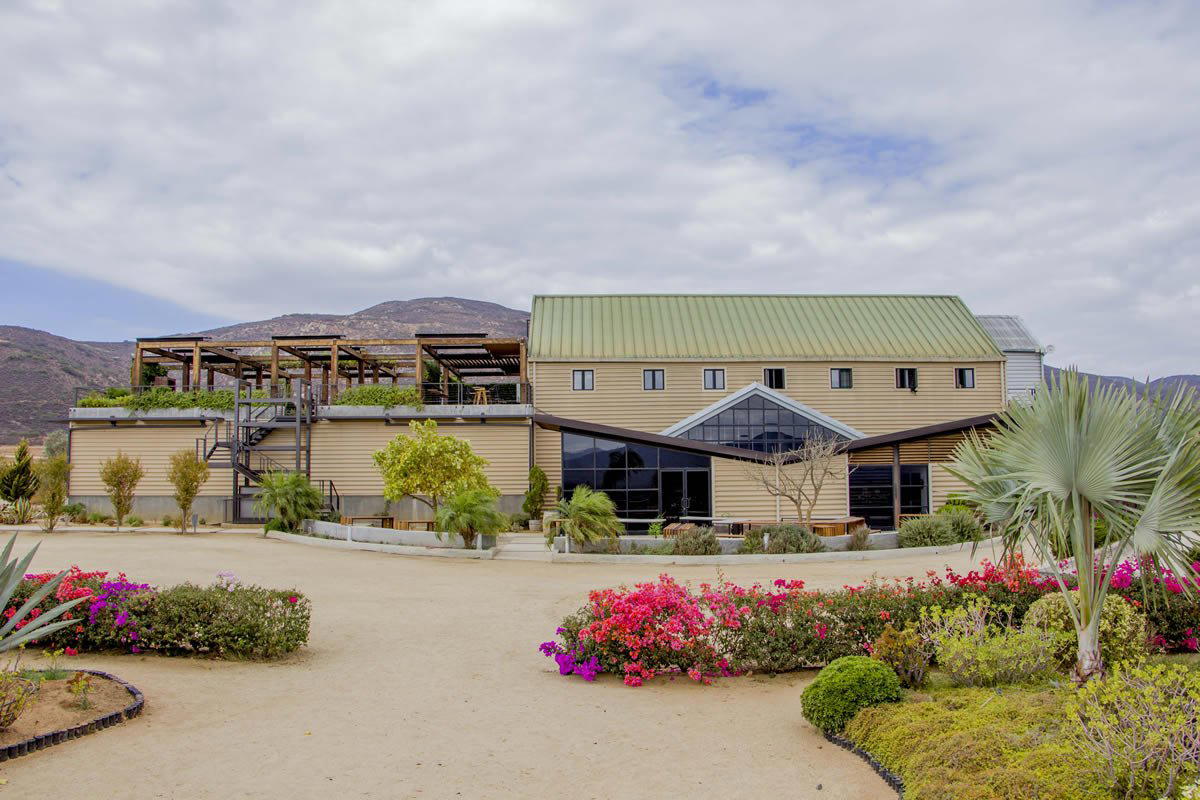
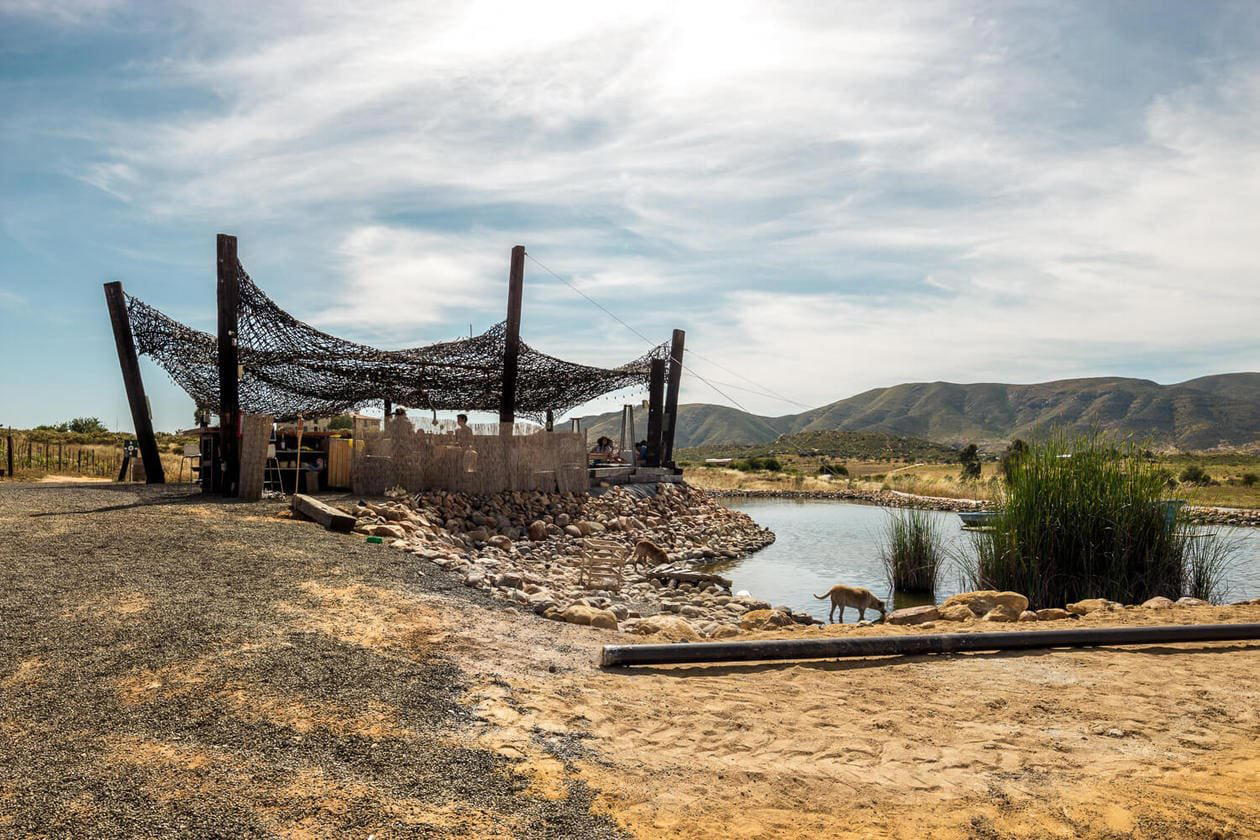
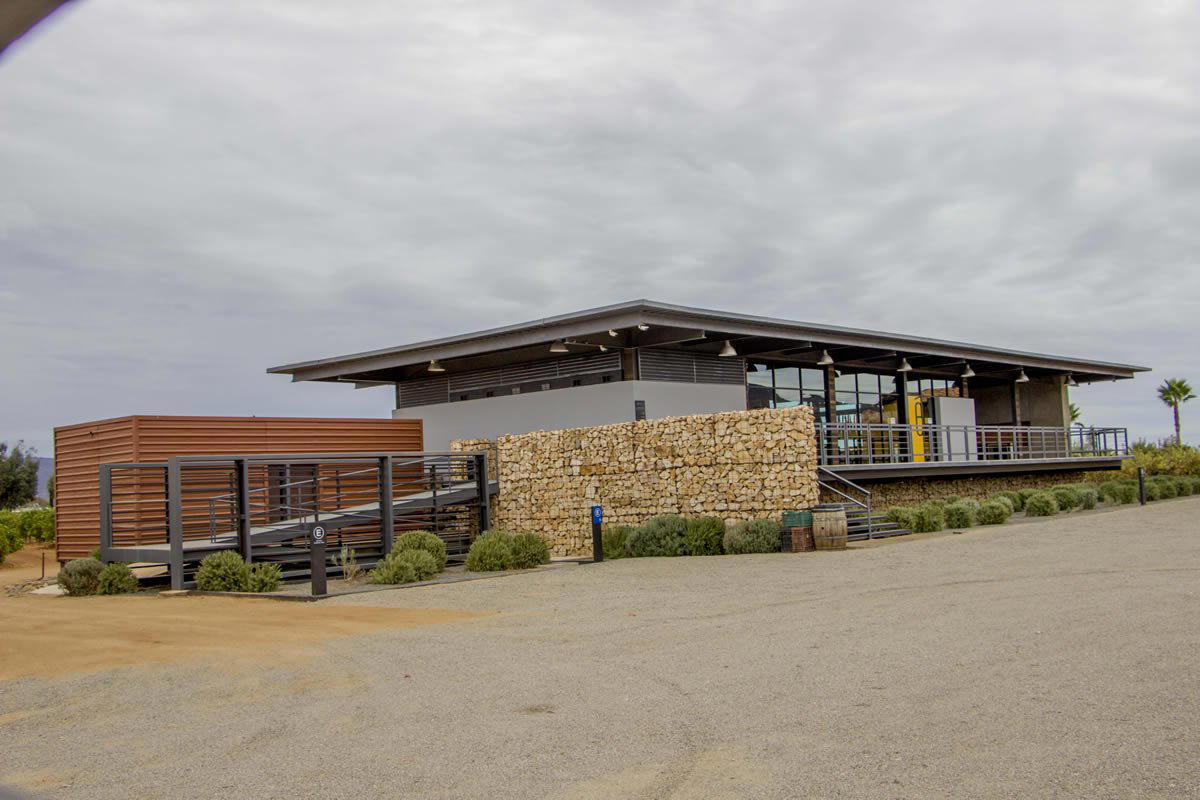
Sophisticated and intimate vineyard setting with natural lighting and seasonal closures reflecting the agricultural calendar.