Lumaca
Lumaca occupies a quiet address on East 32nd Street in Midtown Manhattan, operating at a remove from the neighbourhood's better-known Korean and Indian corridors. The restaurant positions itself within New York's considered fine-dining tier, where pacing and progression carry as much weight as individual dishes. Visitors looking for a deliberate, course-driven format will find it here.
Pearl is the En Primeur Club membership app — saves, bookings, and concierge access live there. Same editors, same standards.
- Address
- 34 E 32nd St, New York, NY 10016
- Phone
- +12126835894
- Website
- olmnyc.com
- Directions
- Get directions
 Saves & bookings on Pearl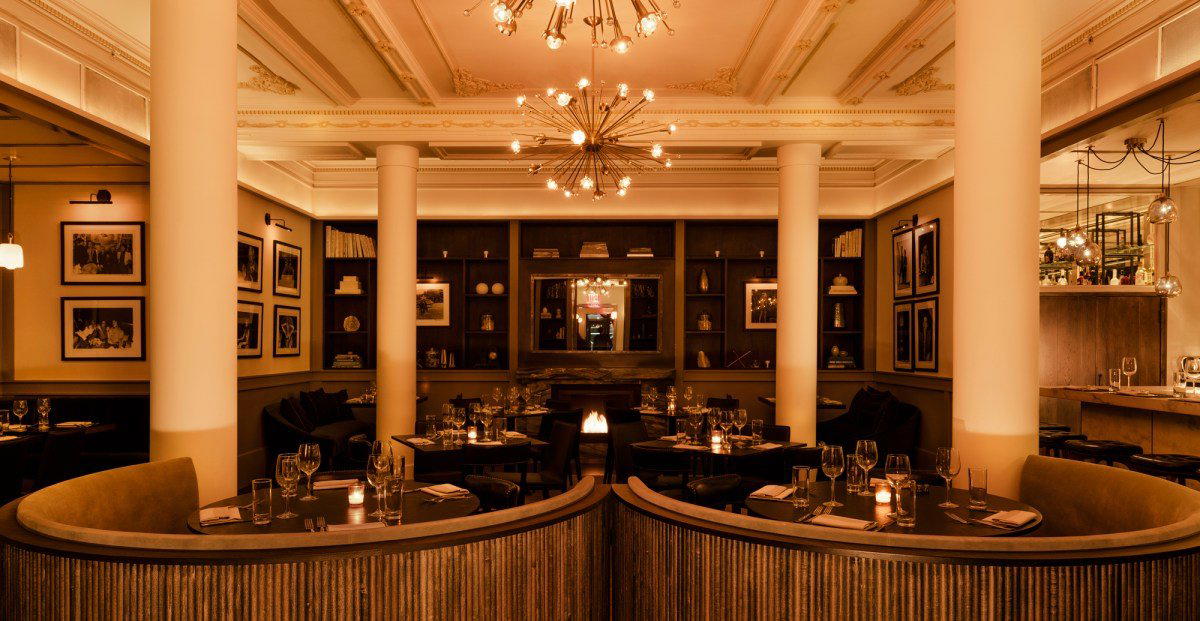
East 32nd Street and the Art of Arriving Slowly
The stretch of East 32nd Street between Fifth and Madison Avenues occupies an unusual position in Midtown Manhattan. It sits one block south of the dense Korean restaurant corridor that defines the neighbourhood's identity, and a short walk from Penn Station and the Empire State Building. The street itself is unremarkable by design: office facades, a few retail fronts, the ambient noise of a city always in transit. It is precisely the kind of address that rewards the diner who arrives with a specific destination in mind rather than one who browses. Lumaca, at number 34, belongs to that category of Midtown venue whose value is not announced from the outside.
In a borough where fine dining has historically clustered around certain zip codes and certain culinary traditions, a considered restaurant on East 32nd Street carries a particular kind of positioning logic. It is neither in the thick of the expense-account French dining that Le Bernardin anchors on West 51st, nor in the Korean tasting-menu tier occupied by Atomix and Jungsik New York further uptown. It occupies its own coordinate on the map, and that distance from the obvious clusters is part of what defines the dining experience before the first course arrives.
The Tasting Progression as Structure
New York's upper dining tier has moved steadily toward formats where the arc of a meal matters as much as any single plate. The progression model, which has long defined Japanese omakase at counters like Masa and French tasting sequences at Per Se, has spread beyond those originating traditions into a broader fine-dining grammar. Across American cities, from the fermentation-driven sequencing at Lazy Bear in San Francisco to the theatrical multi-act format at Alinea in Chicago, the tasting progression has become the dominant language for restaurants that want to argue for their own seriousness.
At Lumaca, the course structure is the editorial argument the kitchen makes about itself. Each stage in a multi-course sequence performs a different function: early courses establish a register and a set of flavour references; middle courses carry the technical weight and the complexity; closing courses resolve what the meal has proposed. When kitchens understand this architecture, the experience of eating becomes cumulative rather than additive, with each plate recontextualising what came before. This is the standard against which any serious tasting-format restaurant is read by the diner who has sat through sequences at Blue Hill at Stone Barns in Tarrytown or The French Laundry in Napa, and it is the standard that shapes expectations on East 32nd Street.
Midtown's Quieter Fine-Dining Register
The neighbourhood context matters because it shapes who sits in the room. Midtown restaurants that survive on the fine-dining tier without the media saturation of a Chelsea or West Village address tend to attract a different composition of diner: regulars with deliberate preferences, business diners who have done their research, out-of-town visitors who have made a specific choice rather than following foot traffic. This is not the room that fills because of a trending reservation app moment. It is the room that fills because someone made a considered decision to be there.
That composition of guest produces a certain kind of atmosphere: lower ambient noise than equivalent downtown rooms, a pace that does not rush covers, service that can run a longer sequence without the pressure of a two-hour table turn. Across the United States, this register appears in restaurants that have found their footing away from the obvious neighbourhoods: Providence in Los Angeles, Addison in San Diego, Bacchanalia in Atlanta. The common thread is not geography but a willingness to let the meal proceed at the meal's own pace.
How Lumaca Sits in Its comparable set
Within New York's broader fine-dining picture, the restaurants that earn sustained attention without sustained media oxygen tend to share certain structural characteristics. They maintain consistency across multiple visits rather than peaking in an opening season. They build a returning guest base rather than depending on first-time traffic. They price and format in ways that signal their competitive set clearly. For the diner assembling a New York itinerary at this level, the question is always how a given restaurant fits into the sequence of meals across the city, and whether its particular register adds something that Emeril's in New Orleans or The Inn at Little Washington would not.
Internationally, the tasting-progression format that Lumaca operates within has its clearest reference points in European kitchens: Alain Ducasse at Louis XV in Monte Carlo and 8 1/2 Otto e Mezzo Bombana in Hong Kong represent the formal end of that tradition, where the sequence is as much a cultural performance as a culinary one. New York fine dining, including restaurants in Lumaca's general tier, tends to carry that influence while adapting to a room where the diner's frame of reference is deliberately varied. Within the same city, Single Thread Farm in Healdsburg demonstrates what the hyper-local, farm-to-progression model looks like when taken to its disciplined conclusion.
Planning a Visit
East 32nd Street is accessible from multiple subway lines, with the closest major transit hub at 33rd Street on the 6 train or the B, D, F, and M trains at 34th Street-Herald Square, making arrival by public transit direct from most parts of Manhattan. Visitors combining Lumaca with a broader Midtown evening have Penn Station and Grand Central Terminal both within reasonable walking distance for onward travel. Given the address's relative remove from dense tourist foot traffic, the street-level approach is quieter than comparable blocks to the north, which suits the format of a meal built around deliberate pacing. Lumaca is recommended for reservations, with a price tier of about $60 per person.
Awards and Standing
Comparable venues nearby, for context on price, style, and recognition.
| Venue | Cuisine | Price | Notes |
|---|---|---|---|
| LumacaThis venue — the venue you are viewing | Coastal Italian | $$$ | Not listed |
| Locanda Verde Hudson Yards | Urban Italian Osteria | $$$ | Chelsea-Hudson Yards |
| Serafina Osteria | Authentic Italian Trattoria | $$$ | Upper East Side-Carnegie Hill |
| Serafina Always | Northern Italian Trattoria | $$$ | Upper East Side-Carnegie Hill |
| Adria | Adriatic-Inspired Italian Seafood | $$$ | Upper East Side-Yorkville |
Continue exploring
More in New York City
Restaurants in New York City
Browse all →
Bars in New York City
Browse all →
Hotels in New York City
Browse all →




At a Glance
- Elegant
- Sophisticated
- Cozy
- Date Night
- Business Dinner
- Rooftop
- Hotel Restaurant
- Craft Cocktails
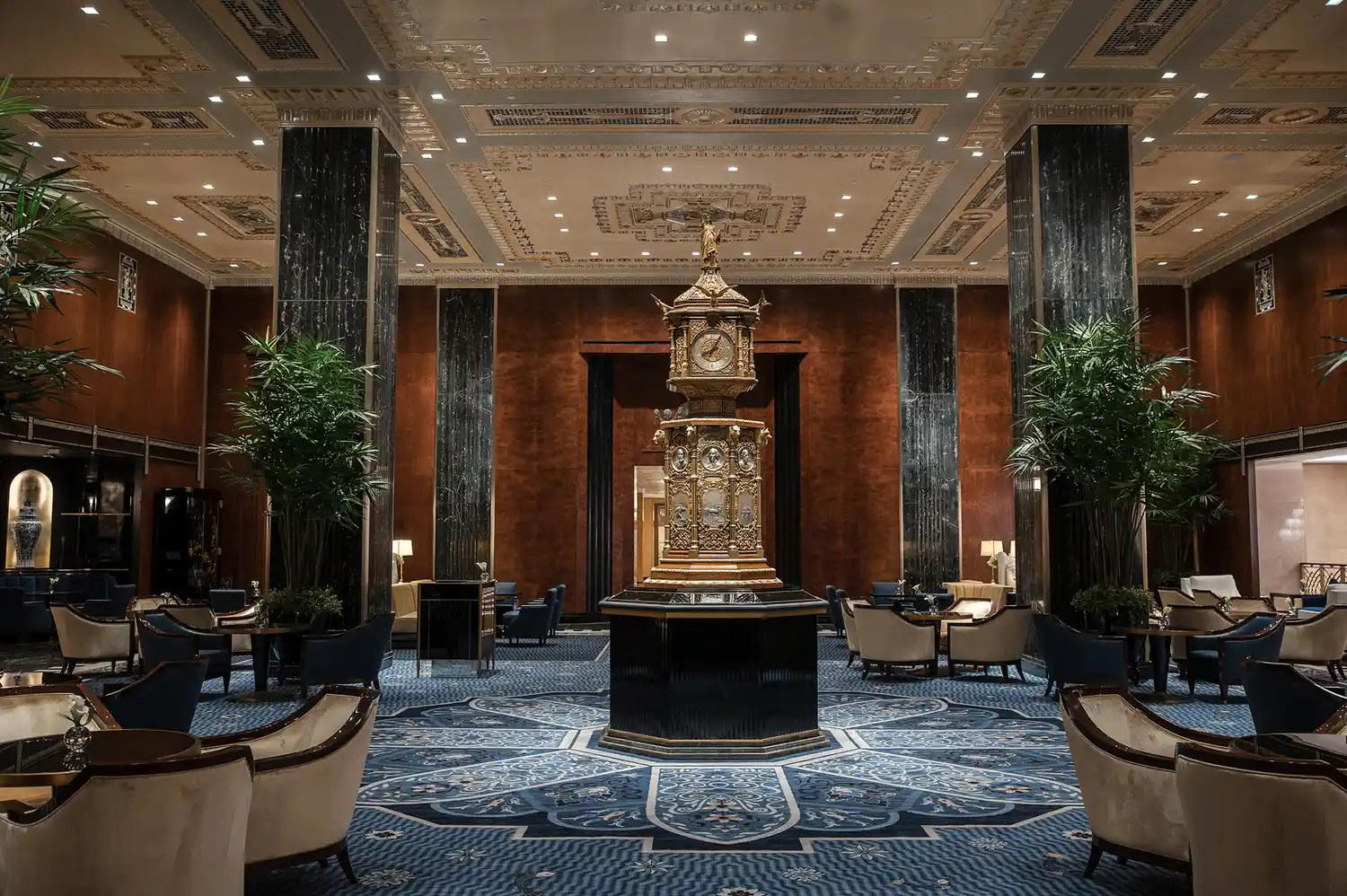
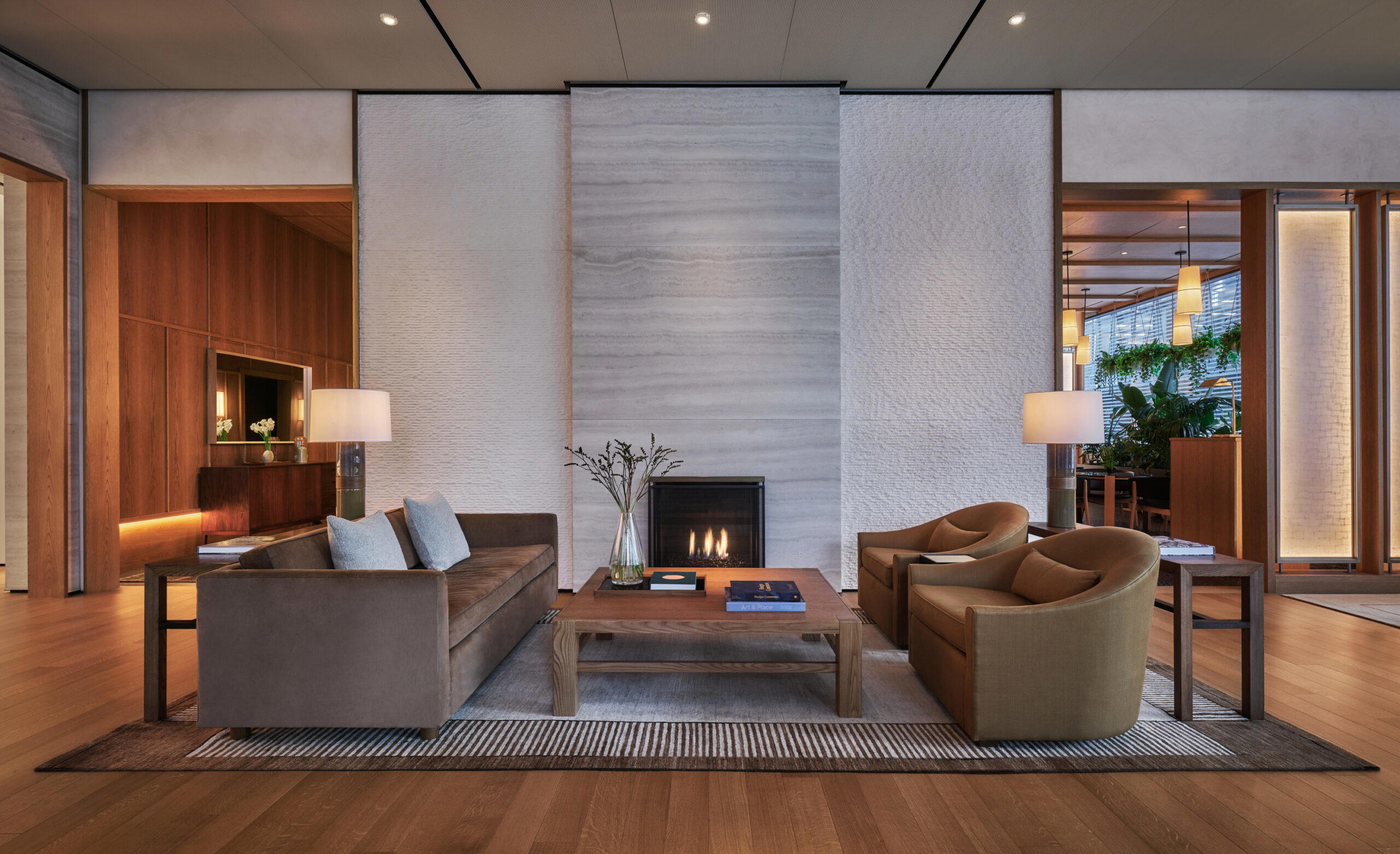
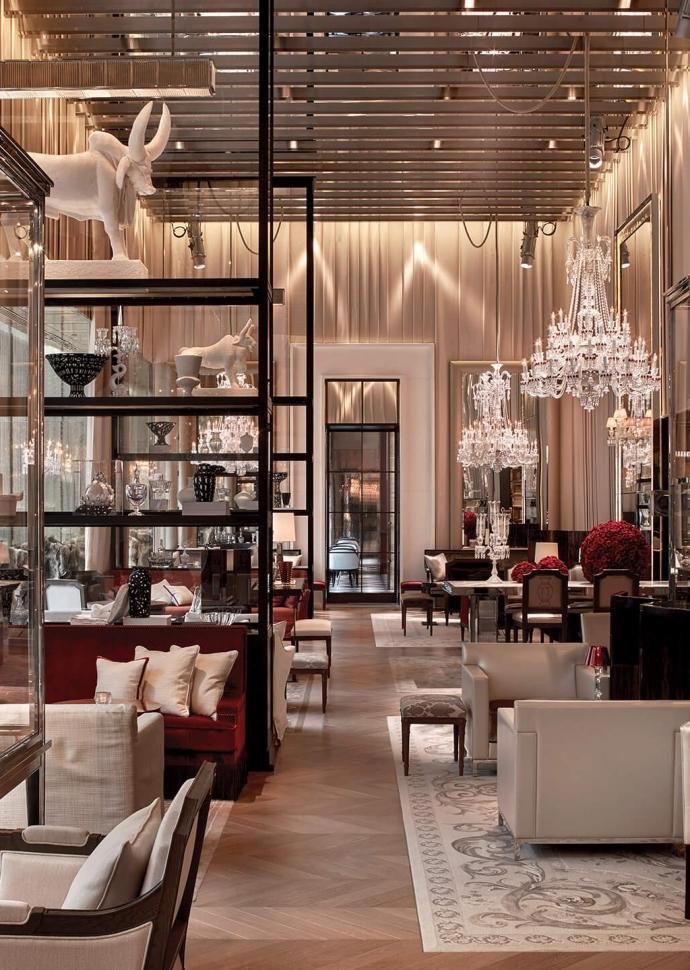
Glamorous with velvet plush lounge chairs and historic glamour blended with modern flair.