Serafina Always
On East 61st Street in Manhattan's Upper East Side, Serafina Always occupies a stretch of the city where Italian casual dining has long competed for the loyalty of a neighbourhood that knows what it wants. The address places it squarely in a corridor of established dining rooms, where the physical setting and the regularity of a crowd matter as much as the plate.
Pearl is the En Primeur Club membership app — saves, bookings, and concierge access live there. Same editors, same standards.
- Address
- 33 E 61st St, New York, NY 10065
- Phone
- +12127029898
- Website
- serafinarestaurant.com
- Directions
- Get directions
 Saves & bookings on Pearl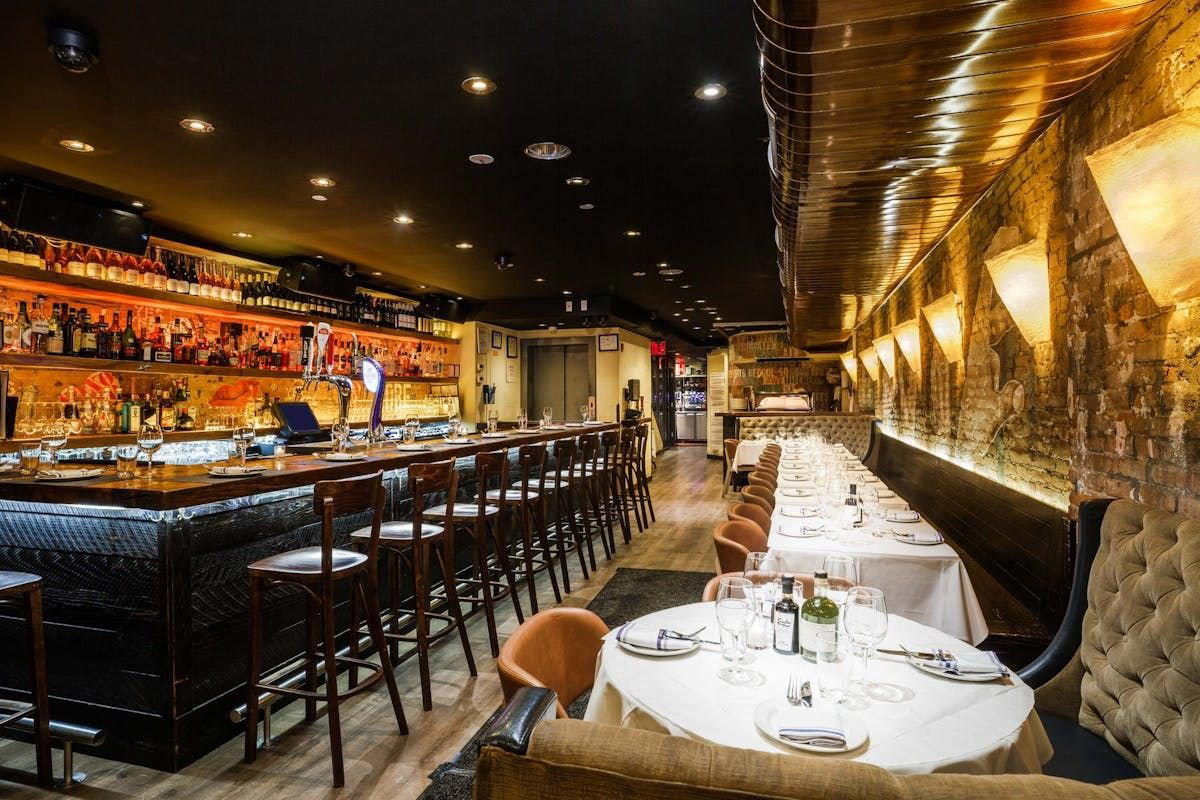
Upper East Side Italian, and the Architecture of a Neighbourhood Room
Manhattan's Upper East Side has always operated on different logic than the downtown dining scene. Where neighbourhoods like the West Village or NoMad cycle through concepts at speed, the blocks between Lexington and Fifth north of 59th Street tend to reward consistency. Restaurants here are judged less on tasting-menu ambition and more on whether the room still feels like yours on a Tuesday in February. Serafina Always, a Northern Italian Trattoria in New York's Upper East Side, is priced at about $50 per person and sits in that tradition: a dining address defined as much by its physical presence and its role in the neighbourhood as by any particular culinary programme.
The Italian casual format the Serafina name carries across multiple Manhattan locations is, at its core, a spatial proposition. The rooms tend toward warmth, with enough visual texture to make the space feel inhabited rather than designed. On East 61st, that positioning places the restaurant in a specific tier of Upper East Side dining: not the white-tablecloth formality of, say, a room like Le Bernardin on the West Side, and not the avant-garde counter format of Atomix or Jungsik New York downtown. It belongs instead to the middle register that most New Yorkers actually use most often: the reliable Italian room where the occasion is self-generated rather than menu-driven.
The Physical Argument: Space as Dining Identity
In a city where real estate shapes every culinary decision, the address at 61st Street carries its own context. The Upper East Side block between Park and Madison is a particular kind of Manhattan territory: expensive, residential in character, and accustomed to a certain regularity of experience. Restaurants that endure here tend to do so because the room itself becomes part of a customer's routine, not because the menu is in constant flux.
The Serafina brand has, across its various New York addresses, leaned into that logic. The interiors of Serafina locations are typically arranged to accommodate both solo diners and larger groups without the rigid formality that defined an earlier generation of Italian-American dining rooms. That flexibility in seating arrangement is itself an editorial choice: it signals that the room is meant to be used across multiple types of occasions, from a weeknight dinner to a weekend gathering. Compare this to the highly structured, counter-focused formats at restaurants like Masa or the deliberate ceremony of Per Se, where the physical container is an inseparable part of the culinary argument, and the distinction becomes clear. Serafina Always belongs to a different school: one where the room is meant to disappear into comfort rather than announce itself.
Across the broader American dining scene, this casual-Italian room type has proven remarkably durable. From Bacchanalia in Atlanta to Emeril's in New Orleans, particularly enduring restaurants in American cities often succeed because the physical space earns loyalty independent of trend cycles. Serafina Always operates in that same tradition at the neighbourhood scale.
What the Room Says About the Cuisine
Italian casual in New York has a specific grammar. Pizza, pasta, and a short list of proteins anchor the format; the skill is in execution and consistency rather than in conceptual novelty. Within that grammar, the Serafina approach has historically prioritized accessibility over experimentation, which is a defensible position in a neighbourhood that treats its restaurants more like institutions than stages.
The contrast with, say, Alinea in Chicago or Lazy Bear in San Francisco is instructive. Those rooms treat the physical container as an instrument of a conceptual dining experience, where the architecture, the lighting, and the seat arrangement are all in service of a specific culinary argument. Serafina Always inverts the priority: the food is in service of the room's function as a neighbourhood anchor. Neither approach is superior; they are simply different premises, and understanding which one a restaurant operates on tells you almost everything about how to read it.
For East Side diners who have also experienced the agrarian formality of Blue Hill at Stone Barns in Tarrytown or the precision of The French Laundry in Napa, the appeal of a room like Serafina Always is legible: it operates without ceremony, which is its own kind of sophistication. See also how Single Thread Farm in Healdsburg and Providence in Los Angeles each construct different spatial arguments in their respective cities, and the pattern becomes clear: high-performing rooms in any market understand which register they occupy and stay there.
Placing It in the New York Context
For a full reading of where the restaurant sits within Manhattan's Italian casual tier, it is worth mapping the Upper East Side dining corridor more broadly. The blocks between 60th and 70th Street on the East Side have historically supported a mix of French bistros, traditional Italian rooms, and the occasional contemporary American entry. The Italian casual category in this zone competes on familiarity, longevity, and the sense that a room has been earned rather than opened.
Internationally, this neighbourhood-anchor model shows up in analogous forms at restaurants like 8½ Otto e Mezzo Bombana in Hong Kong, where Italian cuisine adapted to a different city context while maintaining its core spatial logic, or at the long-standing formality of Alain Ducasse at Louis XV in Monte Carlo. The comparison is not one of cuisine level but of durability model: rooms that survive because they understand their role in a specific geography. Closer to home, Addison in San Diego and The Inn at Little Washington similarly demonstrate how deeply a restaurant can embed itself in a place's dining identity over time.
For a broader read of where the restaurant fits within New York's dining scene, the EP Club New York City restaurants guide maps the full range of options across neighbourhood, cuisine, and price tier.
Know Before You Go
- Address: 33 E 61st St, New York, NY 10065
- Neighbourhood: Upper East Side, Manhattan
- Price tier: 3
- Reservations: Recommended
- Hours: Mon: 11:30 AM-10 PM; Tue: 11:30 AM-10 PM; Wed: 11:30 AM-10 PM; Thu: 11:30 AM-10 PM; Fri: 11:30 AM-11 PM; Sat: 11:30 AM-11 PM; Sun: 11:30 AM-10 PM
- Format: Italian casual dining room
Recognition, Side-by-Side
Comparable venues nearby, for context on price, style, and recognition.
| Venue | Cuisine | Price | Notes |
|---|---|---|---|
| Serafina AlwaysThis venue — the venue you are viewing | Northern Italian Trattoria | $$$ | Not listed |
| Arno | Traditional Northern Italian | $$$ | Midtown-Times Square |
| Buco | Rustic Italian-Mediterranean | $$$ | Greenwich Village |
| Rossini's | Northern Italian Trattoria | $$$ | Murray Hill-Kips Bay |
| Sardi's | Classic Italian-American Continental | $$$ | Midtown-Times Square |
| L'incontro by Rocco | Traditional Italian Trattoria | $$$ | Upper East Side-Yorkville |
Continue exploring
More in New York City
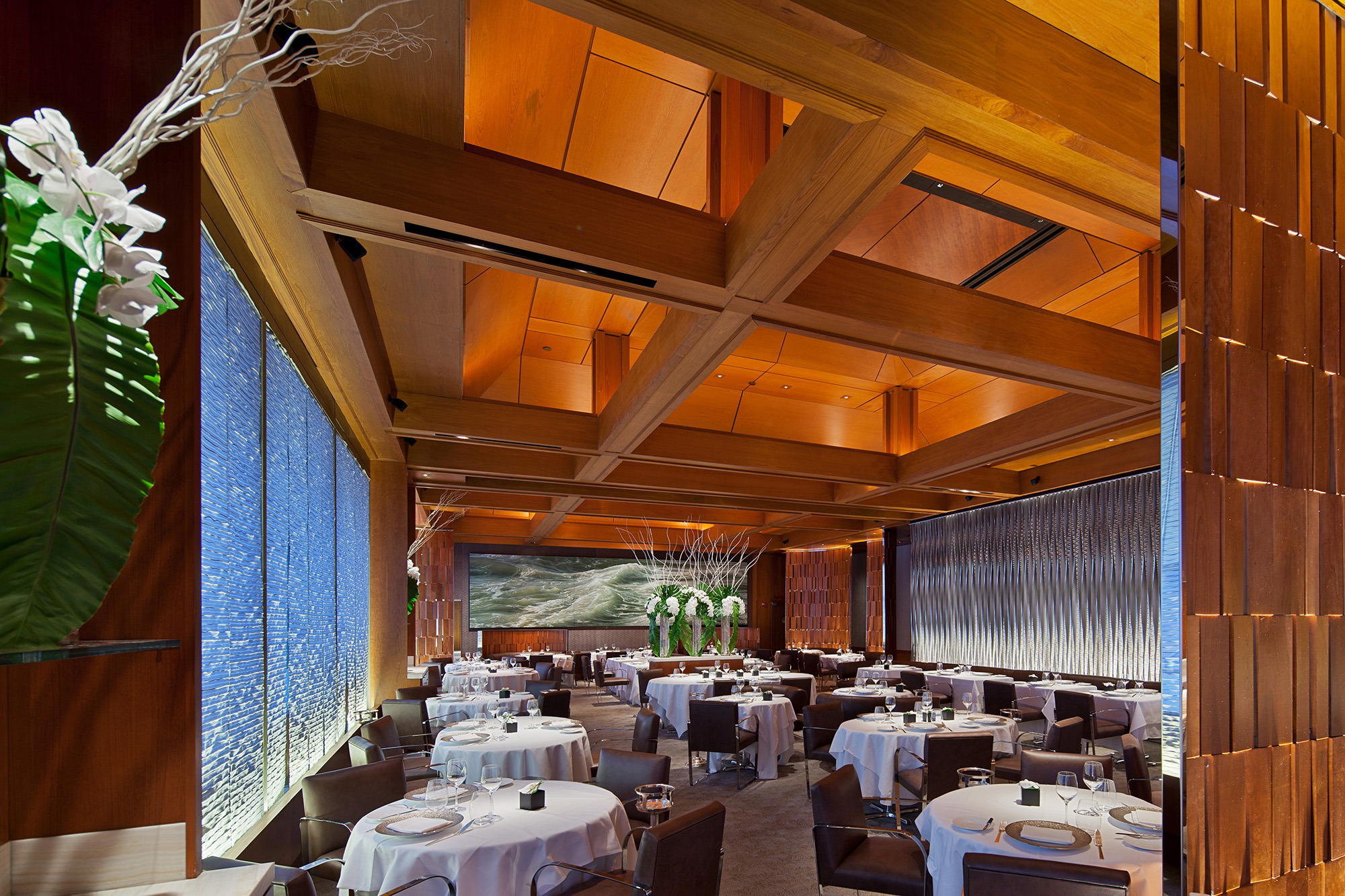
Restaurants in New York City
Browse all →
Bars in New York City
Browse all →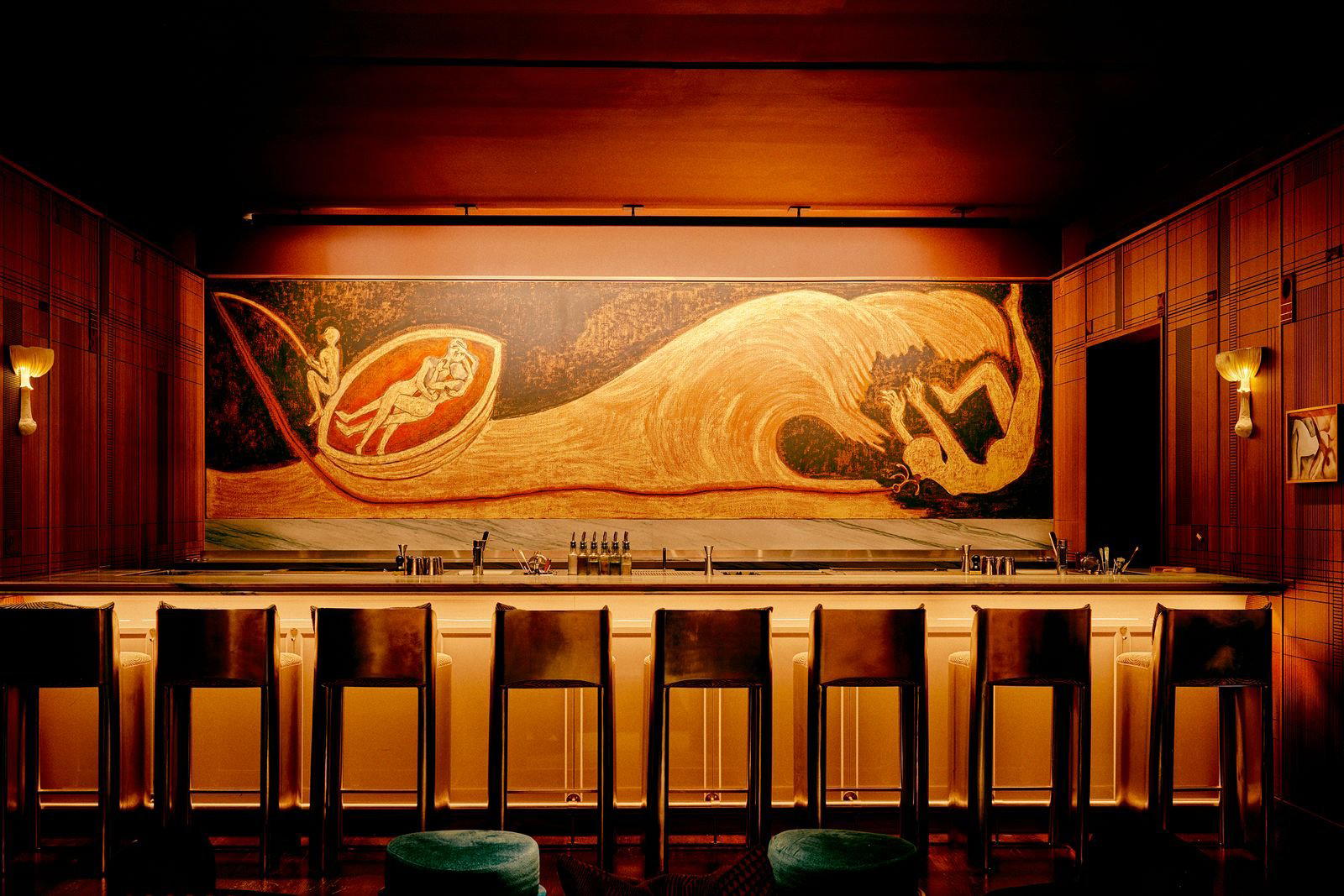
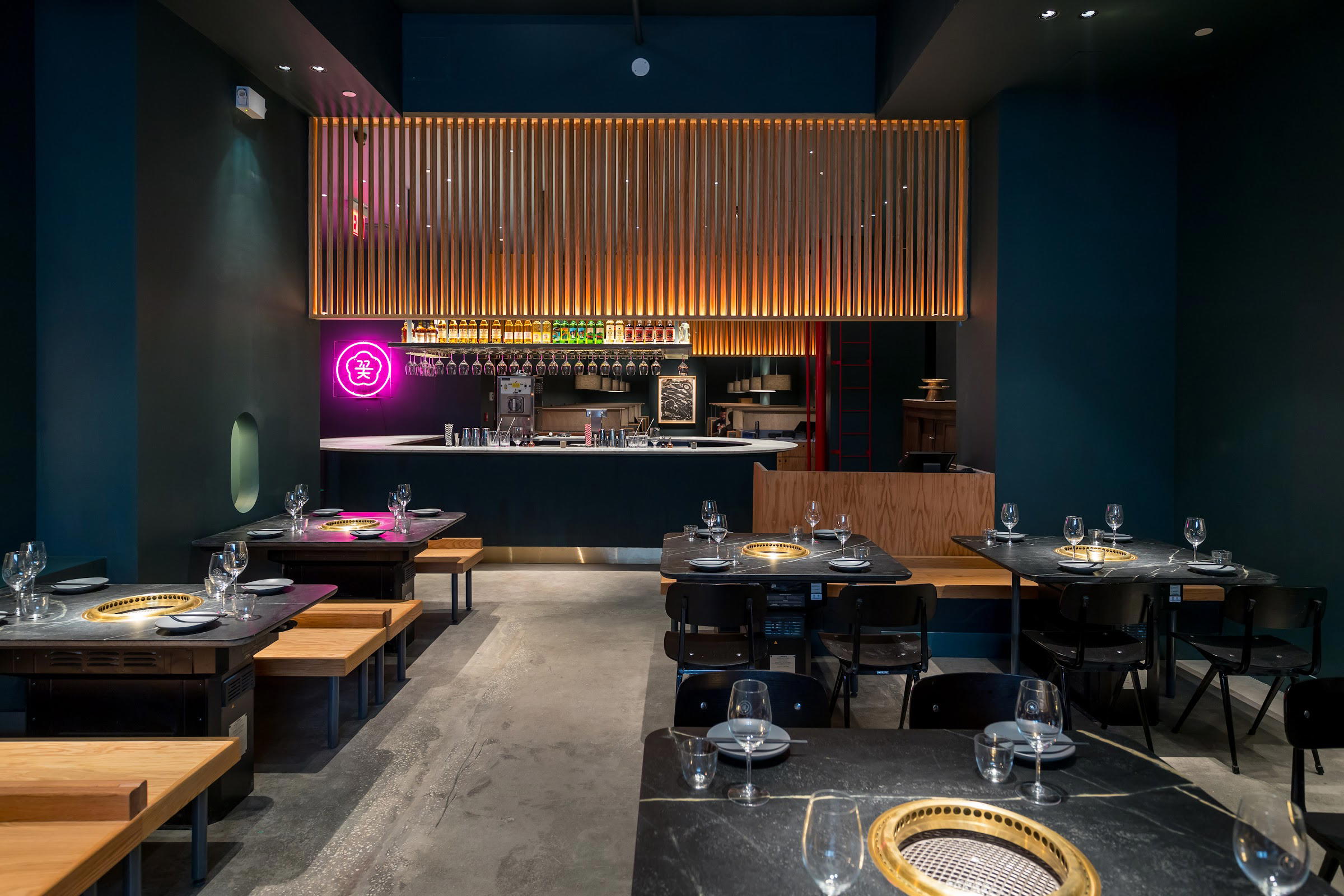

Hotels in New York City
Browse all →






At a Glance
- Cozy
- Elegant
- Date Night
- Casual Hangout
- Brunch
- Private Dining
- Extensive Wine List
Current opening hours
- Monday
- 11:30 AM–10 PM
- Tuesday
- 11:30 AM–10 PM
- Wednesday
- 11:30 AM–10 PM
- Thursday
- 11:30 AM–10 PM
- Friday
- 11:30 AM–11 PM
- Saturday
- 11:30 AM–11 PM
- Sunday
- 11:30 AM–10 PM
Hours can change for holidays and private events. Last verified .
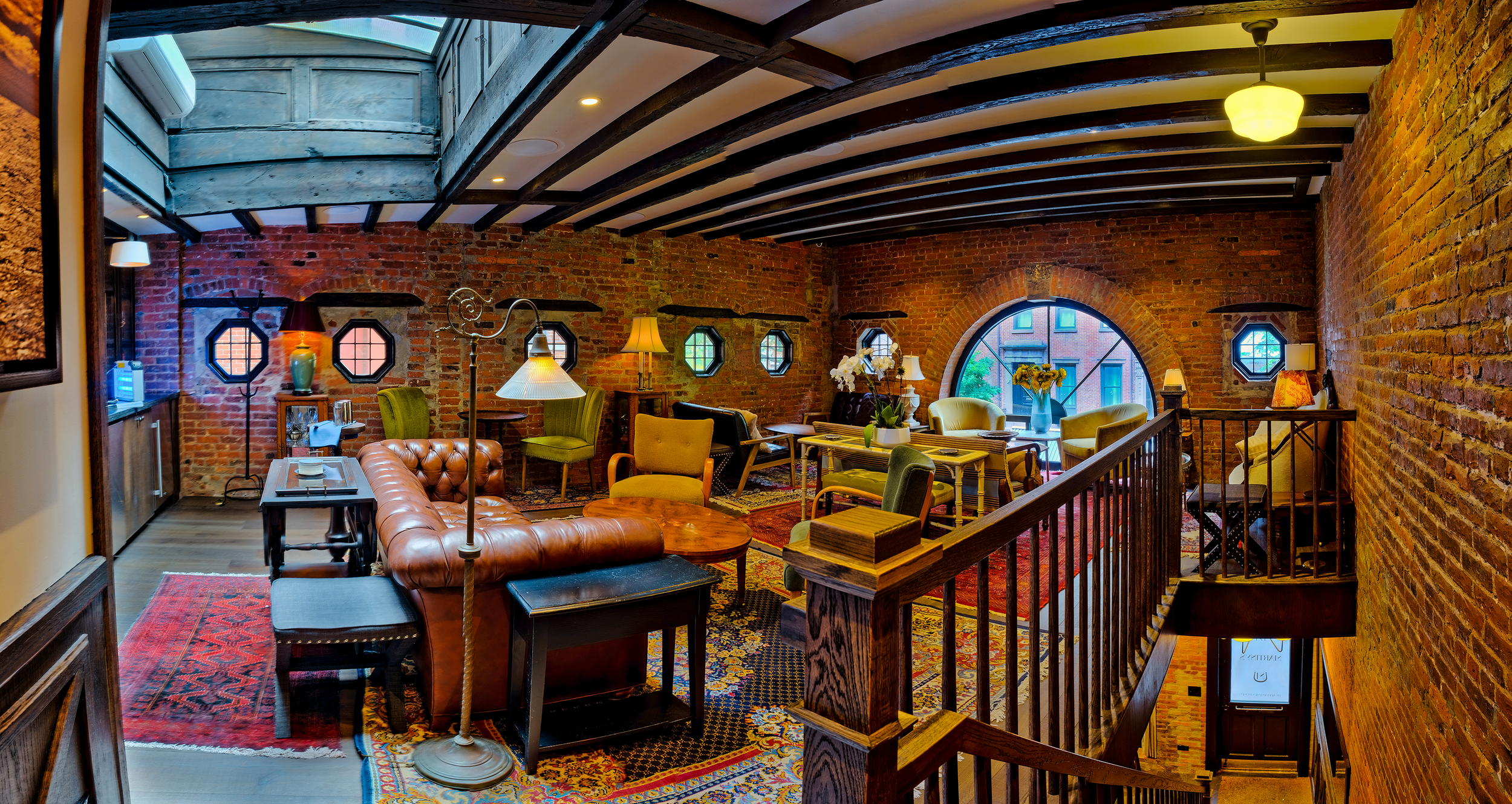
Small, cozy space with brick walls, large windows, warm lighting, bustling yet charming atmosphere.