Lulu’s
On Railton Road in Herne Hill, Lulu's operates as a deli and wine bar in a part of south London where neighbourhood dining has quietly developed its own register, distinct from the destination-restaurant circuit. The format trades on accessibility and informality, sitting comfortably outside the tasting-menu tier occupied by venues like CORE by Clare Smyth or The Ledbury. It is the kind of place that earns its place through daily utility rather than occasion dining.
Pearl is the En Primeur Club membership app — saves, bookings, and concierge access live there. Same editors, same standards.
- Address
- 291 Railton Rd, London SE24 0JP, United Kingdom
- Website
- lulus.london
- Directions
- Get directions
 Saves & bookings on Pearl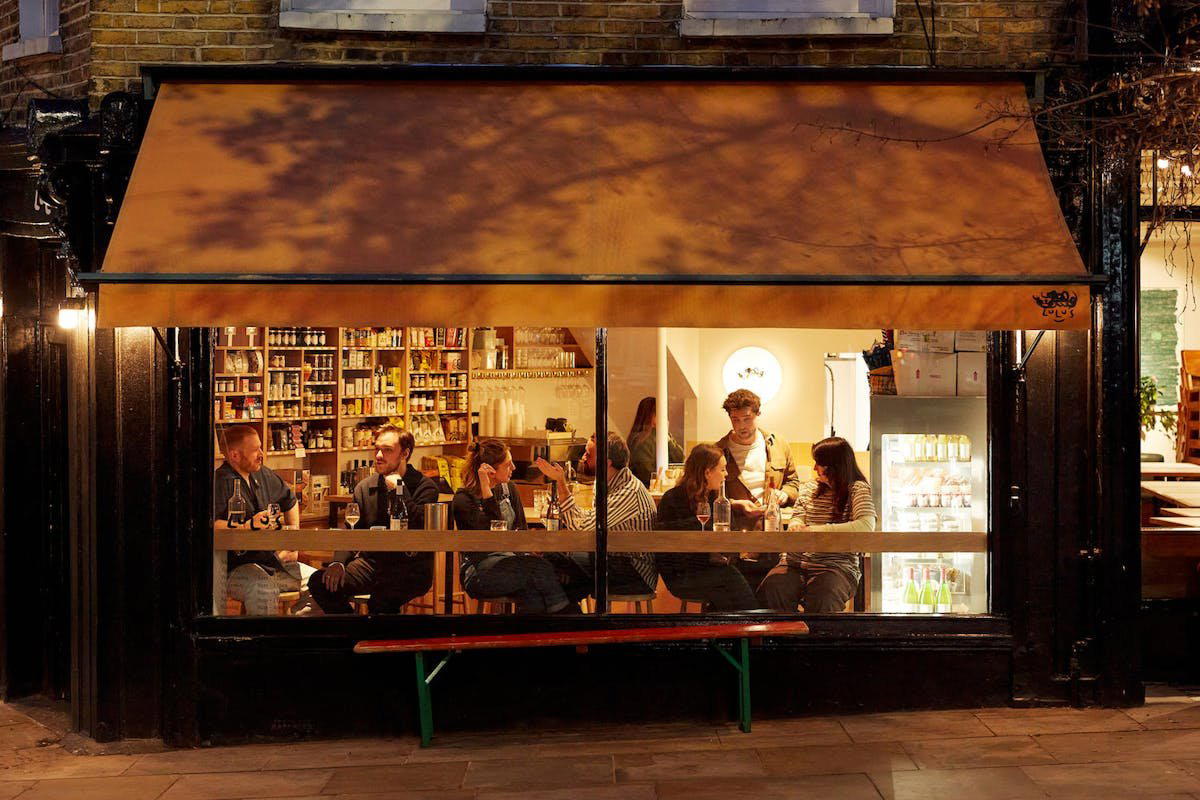
Railton Road and the South London Neighbourhood Format
Lulu’s is a restaurant in Herne Hill, London, serving Modern European Small Plates in a casual, walk-in-friendly setting. Brixton is a short walk south, Dulwich to the east, and the area has historically been written about in terms of regeneration rather than gastronomy.
London's neighbourhood dining scene has bifurcated over the past decade. On one side, ambitious locals have pitched themselves directly against central London's fine-dining tier, drawing critics south of the river in a way that was unusual fifteen years ago. On the other, a quieter category of wine bars and delis has consolidated around daily-use propositions: good bottles at honest prices, counter food that suits a Tuesday evening, and a floor staff who know the regulars. Lulu's at 291 Railton Road belongs to that second category, and in the current London context, that category has genuine critical weight.
What the Deli-Wine Bar Format Signals
The deli and wine bar format has spread across European cities with enough consistency to read as a distinct genre. It draws from the Parisian cave à manger tradition, from the informal wine counters of natural wine-focused cities like Copenhagen and Vienna, and from the Italian enoteca model, where the bottle selection and the food function at equal status. In London, the format arrived fitfully through the 2010s, gained credibility as the natural wine movement matured, and is now established enough that a venue operating in this register is making a deliberate positioning choice rather than defaulting to it.
What that choice implies: the wine list is likely to be the primary editorial statement, with food designed to complement rather than lead. Producers from less canonical regions often appear alongside recognisable names. By-the-glass pours carry more weight than at a conventional restaurant, because the format invites grazing and exploration rather than a structured meal with a single paired bottle. Venues that execute this well, whether in Herne Hill, Hackney, or across comparable cities like Glasgow's Corner Shop or Franc in Canterbury, tend to build a loyal local following faster than most conventional restaurant formats, because the proposition is repeatable rather than occasional.
Herne Hill's Place in London's Dining Geography
Understanding Lulu's requires understanding Herne Hill's position in the city. It is not a neighbourhood associated with the kind of financial and media density that has historically driven London's premium dining. Fitzrovia, Mayfair, and Chelsea carry that weight; the south London addresses that appear in critical coverage tend to be Bermondsey, Peckham, or the fringes of Brixton. Herne Hill sits slightly apart from that conversation, which gives a well-run local venue more room to define the terms of its own reputation.
The comparison with Parisian arrondissement logic is instructive. In Paris, a wine bar in the 11th or 20th carries a different set of associations than one in the 6th, not because the quality differs, but because the neighbourhood shapes the expectation, the crowd, and the cultural register. A good cave à manger in Ménilmontant is not trying to be a Marais address; its value is precisely its embeddedness in a residential, everyday context. The same logic applies here. A deli and wine bar on Railton Road is not positioning against Sketch's Lecture Room or Restaurant Gordon Ramsay in Chelsea; it is competing for a different occasion and a different kind of loyalty entirely.
That distinction also matters for visitors. Herne Hill is accessible by Thameslink rail from London Bridge and Blackfriars, placing it within direct reach of central London, and the area around Herne Hill station has a concentration of independent food and drink that rewards an afternoon or evening rather than a single stop. Lulu's reads well as part of that kind of visit: not an occasion destination, but a place that earns its keep through the quality of the daily offer.
The Competitive Context
For readers who follow London dining closely, Lulu's occupies a tier several steps removed from the city's Michelin-decorated end. CORE by Clare Smyth, The Ledbury, and Dinner by Heston Blumenthal represent London's highest-investment, highest-ceremony dining tier. The relevant comparable set is the city's neighbourhood wine bars and counter-service bistros: places where the emphasis is on approachability, repeat visits, and a list that rewards curiosity without demanding expertise.
Internationally, the format translates across cities with strong neighbourhood food cultures. Le Bernardin in New York and Atomix anchor the city's formal dining tier in the same way London's Michelin addresses do; the neighbourhood wine bar and deli format sits at the other end of the formality spectrum in both cities. In San Francisco, Lazy Bear represents the high-investment communal-dining model; the equivalent of Lulu's would be the kind of place that fills up on a Wednesday because it is three blocks from home.
Further afield, the editorial logic of placing a neighbourhood format in its geographic and cultural context applies equally to The Highland Laddie in Leeds, venues like Atelier Moessmer in Brunico operating in a regionally embedded tradition, or Dal Pescatore in Runate where the rural setting shapes the entire proposition. The principle holds across formats: where a venue sits tells you a great deal about what it is for.
Know Before You Go
- Address: 291 Railton Rd, London SE24 0JP
- Format: Deli and wine bar / bistro
- Neighbourhood: Herne Hill, south London
- Getting there: Herne Hill station (Thameslink) is the nearest rail stop, with services from London Bridge and Blackfriars
- Awards: None on record
- Booking: Walk-ins are welcome.
- Price range: Moderate.
- Hours: Tue 8 AM-4 PM; Wed-Fri 8 AM-4 PM, 6-11 PM; Sat 9 AM-4 PM, 6-11 PM; Sun 9 AM-4 PM; Mon closed.
Price and Recognition
Comparable venues nearby, for context on price, style, and recognition.
| Venue | Cuisine | Price | Notes |
|---|---|---|---|
| Lulu’sThis venue — the venue you are viewing | Brixton, Modern European Small Plates | $$ | Not listed |
| Jago Restaurant | Not listed | $$ | Spitalfields, Mediterranean & Middle Eastern Small Plates |
| The Eagle | Clerkenwell, Mediterranean Gastropub | $$ | Not listed |
| Wilderness Kitchen | Not listed | $$ | St Luke's, Mediterranean-Inspired British |
| Aimer Restaurant | Wimbledon, Mediterranean | $$ | Not listed |
| BABA | Not listed | $$$ | West Brompton, Modern Turkish-Mediterranean |




At a Glance
- Intimate
- Cozy
- Trendy
- Date Night
- Casual Hangout
- Wine Cellar
- Natural Wine
Current opening hours
- Monday
- Closed
- Tuesday
- 8 AM–4 PM
- Wednesday
- 8 AM–4 PM, 6–11 PM
- Thursday
- 8 AM–4 PM, 6–11 PM
- Friday
- 8 AM–4 PM, 6–11 PM
- Saturday
- 9 AM–4 PM, 6–11 PM
- Sunday
- 9 AM–4 PM
Hours can change for holidays and private events. Last verified .
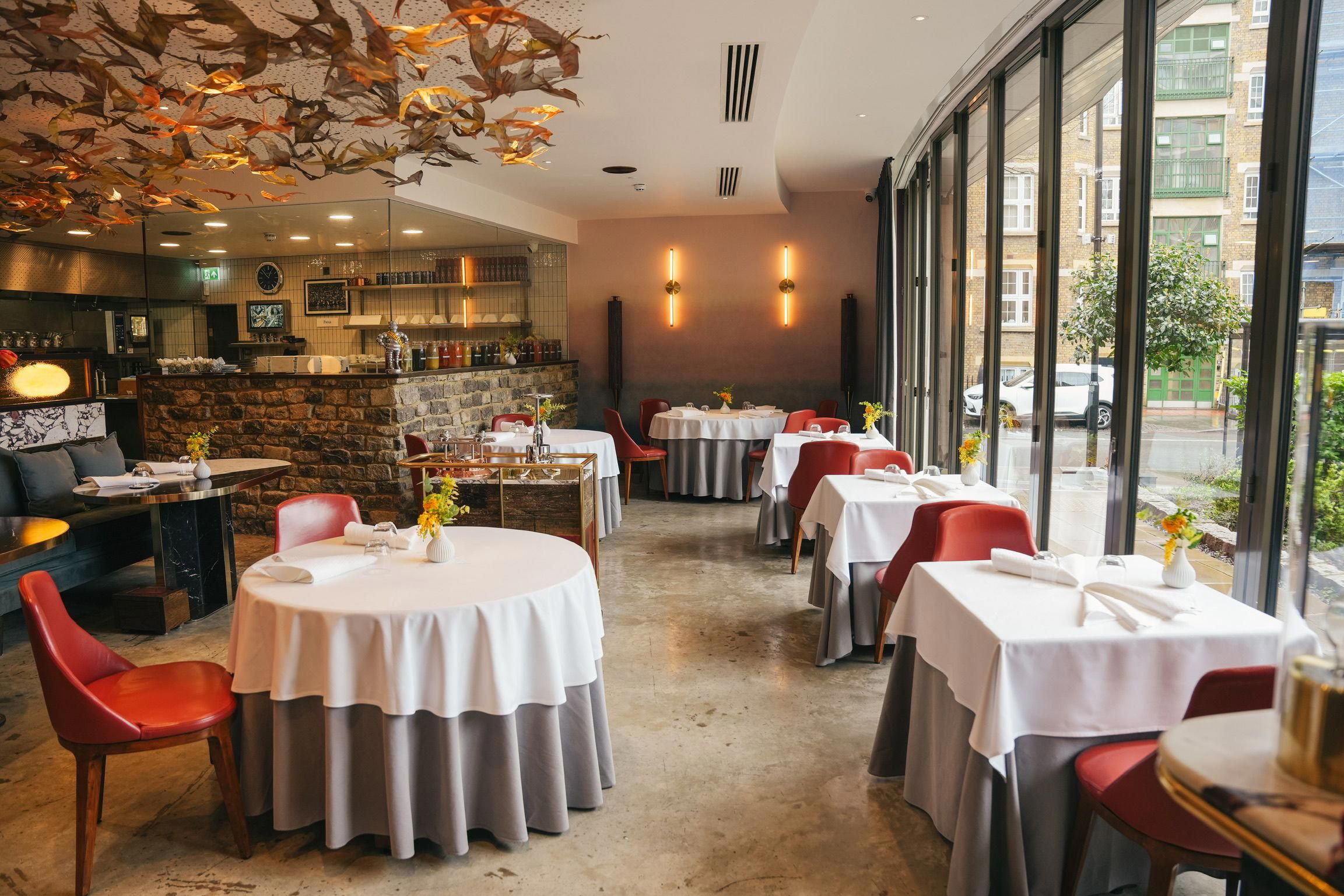
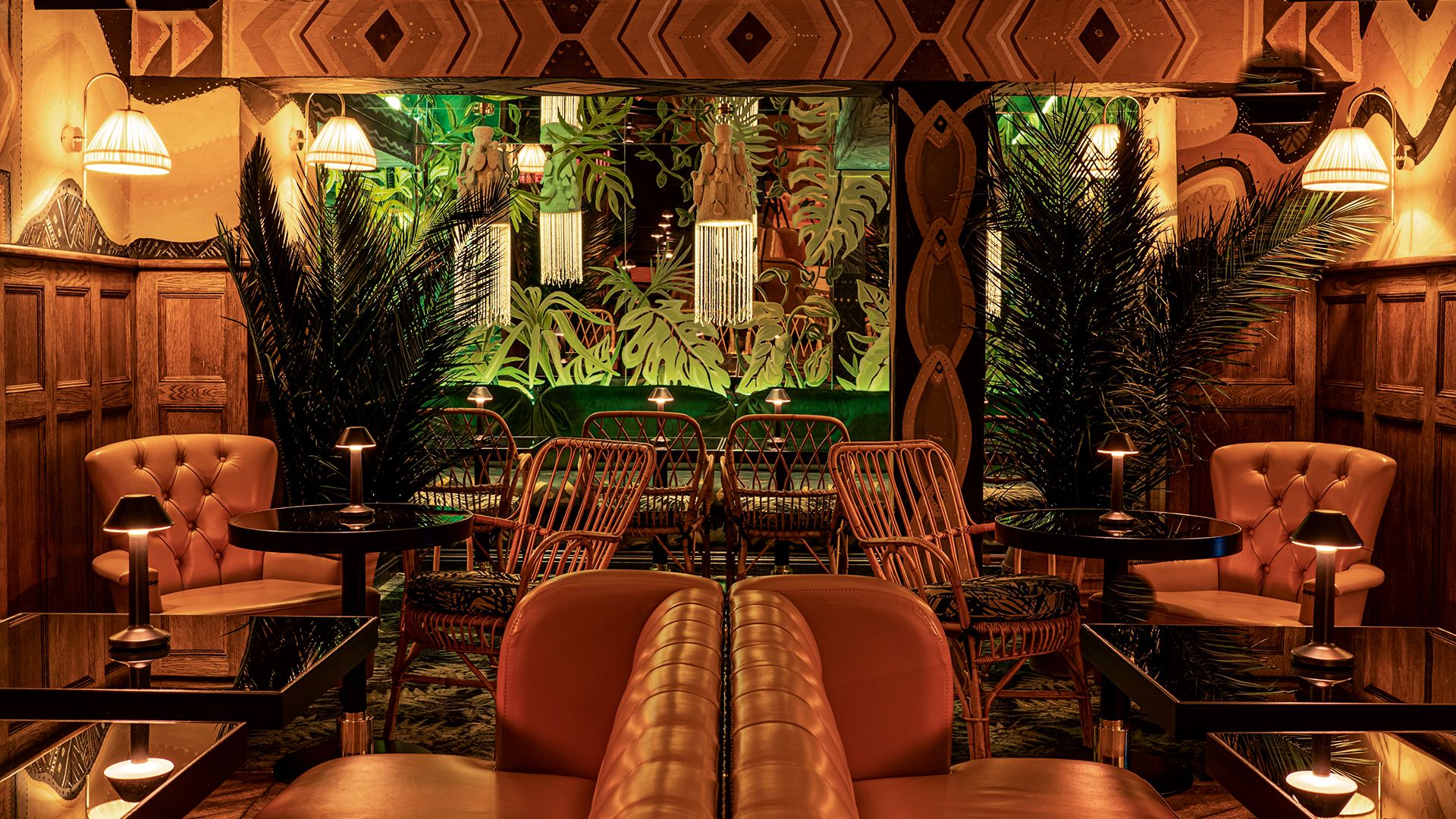
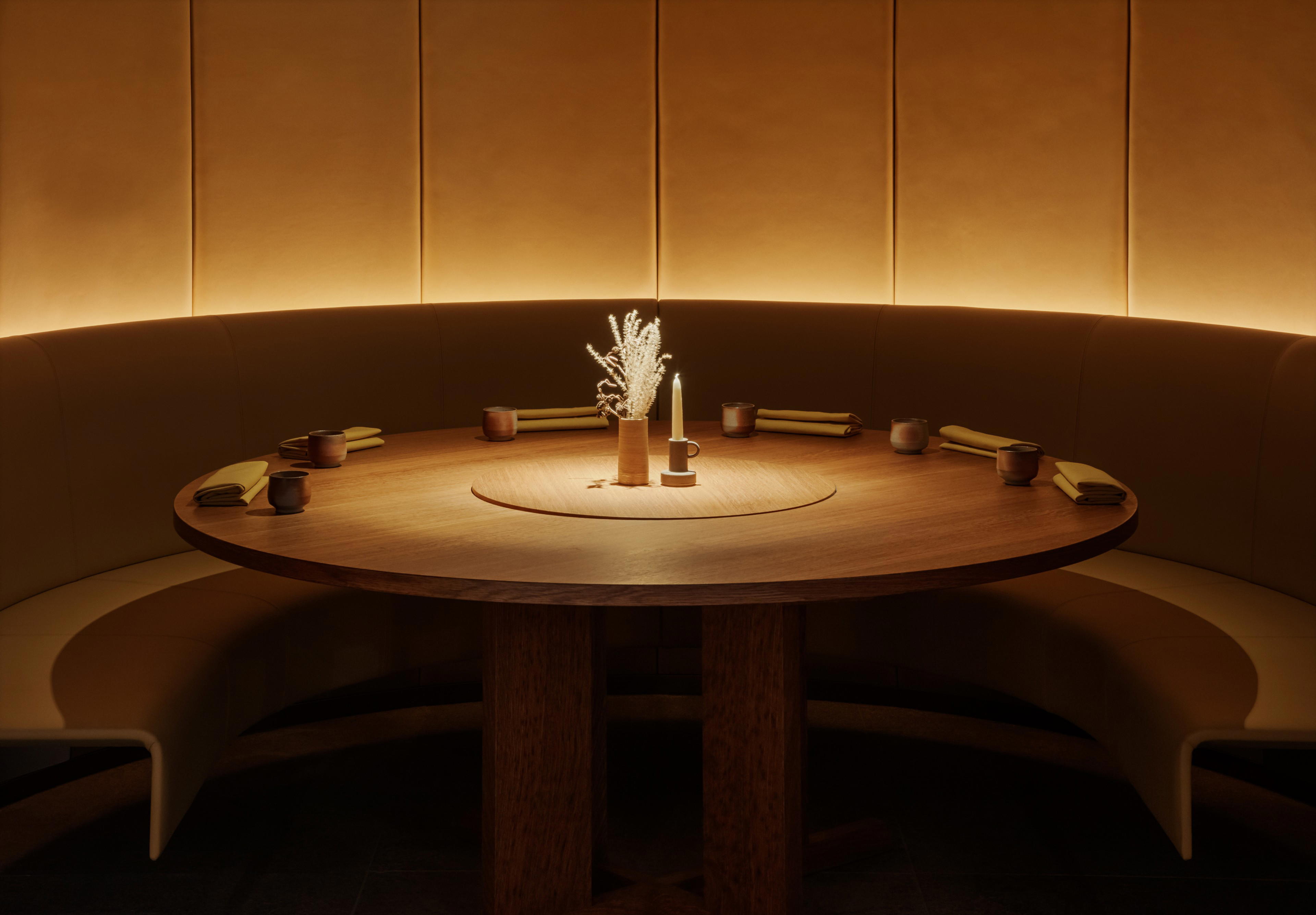
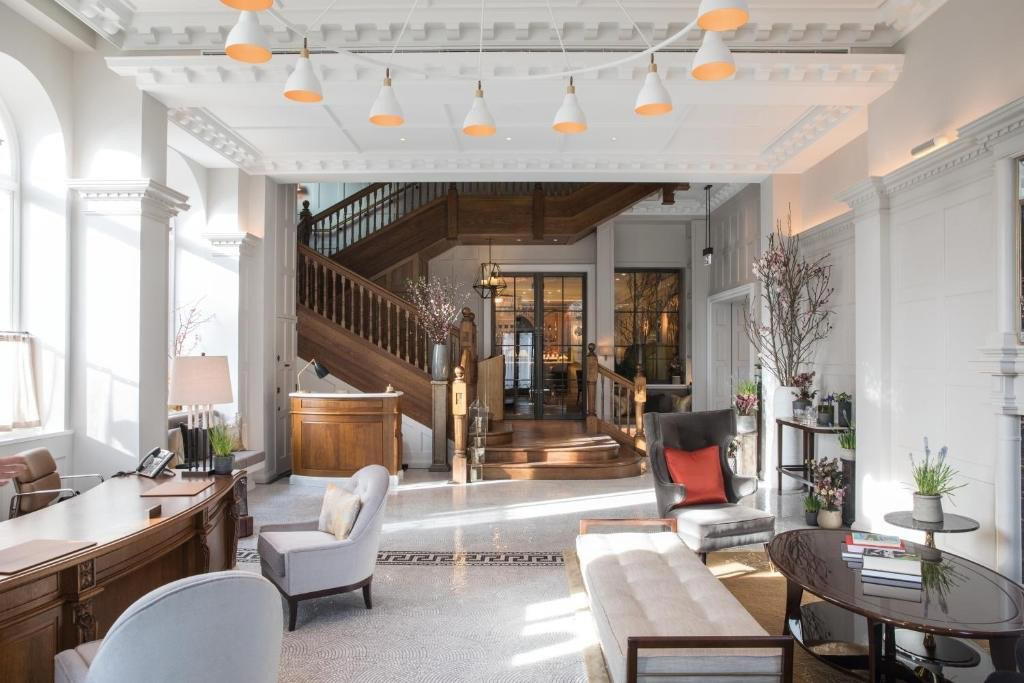
Light-filled bolthole with soaped wood, candlelit, bustling yet intimate atmosphere.