Corner Shop
Our verdict
Glasgow has no shortage of ambition in its dining scene, and Corner Shop brings a Basque sensibility to a city already comfortable with bold, ingredient-led cooking. The small-plates format encourages the kind of table-wide ordering that Basque pintxos culture has always demanded. For anyone mapping the city's more interesting mid-tier options, it belongs in the conversation alongside the wider wave of European regional cooking taking root in Scottish cities.

Pearl is the En Primeur Club membership app, where members save venues, book tables and use the concierge.
The menu
What to order
- Albondiga
- Pan con tomate
- Grilled leeks with romesco
- Monkfish
- Ratte potatoes with aioli
- Tortilla
- Basque cheesecake
The Basque Small-Plates Tradition Arrives in Glasgow
In San Sebastián and Bilbao, the bar-leading ritual of pintxos, slices of bread loaded with anchovy, jamón, or salt cod, eaten standing with a glass of txakoli, is less a dining format than a social infrastructure. When Basque cooking travels north, it tends to shed some of that spontaneity and settle into a more deliberate small-plates model: plates arrive in sequence, the table accumulates dishes, and the meal finds its rhythm through repetition and conversation rather than a single large course. That transplant works particularly well in Glasgow, a city whose dining culture has long favoured conviviality over ceremony. Corner Shop sits in that current, bringing the Basque framework to a Scottish city that already understands how to eat communally and well.
How the Basque Format Shapes an Evening
The small-plates model imported from the Basque Country carries specific expectations about how a meal should move. Dishes are designed to be shared across the table, portion sizes calibrate to two or three bites per person, and the ordering process becomes collaborative by necessity. In the original Basque context, the bar counter does that ordering work for you, you point, you eat, you move on. In a sit-down restaurant format, the equivalent social contract requires a table willing to surrender individual menus in favour of collective appetite. When it works, the evening produces a kind of productive indecision: another round of something already eaten, a detour into a dish nobody expected to like. That rhythm is what separates a genuinely Basque-influenced room from one that simply plates small portions and calls it tapas.
Glasgow's dining scene has absorbed this format across multiple cuisines in recent years. Café Gandolfi in the Merchant City has anchored a certain kind of relaxed, unhurried eating in the city for decades. Newer arrivals like Big Counter have built around counter-led formats that echo the same casual-but-considered ethos. Corner Shop operates in that tradition, though Basque cuisine gives it a distinct regional identity that separates it from the broader European small-plates crowd.
Basque Cooking in a British City
The Basque Country's culinary identity rests on a short list of obsessions: the quality of the primary ingredient, the restraint of the technique, and the premium placed on produce from a defined geography. Salt-preserved fish, grilled meats over live fire, and the rich, deeply reduced sauces of the interior all arrive from a tradition that prioritises flavour concentration over complexity. In the UK, Basque cooking has found a receptive audience precisely because it aligns with the ingredient-first ethos that British cooking has been moving toward for two decades. Franc in Canterbury and The Highland Laddie in Leeds represent how that influence has spread across British cities outside London, where 2210 by NattyCanCook sits within a capital already dense with European regional references.
For comparison with the source tradition, operations like iBAi by Paulo Airaudo in San Sebastián, Aitor Rauleaga in Bilbao, Ama Taberna in Tolosa, and Argi Eder in Ainhoa define the range of what Basque cooking looks like across formality tiers in its home region. At the other end of the geographic spectrum, Arima Basque Gastronomy in Madrid shows how the cuisine performs when exported to a capital with its own dominant food culture. Corner Shop's Glasgow context is different again: a city with strong Scottish produce credentials, a growing appetite for European regional cooking, and a price sensitivity that shapes how ambitious a kitchen can afford to be.
Where Corner Shop Sits in Glasgow's Dining Structure
Glasgow's restaurant scene has been operating on two distinct registers for some years. At the formal end, Michelin-recognised addresses like Cail Bruich and Unalome by Graeme Cheevers represent the city's tasting-menu tier, where long bookings, wine flights, and a certain ceremony define the experience. Below that, a more active mid-tier has developed around independent operators working with sharper price points and less structured formats. Brett sits in that middle ground with its Modern British approach. Corner Shop occupies a comparable position through a different cuisine lens: Basque cooking at accessible prices, in a format that invites iteration rather than reverence.
That mid-tier position matters in Glasgow more than in some other British cities. Dining spend here tracks differently to London, and the restaurants that have built sustained reputations have generally done so by pricing for the room rather than against a metropolitan benchmark. A Basque small-plates format suits that structure well, dishes arrive incrementally, the bill builds in relation to appetite and appetite alone, and the table retains control of pace and spend in a way that a fixed tasting menu does not allow.
Planning Your Visit
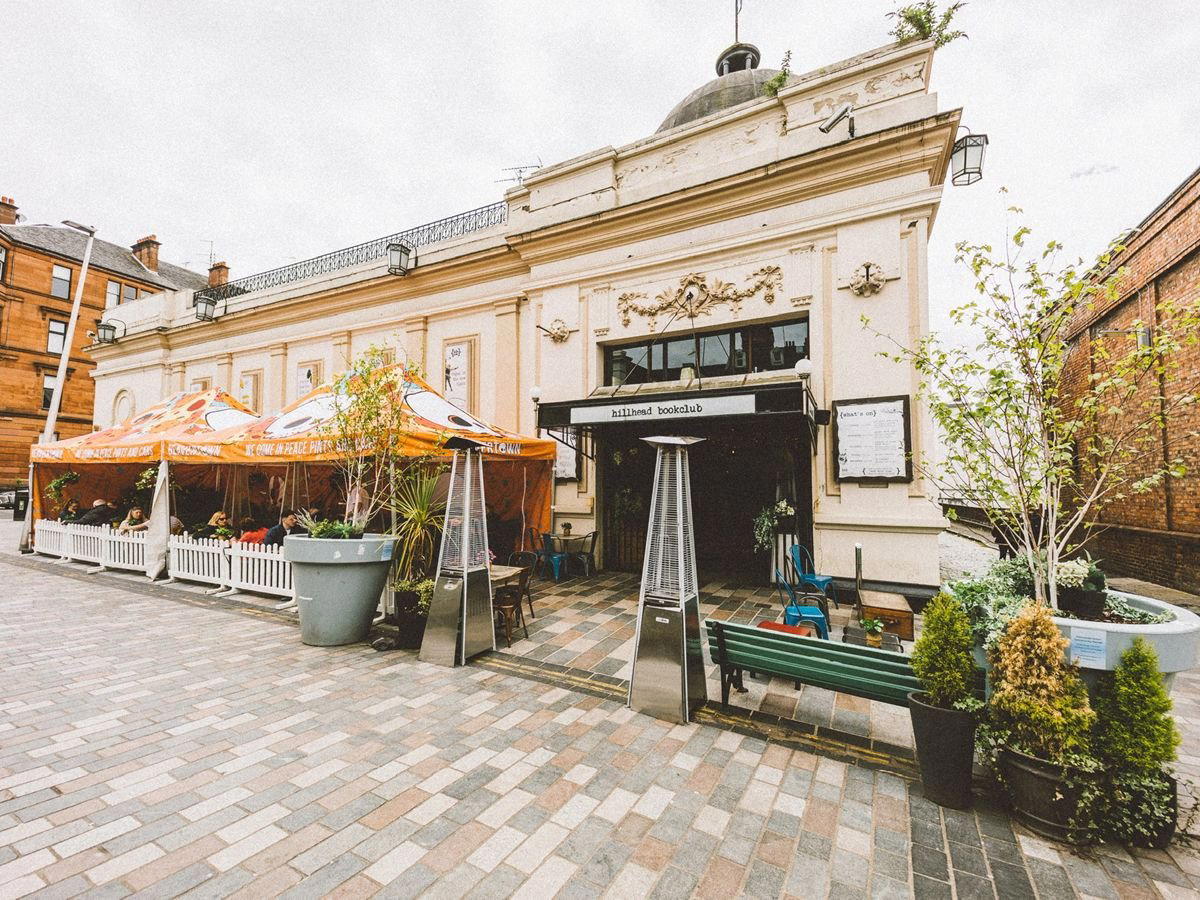
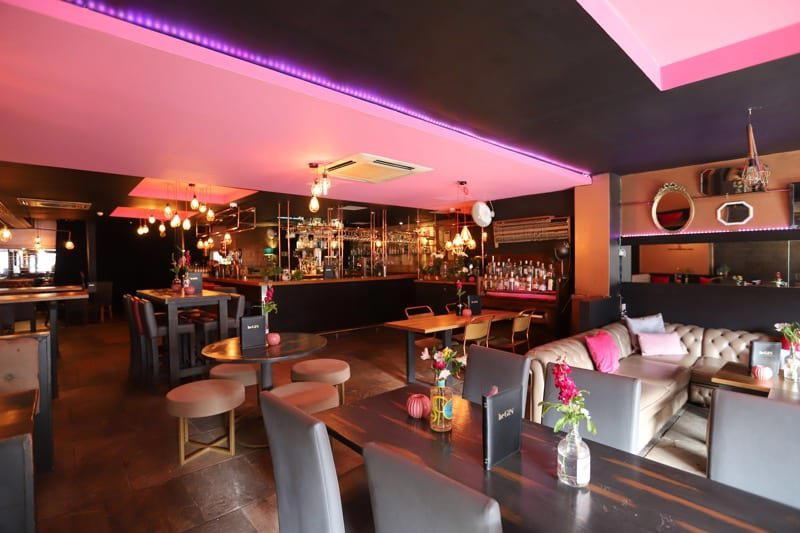
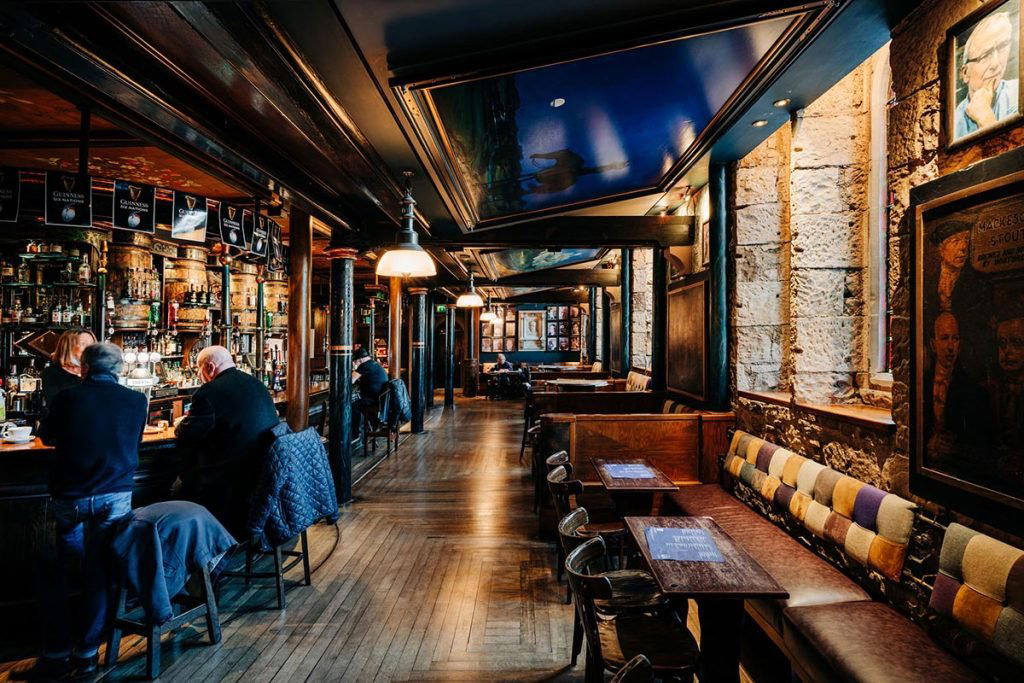
Glasgow's broader dining and hospitality infrastructure is covered in detail across the EP Club city guides: our full Glasgow restaurants guide places Corner Shop in the context of the city's wider table, while the Glasgow bars guide covers the pre- or post-dinner drink options across neighbourhoods. For visitors staying in the city, the Glasgow hotels guide maps the accommodation tiers, and those interested in the wider cultural programme will find relevant options in the Glasgow experiences guide. Glasgow's wine retail and producer landscape, modest but growing, is documented in the Glasgow wineries guide.
As with most independent operators in this segment, booking ahead is the more reliable approach, particularly Thursday through Saturday evenings when the city's mid-tier fills quickly. The Basque format rewards arriving without a fixed plan for how much to order, the better approach is to start with two or three plates and reassess, which is how the tradition is designed to work.
Frequently asked questions
Is Corner Shop okay with children?
The Basque small-plates format at Corner Shop is inherently informal, dishes arrive as they're ready, portions are shared, and the pace is self-directed rather than structured around a fixed menu sequence. That informality suits families with older children comfortable eating adventurously. For younger children, the counter-bar atmosphere and sharing-plate rhythm tend to work better as an early-evening option rather than a late sitting.
Is Corner Shop better for a quiet night or a lively one?
The Basque pintxos model, with its bar-top origins in San Sebastián and Bilbao, is not designed for quiet evenings, it's a format built around conversation, grazing, and repeat ordering rather than long, contemplative tasting sequences. Corner Shop sits within Glasgow's mid-register dining scene, where the emphasis is on energy and informality rather than the hush of a formal room. Plan for a lively atmosphere, particularly as the evening progresses.
How does Corner Shop differ from other Spanish or tapas restaurants in Glasgow?
Corner Shop's focus is specifically Basque rather than broadly Spanish, which is a meaningful distinction: the Basque Country has a culinary identity separate from the wider Spanish tapas tradition, built on different primary ingredients and a more restrained technique. In Glasgow's dining structure, that places Corner Shop alongside venues that have imported a specific regional model rather than a generalised Mediterranean approach. It is the Basque format itself, pintxos, shared plates, produce-led cooking, that defines what the kitchen is doing, not Spanish cuisine at large.
What do regulars order at Corner Shop?
Corner Shop's menu draws from the Basque tradition, which centres on a short roster of primary ingredients handled with restraint: anchovies, salt cod, cured meats, and dishes built around produce quality rather than elaborate technique. Regulars at Basque-format venues tend to return for the items that demonstrate that restraint most clearly, typically the fish-led options and any pintxos that hold to the original bar-top idiom. Specific current dishes are best confirmed directly with the restaurant.
Comparable Venues
Comparable venues nearby, for context on price, style, and recognition.
| Venue | Cuisine | Price | Awards | Notes |
|---|---|---|---|---|
| Corner ShopThis venue (the venue you are viewing) | Basque & Catalan Tapas | $30–50 | Not listed | Not listed |
| Rogano | Classic Scottish Seafood | Not listed | Not listed | Anderston/City/Yorkhill |
| Gloriosa | Pan-Mediterranean Seasonal Small Plates | $50–100 | SquareMeal UK Top 100 Restaurants #89 | Anderston/City/Yorkhill |
| Afrikana Restaurant Glasgow - Sauchiehall St | African Grill & Comfort Food | $20–30 | Not listed | Anderston/City/Yorkhill |
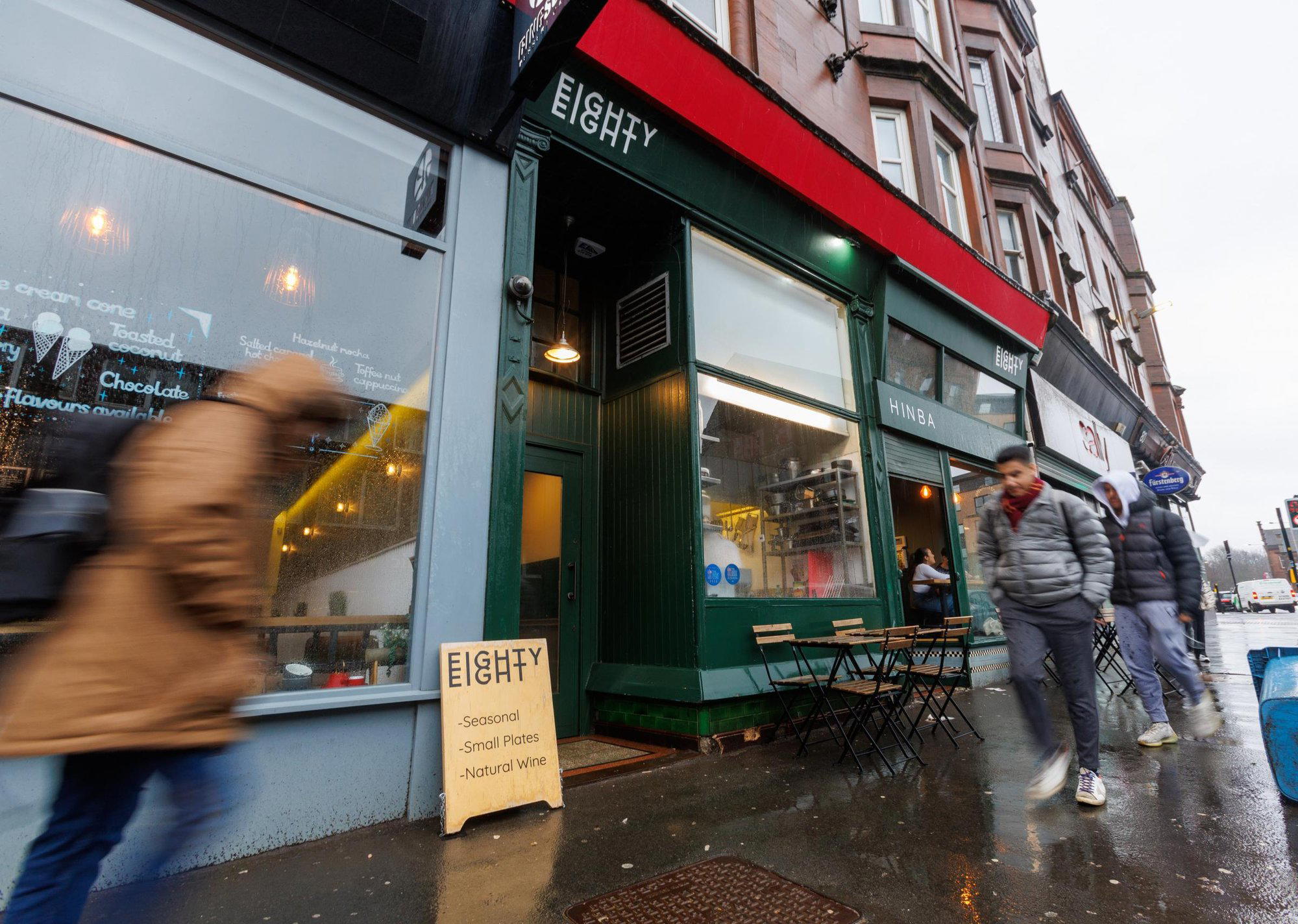
| Eighty Eight | Modern Scottish Small Plates | $30–50 | The Good Food Guide GFG Good | Partick East/Kelvindale |
| Sebb's | Modern Global Fire-Grilled Small Plates | $20–30 | Michelin Bib Gourmand | Anderston/City/Yorkhill |
Continue exploring
More in Glasgow
Restaurants in Glasgow
All restaurants in Glasgow →
Bars in Glasgow
All bars in Glasgow →
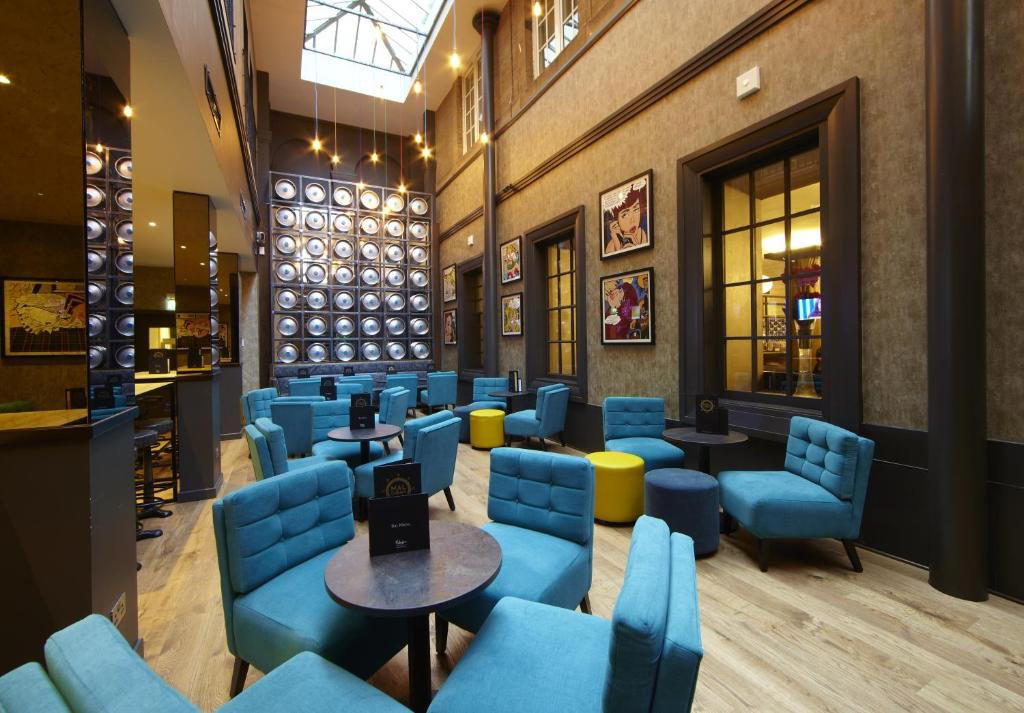
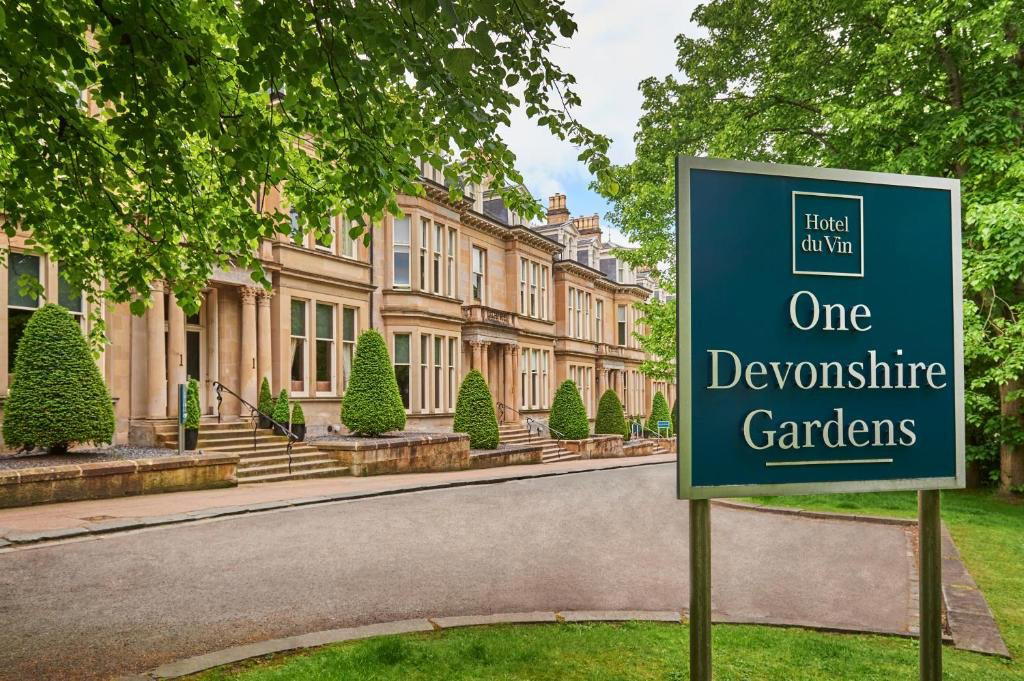
Hotels in Glasgow
All hotels in Glasgow →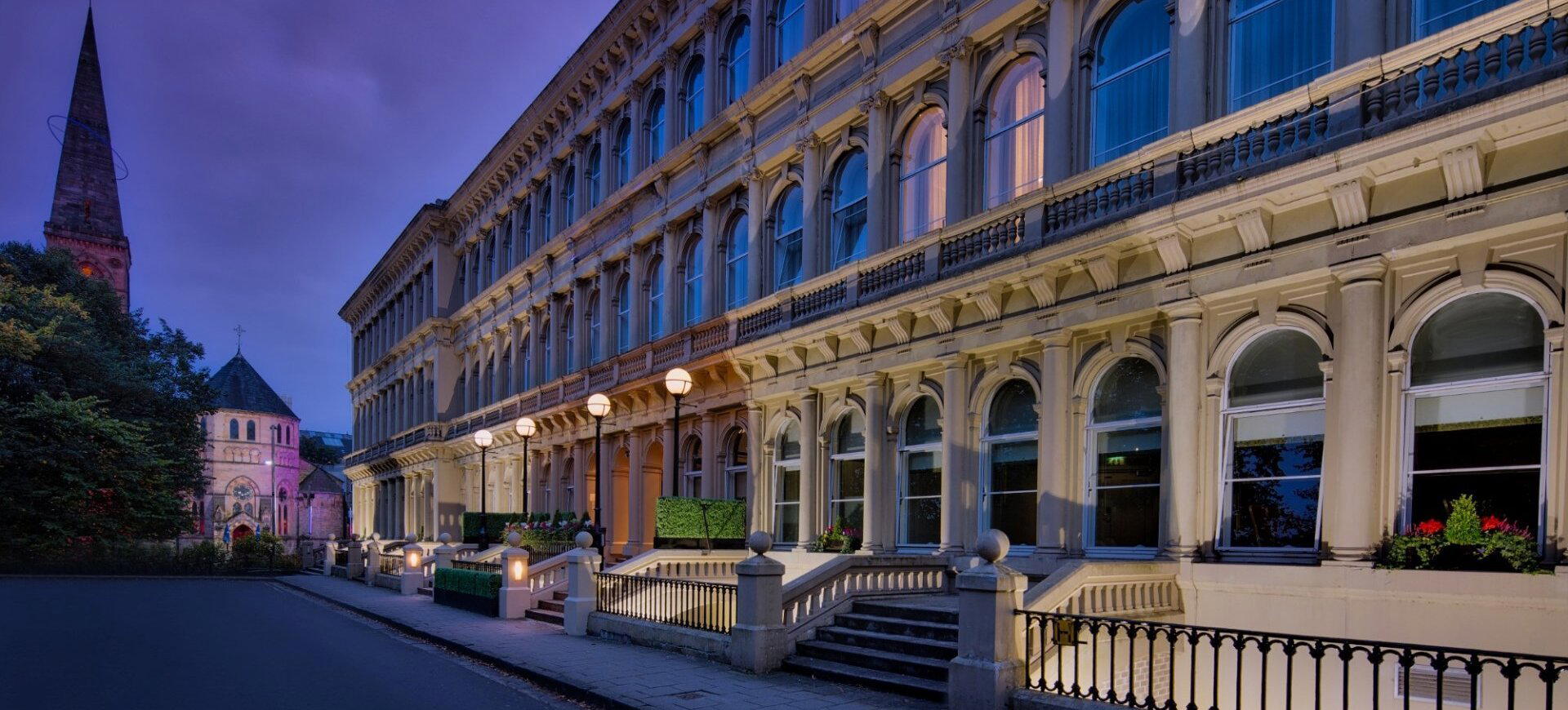


Wineries in Glasgow
Browse all →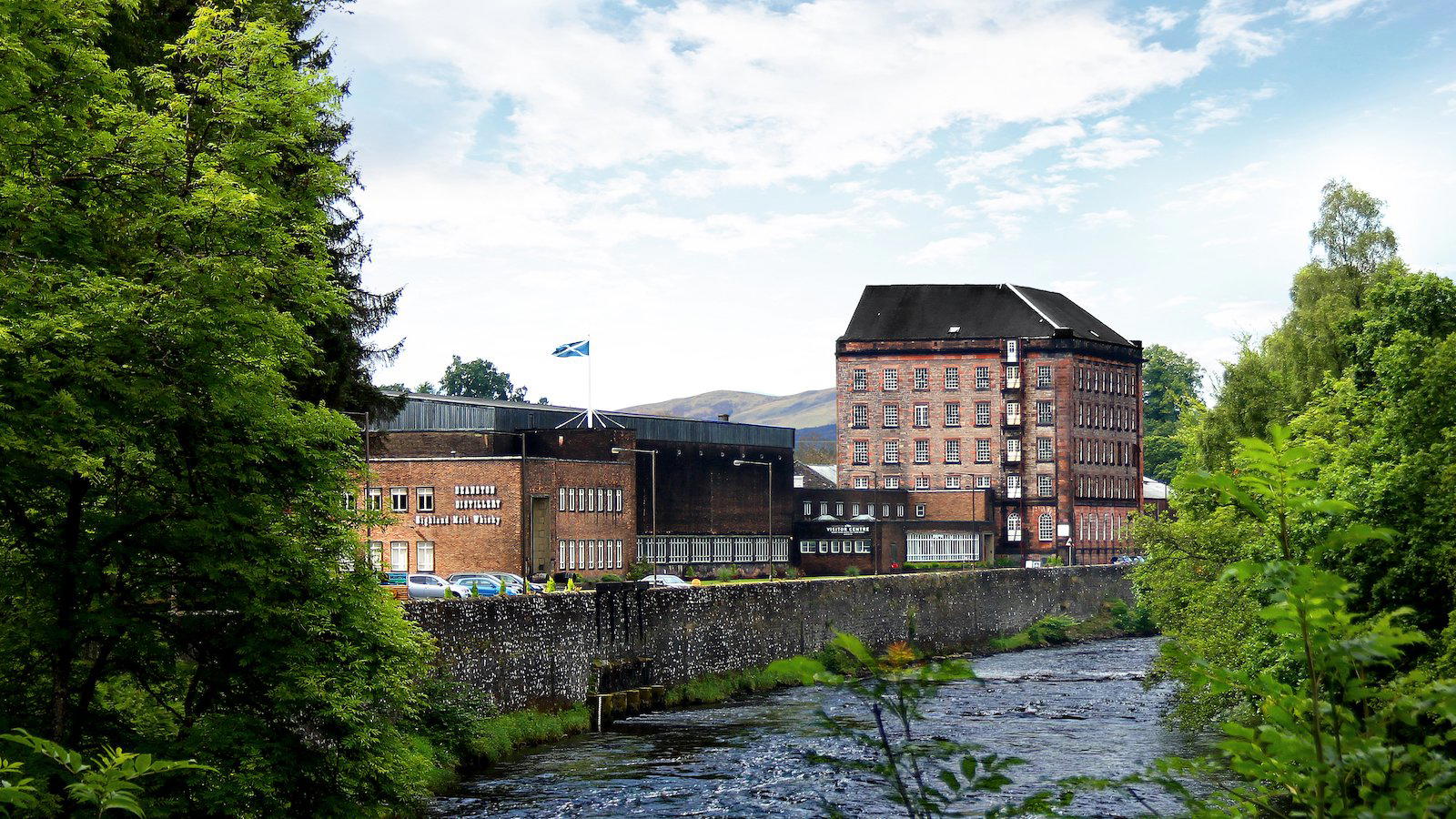
Details
- Trendy
- Modern
- Intimate
- Elegant
- Date Night
- Casual Hangout
- Group Dining
- Open Kitchen
- Design Destination
- Standalone
- Extensive Wine List
- Natural Wine
- Local Sourcing
- Small Plates
- A La Carte
- Wine
- Cava
- Vegetarian Friendly
- Pescatarian Friendly
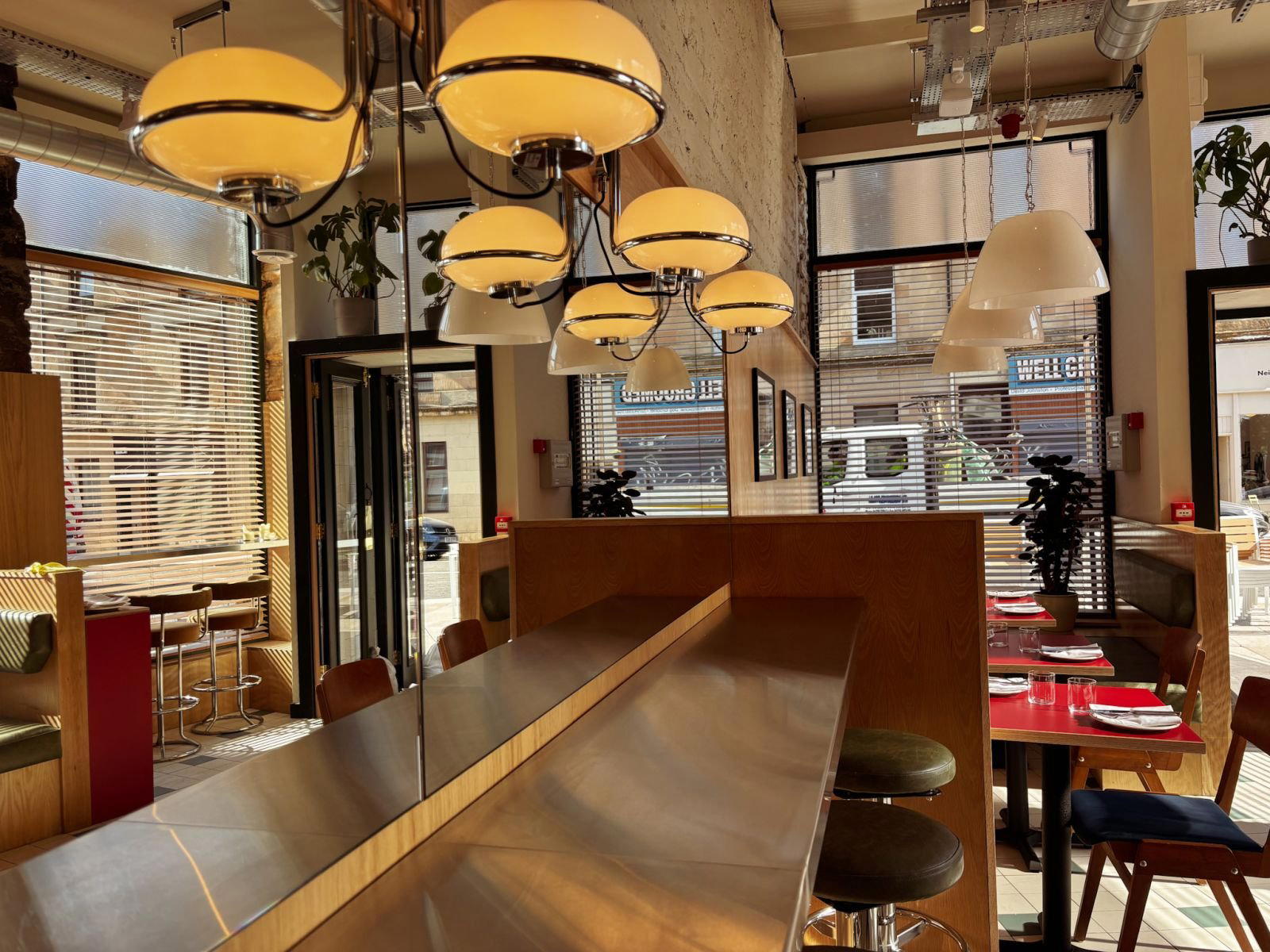
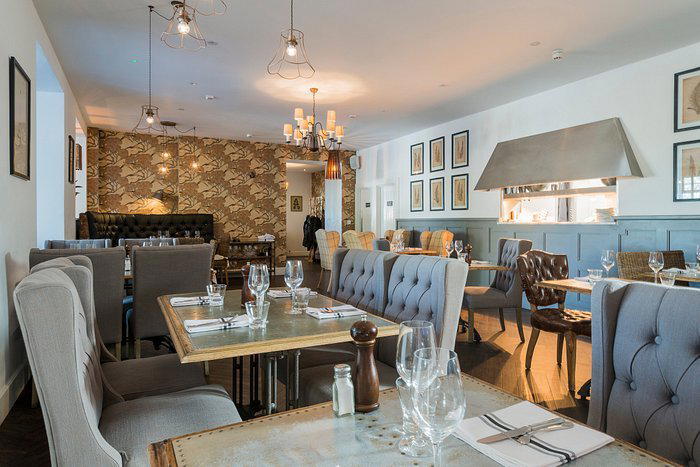
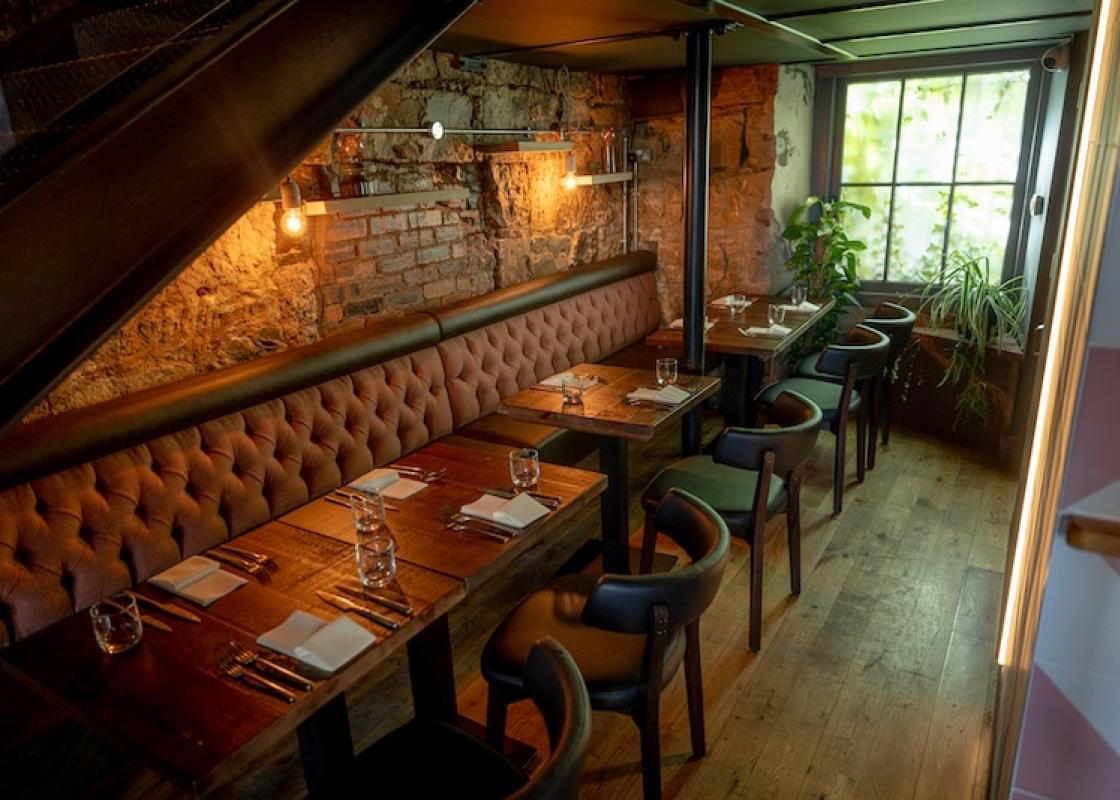
Bright, clean, and minimalist aesthetic with crisp geometric shapes, pale wood finishes, white-painted brick walls, pale square tiles, red Formica tables, and green leather booths; natural light streams through large windows; open kitchen visible at back; lighting noted as somewhat bright.