Franc

Michelin Plate
Our verdict
Canterbury's French dining scene is small enough that Franc carries real weight within it. The restaurant brings classical French cooking to a city better known for its cathedral and heritage tourism than serious gastronomy, placing it in a niche that rewards visitors willing to look beyond the obvious. For those tracing the city's quieter culinary ambitions, it belongs on the shortlist alongside The Goods Shed.

Pearl is the En Primeur Club membership app, where members save venues, book tables and use the concierge.
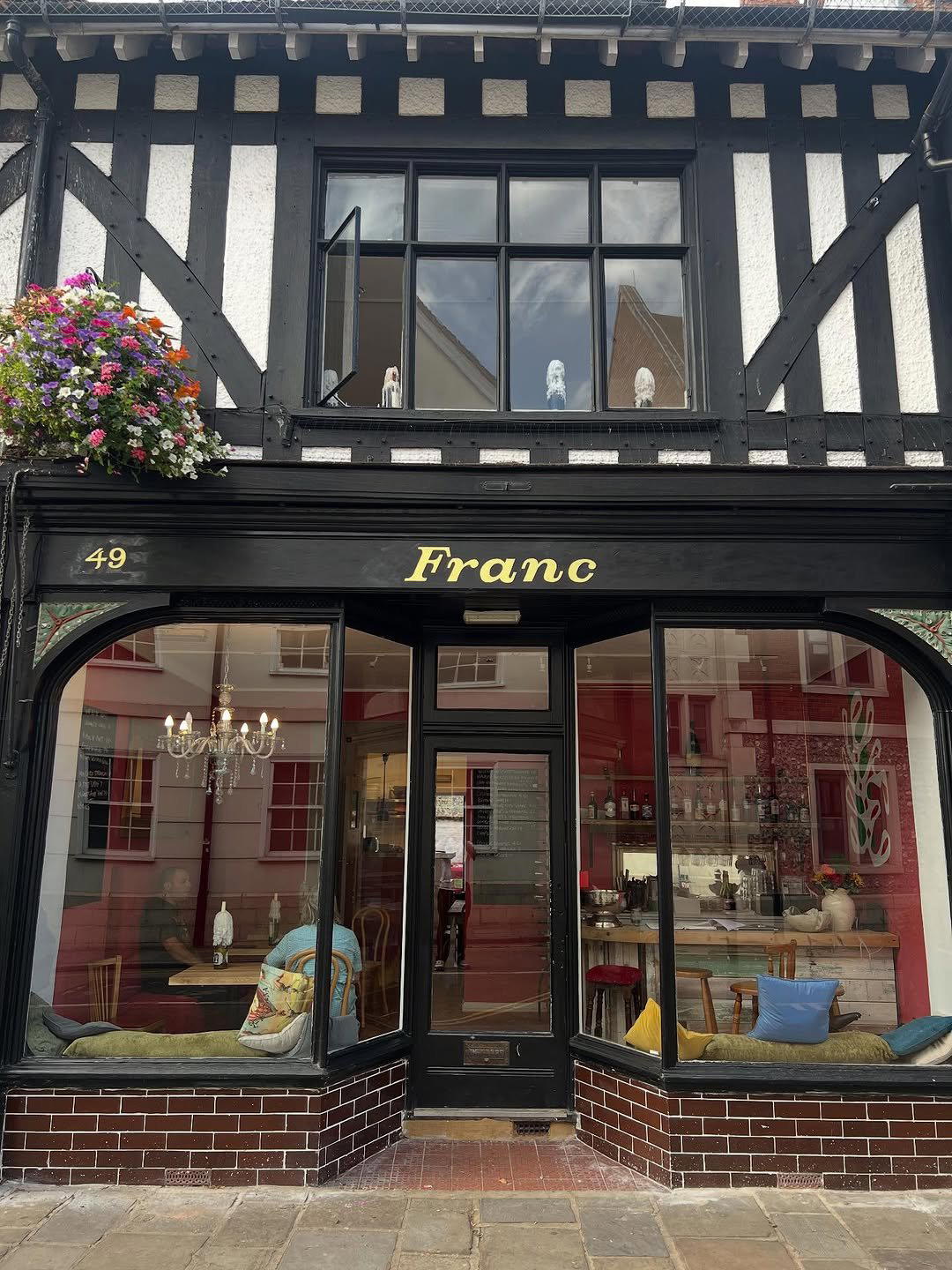
The menu
What to order
- Chocolate marquise
- Crème brûlée
- Coq au vin
French Cooking in a Cathedral City
Canterbury's dining identity has long been shaped by its status as a heritage destination rather than a food city. The visitors who fill its streets most of the year come for the cathedral, the Roman walls, and the pilgrimage associations; the restaurants that survive here tend to be those that serve broad crowds efficiently rather than those that pursue a specific culinary argument. Against that backdrop, a French kitchen operating under a name as unambiguous as Franc makes a deliberate statement about what it intends to be.
French cuisine in provincial English cities occupies a particular position in the current dining conversation. The format that once meant red-checked tablecloths and a Gallic shrug has largely been replaced by two distinct camps: brasserie-style operators with broad menus and accessible pricing, and tighter, more considered kitchens that treat classical French technique as a living tradition rather than a nostalgic one. Franc sits in Canterbury's version of that conversation, in a city where French cooking does not have the deep competitive field it would face in London or Edinburgh.
For context on what the French format looks like at its most formally ambitious, the global reference points are instructive. In Tokyo, restaurants such as L'Effervescence, Sézanne, ESqUISSE, Florilège, and Château Restaurant Joël Robuchon have built rigorous programs around French technique applied to local Japanese produce. In Singapore, Les Amis and in Osaka, La Cime show how the French kitchen framework translates across cultural contexts. In Europe, Hotel de Ville Crissier near Lausanne and Le Taillevent in Paris represent the classical end of the spectrum. Franc is not competing with those rooms, but understanding where French cooking has traveled globally makes it easier to read what a kitchen in Canterbury is choosing to emphasize and what it is choosing to leave aside.
Provenance and the Kent Larder
The editorial angle that matters most for any French kitchen operating in Kent is the question of provenance. This corner of England has a particular claim on the ingredients conversation that French cooking cares about most. Kent's designation as the Garden of England is not merely promotional language: the county produces soft fruit, hops, apples, and brassicas at scale, and its coastline and estuaries supply shellfish and fin fish that would be unremarkable to find on a menu in northern France. A French kitchen here that is paying attention to its geography has access to a larder that aligns naturally with the classical French emphasis on seasonal, regional produce.
The relationship between French technique and English ingredients is one of the more productive tensions in contemporary British cooking. It appears at different price points and in different formats across the country, from neighbourhood bistros to formally structured tasting menus. In Canterbury, the logic is especially strong: the city sits close enough to the Kent coast that seafood sourcing is geographically direct, and the agricultural hinterland provides the kind of vegetable and fruit supply that classical French saucing and preservation techniques were built to work with.
Restaurants elsewhere in Canterbury have made that provenance argument explicitly. The Goods Shed, Canterbury's long-established farmers' market and restaurant, has built its entire identity around Kent produce sourced directly from the market stalls beneath the same roof. A French kitchen in the same city is necessarily in dialogue with that kind of local sourcing culture, whether it chooses to make the connection explicit or not.
What to Expect and How to Plan
The French restaurant format in an English provincial city typically operates across a narrower service window than its metropolitan equivalents. Booking ahead is advisable rather than optional for weekend service; the pool of restaurants at this level in Canterbury is small enough that demand concentrates quickly when word of a kitchen's quality circulates. Visitors combining a trip to Canterbury with the cathedral and heritage sites should treat dinner planning as a first step rather than an afterthought.
Canterbury is served by regular direct trains from London St Pancras International, with journey times running under an hour from central London. That proximity makes it a viable day trip with dinner, or a base for exploring the broader Kent coast. For those staying overnight, our full Canterbury hotels guide maps the accommodation options across different tiers. The city's bar scene is covered in our Canterbury bars guide, and for those interested in Kent's growing wine production, our Canterbury wineries guide provides the relevant context on English sparkling wine and still wine producers within reach of the city.
The wider Canterbury dining picture, including options that sit alongside Franc in the city's more considered tier, is covered in our full Canterbury restaurants guide. For cultural programming and experiences in the city, our Canterbury experiences guide is the relevant reference.
For comparison with French cooking being done at high intensity in other formats across the UK, Corner Shop in Glasgow and The Highland Laddie in Leeds illustrate how kitchens outside London are building focused, place-specific menus. 2210 by NattyCanCook in London shows the metropolitan version of the same ambition applied to a different culinary tradition.
Frequently asked questions
Is Franc suitable for children?
French restaurants in English provincial cities vary considerably on family policy, and Franc's own position on this isn't documented. As a French kitchen in Canterbury, the format likely leans toward a relaxed sit-down service rather than a high-energy family dining environment. Calling ahead before bringing young children is the practical approach.
What kind of setting is Franc?
Franc operates as a French restaurant in Canterbury, a city better known for its cathedral and heritage tourism than for its dining scene. That context tends to shape the feel: expect a room serving both locals and visitors, with the pacing and register of a European-style dining room rather than a metropolitan canteen.
Does Franc represent a different dining proposition from Canterbury's broader restaurant offer?
Canterbury's restaurant scene has historically been shaped by its role as a heritage and visitor destination, with French cuisine remaining a relatively rare category in the city. A dedicated French kitchen like Franc occupies a distinct position in that mix, offering classical European cooking in a city where the dining identity has been slow to match its cultural reputation. For visitors arriving from London or the Continent via the high-speed rail link, it sits at the more considered end of Canterbury's current options.
What do people recommend at Franc?
Specific dish recommendations aren't available in the public record for Franc. Given the French cuisine format and Canterbury's position in Kent, one of England's most productive agricultural counties, the kitchen has access to strong seasonal produce. Dishes rooted in classical French technique with regional British ingredients are the logical draw.
How hard is it to get a table at Franc?
French restaurants in smaller English cities like Canterbury typically operate across narrower service windows than London equivalents, which can compress availability at peak times, particularly weekends and during Canterbury's busy heritage tourism season. Booking in advance is the sensible move.
What's the signature at Franc?
Franc's menu specifics aren't on record, but the French cuisine designation points to classical cooking as the throughline. In the Kent context, that means a kitchen positioned to work with some of England's most productive farmland and coastline, a credible foundation for a French kitchen outside of London.
A Quick Peer Check
Comparable venues nearby, for context on price, style, and recognition.
| Venue | Cuisine | Price | Awards | Notes |
|---|---|---|---|---|
| FrancThis venue (the venue you are viewing) | French Bistro | $30–50 | Michelin Plate | Not listed |
| Samphire | Modern British Kentish Bistro | $30–50 | Not listed | Whitstable High Street |
| The Goods Shed | Seasonal British Gastropub | $30–50 | Not listed | Canterbury West |
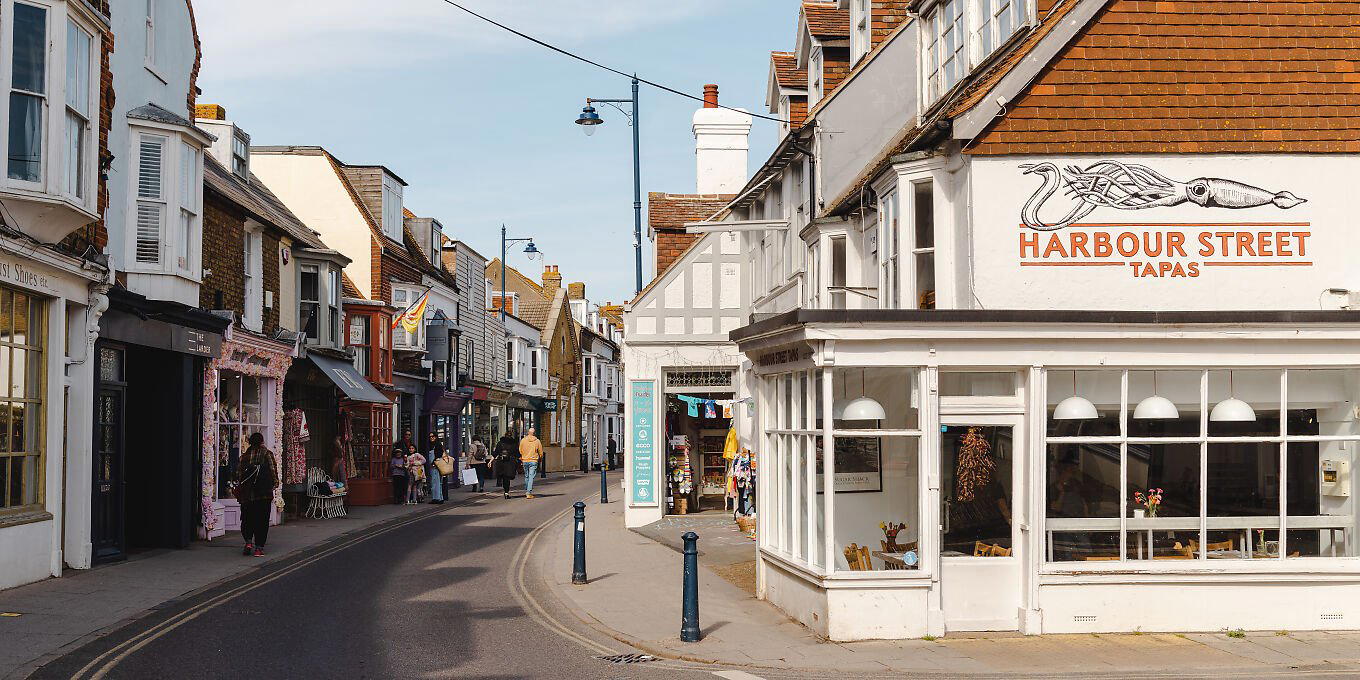
| Harbour Street Tapas | Authentic Spanish Tapas | $30–50 | The Good Food Guide GFG Good | Harbour Street |
| V C Jones | Classic British Fish & Chips | $10–20 | Not listed | Canterbury City Centre |
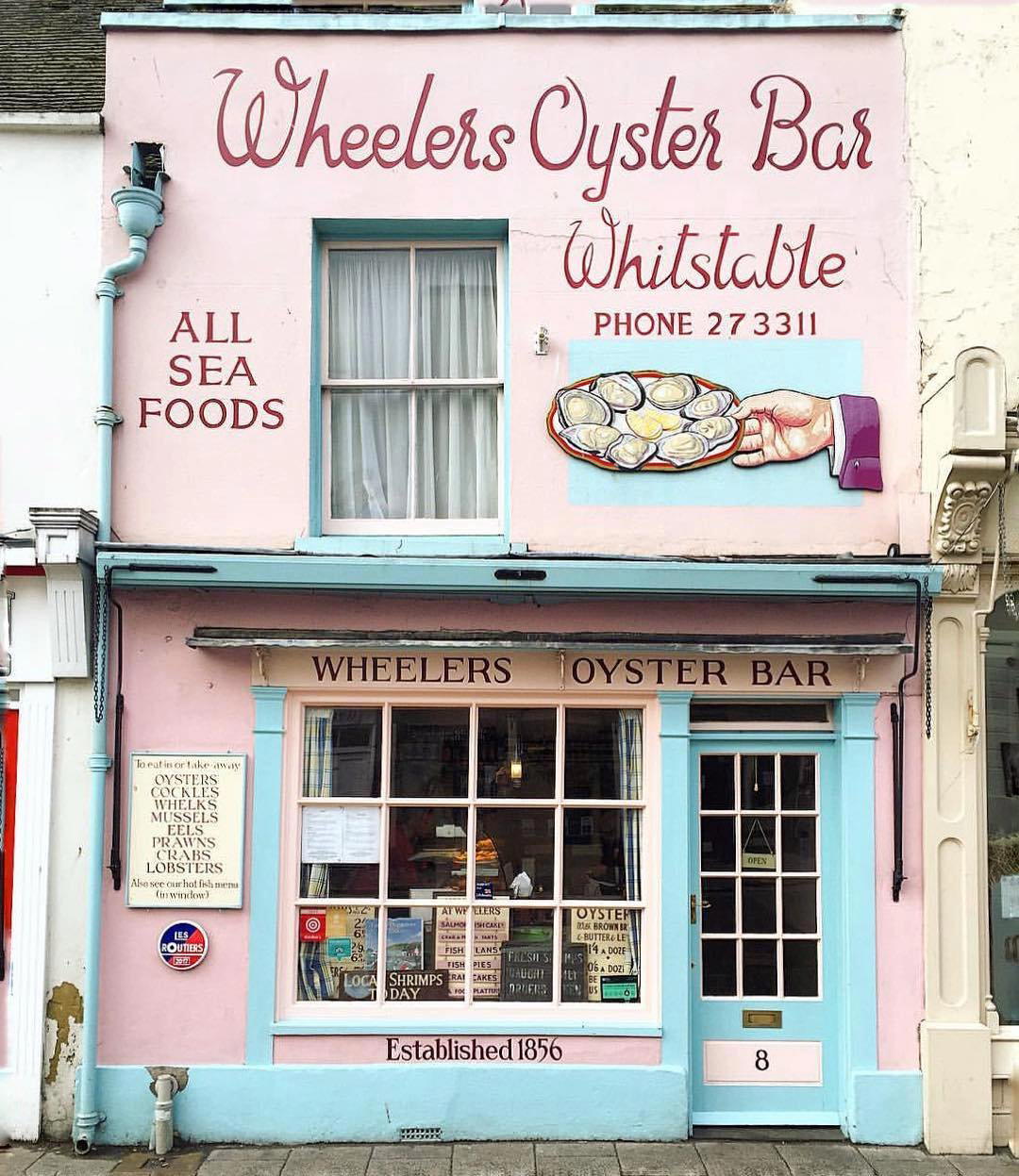
| Wheelers Oyster Bar | Bar | Not listed | Not listed | Whitstable |
Recognition history
Dated appearances from independent guides and award organizations, with the underlying list record or original source where available.
Michelin Plate
Michelin
Franc
Featured Guides

Harbor House Inn Getaway from San Francisco: The Perfect Long Weekend in Elk
What It’s Like Dining at Saison San Francisco: Live-Fire Cooking, Producers, and Wine
Acquerello SF Review 2026: What it's Like to Dine at Acquerello in San Francisco
The Holy Grail of Cabernet Franc: A 2026 Visit to Château Cheval Blanc (Bordeaux)
Continue exploring
More in Canterbury
Restaurants in Canterbury
All restaurants in Canterbury →
Bars in Canterbury
All bars in Canterbury →





Details
- Intimate
- Cozy
- Classic
- Date Night
- Open Kitchen
- Extensive Wine List
- Street Scene
- Prix Fixe
- Set Menu
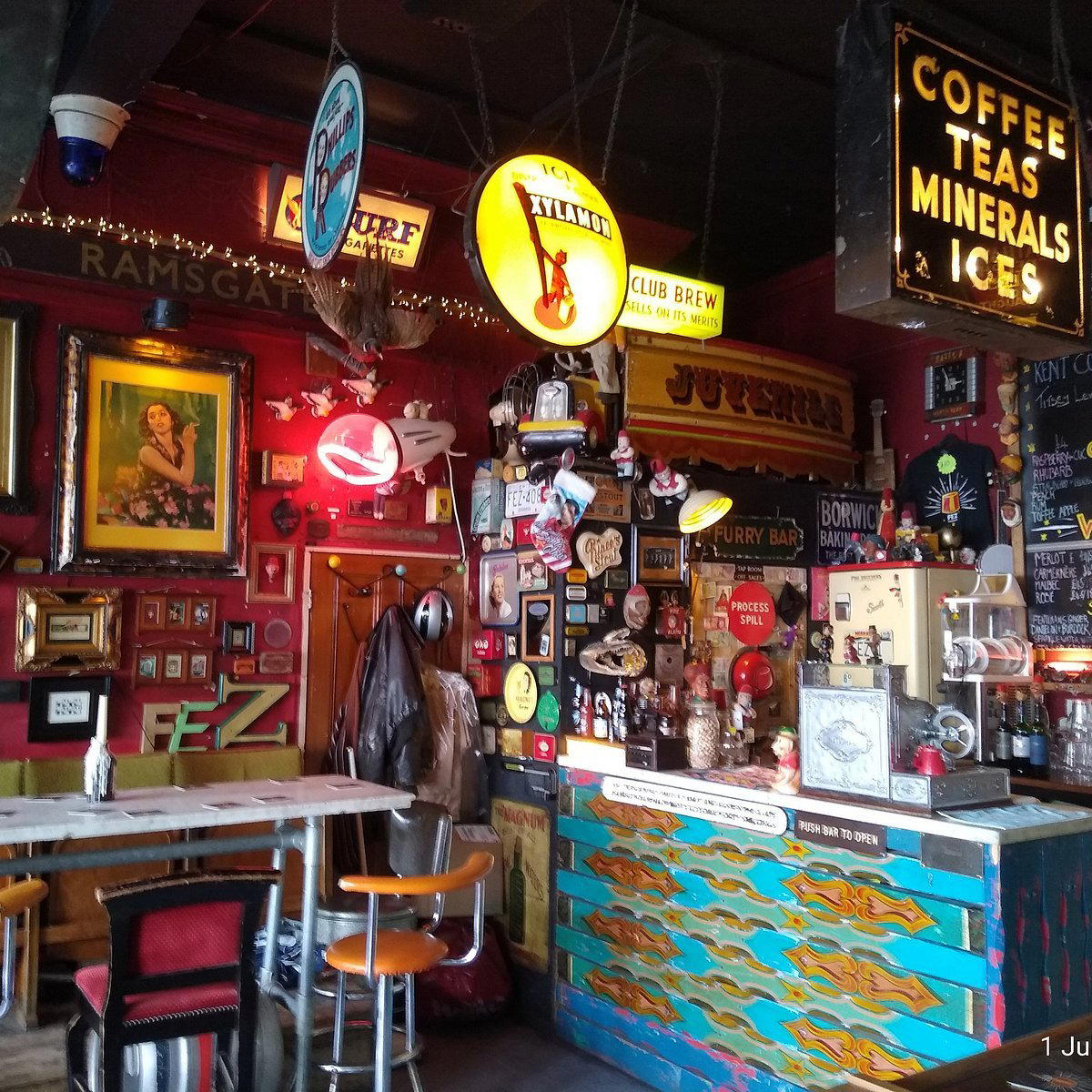
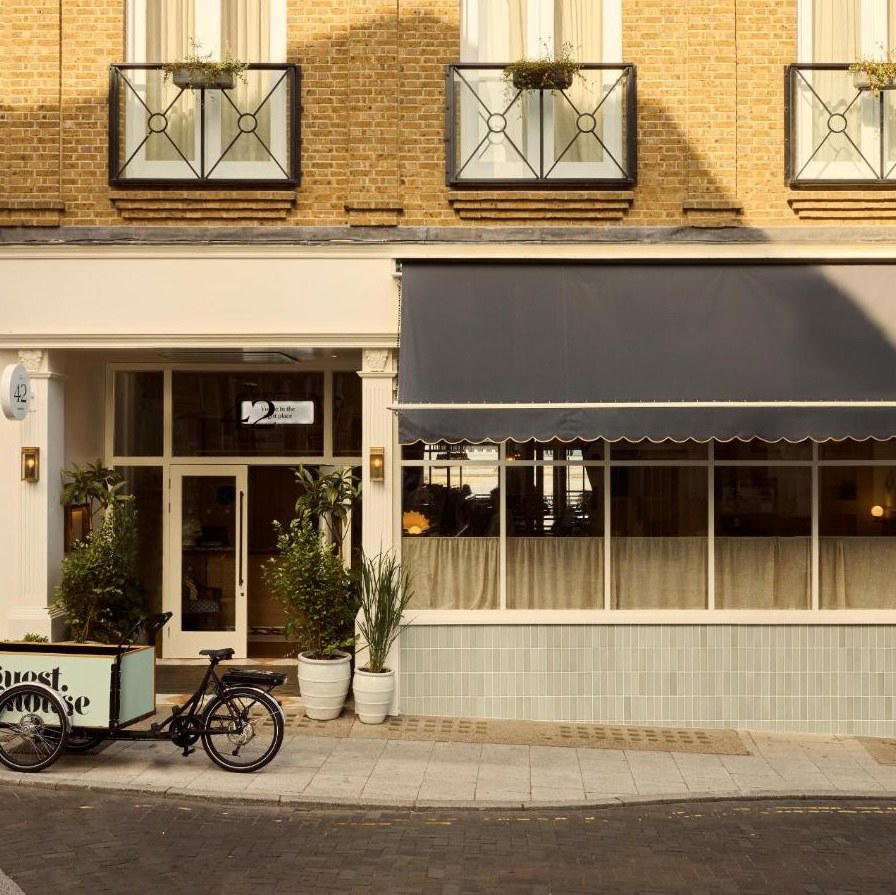
Light, bright, intimate space with open kitchen, cheerful and relaxed bistro atmosphere, though cramped and sometimes noisy with cooking smells.