
Ludens sits in Kyoto’s small but serious Italian-innovative tier, where the city’s produce culture meets a structured tasting-menu sensibility. Recognition in Tabelog 100 Italian WEST 2025 and a compact dining room make it a focused choice for diners comparing Kyoto’s non-washoku options beyond the temple-district circuit.
Pearl is the En Primeur Club membership app — saves, bookings, and concierge access live there. Same editors, same standards.
- Address
- Japan, 〒604-0813 Kyoto, Nakagyo Ward, Ebisucho, 560-8
- Phone
- +81 75-231-5606
- Website
- ludens-kyoto.net
 Saves & bookings on Pearl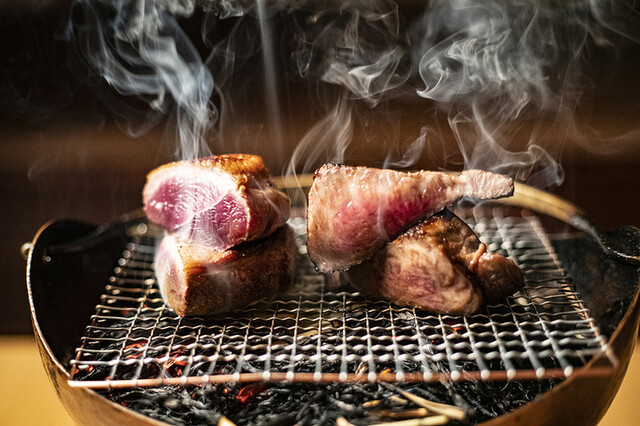
Kyoto’s quieter restaurant rooms often make their point before the first course. In Nakagyo, the approach is residential rather than theatrical: house-restaurant scale, a small room, counter seats facing the kitchen, and a menu that reads less like imported Italian tradition than a Kyoto conversation with Italian structure. The distinction matters. Kyoto treats seasonality as discipline, not decoration, and its stronger non-Japanese restaurants succeed when they absorb that rhythm rather than imitate Europe.
Ludens sits in that narrower lane: Italian, innovative, and creative by category, with vegetable, fish, wine, sake, vegetarian, and wellness-oriented signals attached to the experience. Its Tabelog 100 Italian WEST 2025 inclusion gives it a public benchmark in a region where Italian dining ranges from casual trattoria cooking to high-control tasting formats. For travelers using our full Kyoto restaurants guide, the point of difference is clear: Kyoto’s Italian scene is not only pasta and wine bars, but how local restraint changes the grammar of a Western menu.
Kyoto Italian filtered through a tasting-menu discipline
The menu architecture is the story. Rather than broad à la carte choice, the experience sits closer to Kyoto’s controlled-course culture, where pacing, portion size, and ingredient sequence matter as much as individual plates. That puts Ludens in conversation with the city’s kaiseki habit without making it Japanese. The Italian reference points remain, but selectively: vegetables and fish are prominent enough to suggest a lighter, ingredient-led progression, while wine and sake both frame the drinking.
This is where Kyoto rewards precision. In larger Italian scenes, innovation often announces itself through technique or imported luxury. In Kyoto, the persuasive version is quieter: a course structure that lets local produce and restrained seasoning work. Ludens has built its reputation in that category, helped by the Tabelog 100 Italian WEST 2025 selection and a format that limits the room rather than chasing volume. It is not a casual Italian detour; it is a planned meal for diners who want Kyoto’s seasonal intelligence applied outside orthodox washoku.
That position makes comparisons delicate. Cucina Italiana Todo occupies a nearby Italian frame at a serious spend level, while Zucchero represents a more relaxed Italian lane. HUNTER brings French reference points into the Kyoto conversation, and Tsuroku sits on the Japanese side of the city’s controlled dining culture. Ludens is closer to the cross-current between those categories than to a simple trattoria model. The useful question is not whether it is “authentic” Italian, but whether Italian structure clarifies Kyoto ingredients.
A compact room changes the meal's tempo
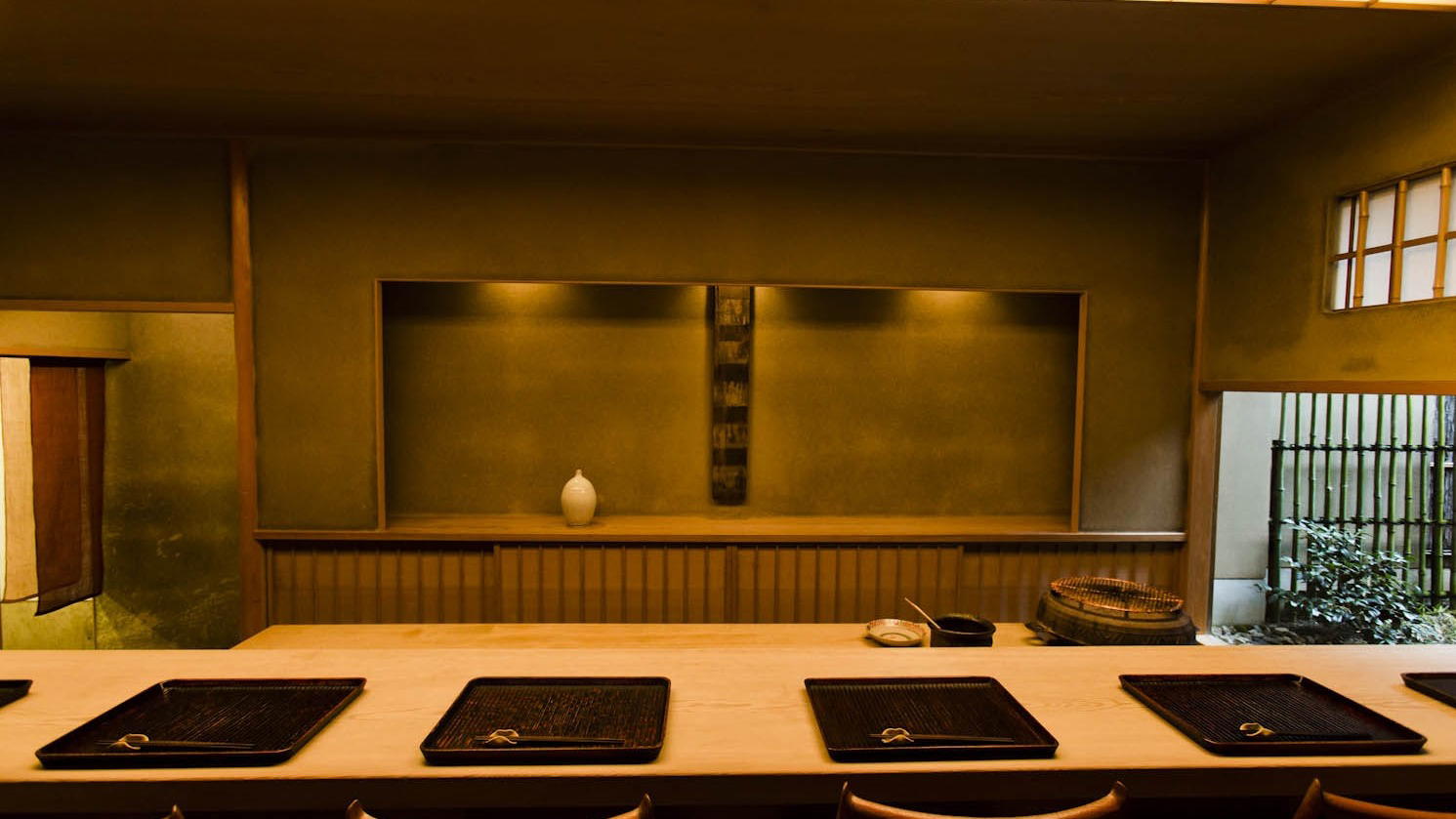
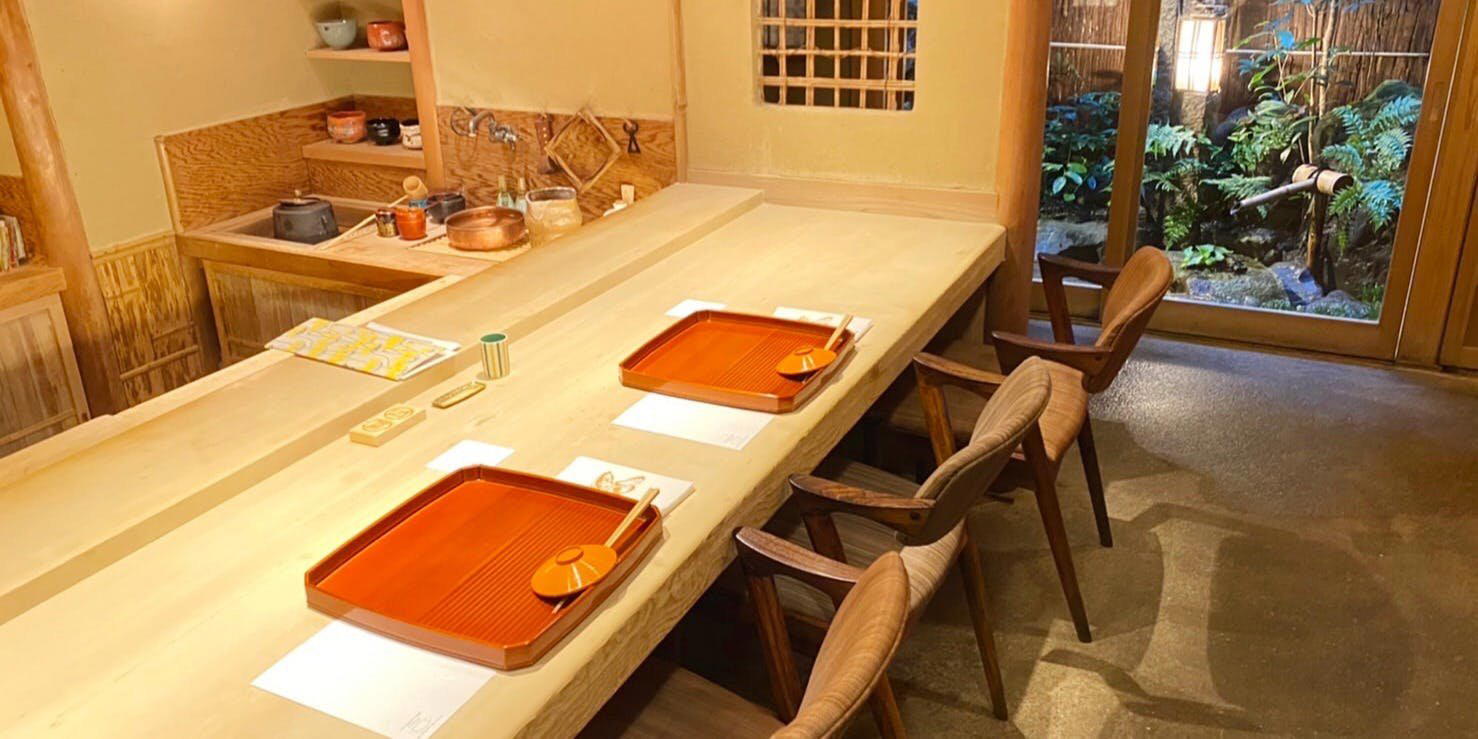
Small rooms are not automatically better, but they change the terms of a meal. Here, the counter-and-table configuration creates a rhythm closer to a focused tasting restaurant than a neighborhood dining room. The kitchen can run a measured sequence, the room can stay quiet, and attention remains on progression rather than menu navigation. In Kyoto, serious meals are often judged by transitions: how one course resets the palate, how drinks sit alongside fish or vegetables, how the closing cadence avoids excess.
The house-restaurant setting also fits a Kyoto pattern visitors can miss. Ambitious dining is not confined to hotel towers or riverfront addresses; much of it sits in low-rise neighborhoods where the exterior gives little away. That does not make a restaurant obscure, but it changes reservation and arrival culture. Nakagyo suits this style because it sits between government-district calm, Karasuma access, and central Kyoto’s older commercial fabric. Diners planning a wider stay can pair restaurant research with our full Kyoto hotels guide, our full Kyoto bars guide, our full Kyoto wineries guide, and our full Kyoto experiences guide to see how central Kyoto’s eating, drinking, and cultural circuits overlap.
The format is more adult than casual, though not forbidding. Smart casual dress is right for a room that treats pacing seriously. Non-smoking, semi-private options, and consultation for families signal flexibility, but value still comes from sitting through the full structure. Diners seeking quick Kyoto comfort food should look elsewhere; those interested in how contemporary Kyoto absorbs Italian technique will find the category revealing.
How to place it within a Kyoto eating itinerary
A useful Kyoto itinerary needs contrast. The city can overwhelm visitors with temple-adjacent sweets, market grazing, kaiseki formalism, and hotel dining, so Ludens works well as a counterpoint. It is better after a day of traditional cooking than before one: the Italian frame reads more clearly once the palate has registered Kyoto’s bias toward season, bitterness, texture, and restraint. Ludens is strongest in a multi-day plan, not as the single restaurant meant to explain the city.
For context, central Kyoto supports several dining speeds. There are compact specialist rooms such as [ki:], casual-city staples like 551蓬莱, and sharper neighborhood choices such as Abbesses and 3TOKU6MI Shijo karasuma ten. Older sweet traditions remain on the same map through places like Aburi Mochi Honke Nemoto Kazariya. Together, these stops show Kyoto dining is less about one genre than scale, pace, and the seriousness with which small formats are handled.
The broader Japan and overseas context also helps. Travelers comparing regional dining notes might file Ludens beside category-specific references, from -Grilled beef Sukiyaki- KAMAKURA TANUKIAN 鎌倉 たぬき庵 in Kamakura and. 鮪と炭火焼き うお炭 秋葉原店 in Tokyo to.cafe in Osaka.know in Kumamoto, (Shoku) Vietnam in Kawasaki, and [Curry Senmon Ten] Maruyama Kyoju. in Sapporo. Across the Pacific, Jōdo Saké Bar in Los Angeles and Onigiri Time in Pasadena show how Japanese dining formats travel and change. Kyoto’s version is more inward-looking: even when the cuisine label is Italian, the city’s discipline is the filter.
Local
Comparable venues at the same tier for side-by-side context.
| Venue | Cuisine | Price | Notes |
|---|---|---|---|
| LudensThis venue — the venue you are viewing | Medicinal Italian (Yakuzen) in a Kyoto Machiya | $$$ | Not listed |
| Rigoletto | Smoke-Infused Spanish-Italian | $$$ | Higashiyama |
| Kyoto Neze | Seasonal Kyoto Italian | $$$ | Nakagyō |
| Ristorante Noro | Italian with Japanese and French influences | $$$ | Nakagyō |
| The Kitchen | Neapolitan Pizza & Italian | $$ | Shimogyo-ku |
| PIZZERIA MARITA | Traditional Neapolitan Pizzeria | $$ | Nakagyō |
Recognition history
Dated appearances from independent guides and award organizations, with the underlying list record or original source where available.
Tabelog 100 #99 · No. 99
Tabelog · Tabelog 100 - Italian - WEST - 2025
Continue exploring
More in Kyoto
Restaurants in Kyoto
Browse all →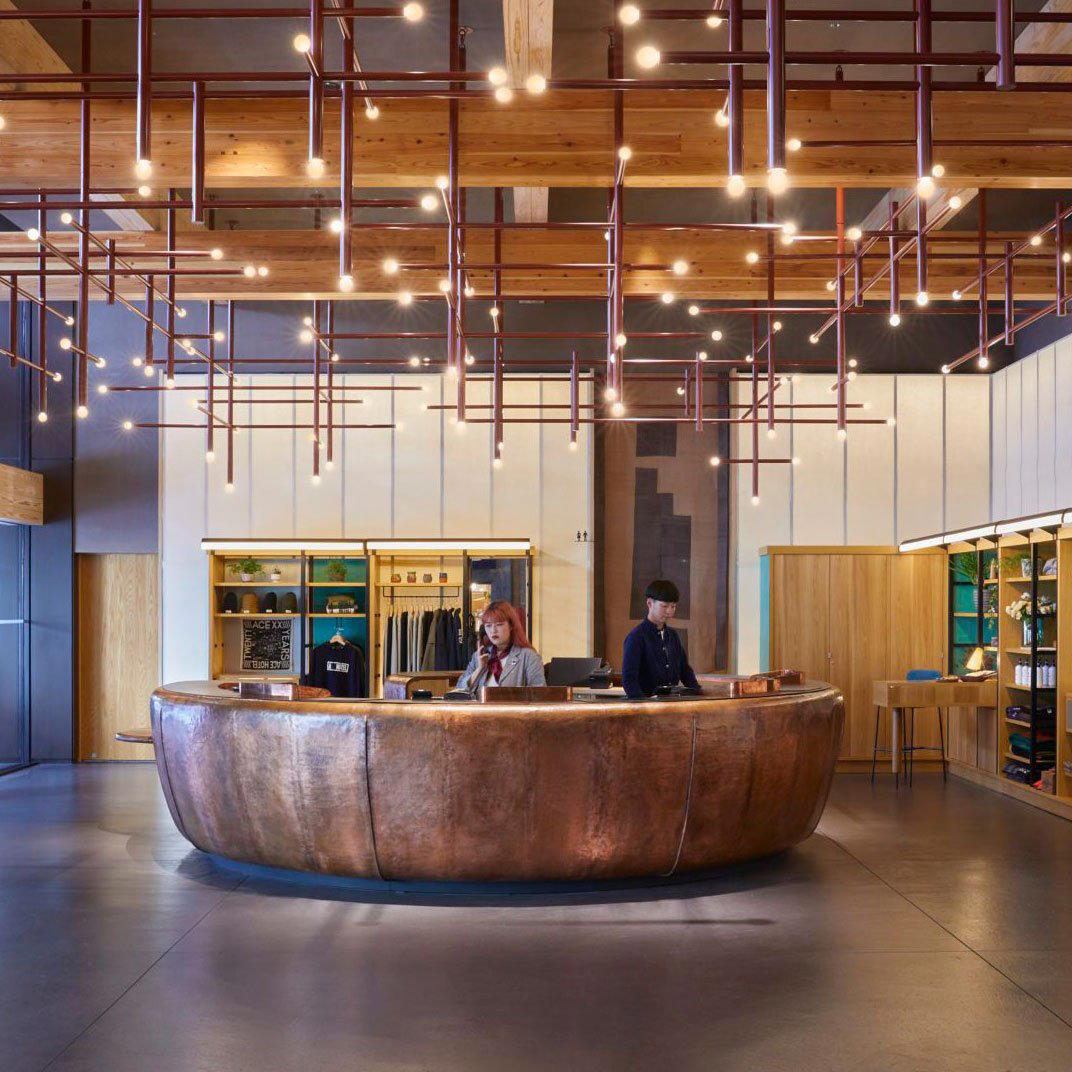

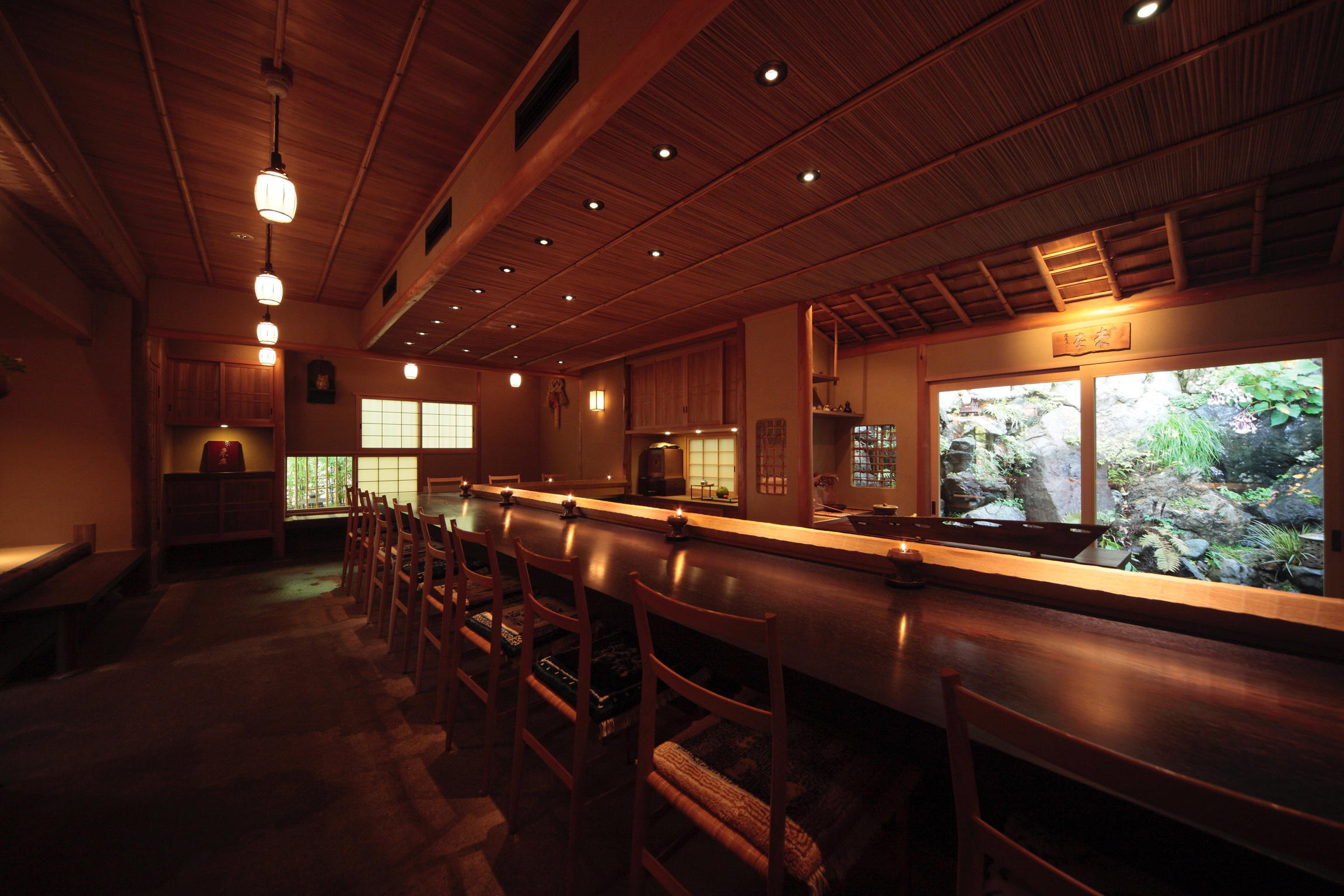
Bars in Kyoto
Browse all →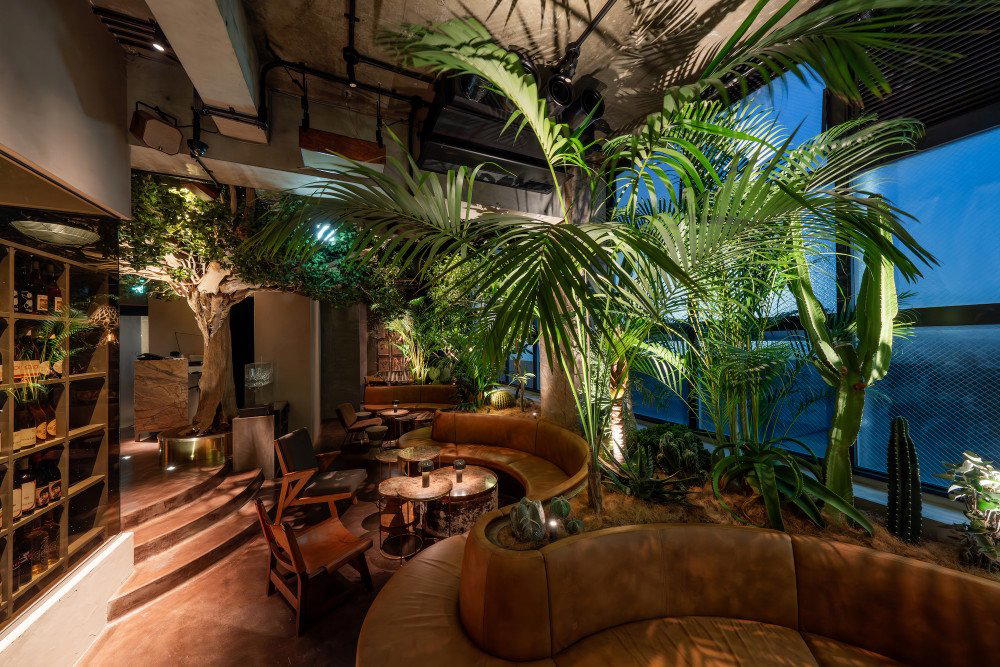

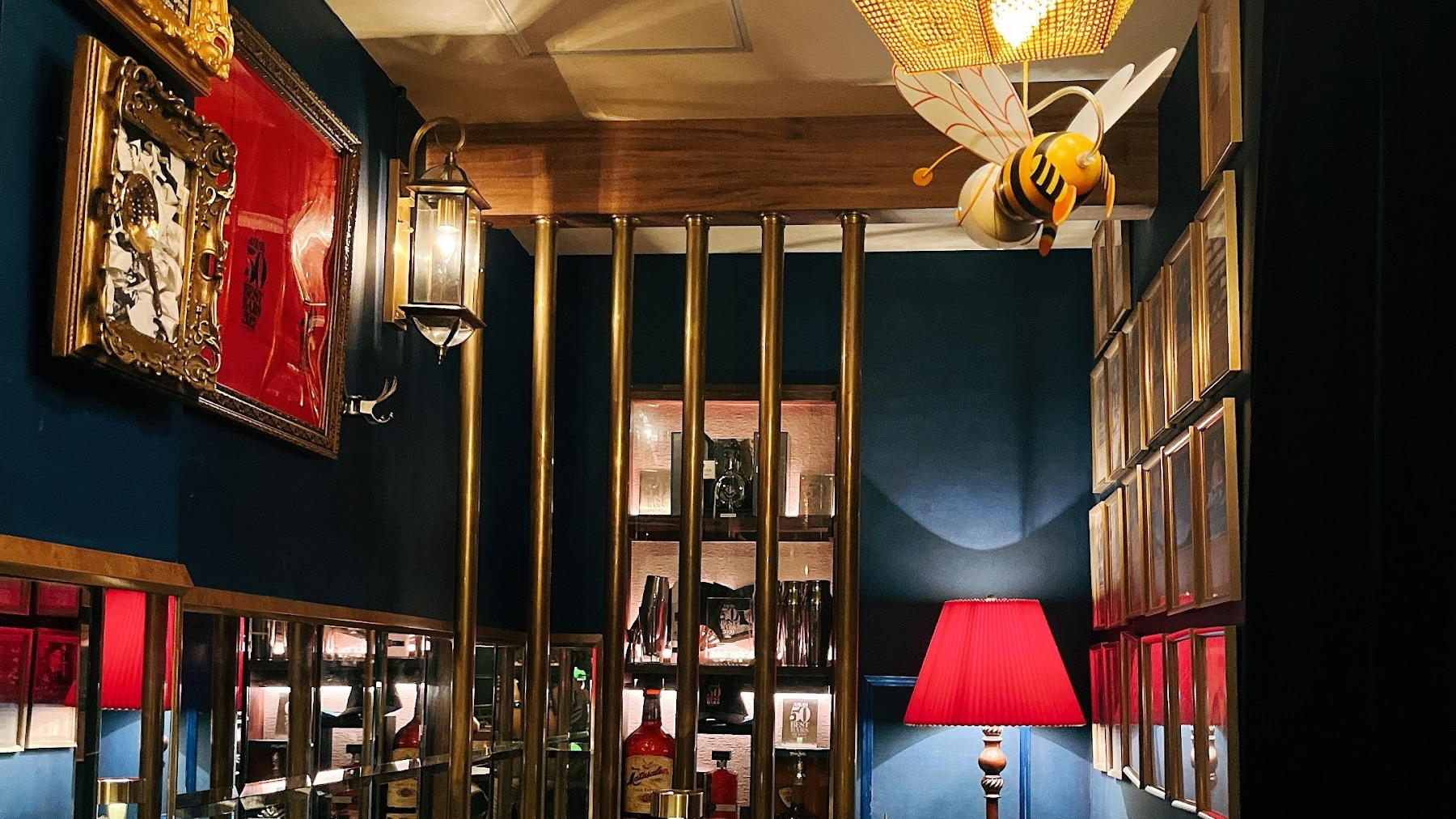


Hotels in Kyoto
Browse all →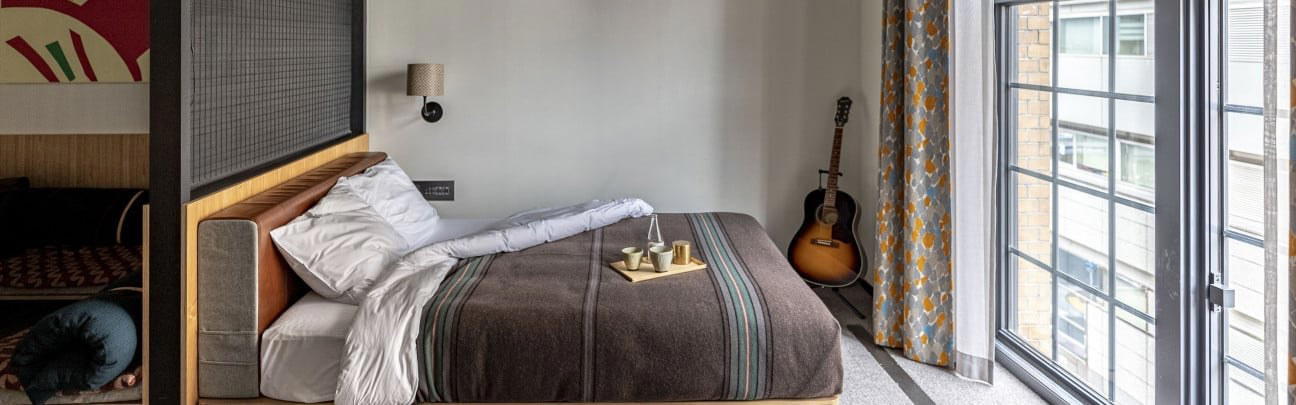

Wineries in Kyoto
Browse all →
At a Glance
- Intimate
- Elegant
- Cozy
- Modern
- Date Night
- Special Occasion
- Business Dinner
- Group Dining
- Private Event
- Solo
- Chefs Counter
- Garden
- Private Dining
- Design Destination
- Historic Building
- Standalone
- Extensive Wine List
- Local Sourcing
- Farm To Table
- Garden
Current opening hours
- Monday
- Closed
- Tuesday
- 12–2:30 PM, 6–9:30 PM
- Wednesday
- 12–2:30 PM, 6–9:30 PM
- Thursday
- 12–2:30 PM, 6–9:30 PM
- Friday
- 12–2:30 PM, 6–9:30 PM
- Saturday
- 12–2:30 PM, 6–9:30 PM
- Sunday
- Closed
Hours can change for holidays and private events. Last verified .
Set in a renovated machiya townhouse with skylights and a small tsuboniwa garden, the atmosphere is calm and intimate, with refined counter and table seating suited to leisurely course dining.