
Canada's 100 Best Restaurants #51
Our verdict
A 10-seat tasting bar on Avenue Road where haute French technique meets Japanese ingredient sourcing at its most uncompromising. Chef Didier Leroy leads the kitchen with trans-Atlantic input from Christian Le Squer of Paris's Le Cinq, while exclusive Japanese produce flows through the Masaki Saito network. From the same operator behind Sushi Masaki Saito and Shoushin, LSL occupies a price tier with almost no Canadian peers.

Pearl is the En Primeur Club membership app, where members save venues, book tables and use the concierge.
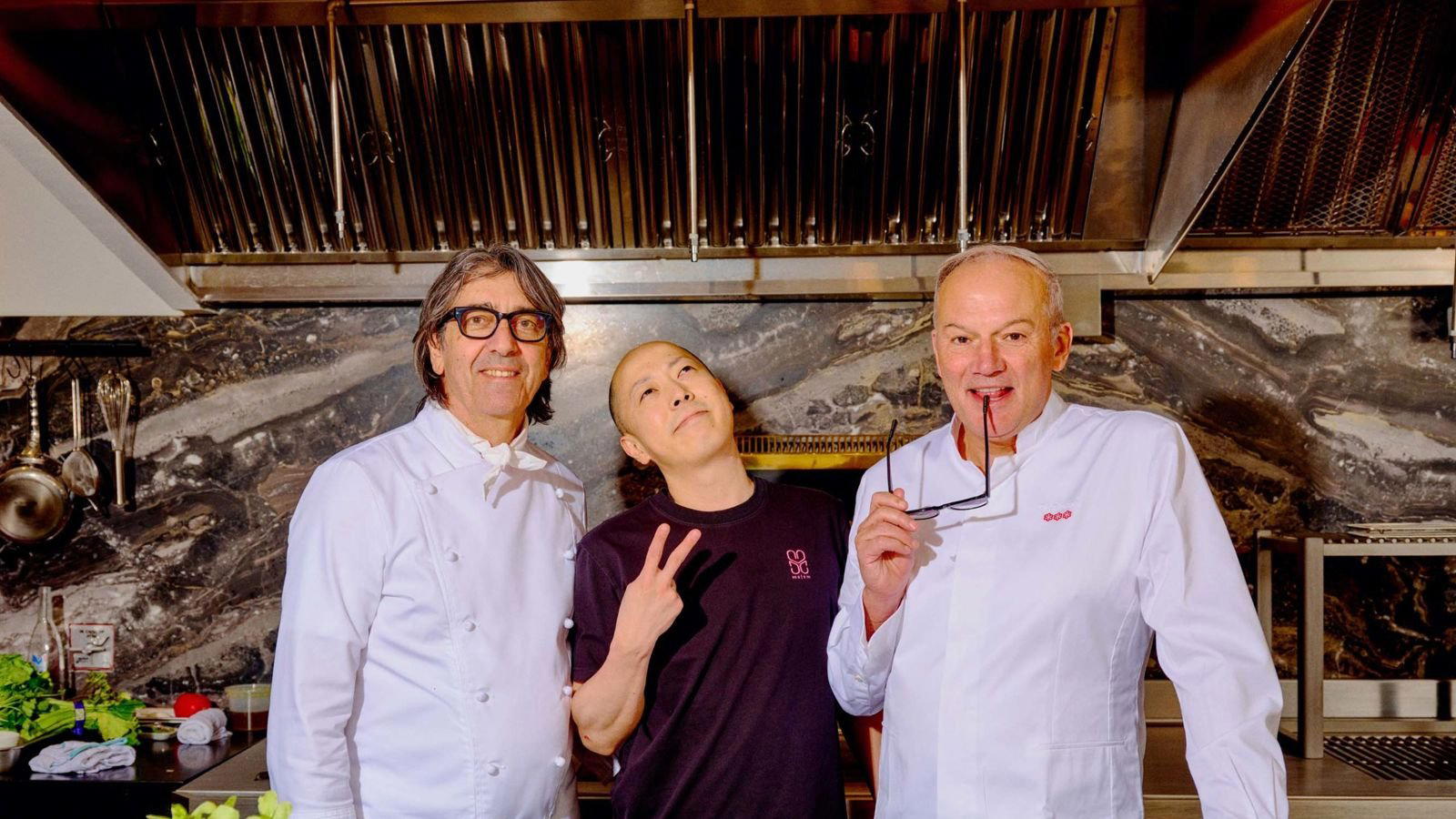
Avenue Road north of St. Clair has never been the address you associate with culinary ambition at this register. The stretch runs through a well-heeled residential corridor, lined with discreet storefronts and the kind of low-signage boutiques that assume their clientele already knows where they are. LSL operates in precisely that register: a 10-seat tasting bar at 2066 Avenue Rd. that announces itself without fanfare and prices itself accordingly.
A Narrow Room With a Wide Frame of Reference
Ten seats is a deliberate editorial choice. At that scale, the counter format shifts the economics entirely: there is no volume buffer, no second seating to smooth out a slow night, no mid-range option to capture a broader audience. The kitchen either justifies its position on pure execution or it does not.
The French tasting format at this price point carries a defined set of expectations in North America: classical technique, rigorous sourcing, a sense that the kitchen is presenting a considered argument rather than running through familiar moves. LSL enters that conversation with credentials that few Canadian addresses can match. Chef Didier Leroy leads the kitchen, working within a framework reinforced by consulting input from Christian Le Squer, whose position at Le Cinq in Paris places him at the upper tier of contemporary French fine dining. That trans-Atlantic relationship is less about recipe transfer and more about calibration: aligning a Toronto counter to a standard that operates independently of geography.
The Sourcing Argument, Made Through Ingredients
The angle that distinguishes LSL most sharply from other haute French operations in Canada is its Japanese ingredient pipeline. Masaki Saito, whose eponymous restaurant Sushi Masaki Saito has held a position as one of the most exclusive Japanese restaurants in Canada, operates a sourcing network that accesses produce most North American kitchens cannot reach by conventional means. LSL draws on that network directly, applying Japanese ingredients to a French framework in a way that is less fusion exercise and more supply-chain advantage.
This matters editorially because sourcing at this level carries its own sustainability logic. When ingredients travel through a dedicated, relationship-based network rather than broad commodity supply chains, the traceability is deeper and the producer accountability is higher. Japanese fishing and farming operations that supply counter-level restaurants in Tokyo and Osaka maintain standards that are enforced by the professional relationships involved, not by certification bodies. The cost-is-no-object framing in how LSL describes its sourcing reflects that reality: the premium is paid not for a label but for access to a specific human network with specific accountability at its source. Canada's own fine-dining scene has increasingly engaged with this logic, with producers and restaurants like Restaurant Pearl Morissette in Lincoln and The Pine in Creemore building direct sourcing relationships as a core part of their editorial identity. LSL applies the same principle at a different scale and across a different geography.
Where LSL Sits in Toronto's Tasting Menu Tier
Toronto's highest-end tasting menu category has expanded considerably over the past decade. Alo established that a Canadian city could sustain French-influenced tasting menu dining at serious price points and serious ambition. Aburi Hana and DaNico have added to the depth of the upper tier from different culinary directions. Don Alfonso 1890 has brought Italian fine dining into that same conversation.
LSL operates above that tier in at least one meaningful sense: seat count. At 10 covers, it is structurally closer to Tokyo's most exclusive omakase counters than to the 40- or 60-seat dining rooms that define Toronto's fine dining mainstream. The French haute cuisine tradition has occasionally produced rooms of this scale, particularly in Paris and in the private dining format that predates the modern restaurant, but in a Canadian context it is an outlier. Nationally, only a handful of addresses operate with comparable intimacy and comparable price positioning: Tanière³ in Québec City and Jérôme Ferrer - Europea in Montréal occupy adjacent territory in terms of ambition, though their formats and culinary languages differ. AnnaLena in Vancouver and Narval in Rimouski represent the format's reach into smaller and mid-sized Canadian markets.
Internationally, the counter-format French tasting room has a clear precedent in the way Le Bernardin in New York City has sustained a particular kind of disciplined French technical authority over decades, even as the broader market has moved in other directions. LSL's operating logic sits closer to that lineage than to the more accessible end of Toronto's $$$$ category.
The Operator Context
William Cheng's track record with Sushi Masaki Saito and Shoushin established that Toronto would pay at the upper end of global price brackets for the right format and the right credentials. Both restaurants operate with limited availability and function more like private dining experiences than conventional restaurants. LSL follows the same model applied to a different cuisine. The significance here is not biographical but structural: an operator who has already demonstrated demand at that price point in a different category has a different risk calculus when launching a French tasting counter. The audience for LSL is, in part, the same audience that already exists within the Cheng portfolio.
Know Before You Go
Know Before You Go
- Address: 2066 Avenue Rd. North York, Toronto, Ontario
- Format: 10-seat tasting bar
- Price tier: $$$$ (described as fiendishly expensive; specific pricing not published)
- Kitchen: Chef Didier Leroy, with consulting from Christian Le Squer (Le Cinq, Paris)
- Sourcing: Exclusive Japanese ingredients via the Masaki Saito network
- Booking: Availability is extremely limited given the 10-seat format; advance planning is essential
- Related venues: See also Sushi Masaki Saito from the same operator
For a broader picture of where LSL sits within Toronto's dining scene, see our full Toronto restaurants guide. For accommodation, bars, wineries, and experiences in the city, visit our Toronto hotels guide, bars guide, wineries guide, and experiences guide.
Frequently asked questions
Where exactly is LSL?
LSL is located at 2066 Avenue Rd. North York, Ont. Toronto.
Has LSL won any awards?
LSL has received recognition including: Not yet content with owning the most exclusive Japanese restaurants in the country (Sushi Masaki Saito, Shoushin), last spring, restaurateur William Cheng branched out into haute French cuisine with this ultra-posh and fiendishly expensive ….
What's the best thing to order at LSL?
LSL operates as a tasting counter, so the kitchen sets the menu entirely. Chef Didier Leroy directs the progression, with ingredients sourced through Masaki Saito's Japanese supply network and structural consultation from Christian Le Squer of Le Cinq in Paris. There is no à la carte selection to navigate; the format delivers one composed sequence per service.
How hard is it to get a table at LSL?
Ten seats is the full capacity, full stop. With no second seating to absorb overflow, availability is structurally constrained in a way that larger tasting room formats are not. William Cheng's prior counters, Sushi Masaki Saito and Shoushin, both operate on similar demand profiles, which suggests LSL reservations move quickly after release.
Recognition, Side-by-Side
Comparable venues nearby, for context on price, style, and recognition.
| Venue | Cuisine | Price | Awards | Notes |
|---|---|---|---|---|
| LSLThis venue (the venue you are viewing) | French-Japanese Fine Dining | $500+ | Canada's 100 Best Restaurants #51 | Not listed |
| Sash | Modern Fusion Fine Dining | $100–150 | Not listed | Summerhill |
| DOVA Restaurant | Modern Italian Fine Dining | $50–100 | Forbes 4-Star | Cabbagetown |
| Blu Ristorante | Contemporary Italian Fine Dining | $50–100 | Not listed | Entertainment District |
| BlueBlood Steakhouse | Classic Steakhouse | $150–200 | Star Wine List · Wine Spectator Best of Award of Excellence | Midtown |
| Marron Bistro | Kosher Fine Dining Bistro | $100–150 | Not listed | Forest Hill North |
Recognition history
Dated appearances from independent guides and award organizations, with the underlying list record or original source where available.
Canada's 100 Best Restaurants #51
Canada's 100 Best
Continue exploring
More in Toronto
Restaurants in Toronto
All restaurants in Toronto →
Bars in Toronto
All bars in Toronto →

Details
- Intimate
- Elegant
- Sophisticated
- Modern
- Special Occasion
- Date Night
- Celebration
- Business Dinner
- Chefs Counter
- Open Kitchen
- Design Destination
- Standalone
- Sommelier Led
- Local Sourcing
- Sustainable Seafood
- Tasting Menu
- Counter Dining
- Omakase
- Wine Pairings
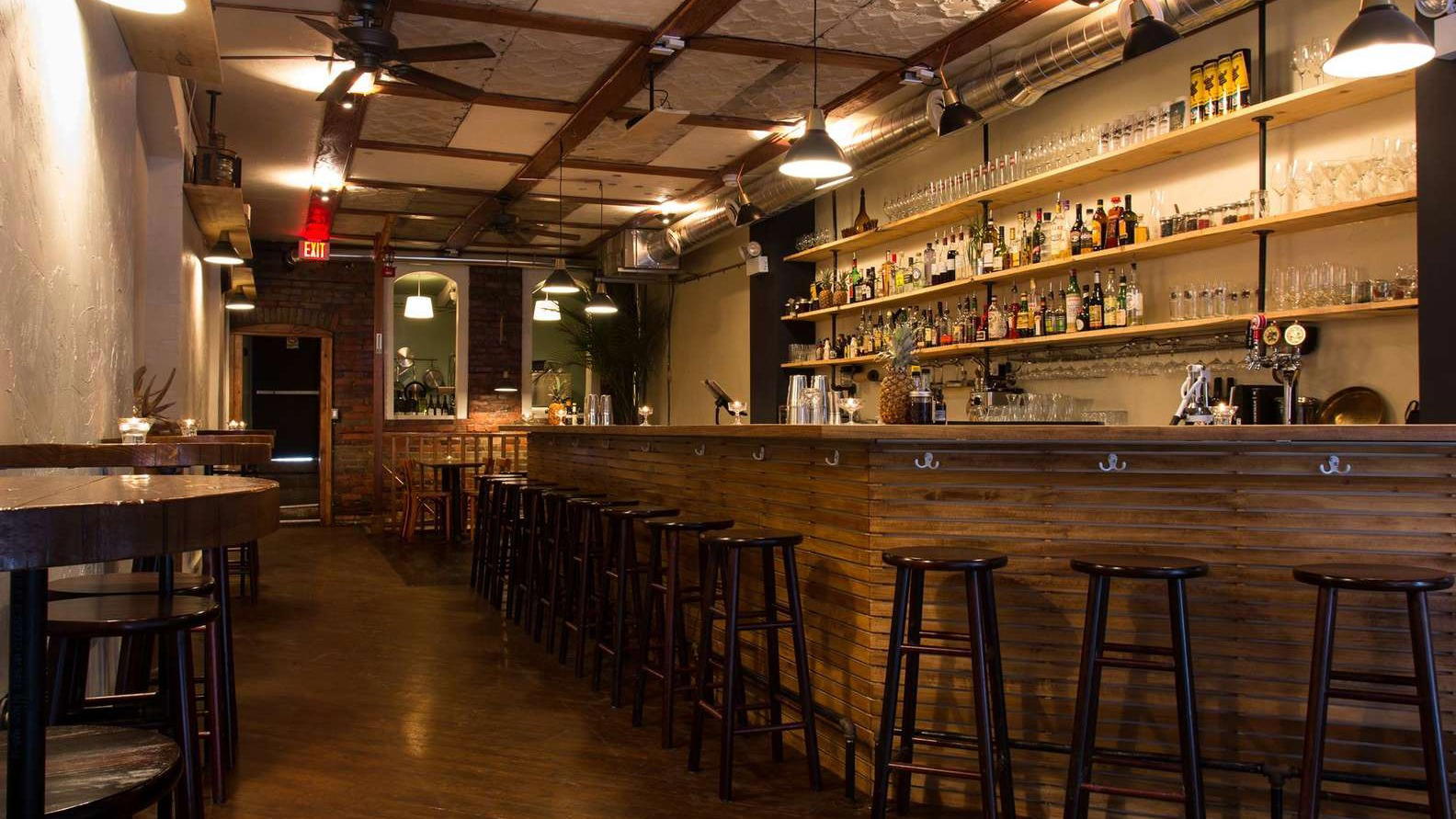
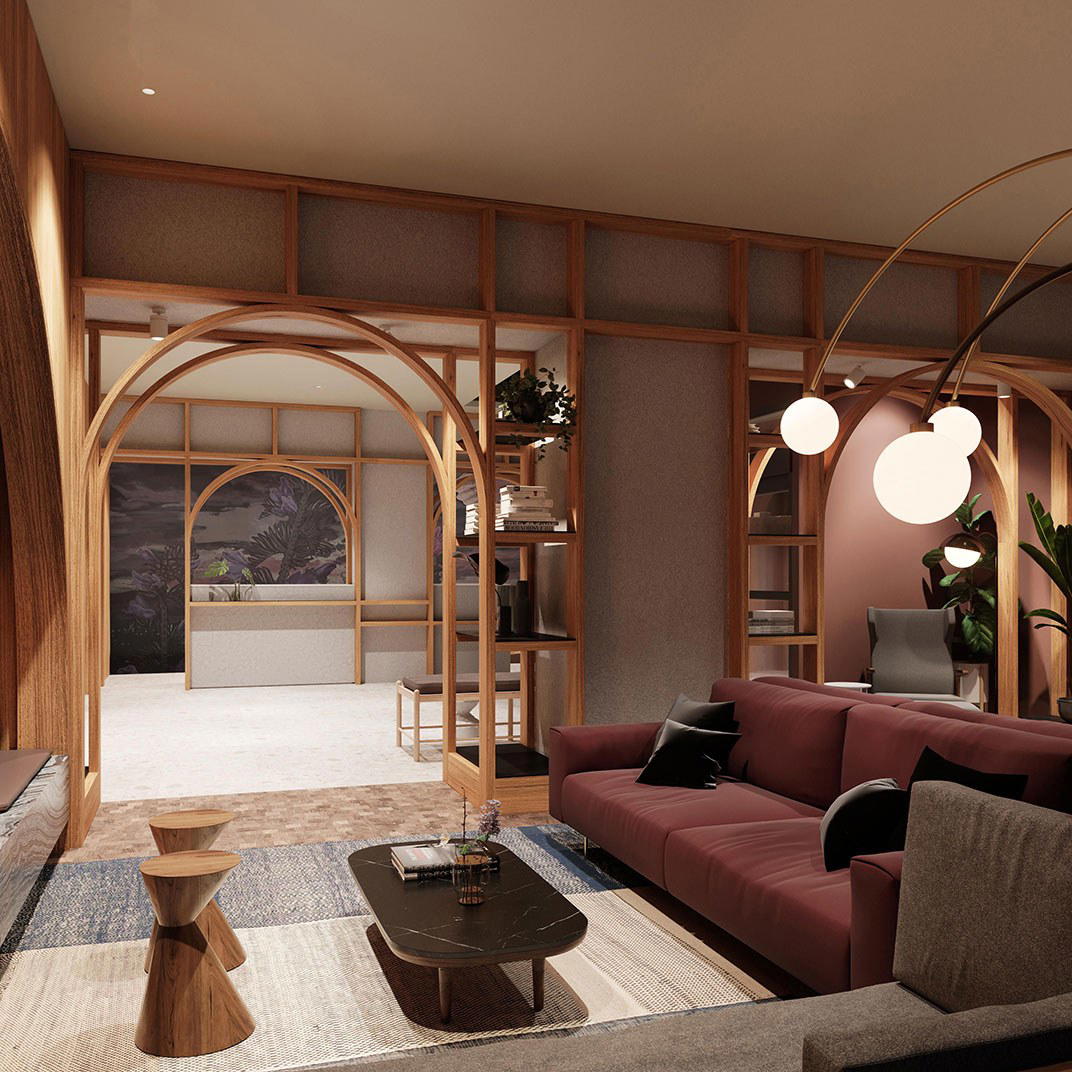
A rarefied, theatrical fine-dining room designed as a full sensory experience, with an intimate and highly polished atmosphere.