Lotier sits on Antwerpsesteenweg in the quiet Flemish municipality of Malle, roughly halfway between Antwerp and the Dutch border. As a dining address in Belgium's serious restaurant country, it draws attention in a region where ingredient provenance and kitchen craft are taken as given rather than marketed. Expect a focused dining experience rooted in the sourcing traditions that define serious Flemish cooking.
 Discover on Pearl
Pearl is the En Primeur Club membership app — saves, bookings, and concierge access live there. Same editors, same standards.
- Address
- Antwerpsesteenweg 478, 2390 Malle, Belgium
- Phone
- +3232975150
- Website
- restaurantlotier.com
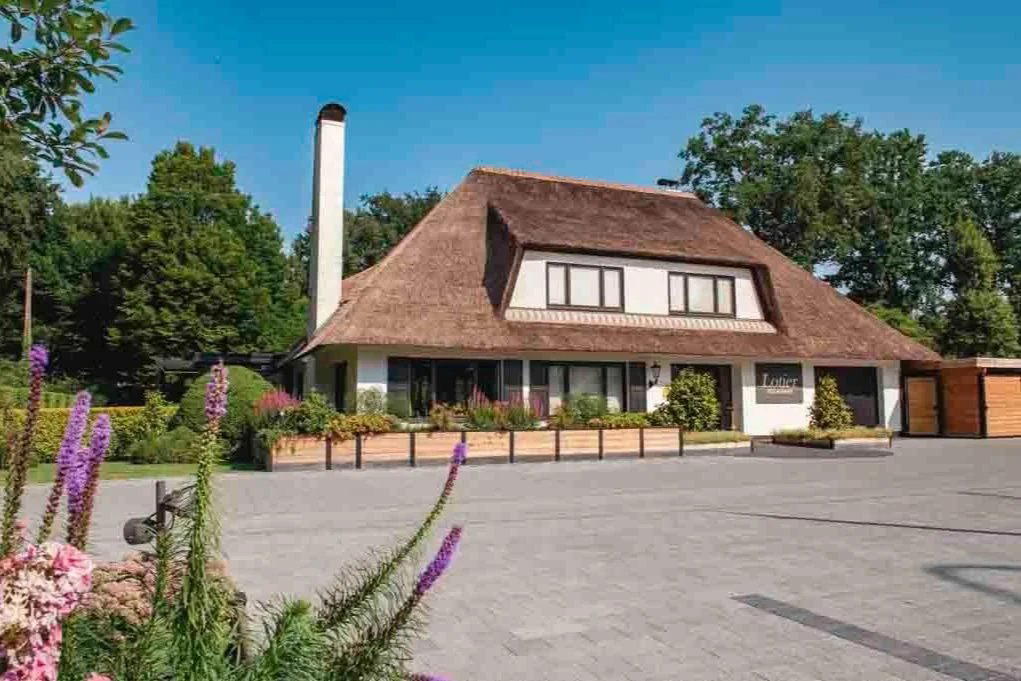
Arriving on Antwerpsesteenweg
The road that connects Antwerp to the Kempen interior carries a particular character: long stretches of low commercial buildings interrupted by older Flemish farmhouses and occasional restaurant signs that reward the traveller willing to drive past the city's ring. Lotier, at number 478 on that same steenweg in Malle, belongs to this tradition of the destination address that requires intent. You do not stumble across a place like this; you plan around it. The approach itself frames the expectation: this is a fixed point in the Flemish countryside that rewards the drive.
Malle sits in the Antwerp province, roughly 25 kilometres northeast of Antwerp's centre, in a municipality that is quieter than the word "rural" quite captures. It is suburban in its road infrastructure and agricultural in its open land, and it produces the kind of dining environment where the distance from the city functions as a filter. The guests who arrive have already made a choice.
Sourcing and the Flemish Kitchen Tradition
To understand any serious restaurant in the Antwerp province is to understand the supply geography it operates within. The Kempen region, which Malle borders, has historically been less agriculturally intensive than the polders further west, but the broader Flemish tradition of market-driven cooking draws from a dense network of small producers, fishmongers working out of the coastal ports at Zeebrugge and Oostende, and the inland vegetable and livestock suppliers that have supplied the region's kitchens for generations. Belgian gastronomy at the serious end does not depend on imported prestige ingredients for its credibility; it builds on the density of local supply and the technical discipline to use it well.
This sourcing logic underpins kitchens across Belgium's more acclaimed dining tier. At places like Willem Hiele in Oudenburg and Bartholomeus in Heist, the North Sea coast anchors ingredient selection. Inland, addresses like Hof van Cleve in Kruishoutem and Boury in Roeselare build from West Flemish agricultural supply. For a restaurant in Malle's position, the relevant supply lines run both toward Antwerp's wholesale infrastructure and into the smaller-scale producers of the Kempen interior.
Malle in Belgium's Dining Context
Belgium operates a restaurant culture that is disproportionately concentrated relative to its geography. A country of eleven million people hosts a Michelin count per capita that rivals France, and the serious dining addresses are distributed across the country in a way that rewards those willing to drive. Antwerp alone anchors a significant cluster, with Zilte holding three Michelin stars at the top of the city's MAS museum. The provincial addresses surrounding Antwerp, including those in Malle, operate in the gravitational field of that city without being subsumed by it.
Across Belgium more broadly, the pattern repeats: serious kitchens in non-obvious locations draw a committed clientele willing to travel for the cooking. Castor in Beveren, De Jonkman in Sint-Kruis, and L'air du temps in Liernu all demonstrate that Belgium's dining map does not collapse toward its capitals. La Table de Maxime in Our and Le Chalet de la Forêt in Uccle extend that same principle south. Within Malle itself, Lotier shares its immediate dining environment with De Kleinen Bistro and Klein Zoersel, a small but coherent cluster for a municipality of this scale.
The comparison set for Lotier, in regional terms, includes kitchens operating in the modern Flemish and creative European register: Boury, Castor, and De Jonkman all work within that tradition at the higher price brackets. Belgian kitchens in this tier share a structural characteristic: they tend to be technically precise without being cold, and they treat local ingredients as a matter of identity rather than marketing. Internationally, the discipline these kitchens exercise with local sourcing finds parallels at places like Le Bernardin in New York, where product-first thinking shapes every course, or Atomix, where provenance and seasonal specificity anchor the tasting format.
What the Region Expects of Its Kitchens
The Flemish dining tradition is not sentimental about its ingredients, but it is serious about them. The canonical preparations, whether waterzooi, North Sea sole, or the pork-based charcuterie of the inland provinces, all rest on the same foundation: the ingredient at the right moment, handled without obscuring it. The region's serious restaurants have refined this into a working method rather than a nostalgic posture. d'Eugénie à Emilie in Baudour and La Durée in Izegem both demonstrate how Belgian kitchens across different parts of the country apply this discipline to their own regional supply. In Brussels, Bozar Restaurant applies it within an urban institutional frame.
For a kitchen in Malle's position, the supply chain advantages are real: proximity to Antwerp's wholesale markets, access to the Kempen's smaller-scale producers, and a clientele that has driven from the city with specific expectations.
Planning Your Visit
Lotier is located at Antwerpsesteenweg 478, 2390 Malle, accessible by car from Antwerp in under 30 minutes via the N12. Given the municipality's scale and the restaurant's positioning as a destination address rather than a walk-in proposition, advance planning is advisable: contact the restaurant directly to confirm hours, availability, and any dietary requirements before travelling. For guests with specific allergies, communicating those details ahead of arrival is the standard approach at restaurants of this type in the region, where menus are composed rather than à la carte, and substitutions are easier to accommodate with notice.
A Quick Peer Check
Comparable venues nearby, for context on price, style, and recognition.
| Venue | Cuisine | Price | Awards | Notes |
|---|---|---|---|---|
| LotierThis venue — the venue you are viewing | Modern French-Belgian Fine Dining | $$$ | , | |
| De Kleinen Bistro | Modern Belgian Bistro | $$$ | , | Westmalle |
| Klein Zoersel | Belgian Brasserie | $$ | , | Oostmalle |
| Marché 17 | Modern French-Belgian Fine Dining | $$$ | , | Grote Markt (City Center) |
| Herbert Robbrecht | French-Belgian Fine Dining | $$$ | , | Vrasene |
| Zilverden | Modern French-Belgian | $$$ | , | Kalmthout |
At a Glance
- Elegant
- Modern
- Date Night
- Special Occasion
- Terrace
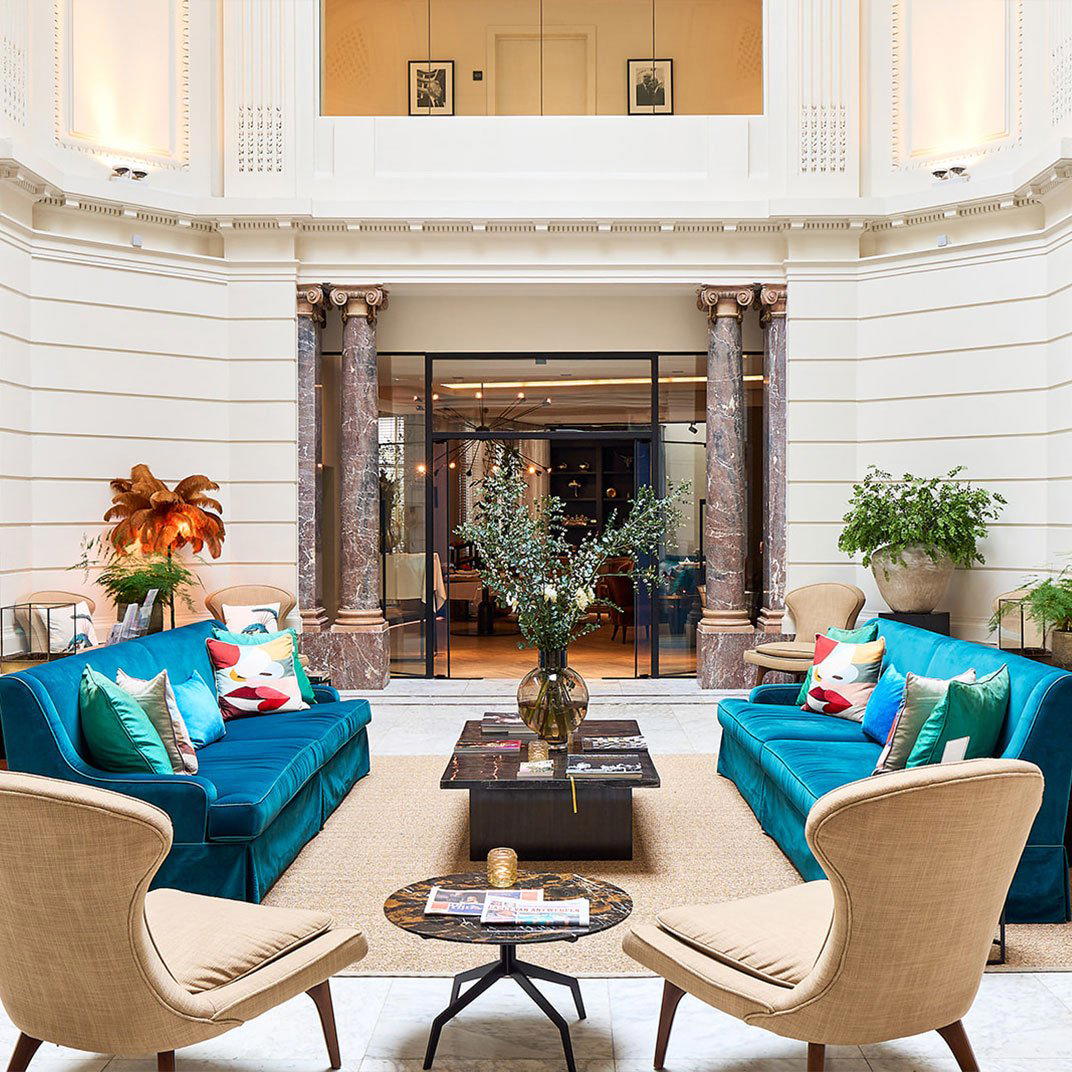
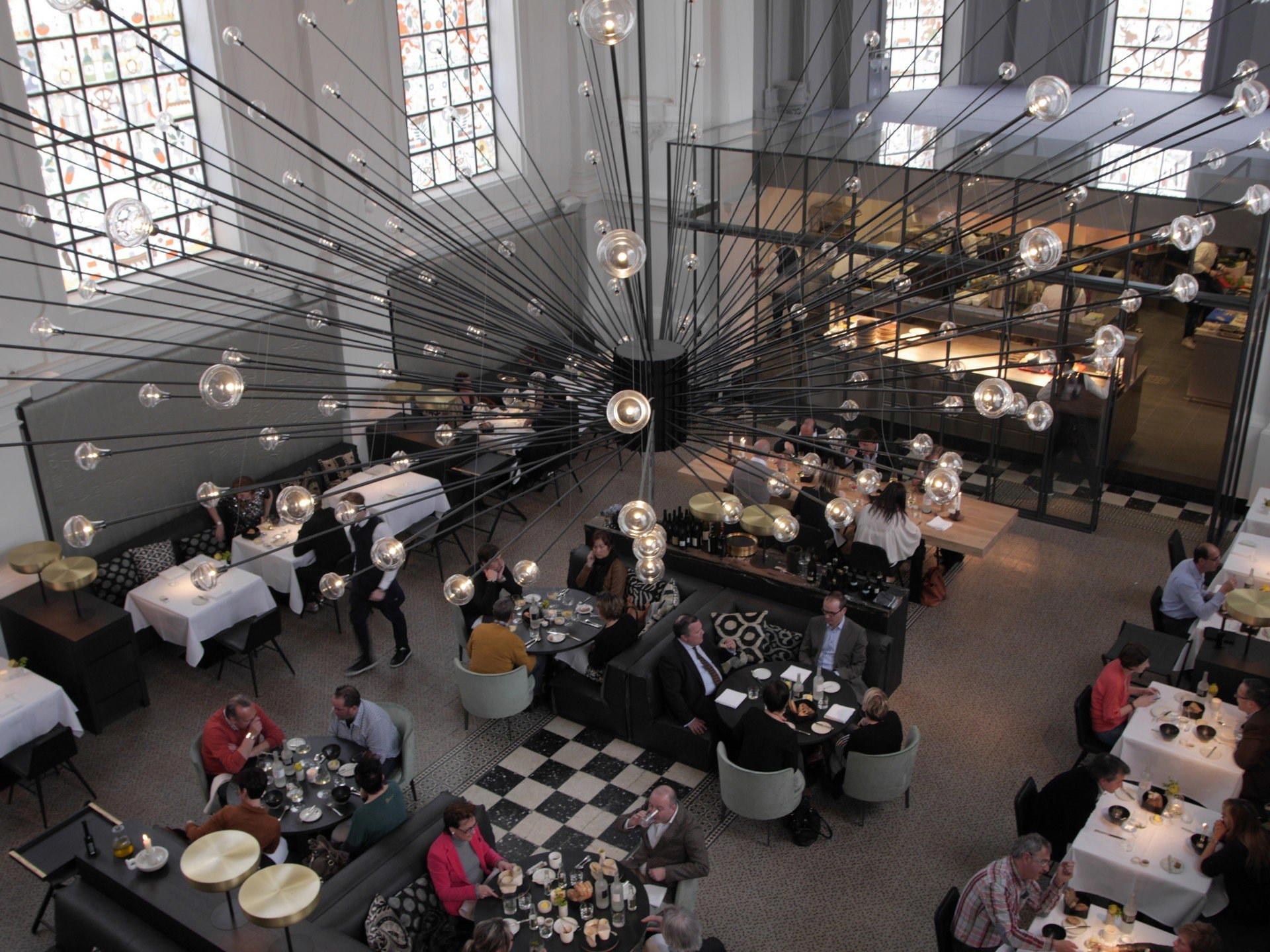
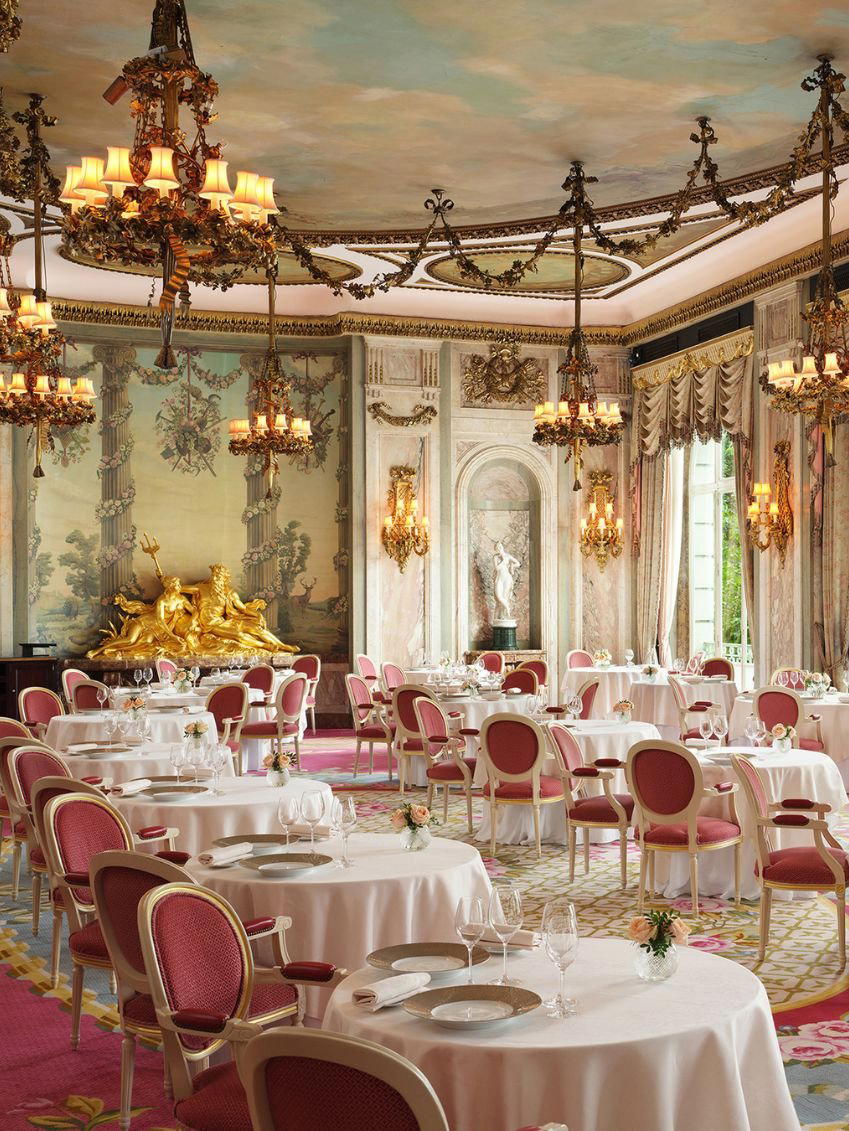
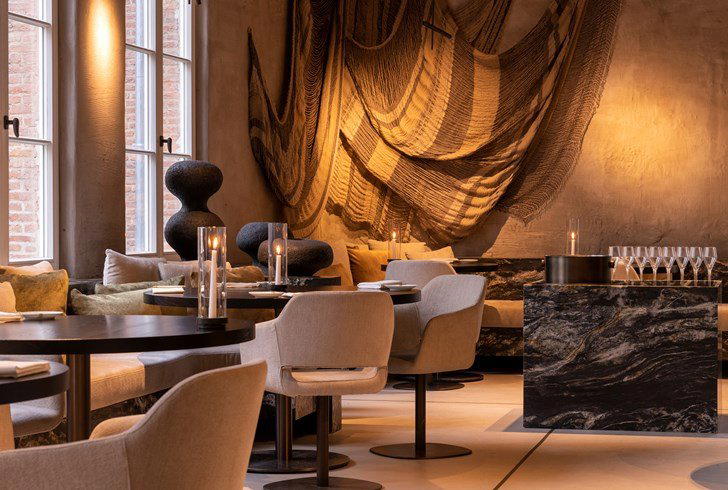
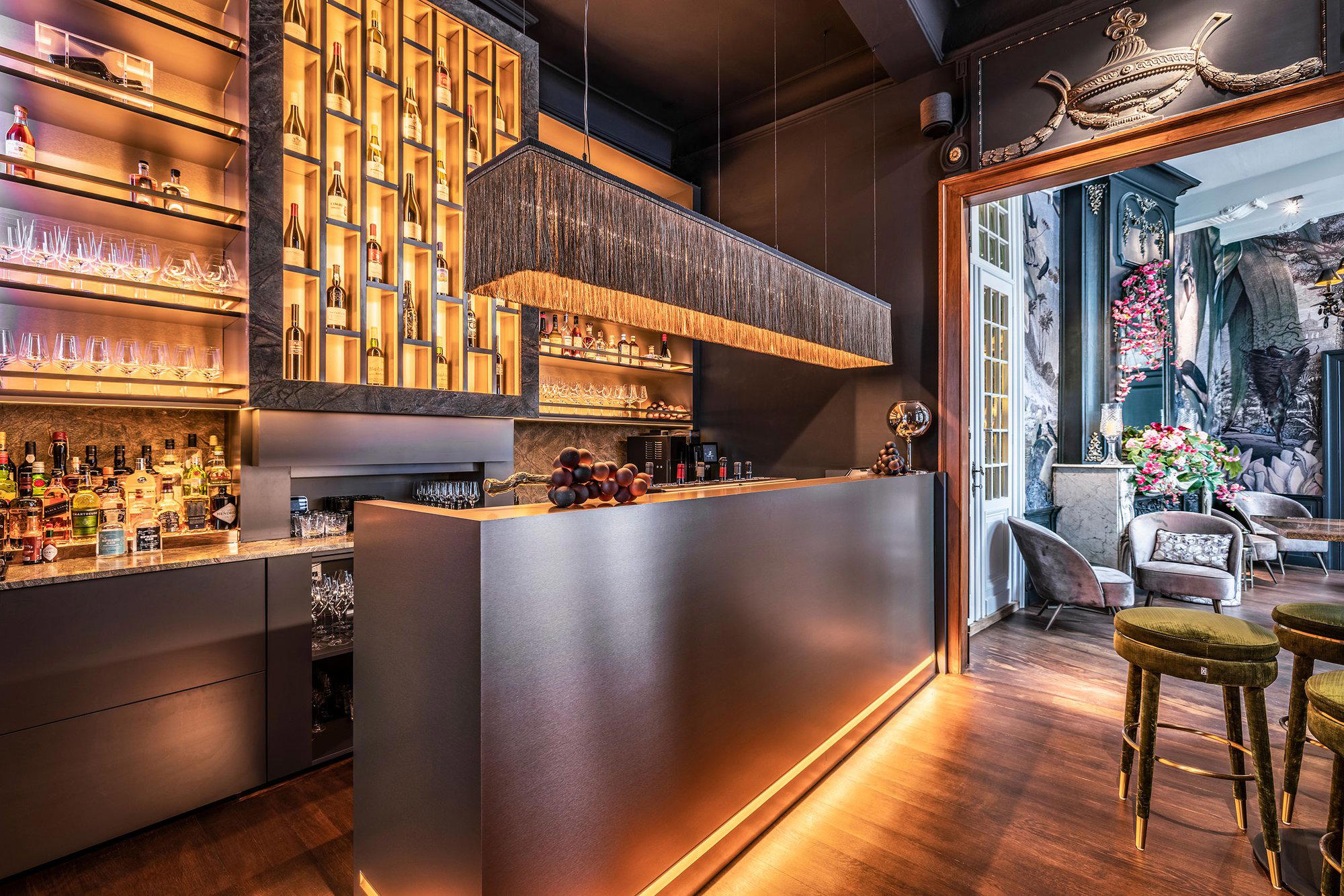
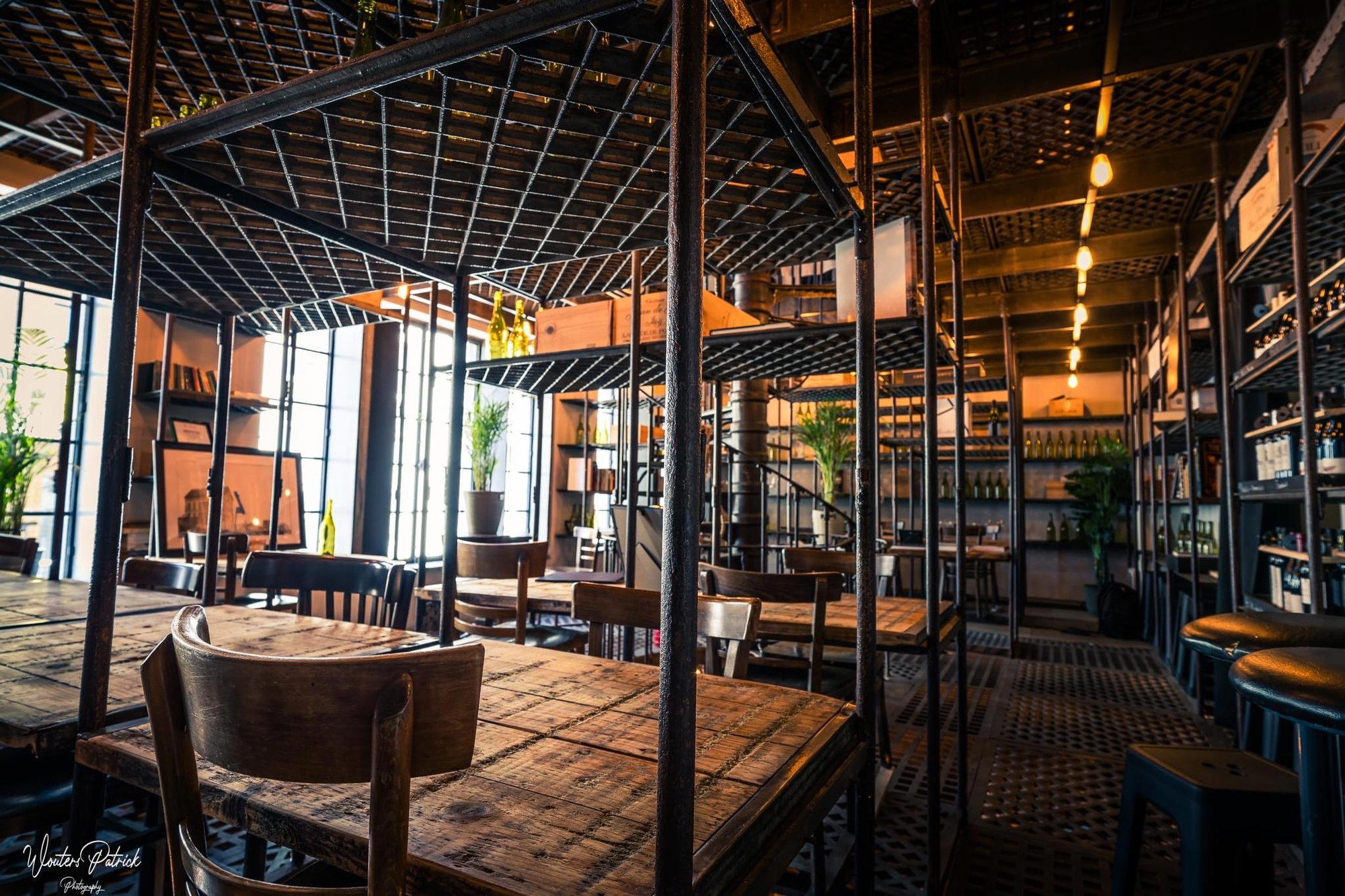
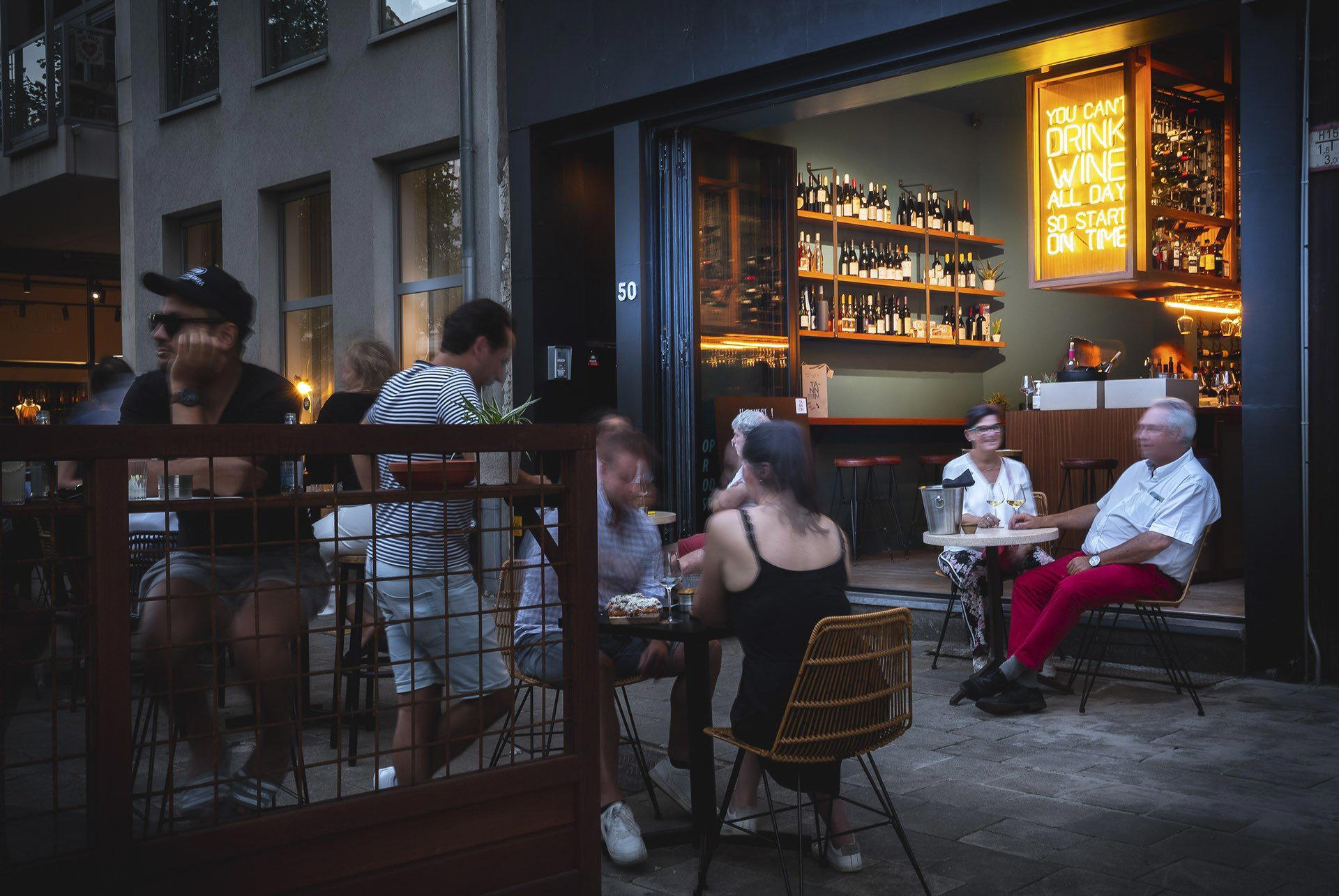
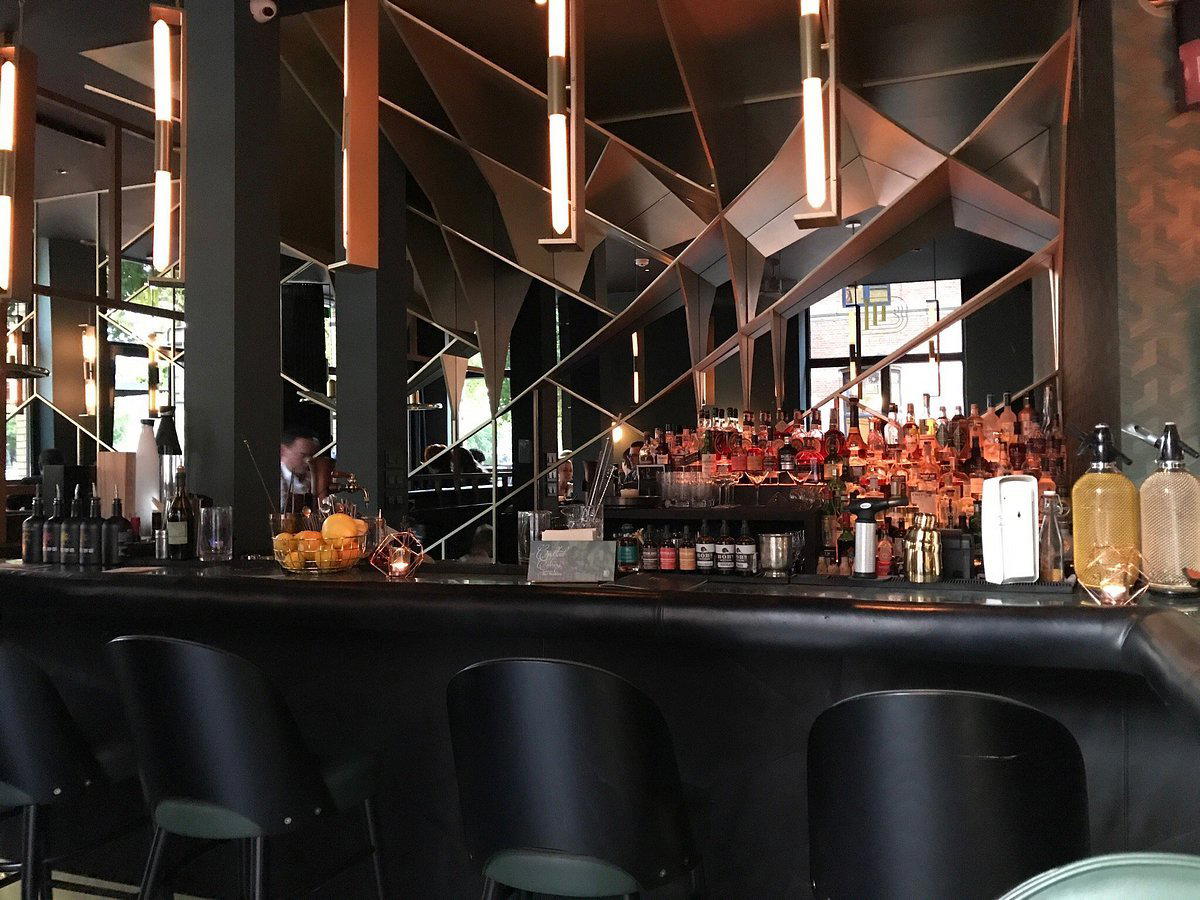
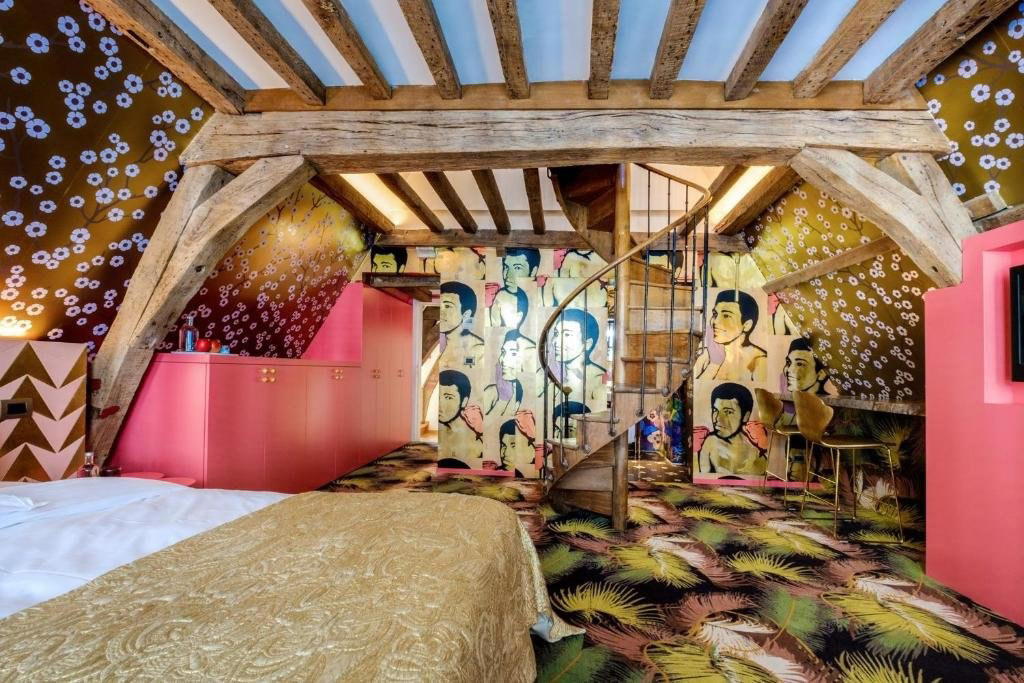
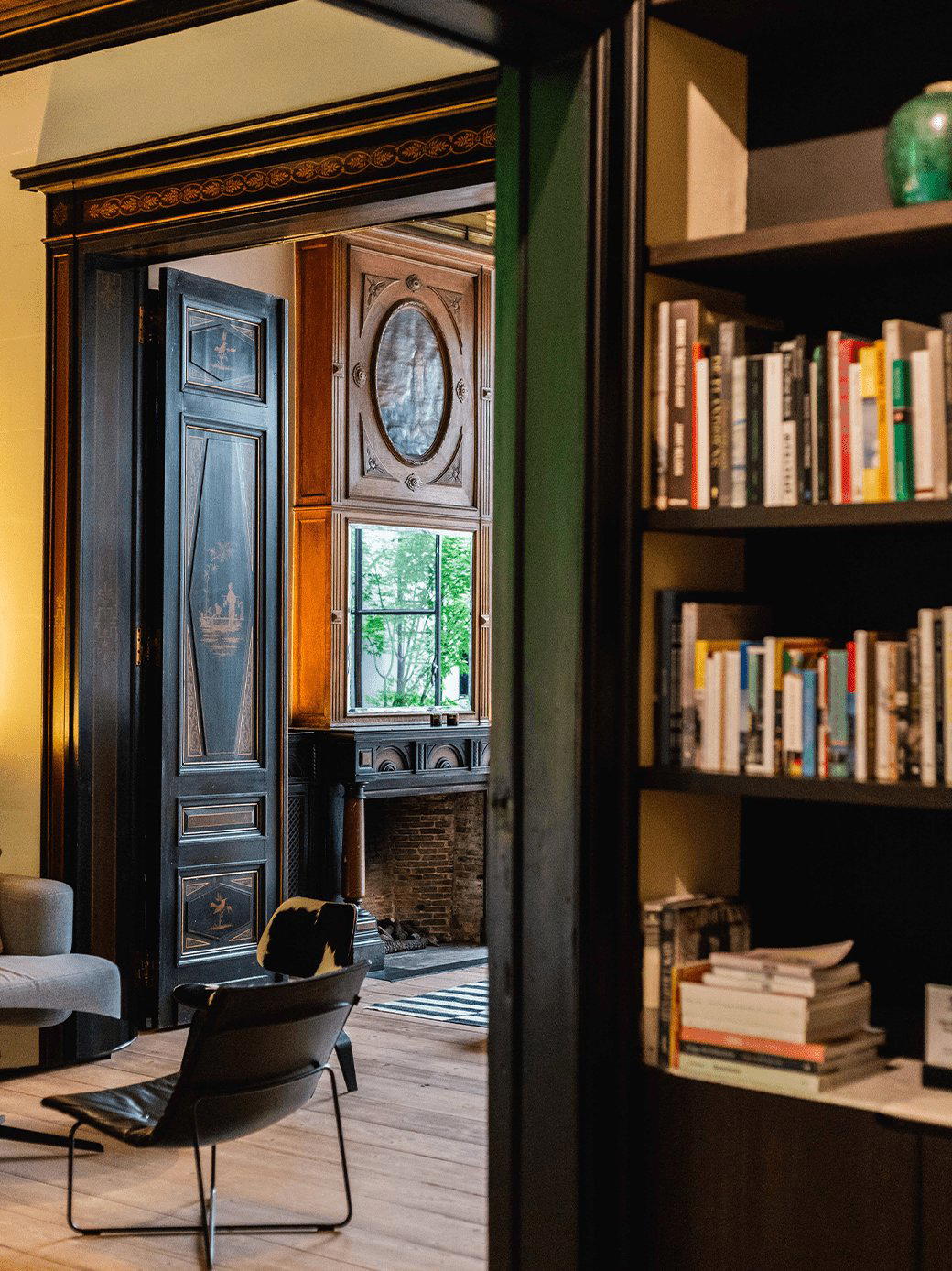
Pleasant and comfortable house-like atmosphere with nice terrace for outdoor dining.