On Turnhout's central Grote Markt, Marché 17 occupies one of the square's most-watched addresses, drawing a crowd that ranges from midweek locals to weekend visitors making the trip from Antwerp. The name signals its position directly: market-adjacent, ingredient-led, and grounded in what the surrounding Kempen region produces. For a mid-sized Flemish city still building its dining identity, it represents a meaningful data point.
Pearl is the En Primeur Club membership app — saves, bookings, and concierge access live there. Same editors, same standards.
- Address
- Grote Markt 17, 2300 Turnhout, Belgium
- Phone
- +3214427899
- Website
- marche17.be
- Directions
- Get directions
 Saves & bookings on Pearl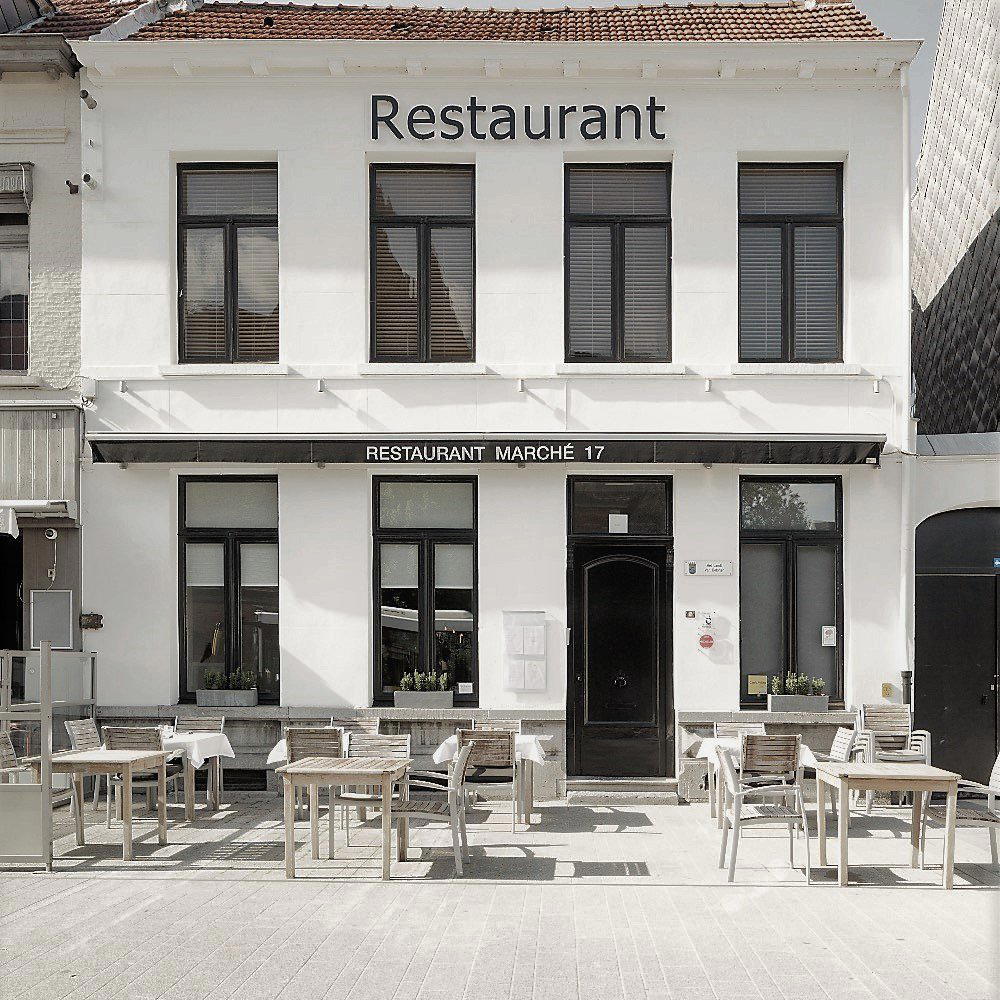
The Square as Context
Grote Markt in Turnhout functions the way central squares do in most Flemish provincial cities: as a social anchor, a reference point for directions, and a barometer for which restaurants are serious enough to hold a position on it. Addresses on the square carry more scrutiny than those tucked into side streets, because the foot traffic is constant and the comparison is immediate. Marché 17 sits at number 17 on that square, which means it operates under precisely that kind of open-air audit every service. It is a restaurant in Turnhout serving Modern French-Belgian Fine Dining, with dinner priced at about $65 per person.
Turnhout itself occupies an interesting position in Belgium's dining geography. It is not Ghent or Bruges, cities where restaurant tourism is a primary industry, nor is it close enough to Antwerp, roughly 40 kilometres to the southwest, to rely on that city's dining audience as a default. The restaurants that have built reputations here, including Hert with its Modern Flemish and French register and Bink in the Modern French tier, have done so by serving a genuinely local clientele rather than chasing external validation. Marché 17 operates within that same framework.
Where the Food Comes From
The name Marché, meaning market, is an editorial position as much as a branding choice. In Belgian dining, the term carries a specific implication: produce-first cooking, shaped by what is available rather than by a fixed seasonal menu printed months in advance. The Kempen region, the low-lying heathland province in which Turnhout sits, is not a celebrated agricultural zone in the way that parts of West Flanders are, but it produces a working larder: game in autumn, locally raised poultry, dairy from small-scale operations, and foraged ingredients from the heath itself when seasons cooperate.
The broader Belgian tradition of market-driven cooking has deep roots. The country's proximity to the French tradition of cuisine du marché, combined with Flemish pragmatism about seasonal availability, produced a restaurant culture where sourcing transparency became expected rather than aspirational. At the price tiers where Turnhout's restaurants compete, that expectation runs through venues like Amu and CucinaMarangon as well, with each kitchen articulating ingredient provenance in its own register. Marché 17's position on the square gives it a particular visibility within that conversation.
The restaurant operates within that same tradition, but in a more direct register, with a menu shaped by the market and the season.
The Grote Markt Dining Dynamic
Eating on a central Belgian square involves a particular atmosphere that is worth understanding before you book. These spaces are not quiet. Weekend evenings on Grote Markt bring the sounds of the square itself, foot traffic, occasional festivals, and the ambient noise that comes with buildings on a civic space. A restaurant at this address is making a deliberate choice to be part of that energy rather than apart from it. Venues on Belgian market squares that have sustained themselves over time tend to be those that treat the square's character as an asset, offering sightlines onto the activity outside while maintaining enough interior warmth to draw diners in.
The comparison set on Turnhout's square is instructive. Cachet de Cire also operates in the city's central dining zone, and the two venues address somewhat different audiences. Turnhout's dining scene has enough depth that visitors can spend a weekend eating well across multiple formats without repeating a cuisine or a price point, a claim that would not have been credible a decade ago.
Belgium's Provincial Dining Moment
There is a wider pattern worth noting here. Belgian provincial cities have been quietly developing serious restaurant cultures over the past decade, partly because real estate costs in Antwerp and Brussels have pushed talented operators toward smaller cities where rents allow more kitchen investment per cover. The result is that cities like Turnhout, Roeselare, home to Boury, and Beveren, where Castor has built a following, now host restaurants that would hold their own in any major European city. The restaurant is part of that provincial confidence, a restaurant that has chosen a Flemish market town over a bigger platform.
The contrast with Belgium's most-decorated urban addresses reinforces this point. Zilte in Antwerp and Bozar Restaurant in Brussels operate in cities where competition for dining attention is constant and the critical apparatus is fully deployed. Provincial restaurants like Marché 17 face a different challenge: building a loyal local audience without the infrastructure of a city dining scene to generate word of mouth. That they manage to do so says something about the quality floor the Kempen region's leading operators have established.
Internationally, the ingredient-sourcing emphasis that defines this tier of European provincial dining has parallels in cities far removed from Belgium. The rigour of Le Bernardin in New York around product quality, or the sourcing discipline evident at Atomix in the same city, reflects the same underlying conviction: that where food comes from is inseparable from what it tastes like. The scale and price tier differ enormously, but the logic connects.
Planning a Visit
Turnhout is accessible by train from Antwerp Centraal in approximately 50 minutes, making a dinner visit feasible without an overnight stay, though the city has enough to recommend an evening arrival and morning departure. The restaurant's position on Grote Markt means it is a short walk from the station and direct to combine with a pass through the city's older quarter.
A Quick Peer Check
Comparable venues nearby, for context on price, style, and recognition.
| Venue | Cuisine | Price | Awards | Notes |
|---|---|---|---|---|
| Marché 17This venue — the venue you are viewing | Modern French-Belgian Fine Dining | $$$ | Not listed | Not listed |
| Bink | Modern French Bistro | $$$$ | Michelin Plate | Turnhout |
| CucinaMarangon | Authentic Venetian Italian | $$$ | Michelin Plate | Turnhout center |
| Cachet de Cire | French-Belgian Fusion | $$ | Not listed | Turnhout center |
| Savoury | French-Belgian Fine Dining | $$$ | Michelin Plate | Turnhout |
| Hert | Modern French Fine Dining | $$$$ | Michelin 1 Star | Turnova Tower, Turnhout |
At a Glance
- Elegant
- Minimalist
- Sophisticated
- Intimate
- Date Night
- Business Dinner
- Special Occasion
- Private Dining
- Terrace
- Courtyard
- Open Kitchen
- Extensive Wine List
- Sommelier Led
- Farm To Table
- Local Sourcing
- Garden
Current opening hours
- Monday
- Closed
- Tuesday
- 12–2 PM, 6–9 PM
- Wednesday
- 12–2 PM, 6–9 PM
- Thursday
- 12–2 PM, 6–9 PM
- Friday
- 12–2 PM, 6–9 PM
- Saturday
- 12–2 PM, 6–9 PM
- Sunday
- Closed
Hours can change for holidays and private events. Last verified .
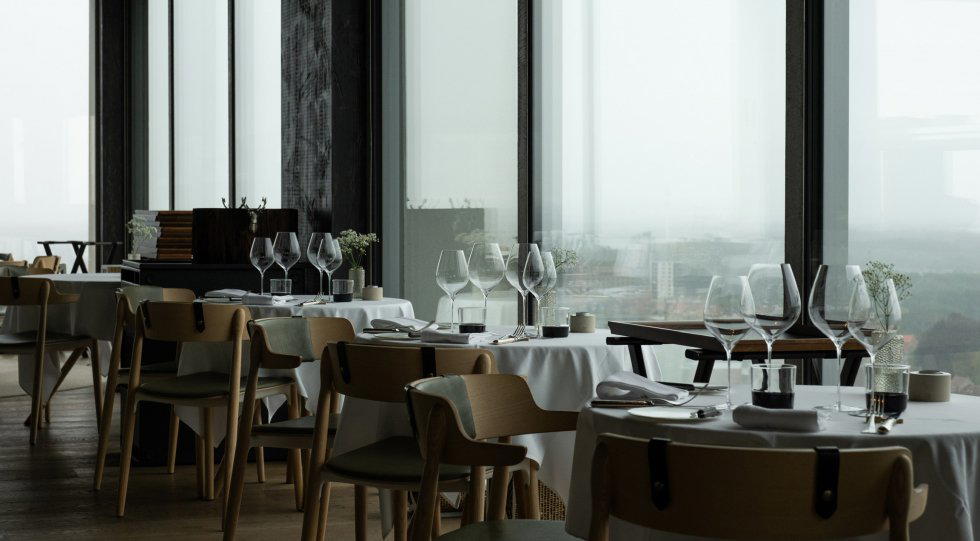
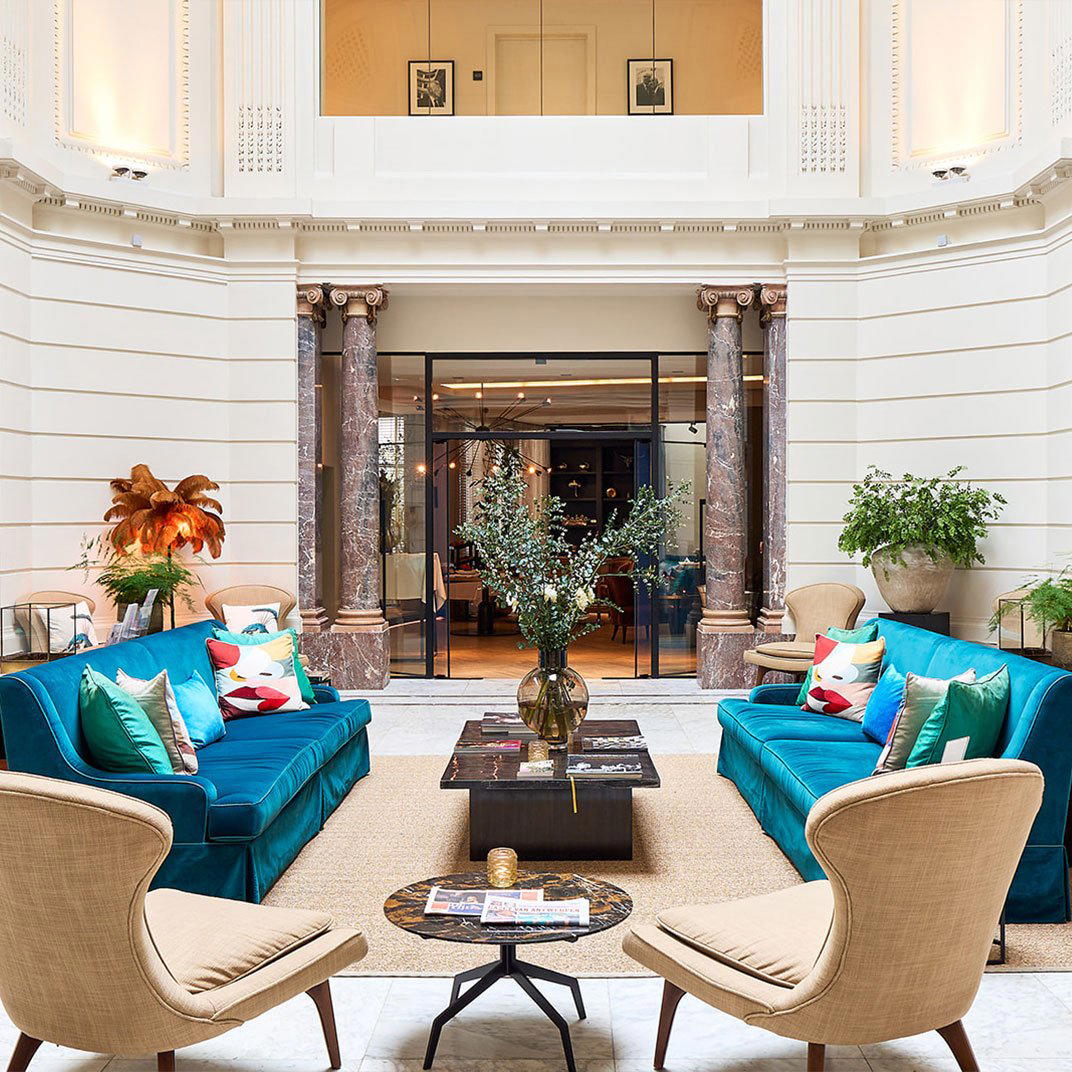
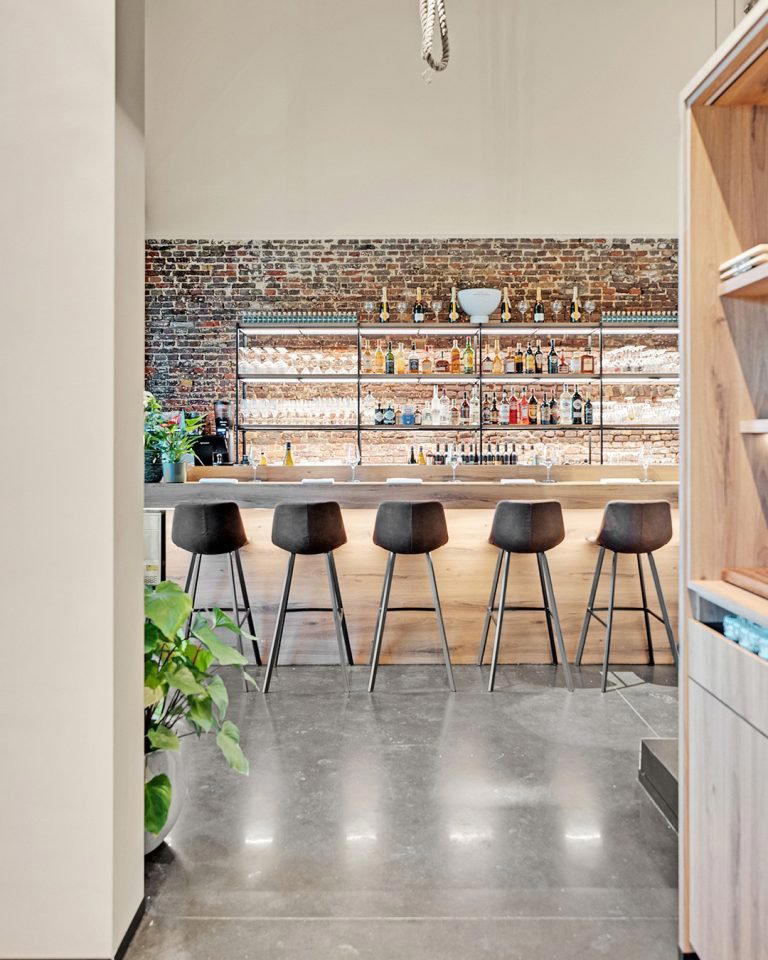
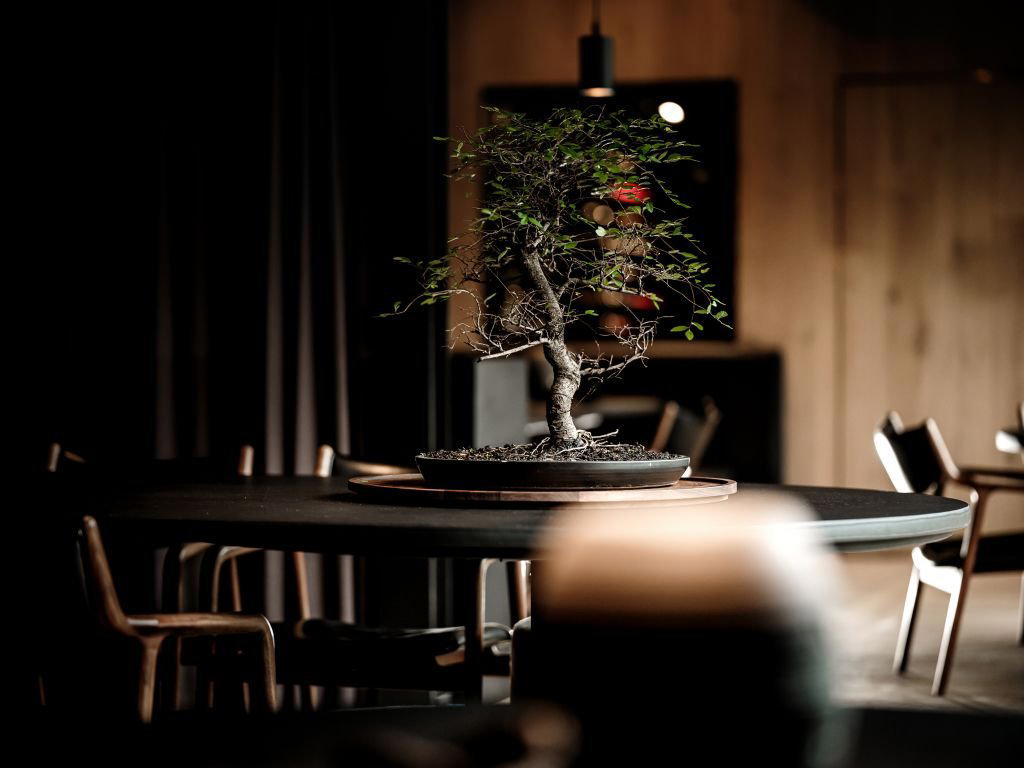
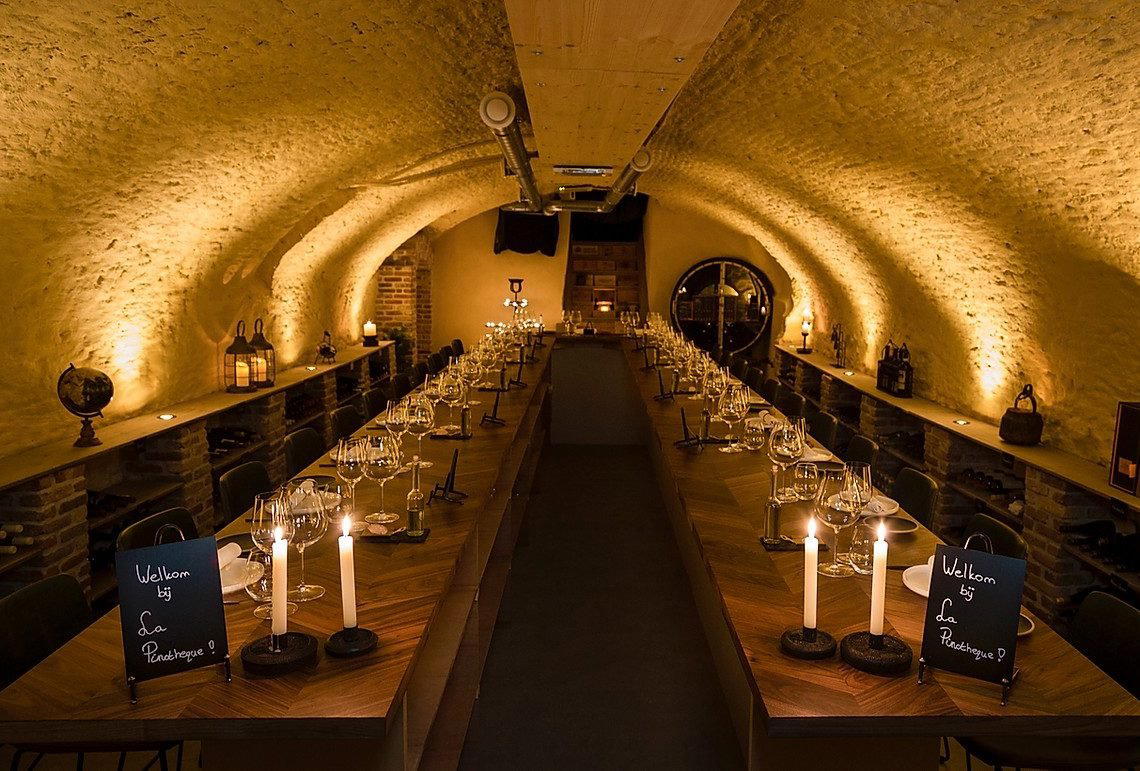
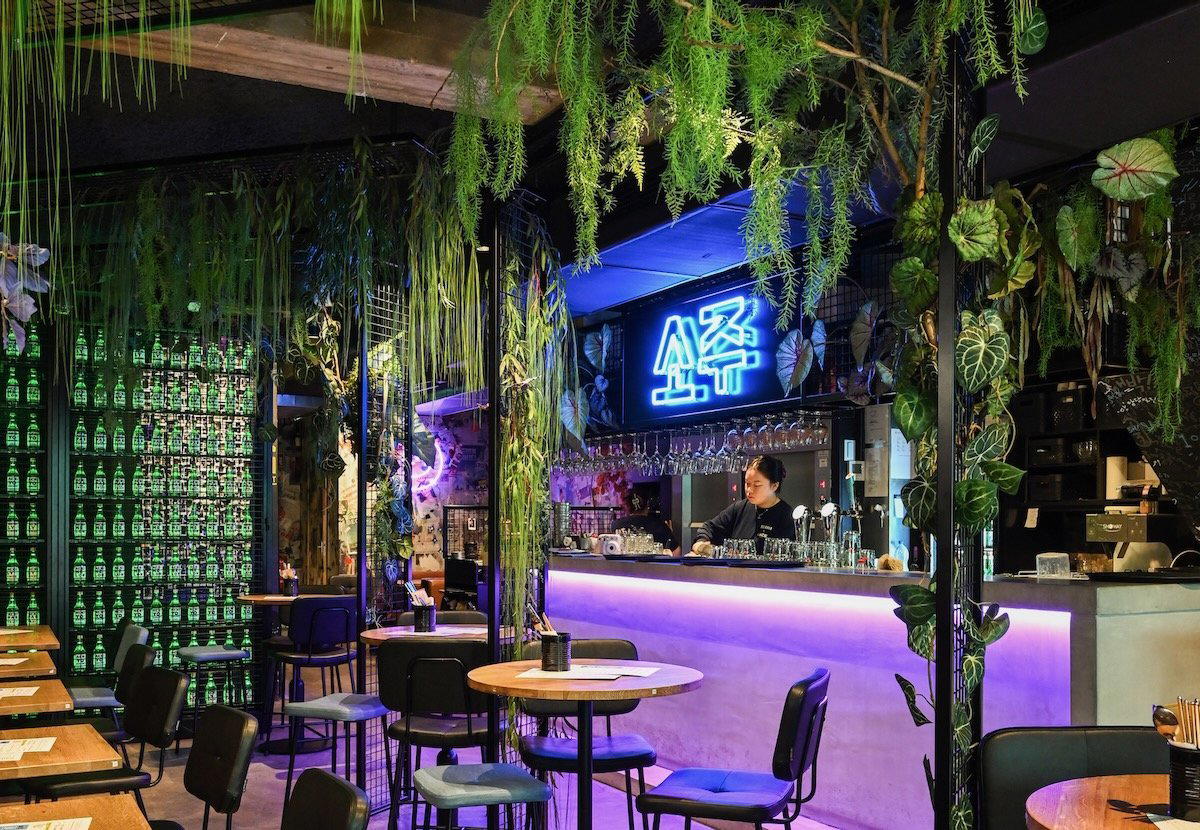
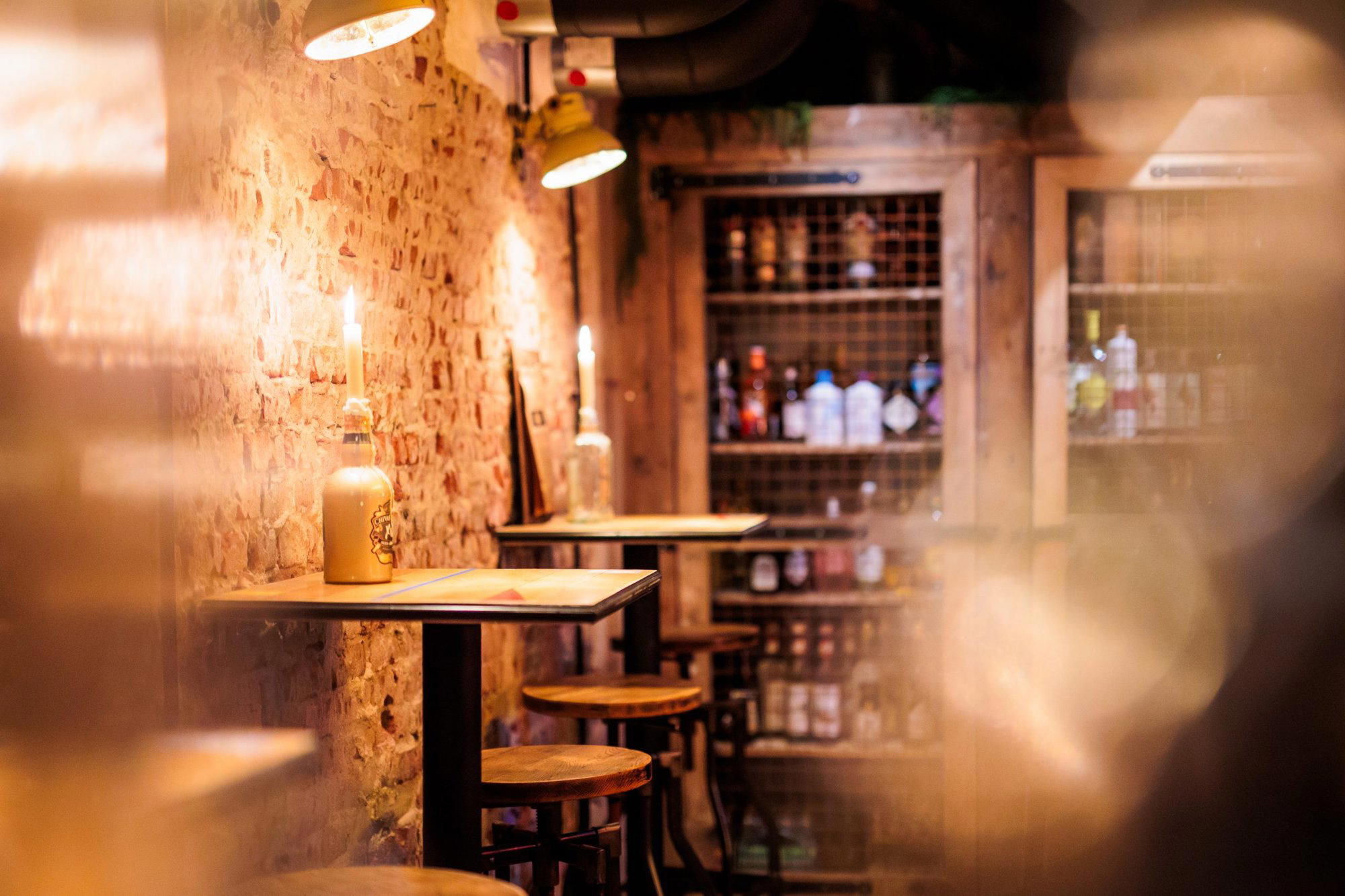
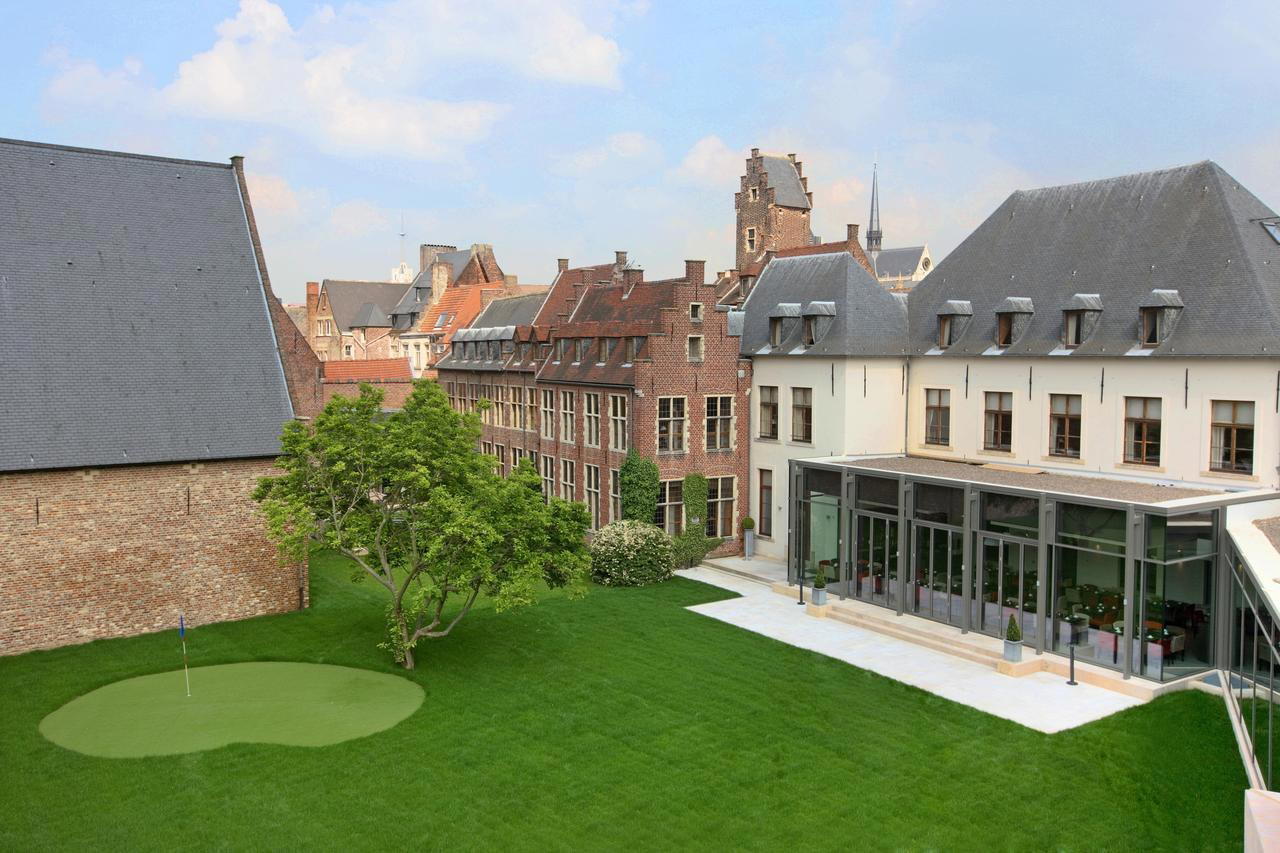
Warm, contemporary interior with soft lighting and well-set tables; bright back portion with views of a green courtyard; calm, relaxed atmosphere suited for both special occasions and quiet evenings.