Klein Zoersel sits on Lierselei in Malle, a quiet municipality in the Antwerp province where Belgium's countryside dining tradition runs deep. With limited public data available, the address alone places it within a regional circuit where locally rooted hospitality and Flemish culinary culture tend to define the offer. Visitors exploring Malle's restaurant scene will find context in EP Club's broader guide to the area.
 Discover on Pearl
Pearl is the En Primeur Club membership app — saves, bookings, and concierge access live there. Same editors, same standards.
- Address
- Lierselei 173, 2390 Malle, Belgium
- Phone
- +3234641036
- Website
- kleinzoersel.be
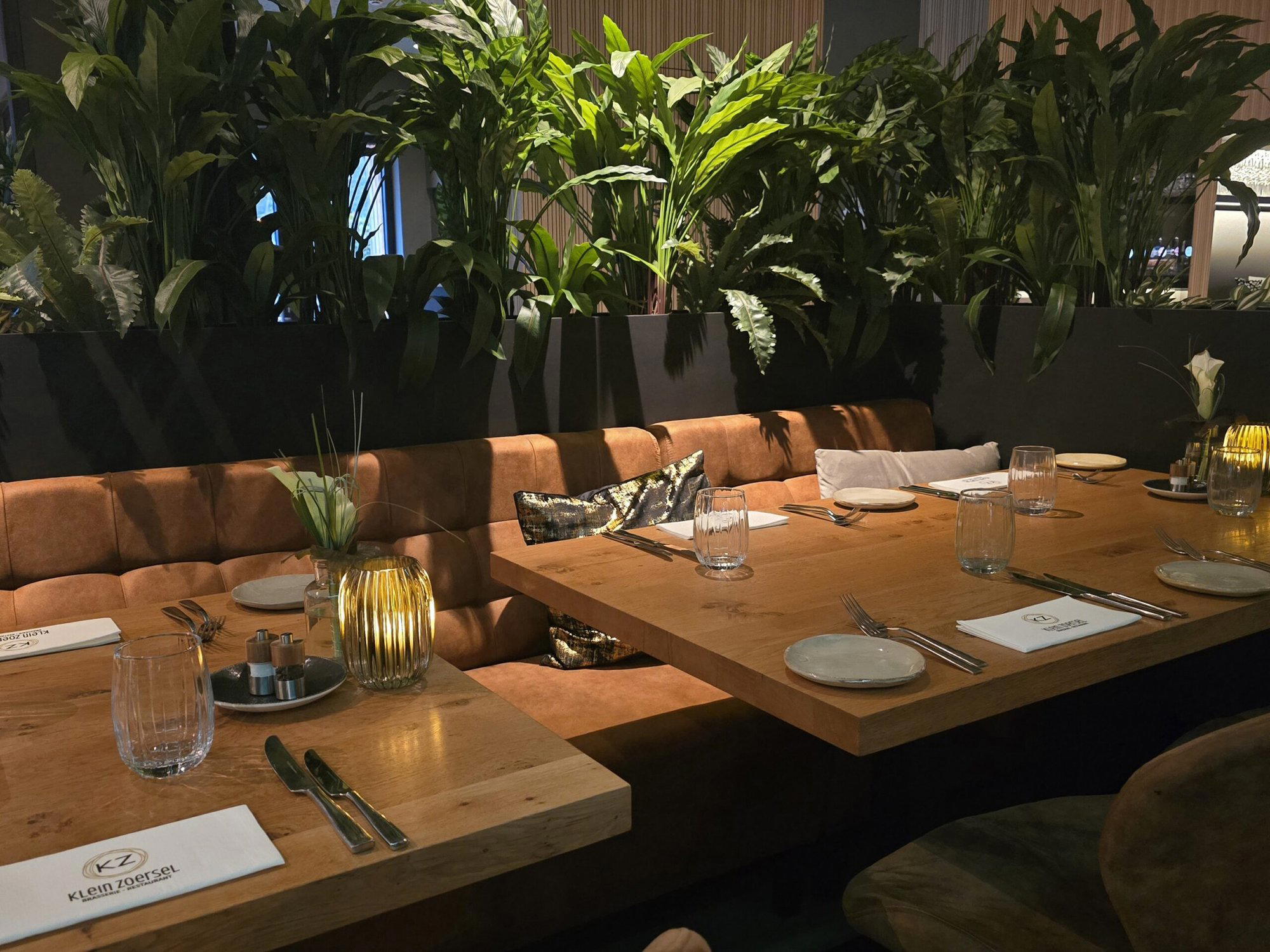
Malle and the Quiet Seriousness of Flemish Provincial Dining
Belgium's most interesting dining addresses are not always in Brussels or Antwerp. A consistent pattern across the country's gastronomy is that serious kitchens have long established themselves in smaller municipalities, drawing on proximity to agricultural land, lower operating costs than city centres, and a dining culture that treats a long lunch or evening table as a legitimate occasion rather than a convenience. The Antwerp province, and the Kempen region in particular, fits that pattern. Malle, a municipality of scattered villages and rural roads roughly 25 kilometres northeast of Antwerp, sits within that tradition. Klein Zoersel, at Lierselei 173 in the Zoersel district of Malle, is one address within this local circuit.
Understanding what Klein Zoersel represents requires situating it against the broader Flemish tendency to build dining culture at the village level. In France, the equivalent would be a Michelin-tracked auberge in a departmental backwater; in Belgium, particularly in Flanders, the phenomenon is if anything more pronounced. The country's density of recognised restaurants per capita remains among the highest in Europe, and a disproportionate share of those addresses sit outside major urban centres. For a venue in a place like Malle, the relevant competitive frame is not the Antwerp city centre but rather the wider constellation of provincial Flemish kitchens that have built reputations on consistent quality and a sense of place. Nearby restaurants like De Kleinen Bistro and Lotier operate within that same local frame, and together they define the character of dining in this part of the province.
The Cultural Logic of Flemish Countryside Cooking
Flemish cooking at the provincial level has never been primarily about spectacle. The tradition leans toward ingredient respect, seasonal rotation, and a kind of purposeful restraint that distinguishes it from the more theatrical end of modern Belgian fine dining. Where kitchens like Zilte in Antwerp or Boury in Roeselare operate at the creative and technical apex of what Belgian cuisine can produce, the countryside register tends toward something more grounded: produce from identifiable regional sources, preparations that foreground flavour over technique, and a room that feels like a destination in itself rather than an extension of city life.
This is not a lesser form of dining. Belgium's broader restaurant culture, from the Flemish coast addresses like Bartholomeus in Heist and Willem Hiele in Oudenburg to inland creative kitchens such as Hof van Cleve in Kruishoutem and De Jonkman in Sint-Kruis, has consistently demonstrated that the country's culinary seriousness does not require a metropolitan postcode. A venue in Malle participates in that national tradition. The question for any visitor is always how a given address interprets the local idiom, and what it prioritises within the range of choices available in provincial Flemish cooking.
Across Belgium's broader restaurant geography, there is also a divide between venues that have pursued formal recognition aggressively and those that operate in a more local register, building their reputations through word of mouth, a settled clientele, and a stable seasonal offer. Places like La Durée in Izegem, Castor in Beveren, and L'air du temps in Liernu each occupy different positions within that spectrum.
What the Address Tells You
Lierselei is a road that runs through the Zoersel section of Malle, a predominantly residential and semi-rural area where dining addresses tend to occupy converted farmhouses, standalone villas, or purpose-built spaces set back from the road. The address pattern is common across the Kempen: restaurants that require a specific journey rather than a casual walk-in, serving a clientele that has chosen to travel to them. That dynamic shapes the offer in predictable ways. Kitchens in these locations typically operate on a more curated schedule, often with set menus or a limited daily selection that reflects what is available from local suppliers rather than a year-round fixed card.
For visitors travelling from Antwerp, Malle is accessible by regional road in under 30 minutes, making it a practical option for a lunch excursion or an evening away from the city. Those arriving from further afield, including visitors using Brussels as a base, should factor in a roughly 60-minute drive. Given the rural character of the address, arriving by car is the practical approach. Public transport connections to Malle exist but are limited, and the specific Lierselei address is not within convenient walking distance of any regional rail stop.
Planning a Visit
This is standard practice for smaller venues in the Flemish provinces, where opening days and seasonal closures can shift without wide public notice. The most reliable approach for rural Belgian addresses of this type is direct contact or a check of the venue's current online presence before travel.
Zilte for those seeking a creative fine dining benchmark. For those whose interest in Belgian gastronomy runs to the capital, Bozar Restaurant in Brussels and Le Chalet de la Forêt in Uccle both represent the Brussels end of the spectrum at the formal level. For Walloon comparisons, La Table de Maxime in Our and d'Eugénie à Emilie in Baudour offer a sense of how the southern Belgian provinces approach the same rural fine dining tradition from a different cultural starting point.
Le Bernardin in New York City and Atomix in New York City represent the American end of the fine dining continuum, useful calibration for visitors approaching Belgian provincial dining from an international perspective.
Cost Snapshot
Comparable venues nearby, for context on price, style, and recognition.
| Venue | Cuisine | Price | Awards | Notes |
|---|---|---|---|---|
| Klein ZoerselThis venue — the venue you are viewing | Oostmalle, Belgian Brasserie | $$ | , | |
| De Kleinen Bistro | Westmalle, Modern Belgian Bistro | $$$ | , | |
| Lotier | $$$ | , | Westmalle, Modern French-Belgian Fine Dining | |
| Charlotte | Leopoldsburg, Modern Belgian | $$ | , | |
| Brasserie de la Gare | $$ | , | Berchem-Sainte-Agathe, Classic Belgian Brasserie | |
| Le Dillens | Saint-Gilles, Belgian Bistro | $$ | , |
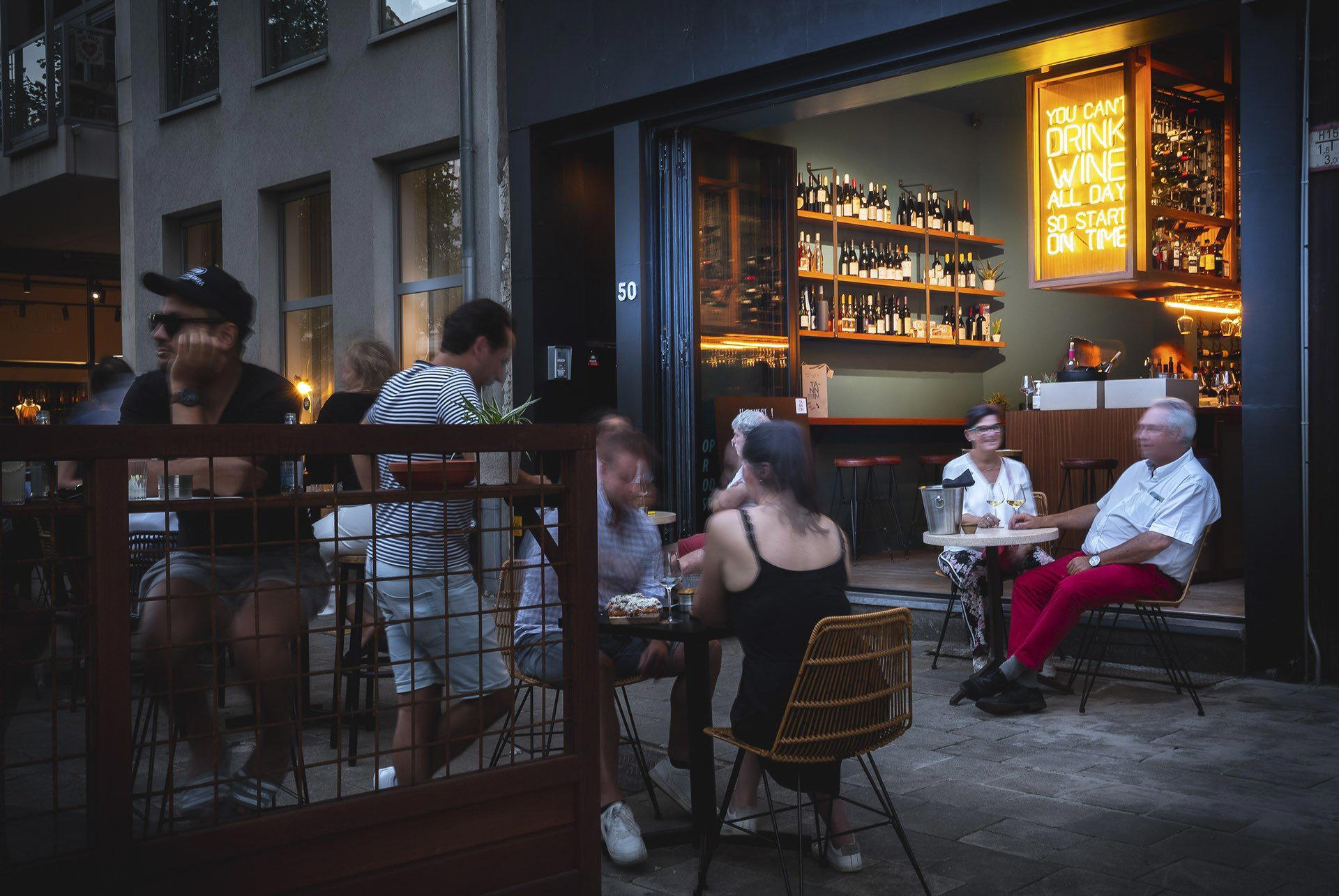
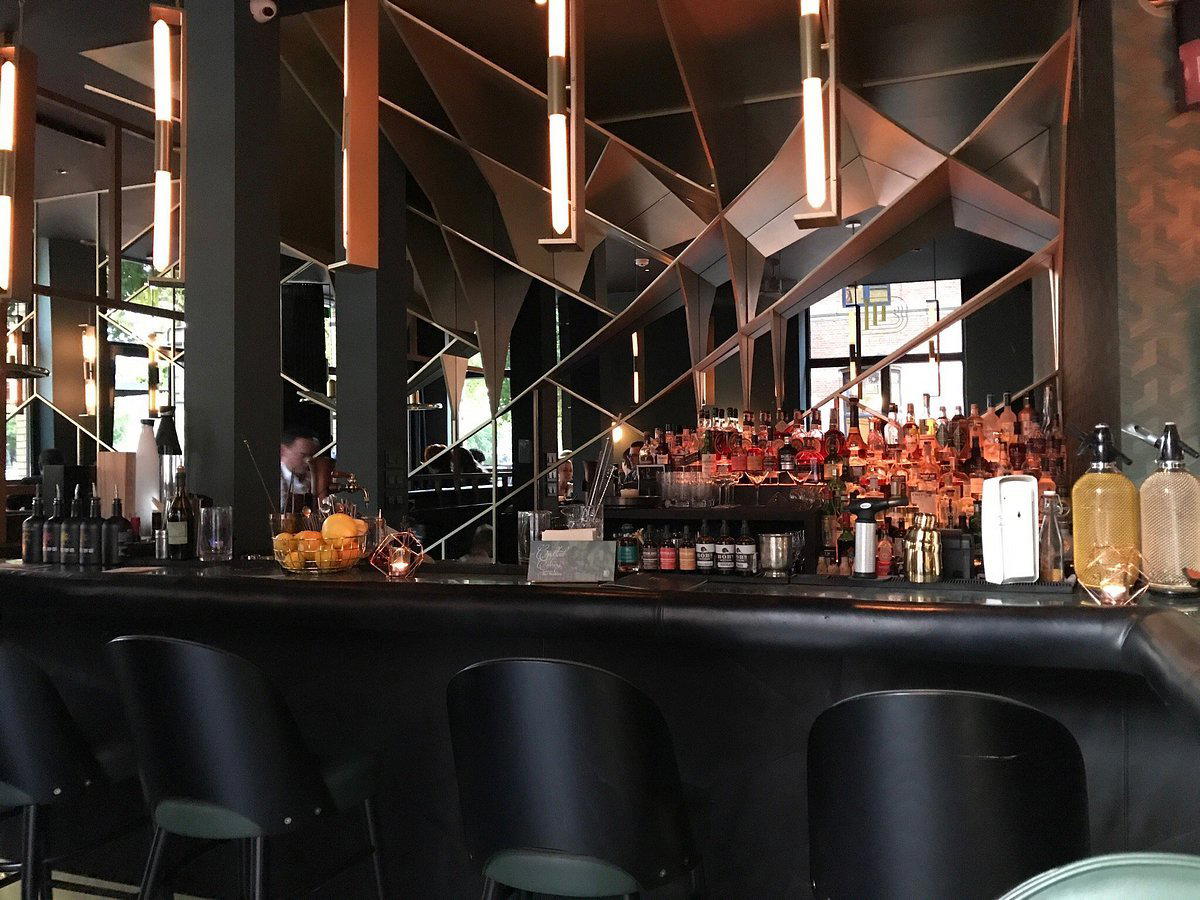
At a Glance
- Cozy
- Terrace
Warm and inviting atmosphere with friendly service.