Our verdict
Zilverden sits on Kapellensteenweg in Kalmthout, a village in the Antwerp province where the Belgian fine-dining tradition of local-product sourcing and careful seasonal cooking has long found a quiet but serious home. The address places it within a regional dining circuit that values substance over spectacle, drawing visitors willing to leave the city for cooking that earns the detour.

Pearl is the En Primeur Club membership app — saves, bookings, and concierge access live there. Same editors, same standards.
- Address
- Kapellensteenweg 454, 2920 Kalmthout, Belgium
- Phone
- +3236666662
- Hours
- Mon 12–2 PM, 6–9 PMTue–Wed ClosedThu–Sat 12–2 PM, 6–9 PMSun 5:30–9 PM
- Website
- zilverden.be
- Directions
- Get directions
- Booking
- Book on the venue's website
The Kalmthout Setting and What It Signals
The road north from Antwerp toward the Dutch border passes through a landscape that Belgian food culture has quietly claimed as its own. Kalmthout, a low-density municipality in the province of Antwerp, sits within a cluster of villages where serious cooking has historically operated without the visibility of Bruges or Brussels. That relative obscurity is not a deficiency; it reflects a pattern found across Flemish Belgium, where some of the country’s most considered dining rooms operate well outside the urban circuit. Zilverden, at Kapellensteenweg 454, belongs to this geography and to the broader tradition it represents.
Belgium’s position in European fine dining is built on a specific tension: the country produces an outsized number of Michelin-starred tables relative to its size, yet many of those rooms operate in provincial towns that international visitors rarely prioritise. Venues like Hof van Cleve in Kruishoutem and Boury in Roeselare have demonstrated that the country’s culinary weight is distributed across the map, not concentrated in its capitals. Kalmthout fits that pattern, and Zilverden’s address on one of the area’s main thoroughfares positions it within that dispersed, regionalist tradition rather than against it.
Belgian Culinary Roots and the Regional Table
To understand a dining room in this part of Flanders, it helps to understand the culinary tradition it draws from. Belgian cooking at the serious level is not a single style but a negotiation between the French classical inheritance, the Flemish instinct for product-first cooking, and an increasingly confident regional identity that prizes local sourcing and seasonal discipline. Across the Antwerp province, that negotiation tends to resolve toward restraint: fewer theatrical gestures, more attention to the quality of primary ingredients, and a format that keeps the focus on the plate rather than the production around it.
The village dining rooms that sit outside the city proper, Zilverden among them, typically occupy a more intimate scale than their urban counterparts, which shapes both the format and the expectations a visitor brings.
Kalmthout’s immediate dining scene includes Huize Alberic, which applies a French Contemporary approach at the top of the local market, and Sensi, which reads the same small-town context with a different culinary lens. Zilverden’s position within that local triangle gives the visitor a choice of registers without leaving the municipality. For a full view of the options, the EP Club Kalmthout restaurants guide maps the area’s dining circuit in detail.
What the Address Tells You About the Format
Kapellensteenweg is a connecting road rather than a destination street, which says something about how Zilverden positions itself. Restaurants that choose arterial addresses in small Belgian municipalities tend to rely on reputation and repeat custom rather than foot traffic or tourist discovery. That model, common to the Flemish provincial dining tradition, implies a room that operates on a reservation basis and draws from a catchment extending well beyond the village itself. Visitors travelling from Antwerp, roughly 25 kilometres to the south, or from across the Dutch border to the north, make up a realistic radius for a restaurant operating at any meaningful price point in this location.
The same structural logic applies to tables like Bartholomeus in Heist and Willem Hiele in Oudenburg, both of which built serious reputations from addresses that require deliberate travel. In each case, the detour becomes part of the dining proposition: arriving at a room that has not traded on location convenience signals to a particular type of guest that the cooking justifies the journey.
Placing Zilverden in the Belgian Fine-Dining Circuit
Belgium’s fine-dining circuit is usefully understood in tiers. The Brussels axis holds the formal anchors: Bozar Restaurant and Le Chalet de la Forêt in Uccle operate in the capital’s upper register, trading on institutional setting and sustained critical recognition. Walloon addresses like L’air du Temps in Liernu and La Table de Maxime in Our demonstrate that the French-leaning south has its own productive dining tradition. In Flanders, the West Flemish cluster around Bruges and the coast anchors one pole, while the Antwerp province anchors another.
Kalmthout sits at the northern edge of that Antwerp cluster, closer to Essen and the border than to the city’s ring road. Rooms that operate in this position within the Belgian circuit rarely seek the recognition infrastructure that drives urban fine dining; they tend to build quietly, through consistent cooking and local loyalty, in a pattern that resembles how La Durée in Izegem or d’Eugénie à Emilie in Baudour have operated in their respective provincial contexts.
For international visitors calibrating against a global reference point, the serious Belgian provincial dining room occupies a position roughly analogous to what Le Bernardin in New York or Atomix represent in their city: a level of cooking that rewards informed attention and prior research, even when the setting does not advertise itself loudly. The scale is different, the cultural context is different, but the underlying logic of destination-worthy cooking in a specific address is the same.
For those planning a wider Flemish itinerary, De Jonkman in Sint-Kruis represents the West Flemish counterpart to the Antwerp provincial model, applying Modern Flemish creativity within a similarly low-profile geographic frame.
Planning a Visit
Kalmthout is accessible from Antwerp by car in under 30 minutes via the E19 motorway and connecting roads. Train connections from Antwerp Centraal to Kalmthout station exist on the regional rail network, making the journey feasible without a car, though onward travel within the municipality benefits from a vehicle. Visitors arriving from the Netherlands via the A58 corridor can reach the address directly without entering the city. Those building a multi-day Antwerp province itinerary will find the EP Club Kalmthout dining guide a useful framework for sequencing meals across the municipality’s available options.
Frequently asked questions
Can I bring kids to Zilverden?
Zilverden sits on Kapellensteenweg in Kalmthout within the Belgian provincial fine-dining tier, a format that typically runs on advance reservations and structured service pacing. That kind of room tends to work better for adult tables. Contacting the venue directly before booking with children is the practical step.
How would you describe the vibe at Zilverden?
Kalmthout's position in the Belgian provincial dining tradition shapes what to expect: quiet seriousness over urban energy, with rooms that prioritise the meal rather than the scene. The address on Kapellensteenweg, a connecting road rather than a high-footfall strip, reinforces that orientation. This is a destination you travel to deliberately, not a place you walk into on impulse.
Is Zilverden a good option for a special occasion dinner from Antwerp?
Kalmthout is under 30 minutes from Antwerp via the E19, making Zilverden a practical choice when you want to step outside the city for a considered meal. Belgium's provincial fine-dining model has long positioned the short drive as part of the experience, separating these rooms from the urban restaurant circuit by design. Booking ahead is advisable given the reservation-dependent format common at this tier.
What do people recommend at Zilverden?
EP Club does not hold confirmed menu data for Zilverden at this time, so specific dish recommendations cannot be made here. In the Belgian provincial fine-dining context around Antwerp, kitchens at this tier typically anchor menus in regional Flemish produce and classical technique.
What's Zilverden's location?
Zilverden is located at Kapellensteenweg 454, 2920 Kalmthout, Belgium, Kalmthout.
A Pricing-First Comparison
Comparable venues nearby, for context on price, style, and recognition.
| Venue | Cuisine | Price | Awards | Notes |
|---|---|---|---|---|
| ZilverdenThis venue — the venue you are viewing | Modern French-Belgian | $50–100 | Not listed | Not listed |
| Sensi | Modern Belgian Bistro | Not listed | Not listed | Kalmthout, Modern Belgian Bistro |
| Huize Alberic | Modern Belgian Bistro | $50–100 | Michelin Plate | Kalmthout, Modern Belgian Bistro |
| Crush | Belgian-French Bistro | Not listed | Not listed | Pl. de Brouckere, Belgian-French Bistro |
| Vienna | French-Belgian Bistro | $50–100 | Not listed | Lokeren Station, French-Belgian Bistro |
| Sapor | Modern French-Belgian with vegetable focus | Not listed | Not listed | Living Tomorrow Innovation Campus, Modern French-Belgian with vegetable focus |
Continue exploring
More in Kalmthout
Restaurants in Kalmthout
Browse all →
Bars in Kalmthout
Browse all →
Details
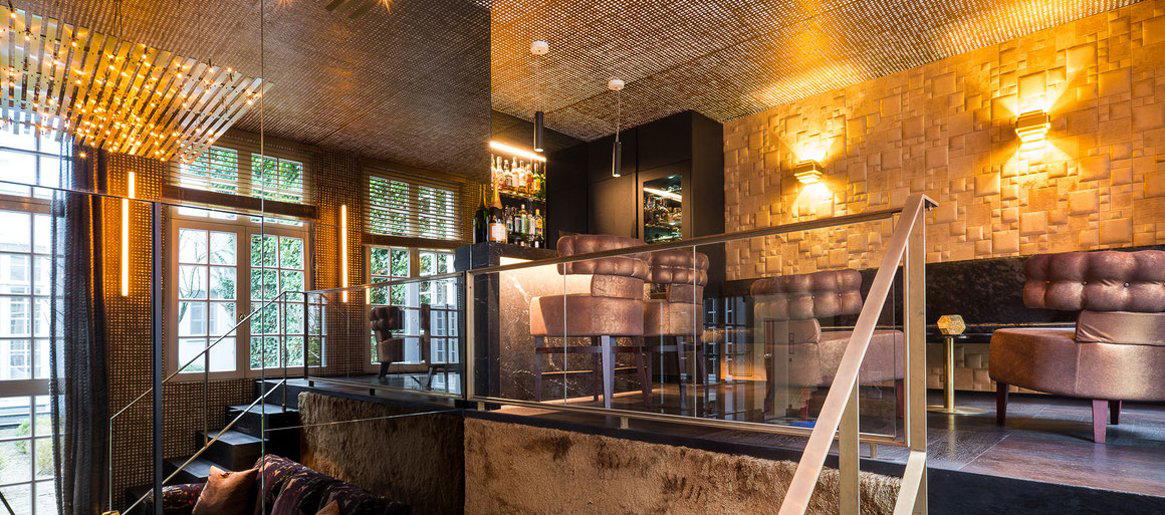
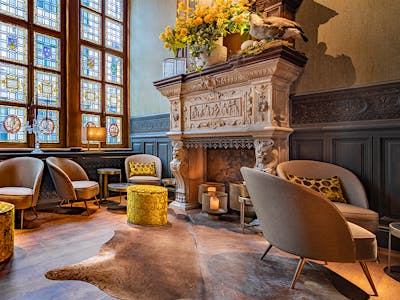
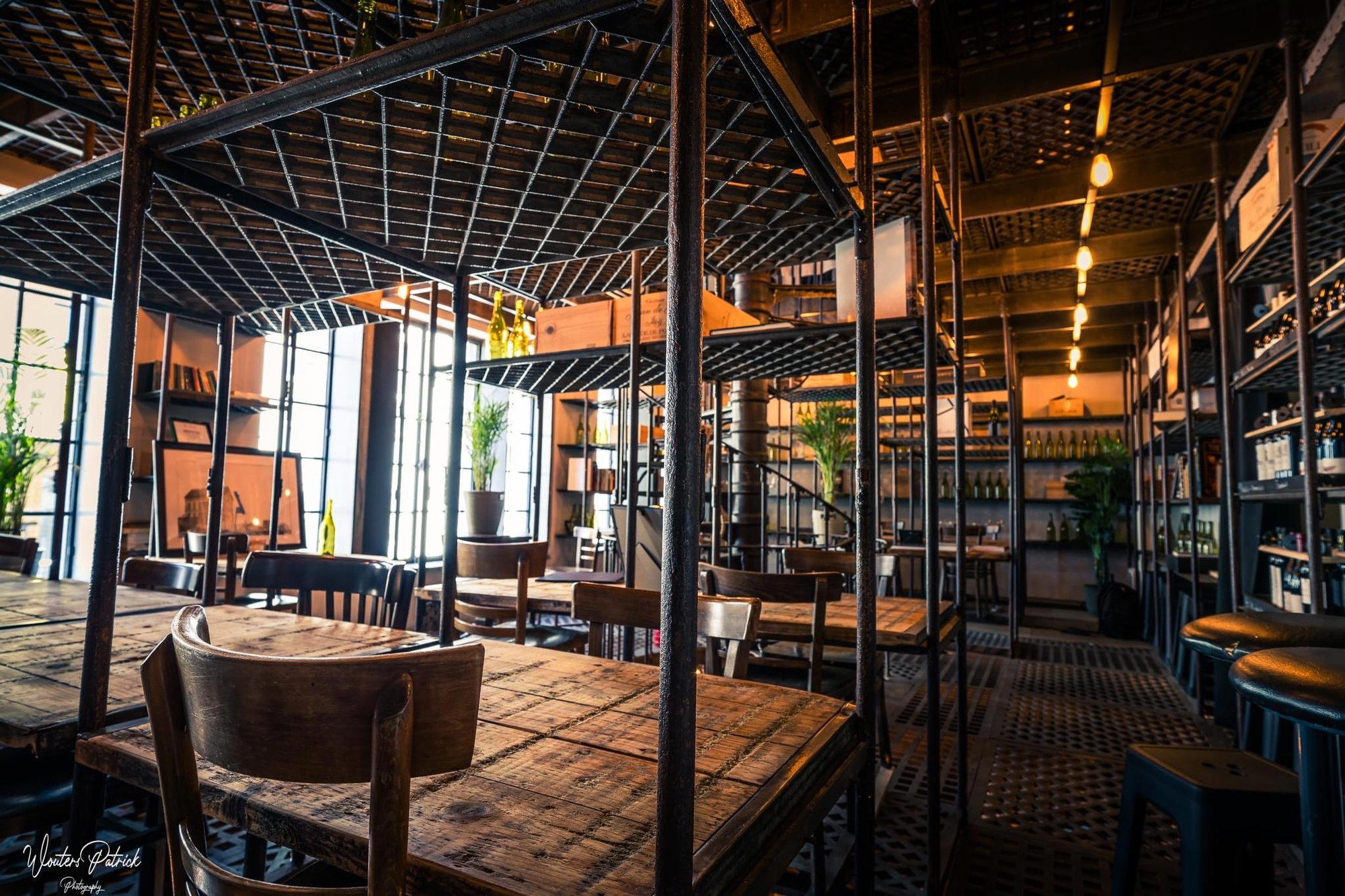
- Elegant
- Cozy
- Sophisticated
- Date Night
- Business Dinner
- Special Occasion
- Terrace
- Garden
- Garden
- A La Carte
- Set Menu
- Vegetarian Friendly
- Gluten Free Options
Current opening hours
- Monday
- 12–2 PM, 6–9 PM
- Tuesday
- Closed
- Wednesday
- Closed
- Thursday
- 12–2 PM, 6–9 PM
- Friday
- 12–2 PM, 6–9 PM
- Saturday
- 12–2 PM, 6–9 PM
- Sunday
- 5:30–9 PM
Hours can change for holidays and private events. Last verified .
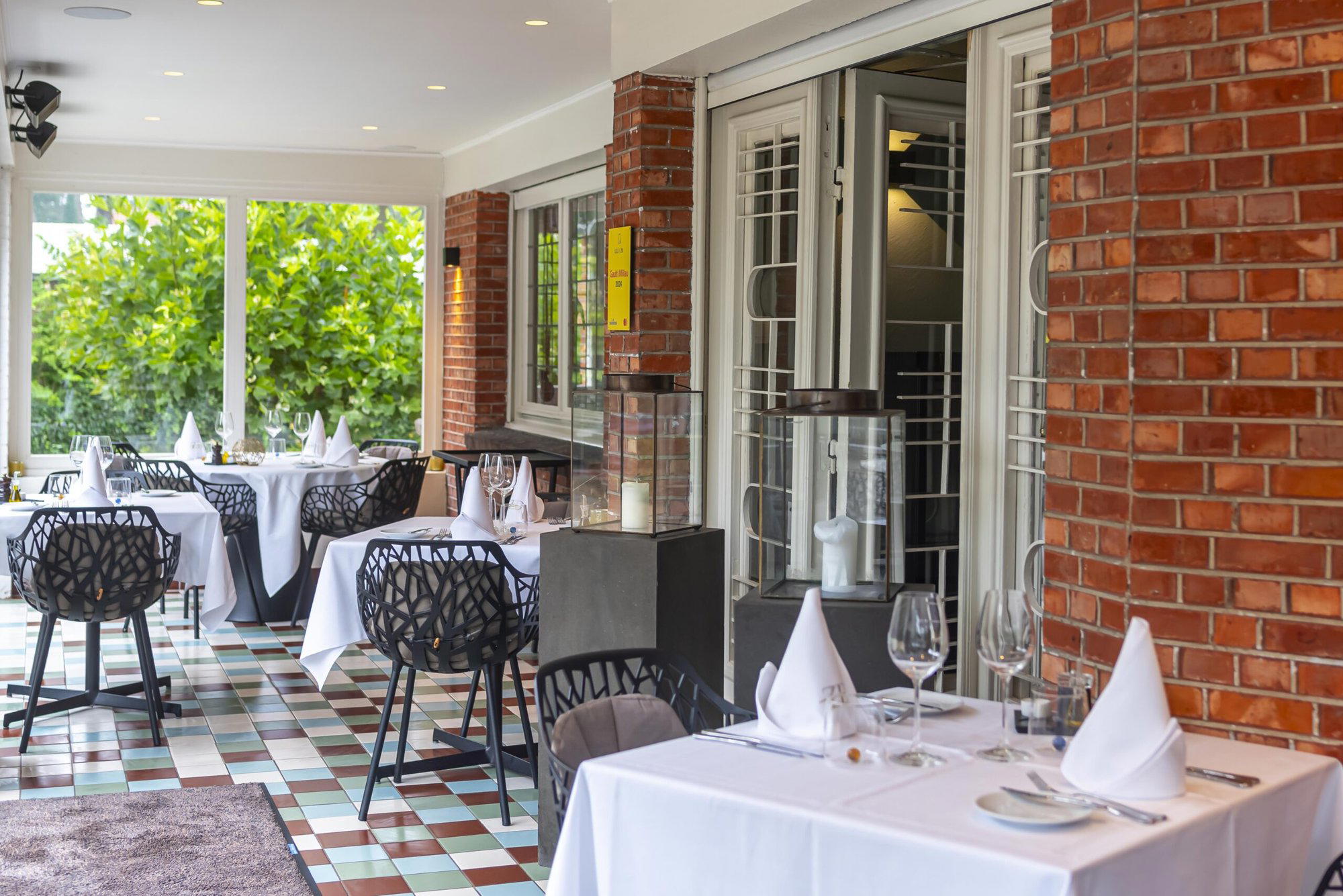
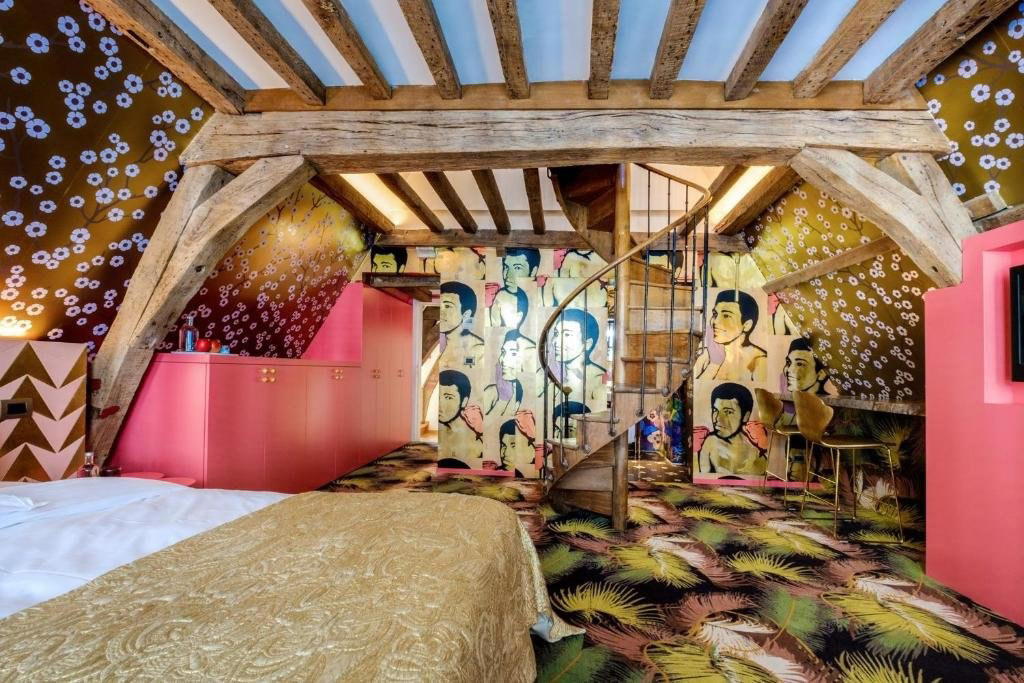
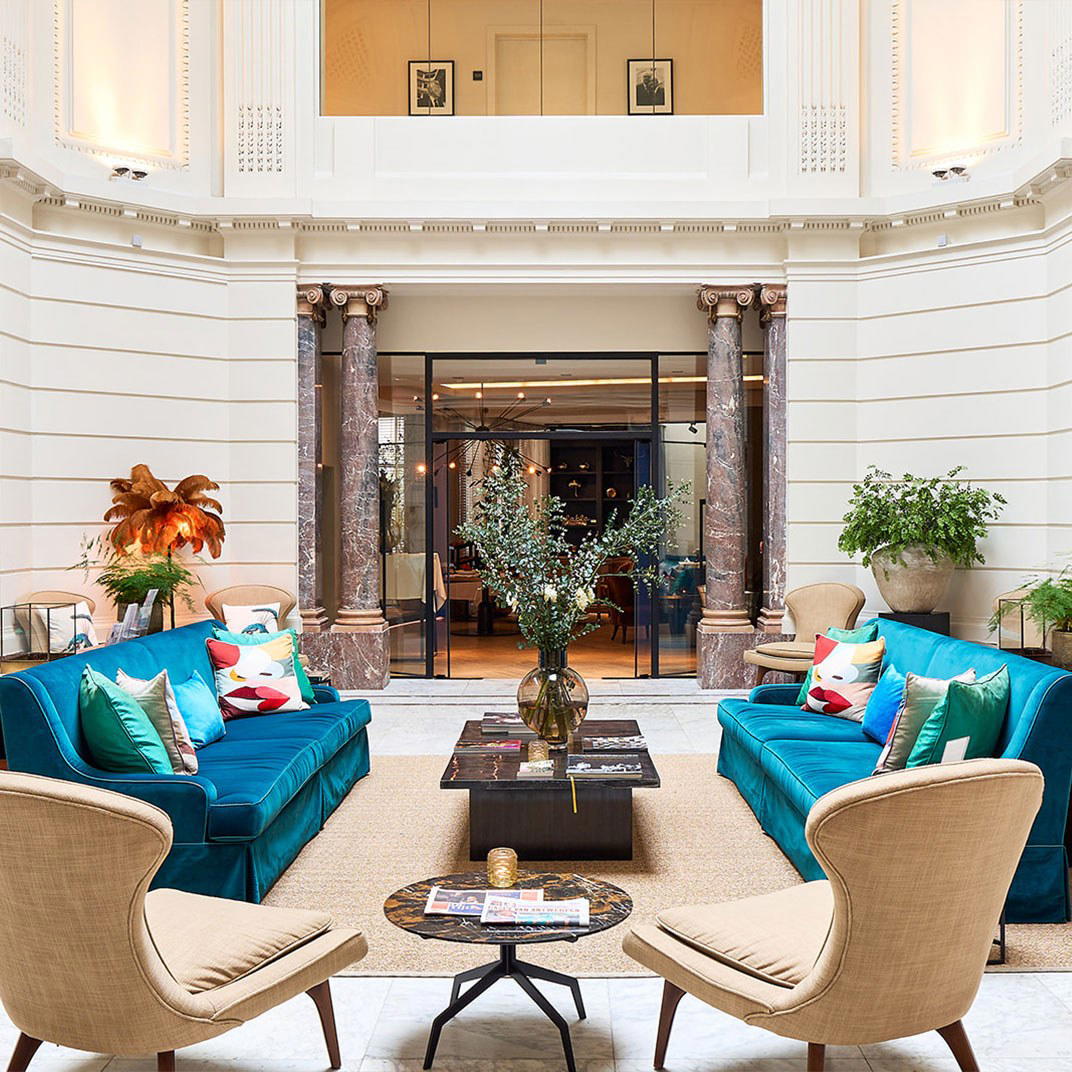
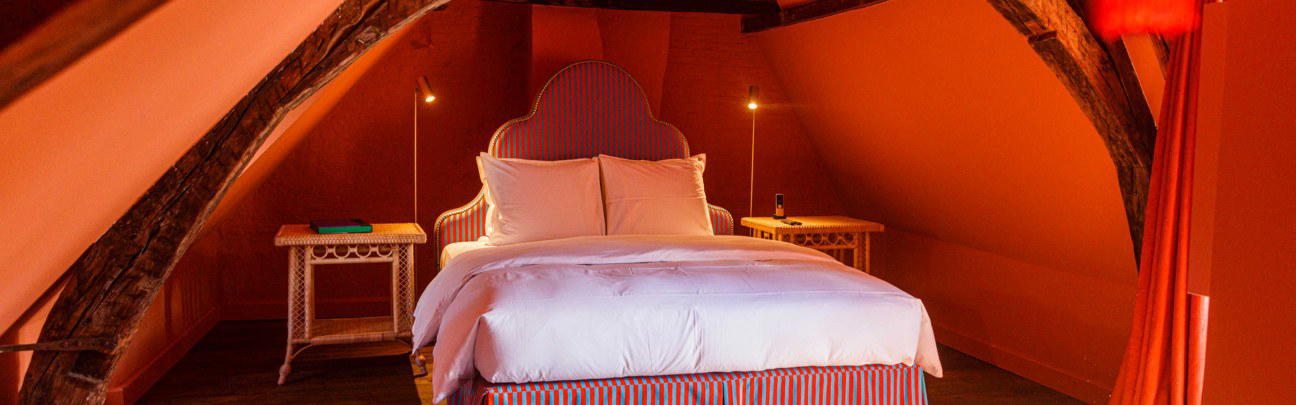
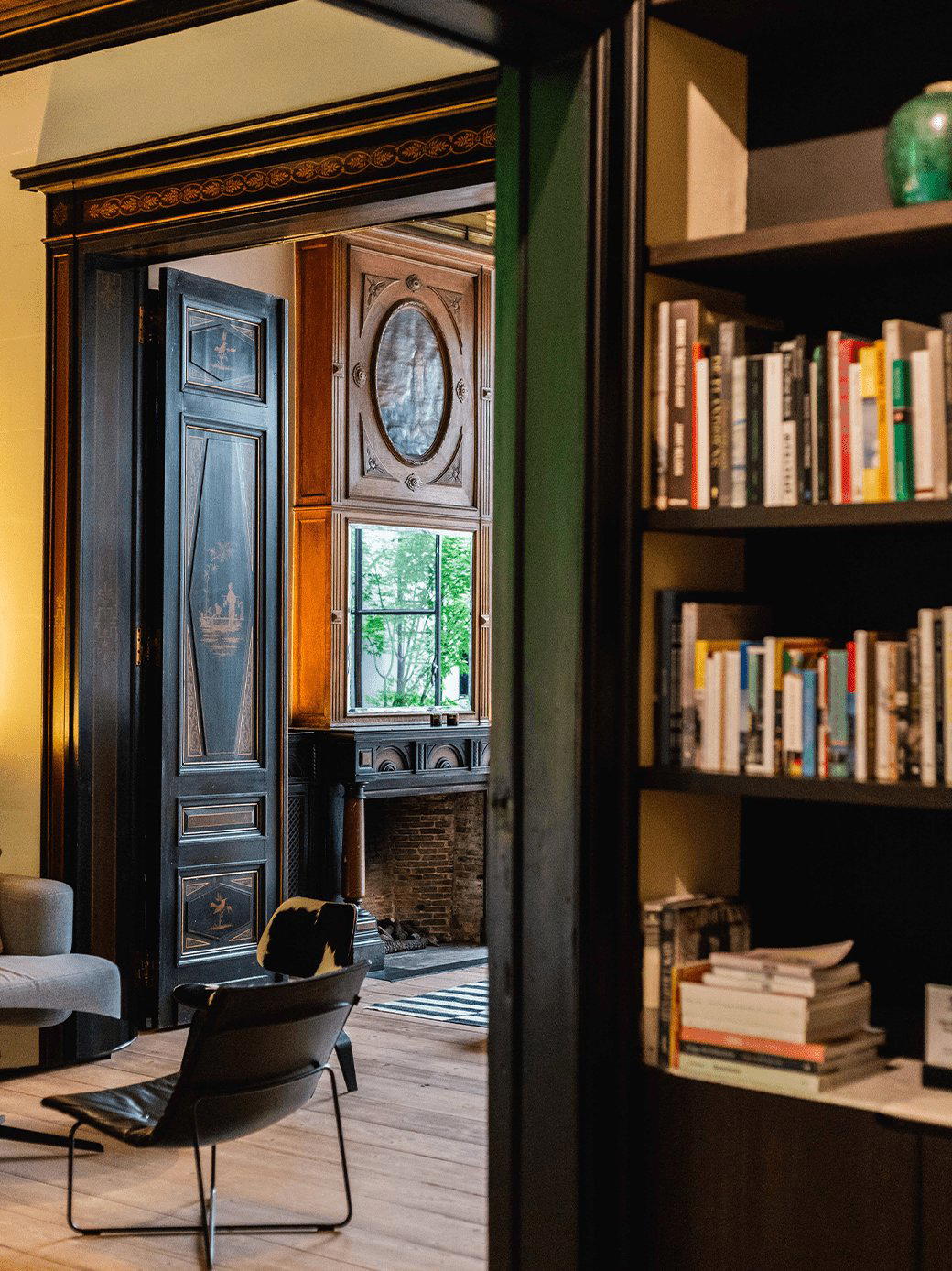
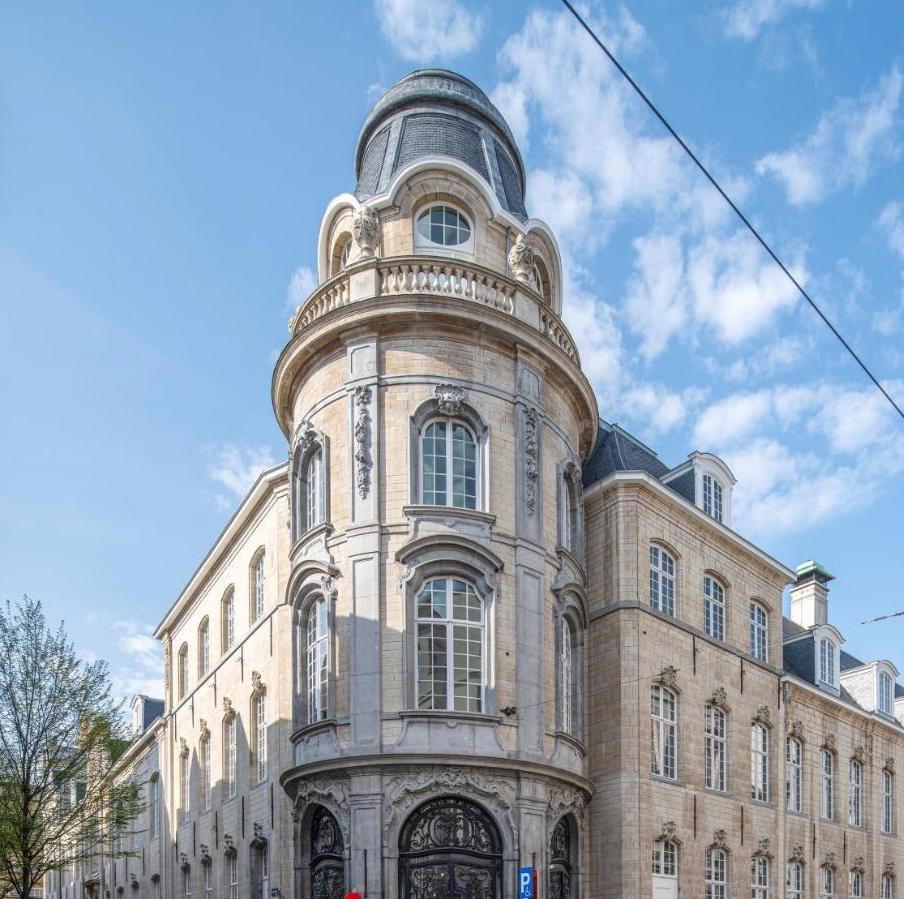
Warm, inviting, and nostalgic atmosphere in a refitted 1950s villa with vintage accents and pleasant terrace seating.