
Michelin Selected · Mr & Mrs Smith Seal of Approval
Hotel Julien occupies a pair of 16th-century merchant houses on Korte Nieuwstraat, in the quieter northern arc of Antwerp's historic centre. The property sits in the design-led boutique tier that has defined the city's premium accommodation offer over the past two decades, where architecture and spatial discretion matter more than scale. It reads as a considered address for travellers who already know what Antwerp is about.

Pearl is the En Primeur Club membership app, where members save venues, book tables and use the concierge.
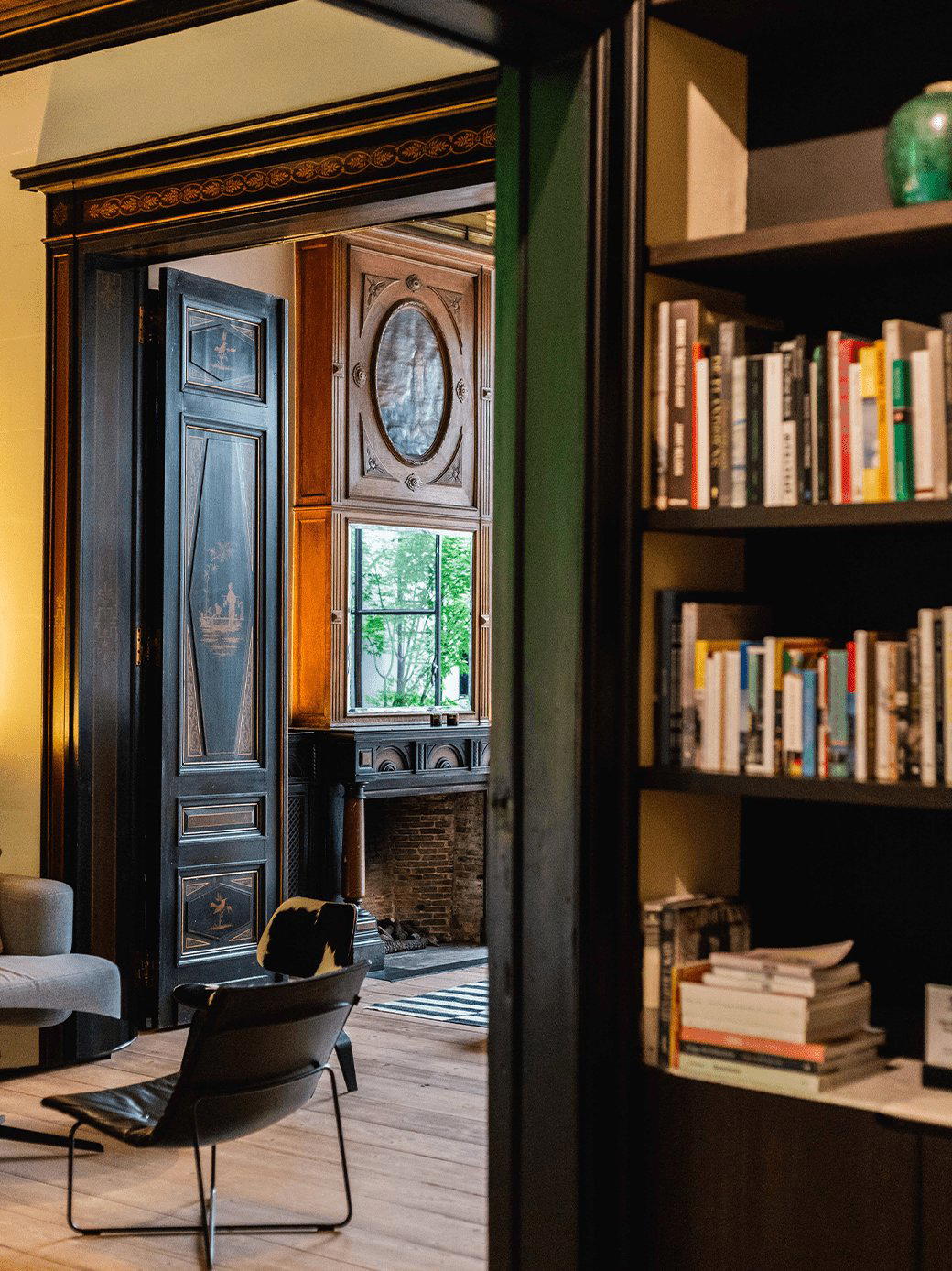
Stone, Timber, and 500 Years of Antwerp Commerce
Korte Nieuwstraat runs through one of the older residential seams of Antwerp's city centre, a short walk from the Cathedral of Our Lady and the diamond quarter, but far enough from the tourist axis to feel genuinely local. The street is lined with narrow Flemish townhouses whose stepped gables and sandstone façades date in many cases to the 16th century, when Antwerp was the commercial capital of northern Europe. Hotel Julien occupies two of those houses, at number 24, and the decision to work within that inherited structure rather than gut it for a contemporary shell is the defining architectural fact of the property.
Antwerp's premium boutique tier has expanded considerably since the early 2000s, when a handful of design-forward properties began converting historic canal houses and merchant buildings into small, high-specification hotels. Hotel De Witte Lelie and Hotel Flora occupy comparable positions in that category: limited keys, heritage facades, interiors that negotiate between preserved structure and contemporary comfort. Hotel Julien sits in that peer group, where the physical container is as much the product as the service inside it.
What the Architecture Does to the Experience
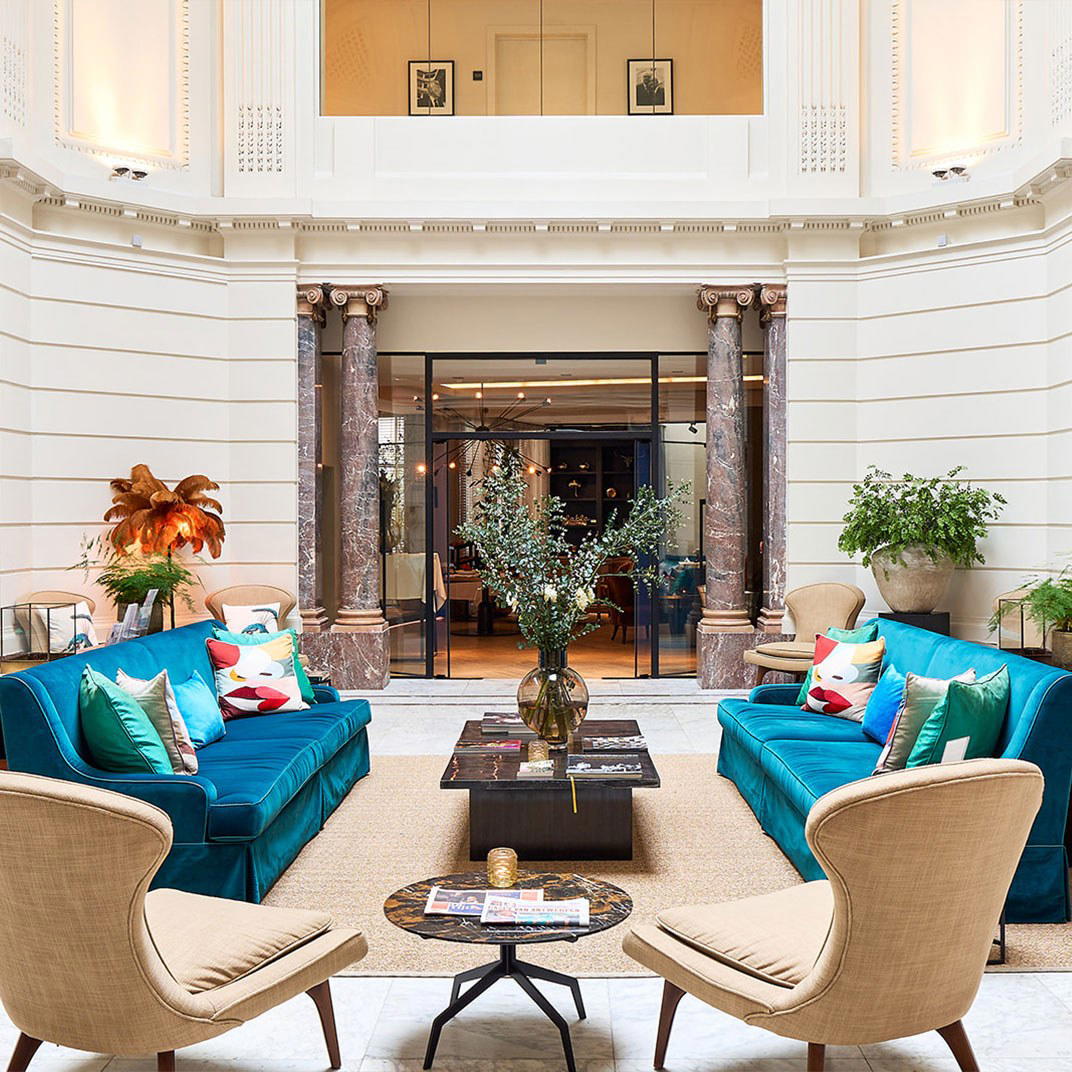
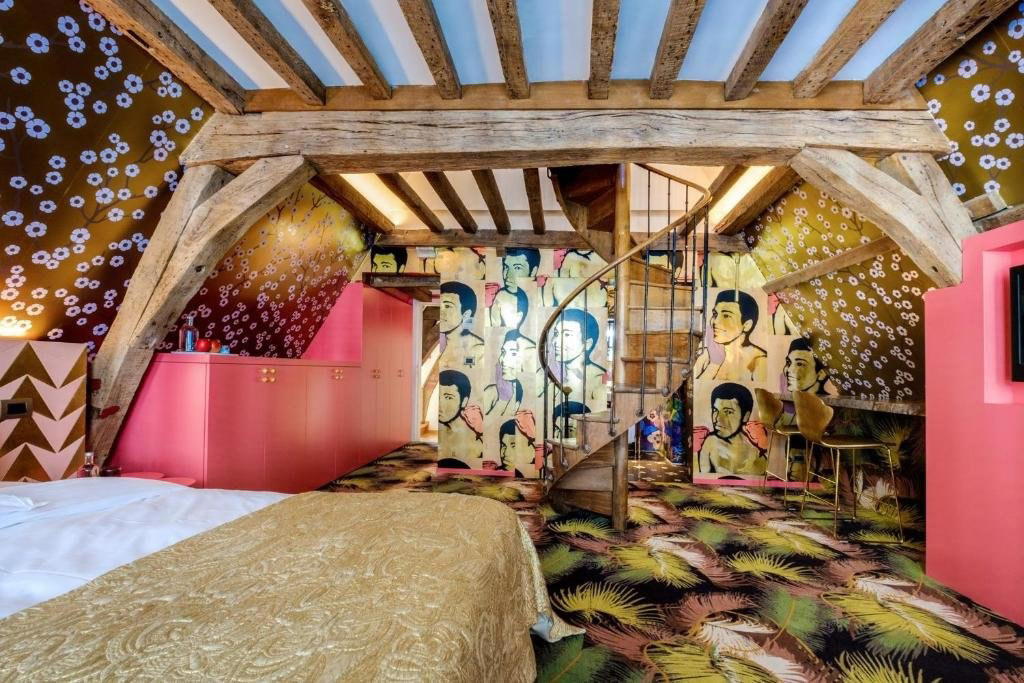
The double-house format means the property has two distinct internal logics joined behind a shared identity. Rooms on the front face the street's historic streetscape; those at the rear or on internal courtyard elevations offer a different register of quiet. In buildings of this age and width, ceiling heights vary, stairwells are steep, and room proportions reflect the functional logic of merchant storage and family habitation rather than the standardised efficiency of purpose-built hotels. That irregularity is, in this tier of property, a feature rather than a flaw. Travellers choosing 16th-century Flemish townhouses for their accommodation are, by definition, choosing spatial character over uniform predictability.
The interior approach across Antwerp's design-led boutique properties has generally been to strip back layers of 19th- and 20th-century renovation to reveal original beams, brick, and stonework, then layer in contemporary furniture, lighting, and textiles rather than period reproduction. This approach produces interiors that read as historically grounded without being museum-like, and it requires considerable restraint to execute without tipping into either direction. Hotel Julien, on the basis of its position in this category and its address in a preserved streetscape, operates within those same conventions.
For a point of international comparison on what this design philosophy can produce at its highest register, properties like Aman Venice and Castello di Reschio demonstrate how deeply the conversion-of-historic-fabric model can go when budget and ambition align. Hotel Julien operates at a more accessible scale, but the design logic is recognisably related.
Antwerp as Context
Understanding why a property like Hotel Julien exists on Korte Nieuwstraat requires understanding what Antwerp values architecturally. The city escaped the worst of Second World War bombing that flattened much of Rotterdam and damaged significant parts of Brussels, which means the historic centre retains an unusual density of pre-industrial fabric. That density has made Antwerp a natural host for design-led hospitality: the buildings are already there, the city government has generally supported adaptive reuse, and the visitor demographic that arrives for fashion, diamonds, and contemporary art tends to respond to spatial quality over chain-hotel amenities.
The Botanic Sanctuary Antwerp, which converted a former convent complex, represents the larger end of this adaptive-reuse tradition in the city. Hotel Julien is a more intimate iteration of the same impulse: smaller footprint, fewer keys, tighter editorial identity.
For travellers extending a Belgian itinerary beyond Antwerp, B&B The Verhaegen in Ghent and Boutiquehotel 't Fraeyhuis in Bruges apply similar historic-fabric principles in their respective cities. In Brussels, the spectrum runs from the grand-scale restoration of the Corinthia Grand Hotel Astoria Brussels to the colour-coded design experiment of the Pantone Hotel Brussels, with mid-tier options like Hotel Agora Brussels Grand Place and Le Louise Hotel Brussels covering different neighbourhoods and price points. Further into the Belgian countryside, Domaine du Château de Modave and Chateau de Vignée in Rochefort offer the estate-conversion format for those seeking rural Wallonia. Kasteel van Ordingen in Sint-Truiden and Domaine La Butte aux Bois in Lanaken serve the Flemish interior in a similar vein, while Julevi in Eupen covers the German-speaking east. For Brussels conference travellers, Pestana Brussels Schuman and the Radisson Collection Hotel, Grand Place Brussels serve the institutional district.
Planning a Stay
Hotel Julien sits at Korte Nieuwstraat 24, within walking distance of the Cathedral of Our Lady, the Rubenshuis, and the main shopping streets around Meir. The Antwerp-Centraal railway station is reachable on foot in under twenty minutes, and the station itself connects to Brussels in under forty-five minutes by intercity train, making same-day arrivals from Brussels Airport practical. Thalys and Eurostar connections from Paris and London also route through Antwerp-Centraal, which means the property is accessible without a car for most European itineraries.
For dining context around the property, the full Antwerp restaurants guide covers the neighbourhood's options across price points, from the casual Flemish lunch counters on the side streets to the multi-course restaurant programs that have earned the city a significant number of Michelin recognitions in recent years.
Booking details, current room rates, and direct contact information are best confirmed through the hotel's own channels, as pricing and availability in this property tier fluctuate with season and demand. The property is small enough that last-minute availability during Antwerp's fashion and design weeks is limited, and advance planning for those periods is advised.
A Quick Peer Check
| Venue | Cuisine | Price | Awards |
|---|---|---|---|
| Hotel JulienThis venue (the venue you are viewing) | This venue | Not listed | Michelin Selected · Mr & Mrs Smith Seal of Approval |
| Botanic Sanctuary Antwerp | Not listed | Not listed | 2 Michelin Keys · Mr & Mrs Smith Seal of Approval |
| Hotel De Witte Lelie | Not listed | Not listed | 1 Michelin Key · Small Luxury Hotels of the World Member |
| Hotel Flora | Not listed | $100–200 | 1 Michelin Key · Mr & Mrs Smith Seal of Approval |
Recognition history
Dated appearances from independent guides and award organizations, with the underlying list record or original source where available.
Michelin Selected
Michelin
Mr & Mrs Smith Seal of Approval
Mr & Mrs Smith
Continue exploring
More in Antwerp
Hotels in Antwerp
All hotels in Antwerp →
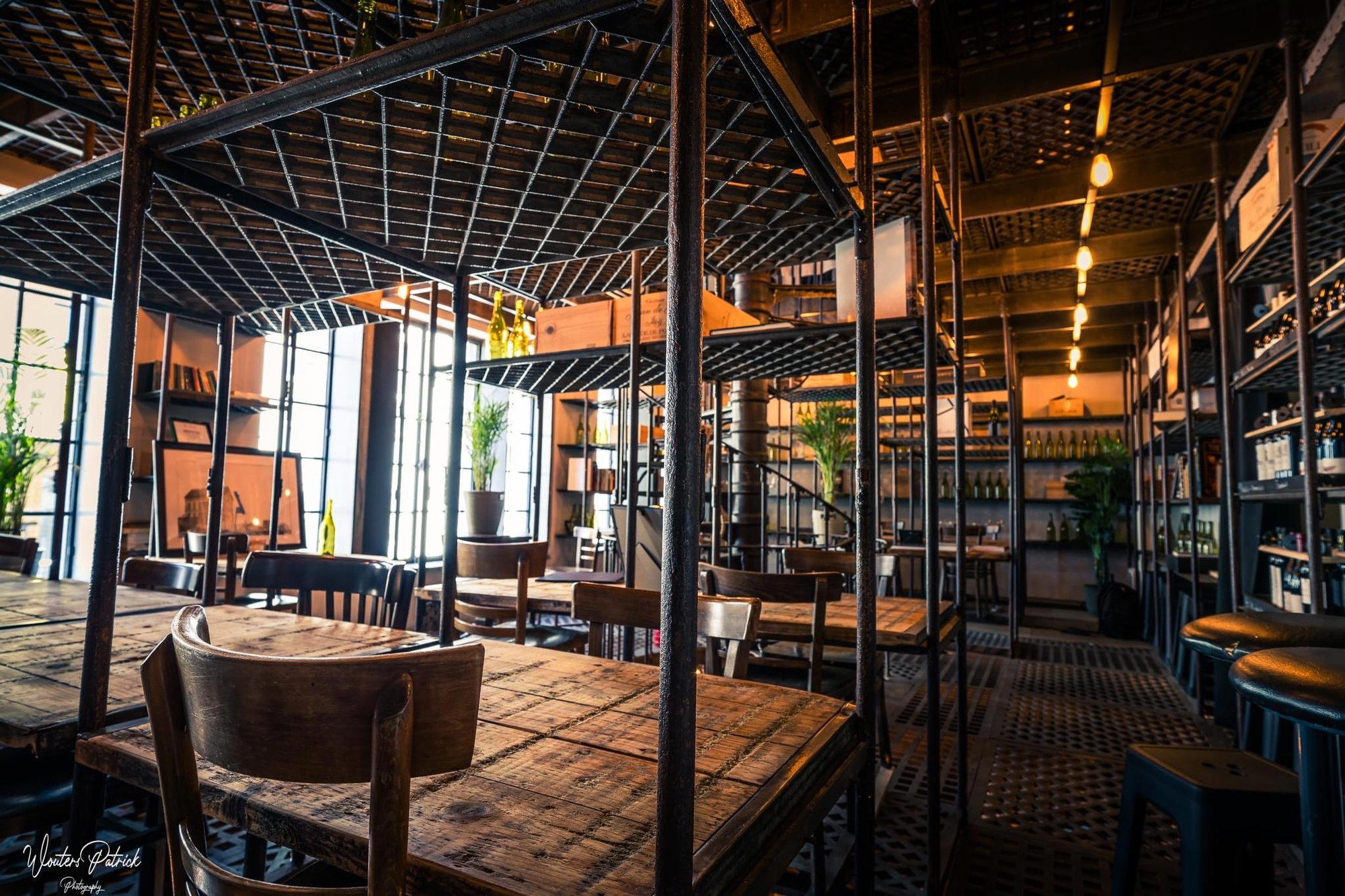
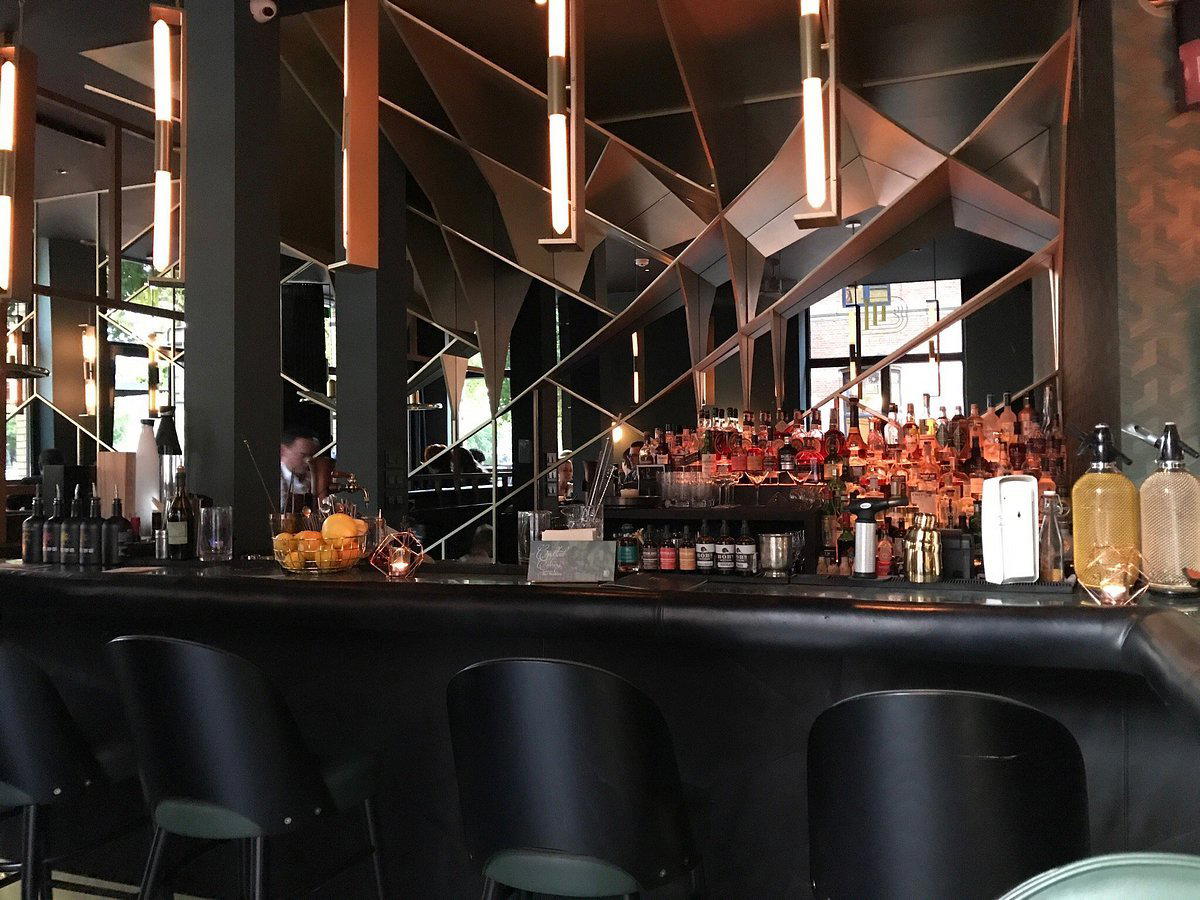
Details
- Minimalist
- Elegant
- Intimate
- Sophisticated
- Cozy
- Romantic Getaway
- Weekend Escape
- Historic Building
- Rooftop Pool
- Terrace
- Panoramic View
- Wi Fi
- Spa
- Sauna
- Room Service
- Concierge
- Fitness Center
- Skyline
- Elevator
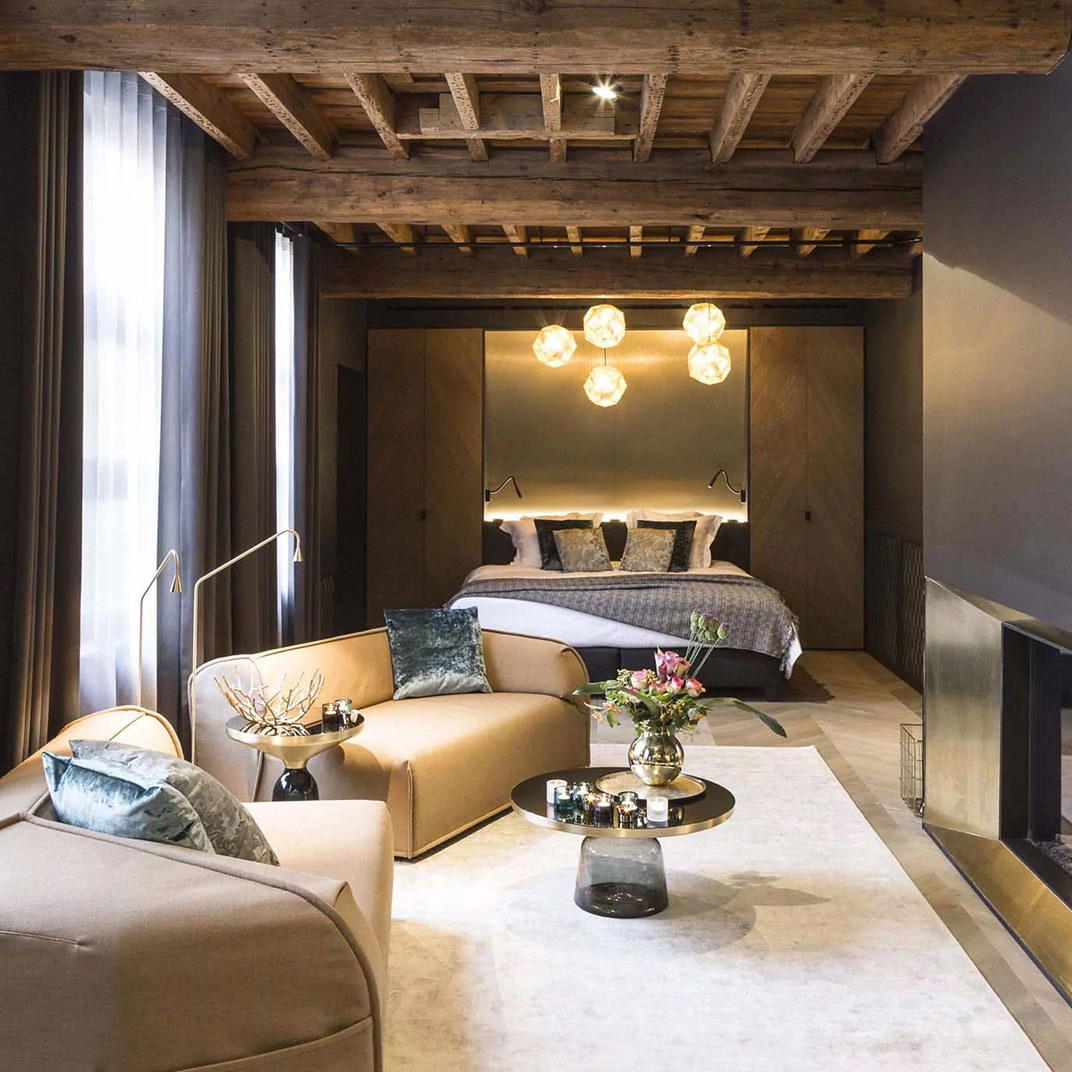
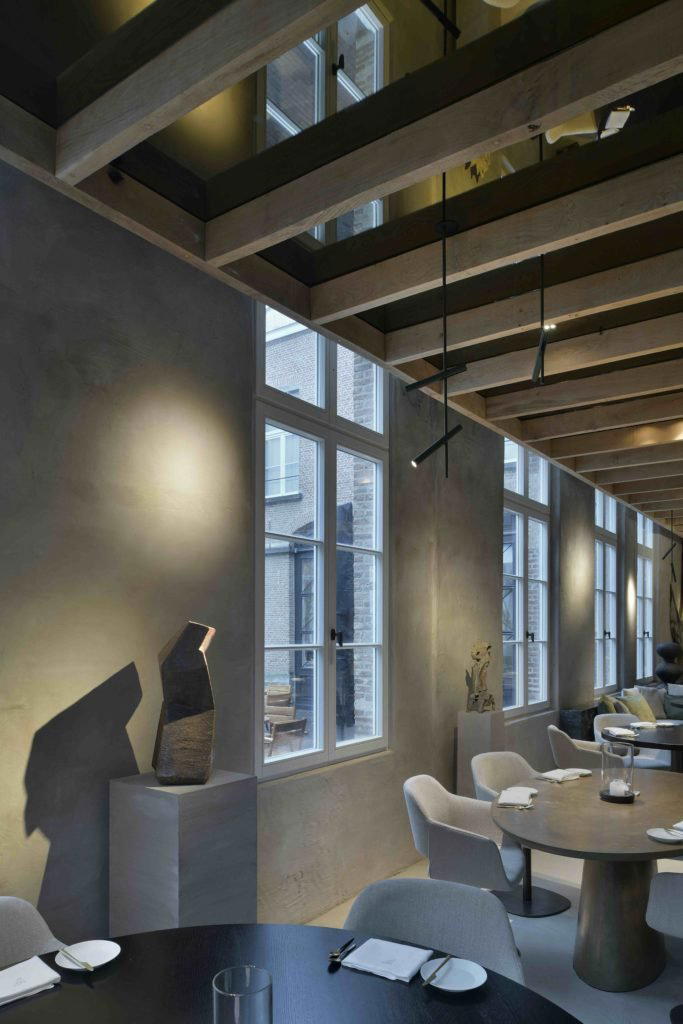
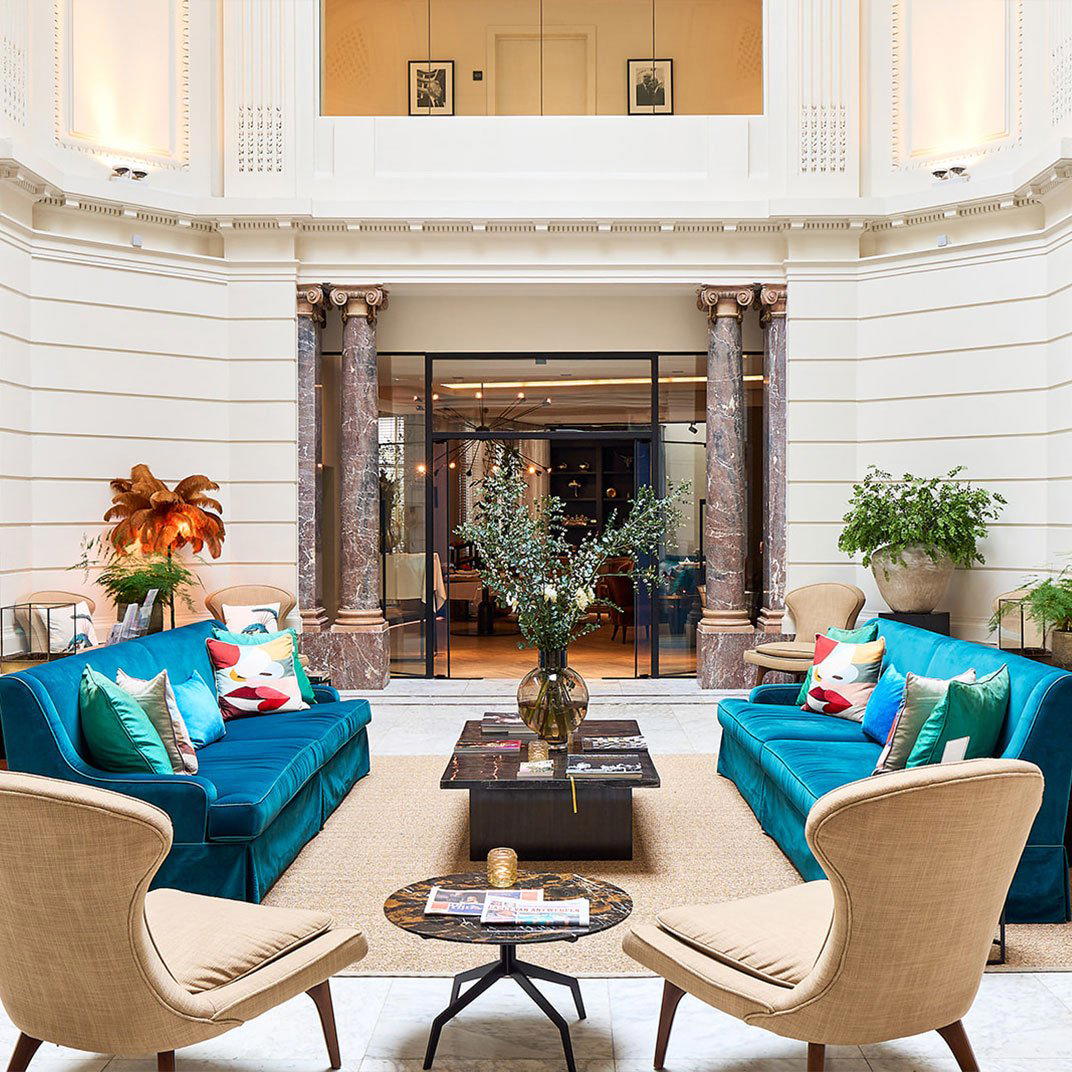
Airy, natural, muted interiors with high ceilings, cozy furnishings, subdued lighting, and a calm retreat atmosphere.