Korali
Our verdict
Korali occupies a measured position on the Upper East Side's 3rd Avenue corridor, where Greek-inflected dining has historically sat at the neighborhood's periphery rather than its center. The address at 1662 3rd Ave places it squarely in a residential stretch that rewards those who seek it out, and the service model reflects a team-driven approach more common to Midtown's formal dining tier than to neighborhood restaurants of this type.

Pearl is the En Primeur Club membership app, where members save venues, book tables and use the concierge.

The menu
What to order
- Grilled Mediterranean Octopus
- Grilled Swordfish
- Chicken Souvlaki
- Galaktoboureko
Upper East Side Dining and Where Korali Sits in It
The stretch of 3rd Avenue running through the upper 80s and into the 100s has never been a dining destination in the way that the East Village or the West Village commands. It serves a neighborhood, and the restaurants that hold ground here do so not through spectacle but through the slower accumulation of regulars and repeat visits. Korali, at 1662 3rd Ave, operates within that logic. The address is residential New York at its most characteristic: pre-war buildings above street level, bodegas and dry cleaners sharing the block, and foot traffic that is local by definition rather than tourist-driven.
That context matters when reading Korali against the city's broader dining map. The Upper East Side's formal dining options are not concentrated here the way they are further south in Carnegie Hill or in the stretch of Lexington near the 60s. What this corridor offers instead is the kind of durability that more fashionable neighborhoods rarely sustain. A restaurant that works at this address works because the room, the service, and the kitchen earn trust over time rather than capitalizing on a moment.
The Service Architecture: Why the Team Is the Argument
In New York's upper-tier dining rooms, the front-of-house team is increasingly understood as a structural element rather than an amenity. At properties like Le Bernardin, the coordination between the kitchen, the floor, and the wine program operates as a single mechanism. The same model holds at Atomix, where the interaction between server and guest is scripted and substantive, not decorative. Korali's position on 3rd Avenue places it in a different price tier and a different neighborhood context, but the principle translates: in a room where the kitchen's ambitions require explanation, the floor carries a share of the interpretive work.
Greek cuisine in New York has historically occupied a band between casual taverna formats and the more formal Hellenic seafood presentations that appeared in Midtown during the 1980s and 1990s. What the contemporary moment has introduced is a middle register where the cooking takes its cues from Greece's regional specificity rather than its broad-stroke familiarity. Fish sourcing, olive oil provenance, and the structuring of a meal around mezze as a serious format rather than a prelude to a main event: these are the questions a trained floor team needs to be equipped to answer. At Korali, the service model is the primary signal of where on that range the kitchen is operating.
The Room and the Address
Approaching a restaurant on this block of 3rd Avenue, the immediate environment is more neighborhood than destination. There is no theatrical entry, no valet sequence, no marquee lighting. The building fabric along this stretch is functional Manhattan, and a restaurant that reads clearly against it earns immediate credibility with the residents who make up the core of its audience. The interior at Korali, on this basis, is not performing for an audience that has traveled far to be there. It is doing the harder work of being genuinely good for the people who live within walking distance and who will return.
That logic shapes the room's probable character: measured in scale, built around the experience of a repeat visit rather than a single occasion, and dependent on a team that can carry a conversation across multiple courses without the help of a prix-fixe script. The combination of neighborhood address and a service model with genuine depth is not common. It is more easily found at Blue Hill at Stone Barns in Tarrytown, where the team-as-protagonist approach is the defining feature, or at Single Thread Farm in Healdsburg, where front-of-house knowledge is part of the core proposition. At an Upper East Side address with a neighborhood dining rhythm, it is a different kind of achievement.
Greek Dining in New York: The Current Frame
Michelin's New York coverage engages with Greek cuisine at the edges, and the James Beard Award categories have historically been slow to segment Mediterranean regional cooking at the level of specificity that contemporary Greek kitchens invite. The result is that a restaurant operating in this tradition has to build its argument through food quality and service consistency rather than through award recognition, which makes the team dynamic even more consequential: in the absence of a Michelin star or a 50 Best placement to anchor first impressions, the room carries the credibility.
For context, compare the challenge with what kitchens at restaurants like Providence in Los Angeles or Addison in San Diego The work is similar: the floor has to translate ambition that the awards system has not yet fully mapped.
Eating Here: What the Cuisine Tradition Suggests
Greek cooking at its most considered is built around restraint in technique and specificity in sourcing. The Aegean tradition places whole fish, grilled or roasted simply, at the center of the meal. Olive oil is an ingredient with provenance, not a cooking medium. Vegetables, particularly in the summer months, carry more weight than they do in cuisines built around protein as the primary narrative. A kitchen operating in this tradition asks the diner to slow down and read texture and seasoning rather than hunting for complexity in saucing or construction.
For a diner accustomed to the compression of the omakase format at Masa, or the layered modern progression at Per Se, the Greek format requires a calibration shift. The meal is more lateral than vertical. Dishes arrive at the table to share, the pace is set by conversation rather than by a kitchen timeline, and the pleasure is cumulative rather than climactic. The sommelier's role in this format is to thread the meal rather than to mark its chapters, which places an unusual demand on whoever holds that position in the room.
Planning Your Visit
Korali is located at 1662 3rd Ave, New York, NY 10128, in the Upper East Side. The nearest subway access is the 4, 5, and 6 lines at 86th Street, placing the restaurant within a ten-minute walk. The neighborhood draws primarily local diners, which means reservation pressure is tied to weekend evenings and local patterns rather than citywide dining event cycles.
For a broader view of where Korali sits within the city's dining options, see our full New York City restaurants guide. Comparative context on team-driven dining at the upper tier is available through coverage of Jungsik New York, Alinea in Chicago, The French Laundry in Napa, Lazy Bear in San Francisco, Emeril's in New Orleans, Bacchanalia in Atlanta, The Inn at Little Washington, 8 1/2 Otto e Mezzo Bombana in Hong Kong, and Alain Ducasse at Louis XV in Monte Carlo.
Quick reference: 1662 3rd Ave, New York, NY 10128. Subway: 4/5/6 to 86th St.
Frequently asked questions
Where is Korali located?
Korali is located at 1662 3rd Ave, New York, NY 10128, New York City.
Is Korali a good choice for Greek seafood dining on the Upper East Side compared to downtown options?
The Upper East Side has fewer dedicated Greek seafood rooms than Midtown's restaurant row or the West 50s, which makes Korali's 3rd Avenue address at 86th Street a practical anchor for the neighborhood rather than a destination requiring a cross-town commitment. The 4, 5, and 6 trains at 86th Street place it within easy reach of much of Manhattan's east side. For residents above 79th Street, the Aegean tradition it draws on is otherwise underrepresented at this proximity.
What should I eat at Korali?
The Greek culinary tradition that Korali draws on places whole fish and seafood at the center of the table, supported by mezze served as a structured progression rather than casual snacking. On the Upper East Side, where neighborhood restaurants tend to anchor around repeatable, considered menus, the seafood preparations and cold starters are where the kitchen's argument is most likely made. Order widely across the mezze before committing to a main.
How far ahead should I plan for Korali?
Weekend tables at Upper East Side neighborhood restaurants fill faster than the outer-borough or downtown dining press would suggest, the residential density on this stretch of 3rd Avenue near 86th Street drives consistent local demand. Booking three to five days ahead for weeknight visits and at least a week out for Friday or Saturday is a reasonable working assumption. Midweek slots tend to offer more flexibility.
What's Korali best at?
Greek kitchens operating at this level of neighborhood address typically build their reputation on seafood sourcing and the restraint of Aegean technique, grilling, olive oil, acid, rather than complexity for its own sake. At Korali on 3rd Avenue, the format and location suggest a kitchen that works best when it lets the ingredients carry the plate.
How does Korali handle allergies?
Restaurants operating in New York City at a neighborhood dining address are subject to city health code requirements around allergen disclosure, and direct communication with the restaurant before arrival is the reliable approach for any serious dietary restriction.
Is Korali worth the price?
Greek dining in New York at the neighborhood level generally positions between casual taverna pricing and the upper end of the Greek fine-dining tier represented by places like Milos or Avra, a range that rewards ordering the seafood over the land-based proteins. Value at this address typically tracks against portion generosity in the mezze and sourcing quality in the fish.
Pricing, Compared
Comparable venues nearby, for context on price, style, and recognition.
| Venue | Cuisine | Price | Notes |
|---|---|---|---|
| KoraliThis venue (the venue you are viewing) | Authentic Greek Seafood | $50–100 | Not listed |
| Lola Taverna | Modern Greek with American Influences | Not listed | SoHo-Little Italy-Hudson Square, Modern Greek with American Influences |
| Meraki Greek Bistro - Brooklyn | Authentic Traditional Greek | $30–50 | Williamsburg, Authentic Traditional Greek |
| The Greek Kitchen | Traditional Greek | $30–50 | Upper West Side-Lincoln Square, Traditional Greek |
| PSARAKI | Traditional Greek Waterfront Taverna | $50–100 | Williamsburg, Traditional Greek Waterfront Taverna |
| GRECA | Modern Greek | $30–50 | Tribeca-Civic Center, Modern Greek |
Continue exploring
More in New York City
Restaurants in New York City
All restaurants in New York City →
Bars in New York City
All bars in New York City →





Details
- Elegant
- Cozy
- Serene
- Sophisticated
- Group Dining
- Special Occasion
- Celebration
- Extensive Wine List
- A La Carte
- Prix Fixe
- Vegetarian Friendly
- Vegan Options
- Gluten Free Options
Current opening hours
- Monday
- 11:30 AM–9 PM
- Tuesday
- 11:30 AM–9 PM
- Wednesday
- 11:30 AM–9 PM
- Thursday
- 11:30 AM–9 PM
- Friday
- 11:30 AM–10 PM
- Saturday
- 11:30 AM–10 PM
- Sunday
- 11:30 AM–9 PM
Hours can change for holidays and private events. Hours as of .
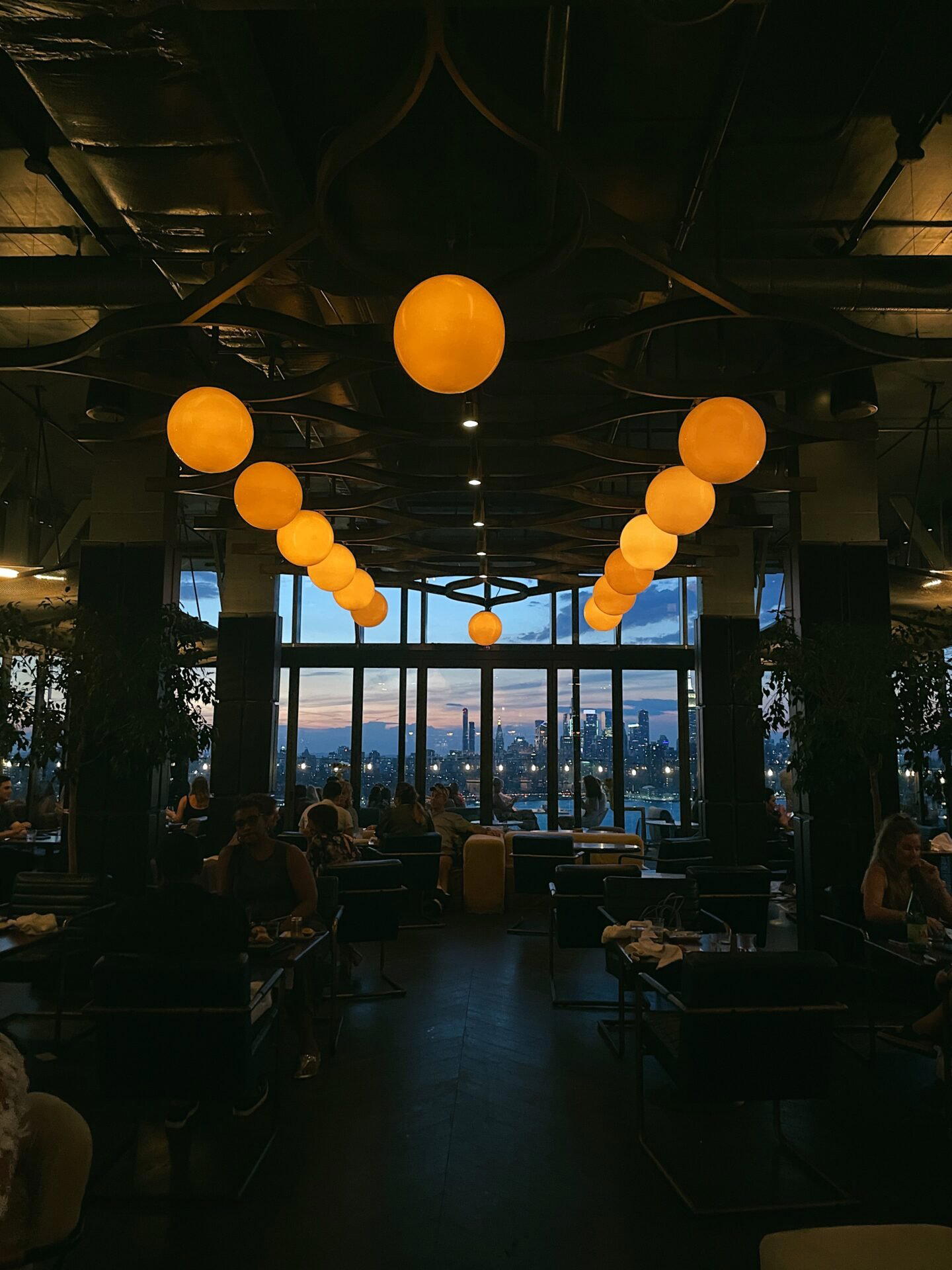
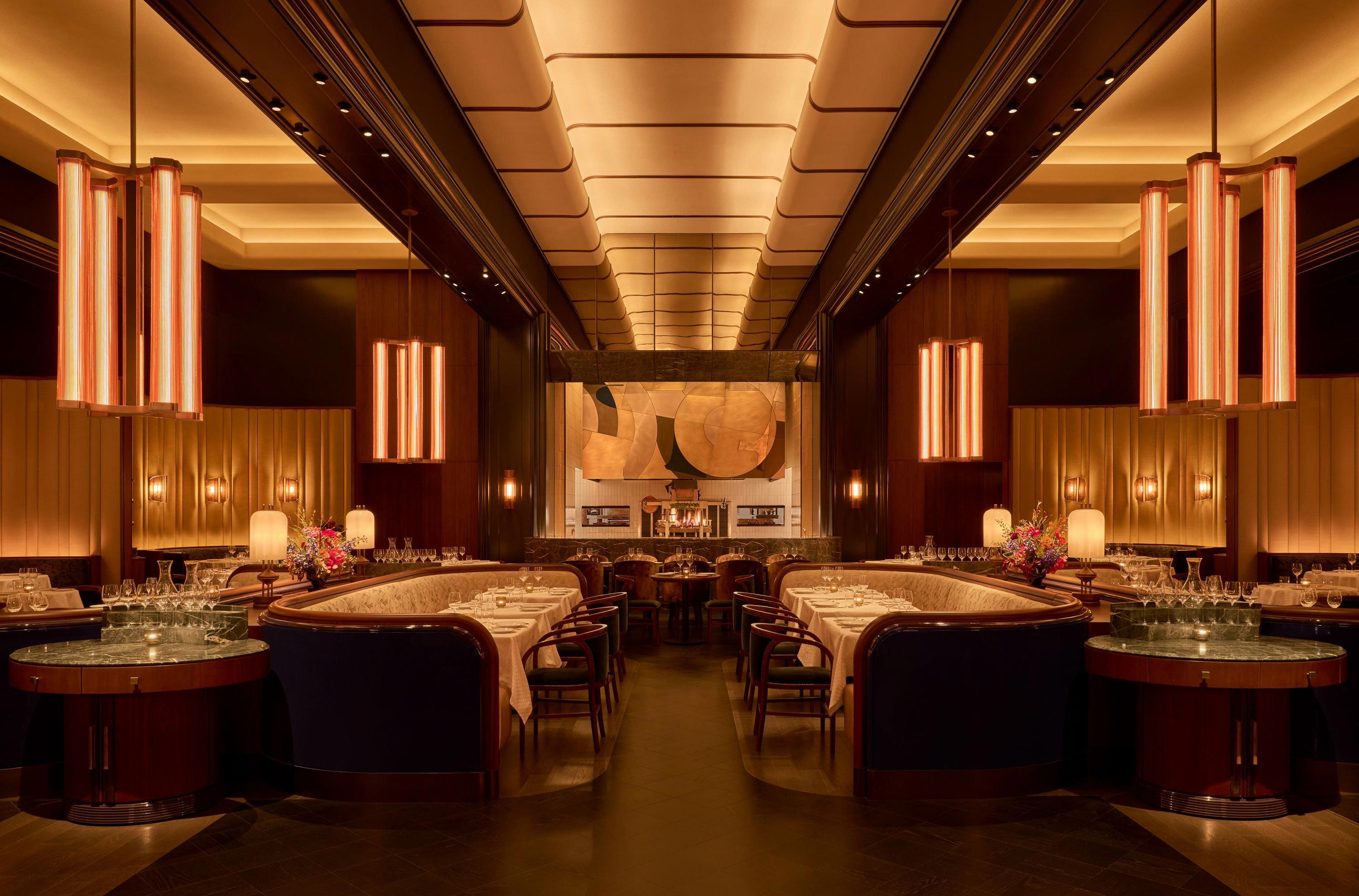
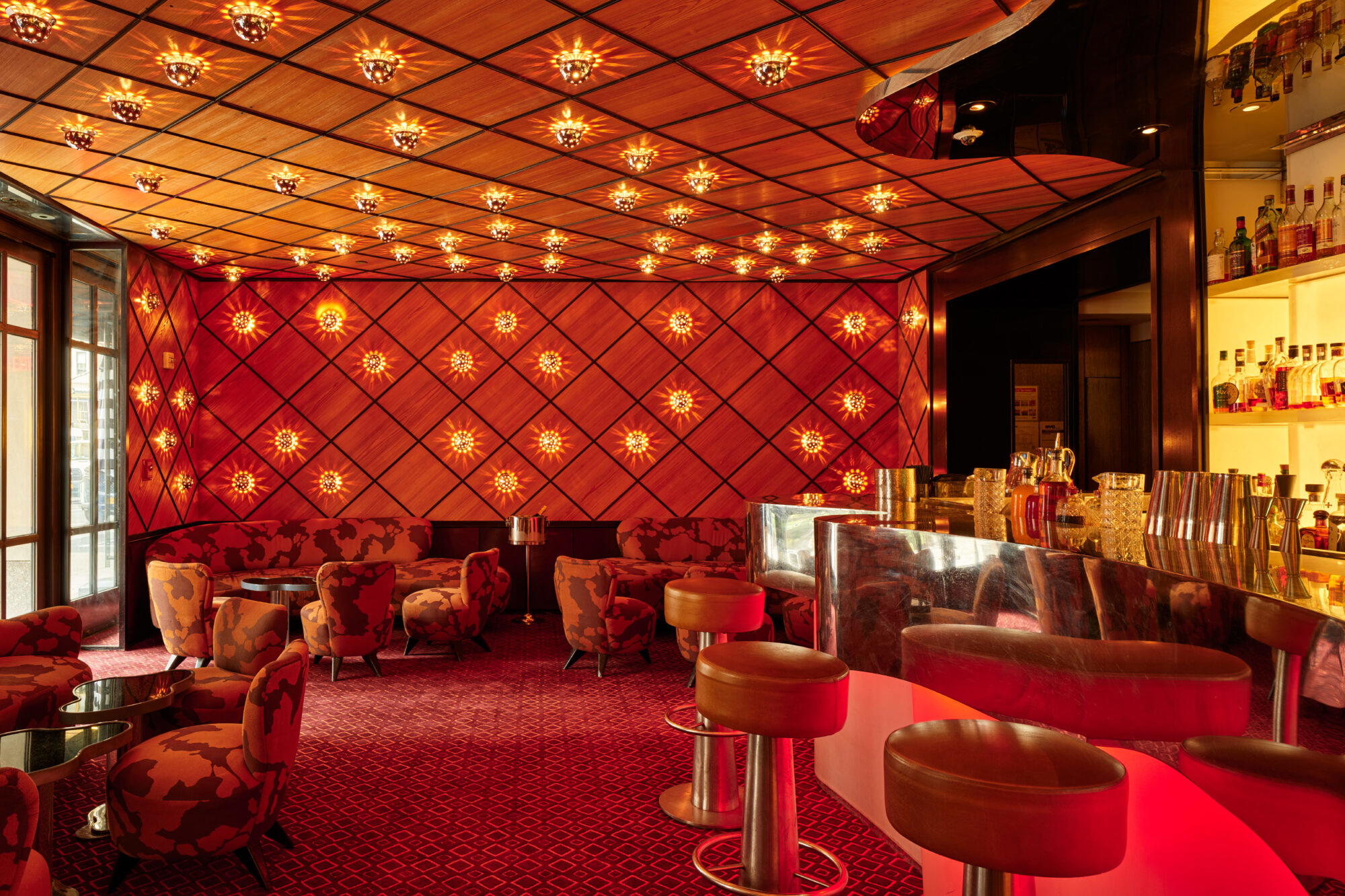
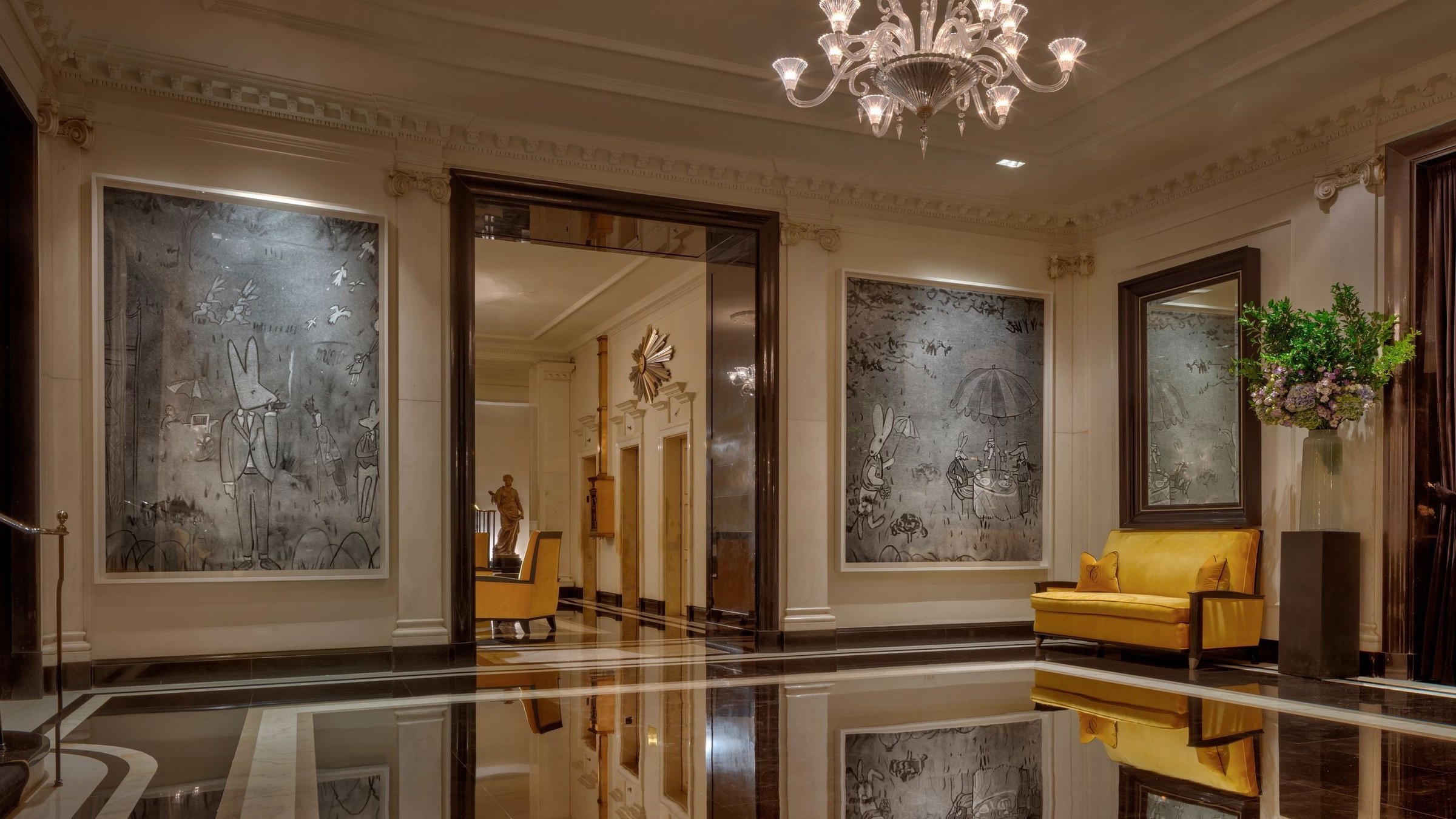
Elegant and welcoming with lively yet intimate atmosphere, white-washed walls, stone arches, spacious and clean.