Molyvos
Molyvos has held its position on West 43rd Street as one of Midtown Manhattan's most consistent Greek kitchens for over two decades, drawing on Aegean culinary tradition rather than the broader Mediterranean blur that many competitors settle for. The kitchen's commitment to regional Greek cooking, from seafood preparations to meze formats, has kept it relevant across successive waves of New York dining fashion.
Pearl is the En Primeur Club membership app — saves, bookings, and concierge access live there. Same editors, same standards.
- Address
- 402 West 43rd Street New York (Btwn 9th &, 10th Ave, New York, 10036
- Phone
- +12125827500
- Website
- molyvos.com
- Directions
- Get directions
 Saves & bookings on Pearl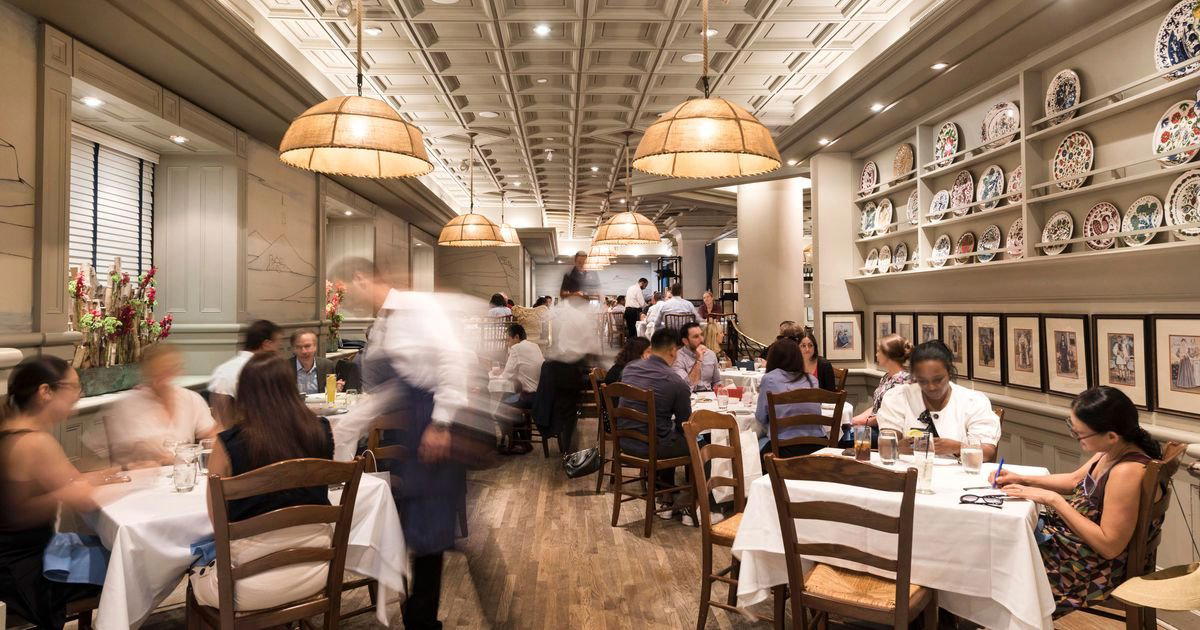
Greek Cooking in Midtown, Placed in Context
New York's Greek restaurant category has always occupied an awkward middle ground: too often reduced to diner-format souvlaki or over-amplified taverna theatrics, rarely given the editorial attention afforded to the city's French or Japanese rooms. Operating from its address at 402 West 43rd Street between Ninth and Tenth Avenues, it has spent more than two decades positioned differently. Where much of the city's Greek dining collapsed into genre shorthand, this kitchen built a program around the specificity of Aegean cooking rather than the catchall of Mediterranean convenience.
The Hell's Kitchen location places Molyvos at a particular distance from the Theater District's highest-volume corridors, close enough to draw pre-curtain traffic but far enough west to operate without the full pressure of tourist-facing covers. That geography has consequences for how the room functions: the clientele skews toward neighborhood regulars and Midtown professionals rather than the one-time visitor sweeping through on a Broadway schedule. For a Greek kitchen, that regularity of return visits matters, it creates the conditions under which a meze-led format can sustain itself, where guests build familiarity with the format rather than defaulting to one recognizable dish.
The Aegean Tradition Behind the Menu
Greek cuisine's international profile has historically been compressed into a handful of archetypes, lamb, feta, olive oil, grilled fish, in a way that flattens genuine regional distinctions. The Aegean kitchen that Molyvos draws from is more specifically inflected: it prioritizes seafood preparations rooted in island cooking, vegetable dishes that carry real structural weight, and a meze culture in which small plates function as an extended conversation rather than an appetizer formality. This is a different discipline from the mezze traditions of the Eastern Mediterranean or the meat-forward mainland Greek cooking that tends to dominate New York's broader Greek category.
In New York terms, that places Molyvos in a niche that sits apart from the flagship expense-account rooms that define Midtown's top tier. Properties like Le Bernardin, Per Se, and Masa occupy a price bracket and formality register that Greek cooking in New York has rarely claimed. Molyvos operates in a more accessible register without abandoning the culinary seriousness that separates it from the city's functional Greek diners. That positioning requires a different kind of discipline: the kitchen cannot rely on the occasion-dining premium that protects some of Midtown's more decorated addresses.
Front of House, Kitchen, and the Case for Team Coherence
Greek restaurants in the United States have a recurring structural problem: the cuisine tends to be undervalued by the room that serves it. When the front of house treats Greek cooking as inherently casual and the kitchen is left to compensate through technique alone, the result is mismatched. What has given Molyvos longevity in a neighborhood that has absorbed and discarded dozens of concepts is a visible coherence between the dining room and the kitchen's ambitions. The service format mirrors the sharing logic of the menu: staff fluent in the meze structure can guide a table through an ordered progression of dishes in a way that the food itself demands.
That kind of floor coordination matters more in a sharing-plate format than in a standard three-course structure. When a sommelier or floor manager understands that the appetizer-entrée sequence is the wrong framework for reading a Greek meze menu, the guest experience shifts. Wine selection, and Greek wine lists are their own specialist subject, drawing on grape varieties that most New York diners encounter rarely outside this context, becomes part of the table's education rather than an afterthought. Indigenous varieties like Assyrtiko, Xinomavro, and Agiorgitiko require active stewardship from the floor to land with guests unfamiliar with the country's wine geography. A room where the team knows how to present these in conversation with the food is a different proposition from one where the list functions as decoration.
For context on what coordinated team programs look like at the city's more decorated addresses, the approach taken at Atomix and Jungsik New York, both working within non-Western culinary frameworks in Midtown, illustrates how floor knowledge of a cuisine's specific logic amplifies what the kitchen produces. Greek cooking operates under a comparable challenge: it arrives in New York carrying assumptions that a well-trained room can actively reframe.
Molyvos in the Wider American Fine Dining Scene
American fine dining outside New York has increasingly moved toward tasting-menu formats and local-provenance frameworks: Alinea in Chicago, The French Laundry in Napa, Single Thread Farm in Healdsburg, and Blue Hill at Stone Barns in Tarrytown each represent a version of that shift. Providence in Los Angeles, Addison in San Diego, Bacchanalia in Atlanta, and The Inn at Little Washington show how different cities have developed their own versions of high-ambition cooking. Emeril's in New Orleans and Lazy Bear in San Francisco demonstrate the range of formats that serious American restaurants now occupy.
Internationally, rooms like 8 1/2 Otto e Mezzo Bombana in Hong Kong and Alain Ducasse's Louis XV in Monte Carlo anchor what the highest tier of formal European cooking looks like in an international frame. Molyvos does not compete in that bracket and does not position itself to. Its two-decade run is the product of a clearer self-understanding: a Greek kitchen serving an Aegean-inflected menu with enough floor depth to make the cuisine legible, at a price point that the Midtown neighborhood can sustain across a full week of service.
Planning a Visit
Molyvos sits on West 43rd Street, reachable from the Port Authority Bus Terminal and several subway lines on Eighth and Ninth Avenues. The proximity to Theater District curtain times means that early evening covers move at a faster pace than later seatings; if the meze format is the point, a later table allows for a more deliberate progression through the menu.
Cuisine and Recognition
Comparable venues nearby, for context on price, style, and recognition.
| Venue | Cuisine | Price | Notes |
|---|---|---|---|
| MolyvosThis venue — the venue you are viewing | Modern Greek with Mediterranean Influences | $$$ | Not listed |
| Kyma Hudson Yards | Upscale Greek Mediterranean Seafood | $$$ | Chelsea-Hudson Yards |
| Lola Taverna | Modern Greek with American Influences | $$$ | SoHo-Little Italy-Hudson Square |
| Nostos | Modern Greek | $$$ | East Midtown-Turtle Bay |
| Loi Estiatorio | Authentic Greek | $$$ | Central Park |
| The Greek Kitchen | Traditional Greek | $$ | Upper West Side-Lincoln Square |
Continue exploring
More in New York City
Restaurants in New York City
Browse all →
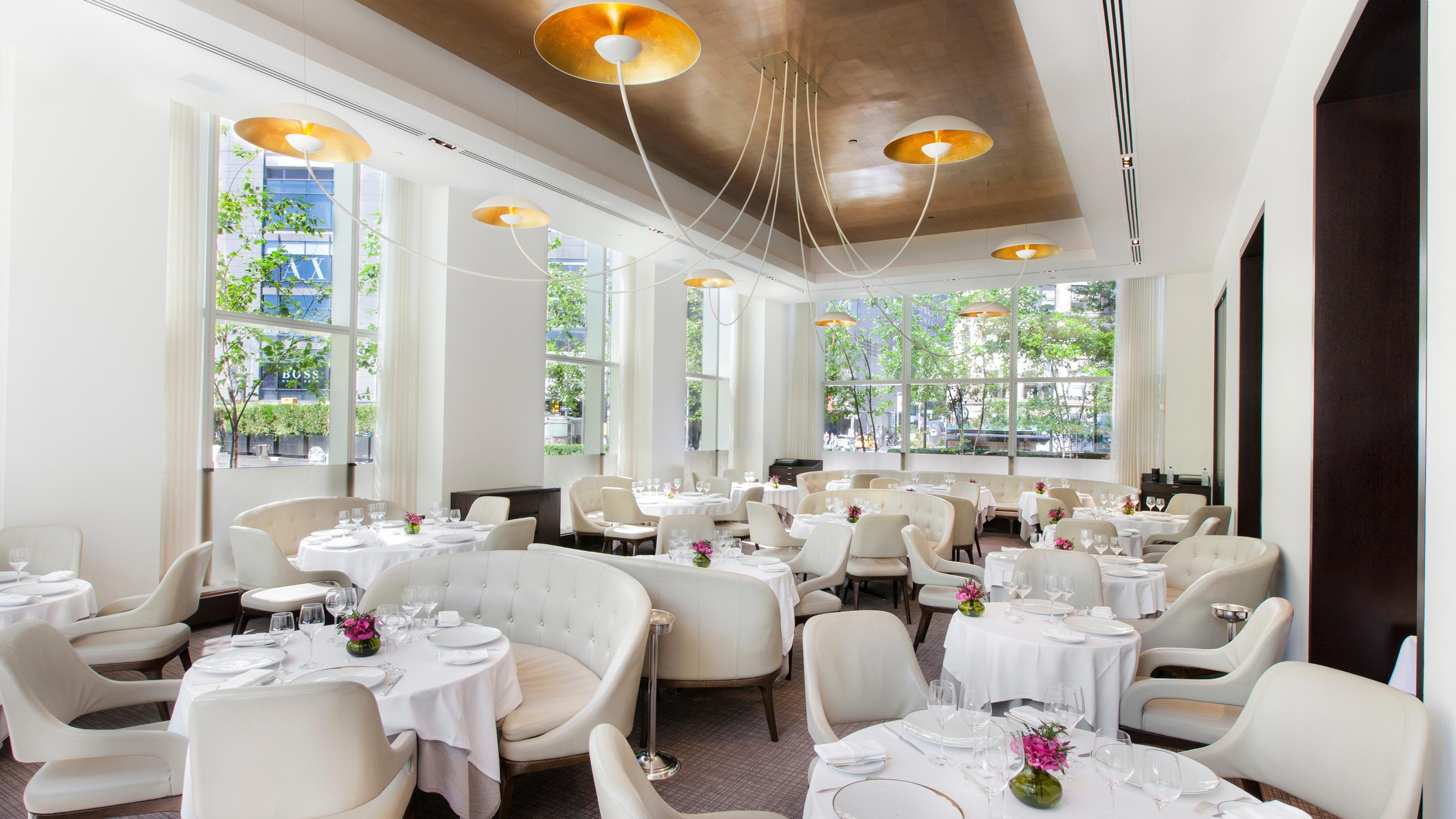
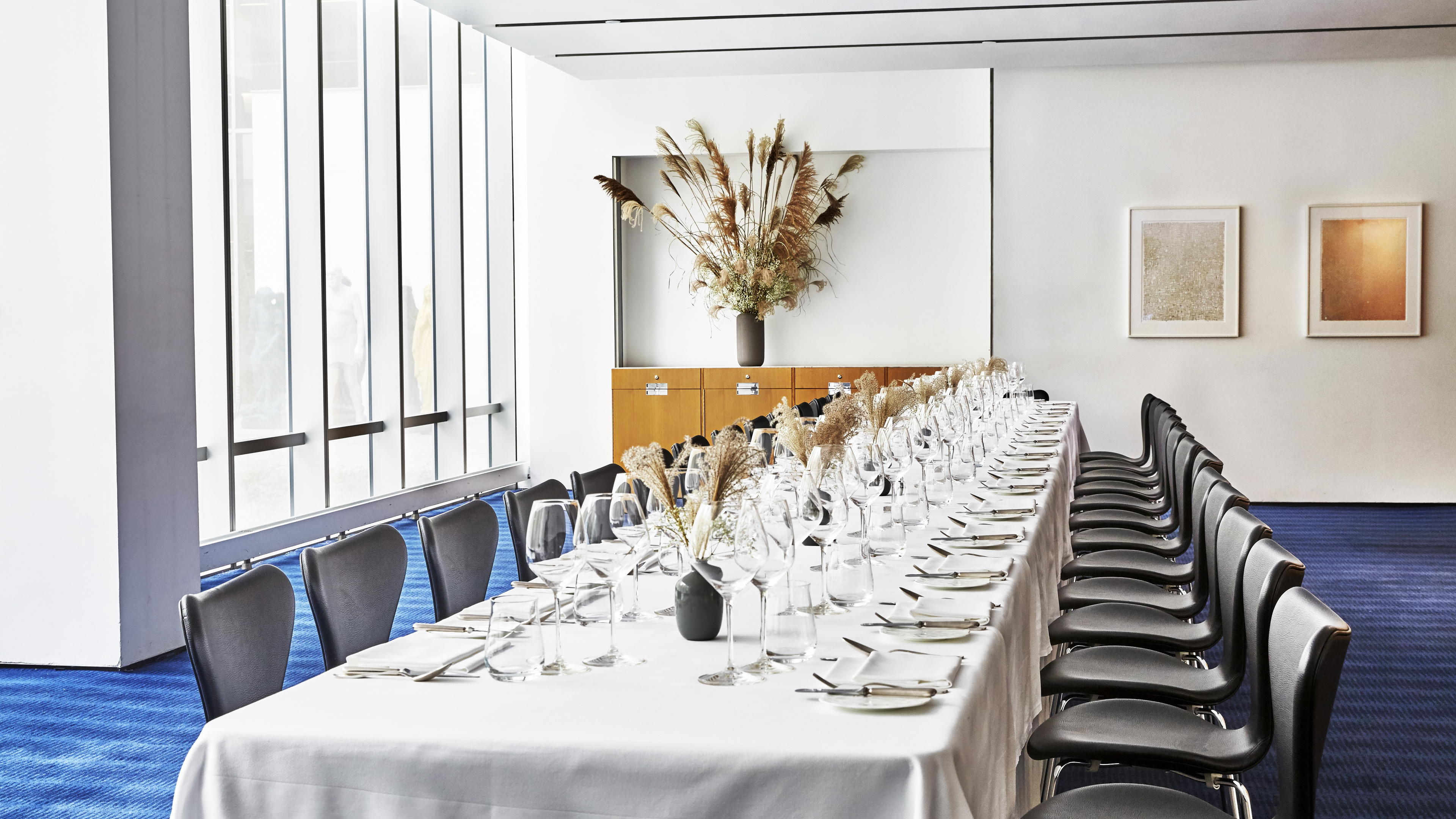
Bars in New York City
Browse all →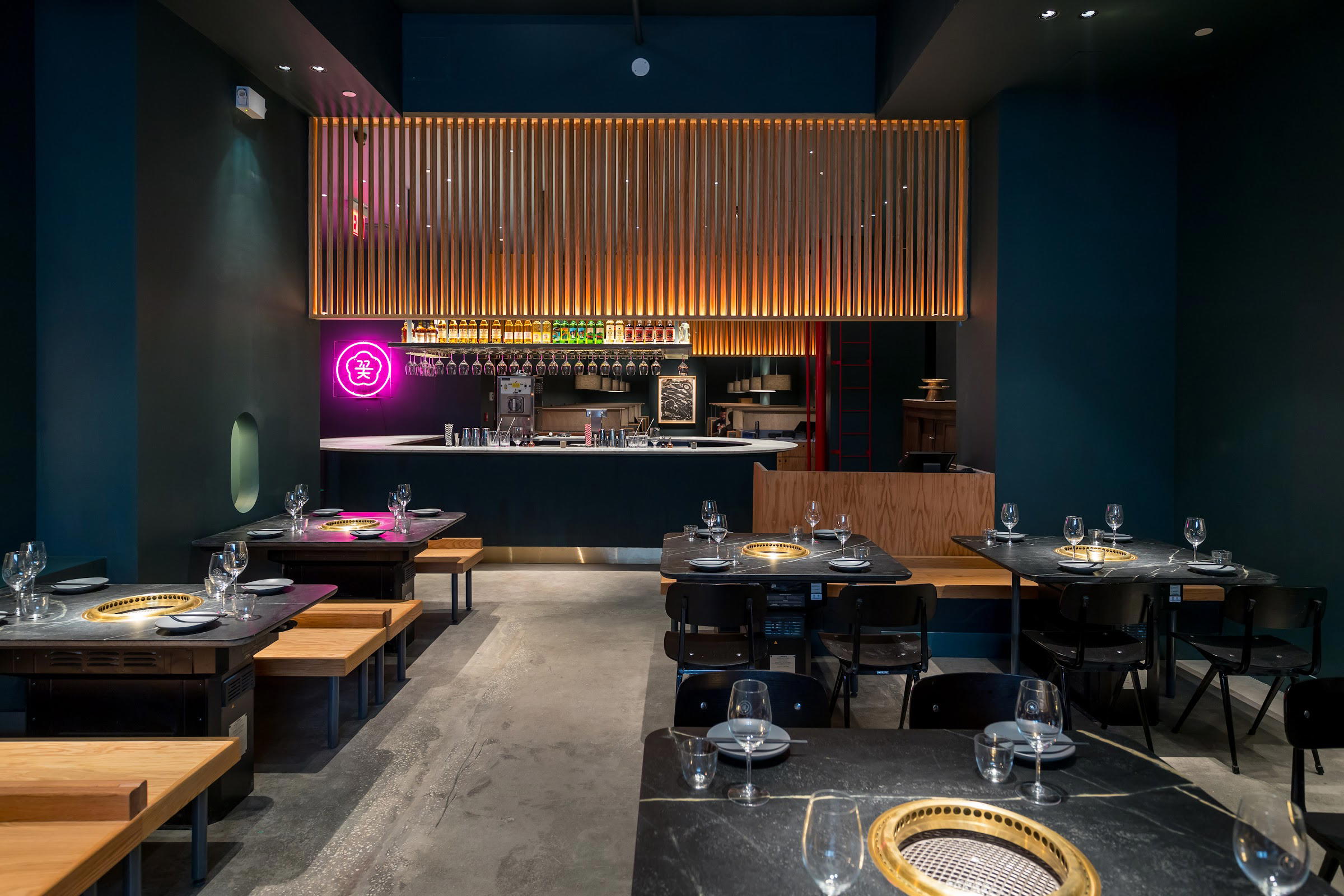
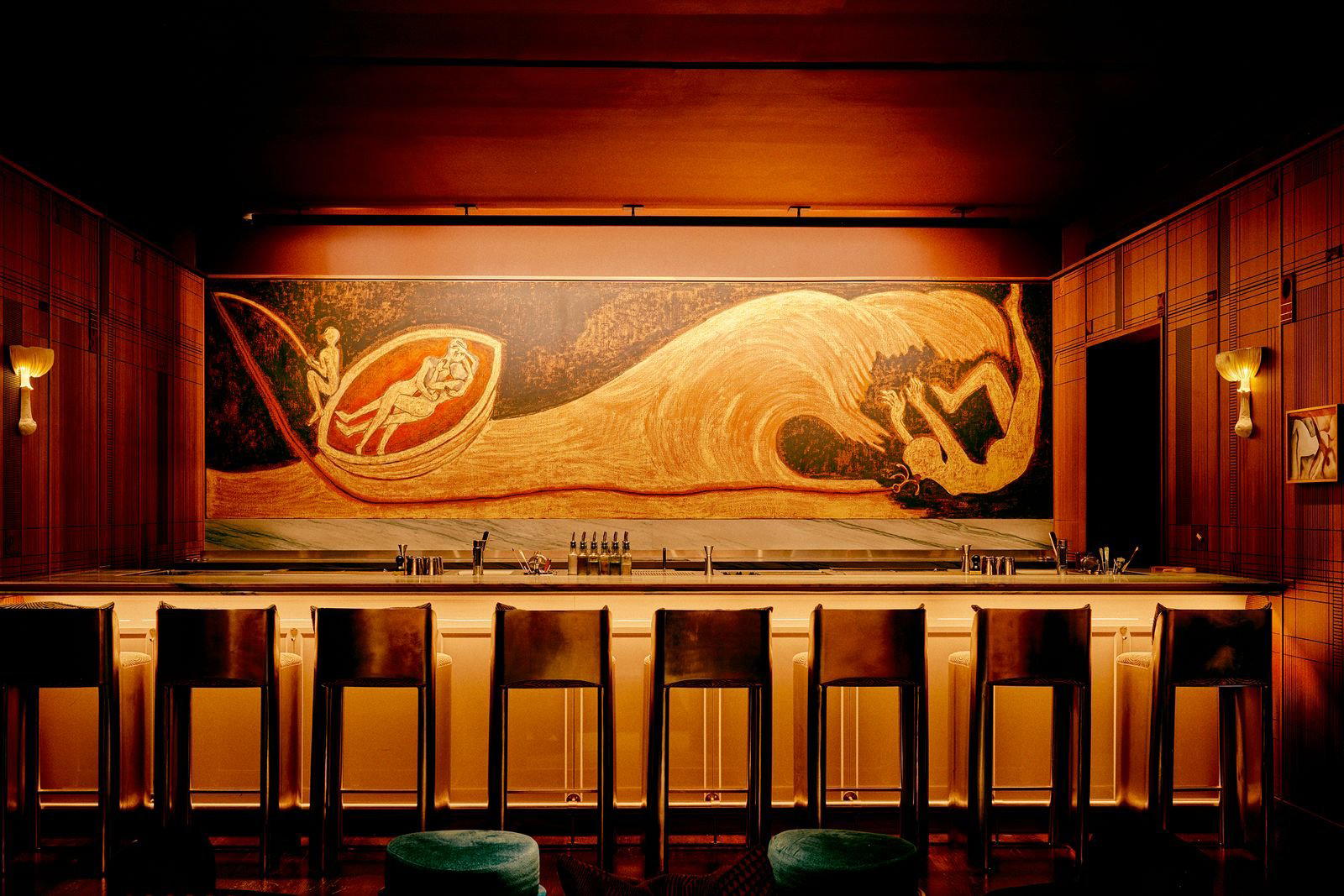
Hotels in New York City
Browse all →






At a Glance
- Elegant
- Romantic
- Sophisticated
- Lively
- Date Night
- Business Dinner
- Group Dining
- Celebration
- Special Occasion
- Standalone
- Open Kitchen
- Extensive Wine List
- Craft Cocktails
- Sommelier Led
- Sustainable Seafood
- Local Sourcing
Current opening hours
- Monday
- 12–10 PM
- Tuesday
- 12–10 PM
- Wednesday
- 12–10 PM
- Thursday
- 12–10 PM
- Friday
- 12–10 PM
- Saturday
- 11:30 AM–10 PM
- Sunday
- 11:30 AM–9 PM
Hours can change for holidays and private events. Last verified .
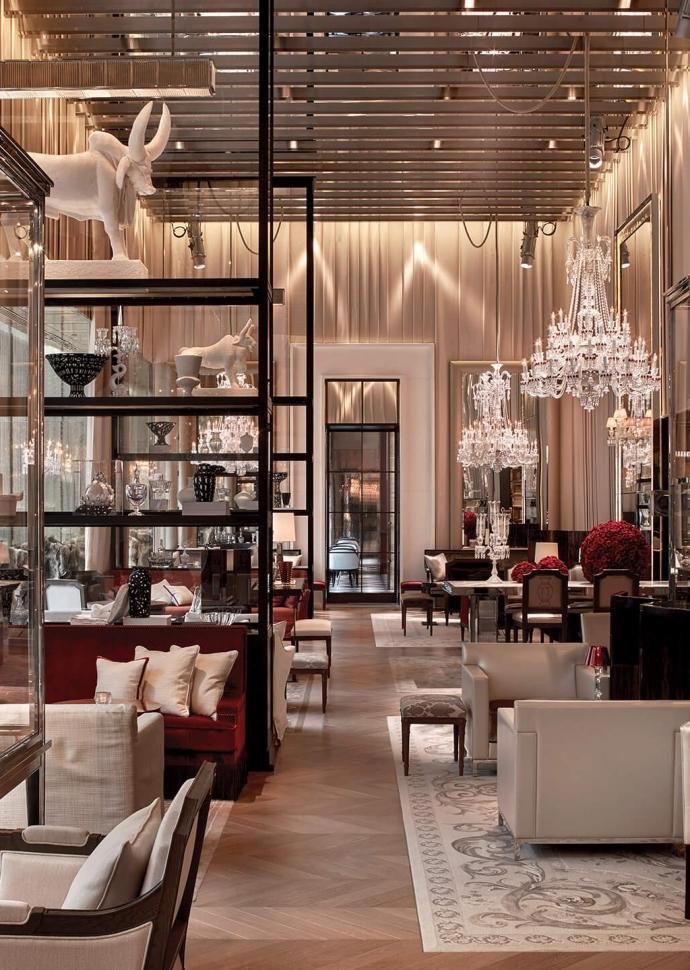
Warm and inviting atmosphere designed to evoke a chic, seaside Greek home with modern energy blended with ancient cultural elements.