Lokalaugenschein
A curious space hints at bold, varied bites.
 Discover on Pearl
Pearl is the En Primeur Club membership app — saves, bookings, and concierge access live there. Same editors, same standards.
- Address
- Seestraße 58, 7141 Podersdorf am See, Austria
- Phone
- +4369911967631
- Website
- lokalaugenschein.eu
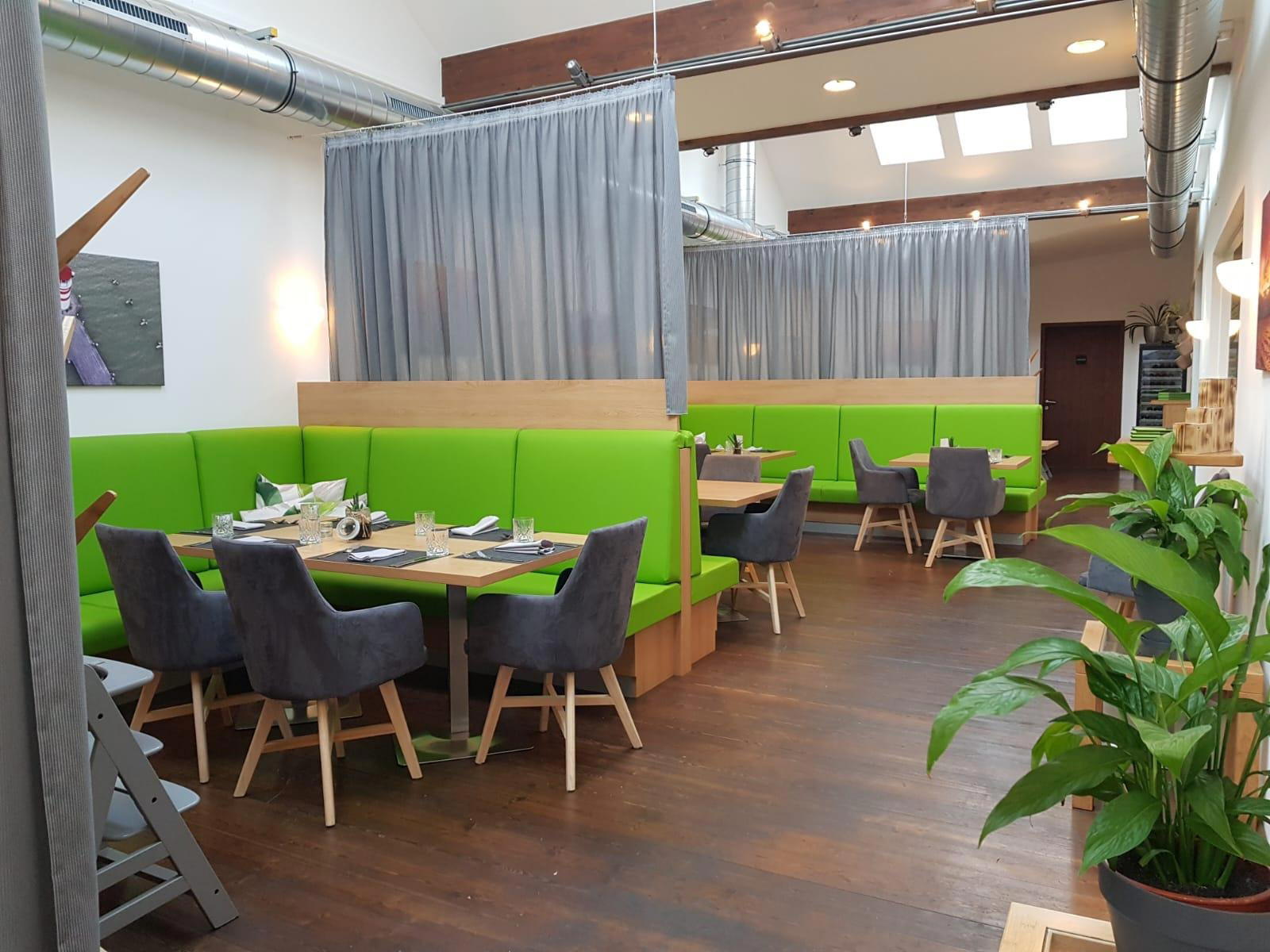
Where the Pannonian Plain Meets the Plate
Podersdorf am See occupies a particular position in Austrian travel: a lakeside village on the western shore of the Neusiedler See, deep in Burgenland, where the flat reed-edged water and the surrounding vineyards create a landscape that feels closer to Hungary than to Vienna. The region's cooking has always reflected that geography. Pannonian tradition favours fish pulled from shallow warm water, game from the surrounding steppes, and produce shaped by a continental climate that swings between short fierce summers and cold winters. Restaurants in this corner of Austria tend to earn their reputation not through urban sophistication but through rootedness in local supply. Lokalaugenschein is a restaurant in Podersdorf am See, Austria.
A Setting That Earns Its Address
Arriving at Seestraße, the road that traces the lake's edge through the village, you find a dining culture that has oriented itself almost entirely around the water. The Neusiedler See is UNESCO World Heritage-listed, and the reed-marsh ecology surrounding it shapes what local kitchens can source seasonally. The physical approach to addresses along this road tells you something about the dining philosophy before you cross the threshold: the lake is present, the reeds are present, and the flat light that arrives differently here than in alpine Austria changes how you experience an afternoon or an evening meal. Lokalaugenschein operates within this setting, where the environment is not background but context.
Ingredient Sourcing in a Region Built for It
Burgenland has become one of Austria's more compelling food-and-wine corridors precisely because its agricultural diversity is concentrated in a small area. The Neusiedler See provides zander, pike-perch, and carp in quantities that make freshwater fish a genuine staple rather than an occasional feature. The surrounding flatlands and hillside villages support market gardens, orchards, and vineyards that constitute Austria's most prominent wine-growing region by volume and, increasingly, by critical attention. This is the supply geography that frames any serious kitchen in Podersdorf.
Across Burgenland and the broader Austrian dining scene, the most critically recognised restaurants have moved steadily toward tighter regional sourcing. Taubenkobel in Schützen am Gebirge, positioned in the same Burgenland wine country, has built its reputation partly on a similar commitment to proximity in sourcing. Further afield, Landhaus Bacher in Mautern an der Donau and Döllerer in Golling an der Salzach represent the model of Austrian destination dining anchored in regional specificity rather than generic European fine-dining conventions. What separates the Podersdorf context from those alpine and Danube Valley counterparts is the Pannonian influence: the ingredients are flatter, warmer, and more eastern in character.
The Burgenland Dining Tier
Austrian restaurant culture has, over the past decade, stratified along lines that do not map neatly onto city-versus-country assumptions. Steirereck im Stadtpark in Vienna anchors the highest tier of recognition, alongside Michelin-starred operations such as Ikarus in Salzburg and Kräuterreich by Vitus Winkler in Sankt Veit im Pongau. But below that tier, and sometimes adjacent to it, a cohort of regionally focused restaurants operates in small towns and lakeside villages, drawing guests who travel specifically for the combination of setting, sourcing, and cooking that urban venues cannot replicate. Podersdorf sits in that cohort's geography. For visitors accustomed to the alpine restaurant circuit, Griggeler Stuba in Lech, Gourmetrestaurant Tannenhof in Sankt Anton am Arlberg, Stüva in Ischgl, Burgenland offers a markedly different register: no mountain drama, but a quieter, reed-and-water context that shapes the plate differently.
Podersdorf in the Wider Austrian Picture
The village itself is a functioning resort town: windsurfing on the lake from spring through autumn, cycling routes through the surrounding national park, and a wine scene anchored in the Neusiedlersee DAC appellation. Restaurants here compete for a guest who has arrived for the lake and the vineyards, not solely for the food. That context matters when assessing any dining address in the village. Kitchens that succeed tend to do so by making the regional ingredients, the fish, the locally grown vegetables, the proximity to wine production, feel necessary rather than decorative. Zur Dankbarkeit, another address in the village, represents the traditional end of this same local dining spectrum.
For context on how Austrian restaurants at similar positions in smaller towns have built national profiles, Obauer in Werfen, Ois in Neufelden, Schwarzer Adler in Hall in Tirol, and Restaurant 141 by Joachim Jaud in Mieming each demonstrate how destination status can attach to a small-town address when the cooking is sufficiently specific. These are not Burgenland operations, but the mechanism is the same: the location becomes part of the proposition rather than a limitation. Artis in Graz represents a different model, using urban Styria as its frame, while internationally the comparison shifts entirely: Le Bernardin in New York City and Atomix in New York City show how metropolitan address and ingredient philosophy can work in tandem at the highest recognition levels, a standard that Burgenland's leading kitchens are measured against only obliquely, given the different market and context.
- Burger auf zwei Etagen
- Ofenkartoffel
- Tafelspitz
- Schnitzel
- Grillteller
- Cordon Bleu
- Pasta aus dem See
Comparable Spots, Quickly
Comparable venues nearby, for context on price, style, and recognition.
| Venue | Cuisine | Price | Awards | Notes |
|---|---|---|---|---|
| LokalaugenscheinThis venue — the venue you are viewing | Austrian & International | $$ | , | |
| Zur Dankbarkeit | Traditional Austrian Regional | $$ | Michelin Plate | Podersdorf am See |
| Landhaus Parndorf | Traditional Austrian | $$ | , | Parndorf |
| Kärntnerei Kasnudel | Carinthian Kasnudeln | $$ | , | Hernals |
| Bürgerkeller Weiz | Austrian Home-Style | $$ | , | Hauptplatz |
| Knappenhof | Regional Austrian Fine Dining | $$ | , | Kleinau |
Continue exploring
More in Podersdorf am See
Restaurants in Podersdorf am See
Browse all →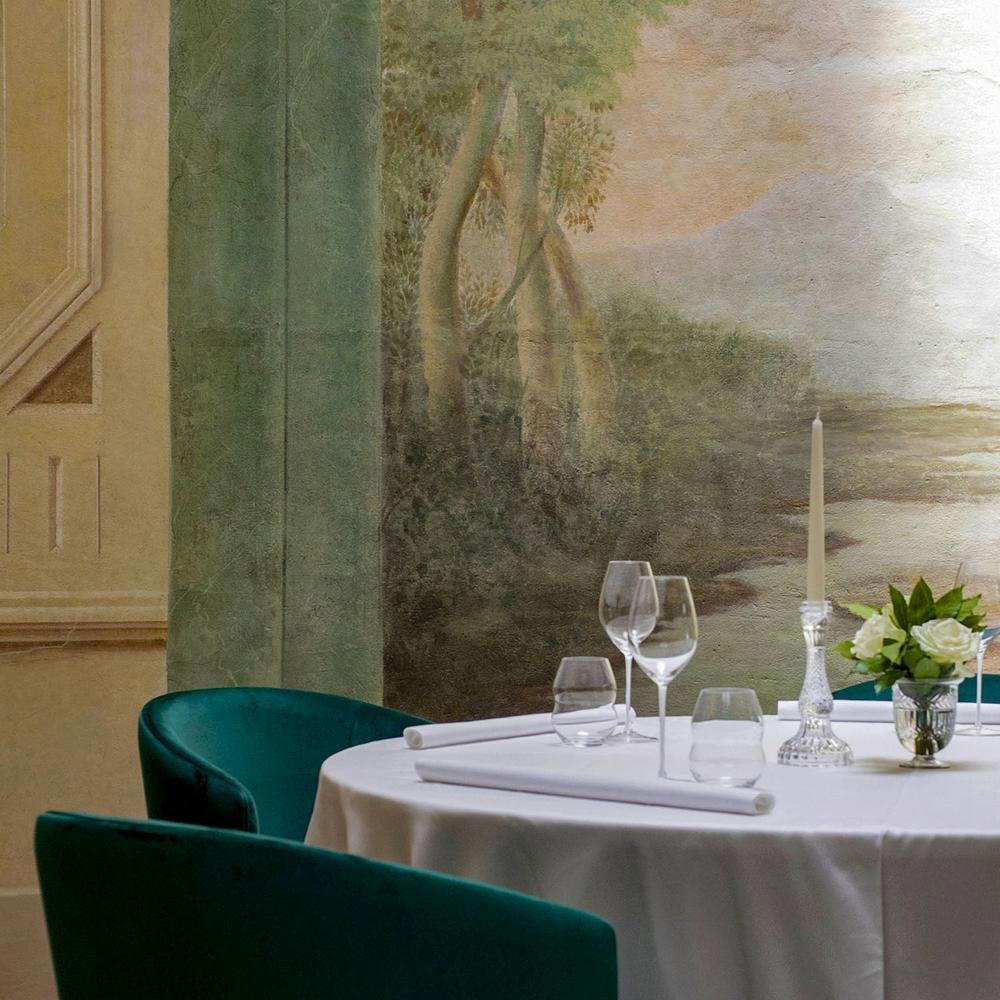
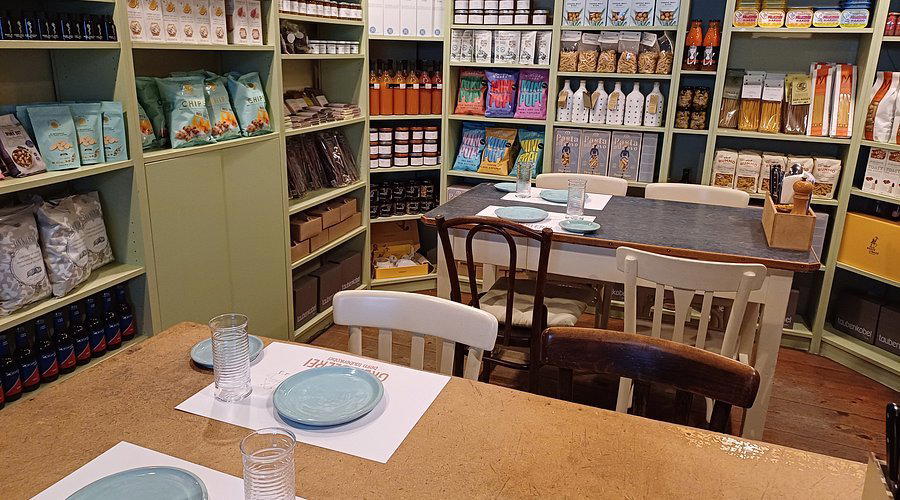
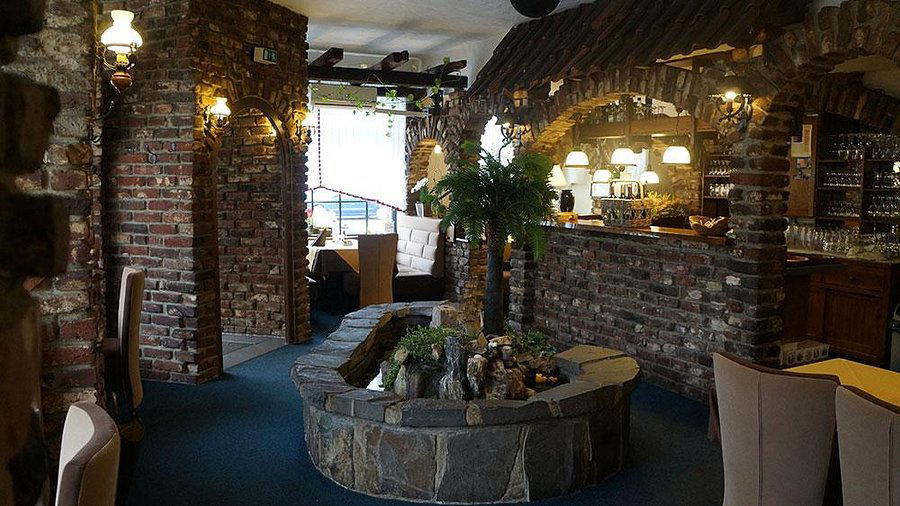
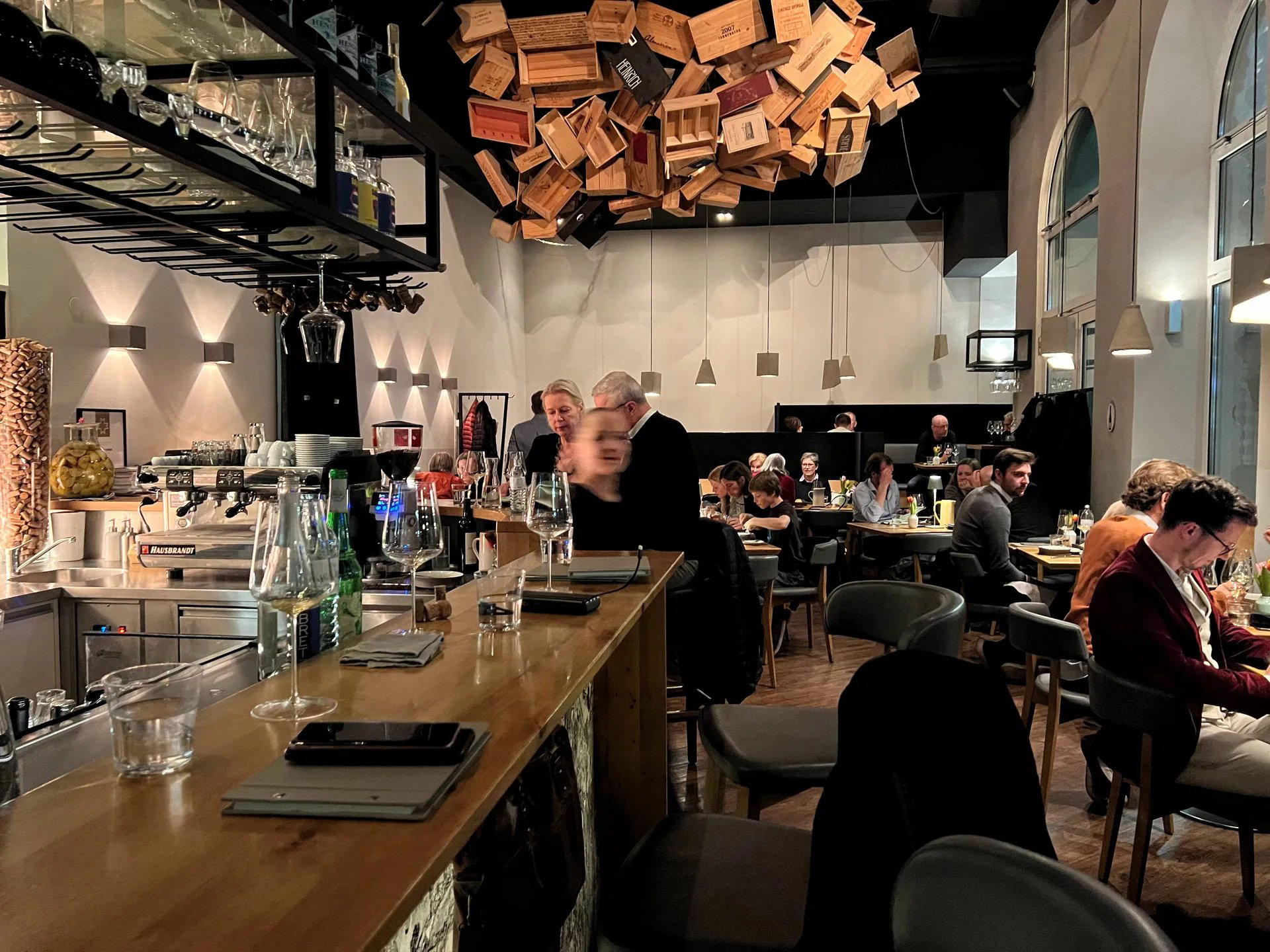
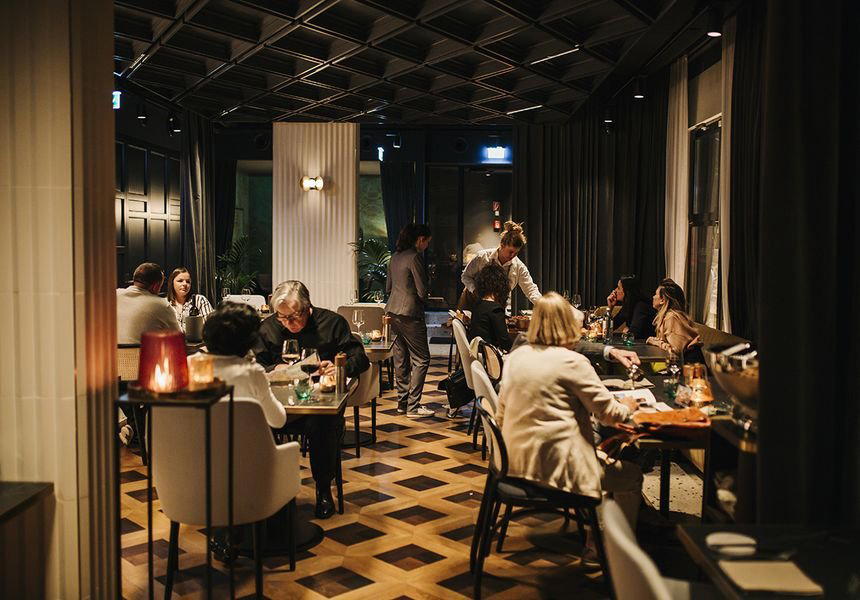
Bars in Podersdorf am See
Browse all →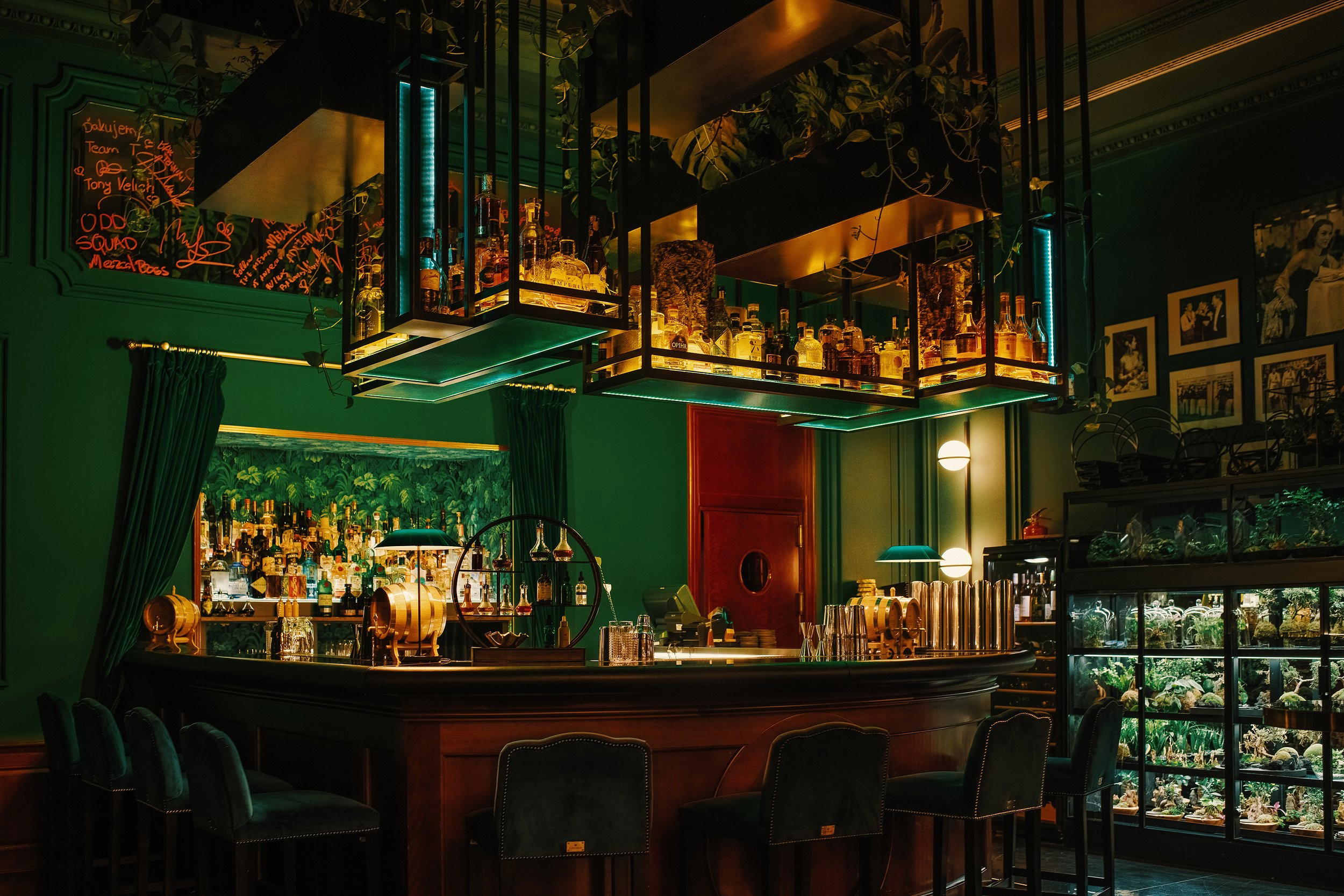
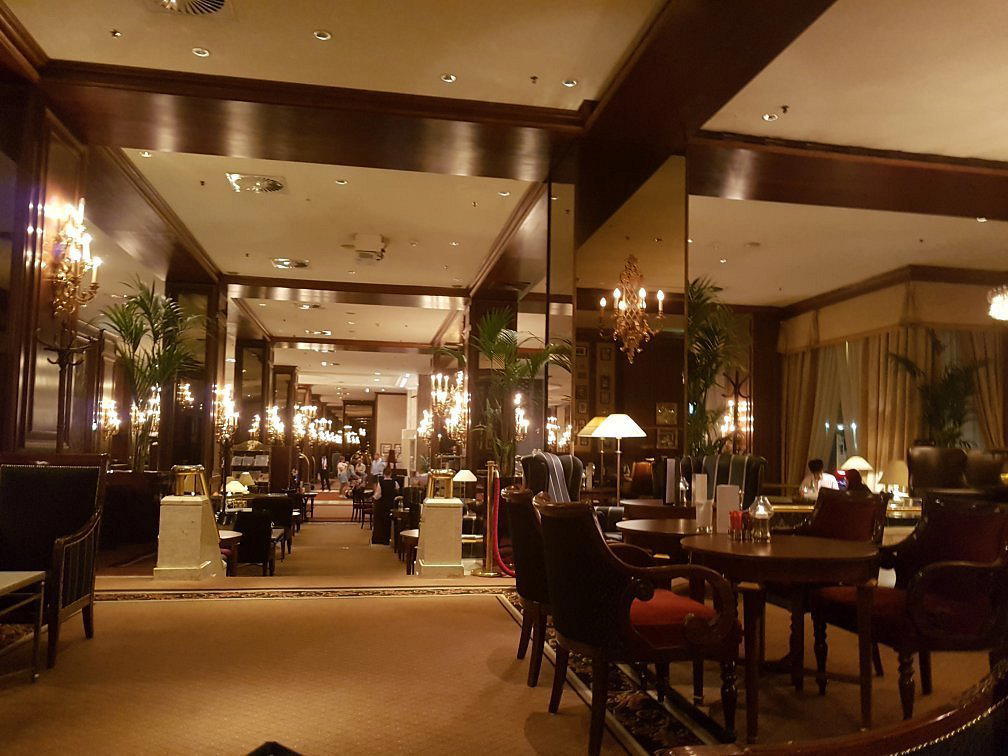
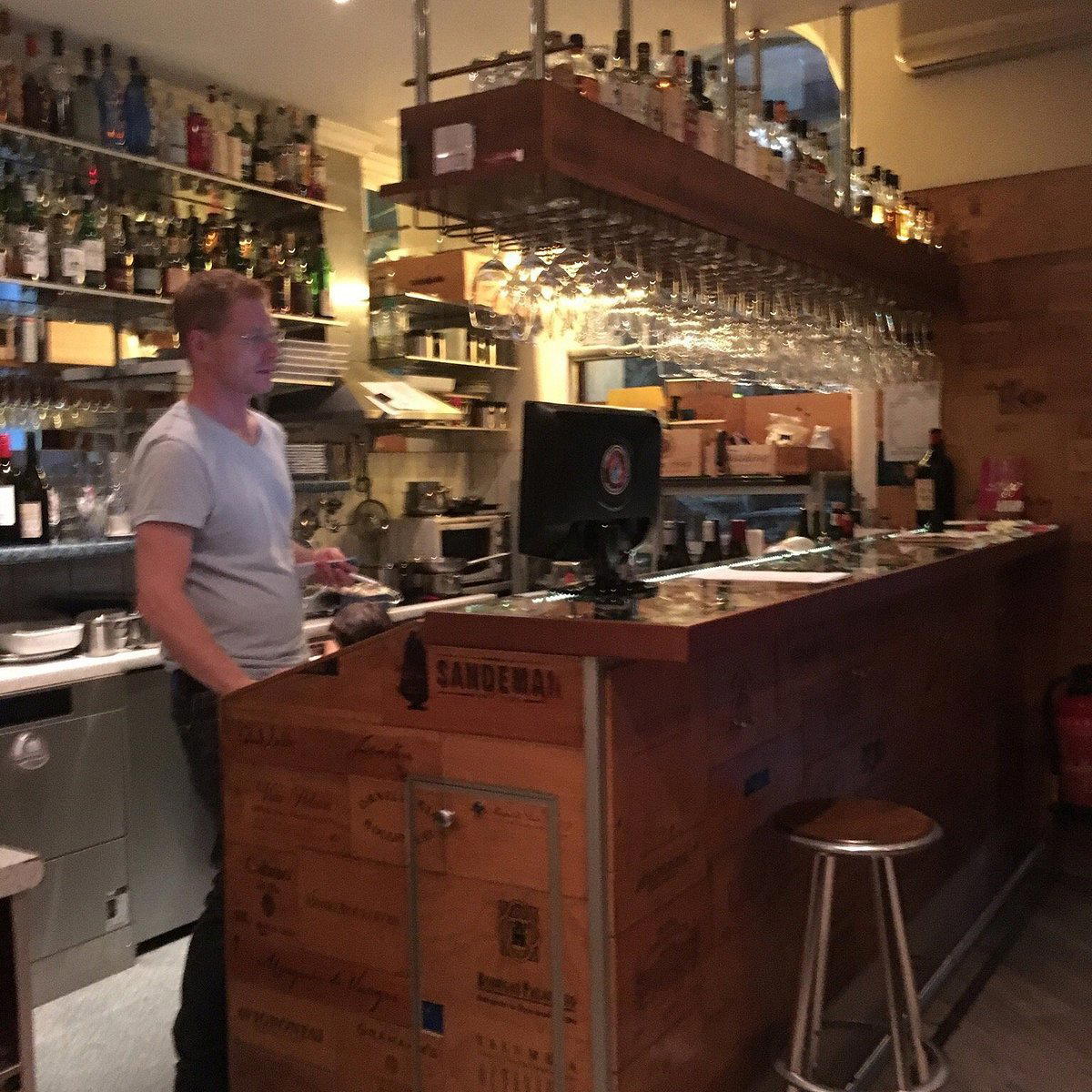
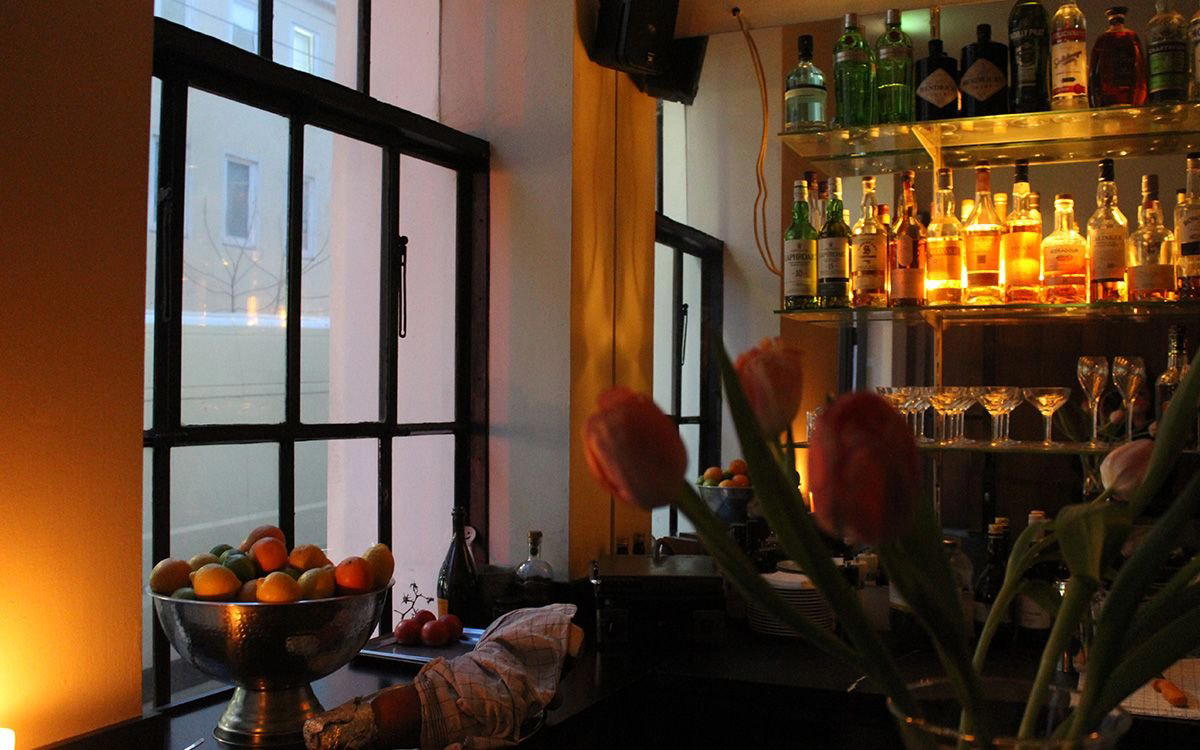
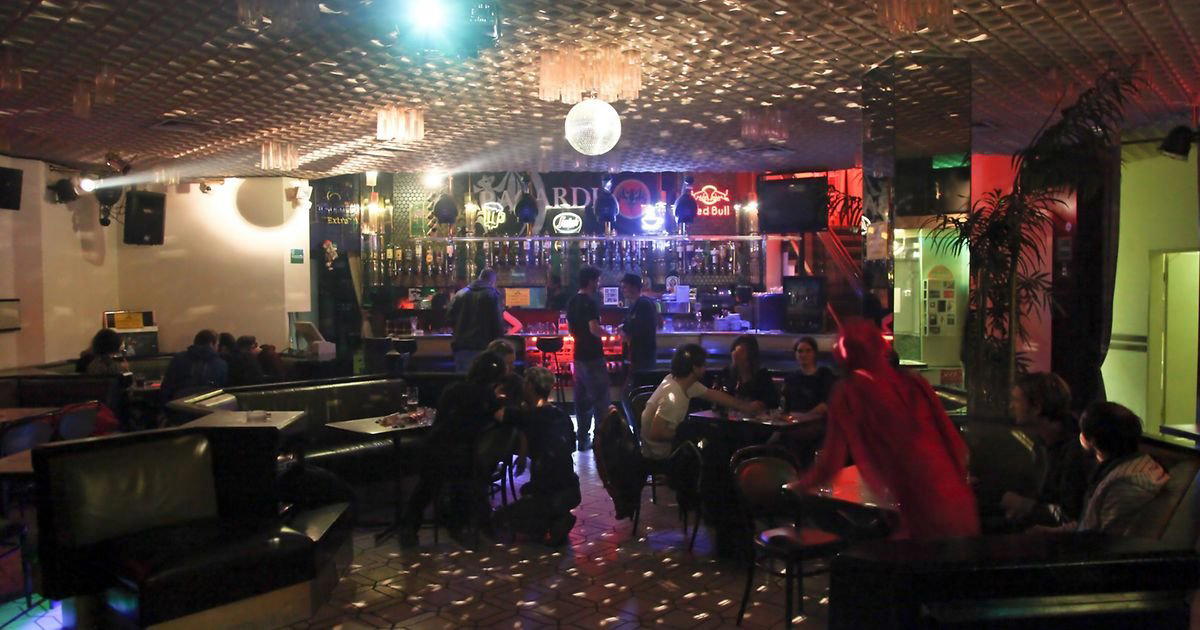
Hotels in Podersdorf am See
Browse all →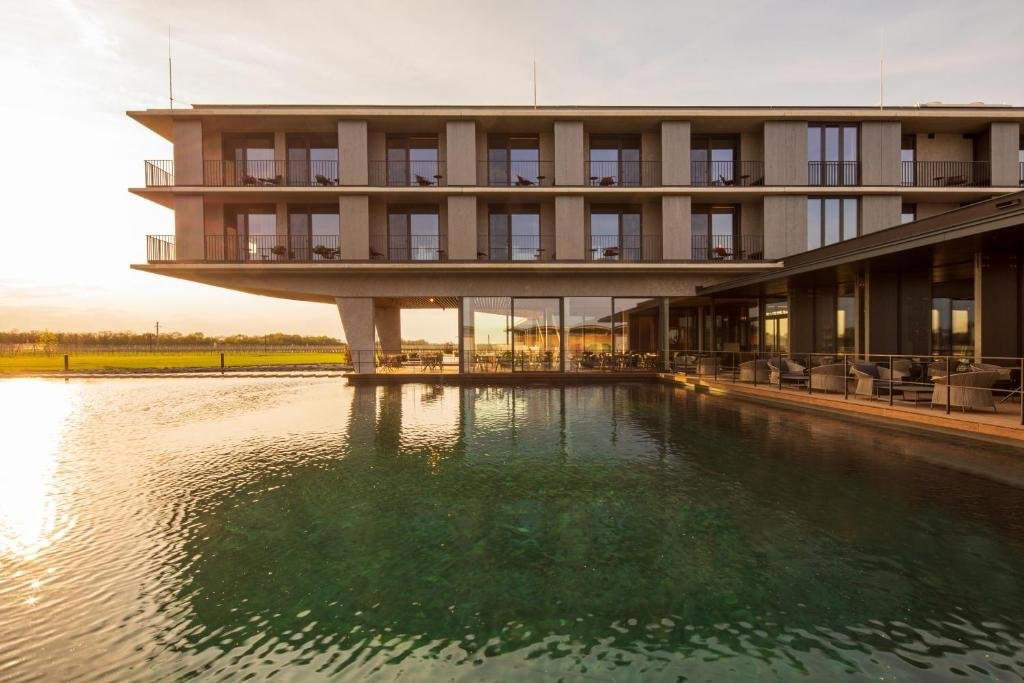
At a Glance
- Rustic
- Cozy
- Classic
- Casual Hangout
- Family
- Group Dining
- Garden
- Terrace
- Local Sourcing
- Garden
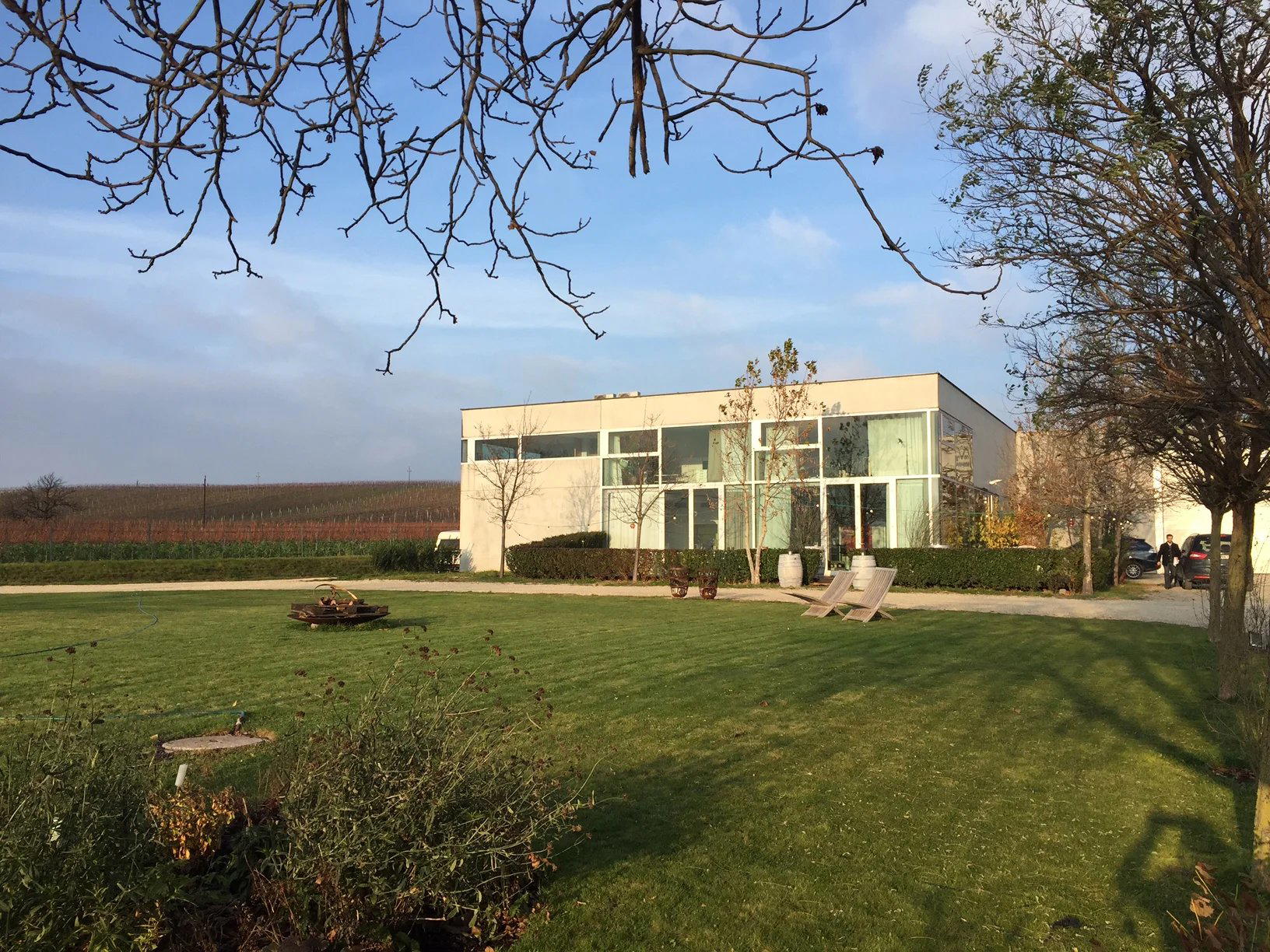
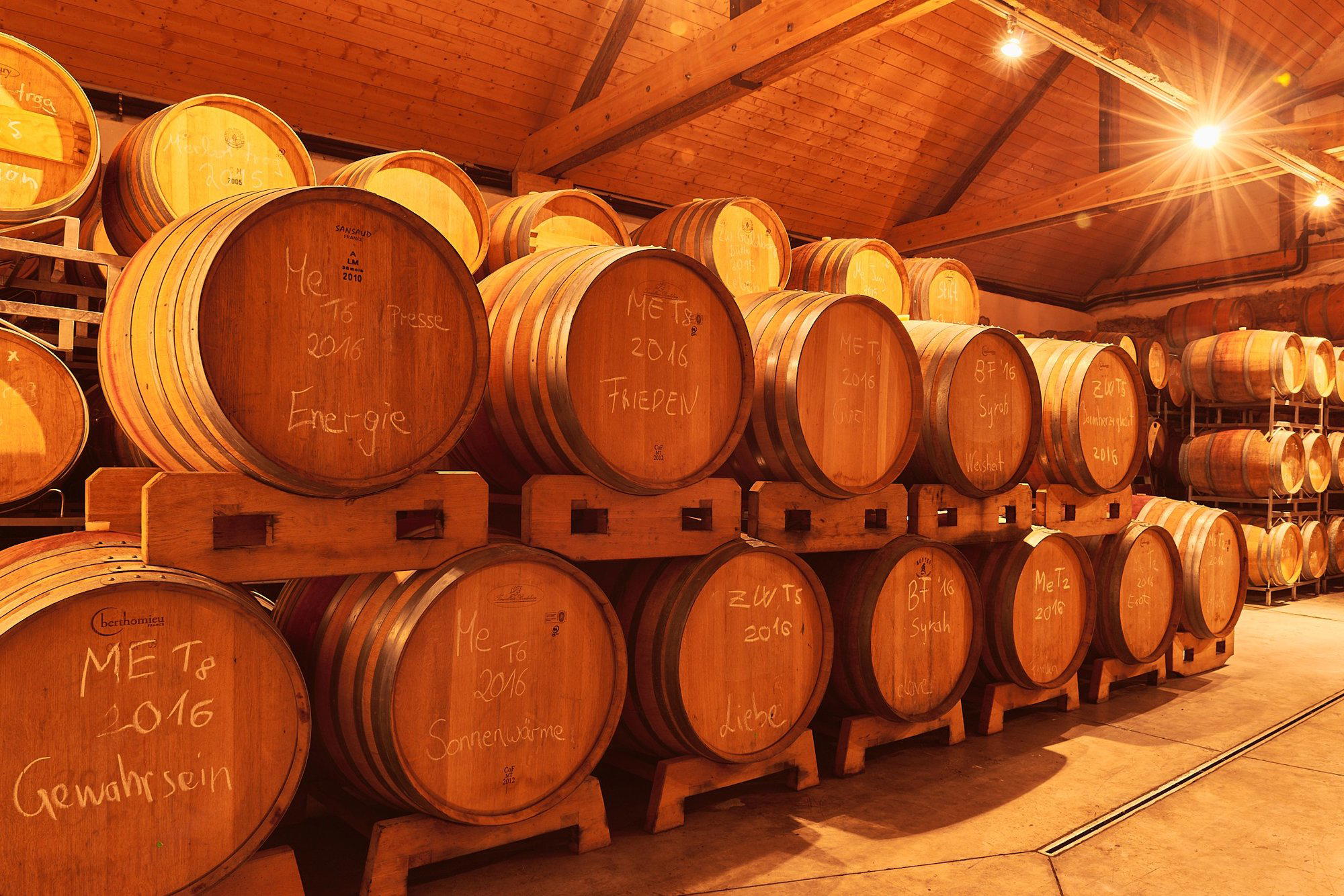
Warm and welcoming interior with rustic charm; the large, well-maintained garden provides a pleasant outdoor dining atmosphere with natural lighting.
- Burger auf zwei Etagen
- Ofenkartoffel
- Tafelspitz
- Schnitzel
- Grillteller
- Cordon Bleu
- Pasta aus dem See