Lokal Mediterranean Kitchen
On Columbus Avenue in the Upper West Side, Lokal Mediterranean Kitchen draws a neighborhood crowd that returns not out of habit but out of preference. The cooking pulls from Mediterranean traditions in a corridor more accustomed to brunch spots and pasta chains, making it one of the area's more considered casual-dining options. It occupies the kind of position that regulars tend to protect quietly.
Pearl is the En Primeur Club membership app — saves, bookings, and concierge access live there. Same editors, same standards.
- Address
- 473 Columbus Ave, New York, NY 10024
- Phone
- +12125955554
- Website
- lokal83.com
- Directions
- Get directions
 Saves & bookings on Pearl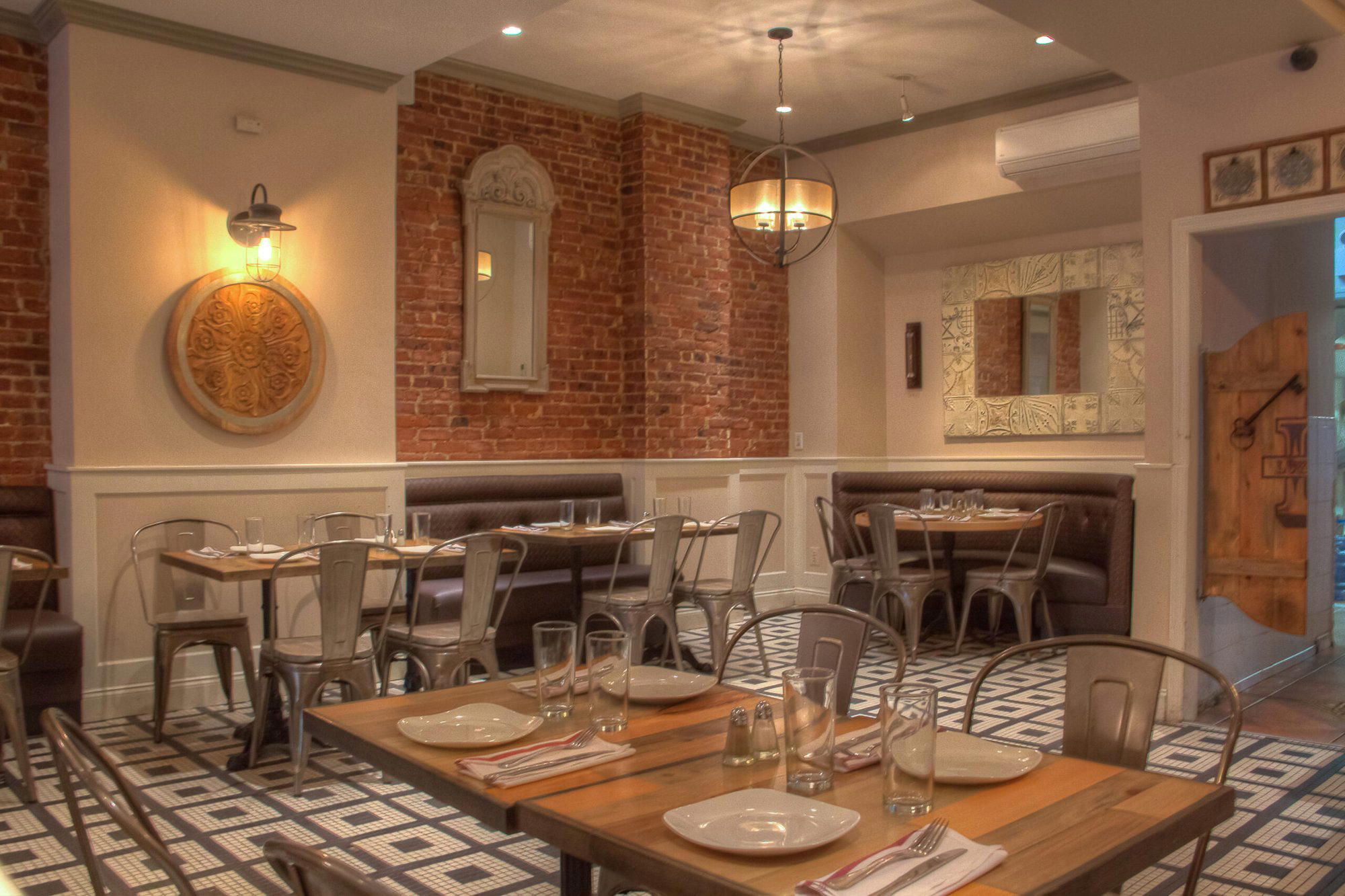
A Neighborhood Counter in Mediterranean Territory
The Upper West Side has long been one of New York's more settled dining corridors. Between 72nd and 86th Streets, Columbus Avenue runs through a residential stretch where reliability often matters more than novelty. That context matters when reading Lokal Mediterranean Kitchen, because a restaurant that earns a loyal clientele in this part of the city is doing something genuinely different from the brunch institutions and mid-tier Italian spots that dominate the blocks around it. Mediterranean cooking in New York occupies a wide spectrum, from the tasting-menu refinement of places like Le Bernardin (where the Mediterranean influence reads through French technique) to the fast-casual falafel counter. Lokal sits between those poles, in a register that the Upper West Side has historically undersupplied: ingredient-focused, culturally grounded, and built for return visits rather than occasions.
What the Regulars Already Know
In a neighborhood where restaurants tend to thrive on foot traffic and first-time diners, a place that earns repeat visitors has to clear a different bar. The regulars at a neighborhood Mediterranean kitchen are not chasing novelty. They are returning because the kitchen is consistent, because the sourcing holds up across seasons, and because the format allows for the kind of low-ceremony dining that makes a Tuesday night feel considered without feeling like an event. Mediterranean cuisine, rooted in shared plates, olive oil as a foundation rather than a finish, and grain and pulse preparations that reward attention, translates well into this rhythm. It is food designed for regular consumption, not performance.
That structural fit between the cuisine and the neighborhood dynamic explains why Mediterranean kitchens tend to accumulate regulars faster than, say, a destination tasting-menu room. The comparison set for Lokal is not Masa or Per Se, both of which operate as high-ceremony, occasion-driven destinations. It is not the progressive tasting formats of Atomix or Jungsik New York. The competitive frame is the neighborhood itself: what else on Columbus Avenue or Amsterdam Avenue offers cooking with this level of regional specificity? For most of the Upper West Side's dining history, the answer has been little.
Mediterranean Cooking in a New York Context
Mediterranean cuisine, as a category, carries some definitional looseness in American cities. It can mean Lebanese mezze, Greek taverna cooking, Turkish pide, Moroccan tagine, or something more general pulled from all of those. The strongest neighborhood versions tend to anchor in a specific regional point of view rather than a pan-Mediterranean survey. They use preserved citrus, dried herbs, stone-ground grains, and fermented dairy in ways that reflect a coherent culinary geography rather than a greatest-hits compilation. New York has strong examples of each tradition at the specific-restaurant level; what it has fewer of are neighborhood kitchens that bring that seriousness to a format priced for weekly return.
The seasonal logic of Mediterranean cooking also rewards regular visitors in a way that occasion dining does not. The same kitchen in late summer, when tomatoes and stone fruit set the agenda, operates differently from the same kitchen in February, when dried pulses, preserved vegetables, and braises take over. Regulars at a well-run Mediterranean kitchen do not need to look at the menu; they read the season and trust the kitchen's response to it. That pattern, common in the cooking traditions that run from Catalonia to the Levant, translates directly into the kind of loyalty that keeps a neighborhood restaurant financially stable in a city where margins are already thin.
The Upper West Side Dining Moment
New York's dining conversation in the past five years has concentrated heavily in lower Manhattan, Williamsburg, and the more trend-driven pockets of the outer boroughs. The Upper West Side has largely sat outside that conversation, which has had the effect of suppressing ambition in the neighborhood while also, paradoxically, protecting the restaurants that do bring it. A kitchen that would be lost in the noise of the West Village or Noma-adjacent Brooklyn is distinctive clearly on Columbus Avenue, where the competition is less acute and the resident population is older, more affluent, and more inclined toward the kind of consistent neighborhood anchor that Lokal appears to be building.
For context on how other American cities support similar restaurant formats, the model at work here has loose parallels to neighborhood-anchored serious cooking at places like Bacchanalia in Atlanta or the sourcing-forward approach that defines Blue Hill at Stone Barns just outside the city. The scale is different, but the underlying argument is similar: a restaurant earns regulars by building an honest relationship with its ingredients and its neighborhood, not by engineering a destination reputation from the outside in. Other American kitchens doing this at various price points include Lazy Bear in San Francisco, Single Thread Farm in Healdsburg, Providence in Los Angeles, Addison in San Diego, Alinea in Chicago, Emeril's in New Orleans, and The Inn at Little Washington. At the highest international tier, the Mediterranean tradition finds a different expression entirely at Alain Ducasse's Louis XV in Monte Carlo and 8½ Otto e Mezzo Bombana in Hong Kong, both of which illustrate how far the tradition can travel while remaining coherent. The French Laundry in Napa represents a parallel argument in the American fine-dining register.
Nearby-ish Comparables
Comparable venues nearby, for context on price, style, and recognition.
| Venue | Cuisine | Price | Notes |
|---|---|---|---|
| Lokal Mediterranean KitchenThis venue — the venue you are viewing | Mediterranean Small Plates | $$ | Not listed |
| Pierre Loti | Mediterranean Wine Bar with Turkish Influences | $$ | East Midtown-Turtle Bay |
| 58-22 Myrtle Ave | Balkan & Mediterranean Specialty Market | $$ | Ridgewood |
| taïm mediterranean kitchen | Mediterranean Street Food | $$ | West Village |
| Shuka | Modern Mediterranean | $$ | SoHo-Little Italy-Hudson Square |
| Nanoosh | Mediterranean Hummus Bar | $$ | Midtown South-Flatiron-Union Square |
Continue exploring
More in New York City
Restaurants in New York City
Browse all →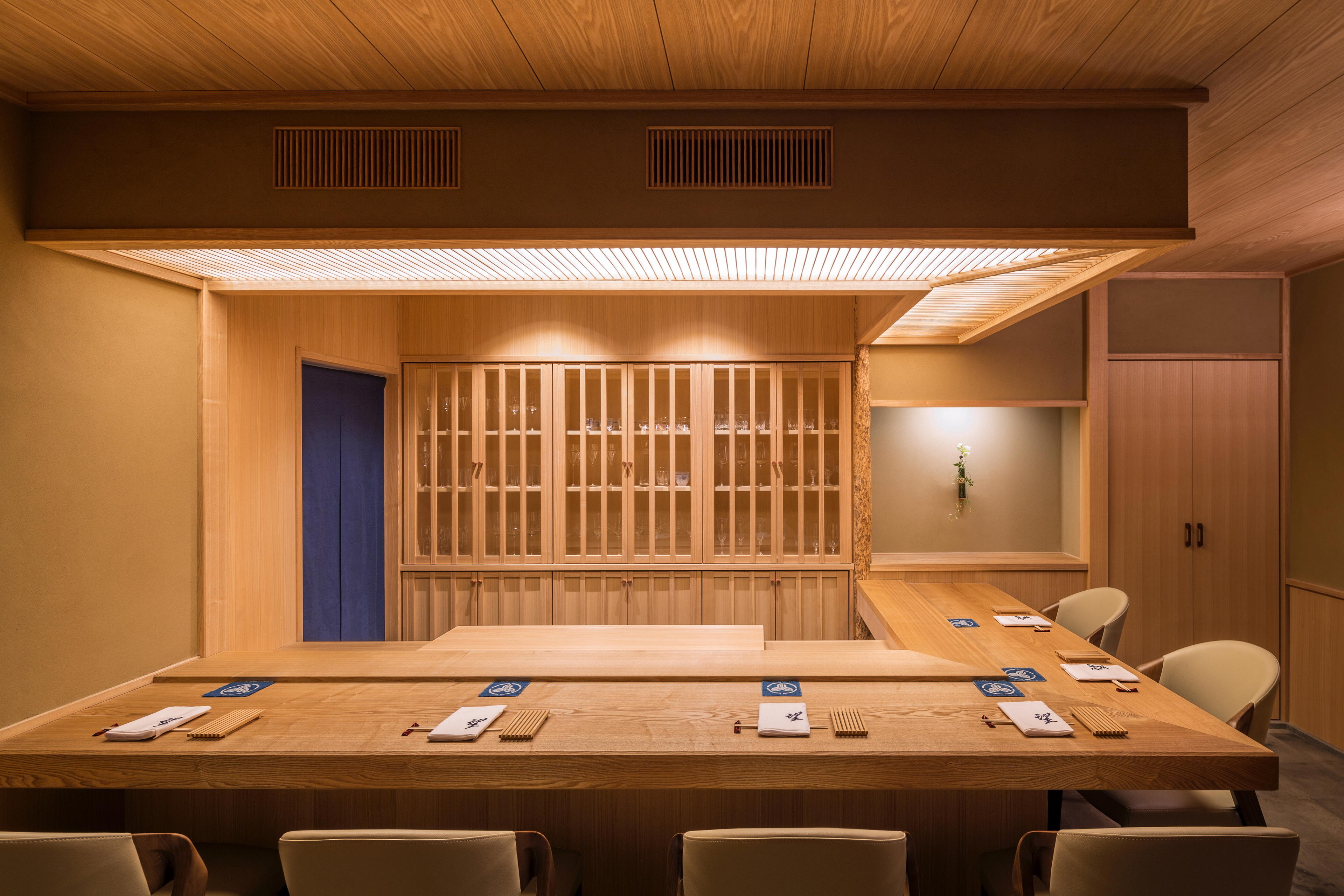
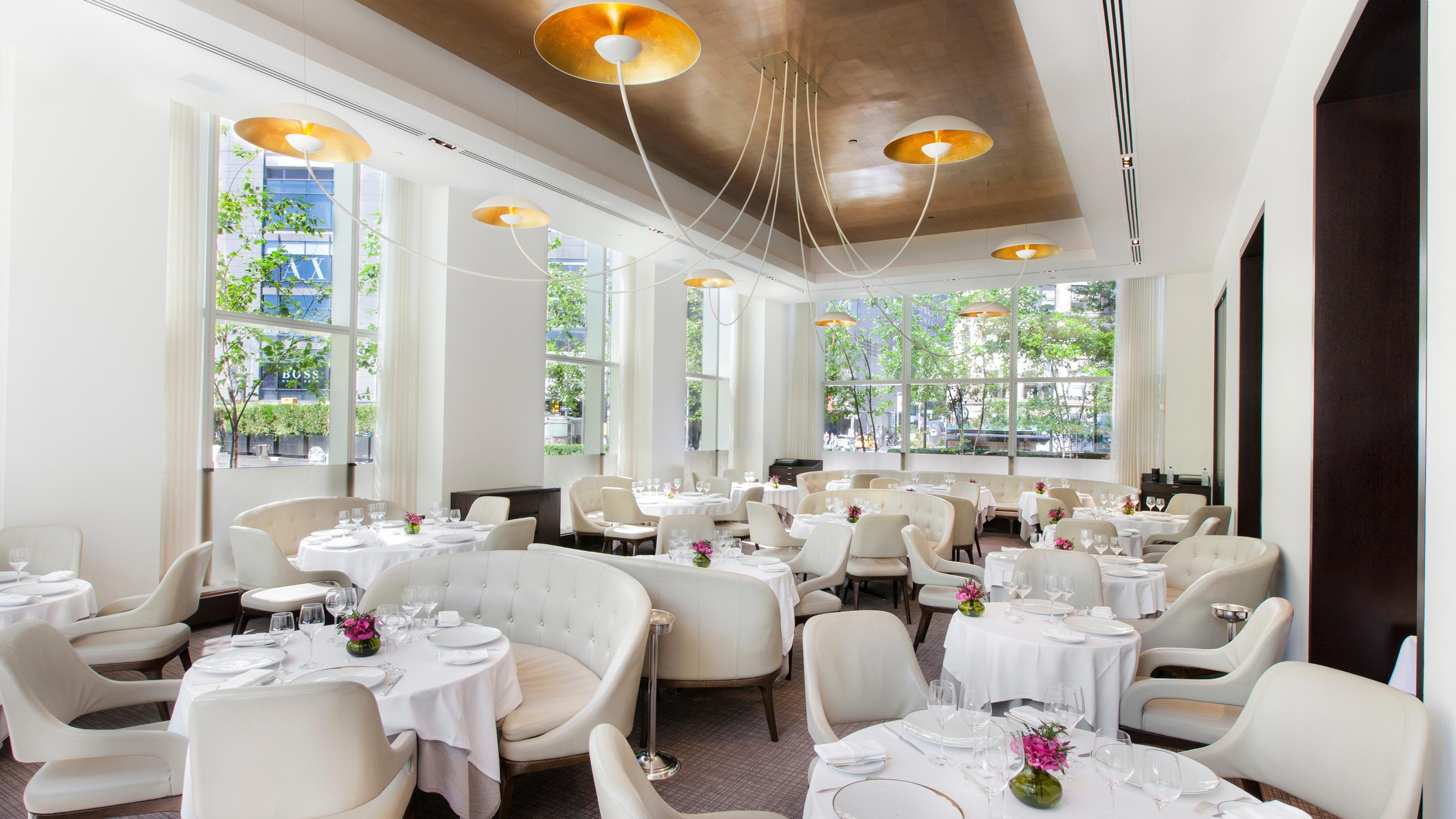
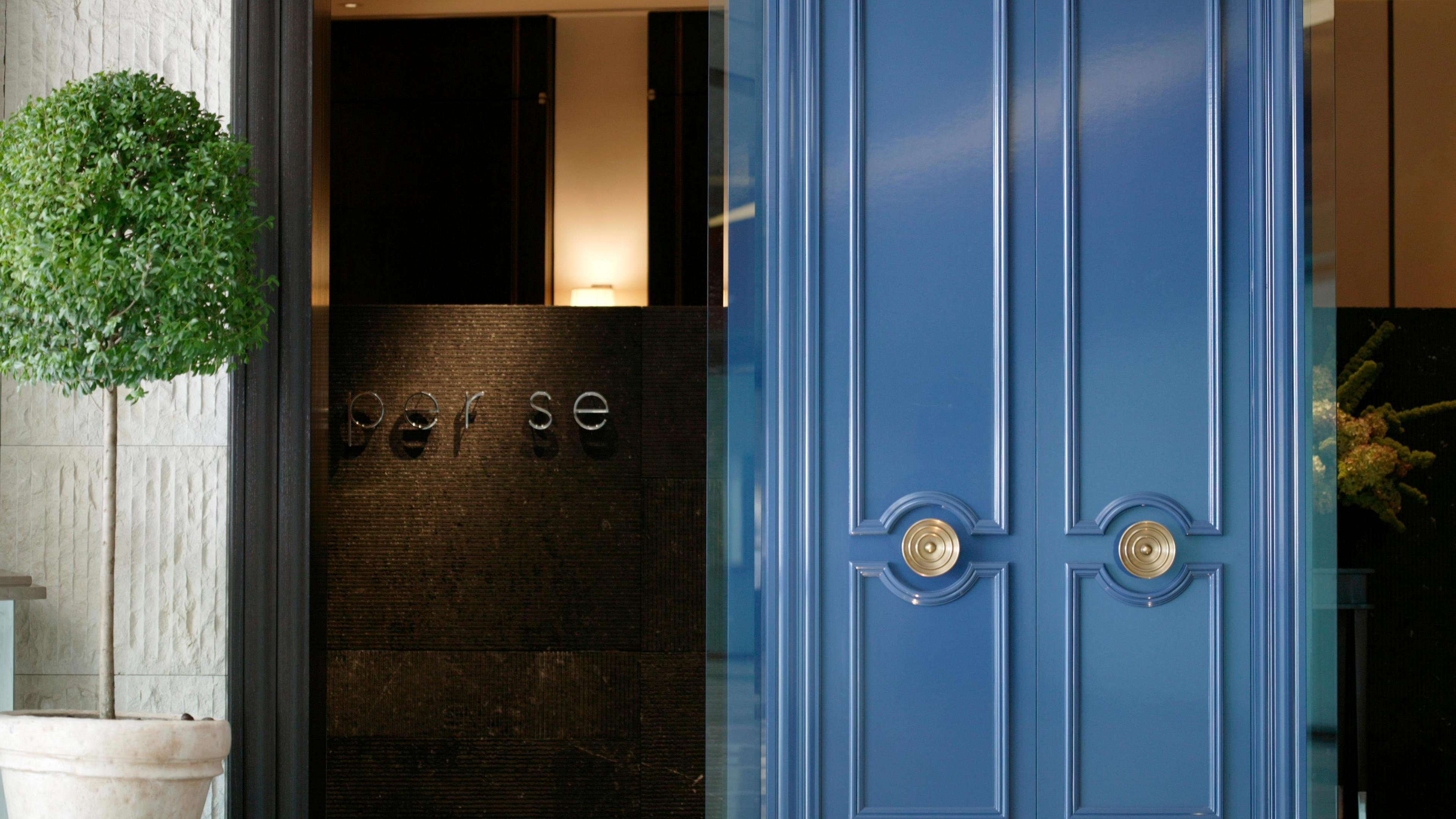
Bars in New York City
Browse all →
Hotels in New York City
Browse all →







At a Glance
- Cozy
- Lively
- Rustic
- Family
- Group Dining
- Casual Hangout
- Brunch
- Open Kitchen
- Extensive Wine List
Current opening hours
- Monday
- 11:30 AM–9:30 PM
- Tuesday
- 11:30 AM–9:30 PM
- Wednesday
- 11:30 AM–9:30 PM
- Thursday
- 11:30 AM–9:30 PM
- Friday
- 11:30 AM–10 PM
- Saturday
- 11 AM–11 PM
- Sunday
- 11:30 AM–9:30 PM
Hours can change for holidays and private events. Last verified .
Warm and welcoming with a laid-back atmosphere, featuring fresh house-baked bread and attentive service.