
Sapporo’s Chinese dining scene often sits behind ramen, sushi, and soup curry in visitor planning, yet Local Chinese Food Shifan gives the category a sharper local reference point. Its Tabelog Chinese EAST “Tabelog 100” 2026 selection, compact counter-led format, and spice-oriented course structure place it in a serious middle tier rather than a casual noodle stop.
Pearl is the En Primeur Club membership app — saves, bookings, and concierge access live there. Same editors, same standards.
- Address
- Japan, 〒064-0804 Hokkaido, Sapporo, Chuo Ward, Minami 4 Jonishi, 5 Chome−10−1 つむぎビル 3階
- Phone
- +81 80-6089-5760
- Website
- tabelog.com
 Saves & bookings on Pearl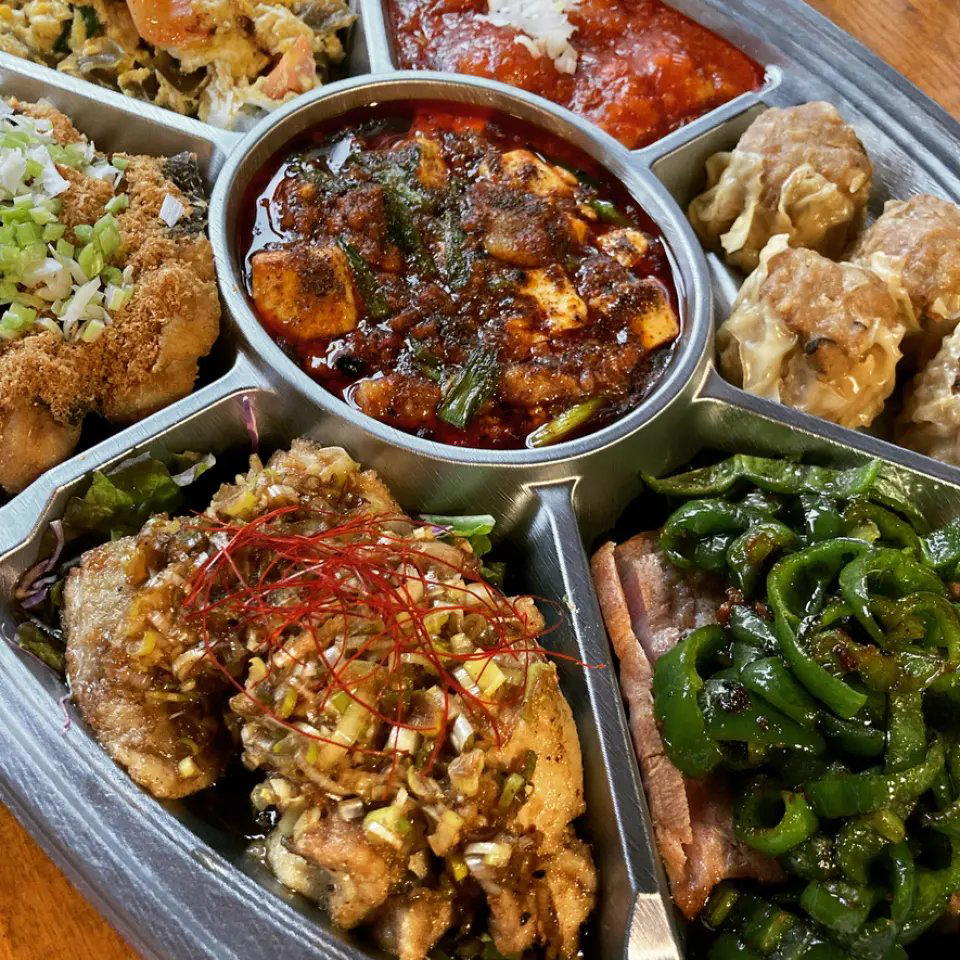
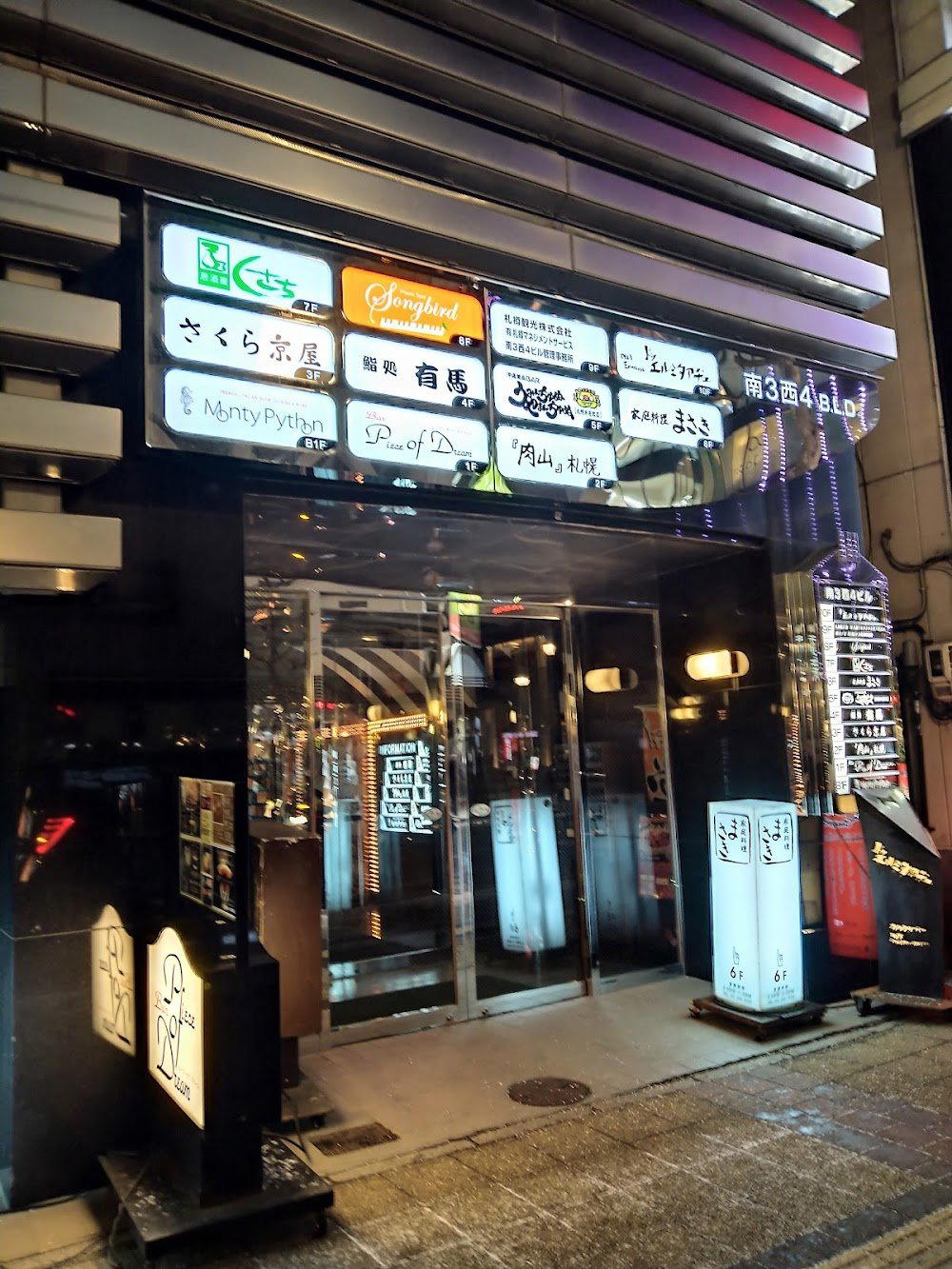
Inside Sapporo’s late-night dining grid, the strongest rooms are often small, vertical, and easy to miss from street level: a lift, a sign, a counter, then the shift from winter-coat city to a table built around heat, smoke, wine, and spice. That setting matters for Chinese food in Hokkaido because the category has to compete with louder visitor magnets: seafood counters, miso ramen, jingisukan, and soup curry. Local Chinese Food Shifan belongs to the smaller group of Sapporo restaurants that ask diners to treat Chinese cooking as a planned dinner rather than a fallback between bars.
The evidence is not decorative. The restaurant was selected for Tabelog Chinese EAST “Tabelog 100” 2026, a list that tends to reward depth within specific genres rather than broad tourist visibility. In a city where a sushi dinner such as Sushi Natsume Honten can sit in a far higher spending bracket, and soup curry rooms such as soup curry Suage+ or Future Curry Koris operate as lower-priced, high-frequency local staples, Shifan occupies a useful middle lane: more intentional than a casual spice fix, less financially severe than Sapporo’s upper sushi tier.
Spice, wine, and course logic define the room
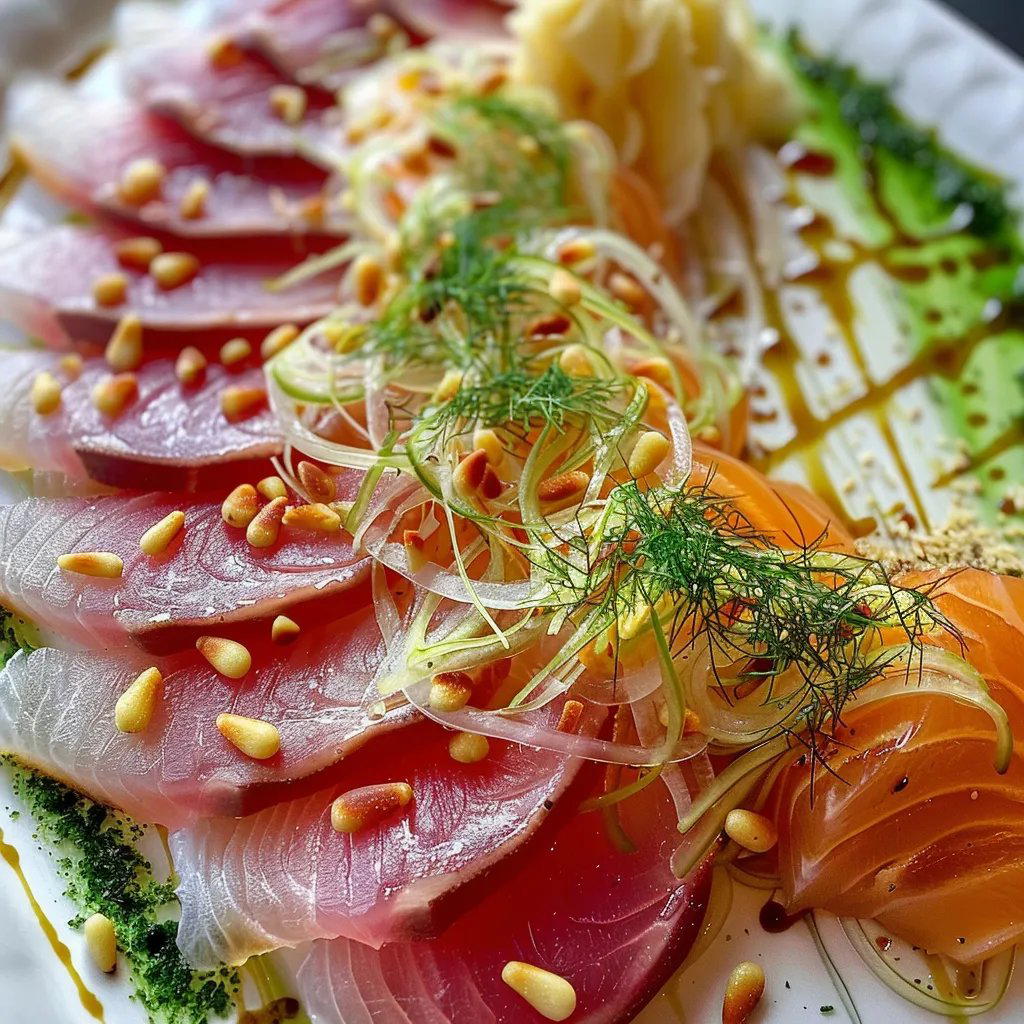
The menu architecture says more about the restaurant than any single dish name would. This is Chinese cooking organized around set courses, drinks, and advance planning, with a particular emphasis on spice-led formats. Publicly listed options include a 120-minute all-you-can-drink course with six dishes, a nine-dish spice-focused course requiring advance notice, and a higher-priced course built around seasonal ingredients and shark fin. Bear paw and Peking duck are also listed as reservation-only items. That structure places the restaurant closer to a planned group dinner or counter-led tasting rhythm than to quick à la carte Chinese dining.
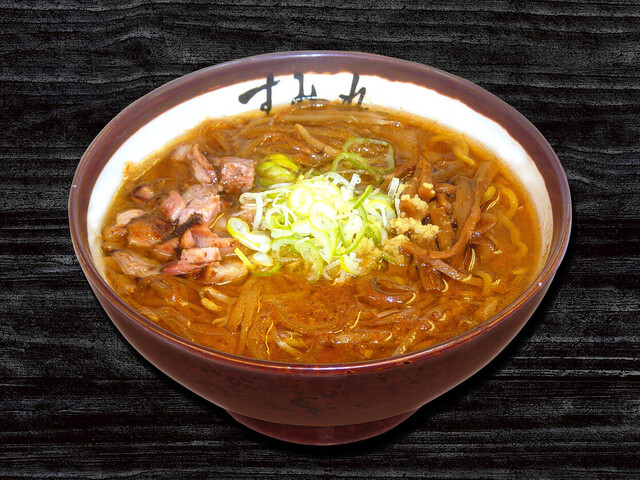
Drinks signal is equally specific. Qingdao Beer IPA, Harbin Beer, Shaoxing wines, Chinese wines, and wine are part of the publicly described offer, which is not the default beverage language for every Chinese restaurant in Japan. It points to a format where spice and drinking are meant to carry the evening together. Sapporo diners already understand this pairing logic through ramen, curry, and izakaya culture; here, the grammar changes to Chinese seasonings and banquet-adjacent courses.
For readers mapping the city by flavor rather than category, Shifan sits near several other spice conversations. 175°DENO Tantanmen Sapporo kitaguchi ten makes sesame and chili the center of a faster noodle format, while [Curry Senmon Ten] Maruyama Kyoju., Ajanta Indo Curry Ten, and Ajanta Sohonke show how deeply Sapporo’s curry culture has trained local palates for heat, broth, and aromatic layering. Shifan’s distinction is not simply spice; it is spice placed inside a Chinese course-and-drink framework.
Why this tier matters in Sapporo dining
Sapporo’s restaurant identity is often presented through ingredients: crab, scallop, corn, dairy, lamb, and cold-water fish. That shorthand is useful, but it can flatten the city’s dining range. Chinese restaurants with serious recognition complicate the picture because they are less dependent on the expected Hokkaido script. A Tabelog 100 Chinese EAST selection in 2026 gives Shifan a credentialed position within an eastern Japan field, not merely within a local nightlife district.
The comparison set sharpens the point. Kirin sits in a lower everyday spending band, Shinohei in a higher dinner tier, and Sushi Natsume Honten in a premium sushi category with a different set of expectations. Shifan’s appeal is for diners who want an evening with structure and heat without committing to the ceremony or cost profile of upper-tier sushi. That makes it useful for a second or third Sapporo dinner, after the city’s obvious seafood and ramen obligations have been handled.
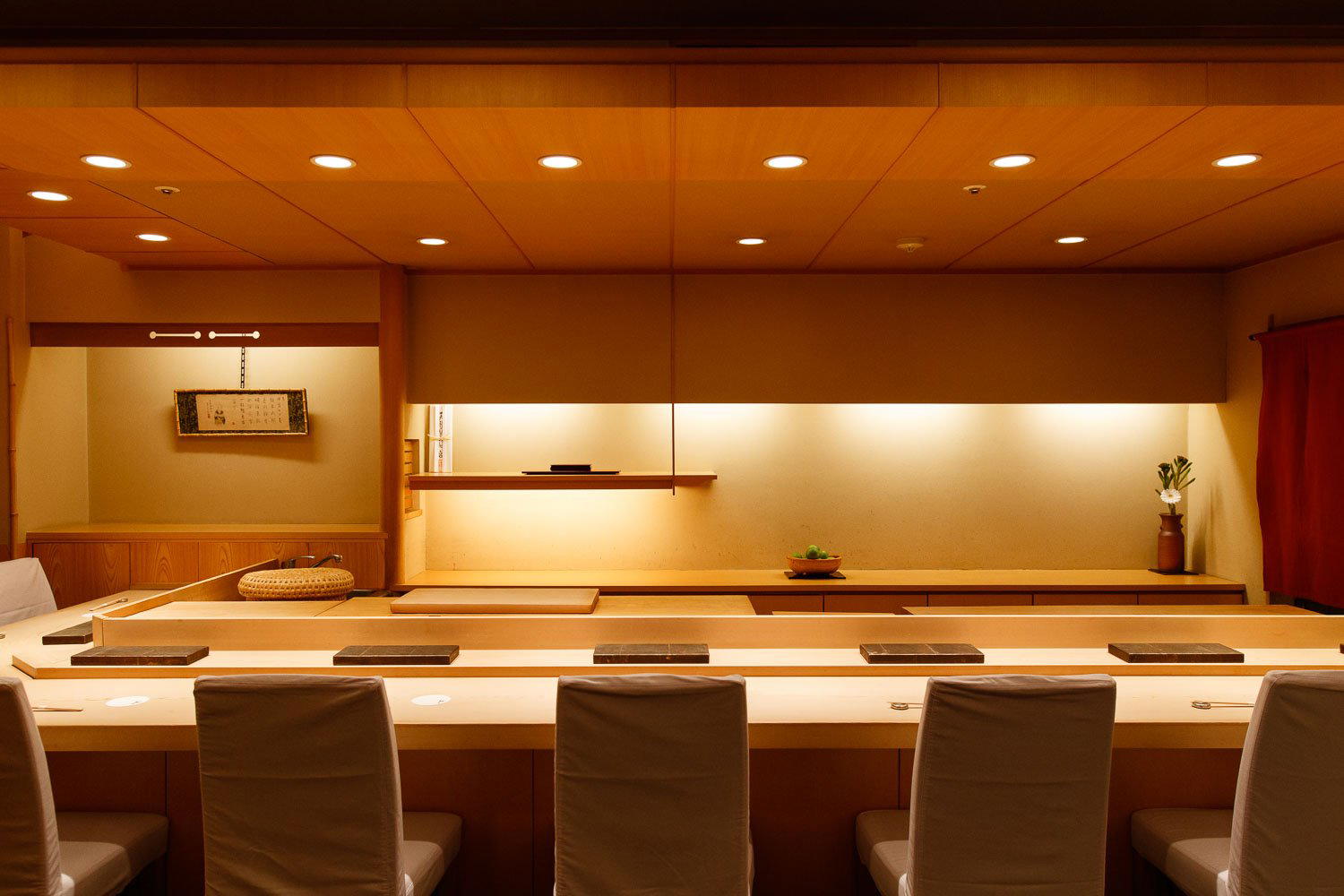
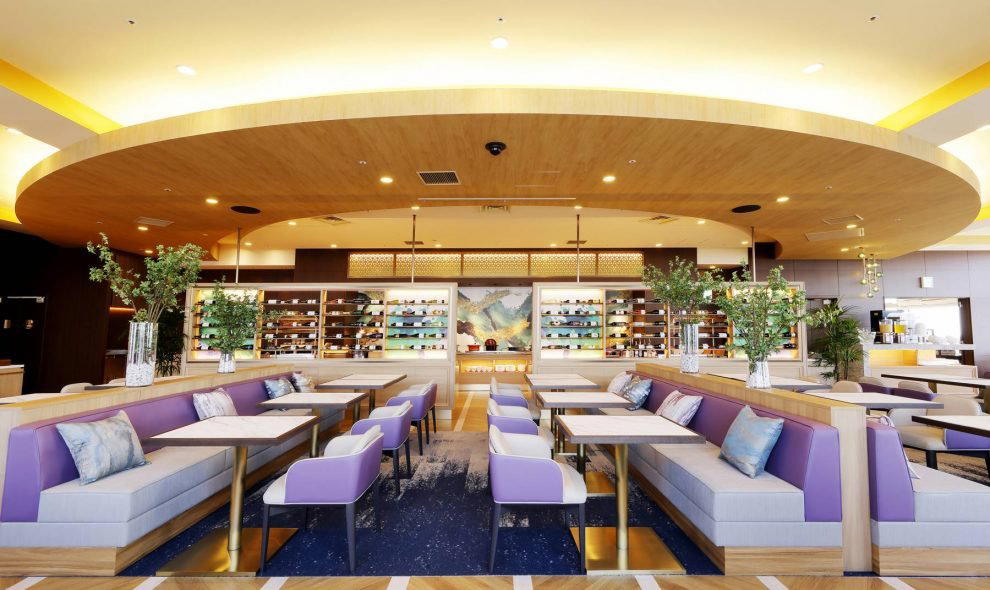
The room’s compact scale and counter seating also matter. Chinese dining in Japan can split between banquet rooms, family-style neighborhood restaurants, and chef-led small formats. A 20-seat setup pushes the experience toward proximity: cooking, pacing, and drinking sit closer to the guest. Private rooms are not part of the proposition, so the meal belongs to the public rhythm of a small restaurant rather than a sealed corporate dinner.
For a wider Sapporo itinerary, it makes sense to treat Shifan as part of a city map rather than an isolated booking. Aigues Vives speaks to another side of Hokkaido’s food culture, while Our full Sapporo restaurants guide gives the broader dining frame. Pair the restaurant planning with Our full Sapporo hotels guide for neighborhood logistics, then use Our full Sapporo bars guide, Our full Sapporo wineries guide, and Our full Sapporo experiences guide to decide whether the night should stay food-led or move into drinks and culture.
The right diner for Shifan
This is a stronger choice for diners who read a menu through format: course length, drink pairing logic, spice emphasis, and reservation-dependent dishes. It is less suited to a diner looking for a quick survey of Sapporo specialties. The listed courses suggest a restaurant built for commitment rather than grazing, and the Tabelog 100 recognition gives that commitment a credible frame.
Japan’s dining scene has many small restaurants where the category label undersells the experience. In Kamakura, -Grilled beef Sukiyaki- KAMAKURA TANUKIAN 鎌倉 たぬき庵 in Kamakura narrows attention around beef sukiyaki; in Tokyo. 鮪と炭火焼き うお炭 秋葉原店 in Tokyo frames tuna and charcoal as the core promise; in Osaka.cafe in Osaka works from a different casual register. Shifan’s category is Chinese, but the more useful reading is this: a compact Sapporo restaurant using spice, wine, and set-course planning to make Chinese dinner feel deliberate.
That same lens helps separate serious niche venues from general-purpose meals across cities..know in Kumamoto, (Shoku) Vietnam in Kawasaki, and [ki:] in Kyoto each depend on a clear format rather than broad appeal. Outside Japan, Jōdo Saké Bar in Los Angeles and Onigiri Time in Pasadena show how tightly defined Japanese food and drink ideas can travel. Shifan belongs in that conversation because it is not trying to represent all Chinese food in Sapporo. It gives the city a focused, spice-forward, drink-aware Chinese address with enough recognition to justify planning around it.
Same-City Peers
Nearby venues at a similar price tier for orientation.
| Venue | Cuisine | Price | Notes |
|---|---|---|---|
| Local Chinese Food ShifanThis venue — the venue you are viewing | Spicy Chinese (Sapporo Susukino) | $$$ | Not listed |
| テアトロ ディ マッサ | Modern Italian Regional with Hokkaido Ingredients | $$$ | Chūō |
| Shinohei | Reservation-only Wagyu Shabu-shabu | $$$ | Chūō |
| Sumika | Japanese Yakiniku | $$$ | Chūō |
| 鮨菜 和喜智 | Traditional Japanese Kaiseki | $$$ | Chūō |
| La Sante | Seasonal French using Hokkaido ingredients | $$$ | Chūō |
Recognition history
Dated appearances from independent guides and award organizations, with the underlying list record or original source where available.
Tabelog 100 #98 · No. 98
Tabelog · Tabelog 100 - Chinese cuisine - EAST - 2026
At a Glance
- Lively
- Cozy
- Intimate
- After Work
- Date Night
- Group Dining
- Casual Hangout
- Celebration
- Late Night
- Standalone
- Chefs Counter
- Open Kitchen
- Beer Program
- Extensive Wine List
Current opening hours
- Monday
- 5–11 PM
- Tuesday
- 5–11 PM
- Wednesday
- 5–11 PM
- Thursday
- 5–11 PM
- Friday
- 5–11 PM
- Saturday
- 1–11 PM
- Sunday
- 1–11 PM
Hours can change for holidays and private events. Last verified .
An intimate counter-focused Chinese spot on the 3rd floor of a building in Susukino, with a cozy bar-like atmosphere that feels like a hidden hideout, active and lively in the evenings but still comfortable for relaxed dining and drinks.