Lobster Club



Michelin Plate · Wine Spectator Best of Award of Excellence
Our verdict
Lobster Club occupies the storied Seagram Building dining room on East 53rd Street, where the old Four Seasons space has been reimagined as a Japanese brasserie with a teppanyaki-driven menu, a 3,500-label wine list, and a Japanese whisky bar pouring more than 30 labels. Holders of a 2024 Michelin Plate and recognised by Opinionated About Dining's 2023 North America list, it sits in New York's mid-to-upper Japanese dining tier at $$$.

Pearl is the En Primeur Club membership app, where members save venues, book tables and use the concierge.
The menu
What to order
- Wasabi Lobster
- Lobster Dumplings
- Wagyu Truffle Sando
- Lobster Club Sandwich
- Surf and Turf Roll
The Seagram Room, Reframed
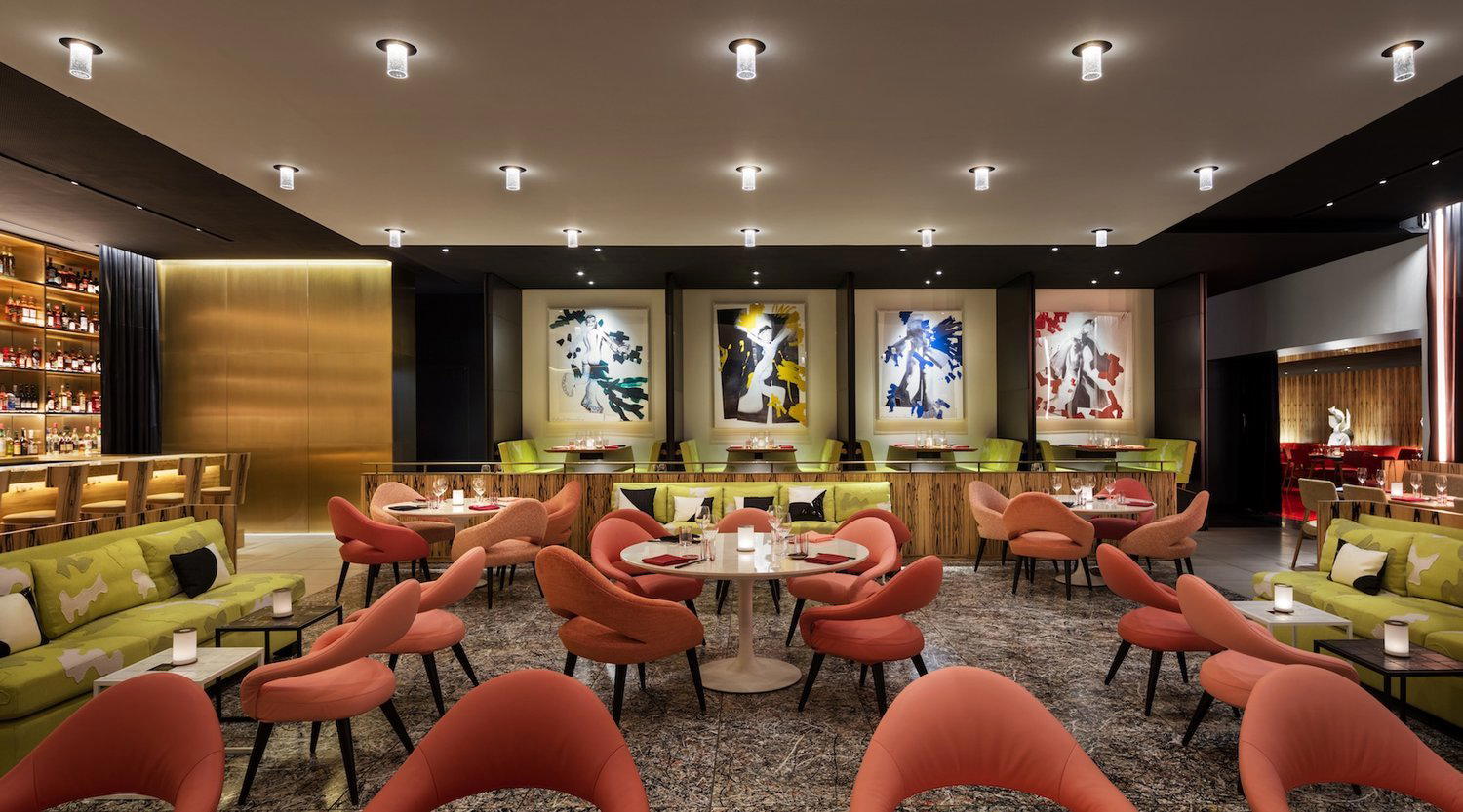
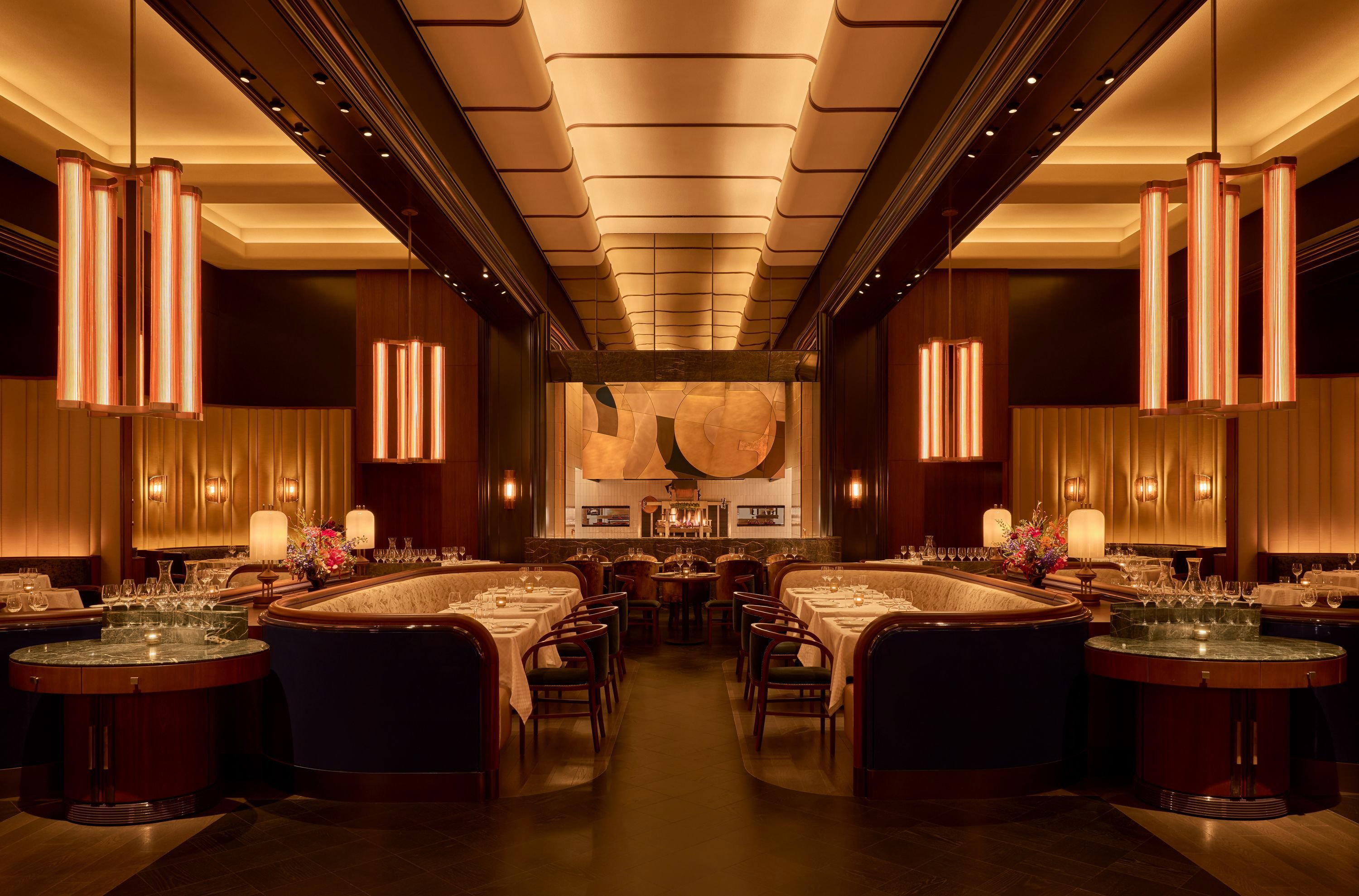
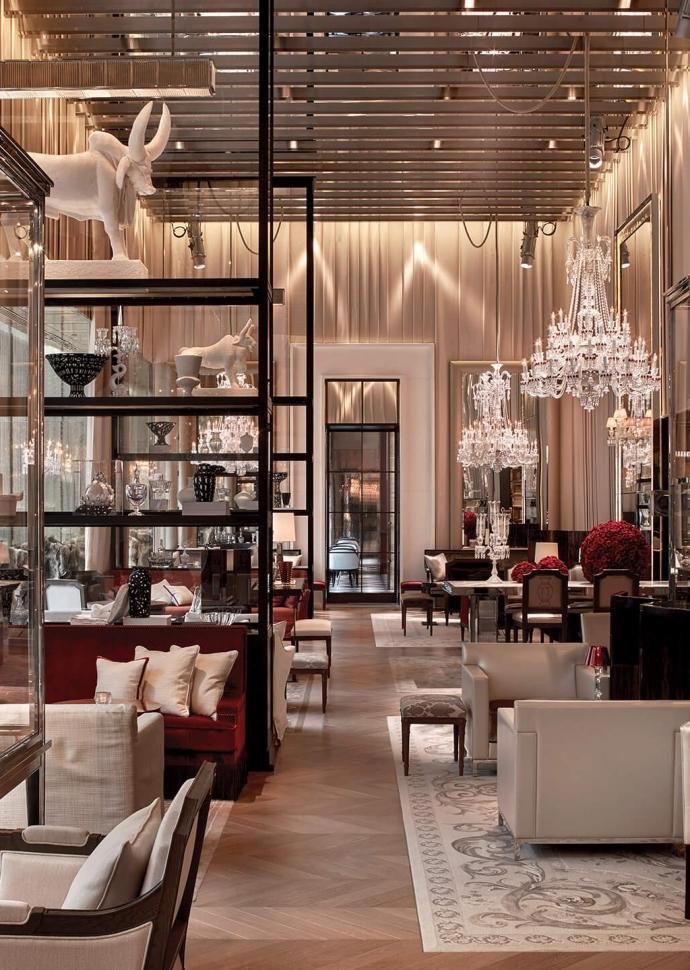
Few addresses in American dining carry as much institutional weight as 375 Park Avenue's ground-floor dining room. The Four Seasons operated there for more than five decades, long enough to become a reference point for what a certain kind of New York power lunch looked like. When that chapter closed, the question was what would follow in a space so visually charged, so loaded with midcentury expectation. The answer, in the form of Lobster Club, is a Japanese brasserie that neither pretends the history doesn't exist nor lets it dominate. The room has been reworked with white onyx bar surfaces, pink and chartreuse upholstery, and walls hung with large, assertive artwork. The physical transformation signals intent: this is not a preservation project, and it is not a minimalist fine-dining exercise. It is, by design and menu, something closer to the izakaya tradition, convivial, plural, built around the idea that drinking and eating are equally serious activities and neither should wait for the other.
Izakaya Logic in a Landmark Room
The izakaya model, in its Japanese form, is organised around the table rather than the tasting arc. Dishes arrive when they are ready, the bar operates in parallel rather than in service of a meal's progress, and the social register is deliberately lower than at a counter omakase or kaiseki house. What Lobster Club imports from that format is the structural logic: a menu broad enough to support an evening of grazing, a bar program given equal billing, and a sensibility that rewards groups who order widely rather than individuals seeking a curated progression.
That social architecture makes it a different proposition from the austere, precision-led Japanese dining that New York also offers in abundance. Venues like odo and Noda operate at the quiet, concentrated end of the spectrum; Tsukimi and Blue Ribbon Sushi Izakaya each find their own position in the mid-range. Lobster Club sits in a different tier, more expansive, more room-forward, with a price point ($$$ for cuisine, $$$ for wine) that places it among New York's mid-to-upper tier without reaching the $$$$ ceiling of Masa or Per Se. That gap in the market, Japanese-influenced, brasserie-scaled, housed in a genuinely significant room, is precisely what it fills.
The Menu's Gravitational Pull
Chef Frank Calamia oversees a menu that returns to Japan repeatedly as its reference point, though the format is generous in scope rather than austere in focus. The teppanyaki section is a strong anchor: scallops are grilled then finished with a savory sauce and toasted sesame seeds, while charred vegetables, king oyster mushrooms, shishito peppers, carry the smoky register that open-flame cooking produces. Seafood extends into slower, more restrained preparations, with black bass cooked gently and served in a yuzu-herb sauce that keeps the citrus sharp rather than decorative.
The menu's scale is deliberate. A sizable list at a brasserie-format restaurant is not a failure of curation; it is part of the social contract. Tables are expected to cover ground, to order in the izakaya manner, several dishes at once, revisiting the menu across the course of an evening rather than following a fixed sequence. That approach suits the room and the ownership context: Jeff Zalaznick, Rich Torrisi, Mario Carbone, and Aby Rosen bring a background in high-energy, design-forward New York hospitality, and the operational DNA here reflects that. The GM is Andrew Johnson; the wine operation is led by Wine Directors John Slover and Amy Thurmond, with Samara Seligshon and Axel Rosas on the sommelier side.
A Wine List That Takes Itself Seriously
Wine programs at Japanese brasseries in New York tend to be serviceable without being distinguished. Lobster Club's list is an outlier in that regard. With 3,500 selections and an inventory of 28,800 bottles, it operates at a scale that places it among the more substantial restaurant cellars in the city. The strengths are California, Burgundy, Bordeaux, Italy, Champagne, and the Rhône, a selection that skews toward the classical French and Italian backbone that serious lists in this price tier tend to favour. The $$$ wine pricing designation indicates a list with significant $100-plus bottle representation, and the corkage fee of $95 signals that the program is confident enough in its own depth to price BYO at a level that encourages engagement with the list rather than around it.
For a venue framing itself around the izakaya tradition, where the drink is as central as the food, this matters. The whisky bar reinforces the same logic: more than 30 Japanese labels, a category that remains a serious collecting and drinking interest in New York despite global supply constraints. Together, the wine list and whisky selection position the bar as a destination within the destination, not a service function. Chikarashi represents a different expression of Japanese drinking culture in the city; Lobster Club's version is higher-register, more cellar-heavy, and calibrated for the Midtown East clientele that surrounds it.
Standing in the New York Scene
Lobster Club holds a 2024 Michelin Plate and a 2023 recommendation from Opinionated About Dining's North America list, recognition that places it inside the credible tier without reaching the starred bracket occupied by venues like Le Bernardin or Atomix. That gap is accurate to what the venue is. A Michelin star would require a focus and consistency that brasserie-scale operations rarely sustain across a menu this broad. The Plate and the OAD listing together say: the cooking is serious, the experience is worth planning for, but the format is social rather than ceremonial.
Among the ownership group's broader portfolio, which also touches properties that share lineage with the design-forward New York hospitality tradition, Lobster Club is the most architecturally significant address. The Seagram Building, designed by Mies van der Rohe and completed in 1958, is a document of American modernism that lends any tenant a particular kind of weight. The dining room's current iteration is the third act in the space's post-Four Seasons revamp, which means it has had the benefit of learning from earlier iterations in the same physical setting.
For visitors building a New York itinerary around Japanese dining specifically, the city's options now span a wide register: from Tokyo-referenced omakase houses to the kind of sake-and-small-plates izakaya culture that has migrated through the West Village and into Midtown. If you're building a broader picture of what serious cooking looks like across the United States, the EP Club guides for Emeril's in New Orleans, Lazy Bear in San Francisco, Alinea in Chicago, The French Laundry in Napa, Single Thread Farm in Healdsburg, and Providence in Los Angeles map the broader landscape. For the Tokyo context that underlies a menu like Lobster Club's, the EP Club coverage of Myojaku and Azabu Kadowaki offers a useful reference frame.
Planning Your Visit
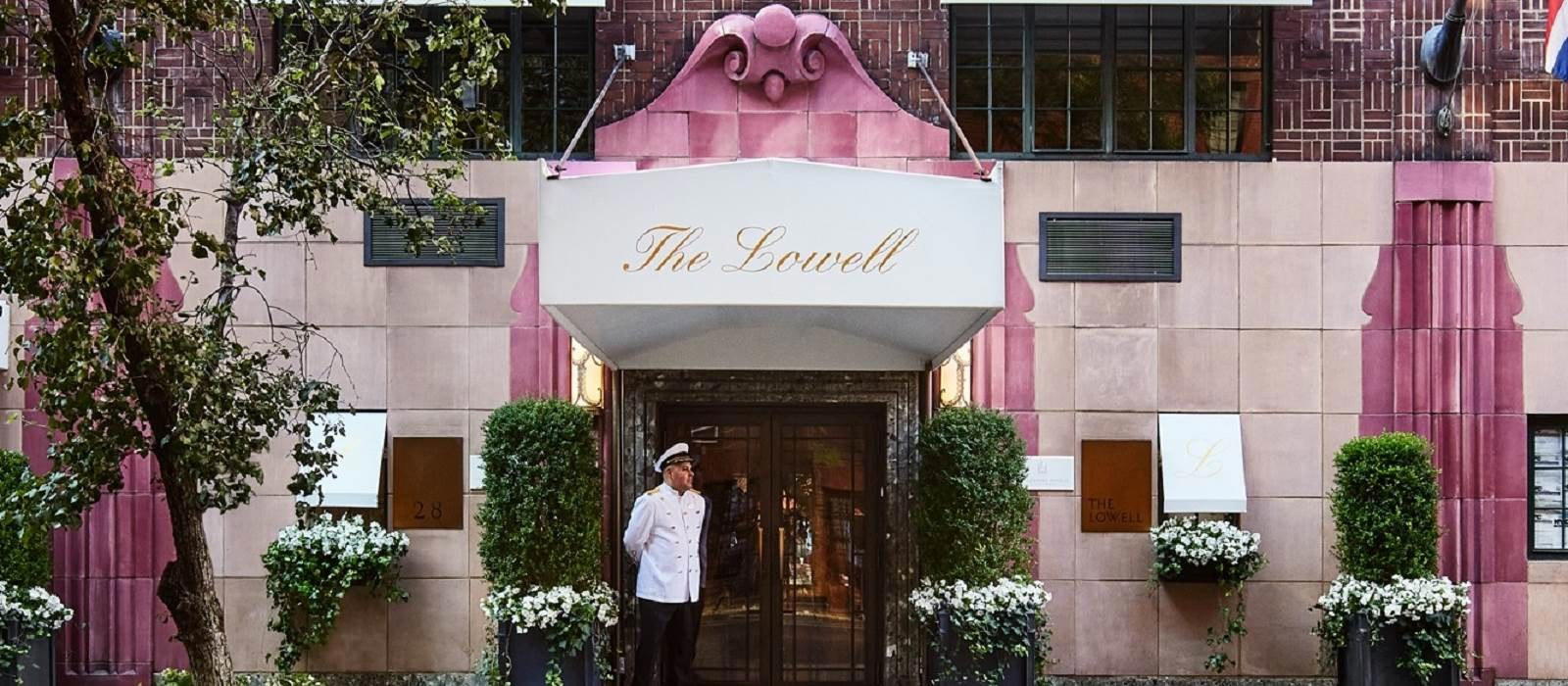
Lobster Club is at 98 East 53rd Street, inside the Seagram Building, accessible via the 51st Street (6 train) or Lexington Avenue/53rd Street (E, M) subway stops. The restaurant serves lunch and dinner. At $$$ for both food and wine, a full evening with multiple dishes and wine by the bottle will comfortably reach $150 or more per person before gratuity. The $95 corkage fee applies if you bring your own bottle. For broader New York planning, see our full New York City restaurants guide, our full New York City hotels guide, our full New York City bars guide, our full New York City wineries guide, and our full New York City experiences guide.
Frequently asked questions
Is Lobster Club expensive?
Pricing at Lobster Club is listed as $$$.
What's the address for Lobster Club?
Lobster Club is located at 98 E 53rd St, New York, NY 10022, New York City.
Booking and Cost Snapshot
| Venue | Cuisine | Price | Awards | Notes |
|---|---|---|---|---|
| Lobster ClubThis venue (the venue you are viewing) | Modern Japanese Brasserie | $150–200 | Michelin Plate · Wine Spectator Best of Award of Excellence | Not listed |
| Le Bernardin | French Seafood Fine Dining | $300–500 | 3 Michelin Stars · World's 50 Best #13 | French, Seafood |
| Atomix | Modern Korean Tasting Menu | $300–500 | 2 Michelin Stars · World's 50 Best #7 | Modern Korean, Korean |
| Masa | Seasonal Hokkaido Tempura Omakase | $150–200 | Tabelog 100 #34 | Sushi, Japanese |
| Per Se | French Fine Dining Tasting Menu | $300–500 | 3 Michelin Stars · World's 50 Best #40 | French, Contemporary |
| Eleven Madison Park | Contemporary Plant-Based Fine Dining | $300–500 | 3 Michelin Stars · World's 50 Best #4 | French, Vegan |
Recognition history
Dated appearances from independent guides and award organizations, with the underlying list record or original source where available.
Michelin Plate
Michelin
Wine Spectator Best of Award of Excellence
Wine Spectator
Opinionated About Dining Top Restaurants in North America Recommended
Opinionated About Dining
Full recognition history (5 entries)
Wine Spectator Best of Award of Excellence
Wine Spectator
Michelin Plate
Michelin
Continue exploring
More in New York City
Restaurants in New York City
All restaurants in New York City →
Bars in New York City
All bars in New York City →






Lobster Club
The wine
Lobster Club holds the Wine Spectator Best of Award of Excellence, which Wine Spectator gives to lists of usually 350 or more selections.
- Wine program
- Deep wine list
- Wine Spectator
- Wine Spectator Best of Award of Excellence
- Selections
- 3,500
- Bottles in cellar
- 28,800
- List strengths
- California, Burgundy, Bordeaux, Italy, Champagne, Rhône, France
- Wine director
- John Slover, Amy Thurmond
- Extensive wine list
- Sommelier-led
- Sake program
- Craft cocktails
Details
- Elegant
- Trendy
- Lively
- Sophisticated
- Modern
- Date Night
- Business Dinner
- Special Occasion
- Celebration
- Open Kitchen
- Design Destination
- Historic Building
- Extensive Wine List
- Craft Cocktails
- Sake Program
- Sommelier Led
Current opening hours
- Monday
- 11:45 AM–2 PM, 5–10 PM
- Tuesday
- 11:45 AM–2 PM, 5–10 PM
- Wednesday
- 11:45 AM–2 PM, 5–10 PM
- Thursday
- 11:45 AM–2 PM, 5–10 PM
- Friday
- 11:45 AM–2 PM, 5–10 PM
- Saturday
- 5–10 PM
- Sunday
- Closed
Hours can change for holidays and private events. Hours as of .
Bright, festive, and energetic with pink and chartreuse upholstery, white onyx bar counter, bold artwork, and curated music; feels like a sophisticated nightclub with an elegant dining sensibility.