
Lo Scopiccio sits on the quiet edge of Perignano in the Pisan hills, holding consecutive Michelin Plates (2024 and 2025) for regional Tuscan cooking that stays grounded in local produce. A husband-and-wife operation with two surprise tasting menus alongside à la carte, it offers mid-price dining (€€) without the fanfare of the Florentine dining circuit, making it one of the more serious kitchens in this stretch of western Tuscany.
Pearl is the En Primeur Club membership app — saves, bookings, and concierge access live there. Same editors, same standards.
- Address
- Via delle Casine, 5, 56035 Perignano PI, Italy
- Phone
- +39 370 327 5680
- Website
- loscopiccioristorante.it
- Directions
- Get directions
 Saves & bookings on Pearl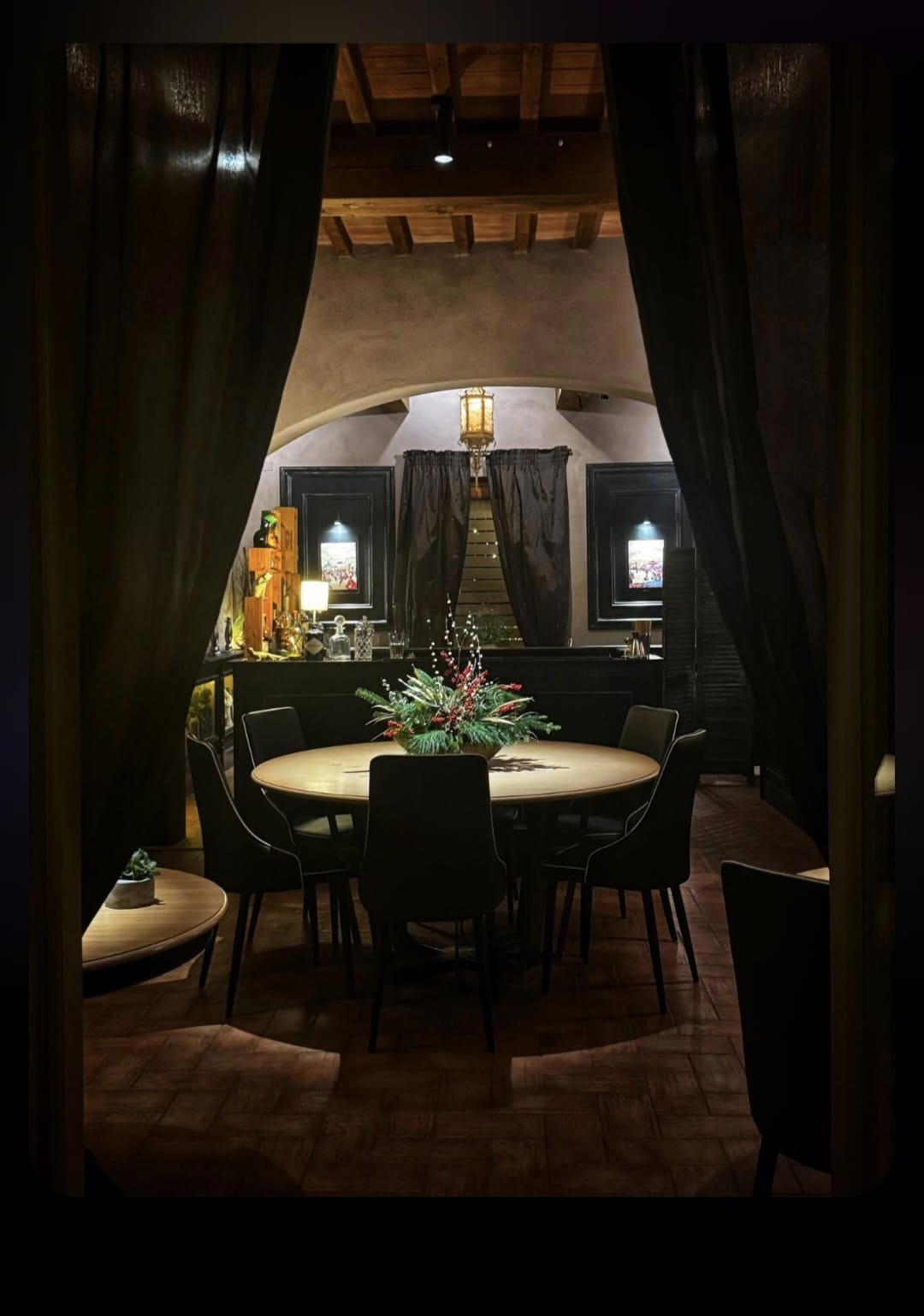
Where the Pisan Hills Set the Table
Lo Scopiccio is a restaurant in Perignano, Italy, serving creative regional Tuscan cuisine at a €€ price point. Approach Lo Scopiccio along Via delle Casine on a still evening and the setting reads less like a destination restaurant than like a well-kept local secret: a low building in the agricultural flatlands between Pisa and the Arno valley, where the main visual drama is the surrounding farmland rather than any designed façade. Inside, a winter garden addition shifts the atmosphere, glass and soft lighting giving the room a brightness that doesn't push toward formality. The feel is particular to this corner of Tuscany, where the land between the Pisan hills and the Valdichiana has never quite developed the high-gloss restaurant culture of Florence or Siena, and kitchens operating seriously here tend to do so without the props of gastro-theatre.
That restraint in setting mirrors the kitchen's relationship with its ingredients. In western Tuscany, the sourcing logic is largely determined by geography: the market gardens of the Valdarno to the east, the coastline running from Livorno south toward Piombino, and the pork and sheep traditions of the Pisan hinterland. A kitchen working at this level in Perignano draws from all three directions, and the menu at Lo Scopiccio reflects a territory rather than a single dominant influence.
A Michelin Plate in the Mid-Price Bracket
Lo Scopiccio has held the Michelin Plate in both 2024 and 2025, a recognition that sits below the star system but still signals a level of kitchen consistency that Michelin inspectors consider worth flagging. In Italy's Michelin structure, the Plate recognises restaurants serving food prepared to a good standard, it is not given to every listed restaurant, and consecutive recognition across two editions indicates that the kitchen is holding a line rather than coasting. At a €€ price point, that combination is relatively uncommon. The Italian restaurants that attract sustained Michelin attention in Tuscany tend to sit at the €€€€ tier: Enoteca Pinchiorri in Florence, Caino in Montemerano, and further afield, Osteria Francescana in Modena and Dal Pescatore in Runate. The restaurant operates on a different economic register entirely, which makes its critical standing more instructive about quality-to-value positioning than a straight comparison of tasting menu prices would suggest.
For context on how the Tuscan regional tier compares, L'Asinello in Castelnuovo Berardenga offers a useful peer reference in the southern Sienese hills. Both kitchens work within regional Tuscan traditions at accessible price points rather than the progressive Italian register found at places like Reale in Castel di Sangro or Enrico Bartolini in Milan.
Surprise Menus and the Sourcing Logic Behind Them
The format at the restaurant centres on two surprise tasting menus alongside à la carte. The surprise menu format, common in Italian trattorie and locande operating close to their supply chains, is a practical consequence of seasonal sourcing: when the kitchen buys what is leading on a given day or week rather than locking a printed menu to year-round availability, the surprise format becomes the honest way to present that approach. In the Pisan agricultural belt, the seasonal rhythm runs from artichokes and spring greens in March and April through to game and root vegetables by late autumn, with olive oil from the surrounding hills becoming central to the kitchen's register from the November harvest forward.
The menu carries what the awards record describes as regional cuisine with an occasional hint of creativity. That framing is more precise than it sounds: in a kitchen working with Tuscan produce at a locanda scale, creativity that departs too far from the regional canon tends to read as disconnection rather than innovation. The hints of creativity here appear designed to sharpen rather than replace the regional logic, using modern technique to clarify what the ingredients are doing rather than to transform them into something else.
À la carte option gives guests who prefer to build their own meal the flexibility to do so, which is particularly useful when mixing preferences across a table, or when visiting the winter garden room for a dinner that does not require the commitment of a full surprise menu.
The Locanda Format and What It Signals
The restaurant operates as a locanda, a format that in Italian hospitality carries specific connotations: a smaller, family-run establishment where the owner-chef relationship with the room is direct rather than mediated through a brigade structure. The kitchen here runs on a husband-and-wife operation, which means the decision-making chain from supplier to plate is short. In practice, that typically produces a consistency of product and a relationship with local producers that larger brigade kitchens find harder to sustain.
Across Italy's more scrutinised dining addresses, the locanda model has produced particularly enduring kitchens: the owner-led format at Dal Pescatore in Lombardy is one cited example, though that kitchen has expanded well beyond the model's original scale. At the restaurant, the format stays closer to its roots, with the attention to detail in the room noted explicitly in the venue's Michelin record: guests are meant to feel pampered in a specific, low-key way rather than processed through a service system.
The winter garden extension, with its glass and natural light, is the design decision that most visibly separates the restaurant from a standard neighbourhood trattoria. In this part of Tuscany, where the countryside between Perignano and the coast tends toward the agricultural rather than the scenic, a room that draws in natural light through a garden aspect creates a distinct character for daytime and early evening sittings.
Placing Lo Scopiccio in the Perignano Dining Picture
Perignano is not a town that appears on standard Tuscan restaurant itineraries. The Pisan province's serious kitchen attention tends to cluster in Pisa itself or in the coastal stretch toward Castiglione della Pescaia. In that context, a Michelin-recognised kitchen holding a €€ price point on the outskirts of a small inland town represents a more specific dining argument: that good sourcing and kitchen consistency do not require either a major city address or a high price floor. For visitors moving between Florence and the Maremma coast, or staying in the agriturismo belt south of Pisa, the restaurant sits at a logical mid-route stop.
That kind of steady rating, held across a meaningful number of covers, correlates with regulars returning rather than first-time visitors responding to novelty.
For planning purposes: the restaurant is at Via delle Casine 5, Perignano. Booking in advance is advisable given the small-scale locanda format, particularly for the winter garden room and for weekend sittings. The €€ pricing makes it accessible relative to the Tuscan fine dining tier, and the surprise menu format means the kitchen's current sourcing is always on the table rather than a fixed programme.
For the wider Italian Michelin picture in creative and progressive formats, reference points include Piazza Duomo in Alba, Le Calandre in Rubano, Uliassi in Senigallia, Quattro Passi in Marina del Cantone, Casa Perbellini 12 Apostoli in Verona, and Atelier Moessmer Norbert Niederkofler in Brunico.
Comparable Venues
Comparable venues nearby, for context on price, style, and recognition.
| Venue | Cuisine | Price | Awards | Notes |
|---|---|---|---|---|
| Lo ScopiccioThis venue — the venue you are viewing | Creative Regional Tuscan | $$ | Michelin Plate | Not listed |
| Trattoria da Me | Traditional Bolognese Trattoria | $$ | Michelin Plate | Porto |
| I Pifferi | Emilian Parma Cuisine | $$ | Michelin Plate | Sala Baganza |
| Casa Rusticale dei Cavalieri Templari | Modern Emilian Italian | $$ | Michelin Plate | :null |
| Konnubio | Modern Tuscan with International Influences | $$$ | Michelin Plate | Santo Spirito |
| Nugolo | Contemporary Tuscan | $$$ | Michelin Plate | Ricorboli |
Recognition history
Dated appearances from independent guides and award organizations, with the underlying list record or original source where available.
Michelin Plate
Michelin
Michelin Plate
Michelin
Michelin Plate
Michelin
Continue exploring
More in Perignano
Restaurants in Perignano
Browse all →
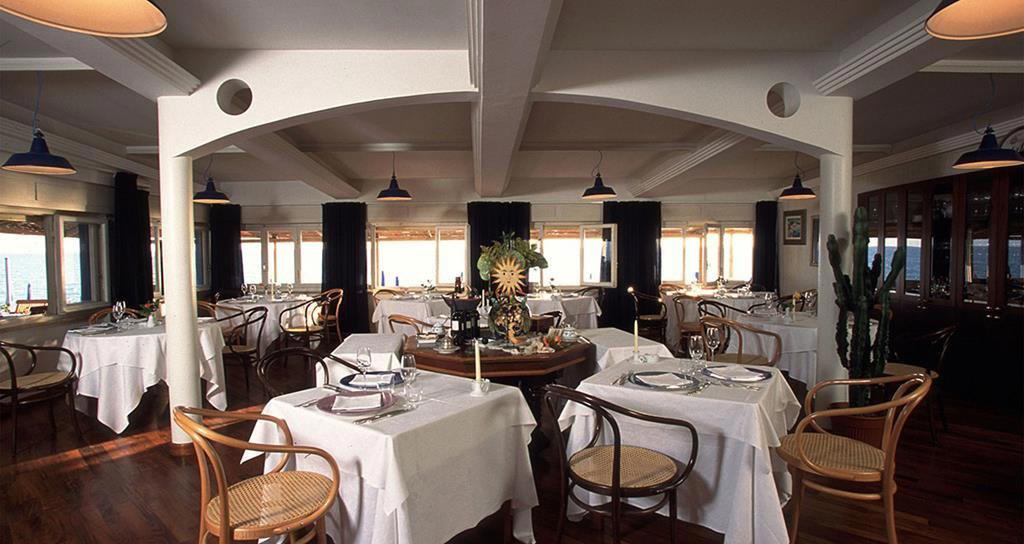
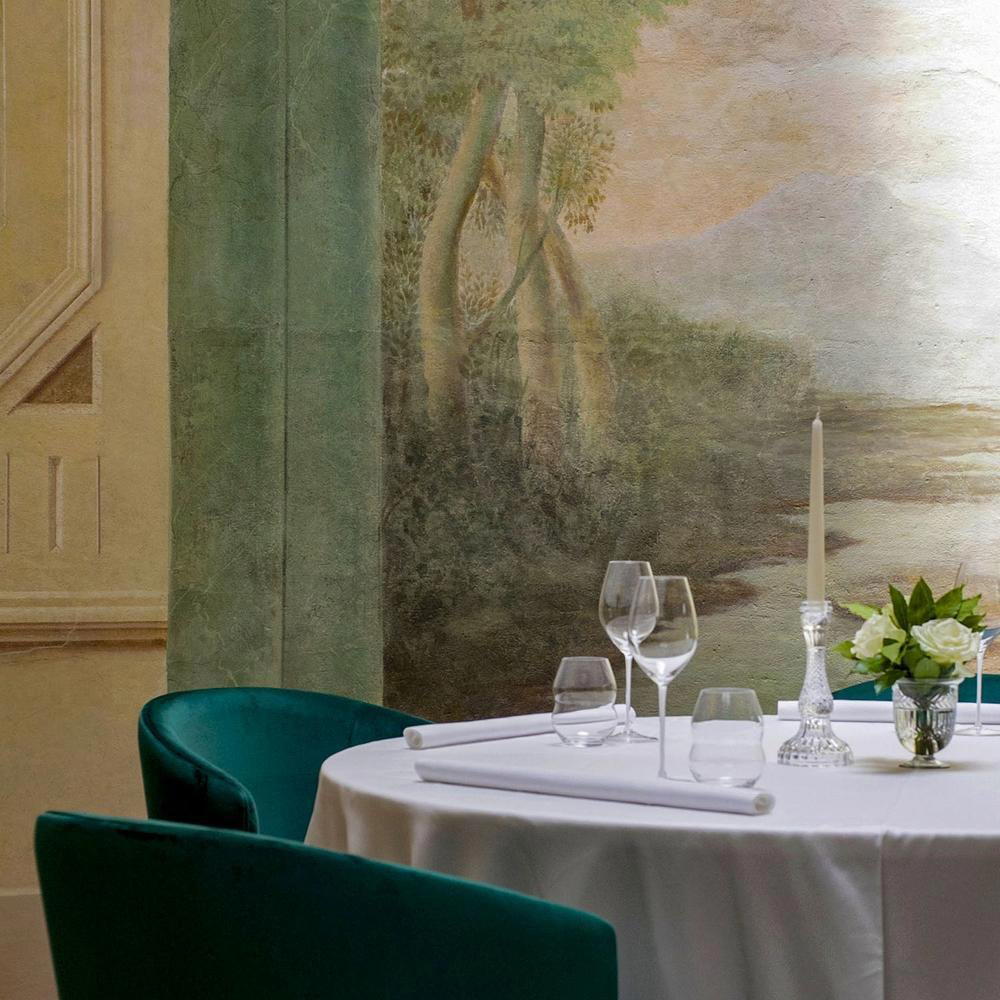
Bars in Perignano
Browse all →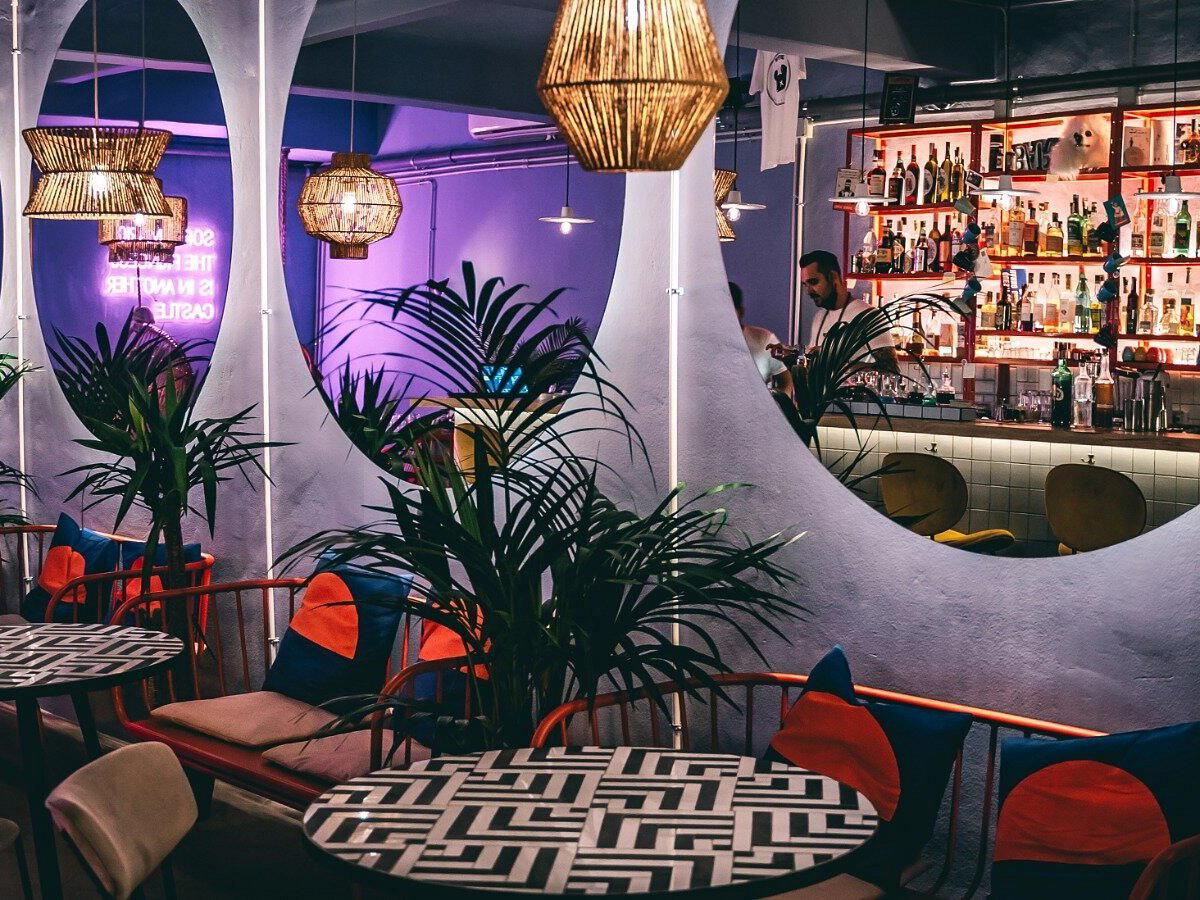
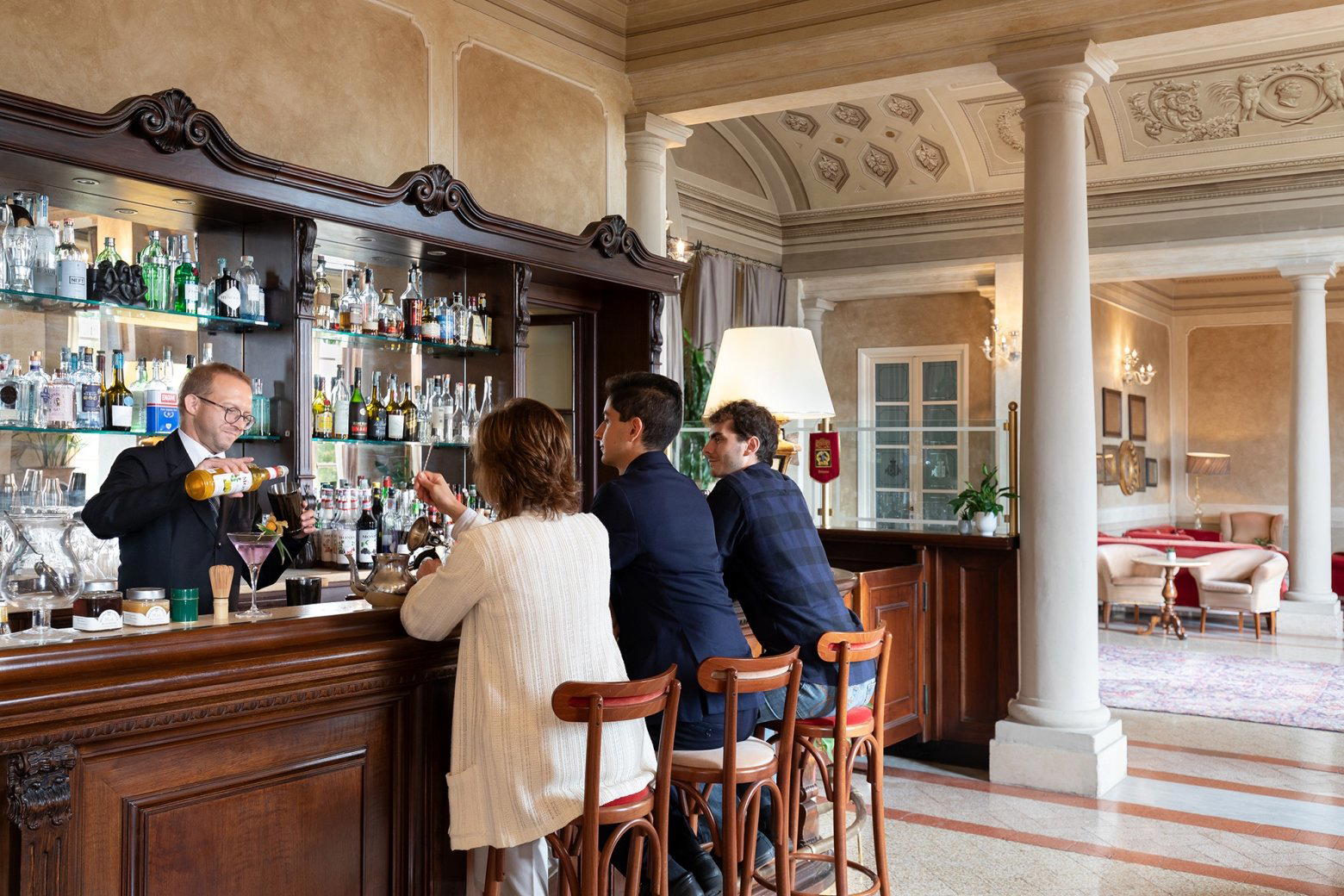
Hotels in Perignano
Browse all →
At a Glance
- Romantic
- Cozy
- Elegant
- Rustic
- Intimate
- Date Night
- Special Occasion
- Celebration
- Extensive Wine List
- Local Sourcing
Current opening hours
- Monday
- Closed
- Tuesday
- 7:30 PM–12 AM
- Wednesday
- 7:30 PM–12 AM
- Thursday
- 7:30 PM–12 AM
- Friday
- 7:30 PM–12 AM
- Saturday
- 7:30 PM–12 AM
- Sunday
- 12:30–2:30 PM
Hours can change for holidays and private events. Last verified .
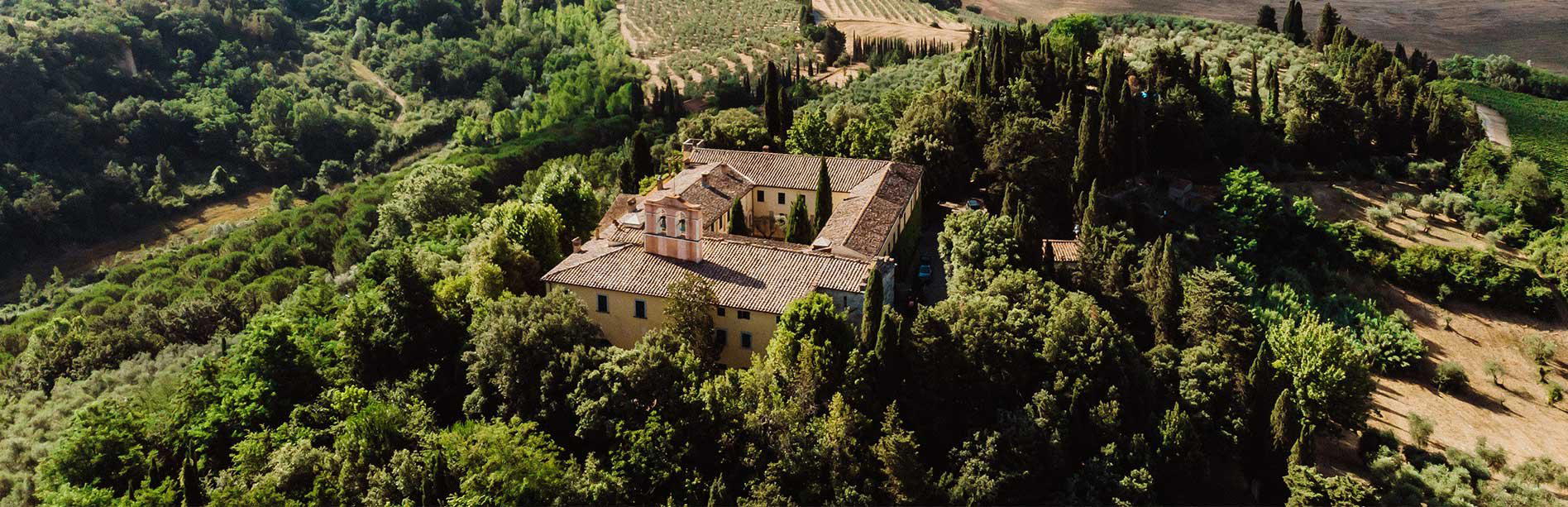
Charming ancient farmhouse with refined, elegant interiors, romantic winter garden veranda, cozy wooden tables, and warm lighting creating an intimate, pampered atmosphere.