Antica Locanda di Sesto

Michelin Bib Gourmand
Our verdict
A Michelin Bib Gourmand holder with roots stretching to the late fourteenth century, Antica Locanda di Sesto in Ponte a Moriano represents the more grounded register of Tuscan dining: cucina povera prepared with produce from the owner's own organic farm, served in a setting whose age alone carries authority. Soups, cured-pork pastas, and wood-grilled secondi define the menu at a price point that sits well below the region's fine-dining tier.

Pearl is the En Primeur Club membership app — saves, bookings, and concierge access live there. Same editors, same standards.
- Address
- Via Ludovica, 1660, 55100 Lucca LU, Italy
- Phone
- +39 0583 578181
- Hours
- Mon–Fri 12:30–2:30 PM, 8–10 PMSat ClosedSun 12:30–2:30 PM, 8–10 PM
- Website
- anticalocandadisesto.it
- Directions
- Get directions
The menu
What to order
- Spaghettoni al guanciale e pecorino grana
- Bistecca alla fiorentina
- Ravioli di zucca
- Peposo con fagioli cannellini
A Fourteenth-Century Inn That Still Makes Sense in 2025
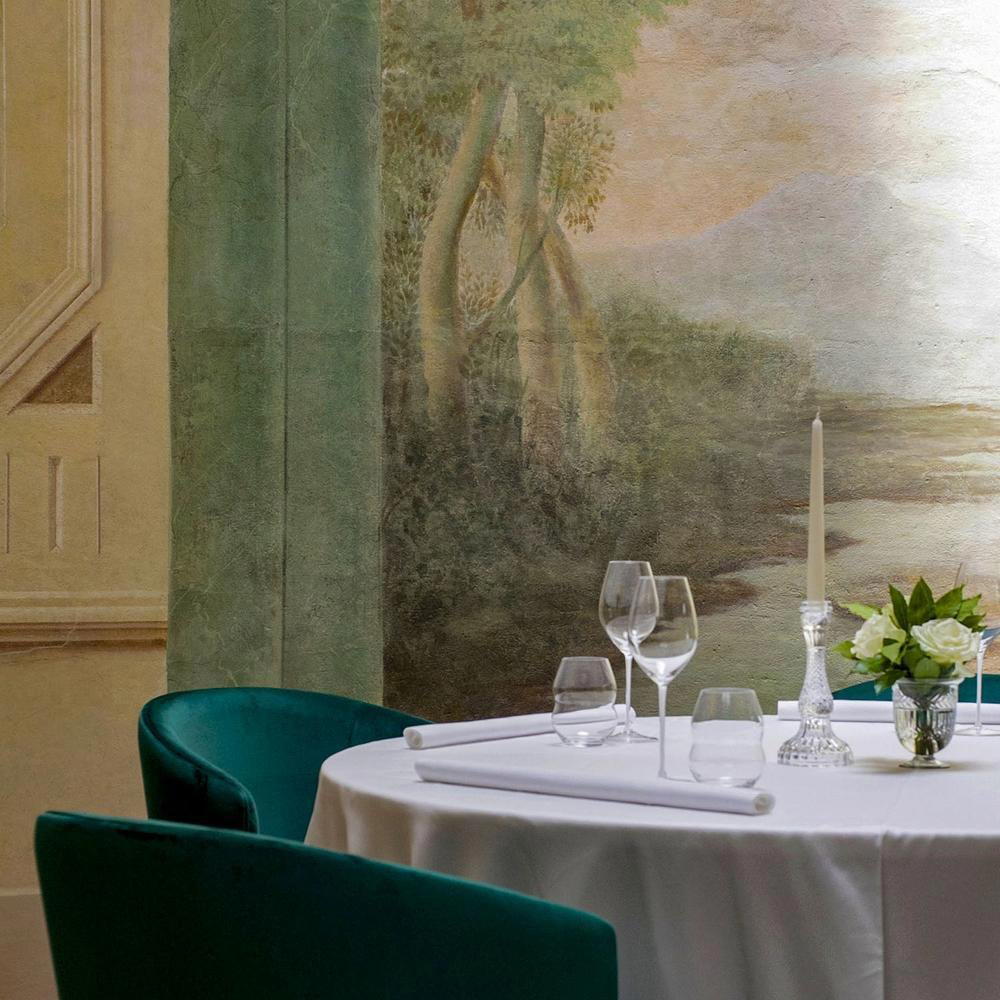
The road into Ponte a Moriano follows the Serchio river north out of Lucca, and the village it leads to is the kind of place that most visitors to Tuscany pass through rather than stop in. That passage has been happening for centuries. Antica Locanda di Sesto sits on Via Ludovica in a structure whose origins date to the late fourteenth century, when this stretch of road served merchants and pilgrims moving between the coast and the Apennine passes. The building has absorbed seven hundred years of use without being restored into something photogenic and hollow. The physical weight of that continuity is exactly what makes eating here feel different from eating at any number of competent Tuscan trattorias opened in the last decade.
Italy's designation of "Historic Restaurants" recognises establishments where the line between culinary tradition and living heritage is not a marketing construction. Antica Locanda di Sesto holds that recognition, and the kitchen earns it by treating it as a constraint rather than a selling point.
Where This Sits in Tuscan Dining
Tuscany's restaurant scene operates across a wide range of registers. At one end sit destination addresses with serious wine lists and tasting menus: Enoteca Pinchiorri in Florence and Caino in Montemerano both represent the region's fine-dining ceiling, each carrying Michelin stars and the price architecture that goes with them. Further along the peninsula, places like Osteria Francescana in Modena and Piazza Duomo in Alba operate in the €€€€ bracket with international-level ambition. Antica Locanda di Sesto sits in an entirely different competitive tier, priced at €€ and recognised by Michelin not for technical elaboration but for value, consistency, and authenticity of tradition. The Bib Gourmand, awarded in both 2024 and 2025, is the guide's signal that this kitchen delivers quality well ahead of its price point. That combination, credentialed cooking at an accessible price, is actually rarer in rural Tuscany than the proliferation of roadside restaurants might suggest.
For a broader picture of where Antica Locanda di Sesto fits among Pont a Moriano's options, see our full Ponte a Moriano restaurants guide.
The Kitchen's Frame of Reference: Cucina Povera as Method
The dishes here draw from what is sometimes called cucina povera, the Tuscan tradition of making something substantial out of inexpensive, seasonal, and foraged ingredients. That tradition is not nostalgia. It is a set of techniques and flavour priorities that predates the modern idea of farm-to-table by several centuries and works because the underlying agriculture of the Lucchesia valley produces ingredients that reward restraint. Chef Aurelio Barattini operates within that frame rather than against it. The approach is less about individual creative signature and more about fidelity to a regional vocabulary: dark leafy vegetables, cured pork, aged pecorino, the wood grill as the primary heat source for meat.
Italy's long tradition of chef-led trattorias operating in this register has produced some of the country's most durable restaurants. The ambition is not innovation but precision within a given set of rules, which is its own kind of discipline. Compare this to the progressive Italian kitchens further up the price scale: Le Calandre in Rubano, Reale in Castel di Sangro, or Enrico Bartolini in Milan each operate under Michelin three-star expectations, and the cooking there is conceived against a global fine-dining frame. The locanda in Ponte a Moriano is measuring itself against a different standard entirely, and it is doing so at a price point that makes the Michelin recognition feel genuinely useful rather than aspirational.
What the Organic Farm Means for the Menu
The owner runs an organic farm that supplies the kitchen with wine, vinegar, and extra-virgin olive oil. This is not incidental. In a region where the provenance of olive oil and wine is used as a quality signal in virtually every restaurant at every price point, having a direct supply chain from owned land is a meaningful structural advantage. The kitchen is not purchasing its fat or its acidity from a wholesaler and hoping for consistency. The oil that finishes a ribollita or dresses a plate of grilled vegetables is produced within the same operation that serves it. That vertical integration is something more common to estate wineries than restaurants, and it gives the kitchen a specificity of flavour that is difficult to replicate through procurement alone.
The vinegar produced on the farm deserves particular attention in this context. Tuscan agrodolce traditions and the use of aged vinegar in cooking are far older than any current interest in fermentation as a contemporary culinary technique. The presence of house vinegar in this kitchen is continuity, not trend-following.
The Menu in Practice
Documented menu highlights give a clear picture of the kitchen's priorities. Soup with cavolo nero is a winter-weight dish, dark and bitter and sweetened slightly by slow cooking; it is the kind of preparation that reveals the quality of the olive oil that finishes it. Spaghetti with guanciale served on pecorino is a close cousin of the Roman cacio e pepe and gricia traditions but framed in the Lucchese idiom, where the cured pork is local and the pecorino carries the seasoning. The grill anchors the secondi section, which follows the logic of many rural Tuscan kitchens: the wood fire is the most honest way to cook meat, and the quality of what goes on it either justifies the approach or exposes it.
Planning a Visit
Ponte a Moriano is roughly ten kilometres north of Lucca along the Serchio valley, making it a practical destination for anyone based in the city for more than a day. Lucca itself is well-served by rail from Florence and Pisa, and the drive or taxi from the historic centre takes under twenty minutes. The restaurant's address on Via Ludovica places it at the edge of the village, and the building's age and proportions mean it is unlikely to be missed. Reservations are advisable, particularly on weekends and during the summer months when Lucca draws significant visitor numbers. The €€ price category places this firmly in the range where a full meal with wine, drawn from the farm's own production, remains within the budget of a working lunch or a relaxed dinner without requiring significant financial planning.
For accommodation in the area, our Ponte a Moriano hotels guide covers the available options. If you are building a fuller itinerary around the Lucchesia, our bars guide, wineries guide, and experiences guide provide additional context. Elsewhere in Tuscany, L'Asinello in Castelnuovo Berardenga operates in a similar tradition-grounded register if a second regional reference point is useful for comparison. For the full range of Italian regional cooking at various price points and ambition levels, Dal Pescatore in Runate, Uliassi in Senigallia, Quattro Passi in Marina del Cantone, Atelier Moessmer Norbert Niederkofler in Brunico, and Casa Perbellini 12 Apostoli in Verona each represent distinct chapters in what Italian cooking at the higher end of its range currently looks like.
Frequently asked questions
Is Antica Locanda di Sesto child-friendly?
The €€ pricing and menu structure make it a practical choice for families. Soups, pasta, and wood-grilled mains are straightforward dishes that translate well across age groups, and the cucina povera tradition behind the cooking produces food that is recognisable rather than experimental.
What should I expect atmosphere-wise at Antica Locanda di Sesto?
The building's origins in the late fourteenth century set the tone before you sit down — this is a working inn with a documented history, listed among Italy's recognised Historic Restaurants, not a reconstructed rustic aesthetic. The Michelin Bib Gourmand recognition since at least 2024 confirms the kitchen operates at a serious level within that unpretentious register.
What awards or recognition does Antica Locanda di Sesto have?
Antica Locanda di Sesto has received recognition including: The origins of this inn date back to the late 14C, making this one of the Italy’s recognised “Historic Restaurants” – and one that is still flourishing today! The dishes served here are often inspired by Tuscan peasant traditions, while the….
What's the best thing to order at Antica Locanda di Sesto?
The documented menu highlights point in a clear direction: cavolo nero soup in cooler months and spaghetti with guanciale served on pecorino cheese are the dishes most closely tied to the kitchen's cucina povera identity. The wood-grilled mains draw from the same frame of reference and are worth ordering alongside, particularly given the house-produced olive oil from the owner's organic farm.
Fast Comparison
| Venue | Cuisine | Price | Awards | Notes |
|---|---|---|---|---|
| Antica Locanda di SestoThis venue — the venue you are viewing | Traditional Tuscan Trattoria | $30–50 | Michelin Bib Gourmand | Not listed |
| Atelier Moessmer Norbert Niederkofler | Italian, Creative | Not listed | Michelin 3 Star | Not listed |
| Dal Pescatore | Italian, Italian Contemporary | Not listed | Michelin 3 Star | Not listed |
| Enoteca Pinchiorri | Contemporary Italian Fine Dining | $200–300 | 3 Michelin Stars · World's 50 Best #32 | Italian - French, Italian Contemporary |
| Enrico Bartolini | Creative | Not listed | Michelin 3 Star | Not listed |
| Osteria Francescana | Avant-Garde Italian Contemporary | $300–500 | 3 Michelin Stars · World's 50 Best #1 | Progressive Italian, Creative |
Recognition history
Dated appearances from independent guides and award organizations, with the underlying list record or original source where available.
Michelin Bib Gourmand
Michelin
Full recognition history (3 entries)
Michelin Bib Gourmand
Michelin
Michelin Bib Gourmand
Michelin
Continue exploring
More in Ponte a Moriano
Restaurants in Ponte a Moriano
Browse all →
Bars in Ponte a Moriano
Browse all →
Hotels in Ponte a Moriano
Browse all →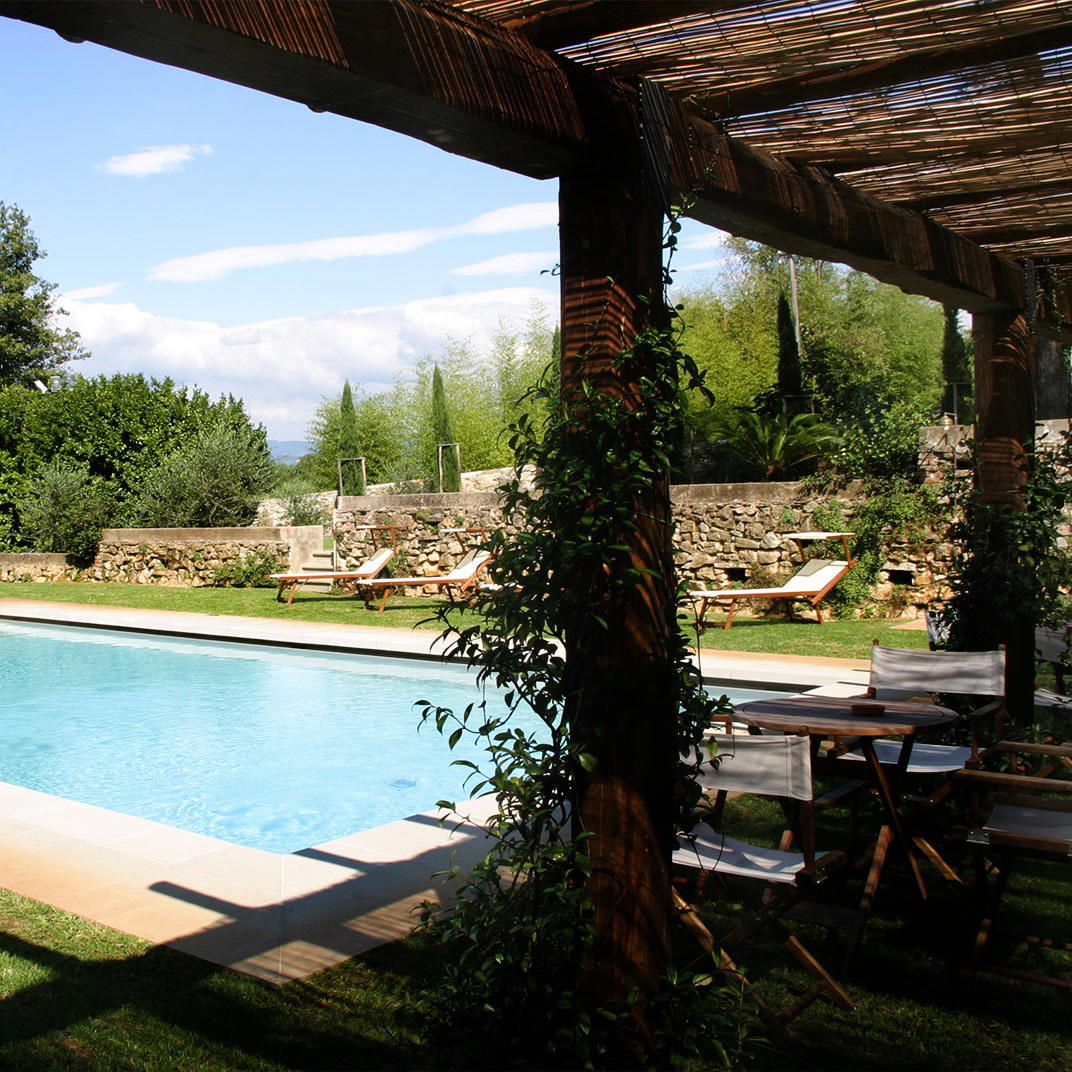

Details
- Rustic
- Cozy
- Classic
- Intimate
- Elegant
- Date Night
- Special Occasion
- Business Dinner
- Historic Building
- Extensive Wine List
- Local Sourcing
- Organic
- A La Carte
- Vegetarian Friendly
Current opening hours
- Monday
- 12:30–2:30 PM, 8–10 PM
- Tuesday
- 12:30–2:30 PM, 8–10 PM
- Wednesday
- 12:30–2:30 PM, 8–10 PM
- Thursday
- 12:30–2:30 PM, 8–10 PM
- Friday
- 12:30–2:30 PM, 8–10 PM
- Saturday
- Closed
- Sunday
- 12:30–2:30 PM, 8–10 PM
Hours can change for holidays and private events. Last verified .
Spacious, comfortable rooms with traditional furnishings in a tranquil countryside setting, featuring warm hospitality and an unhurried atmosphere.