
A Michelin Plate-recognised address on Via Trieste, Lo Scalco Grasso is one of Mantua's most direct arguments for eating locally. The owner-chef moves between kitchen and dining room, the portions follow Mantuan tradition in their generosity, and pumpkin tortelli with butter or tomato-and-sausage sauce anchors a menu that mixes deep-rooted regional cooking with occasional creative departures.
Pearl is the En Primeur Club membership app — saves, bookings, and concierge access live there. Same editors, same standards.
- Address
- V. Trieste, 55, 46100 Mantova MN, Italy
- Phone
- +39 349 374 7958
- Website
- loscalcograsso.it
- Directions
- Get directions
 Saves & bookings on Pearl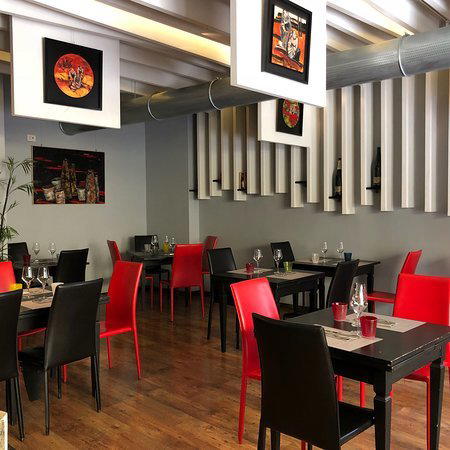
Where Mantuan Cooking Stays Honest
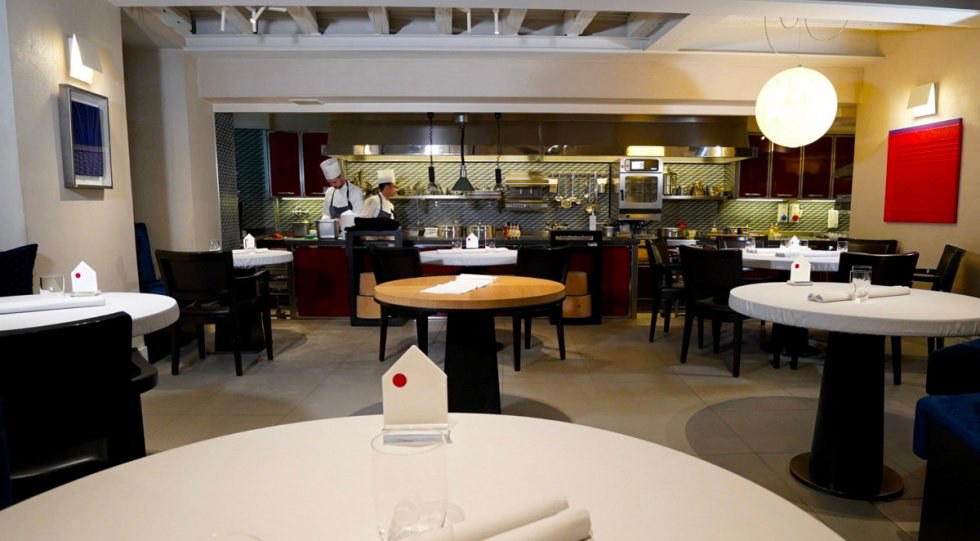
Via Trieste is not one of Mantua's tourist corridors. The street runs through a quieter quarter of this small, water-encircled city, and Lo Scalco Grasso sits along it with little fanfare: a compact dining room, a simple feel, and the kind of atmosphere where the noise level rises not from performance but from tables that are actually having a good time. The room reads as intimate rather than spare, lively rather than loud. It is the physical register of a restaurant that has made a deliberate choice about what matters.
Mantua has a stronger culinary identity than its size might suggest. The city's cooking is built around the agricultural flatlands of the Po Valley, where pumpkins, fresh pasta, river fish, pork, and aged Grana Padano have defined the table for centuries. That tradition favours abundance over restraint: portions are generous by convention, not by accident, and the gap between cucina povera and cucina nobile has always been narrower here than in more stratified Italian cities. Lo Scalco Grasso operates squarely within that tradition, while keeping one foot pointed toward something more contemporary.
The Ingredient Logic Behind the Menu
The editorial angle at Lo Scalco Grasso is essentially an ingredient argument. The dishes work because the sourcing does. Mantuan pumpkin tortelli, the dish that defines the regional kitchen as firmly as any single preparation in northern Italy, depends almost entirely on the quality of the cucurbita grown in the flatlands around the city. The variety cultivated here, often sold along the Strada dei Vini e dei Sapori di Mantova, has a drier, denser flesh than the winter squash used in most Italian supermarket pasta fillings. Combined with amaretti biscuits, mostarda, and aged Parmigiano-Reggiano or Grana Padano in the traditional filling, the result is a sweet-savoury construction that collapses completely if any component drops in quality.
At the restaurant, the tortelli arrives in two formats: with butter and sage, the version that lets the filling speak without interference, or with tomato and sausage, a slightly more assertive interpretation. Both are on the Michelin Plate list, which the restaurant has held for both 2024 and 2025. The Plate distinction does not carry the star ratings that draw visitors to Dal Pescatore in Runate or the laboratory-led ambition of Osteria Francescana in Modena. At the €€ price point, it sits well below the €€€€ tier occupied by those properties and by peers like Enoteca Pinchiorri in Florence or Enrico Bartolini in Milan.
The more creative register of the menu draws on regional ingredients in a different way. The lamb tartare, served with the lamb's own cooking juices, sautéed chard, savoury sbrisolona cake, and black truffles from the lower Mantova region when in season, is the clearest example of this second mode. Each component has a provenance argument: the sbrisolona is a Mantuan pastry that normally appears as a dessert crumble with almonds and cornflour, here repurposed into a savoury texture element; the truffles come from the hills south of the city rather than from Umbria or Périgord; the chard grounds the plate in local kitchen-garden produce. This is regional cooking with structural ambition rather than creative cooking grafted onto regional branding.
The Owner-Chef Format in Context
The owner-chef model, where the same person runs the kitchen and makes rounds front of house, is a particular format in Italian provincial dining. It operates differently from the brigade-run rooms of starred restaurants, and differently again from pure trattoria service. The presence of the cook at the table carries information: it implies direct control over purchasing decisions, close familiarity with what is available on a given day, and the kind of accountability that changes how complaints and compliments are received. That figure, across a volume of opinions that eliminates statistical noise, represents a strong sustained signal about consistency.
For comparison, Mantua restaurants in the same price tier often split between places that manage the tourist trade with fixed-price menus and those that serve a predominantly local clientele. The restaurant's position, with Michelin recognition and a clear regional identity, places it closer to the latter category. It also sits in a different competitive set from the more rural Mantuan addresses, such as Corte Matilde in Pieve di Coriano and Hostaria Viola in Castiglione delle Stiviere, which operate with the additional context of the surrounding countryside. In the city itself, Sücar Brüsc represents the contemporary end of Mantua's dining range, while the restaurant holds the regional-traditional ground.
Planning a Visit
The restaurant is at Via Trieste, 55, in Mantua's city centre. The €€ pricing makes it one of the more accessible addresses with Michelin recognition in the region; you are unlikely to leave with a bill that feels disproportionate to what the plates deliver. Mantua itself is most comfortable in spring and autumn, when the light on the Mincio lakes is at its leading and the summer heat that settles over the Po Plain has not yet arrived or has already lifted. The black truffle component of the lamb tartare is seasonal, which makes timing relevant if that dish is a priority.
For Italian restaurant context beyond the city, high-end reference points in the region include Le Calandre in Rubano, Uliassi in Senigallia, Quattro Passi in Marina del Cantone, Piazza Duomo in Alba, Reale in Castel di Sangro, and Atelier Moessmer Norbert Niederkofler in Brunico.
At-a-Glance Comparison
Comparable venues nearby, for context on price, style, and recognition.
| Venue | Cuisine | Price | Awards | Notes |
|---|---|---|---|---|
| Lo Scalco GrassoThis venue — the venue you are viewing | Contemporary Mantuan | $$$ | Michelin Plate | Not listed |
| Sücar Brüsc | Modern Lombardian | $$$ | Michelin Plate | historic center |
| Il Tartufo | Traditional Italian Truffle-Focused | $$$ | Michelin Plate | Revere |
| Stilla | Modern Italian Contemporary | $$$ | Michelin Plate | Colognola ai Colli |
| Hostaria del Teatro | Modern Italian with Mantuan and Veneto influences | $$$ | Michelin Plate | Castiglione Delle Stiviere |
| Mos Ristorante | Modern Italian Fine Dining | $$$ | Michelin Plate | centro |
Recognition history
Dated appearances from independent guides and award organizations, with the underlying list record or original source where available.
Michelin Plate
Michelin
Michelin Plate
Michelin
Michelin Plate
Michelin
Continue exploring
More in Mantua
Restaurants in Mantua
Browse all →
Bars in Mantua
Browse all →
Hotels in Mantua
Browse all →
At a Glance
- Intimate
- Modern
- Cozy
- Elegant
- Date Night
- Special Occasion
- Celebration
- Open Kitchen
- Extensive Wine List
- Natural Wine
- Sommelier Led
- Local Sourcing
Current opening hours
- Monday
- 7:30–10 PM
- Tuesday
- 12–2 PM, 7:30–10 PM
- Wednesday
- 12–2 PM, 7:30–10 PM
- Thursday
- 12–2 PM, 7:30–10 PM
- Friday
- 12–2 PM, 7:30–10 PM
- Saturday
- 12–2 PM, 7:30–10 PM
- Sunday
- 12–2 PM
Hours can change for holidays and private events. Last verified .
Small, intimate setting with modern minimalist décor and an open kitchen; warm, welcoming atmosphere with soft lighting that feels both sophisticated and relaxed.