Mos Ristorante


Michelin Plate
Our verdict
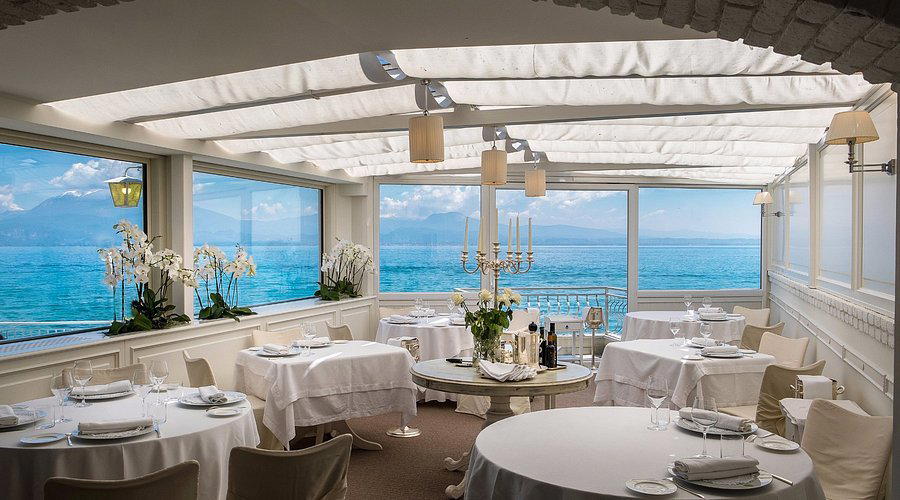
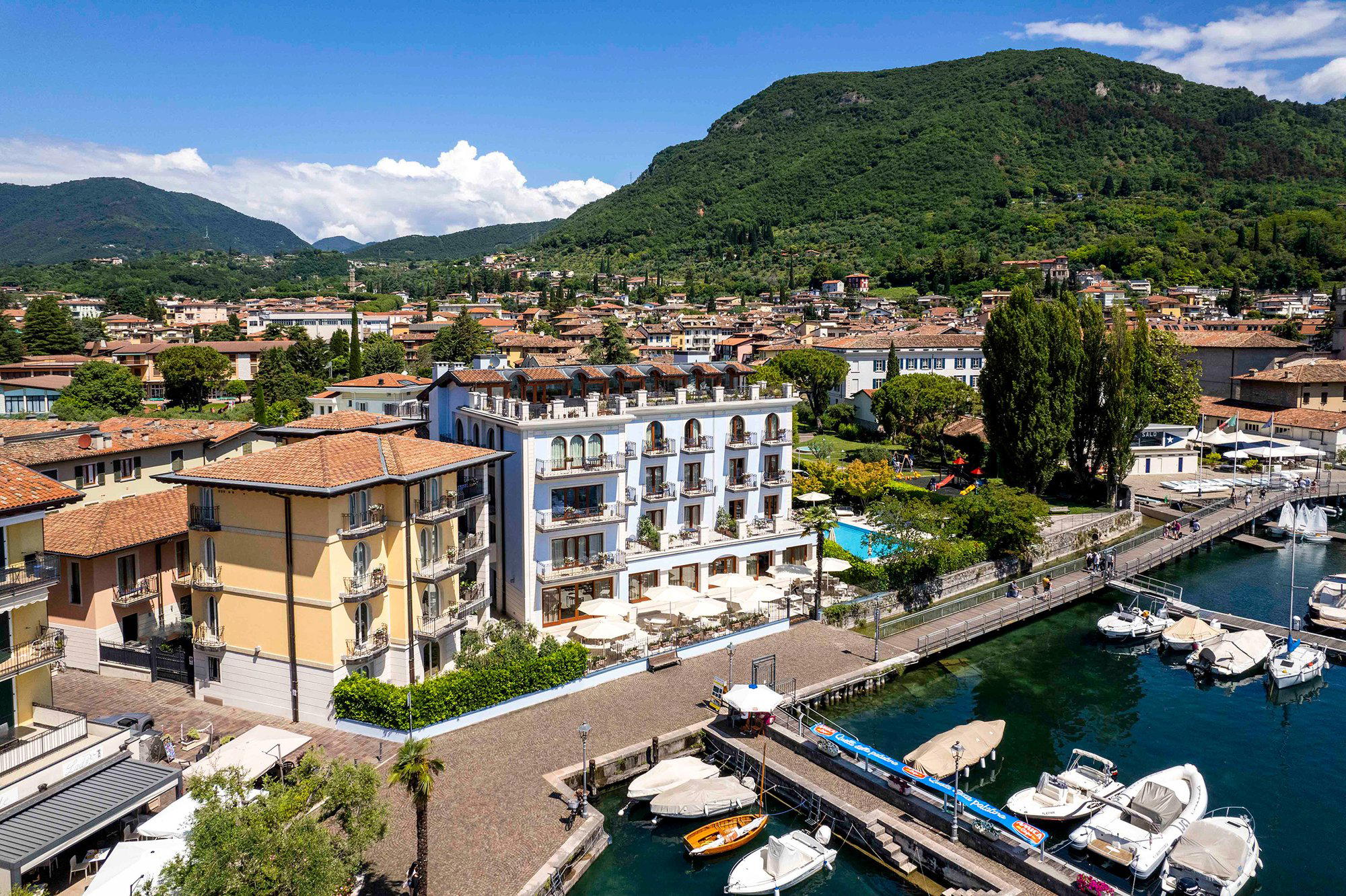
Mos Ristorante sits directly on Desenzano del Garda's marina, where chef Stefano Zanini has transformed a historic trattoria into a Michelin Plate recipient ranked in Opinionated About Dining's Top Restaurants in Europe for 2024 and 2025. The kitchen draws from both lake and sea, with a seasonal approach and a clear commitment to reducing waste. In summer, outdoor tables face the boats moored in the old port.

Pearl is the En Primeur Club membership app, where members save venues, book tables and use the concierge.
Marina-Front Dining at Desenzano del Garda's Old Port
The western shore of Lake Garda has always maintained a different culinary register from the resort hotels further north. Desenzano, the lake's largest town and its most accessible from Milan, holds a dining scene that ranges from casual lakeside trattorias to formal rooms like Esplanade, which operates at the €€€€ tier with a full modern Italian tasting format. Mos Ristorante occupies a different position in that hierarchy: a trattoria building on Via Porto Vecchio that has been significantly reworked in both ambition and execution, while staying rooted to its address directly in front of the marina in the historic centre. The result is a recognisable Italian lakeside setting applied to a more considered kitchen program than the address might initially suggest.
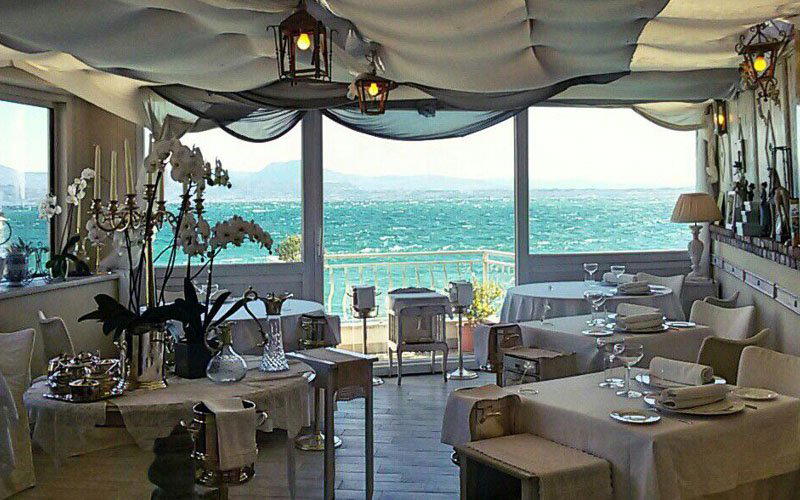
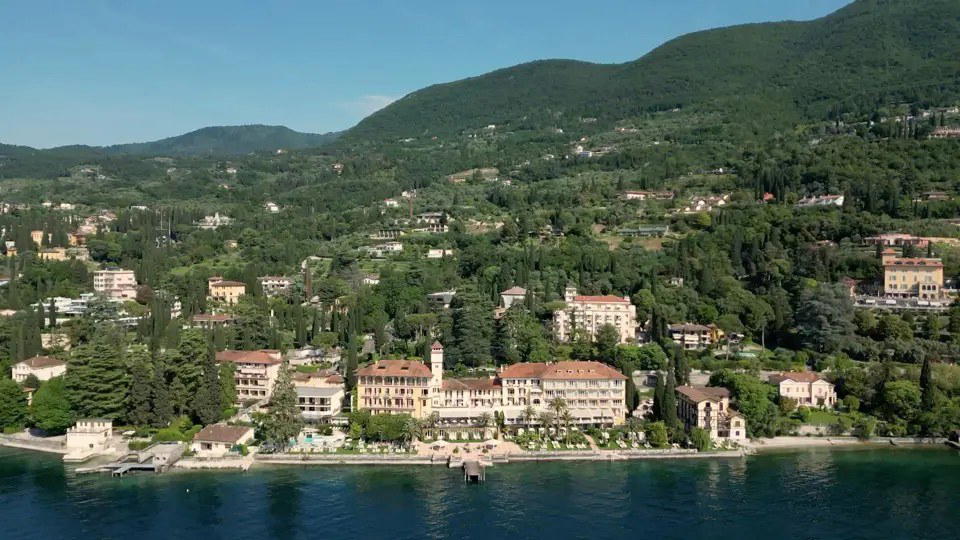
Approaching from the old port, the restaurant sits along the waterfront with the same stone-and-terrace architecture that defines this part of Desenzano. In summer, tables extend outside to face the moored boats, and the setting does most of the atmospheric work without embellishment. The physical environment here is the context for what the kitchen does: a cuisine that draws from both lake and sea, handled with enough discipline that Michelin awarded the restaurant a Plate in 2025, and Opinionated About Dining ranked it among the Leading Restaurants in Europe at position 544 in 2024, rising to 610 across a larger pool in 2025.
The Craft of Raw and Minimally Processed Seafood
Italy's seafood-forward kitchens have, over the past decade, split into two broad approaches. One school applies heavy technique, reductions, emulsions, architectural plating, to fish that might otherwise need little intervention. The other works from the ingredient outward, treating raw preparation, light curing, and minimal heat as the dominant grammar. The latter tradition runs through some of Italy's most respected seafood restaurants: Uliassi in Senigallia has built its three-Michelin-star reputation partly on the conviction that Adriatic fish needs intelligent restraint rather than transformation. Quattro Passi in Marina del Cantone applies similar thinking to Campanian coastal ingredients.
At Mos, the focus on seasonal ingredients from both the lake and the sea places the kitchen in a position where raw preparation and precise temperature management matter considerably. Lake Garda's freshwater species, lavarello, persico, and others, have a different texture and fat profile from saltwater fish, which means crudo and lightly dressed preparations require distinct calibration. The kitchen's stated emphasis on seasonal sourcing suggests that the raw preparation approach shifts as the ingredient supply shifts: what arrives from the lake in spring differs from what comes in from the sea in winter, and the menu responds accordingly. This is the kind of cooking where the discipline is in the sourcing decision and the restraint, not in the application of technique after the fact.
The restaurant's commitment to recycling waste as much as possible is a structural aspect of how the kitchen operates, not a marketing position. In Italian seafood cooking, this often means working with the whole fish, using bones for brodo, turning offcuts into preparations that would otherwise be discarded, and building secondary dishes from primary waste. It is a practice more common at restaurants operating under genuine resource pressure than at high-end rooms where waste is simply absorbed into margin. At a trattoria-origin address like Mos, this approach connects the kitchen's current ambitions to its original operating logic.
Lake and Sea: What That Sourcing Distinction Means in Practice
Most Italian seafood restaurants are either coastal or not. Mos occupies an unusual position in using both lake-sourced and sea-sourced ingredients as parallel tracks rather than treating one as primary. Lake Garda has its own fishing tradition, and local species have been on Desenzano tables since long before the town became a tourist destination. The decision to run lake and sea ingredients alongside each other is partly geographical, Desenzano is close enough to Brescia and to supply routes from the Adriatic and Tyrrhenian, and partly an editorial one about what kind of restaurant this wants to be. It is a distinction worth noting for anyone comparing Mos to coastal-only Italian seafood addresses like Gambero Rosso in Marina di Gioiosa Ionica or Alici on the Amalfi Coast, both of which operate from a fixed coastal ingredient base.
Chef Stefano Zanini, who brought experience from kitchens in Italy and internationally before arriving at Mos, has used this dual-source approach as the foundation for a menu that the Michelin editors describe as personalised and seasonally led. The word personalised, in Michelin's vocabulary, usually signals a kitchen with a clear point of view that is not reducible to regional convention alone, a different signal from the traditional category markers applied to places like Dal Pescatore in Runate or the formal Italian-French register of Enoteca Pinchiorri in Florence.
Where Mos Sits in the Northern Italian Dining Picture
Northern Italy's most recognised restaurants largely operate at the €€€€ tier with full tasting formats: Osteria Francescana in Modena, Le Calandre in Rubano, Enrico Bartolini in Milan, and Piazza Duomo in Alba all represent a tier defined by extended menus, high cover charges, and significant advance booking requirements. Reale in Castel di Sangro and Atelier Moessmer Norbert Niederkofler in Brunico extend that model into central and mountain Italy respectively. Mos operates below that tier in formality and price, but the OAD ranking at 544 in 2024 places it in credible company on a list that includes restaurants across multiple price points and formats.
For Lake Garda specifically, Mos represents the kind of restaurant the lake has historically been thin on: technically oriented, award-recognised, and focused on a specific ingredient tradition rather than the broad Italian-for-tourists formula that dominates much of the lake's restaurant supply.
Planning a Visit
The restaurant opens Tuesday through Monday for dinner from 7:30 to 10:30 pm, with the exception of Tuesday when it is closed. Saturday and Sunday add a lunch service from 12:30 to 2:00 pm, making the weekend the only opportunity to dine here in daylight, and given the marina view, the Saturday or Sunday lunch sitting is worth considering for anyone who wants the outdoor tables at their most atmospheric. Summer outdoor seating along Via Porto Vecchio faces the boats directly, and the historic port setting provides context that an interior-only visit would miss. For a fuller picture of where to eat, stay, and drink around the lake, see our full Desenzano del Garda restaurants guide, our hotels guide, our bars guide, our wineries guide, and our experiences guide for the area.
Frequently asked questions
What is the overall feel of Mos Ristorante?
The setting is a historic trattoria directly on Desenzano del Garda's old port marina, with outdoor summer tables facing the boats. The cooking operates at a level above the address's origin, a Michelin Plate in 2025 and a top-610 Opinionated About Dining ranking in Europe confirm that, but the atmosphere retains the directness of a lakeside restaurant rather than the formality of a tasting-menu room. It is a marina dinner, run with more kitchen discipline than the format typically implies.
Is Mos Ristorante family-friendly?
Restaurant's trattoria roots, marina setting, and absence of a strict tasting-menu-only format suggest a degree of accessibility that many award-recognised Italian restaurants at comparable price points do not offer. Desenzano del Garda itself is a family-frequented lake town rather than an exclusively fine-dining destination, and the weekend lunch service on Saturday and Sunday creates a less formal entry point than an evening reservation. That said, visitors travelling with children should factor in the evening-focused hours on most days and the restaurant's award level when calibrating expectations.
What should I order at Mos Ristorante?
Kitchen's stated focus on seasonal lake and sea ingredients, combined with its raw-preparation and waste-reduction approach, points toward the crudo and minimally processed fish preparations as the clearest expression of what chef Stefano Zanini is doing here. On a menu that draws from both Garda's freshwater species and sea-sourced fish, the dishes that position the two side by side, or that showcase the lake ingredient specifically, are the most contextually specific to this address. Michelin's Plate recognition and the OAD ranking both suggest the kitchen is most confident in exactly that territory.
Price Lens
| Venue | Cuisine | Price | Awards | Notes |
|---|---|---|---|---|
| Mos RistoranteThis venue (the venue you are viewing) | Modern Italian Fine Dining | $50–100 | Michelin Plate | Not listed |
| Atelier Moessmer Norbert Niederkofler | Modern Alpine Fine Dining | $300–500 | 3 Michelin Stars · World's 50 Best #20 | Italian, Creative |
| Dal Pescatore | Classic Italian Fine Dining | $200–300 | 3 Michelin Stars · World's 50 Best #38 | Italian, Italian Contemporary |
| Enoteca Pinchiorri | Contemporary Italian Fine Dining | $200–300 | 3 Michelin Stars · World's 50 Best #32 | Italian - French, Italian Contemporary |
| Enrico Bartolini | Modern Italian Fine Dining | $300–500 | 3 Michelin Stars · World's 50 Best #85 | Creative |
| Osteria Francescana | Avant-Garde Italian Contemporary | $300–500 | 3 Michelin Stars · World's 50 Best #1 | Progressive Italian, Creative |
Recognition history
Dated appearances from independent guides and award organizations, with the underlying list record or original source where available.
Michelin Plate
Michelin
Opinionated About Dining Top Restaurants in Europe Ranked #610
Opinionated About Dining
Full recognition history (4 entries)
Michelin Plate
Michelin
Opinionated About Dining Top Restaurants in Europe Ranked #544
Opinionated About Dining
Continue exploring
More in Desenzano del Garda
More from Chef Stefano Zanini
Browse all →
Restaurants in Desenzano del Garda
All restaurants in Desenzano del Garda →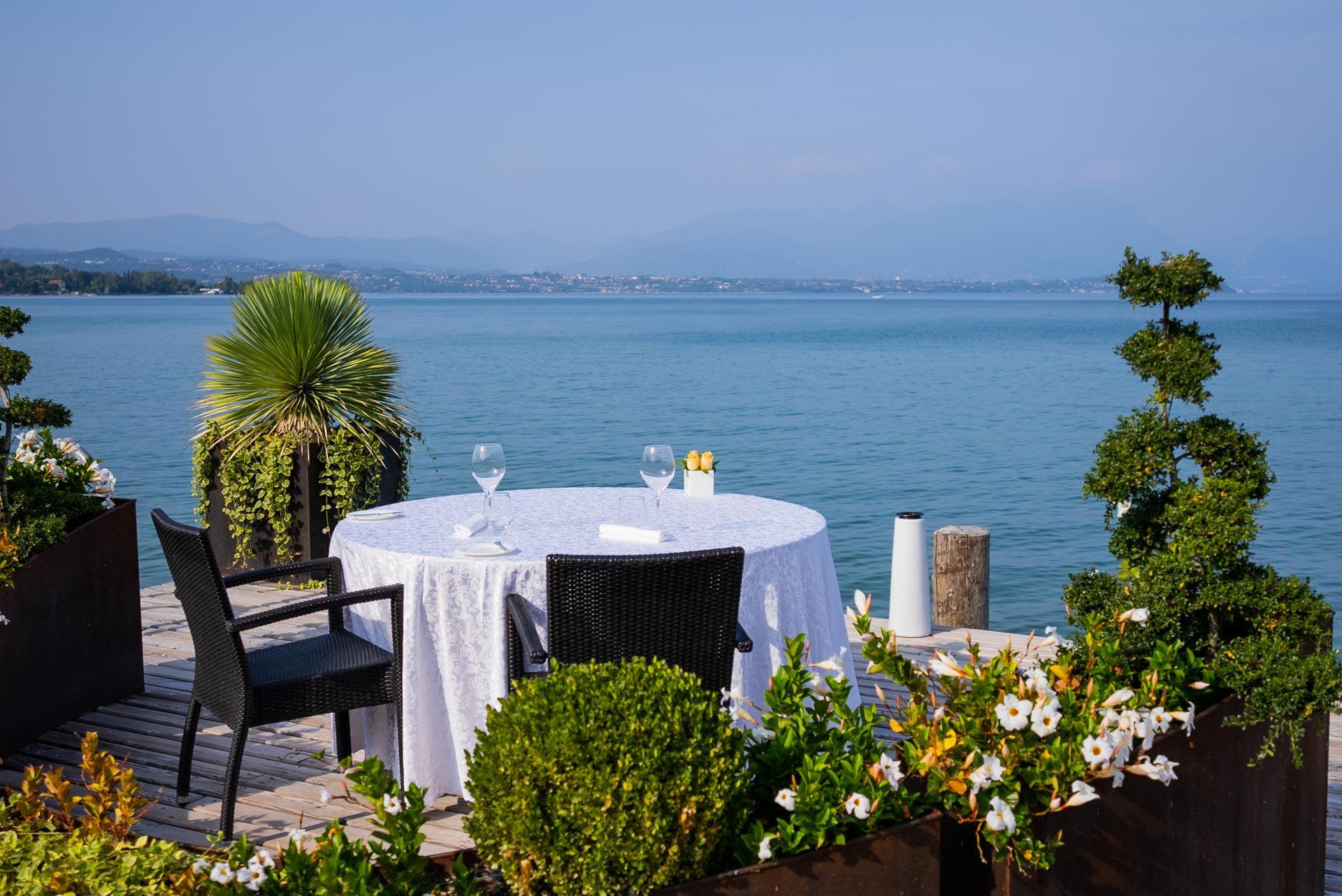
Bars in Desenzano del Garda
Browse all →
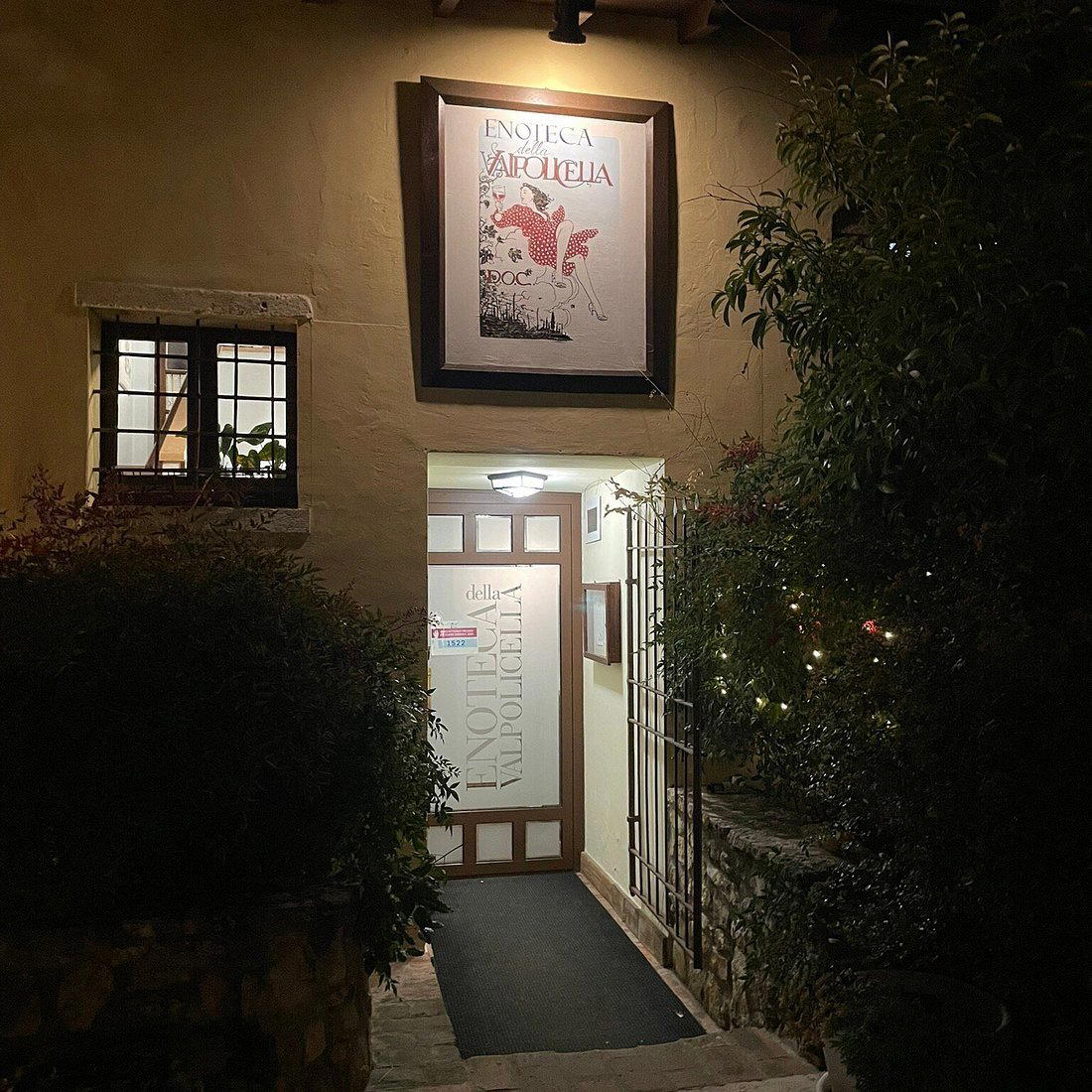
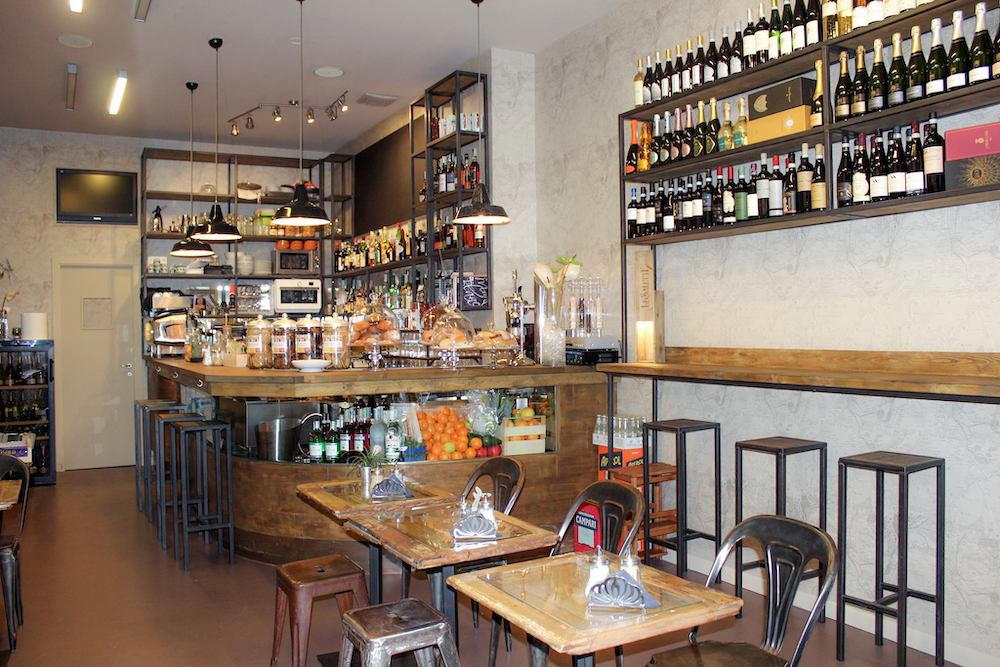
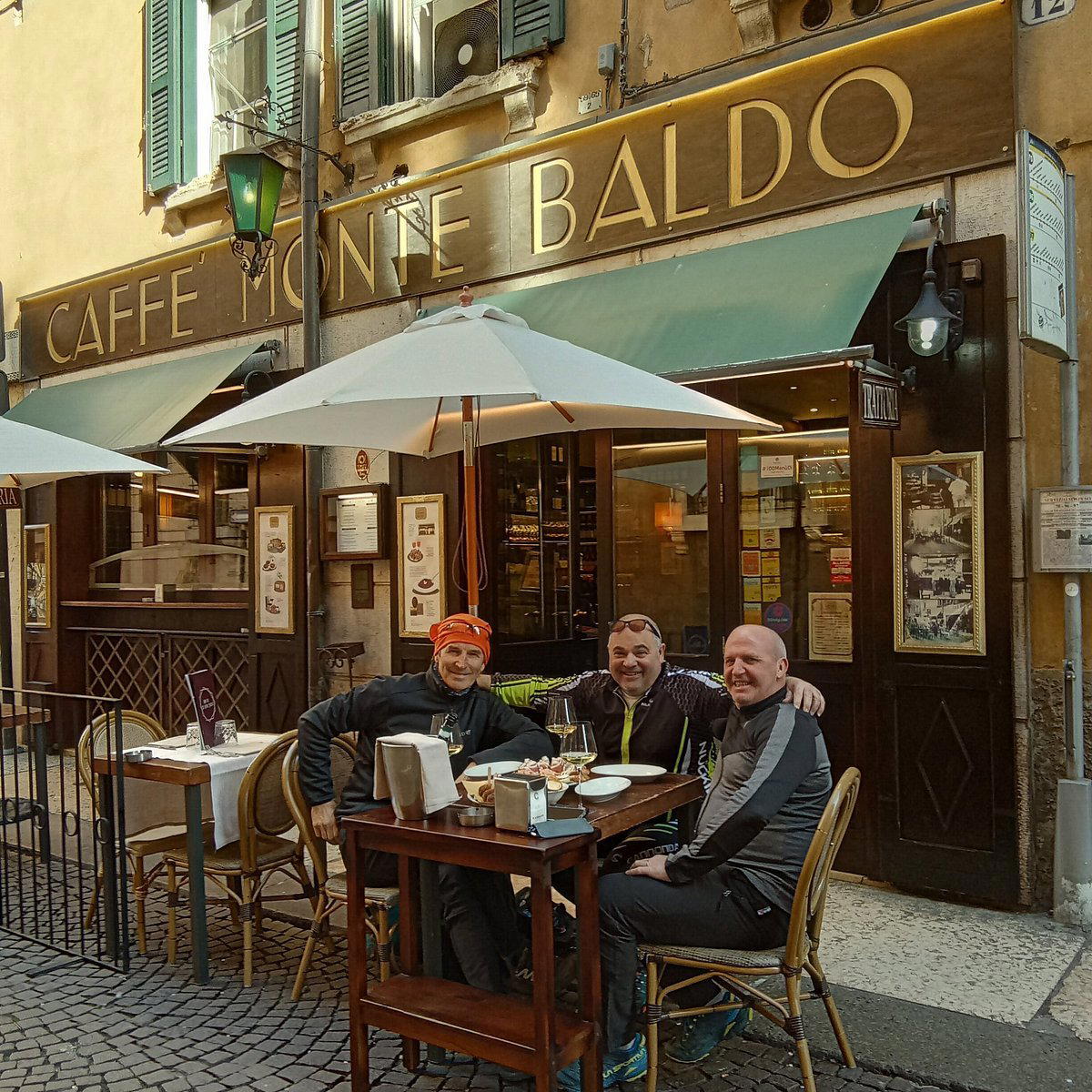
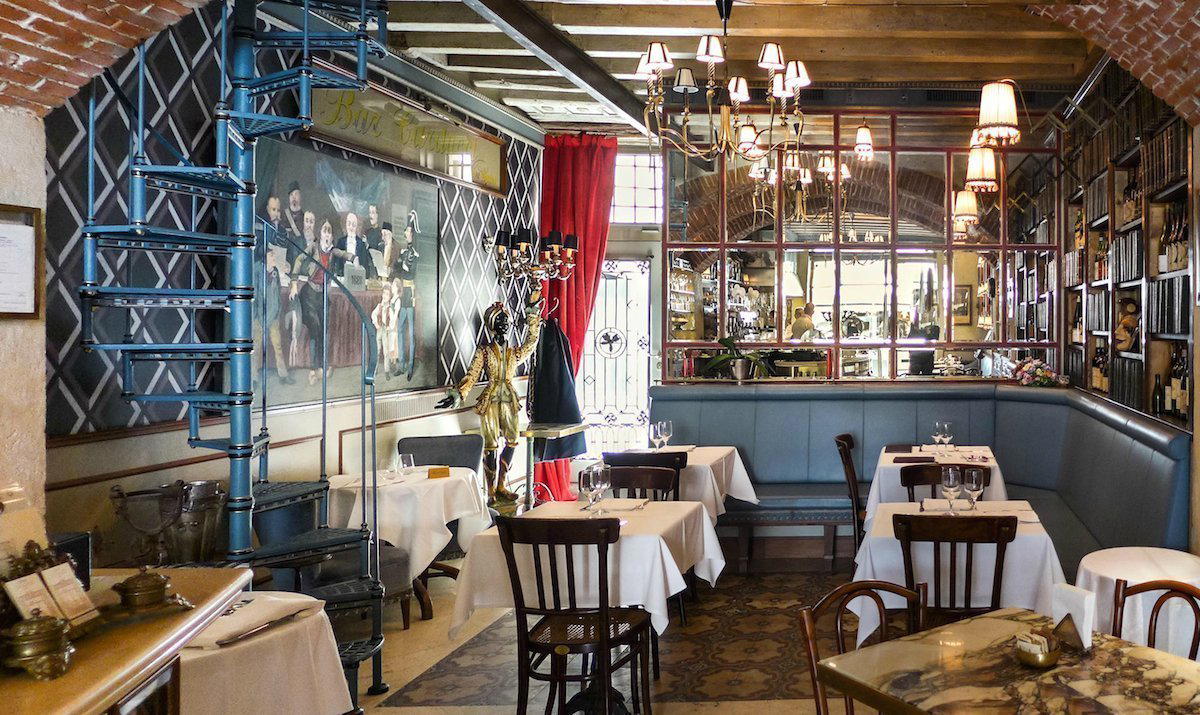
Mos Ristorante
The wine
- Wine program
- Deep wine list
- Extensive wine list
- Sommelier-led
Details
- Intimate
- Elegant
- Sophisticated
- Date Night
- Special Occasion
- Waterfront
- Open Kitchen
- Extensive Wine List
- Sommelier Led
- Local Sourcing
- Waterfront
- Tasting Menu
- A La Carte
- Wine Pairing
- Vegetarian Friendly
Current opening hours
- Monday
- 7:30–10:30 PM
- Tuesday
- Closed
- Wednesday
- 7:30–10:30 PM
- Thursday
- 7:30–10:30 PM
- Friday
- 7:30–10:30 PM
- Saturday
- 12:30–2 PM, 7:30–10:30 PM
- Sunday
- 12:30–2 PM, 7:30–10:30 PM
Hours can change for holidays and private events. Hours as of .
Intimate and welcoming atmosphere with curato estetica, relaxing ambiance, and scenic harbor views enhanced by attentive professional service.