Marabú
On the fourth floor of a Brickell address, Marabú occupies a position that Miami's restaurant scene is still learning to value: a spot where the sourcing logic precedes the menu, and the cooking follows from what ethical supply chains make available. The kitchen draws on Florida's producers and the city's Caribbean and Latin American pantry, placing it in a tier of Miami dining that answers to sustainability as much as to spectacle.
Pearl is the En Primeur Club membership app — saves, bookings, and concierge access live there. Same editors, same standards.
- Address
- 701 S Miami Ave Fl 4, Miami, FL 33131
- Phone
- +17865988012
- Website
- maraburestaurant.com
- Directions
- Get directions
 Saves & bookings on Pearl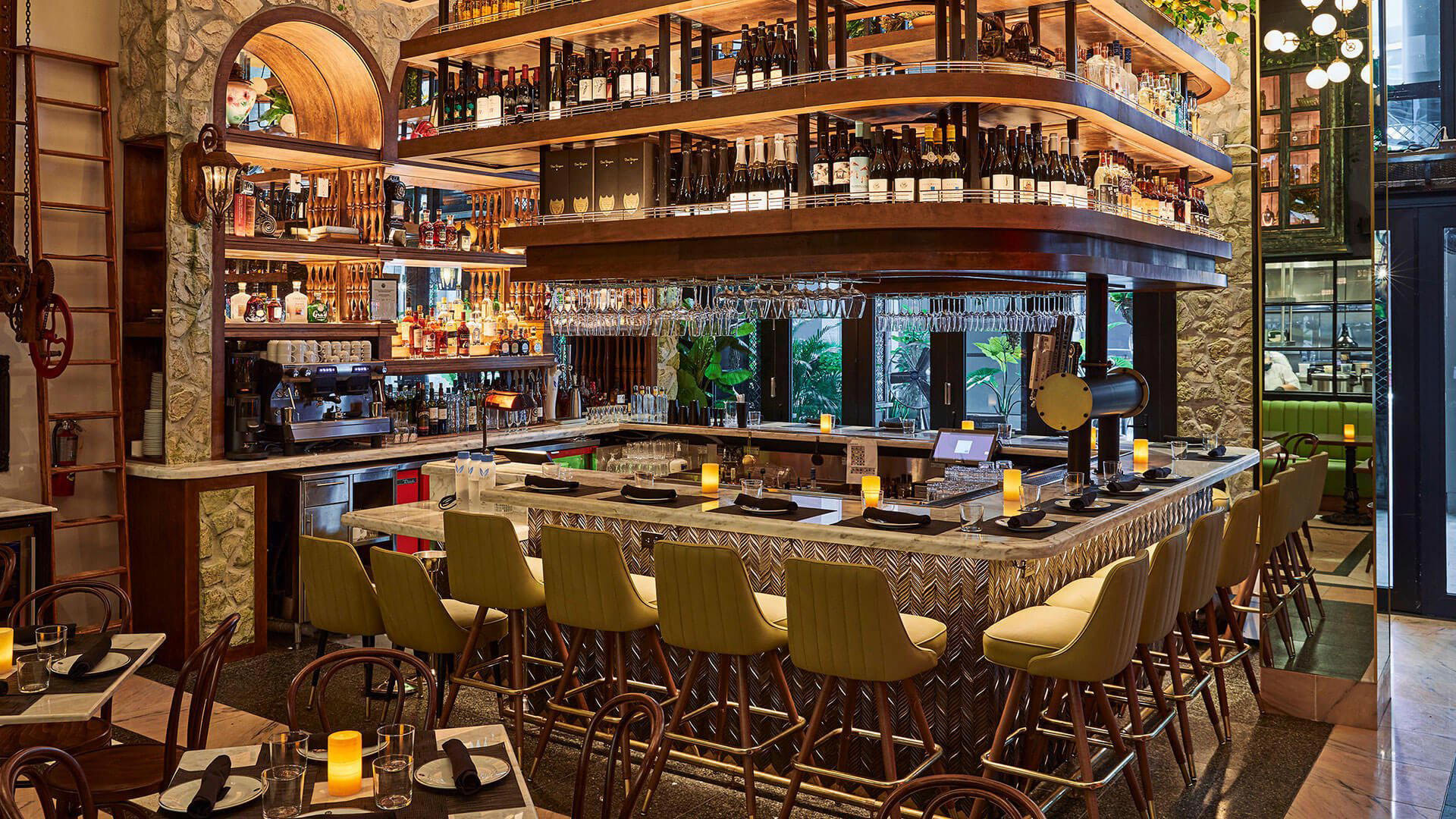
Fourth Floor, Brickell: Where the City's Sourcing Conversation Is Happening
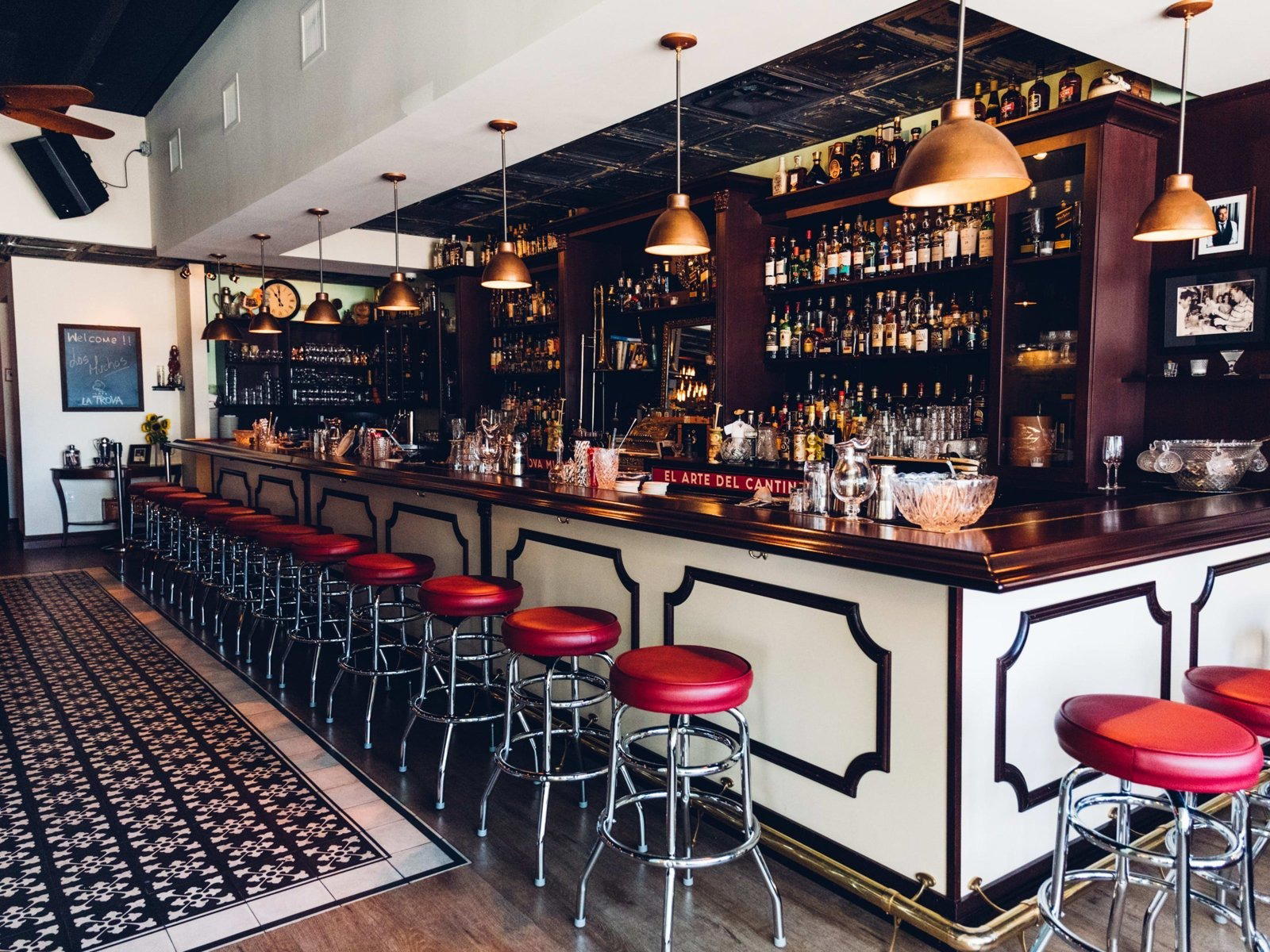
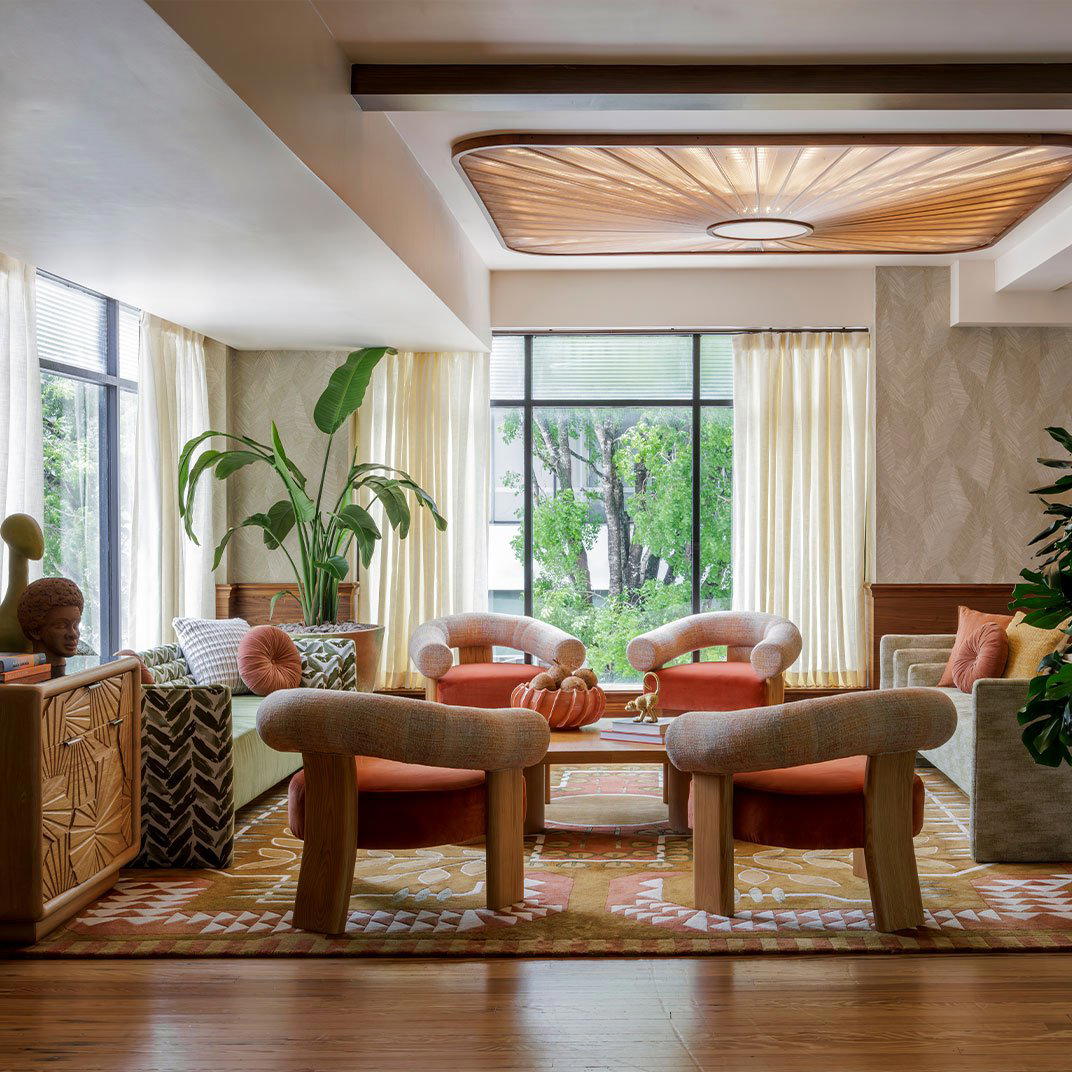
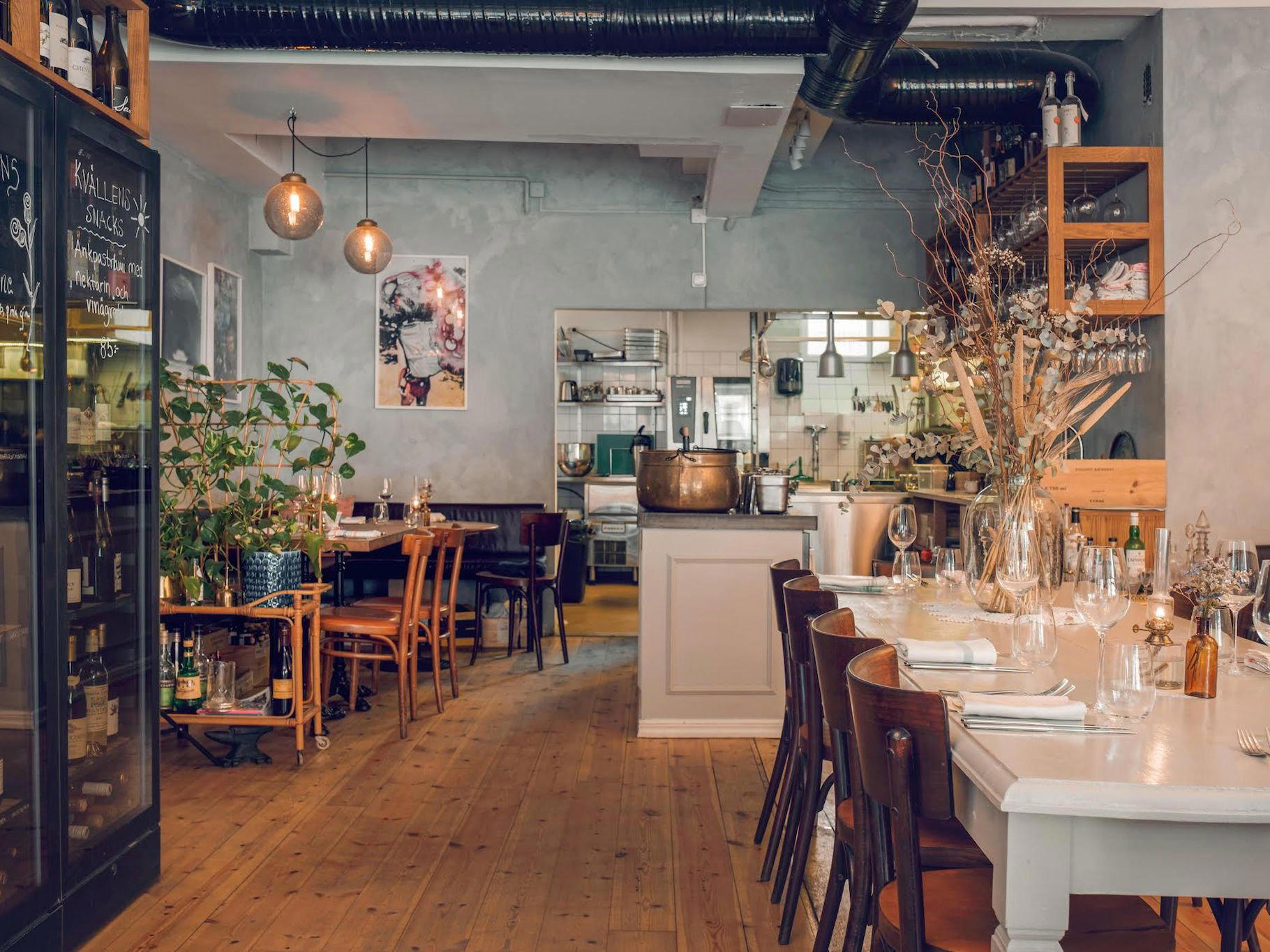
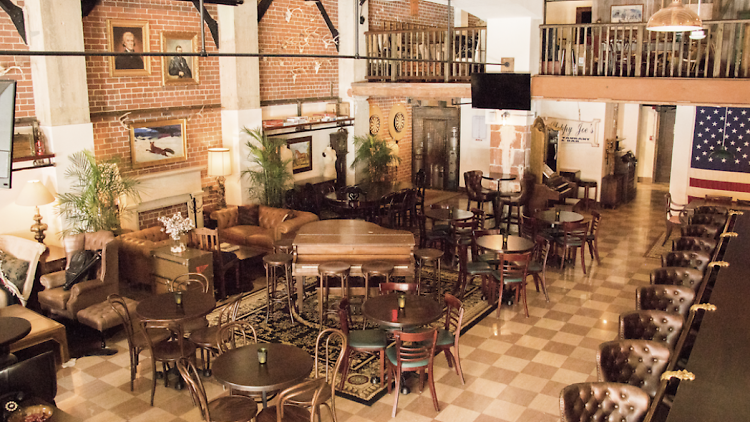
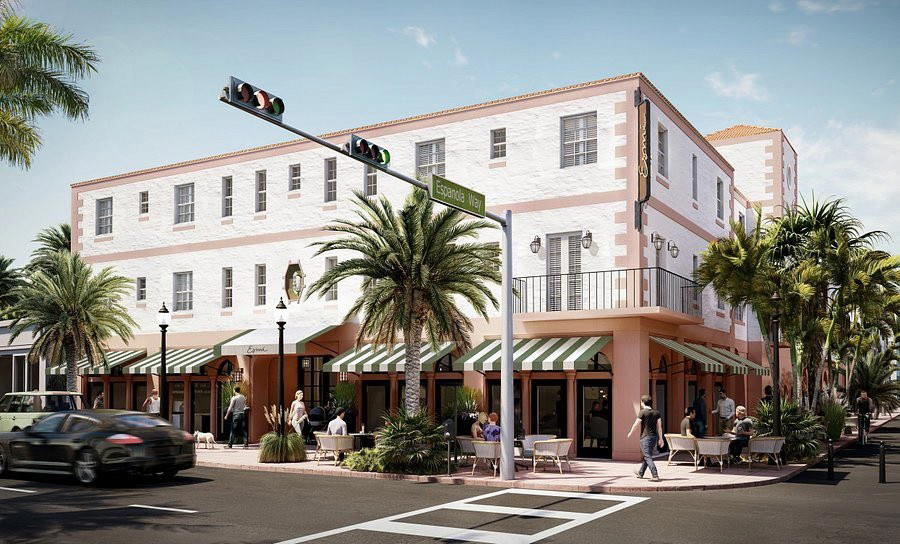
Miami's Brickell corridor is better known for glass towers and financial addresses than for restaurants that make you think about soil. That's what makes 701 South Miami Avenue's fourth-floor positioning interesting: Marabú is a Miami restaurant serving Coal-Fired Cuban Cuisine at 701 S Miami Ave Fl 4, with a recommended reservation policy and a price point around $45 per person. The room doesn't announce itself loudly. Arriving, you trade the heat and traffic noise of the avenue below for something quieter, a dining floor with the skyline working as backdrop rather than branding. In Miami, where restaurants frequently lead with visual drama, a space that allows the food and its sourcing story to carry the weight is a notable choice of emphasis.
Miami Dining and the Sustainability Tier
South Florida has not historically been the first city name attached to farm-to-table or ethical sourcing conversations in American fine dining. That territory belongs, in the popular imagination, to Northern California properties like Single Thread Farm in Healdsburg or Blue Hill at Stone Barns in Tarrytown, where the surrounding agricultural geography makes the sourcing argument almost self-evident. Miami's challenge is different: the city's dining identity was built on spectacle, on the waterfront view, the celebrity chef franchise, the imported luxury ingredient. Pivoting toward sustainability-led cooking means working against the grain of that identity, finding Florida growers, Gulf Coast fisheries, and Caribbean supply networks that can anchor a serious menu.
A small number of Miami kitchens have made that pivot in the past decade. Ariete in Coconut Grove built a modern American identity around Florida ingredients before modern American became the city's shorthand for serious cooking. Boia De in Little Haiti sources with specificity inside its Italian-inflected framework. The pattern across these restaurants is the same: the sourcing logic comes first, and the cuisine style is what the available supply chain produces. Marabú fits inside that pattern, occupying a Brickell address where the clientele skews toward finance and international travel but the kitchen's orientation is toward Florida's land and water.
The Ethical Sourcing Framework in a Tropical Context
What sustainability looks like in South Florida is distinct from what it looks like in wine country or the Pacific Northwest. Florida's agricultural output is heavily citrus, sugarcane, and row crops, but the state also has a serious aquaculture and fishery sector, grass-fed beef producers in the central counties, and a produce calendar that peaks in the winter months when northern markets are dormant. A kitchen committed to ethical sourcing in this geography is working with ingredients that vary considerably by season, with summer bringing heat-tolerant crops and winter delivering the diversity that makes the Florida table genuinely interesting. Restaurants in cities like Chicago at Alinea or New York at Le Bernardin manage sourcing within the constraints of a four-season agricultural cycle. Miami's sourcing constraint is different: summer humidity and heat narrow the local menu considerably, while winter opens it up.
Marabú's Latin American and Caribbean culinary reference points add another layer to that sourcing framework. Ingredients that travel freely through Florida's large Cuban, Venezuelan, Colombian, and Haitian communities, plantains, yuca, tropical herbs, sofrito bases, represent a parallel supply network that operates partly outside the conventional farm-to-table vocabulary but is no less rooted in place. ITAMAE in Miami has demonstrated how Peruvian culinary identity can be expressed through ethical sourcing of Florida seafood. The same logic applies across the Latin American spectrum: regional identity and sustainability can reinforce rather than contradict each other when the kitchen is paying attention to where the ingredients come from.
Placing Marabú in Its Competitive Set
Brickell's restaurant tier has expanded significantly, with Korean steakhouse format at Cote Miami and classic French technique at L'Atelier de Joël Robuchon Miami both operating in the neighbourhood. These are restaurants whose comparable venues are national and international: Cote's Korean barbecue fine dining format competes with its New York flagship, and Robuchon's atelier concept runs across multiple continents. Marabú's competitive set is different and more local in its orientation. The comparison points are Miami restaurants that have chosen to let sourcing and seasonal availability drive the menu, rather than importing a format from elsewhere and populating it with available ingredients.
That is a harder position to hold in Brickell, where the clientele has access to every major global format and where price expectations are calibrated against international luxury dining. Restaurants that have succeeded in similar positions in other American cities, Lazy Bear in San Francisco, Addison in San Diego, Providence in Los Angeles, tend to do so by building a clear identity around the sourcing story and then executing at a level that makes the ethical framework feel integral rather than incidental. The sourcing is not a marketing position; it is the reason the menu changes, the reason certain ingredients appear and others don't, the reason the kitchen's decisions are constrained in ways that produce distinctiveness.
Planning a Visit
Marabú operates from its fourth-floor address at 701 South Miami Avenue in Brickell, accessible from the heart of Miami's financial district. Marabú's hours run Monday through Thursday and Sunday from 11:30 AM to 10 PM, and Friday and Saturday from 11:30 AM to 11 PM; reservations are recommended. Miami's dining calendar has a seasonal character: the months between November and April bring a denser reservation environment as the snowbird population and event calendars fill the city, while the summer months offer more availability alongside a heat that shapes the local produce calendar. For reference points on how sustainability-led dining operates at the highest tiers nationally, The French Laundry in Napa, The Inn at Little Washington, and Atomix in New York City represent different approaches to the question of how sourcing and excellence interact. Internationally, 8 1/2 Otto e Mezzo Bombana in Hong Kong and Emeril's in New Orleans offer further comparison points on how a strong local identity can anchor a dining destination across different market conditions.
Cuisine Lens
Comparable venues nearby, for context on price, style, and recognition.
| Venue | Cuisine | Price | Notes |
|---|---|---|---|
| MarabúThis venue — the venue you are viewing | Coal-Fired Cuban Cuisine | $$$ | Not listed |
| Caña Restaurant and Lounge | Contemporary Cuban | $$$ | Miami Financial District |
| Bocas Grill Brickell | Venezuelan Latin American | $$ | The Roads |
| Cafe La Carreta | Authentic Cuban | $$ | Northeast Coconut Grove |
| Habana Vieja | Authentic Cuban Cuisine | $$ | Downtown Coral Gables |
| Lo D' Alex | Cuban Fusion with Latin Influences | $$ | Sweetwater |
At a Glance
- Elegant
- Modern
- Sophisticated
- Date Night
- Group Dining
- Special Occasion
- Open Kitchen
- Craft Cocktails
- Local Sourcing
Current opening hours
- Monday
- 11:30 AM–10 PM
- Tuesday
- 11:30 AM–10 PM
- Wednesday
- 11:30 AM–10 PM
- Thursday
- 11:30 AM–10 PM
- Friday
- 11:30 AM–11 PM
- Saturday
- 11:30 AM–11 PM
- Sunday
- 11:30 AM–10 PM
Hours can change for holidays and private events. Last verified .
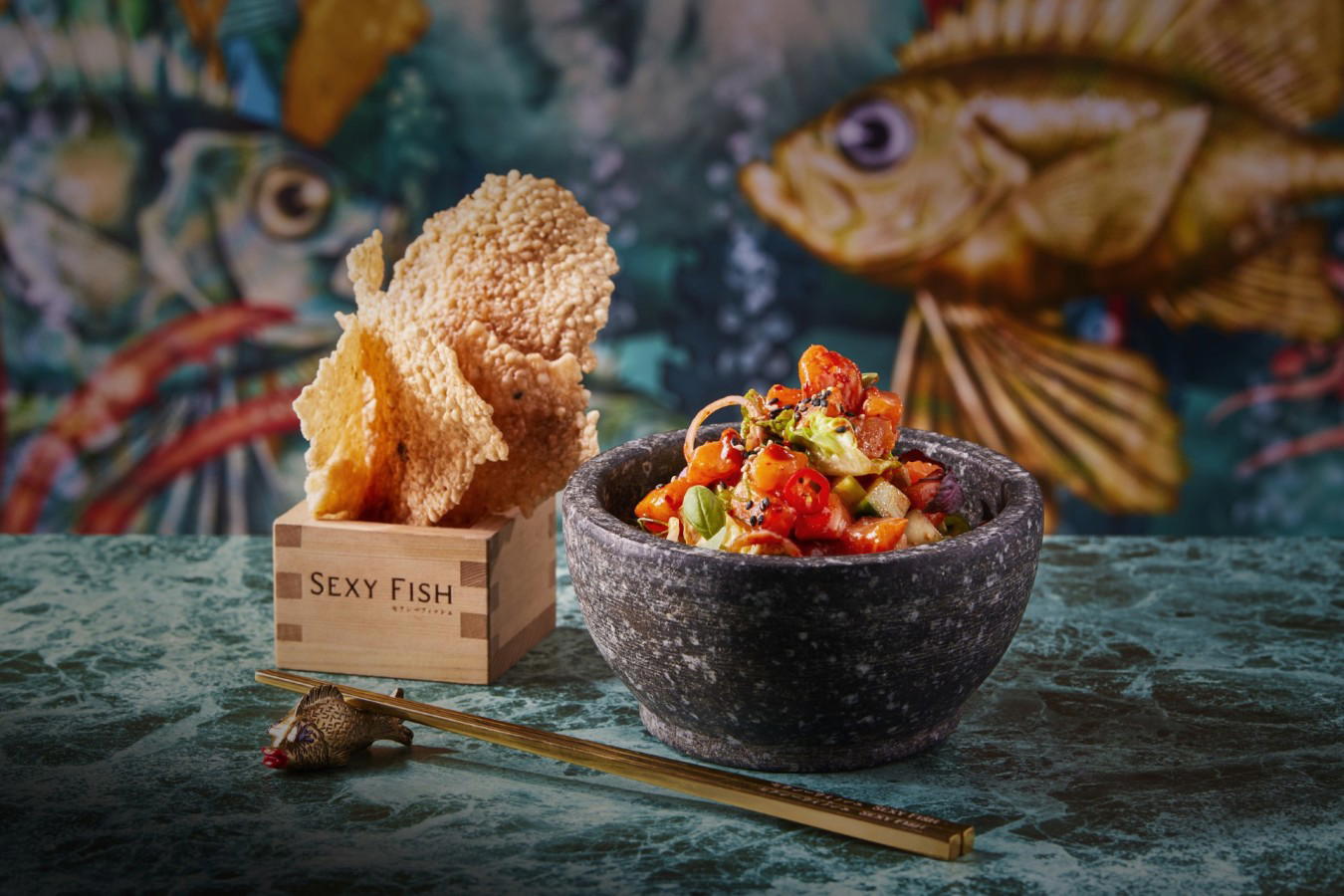
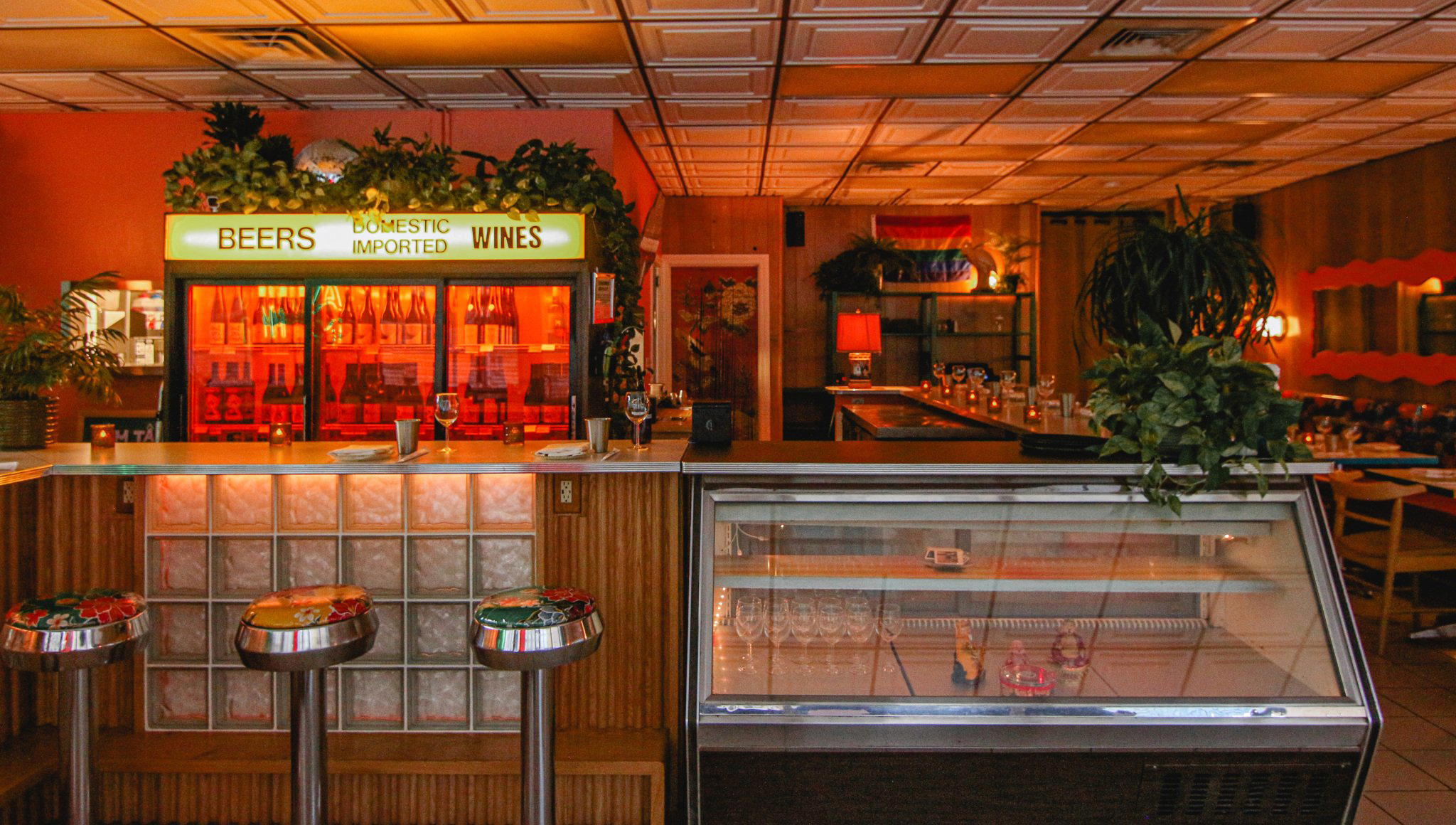
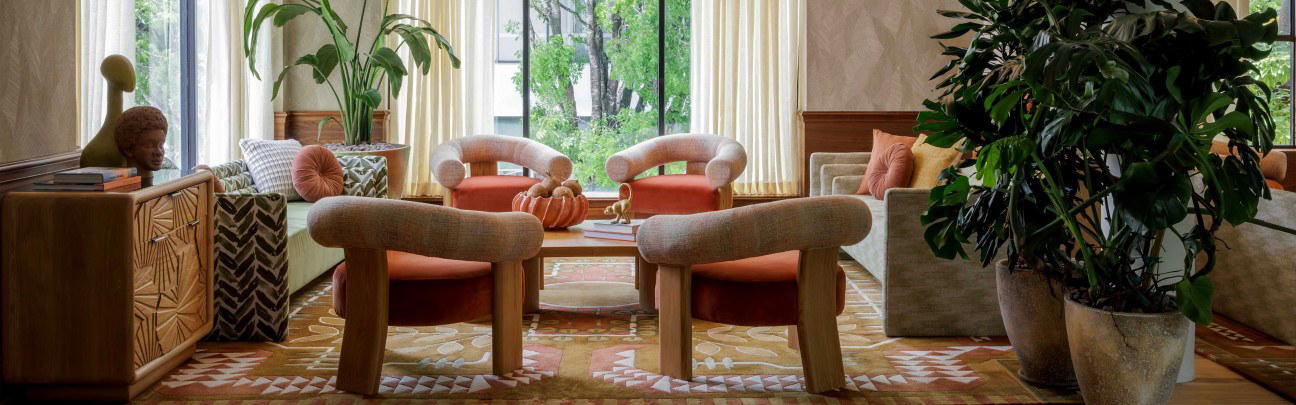
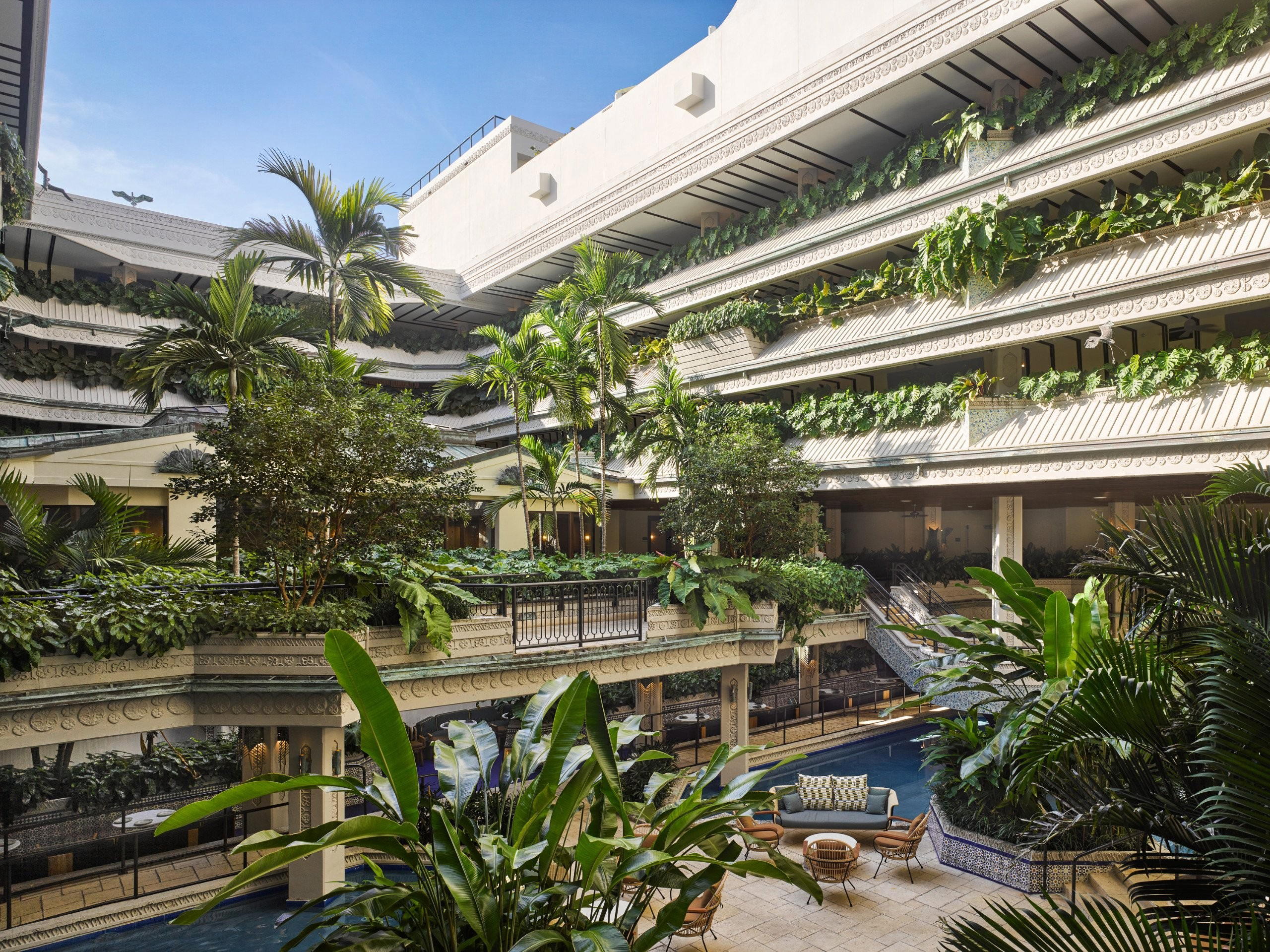
Swanky Havana-inspired interiors embodying Cuban suave and elegance with a modern polished twist.