Cane Fire Grille
Cane Fire Grille occupies a stretch of Miami that most visitors skip entirely, putting it in a different register from the South Beach circuit. The name signals something elemental: fire, cane, the cooking traditions that run through South Florida's Caribbean and Latin American inheritance. For those willing to cross the airport corridor into the city's working west side, the reward is a restaurant that reads more like a local institution than a tourist destination.
Pearl is the En Primeur Club membership app — saves, bookings, and concierge access live there. Same editors, same standards.
- Address
- 1201 NW Le Jeune Rd Building A, Miami, FL 33126
- Phone
- +13055399925
- Website
- marriott.com
- Directions
- Get directions
 Saves & bookings on Pearl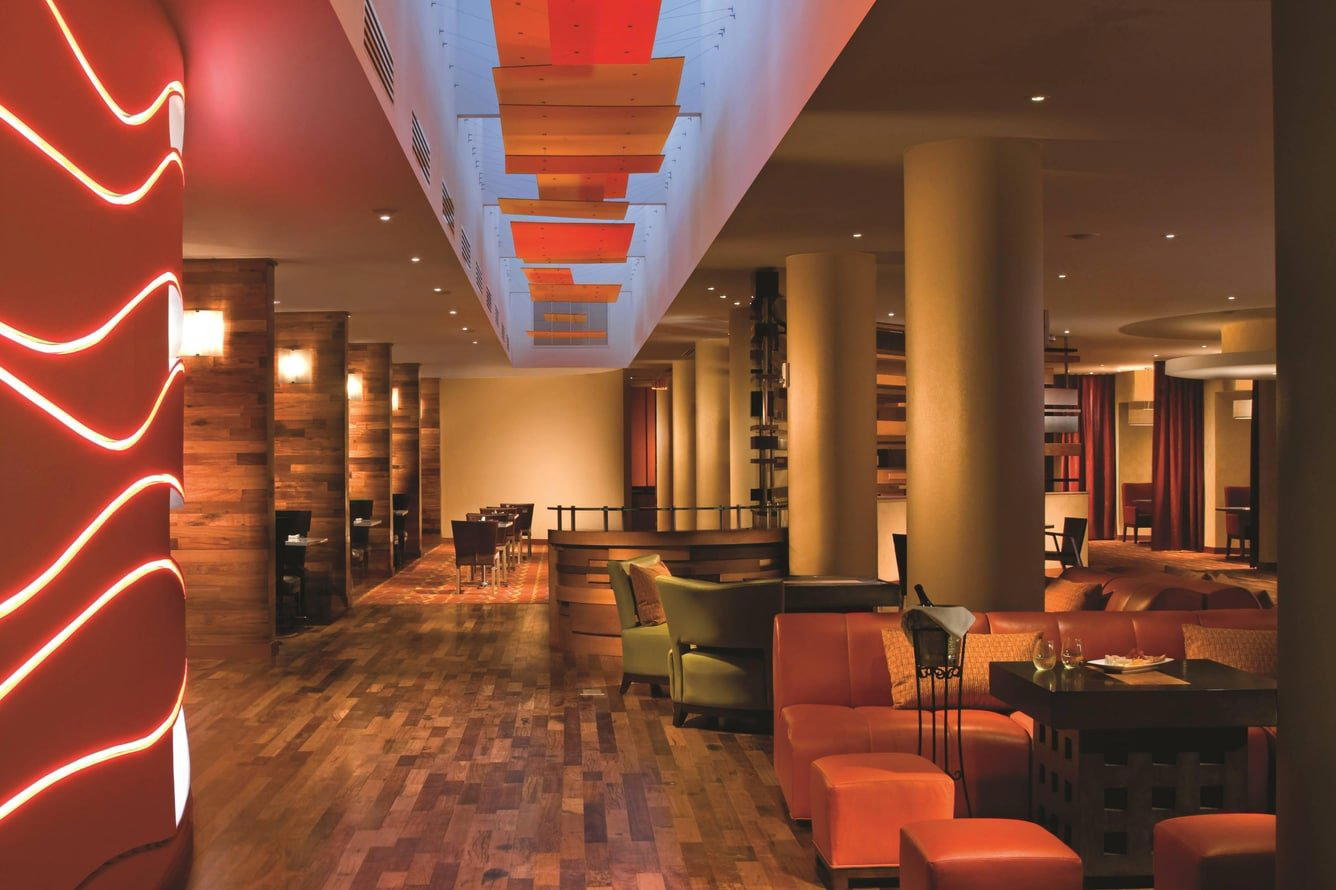
West of the Glam: Dining in Miami's Airport Corridor
Miami's restaurant conversation tends to collapse into a familiar geography: Brickell high-rises, Wynwood murals, South Beach terraces. The stretch along NW Le Jeune Road, threading past Miami International Airport and into the city's working-class commercial spine, gets considerably less editorial attention. That relative obscurity is, in itself, a meaningful signal. Restaurants here don't survive on foot traffic or hotel concierge referrals. They survive on regulars, on word of mouth, on food that earns repeat business from people who live and work in the neighbourhood rather than visiting it for a weekend.
Cane Fire Grille sits at 1201 NW Le Jeune Road, inside Building A of a commercial complex that serves the airport's working orbit: logistics companies, airline contractors, freight operations. That separation is not a weakness. It defines the restaurant's function: it serves a community rather than performing for one.
The Cooking Tradition Behind the Name
Fire-led cooking has deep roots across South Florida's cultural geography. The Argentinian tradition of open-flame asado, the Caribbean practice of charcoal-grilled proteins seasoned with sofrito and achiote, the Cuban roasting methods that have shaped Miami's street food since the mid-twentieth century — these are not imported novelties here. They are the baseline. A name like Cane Fire Grille draws on that inheritance: sugarcane, historically central to Caribbean agriculture and cuisine, and fire as a cooking method rather than a marketing gesture.
That lineage places the restaurant in a broader South Florida tradition that includes serious wood-fire programs at the luxury end, such as Ariete in Coconut Grove and the Argentinian-inflected open-flame work at Los Fuegos by Francis Mallmann in South Beach. Cane Fire Grille operates in a different register from those venues, but the culinary conversation about fire and heat as primary ingredients connects them across price point and zip code.
Where This Address Fits Miami's Dining Map
Miami's food scene has developed distinct geographic clusters, each with its own character and price expectations. Wynwood and the Design District concentrate the city's contemporary fine dining, from the precise Italian-leaning cooking at Boia De to the Nikkei-inflected menu at ITAMAE. These venues compete in a different tier and draw from the city's visitor economy as much as its residential base.
The NW Le Jeune corridor operates outside that ecosystem. Restaurants along this stretch serve a population that includes airport workers on shift rotations, Miami-Dade County employees, and residents from the surrounding Flagami and Fontainebleau neighbourhoods. The dining expectations here are calibrated to value, consistency, and portions — the criteria that define a restaurant as genuinely useful to its community rather than aspirationally positioned toward it.
That context matters for anyone arriving from outside the area. The physical approach along Le Jeune Road is functional rather than atmospheric: chain motels, auto repair shops, aviation services. The reward for getting past those first impressions is access to a category of Miami restaurant that doesn't translate well into travel content but that locals defend with the kind of loyalty that takes years to earn. For a broader survey of where Cane Fire Grille fits within Miami's full dining range, the EP Club Miami restaurants guide maps the city's distinct culinary zones in more detail.
Fire-Cooking Programs Across the American Scene
The emphasis on live-fire cooking as a culinary identity has expanded significantly across American restaurants over the past decade. Restaurants built around ember and flame have moved from a regional South American and Southern tradition into a mainstream category, with serious programs appearing at venues as architecturally different as Blue Hill at Stone Barns in Tarrytown, where wood-fired hearths anchor a farm-driven tasting format, and Lazy Bear in San Francisco, where fire functions as a conceptual through-line across a prix-fixe structure. At the opposite end of the formality spectrum, neighbourhood grill houses have always treated fire as a practical tool rather than a concept, producing results that bypass the self-consciousness of fine dining without sacrificing technical seriousness.
Across the United States, the restaurants that have built lasting reputations around fire-led cooking, from Emeril's in New Orleans and Smyth in Chicago to the more controlled environments of The French Laundry in Napa and Addison in San Diego, share a commitment to heat as a flavour-building technique rather than a visual flourish. That commitment reads differently depending on the context: in a fine dining room, it requires precision and restraint; in a neighbourhood grill house, it requires consistency and volume. Both are legitimate expressions of the same underlying discipline.
Miami's position in that national conversation is informed by its Caribbean and Latin American food cultures, where fire has never been a trend. Venues like Providence in Los Angeles, Le Bernardin in New York City, and Atomix in New York City represent how technique-driven cooking becomes codified into critical recognition. In Miami's neighbourhood grill tradition, that codification happens through a different mechanism: community memory and repeat business rather than award committees.
Know Before You Go
Planning Notes
- Address: 1201 NW Le Jeune Rd, Building A, Miami, FL 33126
- Location context: Airport corridor, west of Brickell; accessible by car; limited pedestrian approach
- Parking: Commercial complex with on-site parking typical for this address type
- Leading timing: Weekday lunch draws the neighbourhood worker crowd; service pace is calibrated to that rhythm
- Phone / website: Not currently listed in public directories; visit in person or check local listings for current hours
How Cane Fire Grille Miami compares with similar nearby venues.
| Venue | Cuisine |
|---|---|
| Versailles | Cuban |


At a Glance
- Cozy
- Trendy
- Casual Hangout
- Business Dinner
- Family
- Hotel Restaurant
- Craft Cocktails
- Local Sourcing
Current opening hours
- Monday
- 6–11 AM, 11:30 AM–12 AM
- Tuesday
- 6–11 AM, 11:30 AM–12 AM
- Wednesday
- 6–11 AM, 11:30 AM–12 AM
- Thursday
- 6–11 AM, 11:30 AM–12 AM
- Friday
- 6–11 AM, 11:30 AM–12 AM
- Saturday
- 6–11 AM, 11:30 AM–12 AM
- Sunday
- 6–11 AM, 11:30 AM–12 AM
Hours can change for holidays and private events. Last verified .
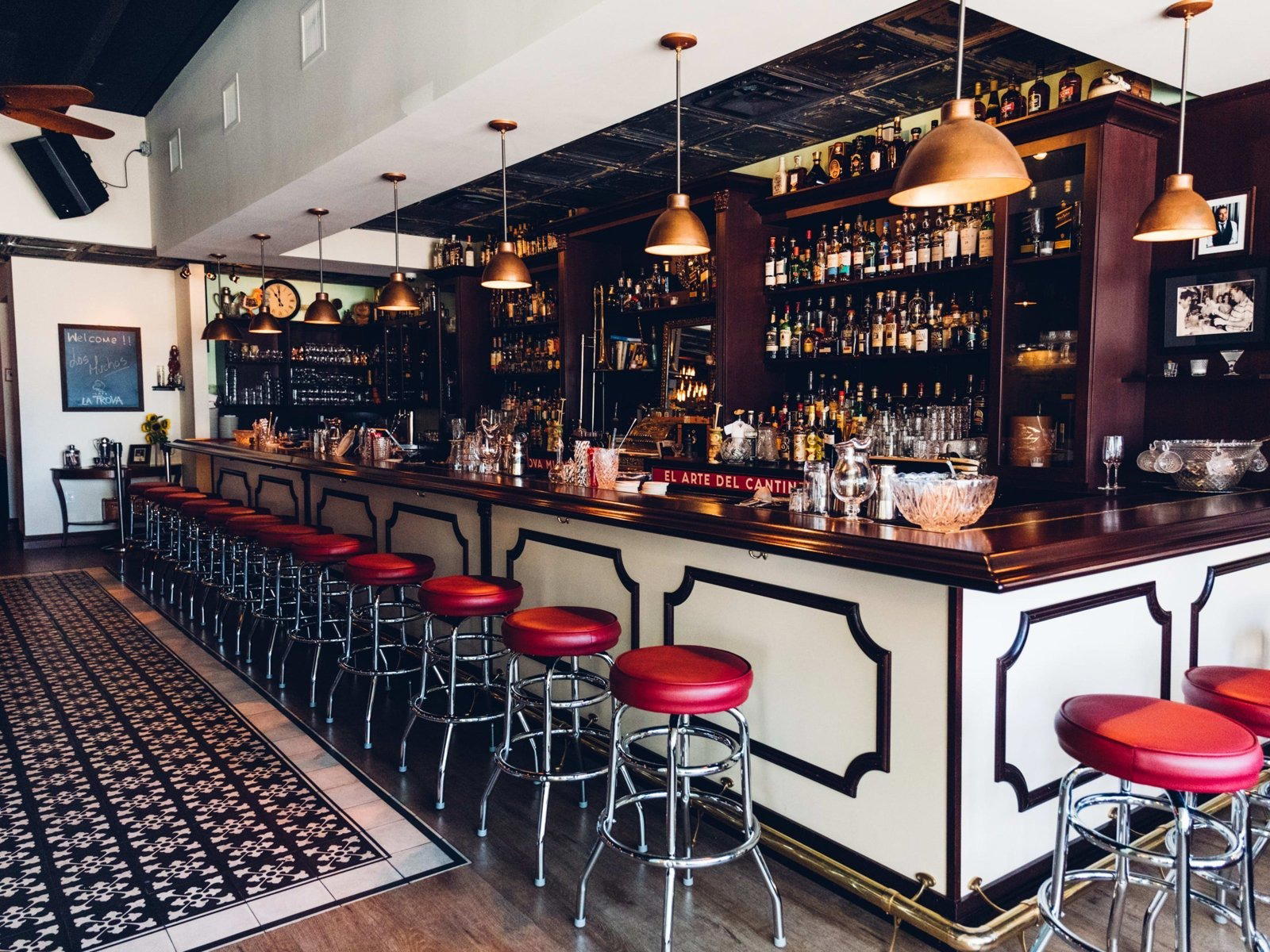
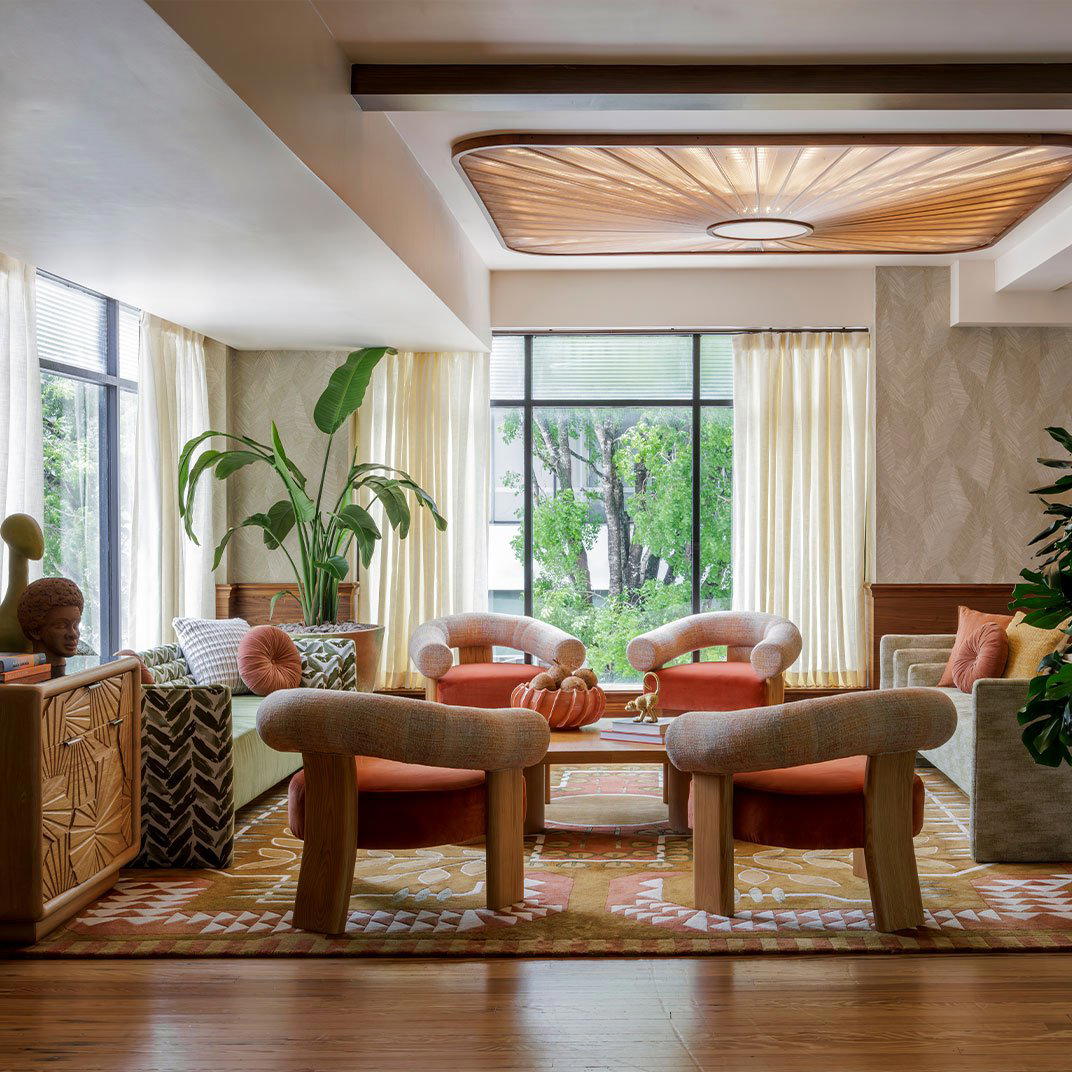
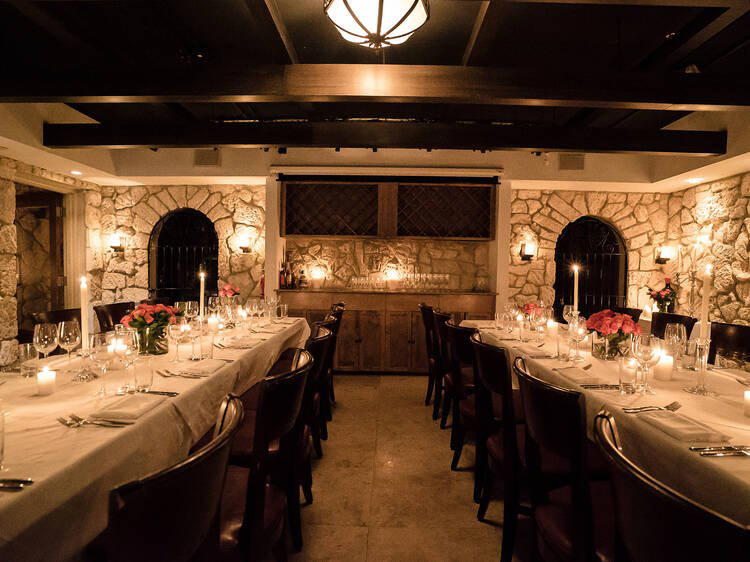
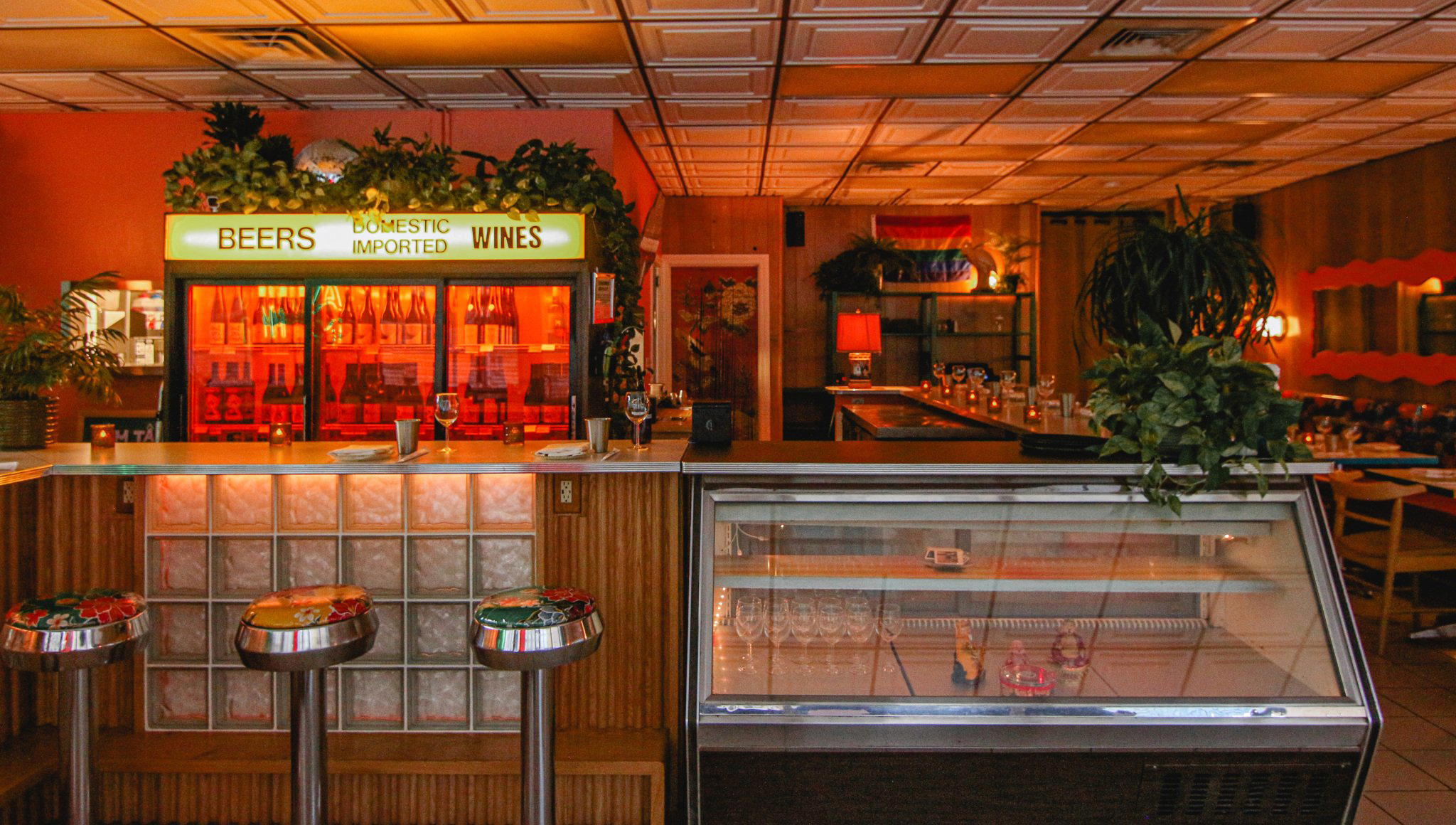
Welcoming and cozy atmosphere with a modern twist on comfort food, ideal for travelers seeking casual-elegant dining.
Know Before You Go
- Getting there
- 1201 NW Le Jeune Rd Building A, Miami, FL 33126