Little Serow
Little Serow occupies a narrow basement space on 17th Street NW, bringing northern Thai cooking, the fermented, funky, fire-driven food of Chiang Mai and the hill country, to Dupont Circle. The format is fixed-price and no-reservations, which in Washington's reservation-heavy dining culture reads as a deliberate counterstatement. It sits in a city that now takes Southeast Asian cooking seriously.
- Address
- 1511 17th St NW, Washington, DC 20036
- Directions
- Get directions
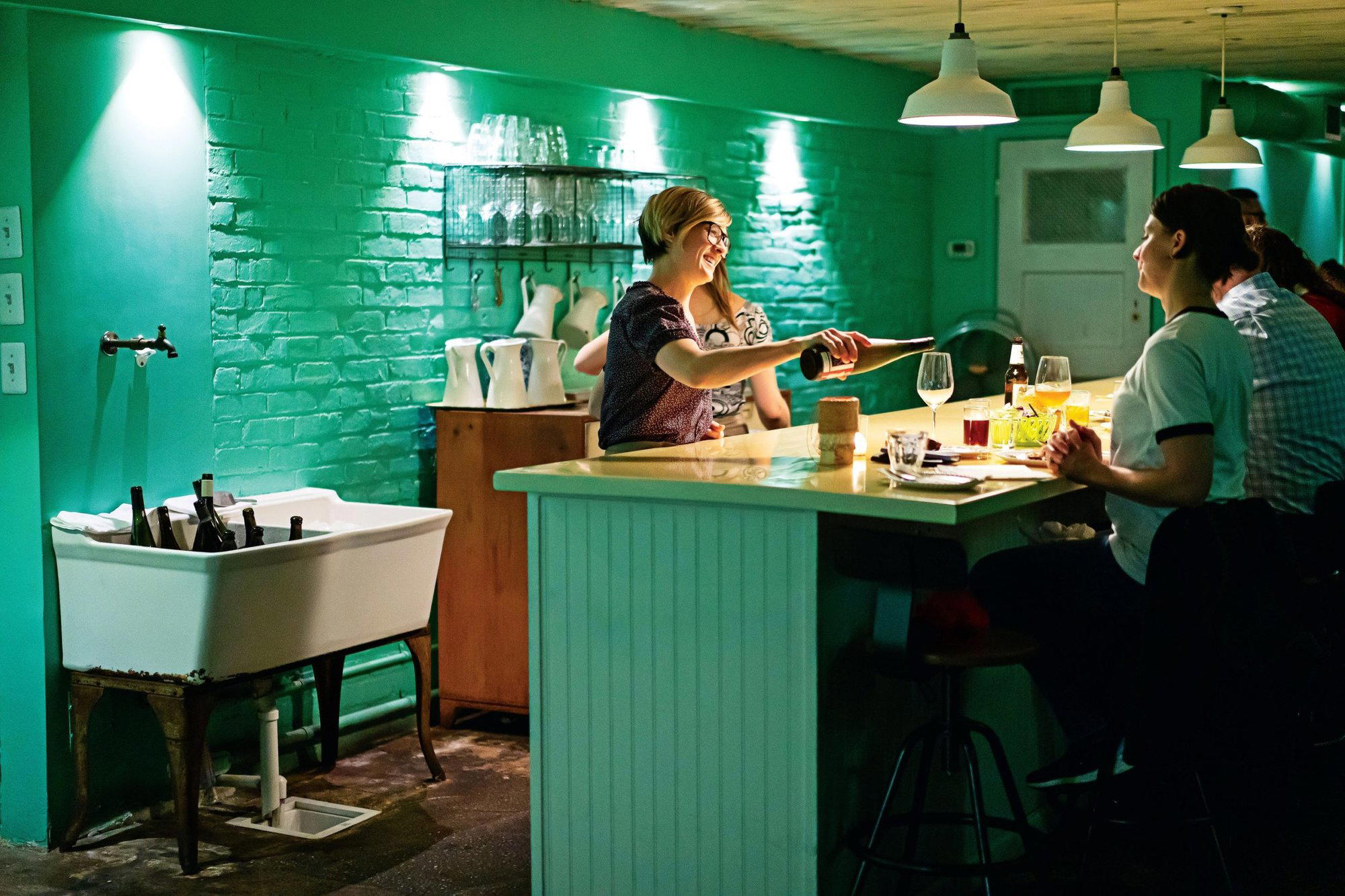
Dupont Circle After Dark: What 17th Street Signals
The stretch of 17th Street NW running through Dupont Circle has never been Washington's flashiest dining corridor. It lacks the institutional weight of Penn Quarter, the ambient prestige of Georgetown's M Street, or the newcomer energy now concentrated around Shaw and 14th Street NW. What it has is a loyal local clientele and a handful of rooms that operate without much interest in being discovered by the wider dining conversation. Little Serow is a Northern Thai prix fixe restaurant in Washington, D.C. priced at about $45 per person, and it belongs to that last category, making that obscurity part of the logic.
Washington's relationship with Southeast Asian cooking has evolved considerably over the past decade. The city's Thai restaurant offer, long dominated by mid-range neighbourhood spots built around pad thai and green curry, has been supplemented by a smaller tier of kitchens that treat the regional cooking of northern Thailand, the Isan and Lanna traditions, the fermented pastes, the raw-meat larbs, the dishes that don't easily translate into a standardised menu, as worthy of serious format and serious prices. Little Serow arrived early in that shift and shaped what followed.
The Basement, the Queue, and the Format
The physical approach matters here. There is no signage that announces arrival in the way a typical Dupont Circle restaurant might. The staircase descends into a room that seats a limited number of diners, with a no-reservations policy that produces a queue on the sidewalk above, a format that, in a city where tables at Jônt and minibar are secured weeks in advance through timed online releases, reads as genuinely unusual. The wait is the first signal that this room operates on its own terms.
The no-reservations policy is not simply a quirk, though the restaurant is walk-in friendly. In Washington's dining culture, where premium formats from contemporary tasting menus to the fixed-format counter at Causa tend to require advance planning, a walk-in queue creates a different social dynamic. The room fills with people who have made a specific effort to be there that evening, not people honouring a booking they made a month prior. The energy in that kind of room tends to be deliberate.
Format is a weekly-changing fixed menu, a structure that aligns Little Serow with a broader shift in ambitious American restaurants toward menus that rotate on the kitchen's schedule rather than the customer's preference. The approach rewards repeat visits in a way that a static à la carte cannot. Diners who have been several times will have encountered different iterations of the kitchen's central preoccupations: fish sauce-cured proteins, fresh herbs at volume, dried chiles at various stages of heat, and fermented elements that arrive without apology.
Northern Thai Cooking in an American Context
Northern Thai cuisine, the food of Chiang Mai, the Shan hills, and the border regions stretching toward Myanmar and Laos, operates on different flavour logic than the central Thai cooking most American diners know. Sweetness is subdued. Sourness from fermentation and tamarind plays a structural role rather than a background note. Bitterness, from particular vegetables and herbs, is not corrected. Heat from dried chiles accumulates across a meal rather than arriving in a single, isolated dish.
Few American restaurants have treated this tradition with the same seriousness that restaurant applies to it. The comparison set is instructive: where restaurants like Albi use a fixed format to reframe Middle Eastern cooking for a Washington audience, and Oyster Oyster uses a similar structure to present vegetable-forward cooking as a complete culinary argument, the restaurant makes northern Thai food the entire premise, not a reference point or an influence, but the thing itself.
That specificity has consequences for the dining experience. Some dishes will be challenging by design. The funky depth of a good pork larb, the raw-edged heat of a jungle curry without the coconut milk buffer that moderates most Thai curries in American restaurants, the fermented fish paste that anchors certain preparations, these are not softened for a broader audience. Washington's dining public has, by most measures, become more receptive to that kind of demand, but the restaurant has been making it since before that receptivity was widespread.
Where It Sits in Washington's Dining Conversation
Washington's fine-dining tier has grown considerably more competitive in recent years. The capital now sustains multiple Michelin-starred rooms, a serious natural wine infrastructure, and a willingness to support formats, the tasting counter, the prix-fixe only, the walk-in queue, that would have seemed commercially marginal a decade ago. Against that backdrop, the restaurant occupies a position that is neither especially expensive option nor especially institutionally recognised, but one with a specific durability that more recently opened rooms have not yet demonstrated.
The relevant comparable set is not the prix-fixe tasting menu tier represented by rooms like Jônt or, further afield, the structured counter formats at Lazy Bear in San Francisco or Smyth in Chicago. The restaurant's price point sits below that tier. It is closer in format logic to a neighbourhood room that has decided its cuisine will be taken seriously on its own terms, comparable in ambition, if not in cuisine, to what Oyster Oyster does for sustainable American cooking or what Albi does for Levantine traditions in the same city.
Planning a Visit
The restaurant operates on a no-reservations basis, which means arriving early, particularly on weekends, is the practical strategy. The room's limited size means queues can form before service begins, and the kitchen's fixed-menu format means there is no fallback à la carte option if the evening's menu includes elements that don't suit a diner's preferences. The weekly-rotating structure means the experience on a Tuesday in March will differ meaningfully from a Saturday in October. The address, 1511 17th St NW, places it within walking distance of the Dupont Circle Metro station on the Red Line.
Cuisine Context
Comparable venues nearby, for context on price, style, and recognition.
| Venue | Cuisine | Price | Notes |
|---|---|---|---|
| Little SerowThis venue — the venue you are viewing | Northern Thai Prix Fixe | $$ | Not listed |
| Rimtang | Authentic Thai Street Food | $$ | West Village Georgetown |
| Baan Siam | Northern Thai | $$ | Mount Vernon Triangle |
| Alfie’s | Locally Sourced Northern & Isaan Thai | $$ | Georgetown |
| Brisa | Coastal Latin with Tulum-inspired vibes | Not listed | Buzzard Point |
| Rice | Modern Thai | $$ | Logan Circle |
Continue exploring
More in Washington DC
Restaurants in Washington DC
Browse all →
Bars in Washington DC
Browse all →
Hotels in Washington DC
Browse all →

At a Glance
- Cozy
- Rustic
- Intimate
- Date Night
- Special Occasion
- Open Kitchen
- Sake Program
Dim lighting, low ceilings, turquoise brick walls, repurposed wood and metal furniture creating a rustic country home feel with upbeat old country music.