Rimtang
Our verdict
Rimtang occupies a Georgetown address on 33rd Street NW, sitting within one of Washington's most food-literate neighbourhoods. The venue draws a steady local following, placing it in a tier of Georgetown dining defined less by institutional recognition and more by repeat clientele and quiet consistency. Its position on the street signals neighbourhood dining at a level the area's regulars have long understood.

Pearl is the En Primeur Club membership app, where members save venues, book tables and use the concierge.

The menu
What to order
- Nam Prik Ong
- Mama’s Fried Rice
- Papaya Salad
Georgetown's Quiet Loyalists
Georgetown's dining character has always operated on two frequencies: the high-profile dining room that draws the city's policy crowd, and the neighbourhood fixture that earns its reputation through repetition rather than awards cycles. Rimtang, at 1039 33rd Street NW, belongs to the second category. The street itself, a quieter residential stretch within Georgetown's western grid, sets expectations before you arrive. This is not a destination address built for spectacle. It is the kind of location where regulars park without thinking about it, where the walk from the door to a familiar table takes seconds.
That geography matters. Georgetown's food scene has long supported a two-tier dynamic. The first tier includes high-investment dining rooms competing with downtown peers like Jônt and minibar for national recognition. The second tier is smaller, more local, and often more durable. Rimtang operates in that second register, a place where the relationship between the room and its neighbourhood clientele is the defining characteristic, not a tasting menu structure or a celebrity chef lineage.
What the Regulars Know
Across Washington's competitive dining set, the venues with the most durable followings tend to share a common trait: the menu is understood differently by first-time visitors and by the people who return monthly. At restaurants like Oyster Oyster and Causa, the returning guest has a reading of the menu that goes beyond the printed page, a knowledge of what to order without deliberation, which preparation to request, which timing works well for the room's energy. Rimtang's 33rd Street location, embedded in a residential pocket of Georgetown, suggests that same dynamic is operative here.
The neighbourhood context reinforces this. Georgetown's residents are not a transient dining audience. Unlike the downtown lunch crowd cycling through expense-account options, or the Capitol Hill dinner circuit rotating through political dining rooms, Georgetown's regulars tend to return to the same addresses across seasons. A venue on 33rd Street NW earns that loyalty by delivering something consistent and legible, not necessarily innovative, but dependable in the specific way that neighbourhood restaurants in cities like this one tend to be.
In this respect, Rimtang's positioning echoes patterns visible in cities with similarly loyal neighbourhood dining cultures. The Georgetown regular who knows this address is making a different kind of choice than the visitor consulting a guide. They are choosing familiarity with intent, the way diners at Albi in Navy Yard return for the wood-fired format they trust, or the way Blue Hill at Stone Barns's farm-tied menu generates a repeat guest who tracks the seasonal rotation deliberately.
Where Georgetown Sits in Washington's Dining Picture
Washington's dining scene has diversified considerably over the past decade. The city now supports a broader competitive set than the traditional power-lunch establishments that once defined it. Formats range from the tasting-menu tier, where venues like Jônt compete nationally alongside The French Laundry and Alinea in terms of format ambition, to more approachable neighbourhood rooms that serve the city's residential dining appetite.
Georgetown specifically has maintained a quieter profile within that expansion. While neighbourhoods like Shaw, Navy Yard, and 14th Street have attracted the bulk of the city's high-concept openings in recent years, Georgetown's dining identity has remained more residential in character. The neighbourhood's food-literate population, a mix of longstanding residents, university adjacents, and diplomatic-quarter households, supports venues that do not need press cycles to fill seats. Rimtang's address at the western edge of that neighbourhood places it within that stable ecosystem.
For context: the venues that have found the most durable success in Georgetown and its adjacent areas tend to be those that understand the room's relationship to its surroundings. In the same way that Lazy Bear in San Francisco or Providence in Los Angeles have built a loyal base by reading their local dining cultures accurately, Georgetown's most consistent performers operate on the frequency their neighbourhood expects.
Planning a Visit
This is standard practice for smaller neighbourhood venues in Washington that do not maintain high-volume online booking infrastructure.
For first-time visitors arriving from outside Georgetown, the 33rd Street NW address is accessible from M Street via a short walk west. Georgetown lacks a Metro stop, so visitors typically arrive by rideshare, taxi, or on foot from Foggy Bottom station, which is a walkable distance for those with reasonable mobility. Street parking in the area follows residential permit rules on evenings and weekends, worth confirming before driving.
Rimtang in Context: A Quick Comparison
| Venue | Neighbourhood | Price Tier | Format | Booking Approach |
|---|---|---|---|---|
| Rimtang | Georgetown | Not confirmed | Neighbourhood dining | |
| Causa | Downtown / Penn Quarter | $$$$ | Peruvian tasting | Online reservations |
| Oyster Oyster | Shaw | $$$ | Sustainable New American | Online reservations |
| Albi | Navy Yard | $$$$ | Middle Eastern wood-fire | Online reservations |
Frequently asked questions
Should I splurge on Rimtang?
Georgetown's dining corridor runs from casual to mid-range to white-tablecloth, so managing expectations before arrival matters, the venue's neighborhood reputation among locals is the strongest signal available until pricing is documented.
Cuisine-First Comparison
Comparable venues nearby, for context on price, style, and recognition.
| Venue | Cuisine | Price | Awards | Notes |
|---|---|---|---|---|
| RimtangThis venue (the venue you are viewing) | Authentic Thai Street Food | $30–50 | Not listed | Not listed |
| Rice | Modern Thai | $20–30 | Not listed | Logan Circle |
| Sura | Modern Thai Izakaya | $50–100 | Washingtonian 100 Very Best Restaurants #93 | Embassy Row |
| Alfie’s | Locally Sourced Northern & Isaan Thai | Not listed | Not listed | Georgetown |
| Regent Thai Cuisine | Traditional Thai Cuisine | $20–30 | Not listed | Washington Heights |
| Nooshi | Pan-Asian Noodles & Sushi | $20–30 | Not listed | Golden Triangle |
Continue exploring
More in Washington DC
Restaurants in Washington DC
All restaurants in Washington DC →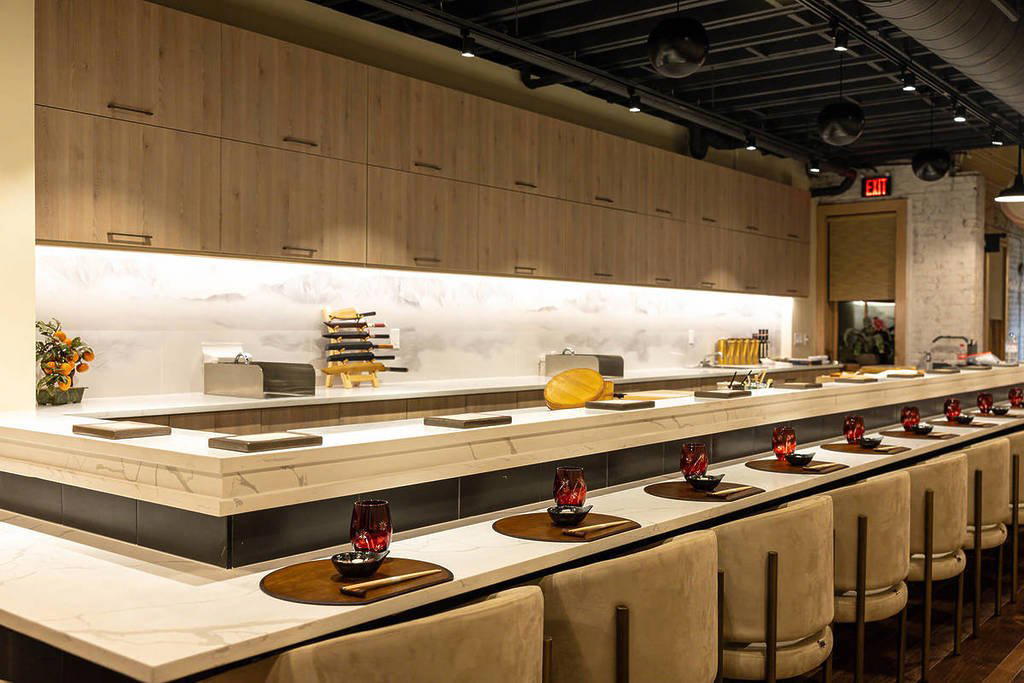
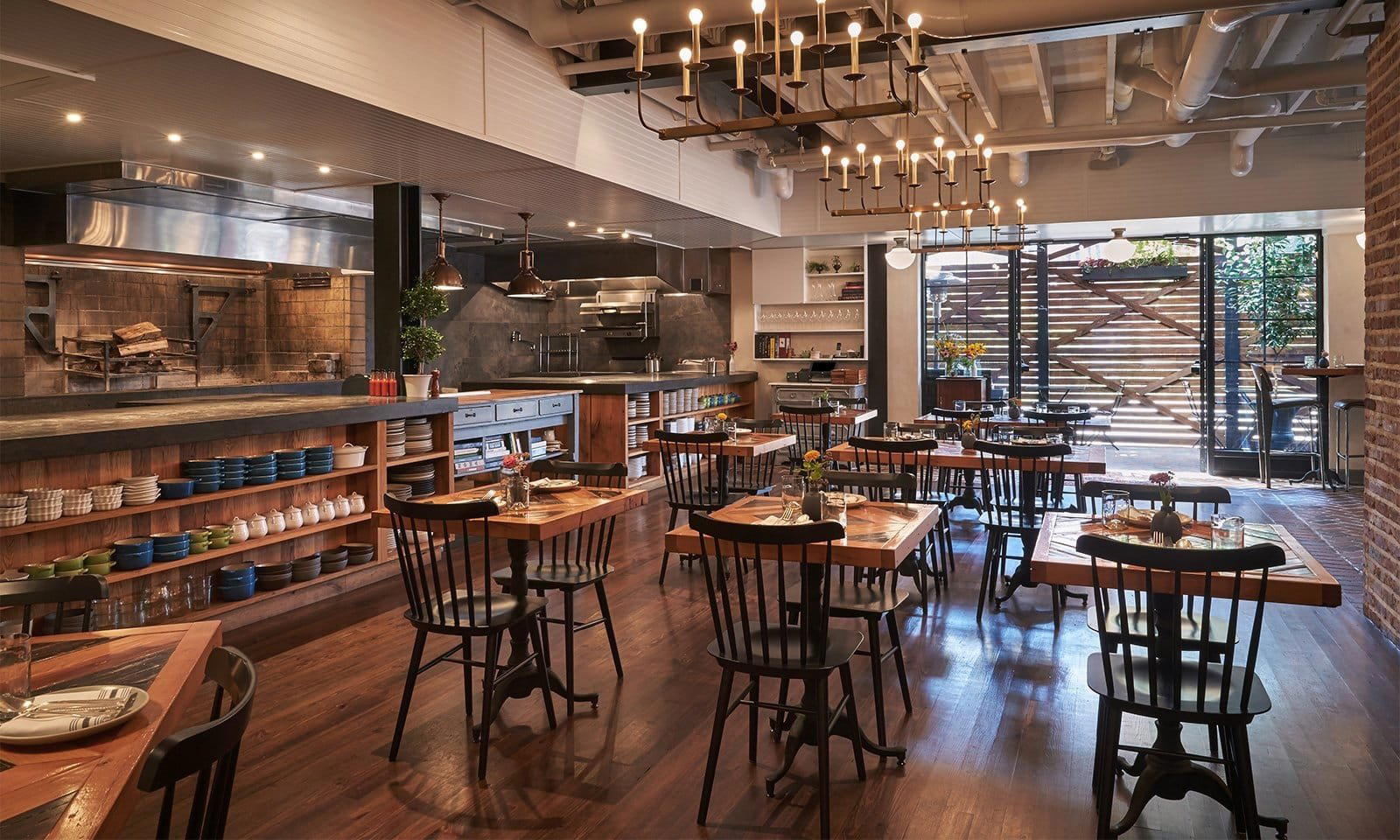
Bars in Washington DC
All bars in Washington DC →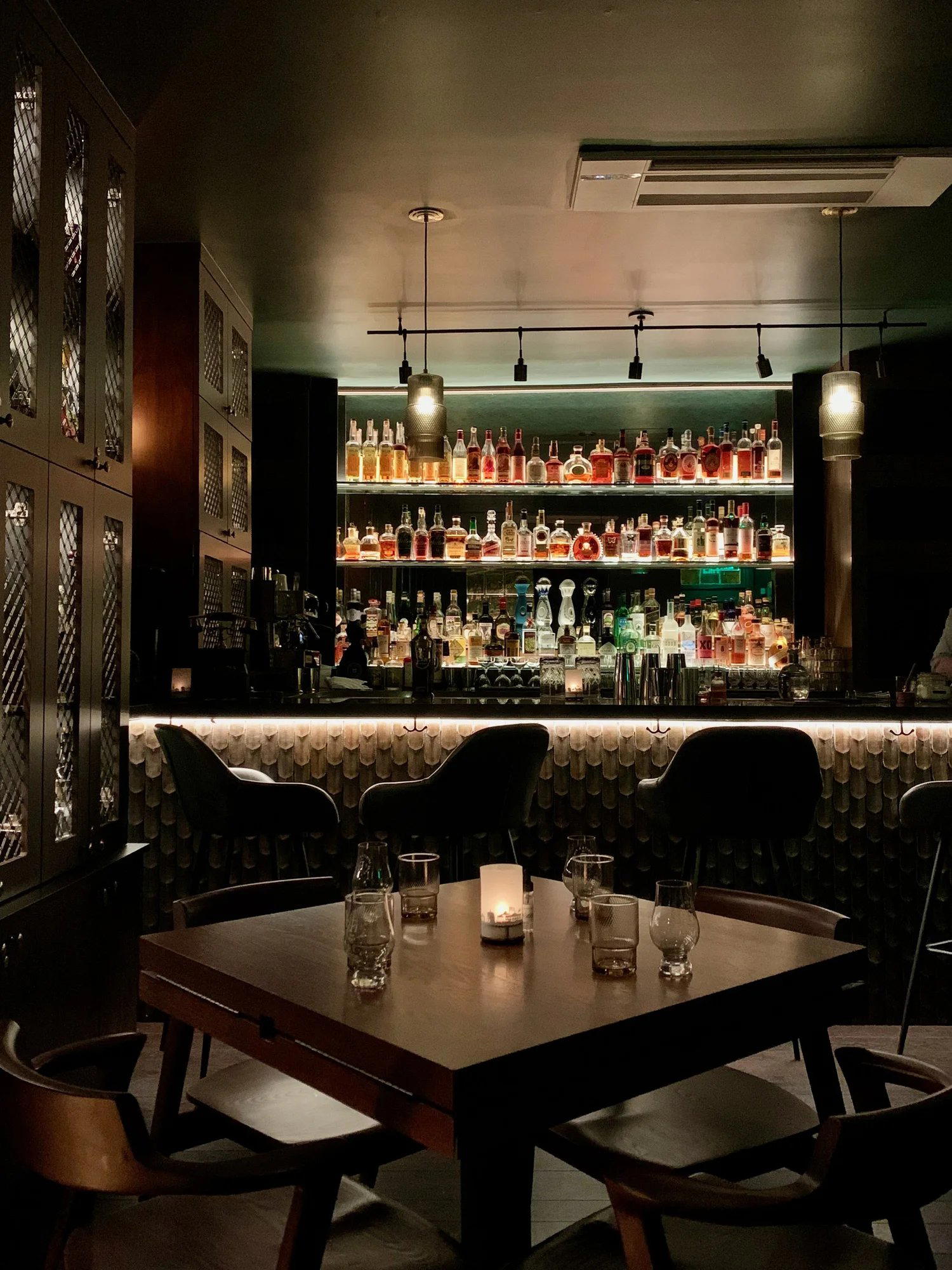
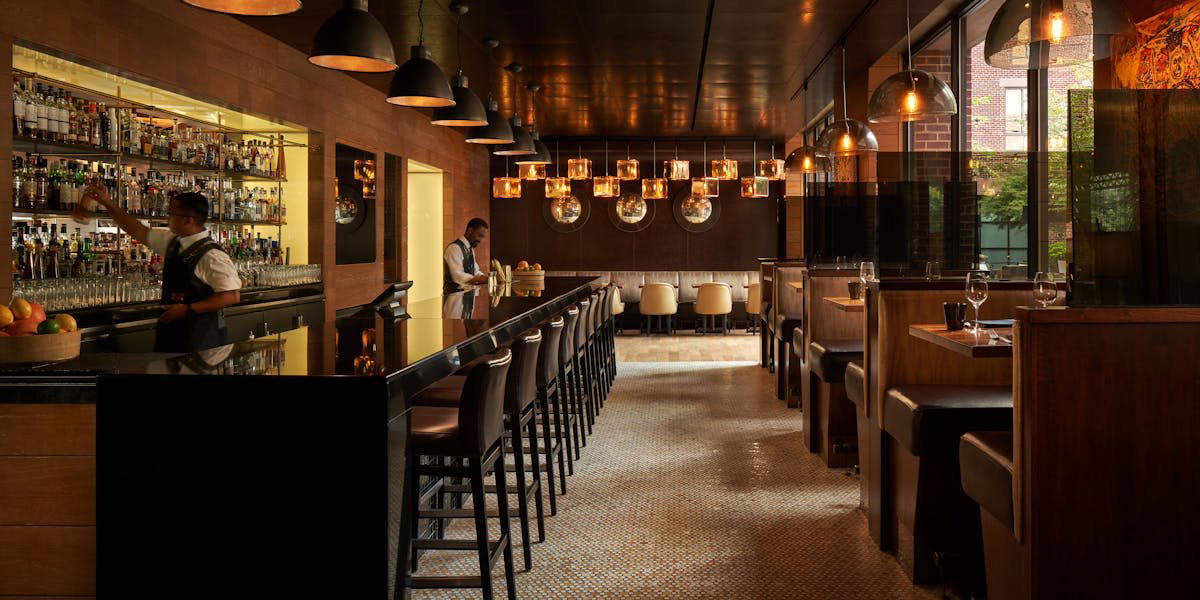
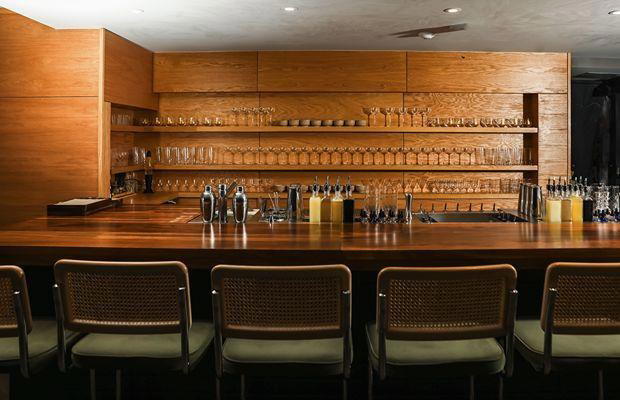

Details
- Cozy
- Trendy
- Intimate
- Casual Hangout
- Date Night
- Group Dining
- Open Kitchen
- Sake Program
- A La Carte
- Small Plates
- Vegetarian Friendly
- Gluten Free Options
Current opening hours
- Monday
- 12–3 PM, 4–9 PM
- Tuesday
- 12–3 PM, 4–9 PM
- Wednesday
- 12–3 PM, 4–9 PM
- Thursday
- 12–3 PM, 4–9 PM
- Friday
- 12–3 PM, 4–10 PM
- Saturday
- 12–3 PM, 4–10 PM
- Sunday
- 12–3 PM, 4–9 PM
Hours can change for holidays and private events. Hours as of .
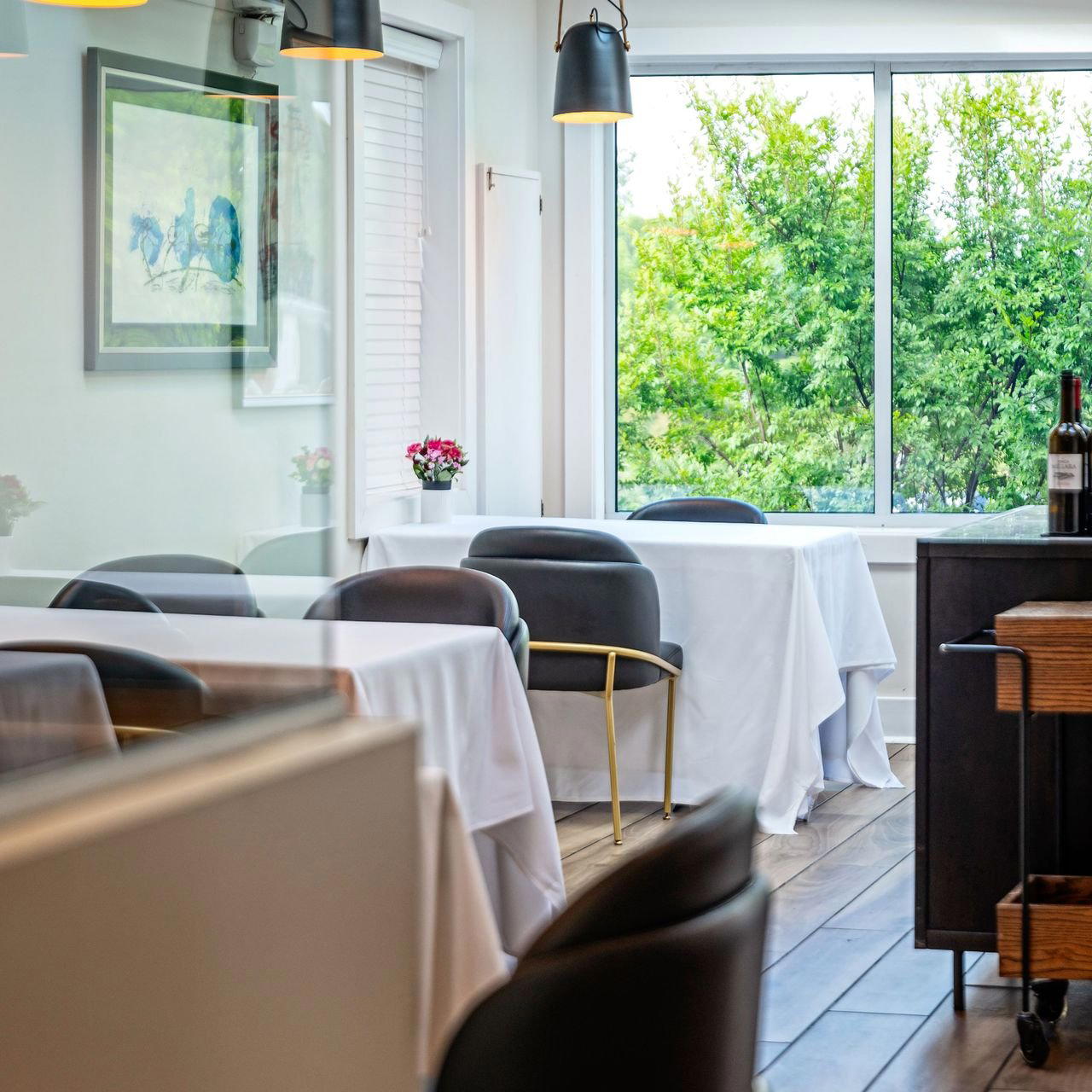
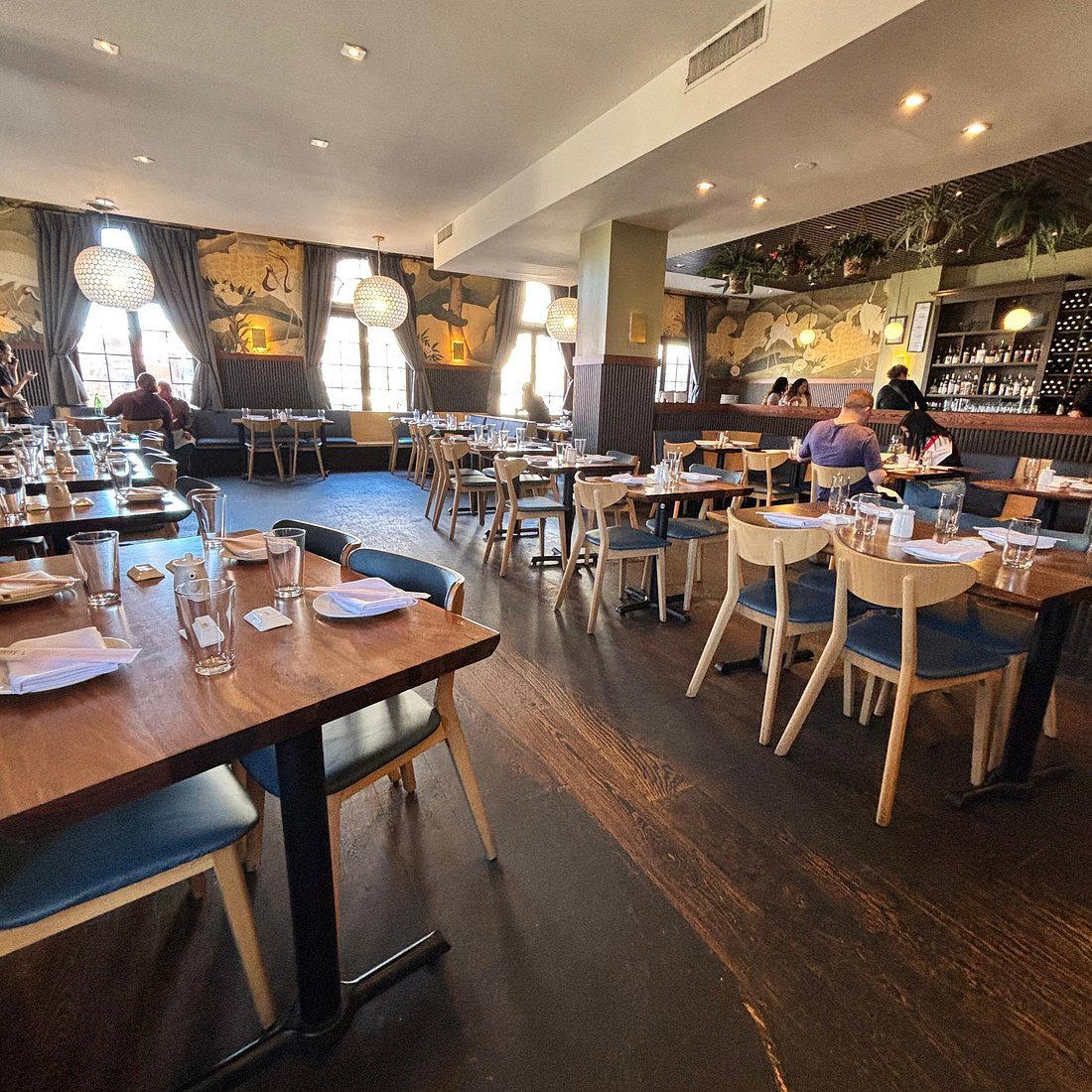
Warm, cozy two-story space in a colorful row home with neighborhood feel and character, ideal for relaxing meals.