Baan Siam

Washingtonian 100 Very Best Restaurants #76
Our verdict
Baan Siam brings Thai cooking into Washington, D.C.’s broader conversation about regional Asian restaurants: specific enough for diners who care about culinary roots, approachable enough for a mixed table. Its placement at No. 76 on Washingtonian’s 100 Very Best Restaurants 2026 gives it a clear local signal without turning the meal into a trophy exercise.

Pearl is the En Primeur Club membership app, where members save venues, book tables and use the concierge.
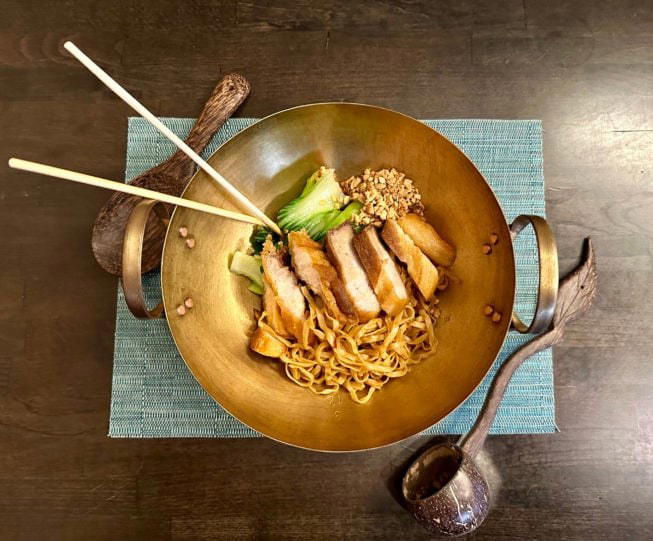
The menu
What to order
- Khao Soi Gai
- Pumpkin stir-fry
- Tapioca dumplings
- Fish ball green curry
The room’s appeal starts before the menu is decoded: a Washington, D.C. setting, city pace, and the expectation that dinner will be built around vivid flavors rather than the neutral polish of many nearby expense-account restaurants. Washington has spent the past decade broadening its dining vocabulary beyond broad labels. Central-city rooms compete for the same evenings, but Baan Siam occupies a distinct lane because balance is structural, not decorative: contrast, intensity, and restraint are part of the meal’s architecture.
Baan Siam belongs in that conversation with local editorial recognition: Washingtonian placed it at No. 76 on its 100 Very Best Restaurants 2026 list. In a city where restaurant attention often follows federal corridors, convention traffic, and new-opening noise, that ranking does not explain the food by itself, but it locates the restaurant inside a competitive Washington field rather than treating it as a neighborhood fallback.
Balance in a city that often rewards polish over punch
The useful way to read this restaurant is through discipline, not luxury signals. Much of Washington dining prizes precision, service formality, and room design. Baan Siam asks a different question: can a kitchen keep intensity organized? The answer depends on how brightness, richness, seasoning, texture, and pacing work together across the table. The meal is less about one centerpiece than sequencing: something lively, something deeper, something refreshing, and something generous enough to share.
That format gives Baan Siam a role distinct from nearby comparison points. Ottoman Taverna, Mandu, and Bar Chinois each frame a different kind of Washington dining decision. Baan Siam sits closer to a table-driven model, where ordering well means building contrast. Avoid treating the menu as individual cravings; let the table cover texture, intensity, and freshness across several dishes.
Washington’s dining scene has long been more varied than visitors assume, partly because the city’s international population supports restaurants that need not flatten every flavor into a single register. The better meals keep force present without making excess the point and resist the shorthand that reduces a restaurant to a few familiar comfort orders. Baan Siam’s ranked-list recognition suggests it is being judged against the city’s serious dining rooms, not just casual neighborhood standards.
Where Baan Siam fits among Washington's mid-tier dining choices
Price information is not publicly listed here, so the more reliable planning frame is occasion rather than budget category. This is not the same decision as a formal dinner with heavy ceremony, nor the same kind of casual specialization as a single-purpose neighborhood stop. The appeal is a table that can carry a range of dishes without the choreography of a tasting menu, useful for diners who want character and enough critical standing to choose it over safer downtown defaults.
The Washington context helps. Around central Washington, restaurants serve overlapping audiences: office diners, residents, hotel guests, and people moving between museums, arenas, and nightlife. That mixed traffic can push kitchens toward compromise. Baan Siam’s style of restaurant is especially vulnerable because distinctive cooking can be softened quickly for broad comfort. The reason to pay attention here is that a Washingtonian 2026 ranking places Baan Siam inside a local critical filter, a stronger signal than generic popularity.
For readers mapping a fuller D.C. dining week, the point is contrast. A dinner here can sit alongside other Washington, D.C. picks that serve different occasions and audiences. The comparison is not cuisine-to-cuisine; it is about how Washington now supports meals built around specificity rather than generic upscale comfort.
How to order when the cuisine is the story
Order for range. Meals at Baan Siam reward cross-table architecture: a satisfying anchor, a sauced or richly seasoned dish, something fresh, and something with texture if the menu offers it. Without a verified signature dish list, the safer editorial guidance is category-based. Look for dishes that show central tensions: brightness against richness, intensity against sweetness, freshness against deeper or heavier elements. If the table only orders the safest and most familiar items, it misses the point.
Handle dietary planning before committing, especially for diners with allergies, restrictions, or ingredients they avoid. Kitchens working with layered sauces and seasoning bases can be flexible in some categories and constrained in others because those elements may be foundational, not optional garnishes. In Washington, where mixed dietary tables are common, clarity at the start is better than negotiation after dishes arrive.
Baan Siam also reminds us that restaurants rooted in specific cooking traditions in U.S. cities are often evaluated unfairly against two opposing expectations: total orthodoxy on one side, frictionless accommodation on the other. The better standard is more precise. Does the restaurant preserve its logic while functioning in its city? Here, the available signals point to a table that has earned a place in Washington’s current dining conversation without mimicking fine-dining theater.
Use the wider EP Club city guides to plan around that contrast: Our full Washington, D.C. restaurants guide, Our full Washington, D.C. hotels guide, Our full Washington, D.C. bars guide, Our full Washington, D.C. wineries guide, and Our full Washington, D.C. experiences guide. For cross-city context on focused casual and distinctive cooking, compare the way specificity can drive strong dining experiences in other cities without relying on generic upscale comfort.
Frequently asked questions
Where is Baan Siam located?
Washington, D.C.
Do I need a reservation for Baan Siam?
Given Baan Siam’s Washingtonian 2026 ranking, it is sensible to plan ahead rather than assume a walk-in table. The room sits in the category of places where timing matters.
What's the defining dish or idea at Baan Siam?
The defining idea is cooking handled with discipline, not theatrics. At Baan Siam in Washington, D.C. the focus is on balance: a range of dishes that work across the table rather than one single centerpiece.
Can Baan Siam adjust for dietary needs?
Kitchens can vary in how they adapt seasoning choices and other details, so it is best to ask Baan Siam directly. The practical step is to flag dietary needs before ordering.
Budget Reality Check
Comparable options at the same price tier.
| Venue | Cuisine | Price | Awards | Notes |
|---|---|---|---|---|
| Baan SiamThis venue (the venue you are viewing) | Northern Thai | $30–50 | Washingtonian 100 Very Best Restaurants #76 | Not listed |
| Ottoman Taverna | Authentic Turkish Kebabs & Meze | $30–50 | Michelin Plate | Turkish |
| Cucina Morini | Southern Italian Coastal | $50–100 | Michelin Plate · James Beard Award Semi Finalist | Italian |
| Bar Chinois | Chinese-French Fusion Dim Sum Bar | $50–100 | Michelin Plate | Asian |
| Mandu | Authentic Korean | $30–50 | Michelin Plate | Korean |
| China Boy | Authentic Cantonese Noodles | $10–20 | Not listed | Not listed |
Recognition history
Dated appearances from independent guides and award organizations, with the underlying list record or original source where available.
Washingtonian 100 Very Best Restaurants #76
Washingtonian
Continue exploring
More in Washington DC
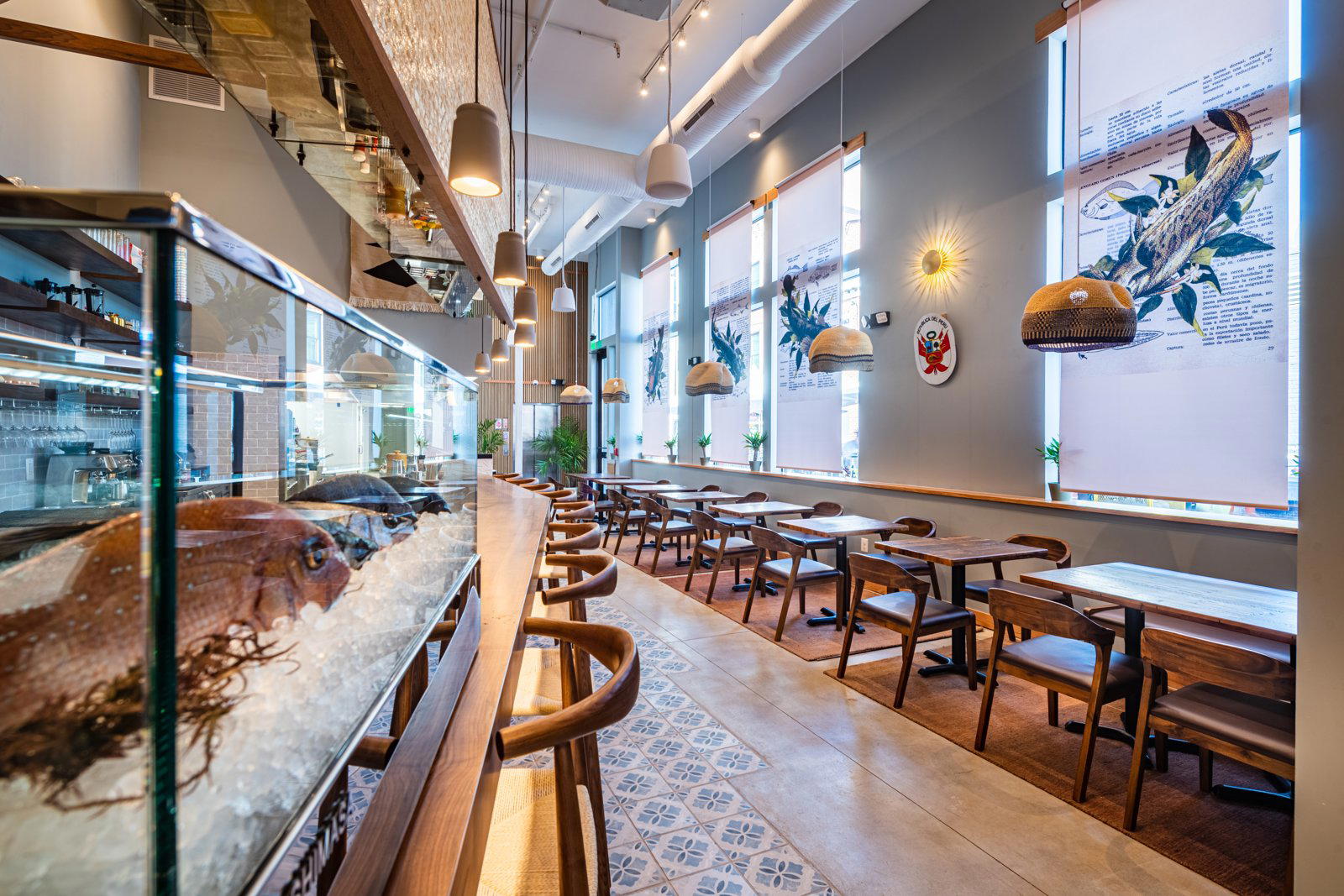
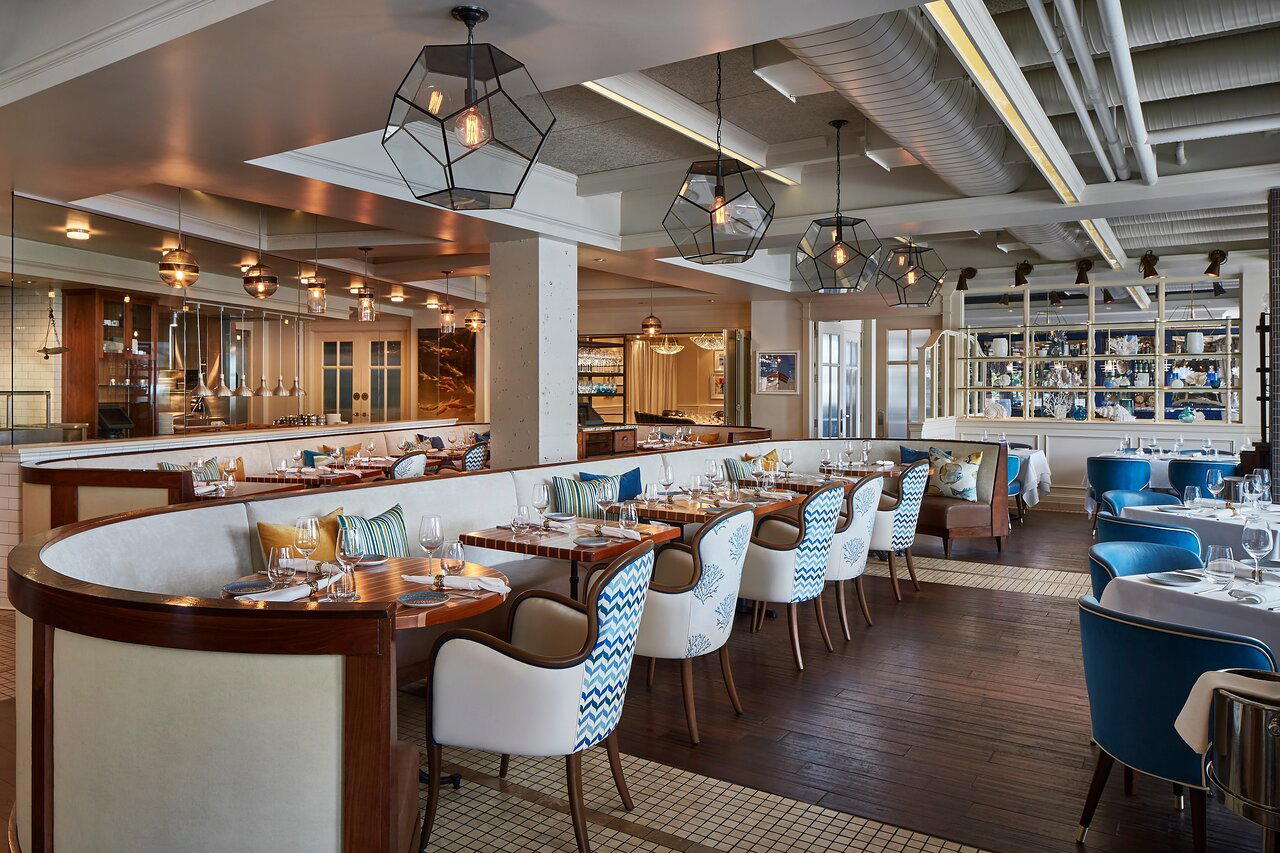
Restaurants in Washington DC
All restaurants in Washington DC →
Bars in Washington DC
All bars in Washington DC →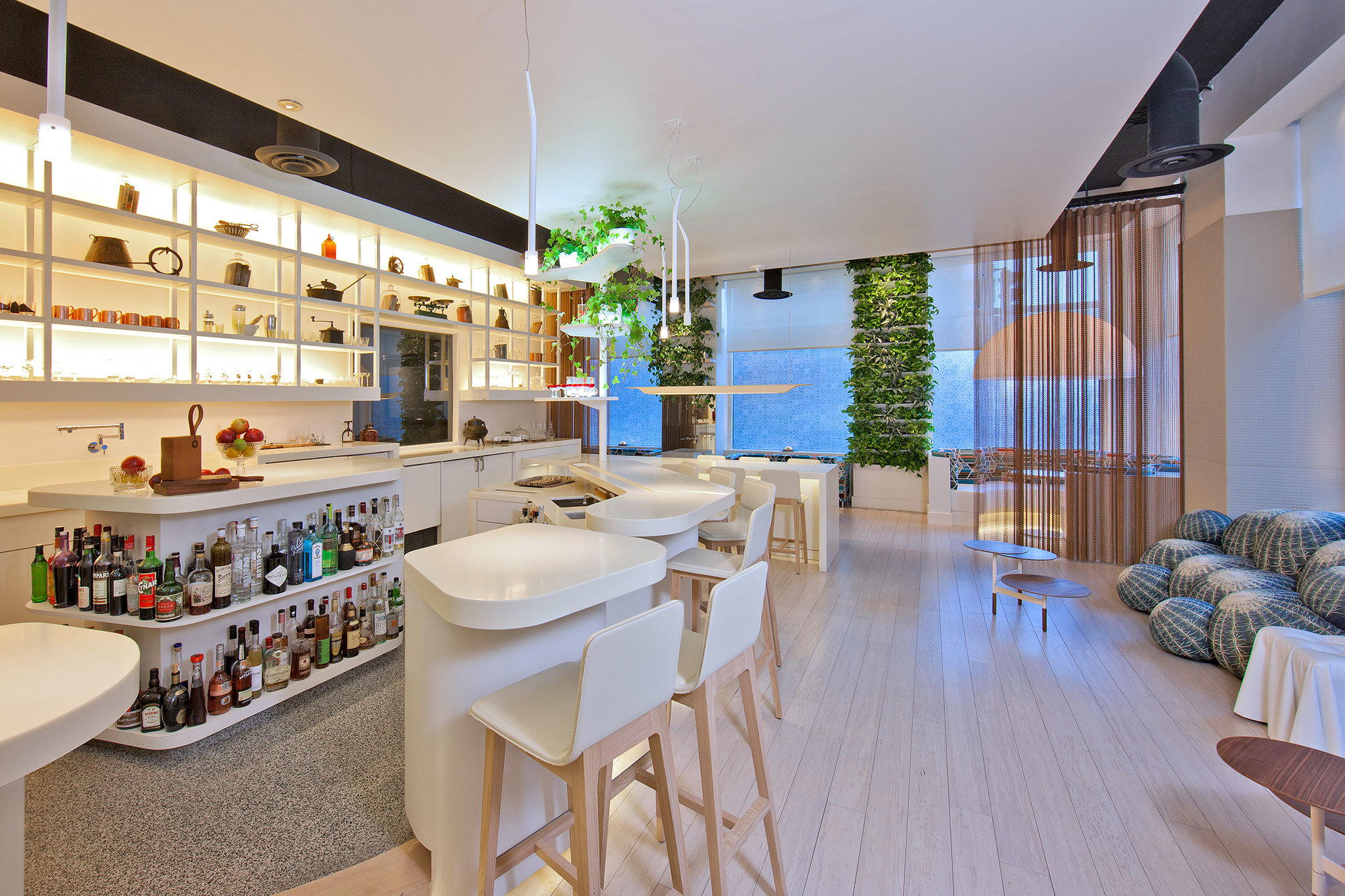

Details
- Lively
- Cozy
- Trendy
- Date Night
- Group Dining
- Family
- Casual Hangout
- After Work
- Celebration
- Standalone
- Beer Program
- A La Carte
- Beer
- Vegetarian Friendly
- Vegan Options
- Gluten Free Options
- Allergy Accommodating
Current opening hours
- Monday
- Closed
- Tuesday
- 11:30 AM–3 PM, 5–9 PM
- Wednesday
- 11:30 AM–3 PM, 5–9 PM
- Thursday
- 11:30 AM–3 PM, 5–9 PM
- Friday
- 11:30 AM–3 PM, 5–10 PM
- Saturday
- 11:30 AM–10 PM
- Sunday
- 11:30 AM–9 PM
Hours can change for holidays and private events. Hours as of .
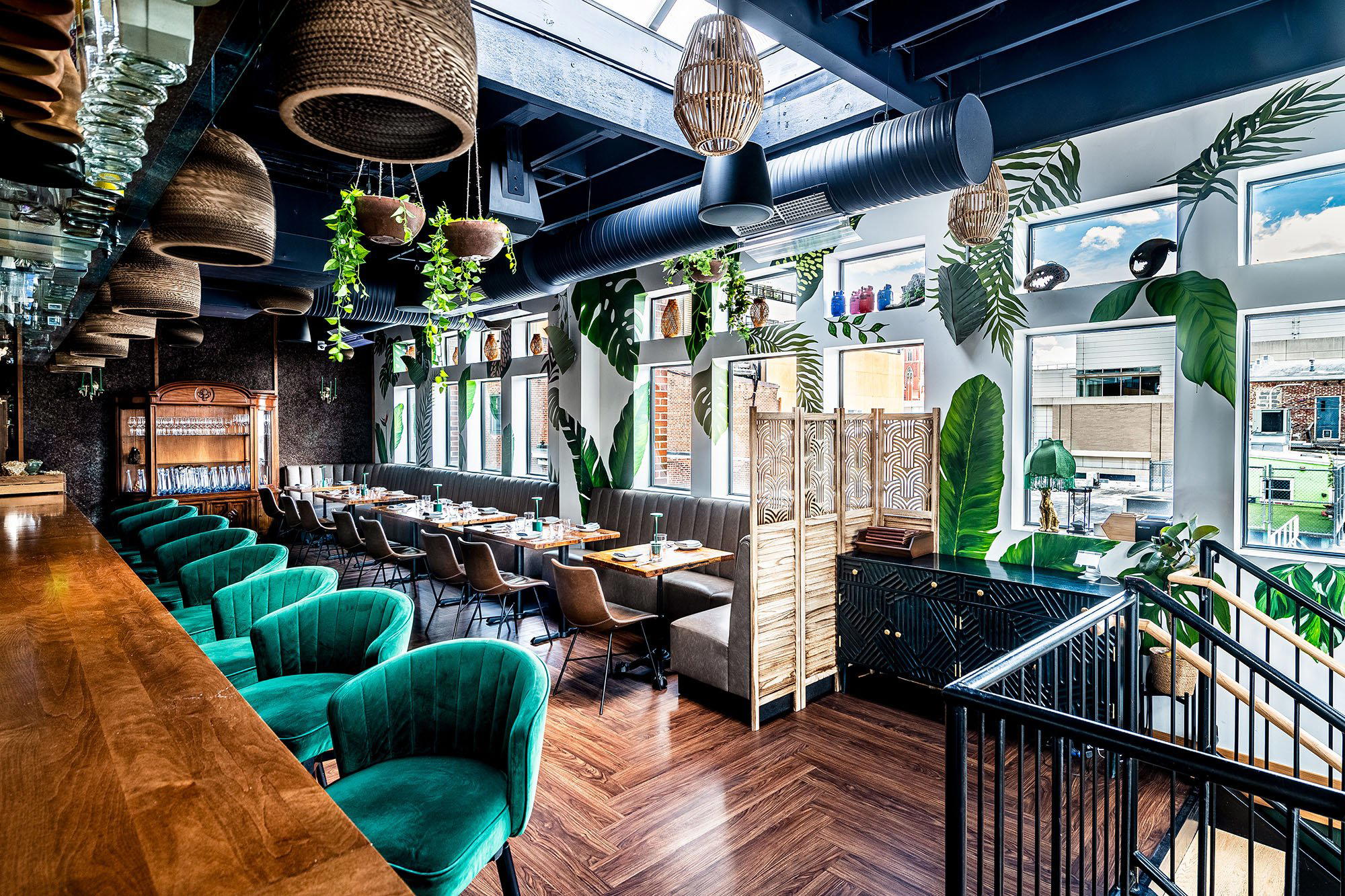
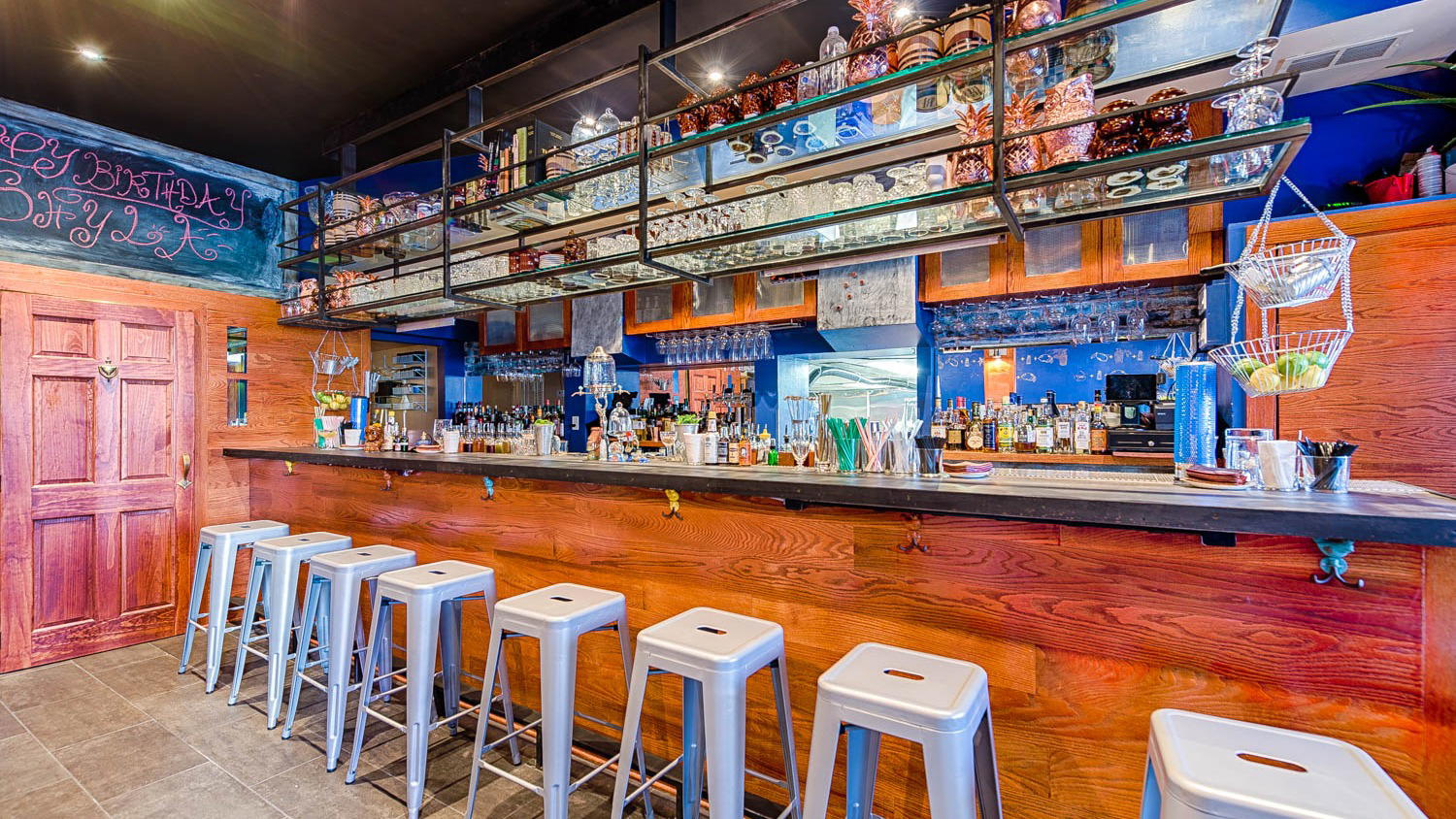
Bustling, casual dining room with closely set tables, warm lighting, and an energetic atmosphere that matches the bold, spicy Northern Thai flavors.