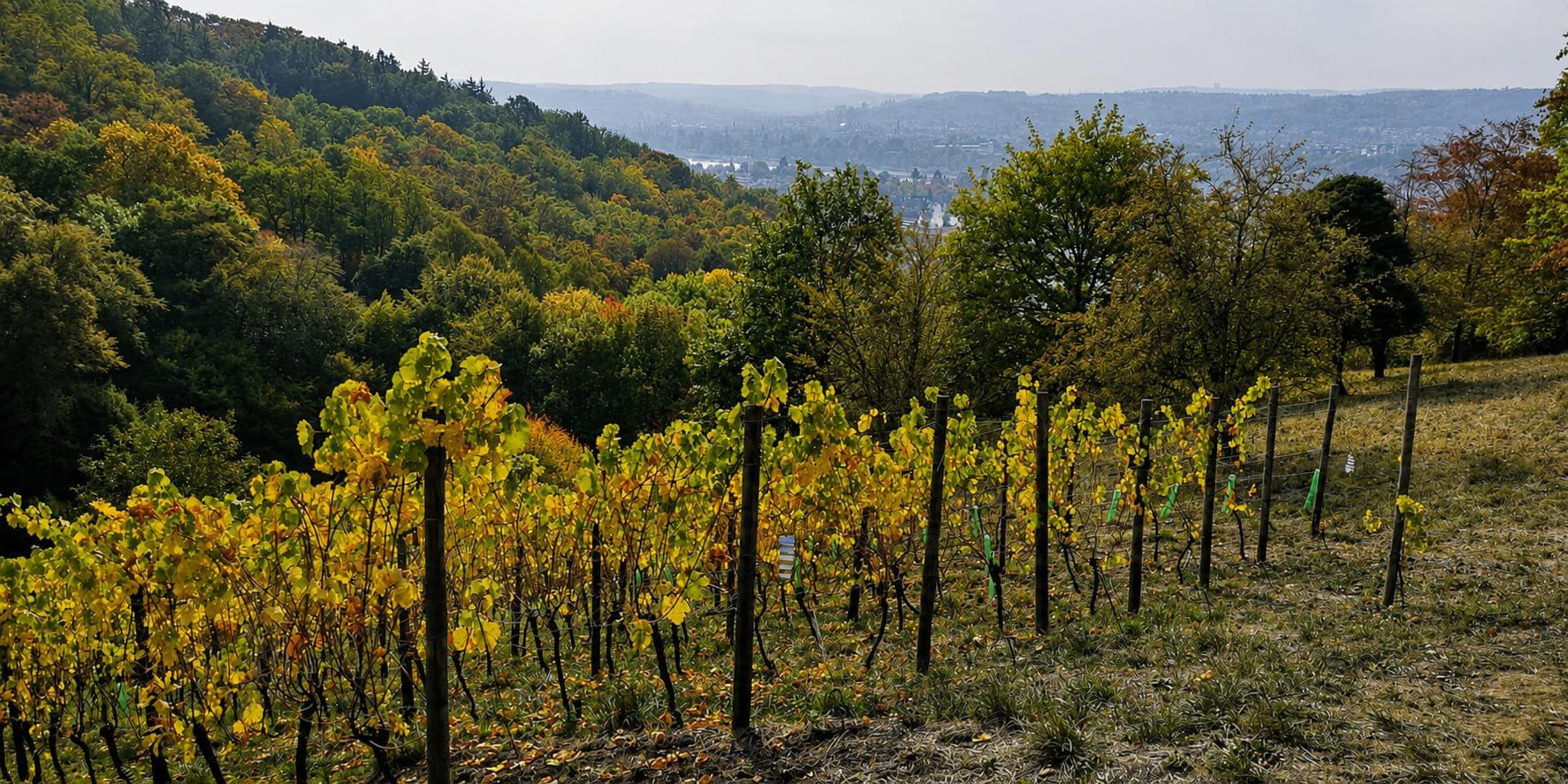
L'Imprimerie occupies a quietly residential stretch of southern Cologne at Cäsarstraße 58, where the neighbourhood signals a deliberate distance from the tourist-facing dining cluster along the Rhine. The address places it inside Cologne's smaller cohort of destination restaurants that reward the effort of seeking them out, positioning it alongside the city's most considered fine-dining options.
Pearl is the En Primeur Club membership app — saves, bookings, and concierge access live there. Same editors, same standards.
- Address
- Cäsarstraße 58, 50968 Köln, Germany
- Phone
- +492213481301
- Website
- limprimerie-restaurant.de
- Directions
- Get directions
 Saves & bookings on Pearl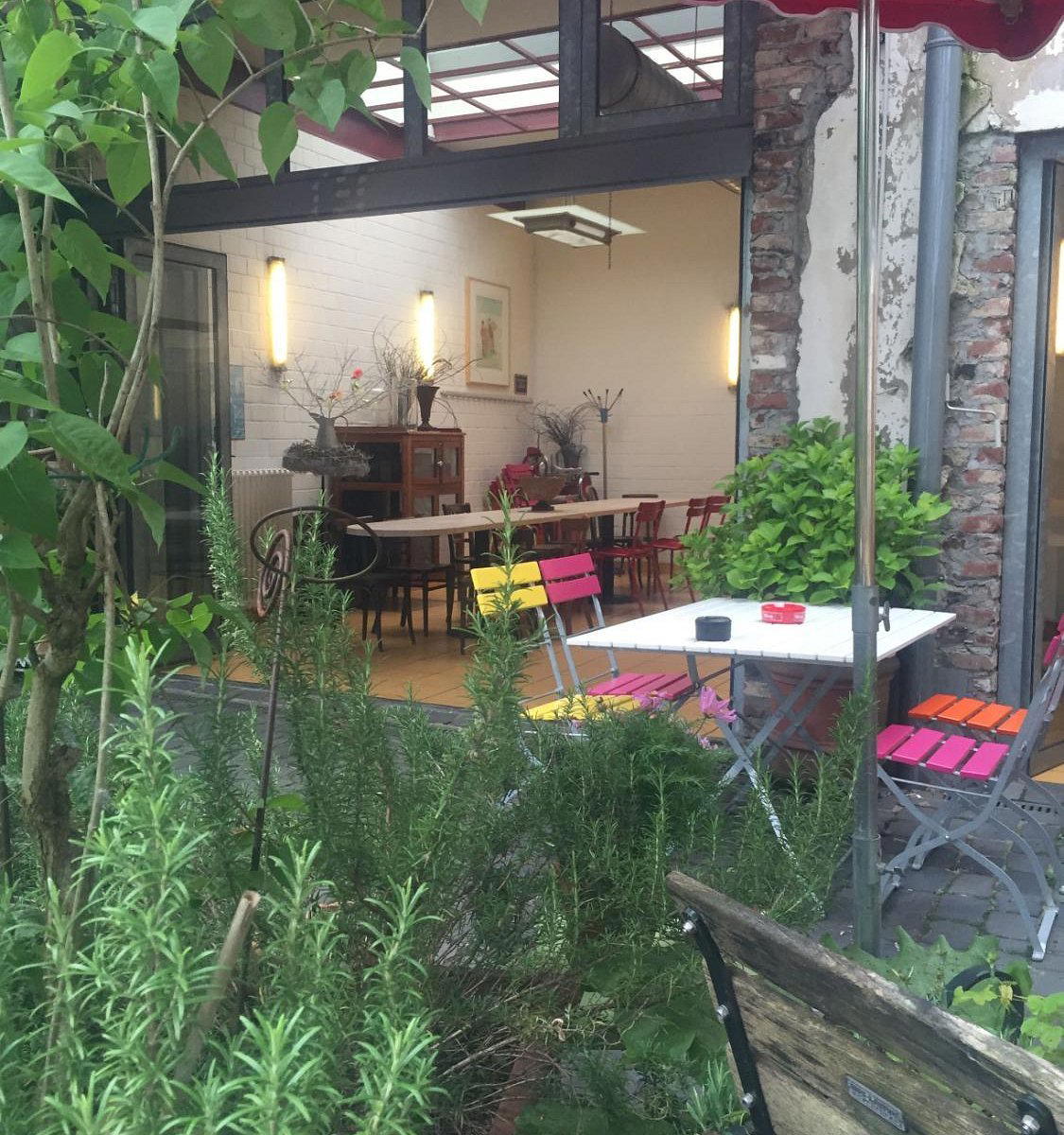
Where Cologne's Fine Dining Moves Quietly South
Cologne's serious restaurant scene has historically clustered near the Altstadt and the cathedral quarter, where foot traffic and visibility made commercial sense. The southward drift, through the Südstadt and into quieter residential streets, marks a different calculation: kitchens confident enough in their reputation to let guests come to them. L'Imprimerie at Cäsarstraße 58 in the 50968 postal zone is a French bistro in Cologne's southern residential belt, a neighbourhood address in the older European tradition where the dining room earns its audience through word of mouth and returning guests rather than tourist positioning.
The broader Cologne fine-dining tier has tightened considerably in recent years. Restaurants like Ox & Klee and La Cuisine Rademacher have anchored the city's claim to serious modern cuisine, while La Société and Le Moissonnier Bistro hold down the French-rooted end of the spectrum. L'Imprimerie enters that context as an address that has chosen residential discretion over the visibility of a busier postcode, a choice that in European fine dining typically signals a kitchen operating on confidence rather than volume.
The Collaborative Architecture of a Fine-Dining Room
In the current generation of European fine dining, particularly coherent experiences tend to emerge from a particular kind of internal alignment: a kitchen team, a front-of-house sensibility, and a beverage program that share not just a menu but a common vocabulary for what a meal should feel like. Restaurants that operate with this kind of structural coherence, where the sommelier's pacing mirrors the kitchen's rhythm and the floor team reads a table as a whole rather than as a series of individual transactions, tend to produce evenings that feel authored rather than assembled.
This is the tradition L'Imprimerie places itself within. The name itself carries a reference to the printing press, an object associated with precision, repeatability, and the transmission of ideas through craft, qualities that resonate with how particularly disciplined contemporary kitchens frame their work. Across Germany, the restaurants that have earned sustained recognition operate on exactly this model: the individual talents of a chef matter less, over time, than the coherence of the team around them. Vendôme in Bergisch Gladbach, just east of Cologne, built its three-star reputation across decades in part because the front-of-house and cellar programs evolved in step with the kitchen. Aqua in Wolfsburg operates on a similar logic of integrated excellence.
Positioning Within the Cologne Scene
At the price tier where Cologne's most considered restaurants operate, typically the €€€€ bracket occupied by peers like Ox & Klee and La Cuisine Rademacher, the competitive set is defined by a combination of cooking ambition, service coherence, and the degree to which the room feels intentional. maiBeck represents the more accessible end of Cologne's modern cuisine offer, while the upper tier demands something more from every element of the experience.
The restaurant's address in southern Cologne puts it at a slight remove from this peer group geographically, but the logic of that distance is familiar from other European cities: the restaurants that have nothing to prove tend to locate themselves where rents allow for larger, more considered spaces, and where the guest arriving has already committed to the journey. That commitment, even if it amounts only to a short taxi ride from the centre, filters for a particular kind of diner, one who has sought the place out rather than stumbled into it.
Germany's broader fine-dining geography provides useful context. The country's most recognised kitchens, from Schwarzwaldstube in Baiersbronn to JAN in Munich and Victor's Fine Dining by Christian Bau in Perl, operate in locations that require deliberate travel, and that deliberateness has become part of the experience itself. Cologne, as Germany's fourth-largest city with a strong commercial and cultural base, supports a fine-dining tier that operates on urban rather than destination logic, but the southward address of the restaurant introduces a small version of that same dynamic within the city itself.
The Team Dynamic as a Dining Standard
Among the operational patterns that distinguish Germany's more serious restaurants, the integration of the beverage program with the kitchen's output is a consistent marker. The sommelier at this level is not presenting a wine list but constructing a parallel argument: one that mirrors, contrasts, or extends what the kitchen is doing course by course. CODA Dessert Dining in Berlin has demonstrated how far a beverage-forward concept can carry when the pairing program is treated as a primary creative element. Waldhotel Sonnora in Dreis offers one of Germany's most celebrated cellars, precisely because the wine program developed in relationship to the kitchen's evolution over decades.
At the level where the restaurant operates, the floor team's role extends beyond service mechanics into what might be called narrative management: the orchestration of pacing, explanation, and atmosphere that transforms a sequence of courses into something with a shape. The restaurants that do this well, from Restaurant Haerlin in Hamburg to ES:SENZ in Grassau, share a front-of-house culture where the team is trained to read momentum as much as orders. Internationally, the standard set by rooms like Le Bernardin in New York City and Atomix demonstrates how completely this kind of integration can define a restaurant's identity, to the point where the service and the cooking become functionally inseparable in the guest's memory of the evening.
Planning Your Visit
The restaurant is located at Cäsarstraße 58, 50968 Cologne, in the city's southern residential belt. The address is accessible by public transport via the Chlodwigplatz area, and by taxi from the Altstadt in under ten minutes. As with any restaurant operating at this level in Cologne, advance booking is the practical baseline: Cologne's upper fine-dining tier runs at high occupancy on weekends, and an unreserved arrival at a room of this kind is rarely productive. Schanz in Piesport is worth considering for those extending a Rhine-region trip beyond the city itself.
Price and Recognition
Comparable venues nearby, for context on price, style, and recognition.
| Venue | Cuisine | Price | Awards | Notes |
|---|---|---|---|---|
| L'ImprimerieThis venue — the venue you are viewing | Bayenthal, French Bistro | $$$ | Not listed | Not listed |
| Der Vierte König | Sülz, French-Indian Fusion | $$$ | Not listed | Not listed |
| Wein Bisto L'escalier | Not listed | $$ | Not listed | Neustadt/Süd, French Bistro with Local Seasonal Cuisine |
| Reef and Beef | Bayenthal, Steakhouse & Seafood | $$$ | Not listed | Not listed |
| Hanse Stube | Not listed | $$$ | Michelin Plate | Altstadt/Nord, Innovative French Haute Cuisine with Rhineland Influences |
| Ristorante Etrusca | Not listed | $$$ | Not listed | Neustadt/Süd, Sardinian-Italian |
Continue exploring
More in Cologne
Restaurants in Cologne
Browse all →
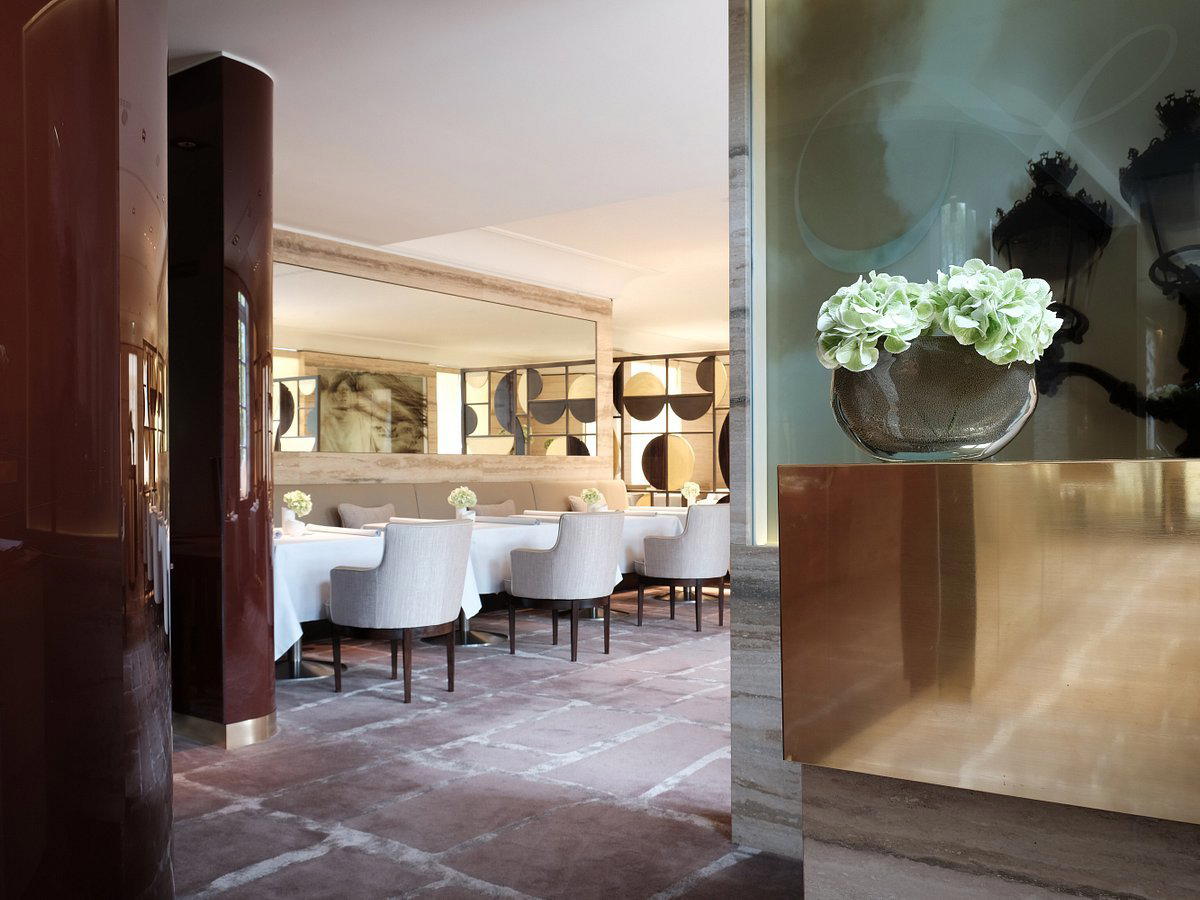
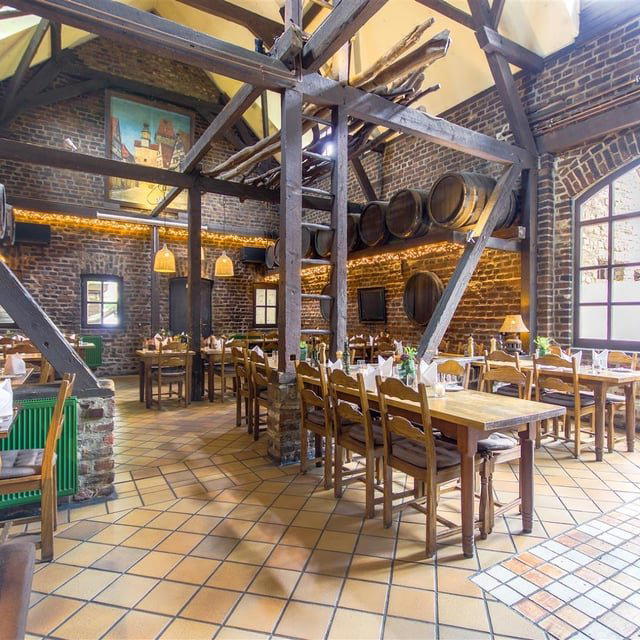
Bars in Cologne
Browse all →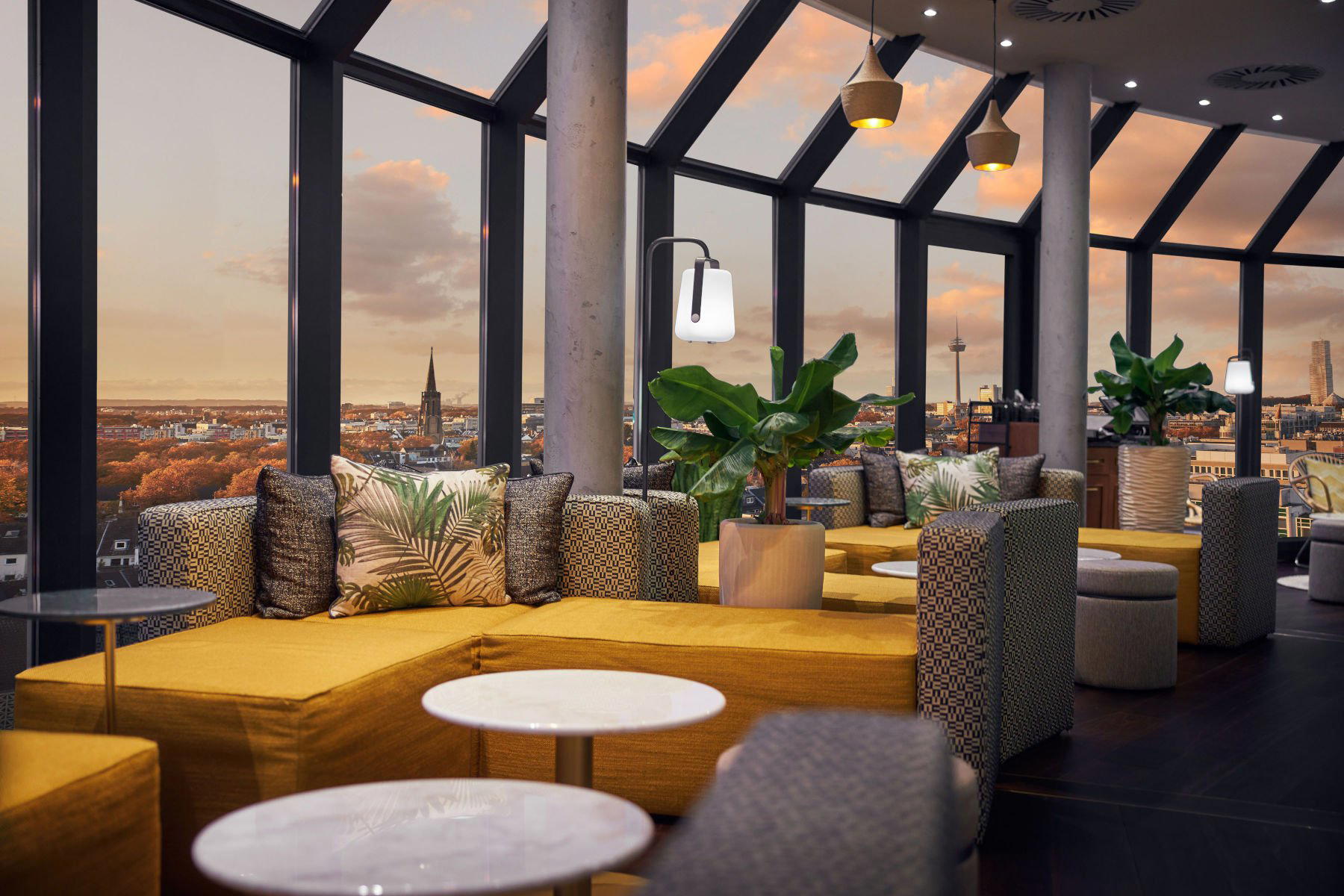
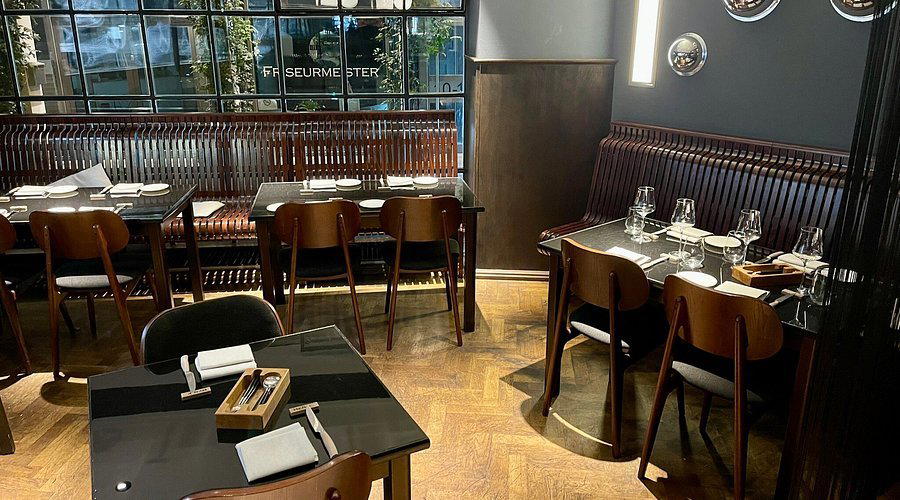

Hotels in Cologne
Browse all →

At a Glance
- Classic
- Cozy
- Industrial
- Date Night
- Business Dinner
- Historic Building
- Extensive Wine List
Current opening hours
- Monday
- Closed
- Tuesday
- 12–2:30 PM, 6:30–10:30 PM
- Wednesday
- 12–2:30 PM, 6:30–10:30 PM
- Thursday
- 12–2:30 PM
- Friday
- 12–2:30 PM, 6:30–10:30 PM
- Saturday
- 6:30–10:30 PM
- Sunday
- Closed
Hours can change for holidays and private events. Last verified .
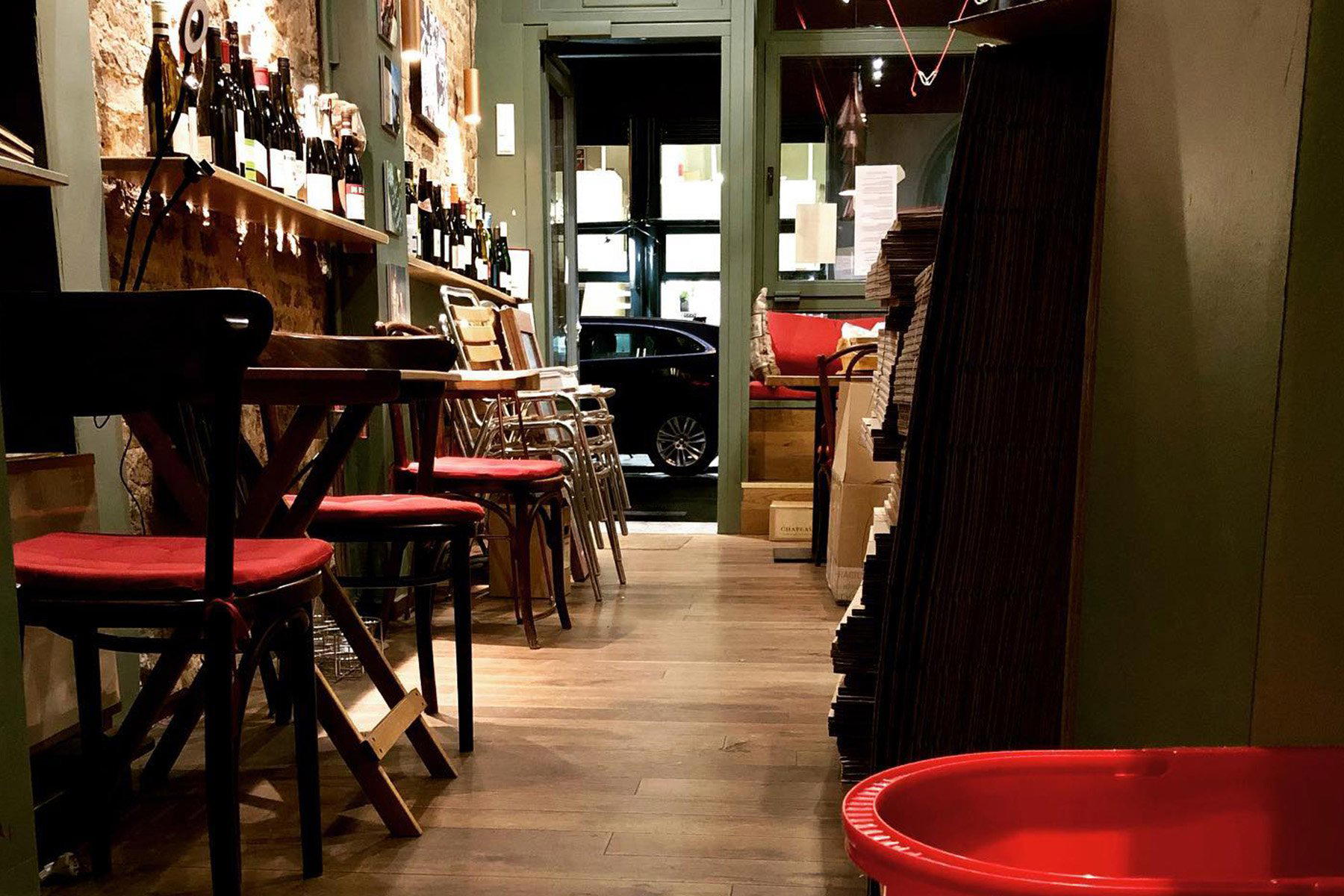
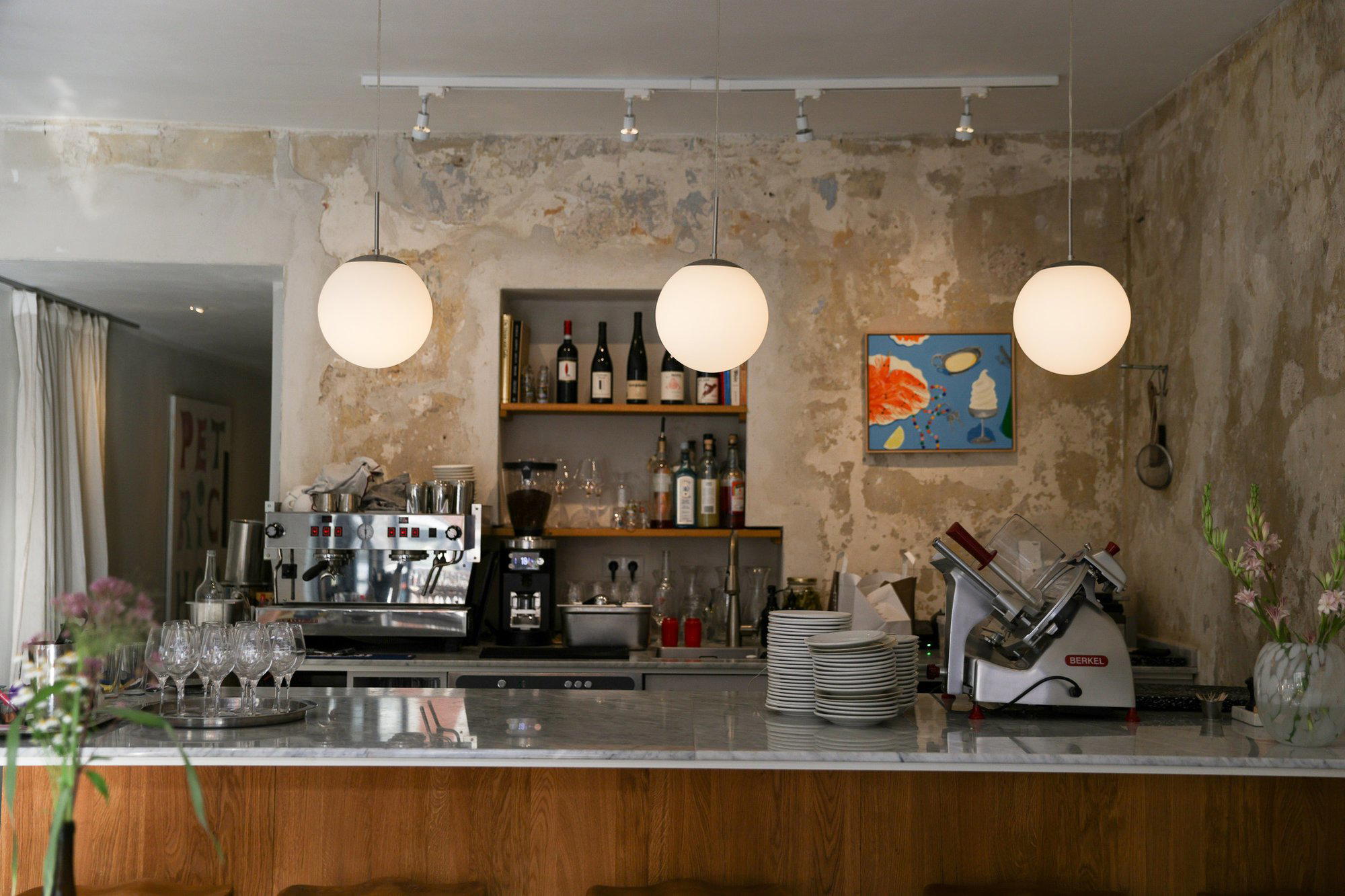
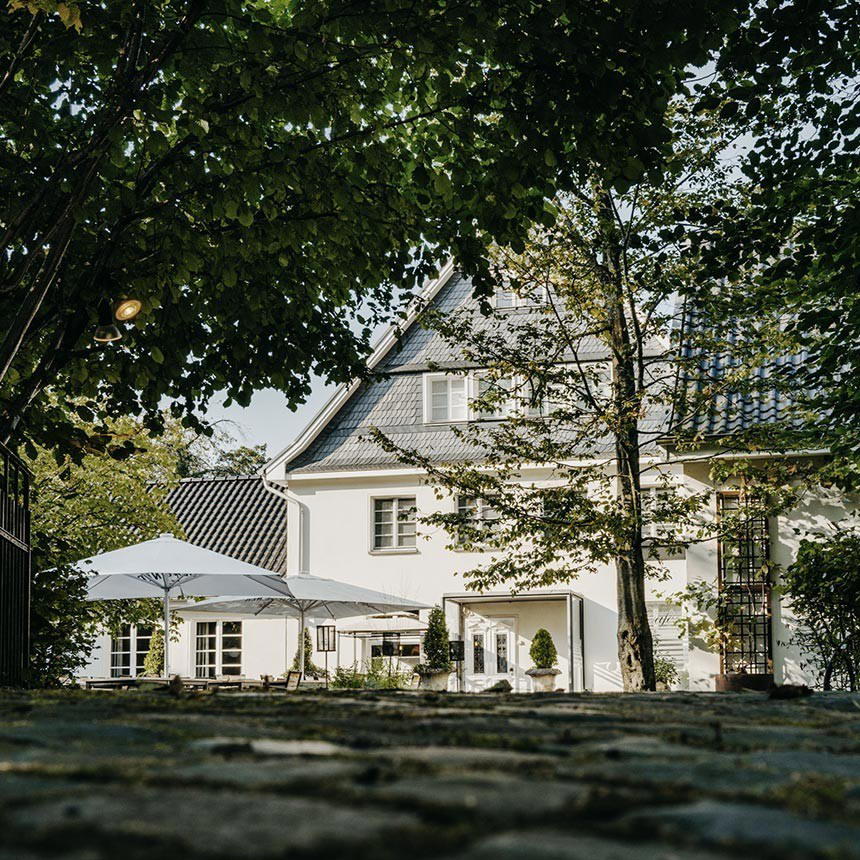
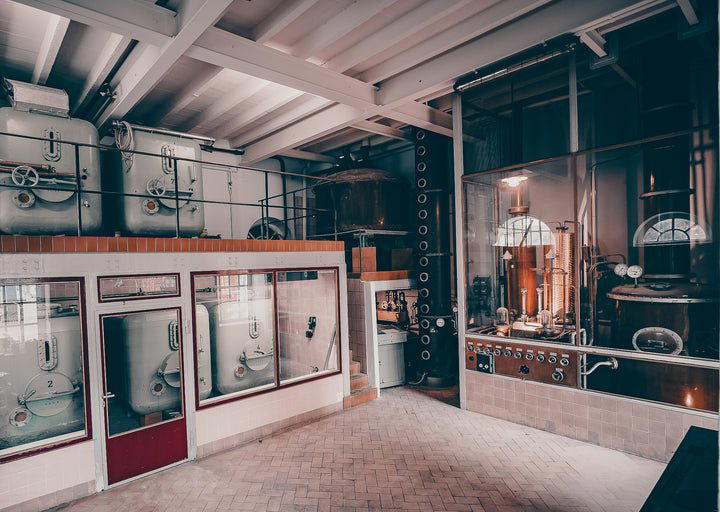
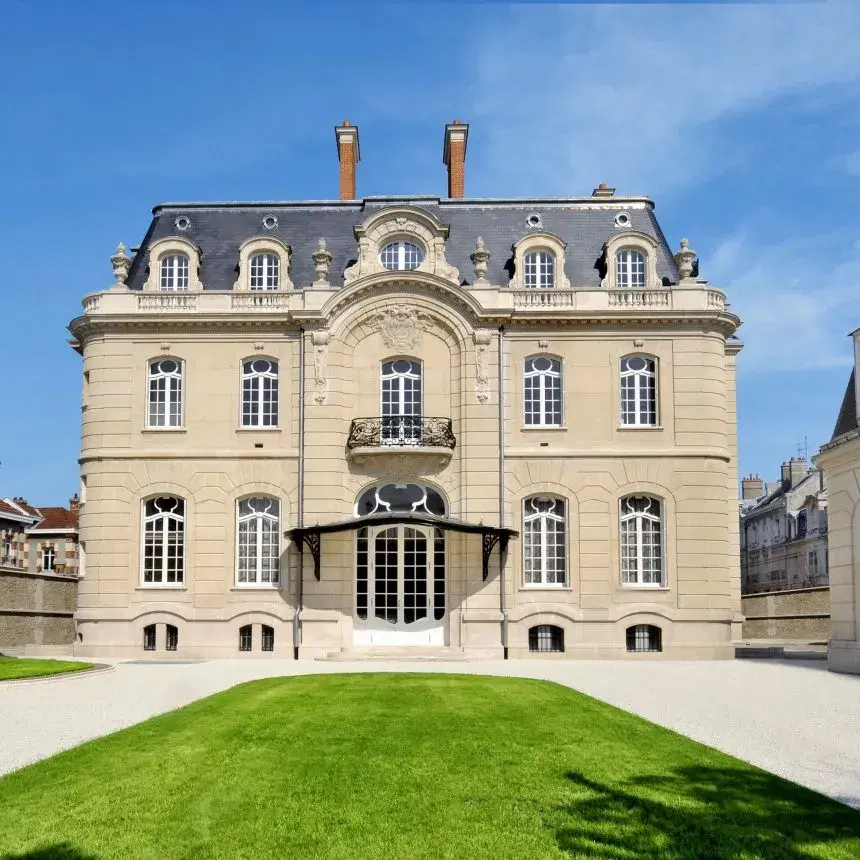
Sparse, open-plan interior in an old printworks with a relaxed yet charming French bistro atmosphere.