On a quiet stretch of Mühlenkamp in Hamburg's Winterhude district, Liman occupies a position within the city's Mediterranean-leaning dining scene that rewards those who look beyond the harbour-front marquee names. The address places it in residential Hamburg rather than the tourist circuit, and the kitchen operates within a tradition where the quality of the raw material does most of the talking.
Pearl is the En Primeur Club membership app — saves, bookings, and concierge access live there. Same editors, same standards.
- Address
- Mühlenkamp 16, 22303 Hamburg, Germany
- Phone
- +494037085653
- Website
- liman-fisch.com
- Directions
- Get directions
 Saves & bookings on Pearl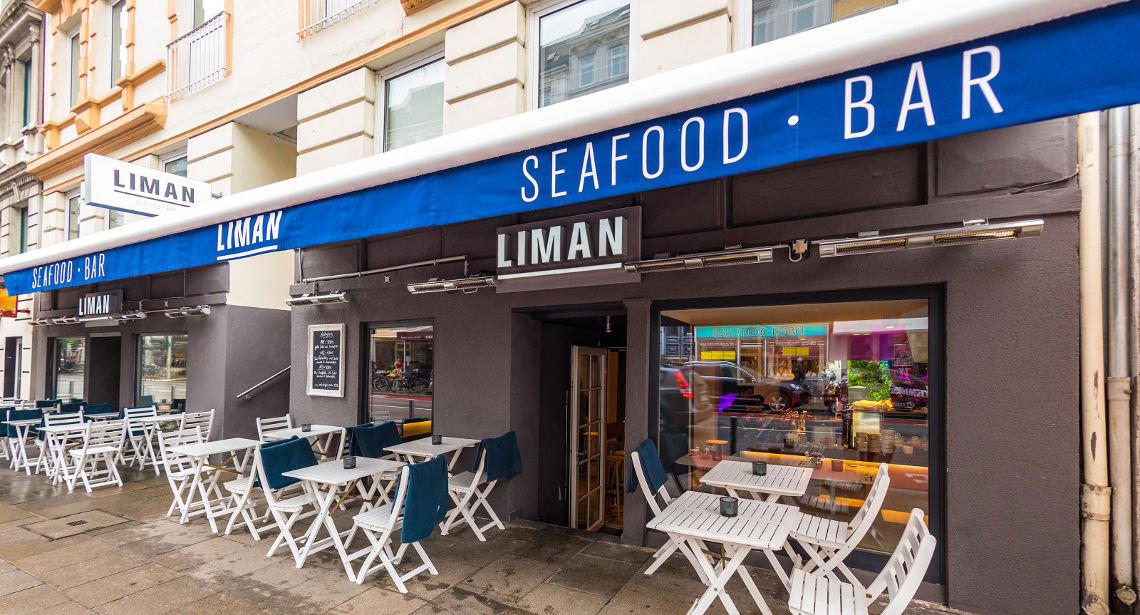
Winterhude and the Case for Neighbourhood Fine Dining
Hamburg's premium restaurant scene clusters heavily around the Alster lakefront and the HafenCity waterfront, where addresses carry a built-in prestige. Winterhude runs against that pattern. The district's main artery, Mühlenkamp, is lined with independent traders, wine shops, and restaurants that serve a local clientele rather than a hotel concierge referral list. Liman sits at number 16 on that street, and its positioning in a residential neighbourhood rather than a destination dining corridor is itself an editorial statement about what kind of operation this is. In a city where The Table Kevin Fehling and Restaurant Haerlin define the upper ceiling at the €€€€ tier with tasting menus and multi-hour service formats, neighbourhood venues like this operate in a different register: more repeatable, less ceremonial, and often more revealing about what a city actually eats day to day.
What the Mühlenkamp Address Signals
The physical approach to Liman tells you something before you reach the door. Winterhude is a prosperous but unpretentious quarter, with the Stadtpark to the west and the Alster canal system threading through. The street-level restaurant format here is not one designed for occasion dining as a primary use case. Tables tend to fill with regulars on Tuesday evenings. That dynamic shapes the atmosphere inside: the noise level tracks a working restaurant rather than a hushed temple, and the service model in venues along this corridor is typically direct and competent rather than choreographed. For those arriving from further afield, Hamburg's U3 line connects the city centre to Borgweg station, from which Mühlenkamp is a short walk north. Parking in the immediate area is limited on evenings, consistent with most of inner Hamburg's residential neighbourhoods.
Mediterranean Traditions and the Hamburg Palate
Hamburg's relationship with Mediterranean cuisine is longer and more substantive than its reputation as a northern seafood city might suggest. The port history brought sustained trade connections with southern European suppliers, and the city has maintained a serious appetite for fish prepared in the Mediterranean idiom. Venues along this tradition tend to emphasise raw material quality over kitchen complexity: olive oil sourced with some care, fish that arrives daily rather than resting on ice through the week, and preparation that does not obscure the ingredient. bianc, operating at the €€€€ tier with a modern Mediterranean framework, represents one version of how that tradition translates at high formality. Liman's Winterhude address suggests a different point on the same spectrum, where the dining room is less performative and the Mediterranean reference point is handled with less ceremony. Across Germany's broader fine-dining tier, coastal and Mediterranean-influenced kitchens have multiplied steadily: Aqua in Wolfsburg and JAN in Munich each demonstrate how technically serious kitchens in non-coastal cities have absorbed southern European cooking logic. Hamburg, with its actual port geography, has a stronger claim to this lineage than most.
The Wine Question in a Neighbourhood Context
The editorial angle most worth examining at a venue like Liman is not the menu format but what the cellar looks like. In neighbourhood restaurants across Hamburg, the wine list is frequently where the ambition either reveals itself or collapses. The low-ceremony dining model that defines Mühlenkamp's better venues does not automatically mean low engagement with the list. Some of the more interesting cellars in European cities sit precisely in this bracket: the chef-patron or sommelier who has built something considered over years, without the institutional pressure of a hotel restaurant or a Michelin-starred format to justify the investment. Whether Liman has invested in that direction is the question a first visit should answer. In Hamburg's broader restaurant landscape, the contrast is instructive: at Lakeside, the €€€€ tier and German lakeside format support a cellar with regional depth. At 100/200 Kitchen, the creative format drives a list built around natural producers. Mediterranean-focused venues in this city have historically leaned toward Iberian and southern Italian selections, with varying depth depending on the ambition of the house. A list that covers Sardinia, the Alentejo, and southern Rhône alongside a credible German section is the benchmark against which a Hamburg Mediterranean address should be measured.
How Liman Sits Against the Hamburg Tier Structure
Hamburg's restaurant hierarchy at the upper level is relatively clear. Michelin three-star territory belongs to The Table Kevin Fehling. The two-star tier includes Haerlin. Below that, a mid-to-upper bracket of independently operated venues handles the majority of the city's serious dining traffic, and it is in this bracket that neighbourhood addresses like Liman compete. The comparison set is not the tasting menu houses but rather venues like bianc at the Mediterranean end and Lakeside at the German end: venues where the proposition is a complete evening rather than an institution visit. Across Germany more broadly, the most interesting restaurants in this bracket have become increasingly confident in regional sourcing frameworks. Schwarzwaldstube in Baiersbronn, Vendôme in Bergisch Gladbach, and ES:SENZ in Grassau each represent how German kitchens operating outside the major cities have developed strong sourcing identities. Hamburg venues operating at Liman's apparent level have the advantage of direct access to North Sea suppliers, which should inform both the menu and the wine pairings if the kitchen is paying attention.
Planning a Visit
Liman is at Mühlenkamp 16, 22303 Hamburg, in the Winterhude quarter. The U3 to Borgweg is the most direct public transport connection from central Hamburg, with the walk along Mühlenkamp taking approximately ten minutes north. For those building a Hamburg dining itinerary across multiple meals, the venue sits comfortably as a lower-formality counterpoint to the tasting menu commitments required by the city's Michelin-starred addresses. The neighbourhood character of Mühlenkamp means the surrounding area is worth arriving into early: the street has independent wine retail and café options that make pre-dinner time useful rather than wasted. For the broader Hamburg dining picture, our full Hamburg restaurants guide maps the city's dining geography across cuisines and price tiers.
Continue exploring
More in Hamburg
Restaurants in Hamburg
Browse all →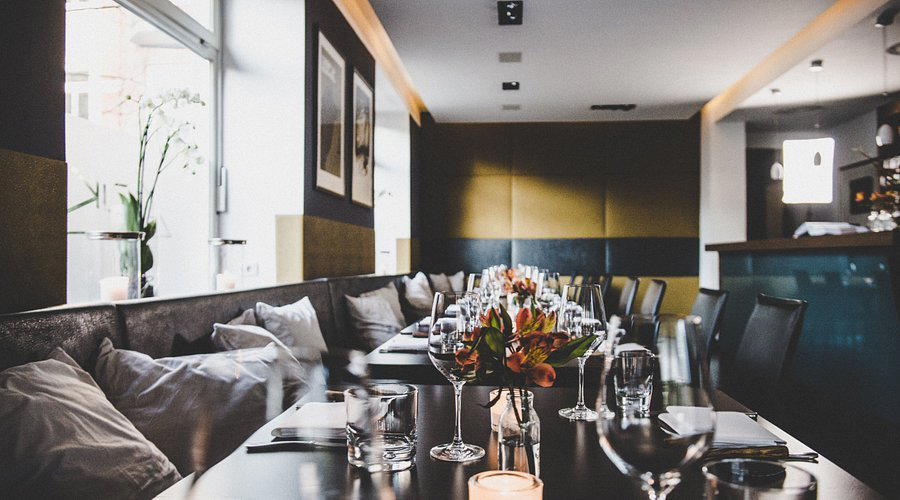
Bars in Hamburg
Browse all →
Hotels in Hamburg
Browse all →
Wineries in Hamburg
Browse all →
At a Glance
- Lively
- Cozy
- Elegant
- Intimate
- Date Night
- Special Occasion
- Open Kitchen
- Extensive Wine List
Current opening hours
- Monday
- 5–11 PM
- Tuesday
- 5–11 PM
- Wednesday
- 5–11 PM
- Thursday
- 5–11 PM
- Friday
- 12 PM–12 AM
- Saturday
- 1 PM–12 AM
- Sunday
- 1–11 PM
Hours can change for holidays and private events. Last verified .
Intimate yet lively with fresh decor, great music, and a cozy, modern maritime atmosphere.
Know Before You Go
- Getting there
- Mühlenkamp 16, 22303 Hamburg, Germany