A cevichería on Calle de San Joaquín in Madrid's Centro district, Cevicheria San Joaquin positions itself within the city's growing tier of Latin American-influenced casual dining. The format centres on Peruvian-style cured fish dishes, a category that has found sustained traction in a Madrid dining scene historically anchored in Iberian tradition. Compact, neighbourhood-focused, and accessible without a reservation infrastructure built for destination dining.
Pearl is the En Primeur Club membership app — saves, bookings, and concierge access live there. Same editors, same standards.
- Address
- C. de San Joaquín, 4, Centro, 28004 Madrid, Spain
- Phone
- +34673789571
- Website
- opentable.com
- Directions
- Get directions
 Saves & bookings on Pearl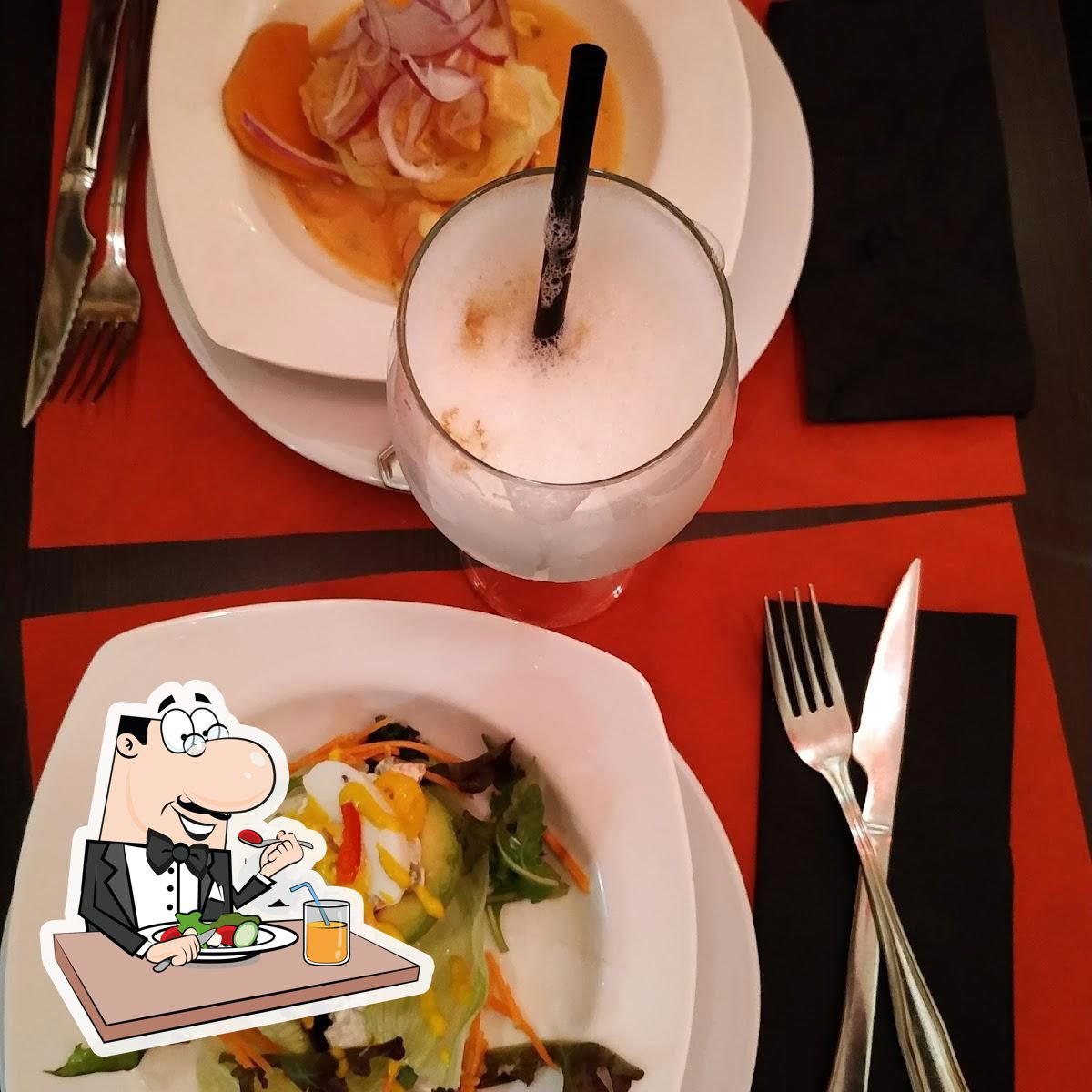
Where Leche de Tigre Meets a Madrid Side Street
Calle de San Joaquín runs through the Malasaña-adjacent pocket of Centro, a zone that has quietly absorbed more neighbourhood restaurants per block than almost anywhere else inside the M-30 ring. The street itself is unremarkable in the way that only genuinely local streets are: no tourist infrastructure, no hotel concierge traffic, just residents and the kind of visitor who has done enough research to end up somewhere that doesn't appear in airport lounge magazines. Arriving at Cevicheria San Joaquin, the cues are immediate and legible. The format is Peruvian-inflected, the pitch is casual, and the draw is the kind of citrus-cured fish cookery that has made Lima one of the most closely watched food cities of the past two decades.
The Peruvian Ceviche Tradition in a Spanish Context
To understand what a cevichería offers in Madrid in 2024, it helps to understand what it is offering against. Spanish dining at the leading end is a well-documented phenomenon: DiverXO holds three Michelin stars and operates in a register of progressive Asian-Spanish fusion that has no direct peer in Europe; Coque and Deessa anchor the city's creative Spanish tier at similar price points; DSTAgE and Paco Roncero push the tasting-menu format into territory that competes directly with the broader Spanish canon, from El Celler de Can Roca in Girona to Mugaritz in Errenteria.
Cevicheria San Joaquin operates in a different register entirely. The cevichería format, whether in Madrid, London, or New York, is not competing with tasting-menu culture. It belongs to a separate lineage: the Peruvian tradition of acid-curing fresh fish with ají amarillo, lime, and red onion, then serving it within minutes of preparation. Leche de tigre, the cloudy citrus-and-fish marinade left behind after curing, has become a marker of authenticity in this category. A venue that serves it properly signals kitchen discipline and sourcing commitment, because there is nowhere to hide in a preparation that is almost entirely raw.
Madrid's Latin American dining tier has expanded considerably since the early 2010s, tracking both a growing South American expatriate population and a broader European appetite for Peruvian cuisine specifically. Lima's gastronomic reputation, built around names like Gastón Acurio and consolidated by sustained international press coverage, gave Peruvian food a credibility framework that other Latin American cuisines have not yet fully acquired in Europe. The result is a Madrid where a well-run cevichería can draw from both a local community that knows the reference points and a dining public curious enough to seek it out.
What the Sensory Experience Signals
Cevichería dining at its most coherent is an experience defined by restraint and precision rather than spectacle. The dishes are cold or room temperature. The flavours are sharp, acidic, and clean. The leading versions of the format, from the Peruvian coast to the Peruvian-inflected restaurants that have spread through Europe and North America, share a particular sensory logic: brightness first, heat arriving later, the slow burn of ají building behind the citrus. These are not complex constructions in the way that a tasting-menu dish is complex. They are precise.
In a neighbourhood setting like Calle de San Joaquín, the physical environment tends to match the food's register: small dining rooms, minimal decoration, the sound of a room that fills quickly and turns over at a pace that formal restaurants do not. This is the operational model that has made cevichería-format restaurants viable in European cities where the rent economics of large, elaborately fitted spaces are prohibitive. Compact footprint, high-turnover lunch and early dinner service, a menu that requires skilled preparation but not a full brigade kitchen.
For comparison, the Peruvian format's European expansion has been most visible at the high end, with venues like Central's international influence and Virgilio Martínez's global profile giving the cuisine a fine-dining anchor. But the neighbourhood cevichería, operating without that infrastructure, is in many ways a more direct expression of what the cuisine actually is in Lima: fast, precise, and deeply local. Cevicheria San Joaquin sits in that more grounded tier.
Madrid's Broader Seafood and Fish Tradition
It is worth placing this format inside Madrid's existing fish culture. The city is not coastal, but it has historically consumed more fresh fish per capita than many Spanish coastal cities, a function of its logistics network and the cultural habit of eating bacalao, merluza, and rodaballo in restaurants at every price point. The tradition of sourcing quality fish inland is long-established. Spain's broader seafood excellence is documented at the highest level by venues like Aponiente in El Puerto de Santa María, Ángel León's three-Michelin-star operation dedicated entirely to marine ingredients, and by the influence of Quique Dacosta in Dénia on Mediterranean seafood cooking. Further afield, Ricard Camarena in València and Cocina Hermanos Torres in Barcelona represent the Catalan and Valencian approaches to fish at the creative end. Even internationally, the discipline of raw and barely-processed fish cookery has been refined at venues like Le Bernardin in New York City, where the commitment to pristine sourcing defines the entire operation.
A cevichería in Madrid, then, is not operating in a city without fish culture. It is offering a different acid-and-citrus vocabulary for a product the city already understands and takes seriously.
Planning Your Visit
Practical details for Cevicheria San Joaquin remain sparse in public records. The address, Calle de San Joaquín 4 in the Centro district (postcode 28004), is confirmed. For this category and neighbourhood, walk-in availability at lunch is generally the most accessible entry point, with dinner service filling faster during weekend evenings across the Centro district. Visitors to Madrid planning a broader dining itinerary should consult our full Madrid restaurants guide for current availability across price tiers.
Venue Comparison at a Glance
Continue exploring
More in Madrid
Restaurants in Madrid
Browse all →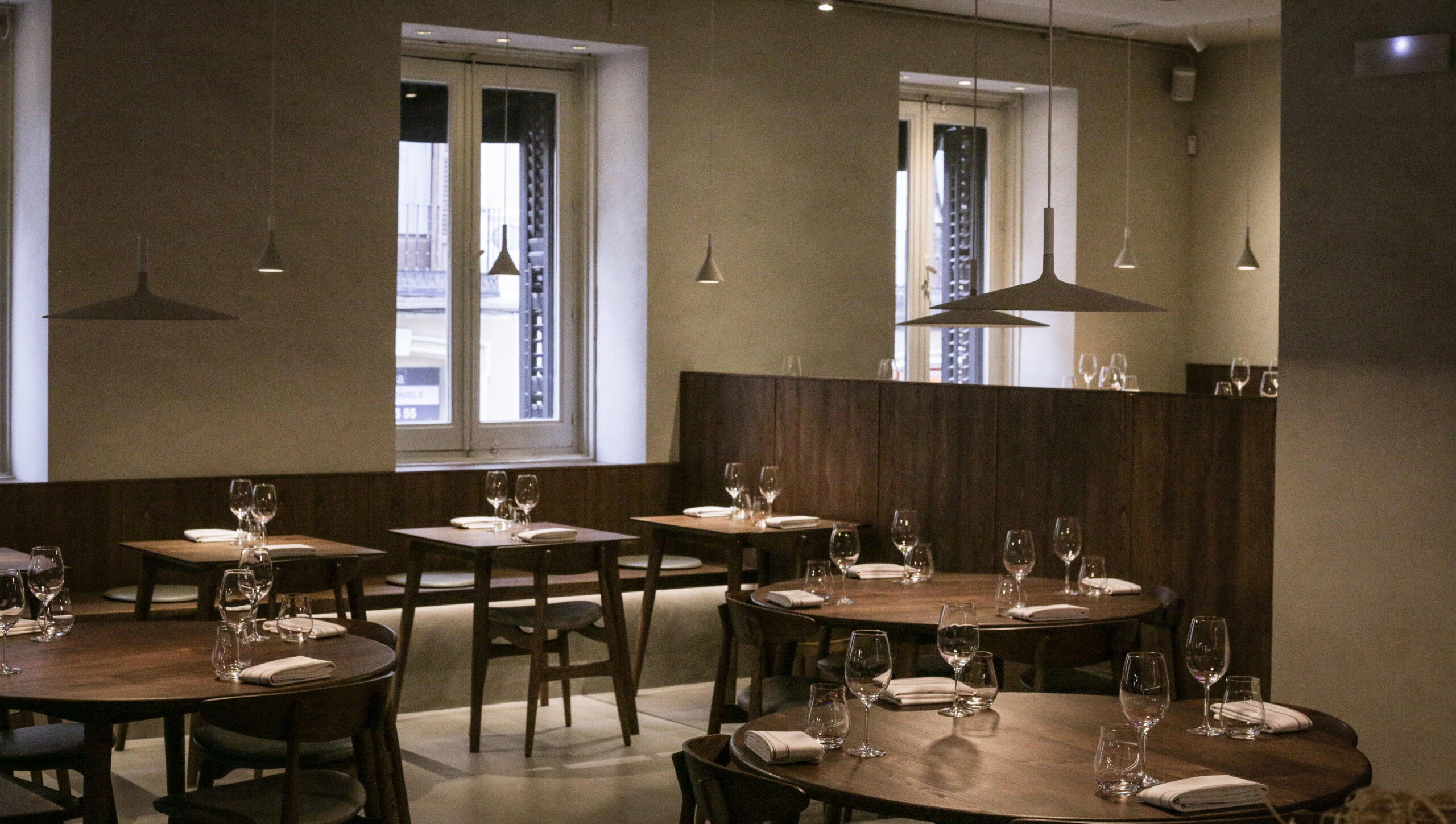
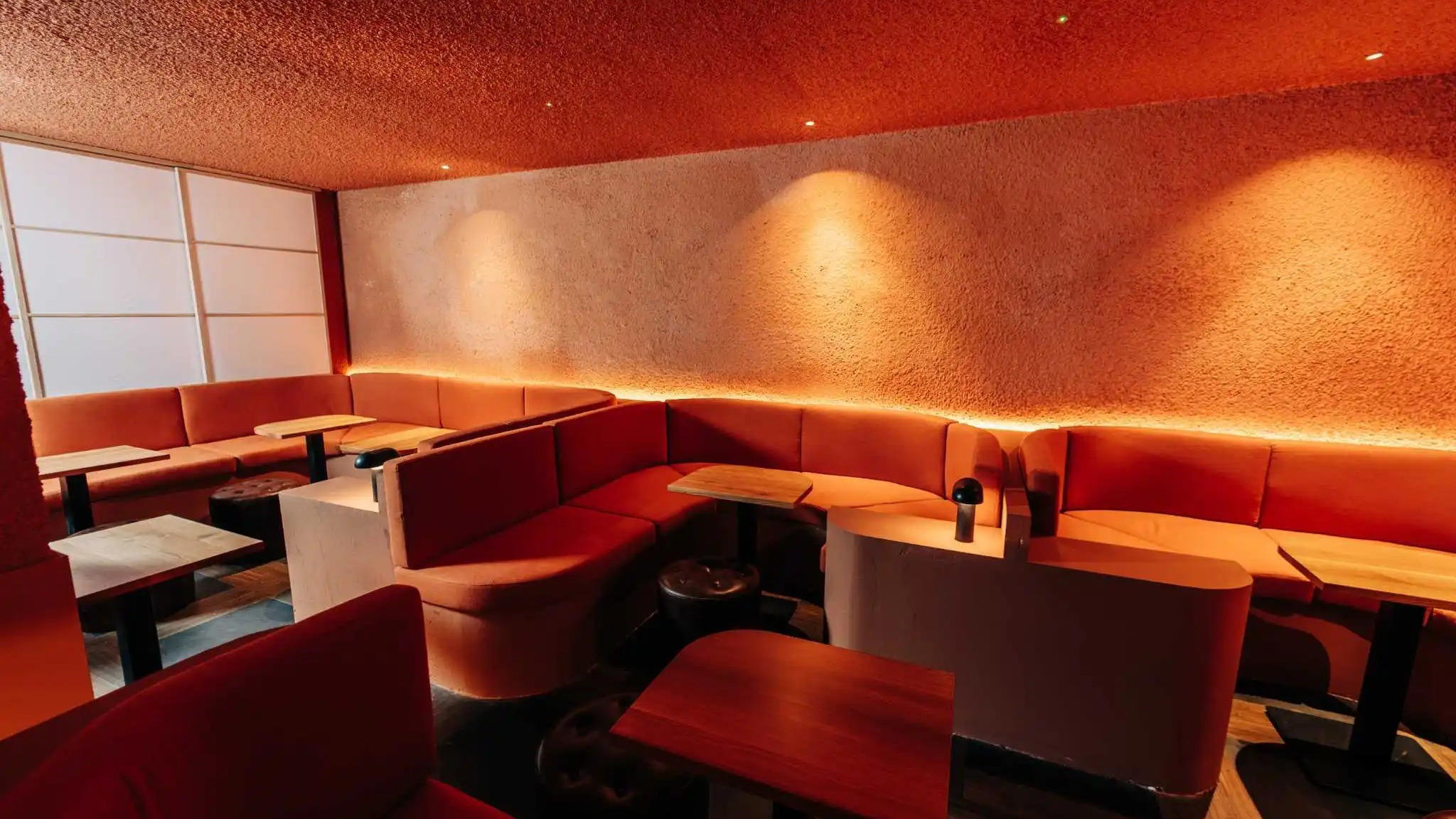
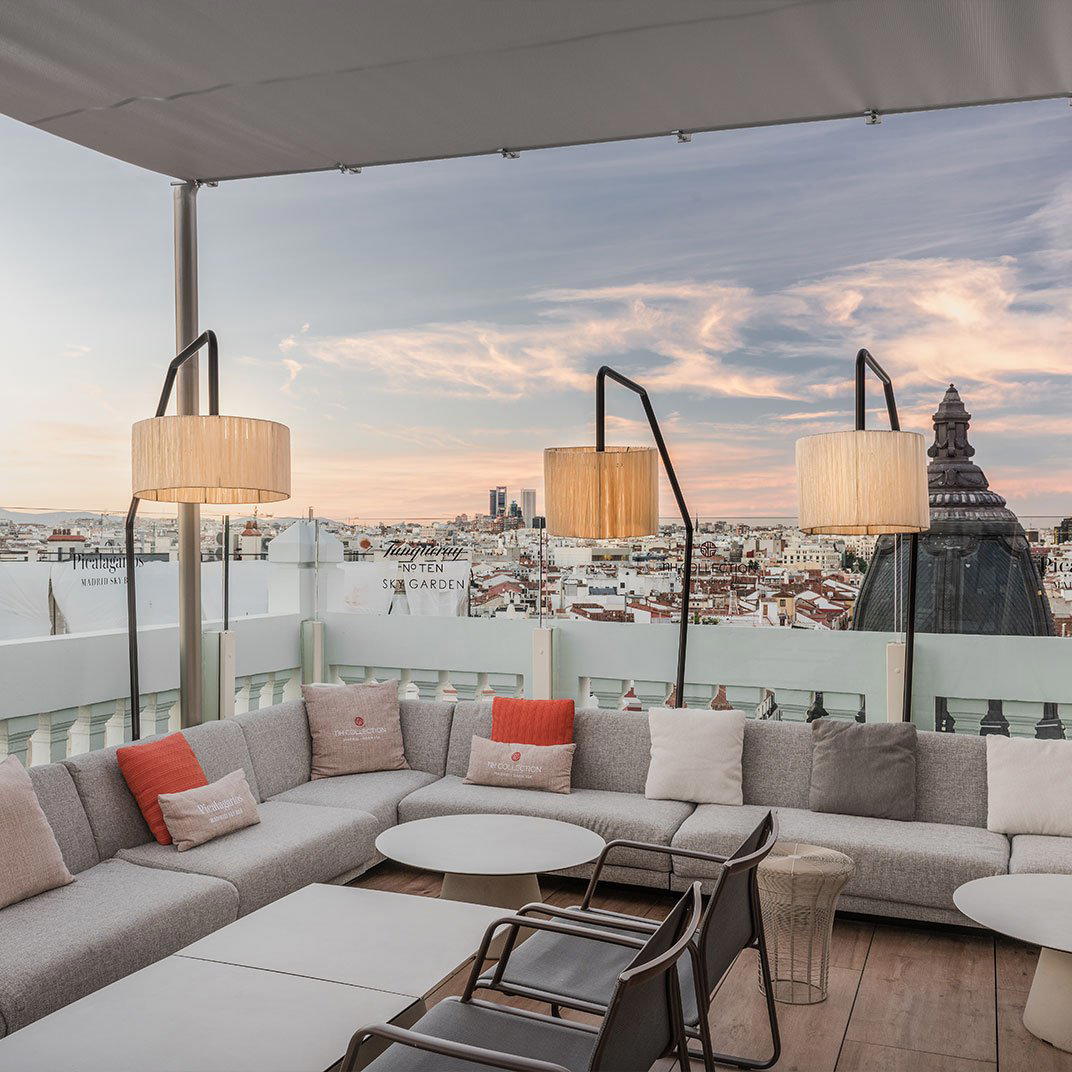
Bars in Madrid
Browse all →
Hotels in Madrid
Browse all →



At a Glance
- Casual
- Rustic
- Casual Hangout
- Standalone
- Beer Program
Current opening hours
- Monday
- 1 PM–12 AM
- Tuesday
- 1 PM–12 AM
- Wednesday
- 1 PM–12 AM
- Thursday
- 1 PM–12 AM
- Friday
- 1 PM–12 AM
- Saturday
- 1 PM–12 AM
- Sunday
- 1 PM–12 AM
Hours can change for holidays and private events. Last verified .
Casual, unpretentious dining environment with a focus on authentic Peruvian cuisine and traditional preparation methods.
Know Before You Go
- Getting there
- C. de San Joaquín, 4, Centro, 28004 Madrid, Spain