Lilo Coffee Kissa occupies a distinct position in Osaka's café culture, where the kissaten tradition of slow-drip coffee and deliberate hospitality persists against a tide of third-wave minimalism. Positioned away from the city's high-end kaiseki circuit, represented by venues like Taian and Kashiwaya Osaka Senriyama, Lilo offers a quieter register of the same city's obsession with craft and ritual.
 Request Booking on Pearl
Pearl is the En Primeur Club membership app — saves, bookings, and concierge access live there. Same editors, same standards.
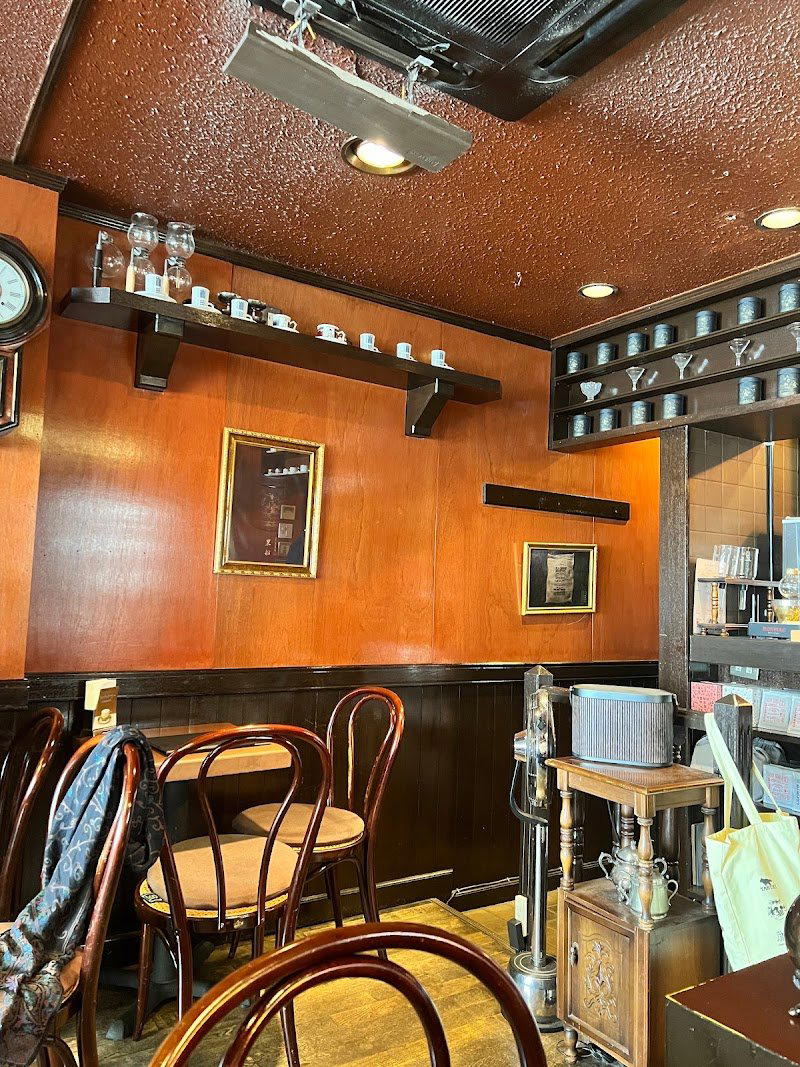
The Kissaten Tradition and Where Lilo Sits Within It
Osaka's café culture operates on two largely separate tracks. The first belongs to the international third-wave operators: bright, Scandinavian-influenced spaces where single-origin pour-overs are plotted on flavour wheels and baristas treat extraction as a science experiment. The second track is older, quieter, and considerably harder to explain to someone who hasn't sat inside one: the kissaten, Japan's mid-twentieth-century coffee house, where time moves differently and the coffee arrives with a precision that has nothing to do with trend cycles. Lilo Coffee Kissa draws from this second tradition, and understanding what that means is the starting point for understanding what you're walking into.
The kissaten format, at its most considered, treats coffee service as a form of hospitality closer to tea ceremony than to café culture in the Western sense. Drip methods are slow and deliberate. The environment is typically enclosed and unhurried. The music, if there is any, often leans toward jazz or classical, a detail that is not incidental but structural to the experience. These are spaces designed for duration, not throughput. In a city like Osaka, where the dining culture runs from street-level takoyaki counters up through acclaimed kaiseki rooms at places like Kashiwaya Osaka Senriyama and Taian, the kissaten occupies a register that is neither fine dining nor casual, it is something more specifically Japanese.
Neighbourhood as Context
The editorial angle on any kissaten depends substantially on where it sits in the city. Osaka's neighbourhoods carry different culinary characters: Kitashinchi runs toward corporate expense-account dining; Namba is high-volume and tourist-facing; Fukushima has developed a reputation for chef-driven independents over the past decade. A kissaten positioned within a more residential or transitional neighbourhood reads differently than one on a main commercial corridor. The physical approach matters. These are not venues that announce themselves loudly. The exterior tends toward restraint, a hand-lettered sign, perhaps, or a small window display. You are meant to find them, not stumble into them.
It is in conversation with a longer, less legible tradition, one that Japan's larger cities have preserved with unusual consistency, even as coffee culture globally has cycled through multiple identity shifts.
What the Kissaten Format Demands of a Visitor
Sitting inside a well-run kissaten requires a recalibration of expectations that some visitors find immediately satisfying and others find disorienting. Service is attentive without being performative. Coffee is prepared at a pace that reflects the method rather than the queue. The physical space is typically compact, with seating configurations that prioritise intimacy over capacity. This is not a co-working café. Laptops are frequently unwelcome, or at least culturally out of place. The understood contract between the space and the customer is that the customer is there to be present, not productive.
In this sense, the kissaten format has more in common with the deliberate hospitality of Japan's broader dining culture than with Western café norms. The same attention to sequence, temperature, and material detail that defines a counter at Harutaka in Tokyo or the kaiseki rooms of Gion Sasaki in Kyoto appears here in a different register, scaled down to a coffee cup and a quiet room. That continuity across formats is one of the things that defines Japan's hospitality culture as a whole.
Osaka's Broader Coffee and Café Scene
Osaka has not developed the same international café reputation as Tokyo's Koenji or Shimokitazawa districts, but its kissaten density in older commercial and residential pockets remains notable. Many of these spaces have operated continuously for thirty or forty years, surviving several generational shifts in what coffee is supposed to mean. Their persistence is partly cultural, Japanese consumers have a demonstrated appetite for formats that age without updating, and partly commercial, in that the low-volume, high-margin kissaten model can sustain itself on a loyal local clientele without needing walk-in traffic.
Visitors approaching Osaka from a broader Kansai itinerary will find that the city's café culture complements rather than duplicates what is available in Kyoto or Nara. akordu in Nara represents a different register entirely, European-influenced fine dining, while Osaka's kissaten tradition is something specific to the city's character: commercially pragmatic, aesthetically restrained, and built around repeat visitation rather than occasion dining. For a sense of how Japan's regional food cultures vary at the more ambitious end, Goh in Fukuoka offers a useful point of comparison.
Across Japan more broadly, the specialist café format has proven more durable than many predicted. Properties in regional cities reflect how Japan's hospitality culture sustains careful, format-specific businesses well outside the major urban centres. The pattern holds across categories: specificity and craft at small scale tend to survive in Japan where volume-dependent models elsewhere do not.
Planning a Visit
Kissaten in Osaka generally operate on walk-in logic rather than reservation systems, though this varies by venue. Hours tend toward morning and afternoon, with some closing by early evening. The pricing sits far below the city's fine-dining tier, coffee service in a kissaten is an accessible entry point to Osaka's hospitality culture, requiring no advance planning beyond showing up during trading hours.
It sits closer in spirit to the specialist bar programs documented at venues like Atomix in New York City, where format discipline and material seriousness define the offer, than to any mainstream café category. The comparison is imperfect, but it captures something about the register of attention involved. The kissaten sits at the quieter end of that spectrum by design.
A Lean Comparison
Comparable venues nearby, for context on price, style, and recognition.
| Venue | Cuisine | Price | Notes |
|---|---|---|---|
| Lilo Coffee KissaThis venue — the venue you are viewing | $$ | ||
| Shinfuji Honten | $$ | Nishinari, Japanese Western (Yoshoku) and Tonkatsu | |
| Yuiga Dokuson | Kishiwada, Japanese Curry & Cafe | $$ | |
| Itamae Yakiniku Itto Tengachaya honten | Nishinari, Japanese Yakiniku | $$ | |
| Kamo to Kamoshi Kodou | $$ | Ryokuchi Koen, Japanese Soba, Duck & Oyakodon | |
| Sekaiichi Himana Ramen Ya | $$ | Kita, Ramen shop specializing in broth-less and soupy bowls |


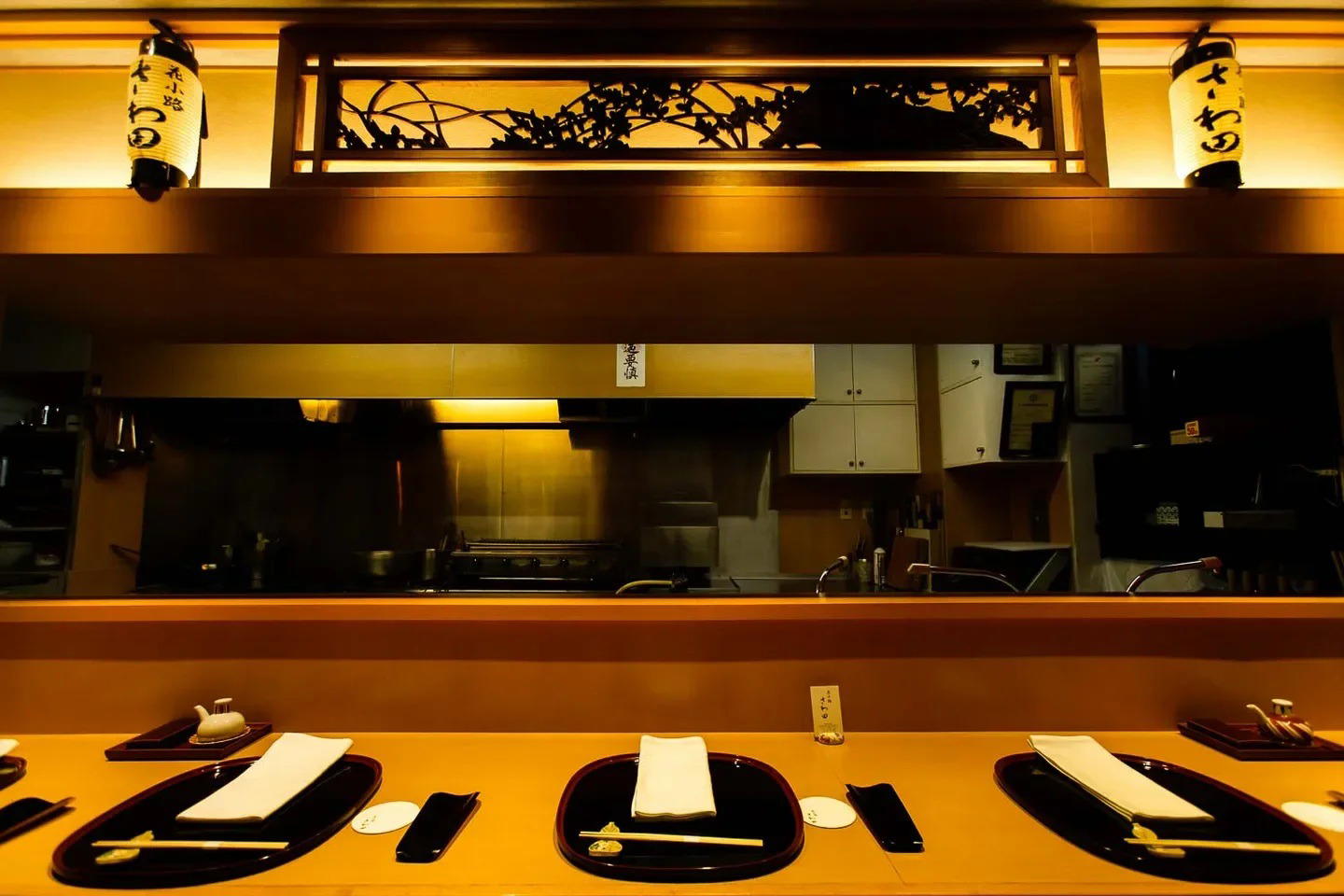



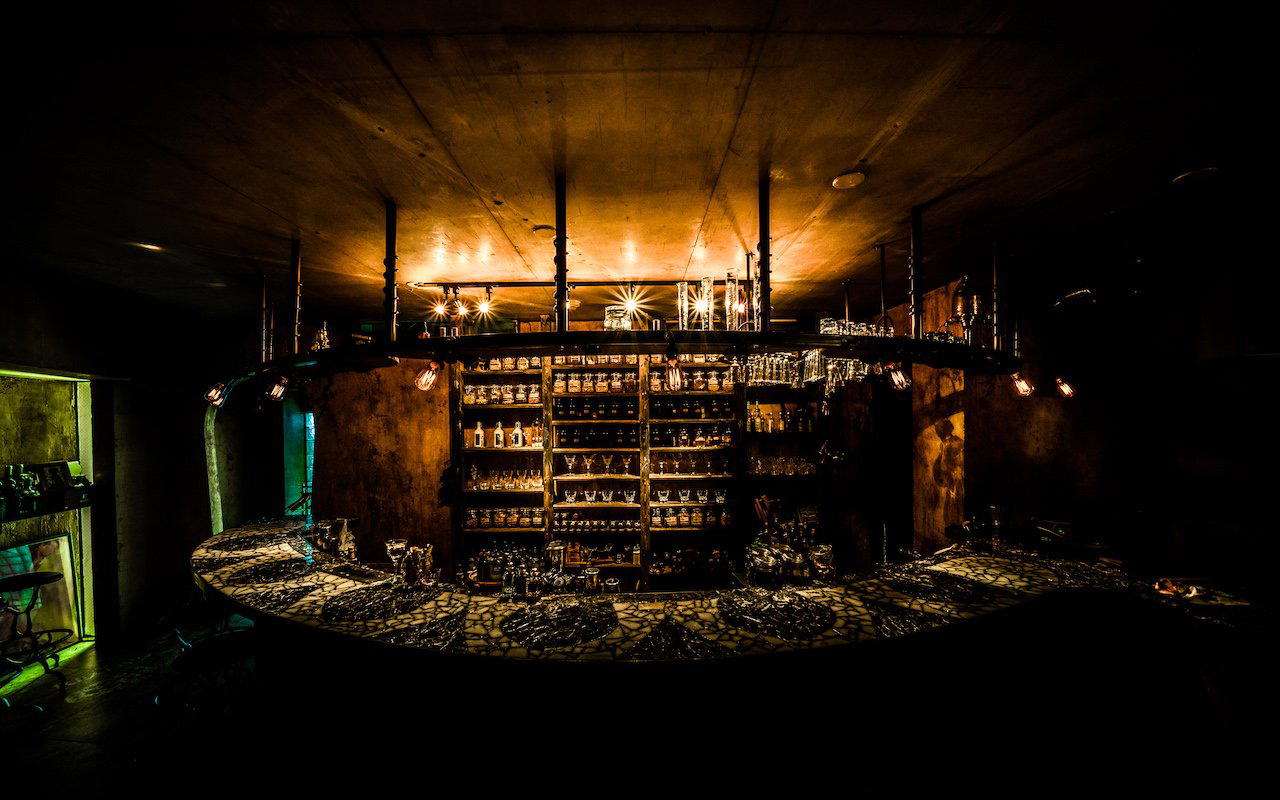
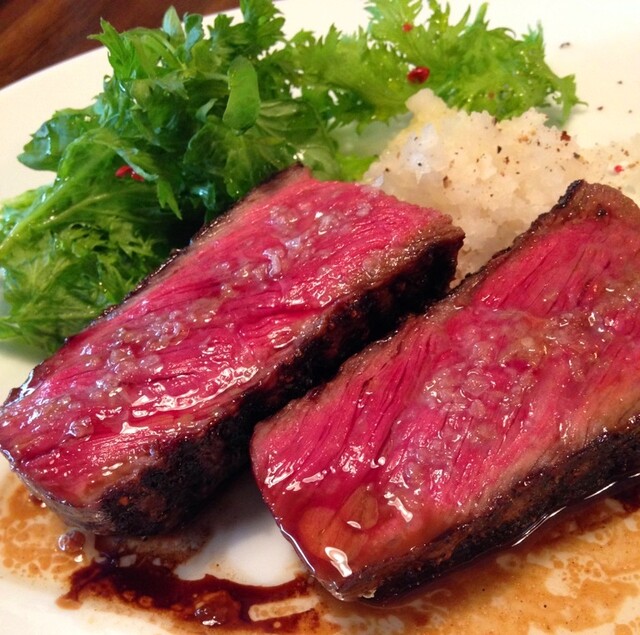





At a Glance
- Cozy
- Quiet
- Classic
- Solo
- Casual Hangout
- After Work
- Open Kitchen
Nostalgic and cozy atmosphere with beautiful silverware service, styled as a traditional Japanese tea and coffee shop with warm, intimate lighting.