
The kitchen draws on Lake Trasimeno's freshwater catch and the surrounding hills' black truffle harvest, framing Umbrian ingredients with the directness the region has always favoured. A wine boutique on the same square supplies the list.
Pearl is the En Primeur Club membership app — saves, bookings, and concierge access live there. Same editors, same standards.
- Address
- Via Antonio Grossi, 06064 Panicale PG, Italy
- Phone
- +39 075 837771
- Website
- lillotatini.it
- Directions
- Get directions
 Saves & bookings on Pearl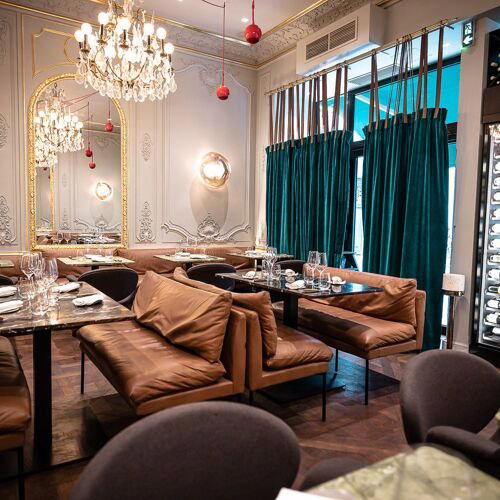
A Medieval Square and What Grows Around It
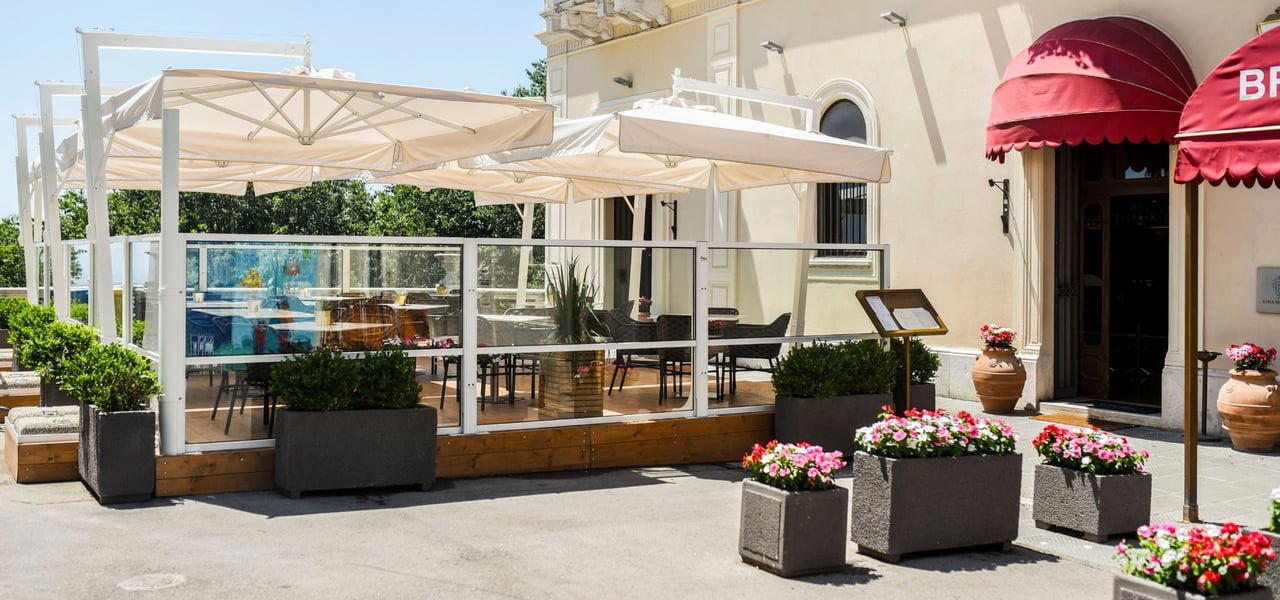
Arriving in Panicale's historic centre means passing through a stone gate and stepping onto a piazza that functions less as a tourist stop than as a working social nucleus for a village of fewer than six thousand people. The square is small, the buildings are tightly clustered, and the terrace at Lillotatini occupies a position on that piazza that places you inside the scene rather than overlooking it. Sitting outside here, the architecture is a physical fact rather than a backdrop, and the scale of the setting has a particular effect on how the meal registers: there is no spectacle competing with the food.
Umbrian cooking, at its most honest, asks for good raw material and discipline. The Michelin Plate Lillotatini has held in both 2024 and 2025 signals competent kitchen execution within that tradition, which in central Italy is a more specific credential than it might appear.
Where the Ingredients Come From
The sourcing logic at Lillotatini is geographic before it is philosophical. Panicale sits on a promontory above Lake Trasimeno, the largest lake in central Italy and the fourth largest in the country overall. Trasimeno has supported a freshwater fishing tradition for centuries: tench, carp, eel, and perch have all been part of the lake's catch, and the preparation methods developed around them, slow braises, simple olive oil finishes, sauces built from the fish itself, remain the reference point for how the lake's produce appears on tables in the surrounding villages. When Lillotatini lists freshwater fish as a kitchen focus, it is drawing directly from that proximity.
The truffle sourcing follows a different but equally specific geography. Umbria's black truffle, Tuber melanosporum, comes primarily from the hills around Norcia and Spoleto to the east, though the broader Umbrian territory supports truffle hunting across its wooded hill country. The seasonal nature of this ingredient is not a marketing point here; it is a constraint that shapes the menu's rhythm. Truffle dishes appear when the harvest permits, and the kitchen's relationship with that seasonality is one of the clearer expressions of how central Italian cooking actually works, not as a fixed offering but as a response to what the land provides at a given time of year.
The Wine Connection on the Piazza
Wine boutique on the same piazza as Lillotatini is not incidental to the restaurant experience. The two operate in close relation: the shop stocks typical local produce alongside a selection of regional wines, and that same selection feeds the restaurant's wine list.
This matters in the context of central Italian wine geography. The wines of Umbria, Sagrantino di Montefalco, Orvieto Classico, Torgiano Rosso, remain less internationally recognised than their Tuscan neighbours despite comparable quality in several categories. A locally curated list in this setting functions as a corrective to the standard tourist-facing wine offer, which in much of rural Umbria defaults to a handful of familiar labels. The boutique-to-table connection creates a more coherent sourcing logic that extends from the kitchen to the glass.
Italy's dining scene at the leading end tends to draw the critical attention, but the country's most consistent dining tradition operates in a quieter register: family-run rooms in smaller towns, menus governed by proximity rather than ambition, wine lists that reflect a postcode rather than an international market.
Who Eats Here and When
Panicale sits roughly 30 kilometres from Perugia and a short drive from the Trasimeno shore, placing it within reach of visitors staying around the lake or passing through on a longer Umbrian itinerary. The village sees fewer visitors than Assisi or Orvieto, which means the dining room at Lillotatini is not calibrated to a high-turnover tourist cycle. Reservation is essential, especially in summer and during truffle season.
The price range sits at €€€, consistent with what a serious village trattoria with Michelin recognition charges across central Italy. For the sourcing quality and the setting, the value equation is clear. Those planning a wider Italian itinerary around formal dining rooms can cross-reference Uliassi in Senigallia, Quattro Passi in Marina del Cantone, or Casa Perbellini 12 Apostoli in Verona for comparison. For a high-altitude Italian creative approach, Atelier Moessmer Norbert Niederkofler in Brunico and Enrico Bartolini in Milan occupy a different register entirely.
At-a-Glance Comparison
Comparable venues nearby, for context on price, style, and recognition.
| Venue | Cuisine | Price | Awards | Notes |
|---|---|---|---|---|
| LillotatiniThis venue — the venue you are viewing | Traditional Umbrian-Italian | $$$ | Michelin Plate | Not listed |
| Degusteria Italiana | Modern Italian Fine Dining with Cheese, Truffles & Game | $$$ | Michelin Plate | San Niccolo |
| Indigeno | Modern Tuscan Farm-to-Table | $$$ | Michelin Plate | Montepulciano |
| Benedikto | Modern Regional Italian Fine Dining | $$$ | Michelin Plate | Assisi historic center |
| Il Galeone | Modern Italian Seafood | $$$ | Michelin Plate | Lido |
| Cacciani | Traditional Roman-Lazio Cuisine | $$$ | Michelin Plate | Frascati |
Recognition history
Dated appearances from independent guides and award organizations, with the underlying list record or original source where available.
Michelin Plate
Michelin
Michelin Plate
Michelin
Michelin Plate
Michelin
Continue exploring
More in Panicale
Restaurants in Panicale
Browse all →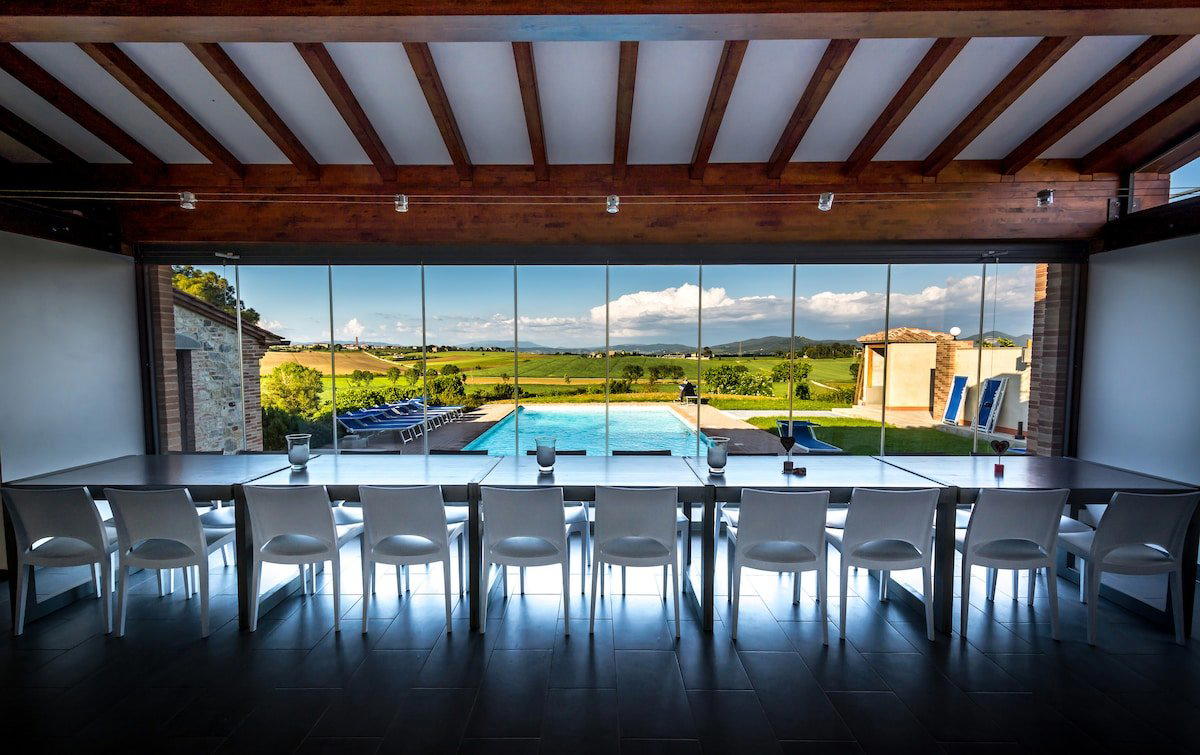
Bars in Panicale
Browse all →
Hotels in Panicale
Browse all →
At a Glance
- Romantic
- Intimate
- Rustic
- Cozy
- Elegant
- Date Night
- Special Occasion
- Terrace
- Historic Building
- Extensive Wine List
- Sommelier Led
- Local Sourcing
- Street Scene
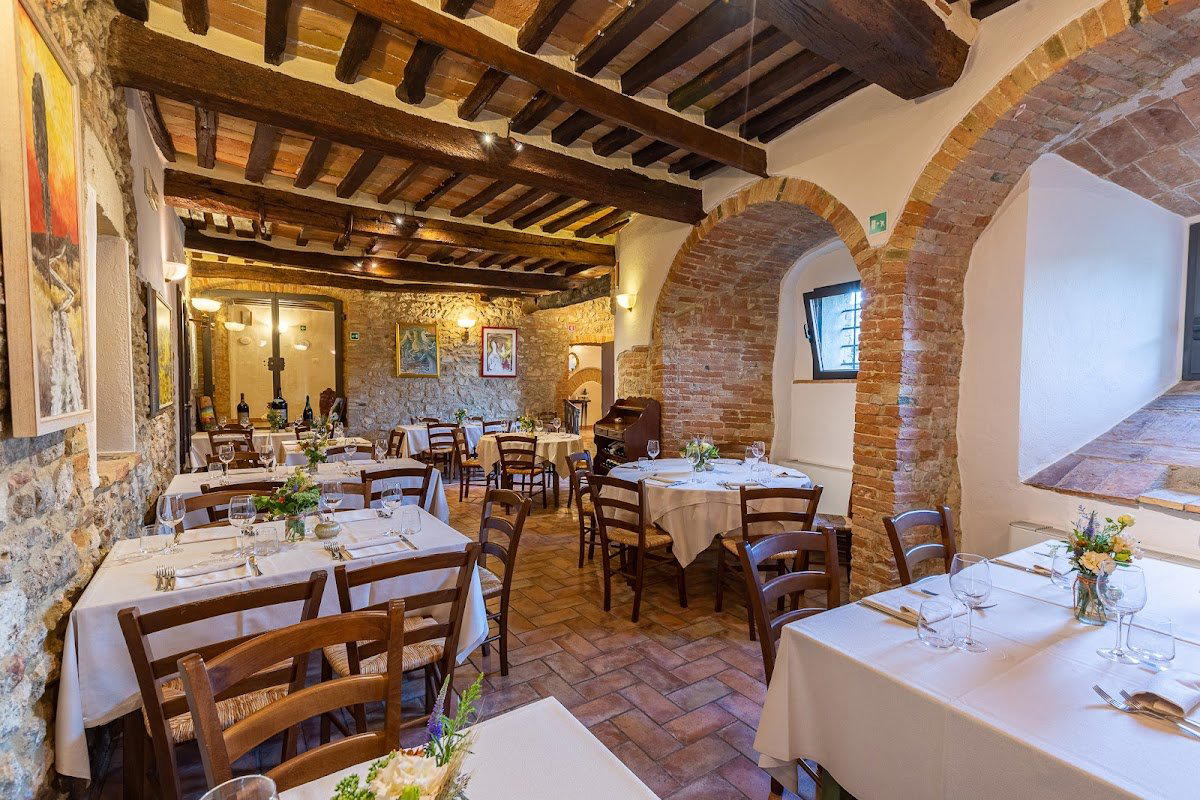
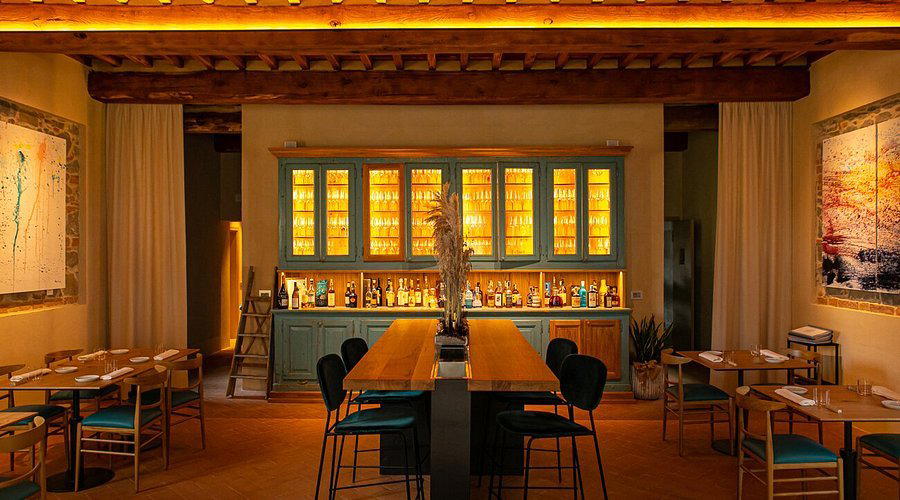
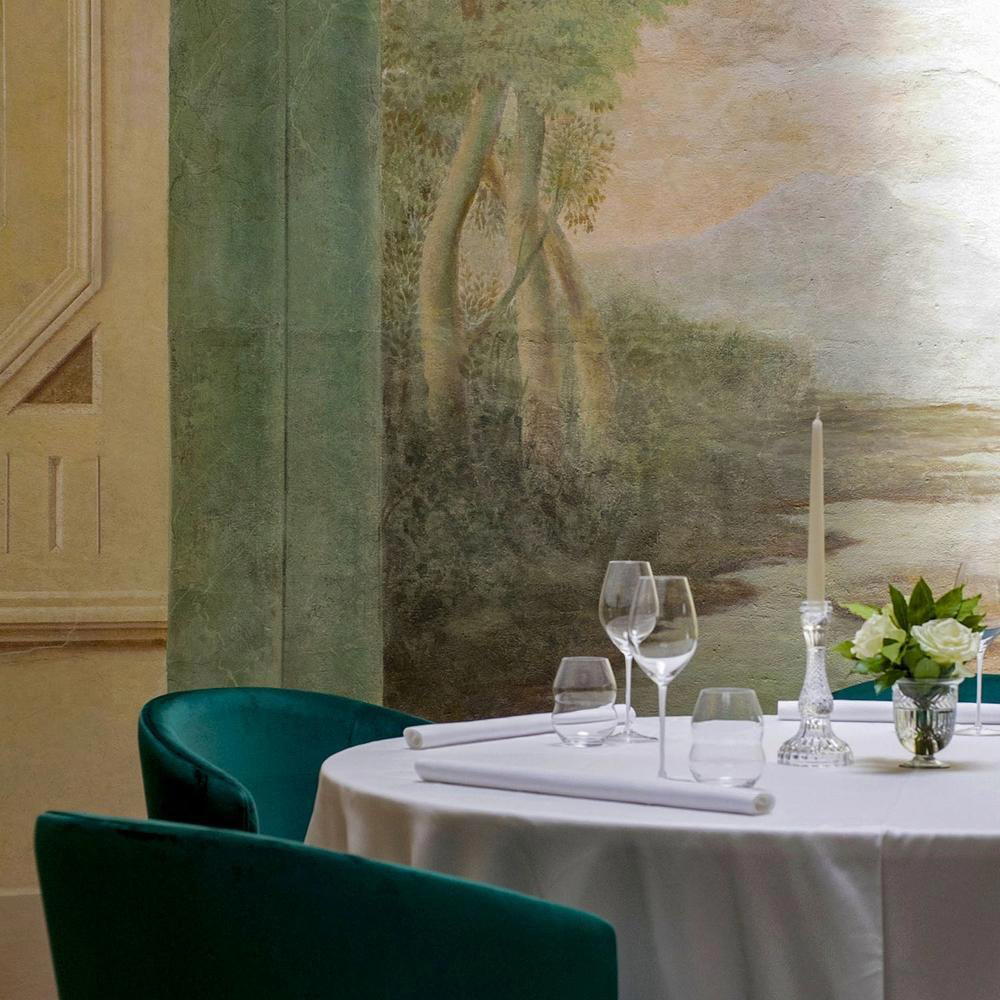
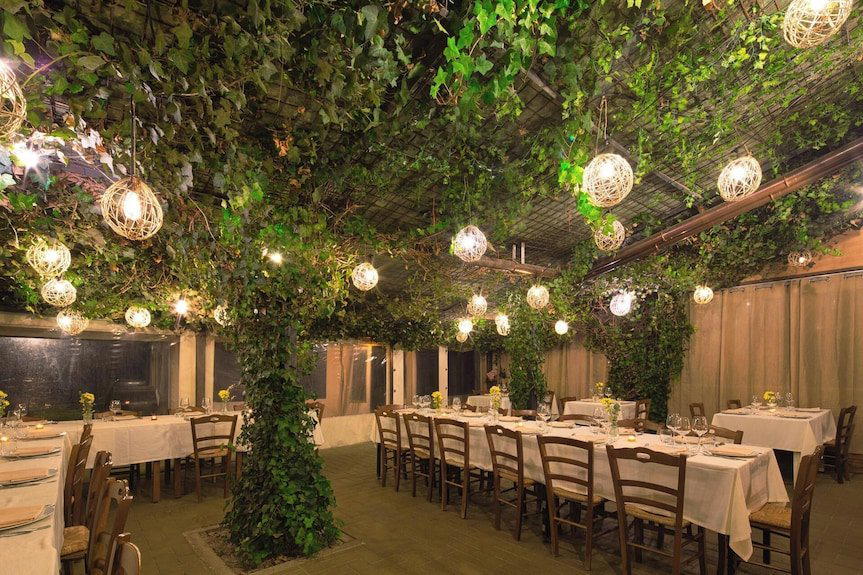
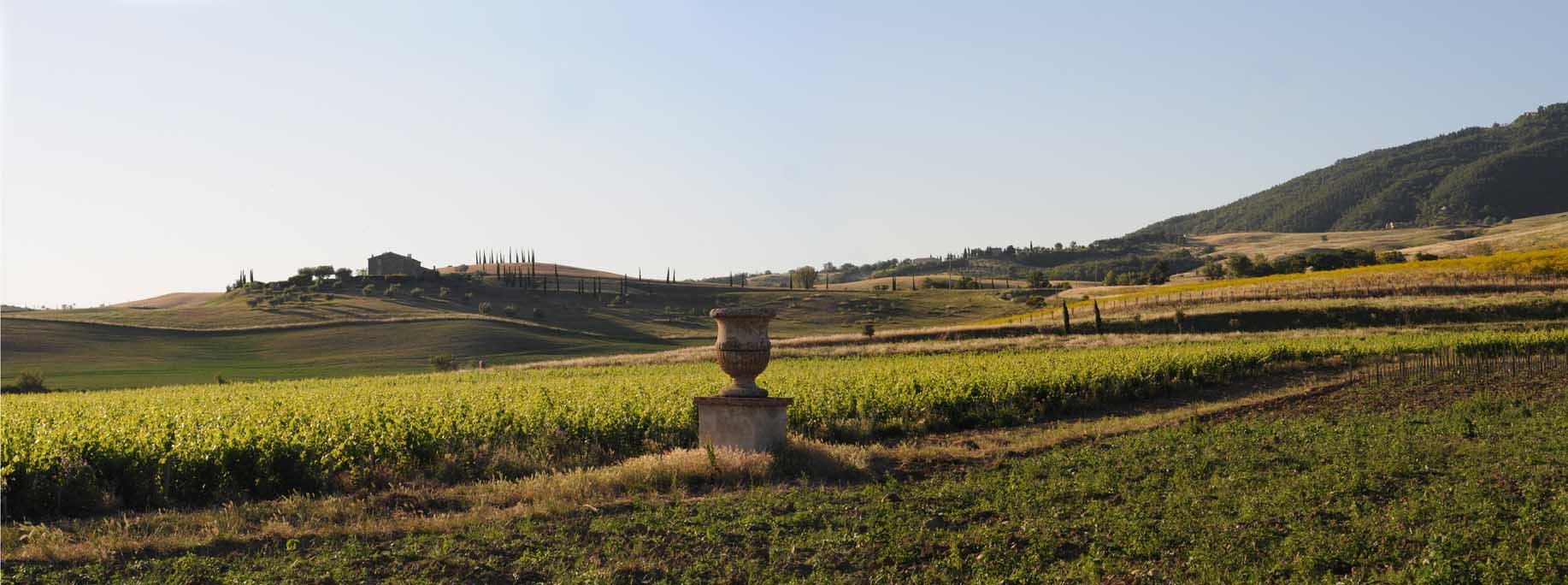
Warm, welcoming family atmosphere with tasteful decor, terrace views of the historic piazza, and a relaxing, intimate setting.