Libertine
On Salem Street in Boston's North End, Libertine occupies a corner of the neighborhood that has long rewarded those who return repeatedly. The kind of address that builds a loyal following through consistency rather than spectacle, it sits inside a dining corridor where regulars tend to navigate by feel rather than reservation apps.
Pearl is the En Primeur Club membership app — saves, bookings, and concierge access live there. Same editors, same standards.
- Address
- 125 Salem St, Boston, MA 02113
- Phone
- +18572334500
- Website
- libertinenorthend.com
- Directions
- Get directions
 Saves & bookings on Pearl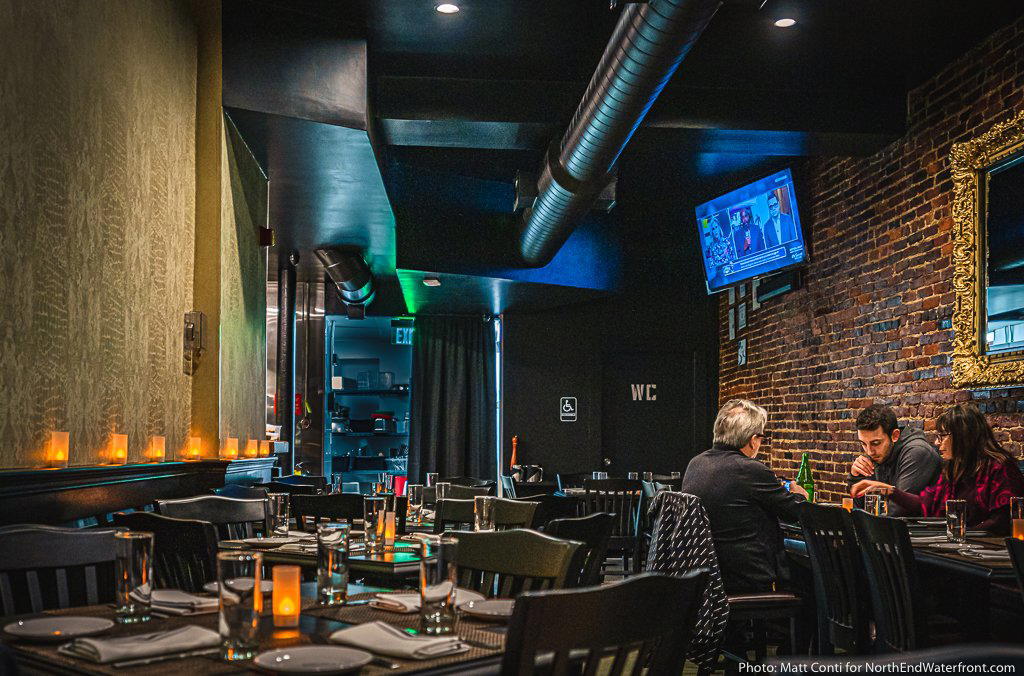
The North End's Quiet Pull
Salem Street runs through the oldest residential neighborhood in Boston, a corridor where Italian-American tradition and newer culinary ambition share the same narrow sidewalks. The North End has spent decades trading on its heritage, red-sauce trattorias, cannoli lines that stretch past the pastry case, but the last several years have introduced a quieter category of address that earns loyalty through repetition rather than debut hype. Libertine, at 125 Salem Street, belongs to that second cohort. The kind of place that accumulates a following of guests who return because they've learned what to expect.
That dynamic, where the regulars' knowledge becomes the real menu, is increasingly what separates durable neighborhood restaurants from venues built around a single opening moment. In Boston's current dining scene, which has shifted toward fewer large-format rooms and more focused, operator-driven concepts, the addresses that survive a decade tend to be the ones where a small group of guests feel genuinely at home. For those guests, Libertine is a habitual stop.
What Keeps People Coming Back
The regulars' perspective on any room is usually one useful one. They've seen the menu in multiple seasons, they know which server to ask about off-list options, and they've calibrated their expectations to what the kitchen actually does well versus what it reaches for. At Libertine, that accumulated knowledge tends to point toward consistency over spectacle, the kind of cooking that doesn't require a special occasion to justify, but holds up just as well on a Tuesday as on a Saturday.
The North End as a dining corridor produces a specific kind of return guest: someone familiar with Italian-American tradition who is also open to the departures from it. Boston's restaurant scene in this neighborhood has long run on that tension, between the canonical and the contemporary, and the addresses that navigate it most successfully are those that understand both sides without condescending to either. That's the operating position Libertine appears to occupy, a room that respects the neighborhood's culinary grammar while writing its own sentences.
In the broader Boston context, this places Libertine alongside a comparable set of focused, neighborhood-anchored concepts rather than the more theatrical formats you'd find in the Seaport or the high-volume tourist operations along Hanover Street. For comparison, the Seaport cluster, including venues like 75 on Liberty Wharf and waterfront addresses such as 1928 Rowes Wharf, operates at a different register entirely, built around occasion dining and hotel infrastructure. Libertine's Salem Street position is more intimate, more contingent on word of mouth, and more dependent on the loyalty of a specific local audience.
The North End's Competitive Frame
Boston's dining ecosystem in 2024 and 2025 has continued to split between high-investment tasting-menu formats, places like 311 Omakase and Agosto, where the chef's counter format and per-head spend signal a clear positioning, and more accessible, repeat-visit concepts that don't require advance planning or prix-fixe commitment. The latter category is harder to sustain, because the margins are thinner and the audience is less predictably willing to spend. That Libertine operates in this more demanding tier is itself a form of editorial evidence about what the room is doing right.
The North End also competes internally. Neptune Oyster, a few blocks away, has built a following so devoted that weekend waits can stretch past two hours without a reservation. O Ya, on the edge of the neighborhood, represents a different price tier entirely, with omakase pricing that places it in a national comparable set. The salmon-pink booths and white tablecloths of the neighborhood's Italian institutions still draw tourists by the busload. Within that range, Libertine's position is that of the well-kept local alternative, the room that the neighborhood itself tends to favor over the ones that appear in every travel round-up.
Planning a Visit
Salem Street in the North End is walkable from the Haymarket MBTA stop (Green and Orange Lines), placing Libertine within easy reach of downtown Boston without requiring a car or a rideshare from most central accommodations. The neighborhood itself is compact enough that a visit to Libertine can anchor an evening that starts or ends with a walk through the adjacent streets, the geography rewards wandering in a way that the Seaport's grid does not.
Booking ahead is recommended. North End addresses at this price and format tier generally benefit from mid-week visits if flexibility exists, as Saturday evenings in the neighborhood tend to compress across multiple concepts simultaneously, tightening availability across the board.
For those building a broader Boston itinerary, the city's steakhouse tier, anchored by Abe & Louie's, and its waterfront seafood options represent a different kind of evening than Libertine offers. Our full Boston restaurants guide maps those alternatives by neighborhood and format.
Libertine in National Context
Placed against the national tier of dining, the French Laundry in Napa, Alinea in Chicago, Le Bernardin in New York, or the farm-to-table rigor of Blue Hill at Stone Barns, Libertine operates at a different altitude. That's not a criticism. The restaurant that earns a neighborhood's sustained loyalty, the one where regulars stop consulting the menu after a few visits, fills a role that destination dining cannot. The same logic applies to concepts like Lazy Bear in San Francisco or Single Thread Farm in Healdsburg, they exist in a register built for occasion; Libertine suits regular visits.
Internationally, the model of the neighborhood-loyal address that resists category capture has equivalents: the bistrot de quartier in Paris, the izakaya in Osaka, the trattoria di famiglia in Rome. What those formats share is an understanding that particularly durable restaurants are often the least legible from outside, they make sense primarily to those who have already been, and who have already decided to return.
Booking and Cost Snapshot
Comparable venues nearby, for context on price, style, and recognition.
| Venue | Cuisine | Price | Notes |
|---|---|---|---|
| LibertineThis venue — the venue you are viewing | Not listed | $$ | Not listed |
| Quattro | Not listed | $$ | North End, Neapolitan Pizza & Italian Grill |
| Antonio's Cucina Italiano | West End, Classic Italian Trattoria | $$ | Not listed |
| Terramia | North End, Creative Italian Trattoria | $$ | Not listed |
| Forcella | North End, Modern Italian | $$ | Not listed |
| CeCarré Pizza & Provisions | Prudential, Pizza & Provisions | $$ | Not listed |
Continue exploring
More in Boston
Restaurants in Boston
Browse all →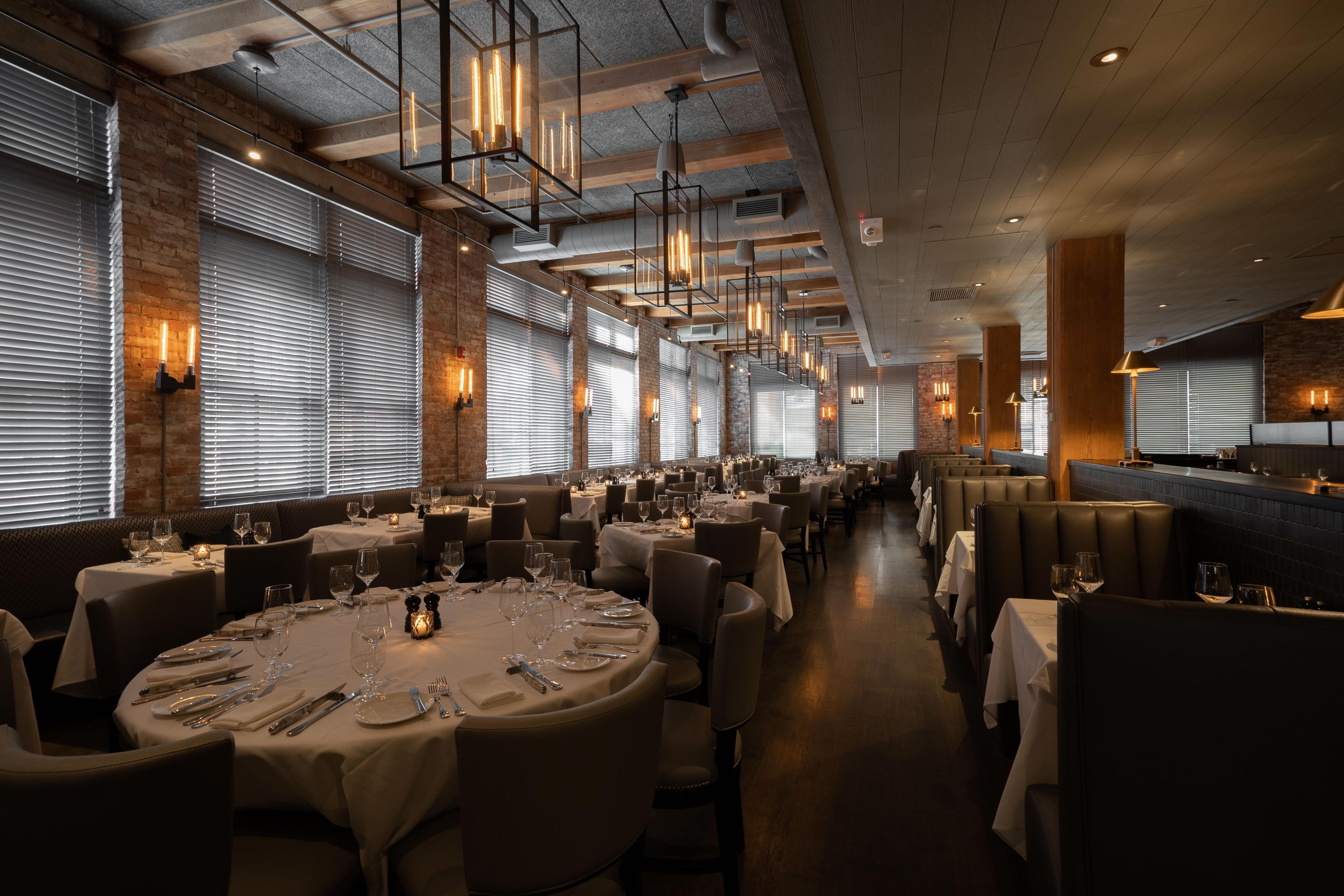
Bars in Boston
Browse all →
Hotels in Boston
Browse all →
Wineries in Boston
Browse all →
At a Glance
- Lively
- Trendy
- Sophisticated
- Date Night
- Casual Hangout
- Late Night
- Open Kitchen
- Craft Cocktails
Current opening hours
- Monday
- 12–11 PM
- Tuesday
- Closed
- Wednesday
- 12–11 PM
- Thursday
- 12–11 PM
- Friday
- 12 PM–1 AM
- Saturday
- 12 PM–1 AM
- Sunday
- 12–11 PM
Hours can change for holidays and private events. Last verified .
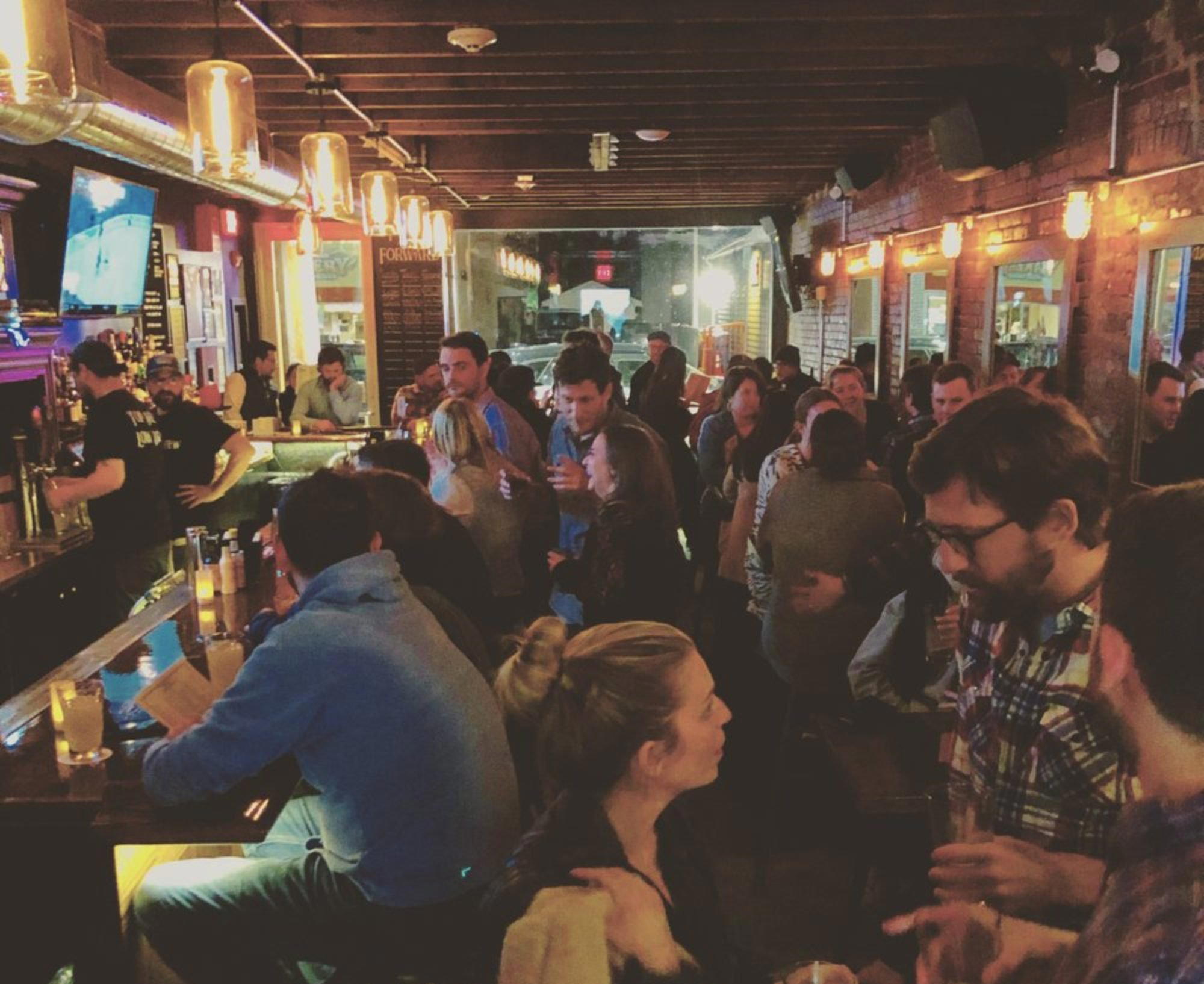
Sophisticated yet relaxed ambiance with dark wood, exposed brick walls, and a busy bar atmosphere.